


Anti-infection
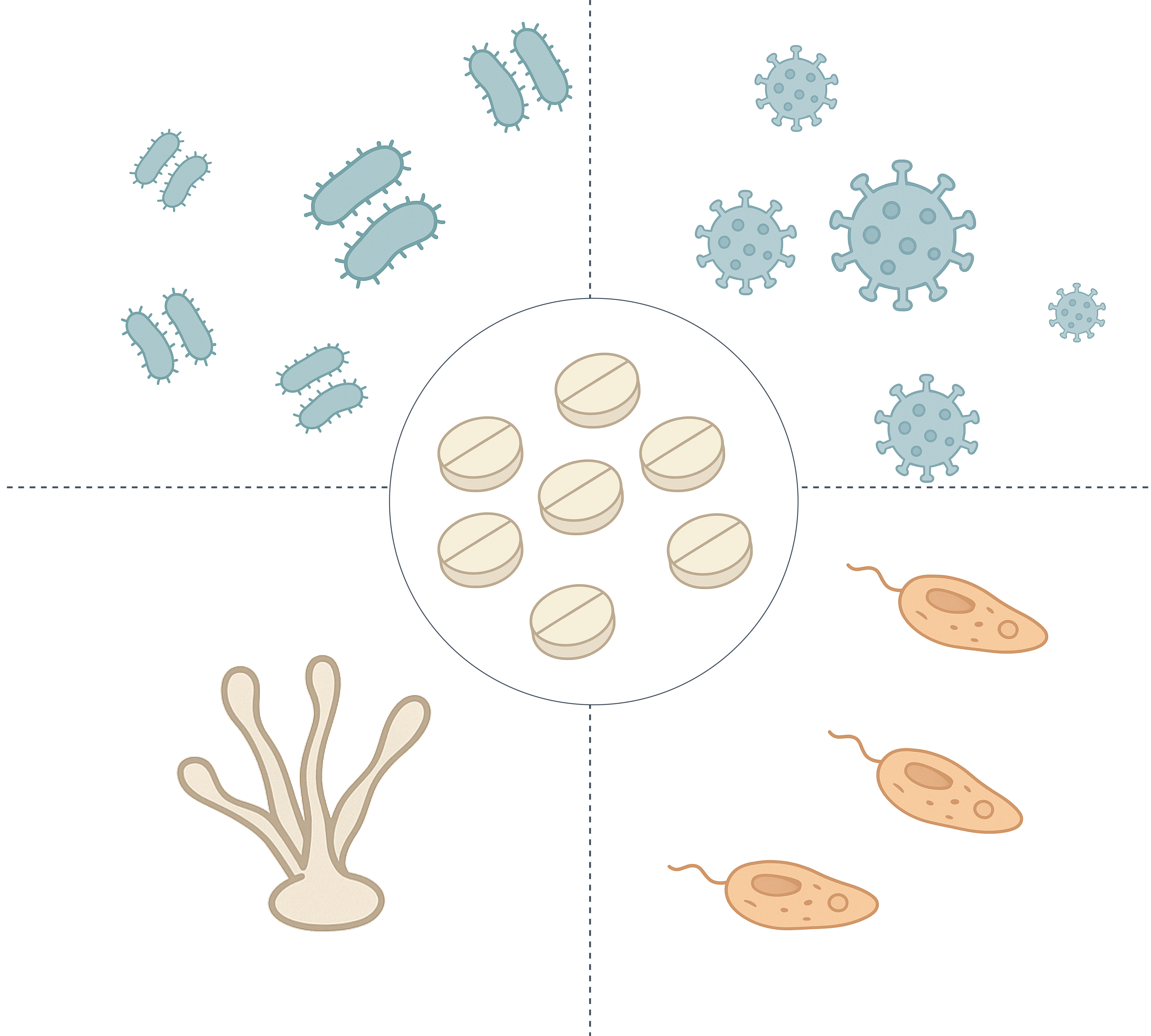
Anti-infectives are agents that eliminate or inhibit the spread of infectious organisms, encompassing antibiotics, antifungals, antivirals, and antiprotozoals.
Antibiotics are a class of antimicrobial agents specifically designed to target bacterial pathogens. They exert their effects by interfering with essential bacterial processes such as cell wall synthesis, protein synthesis, nucleic acid replication, and metabolic pathways, thereby either inhibiting bacterial growth or inducing bacterial death.
Antifungals are antimicrobial agents employed to combat fungal infections (mycoses) in humans and animals. Common antifungal classes include azoles, polyenes, echinocandins, and allylamines, which function by disrupting unique fungal structures or pathways, such as the synthesis or integrity of ergosterol-containing cell membranes and β-glucan-based cell walls, or by interfering with nucleic acid or protein synthesis.
Antivirals are compounds developed to inhibit the replication and spread of viruses within host organisms. Antivirals typically act by blocking viral entry, genome replication, protein processing, or virion assembly and release. Representative examples include nucleoside analogs, protease inhibitors, and neuraminidase inhibitors.
Antiprotozoals are drugs used to treat infections caused by protozoan parasites, including malaria, amebiasis, giardiasis, and trypanosomiasis. They act through a variety of mechanisms, including inhibition of nucleic acid synthesis, interference with mitochondrial function, and disruption of heme detoxification pathways in susceptible parasites.
-
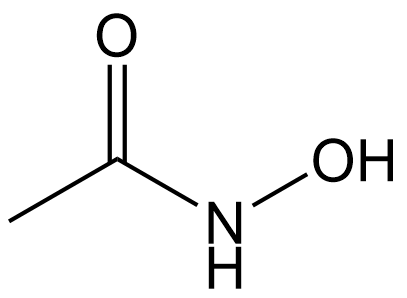 B8690 Acetohydroxamic AcidSummary: An irreversible urease inhibitor
 -
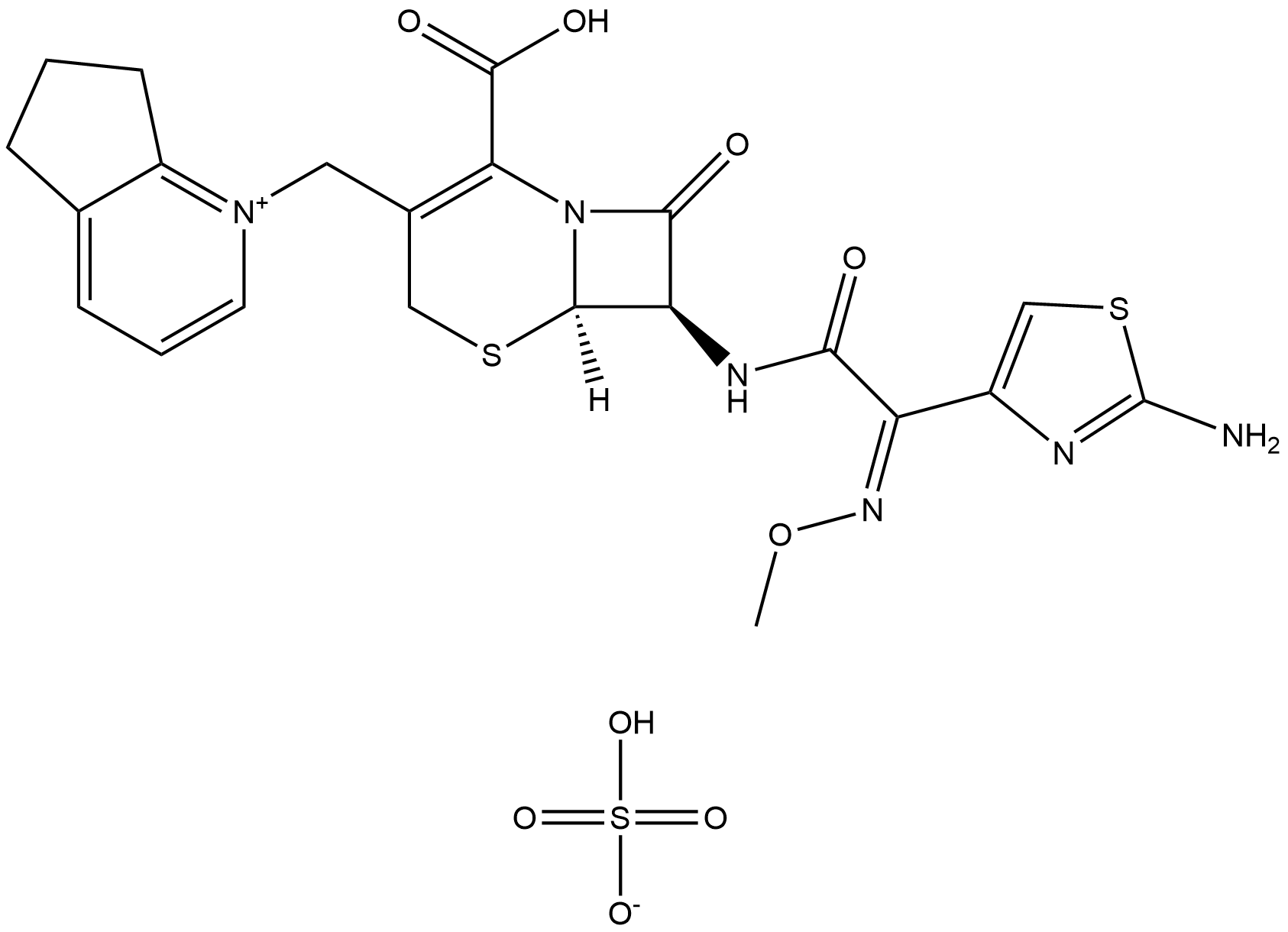 C8822 Cefpirome sulfateSummary: Cefpirome sulfate is a fourth-generation cephalosporin β-lactam compound targeting bacterial cell wall synthesis, broadly utilized in microbiology and antimicrobial resistance research.
 -
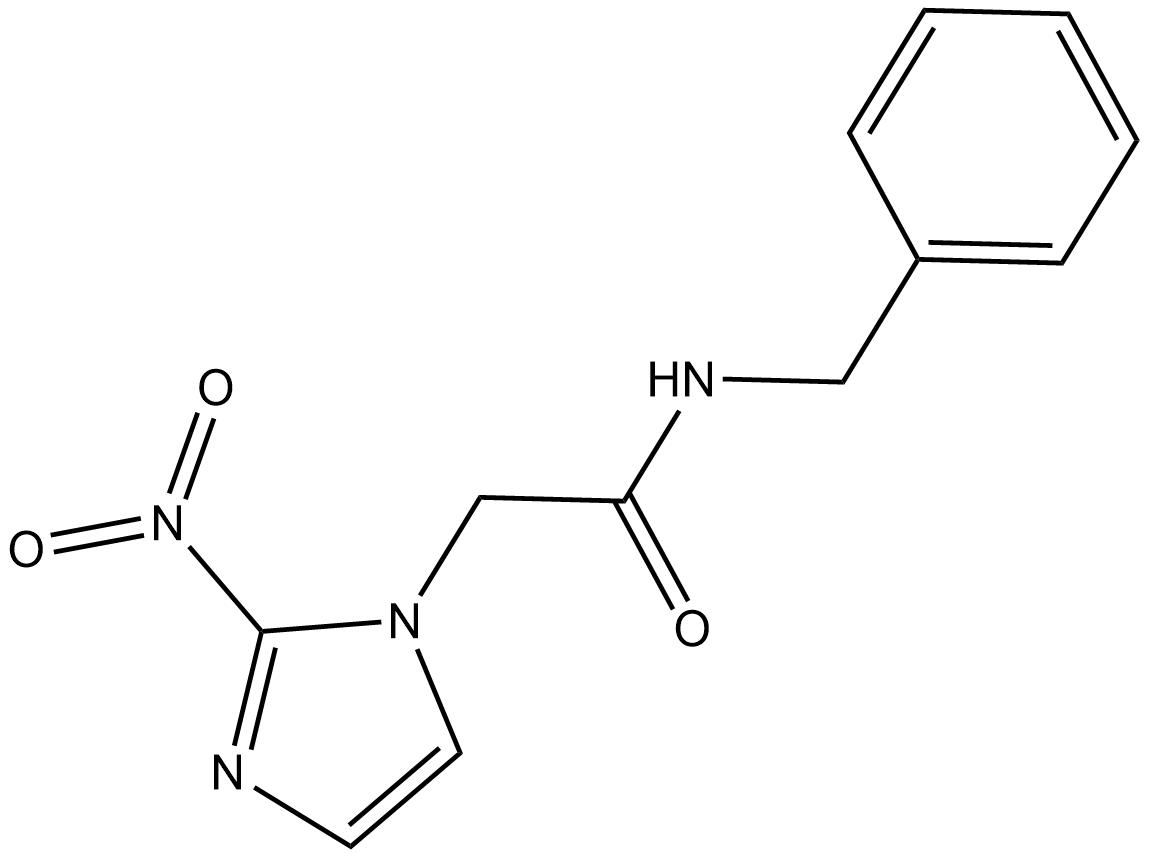 C8825 BenznidazoleSummary: Benznidazole (CAS 22994-85-0) is a nitroimidazole compound that induces parasite macromolecular damage and is widely utilized in protozoan biology and antiparasitic mechanism research.
 -
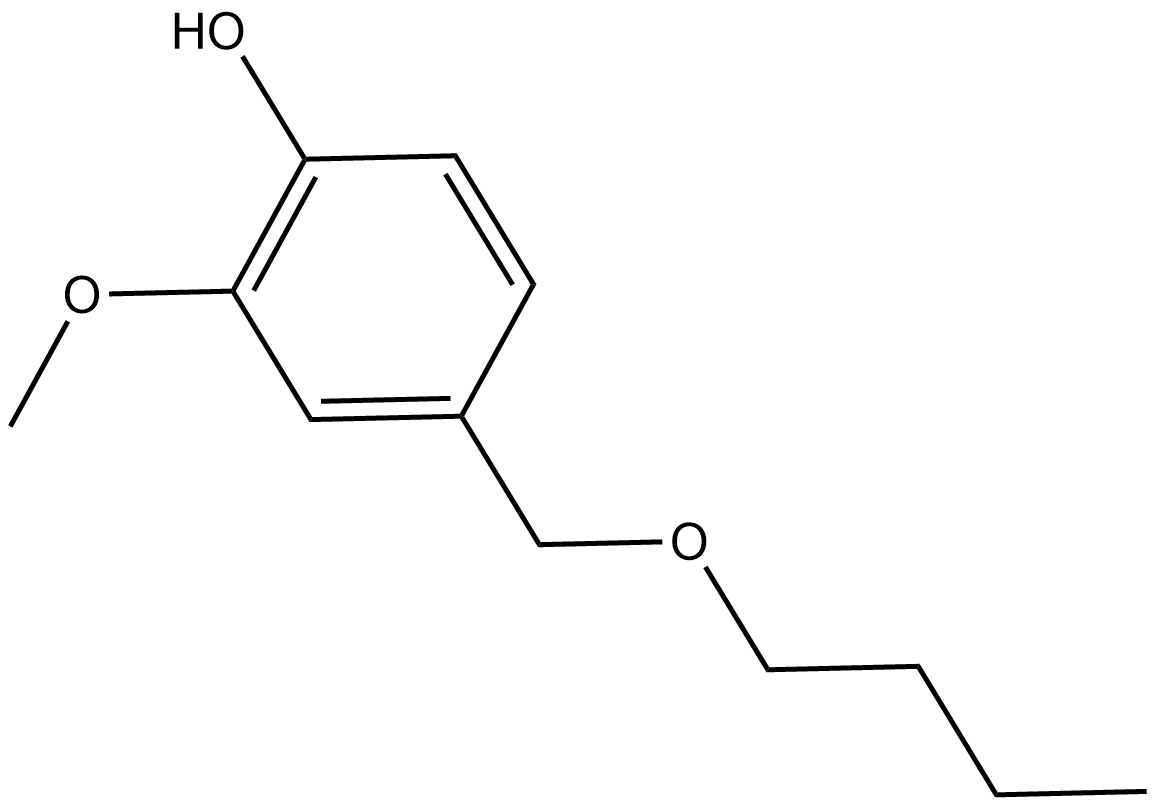 C8826 Vanillyl Butyl EtherSummary: Vanillyl Butyl Ether is a vanilloid analog that activates TRPV1 signaling and is utilized in sensory neurobiology and thermoreception mechanism research.
 -
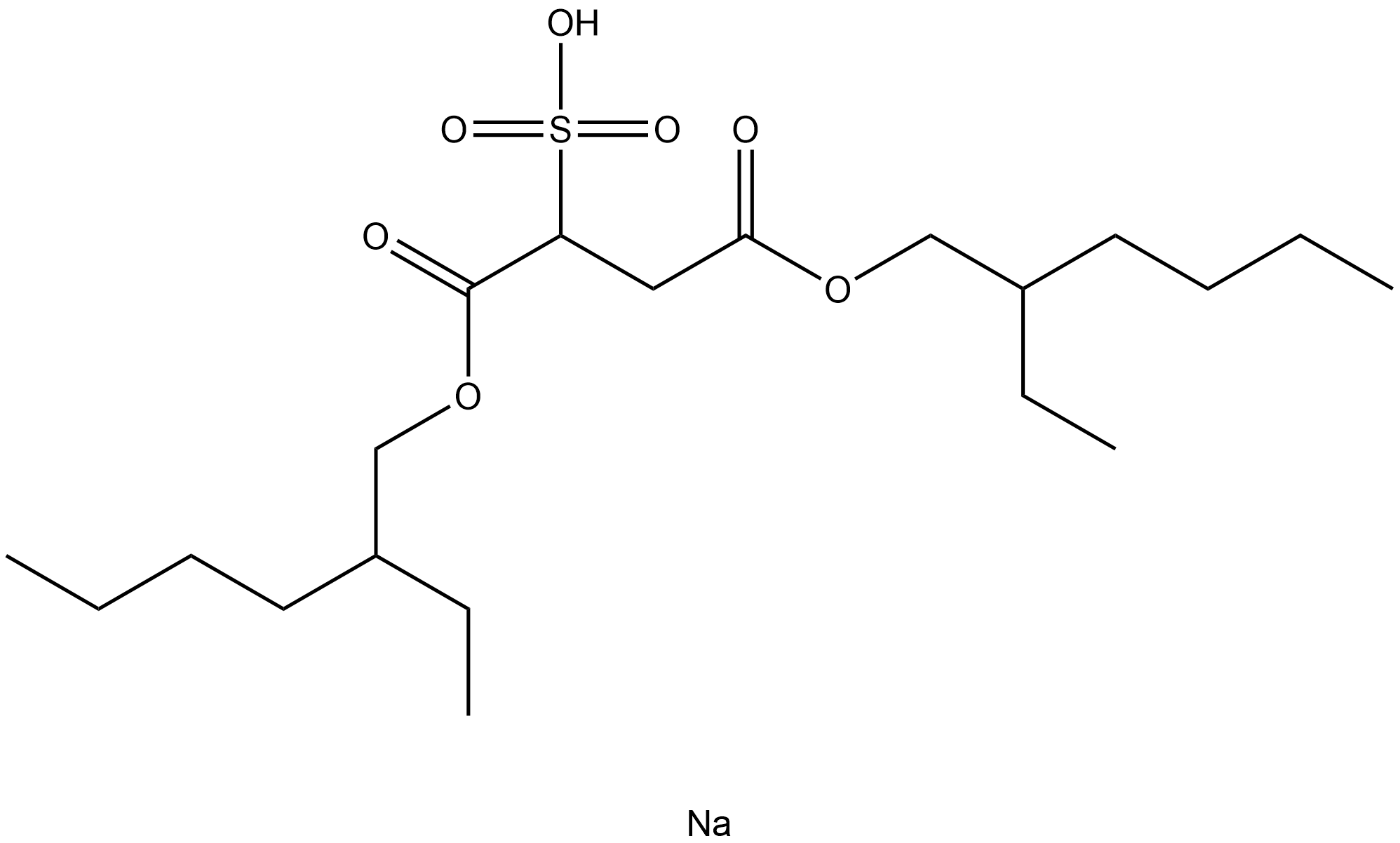 C8836 Docusate SodiumSummary: Docusate Sodium is an anionic surfactant that perturbs membrane permeability and is widely utilized as a formulation excipient in pharmaceutical and biochemical research.
 -
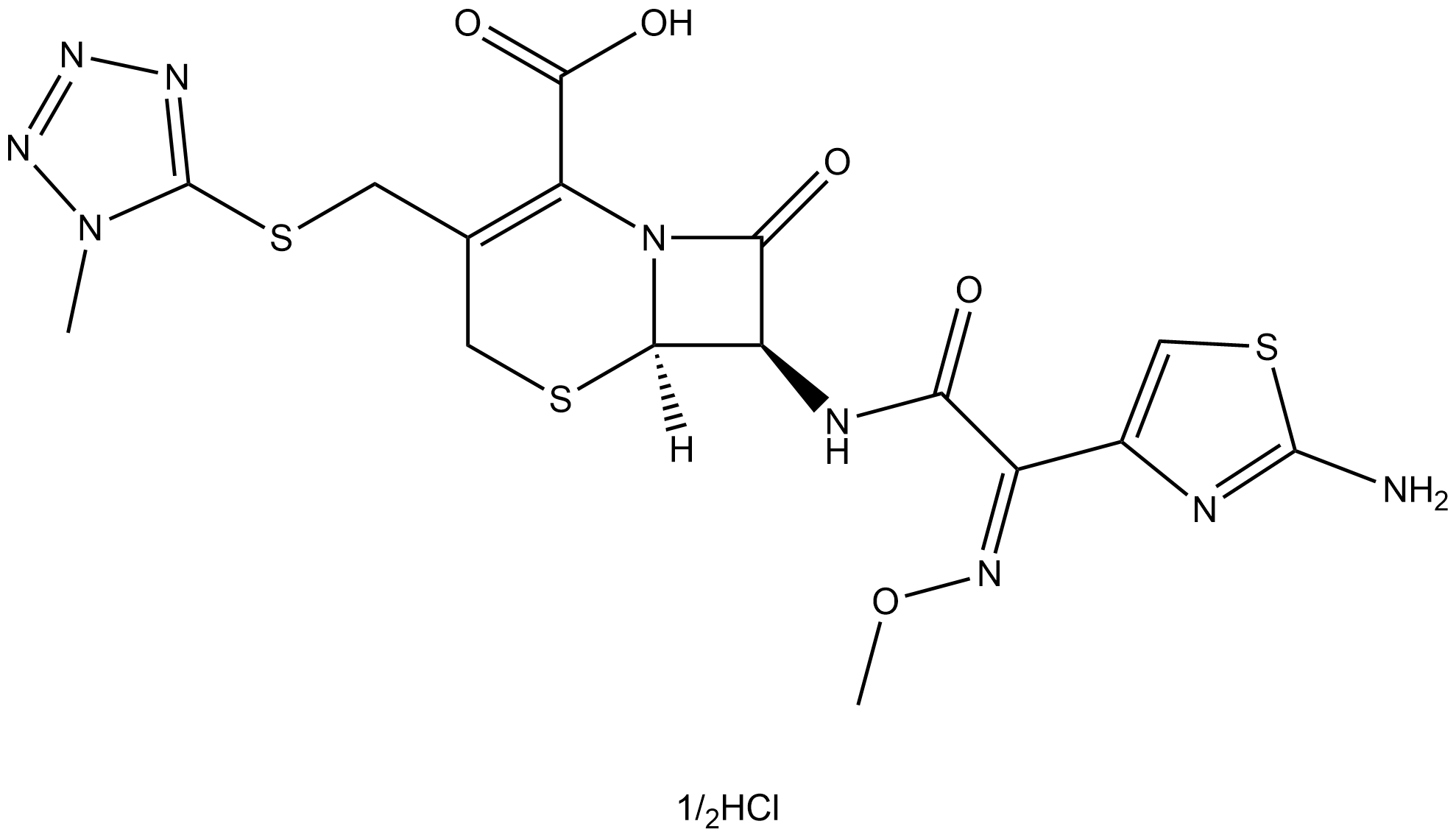 C8837 Cefmenoxime hydrochlorideSummary: Cefmenoxime hydrochloride is a third-generation cephalosporin β-lactam that inhibits bacterial cell-wall peptidoglycan synthesis, widely used in microbiology and antimicrobial resistance research.
 -
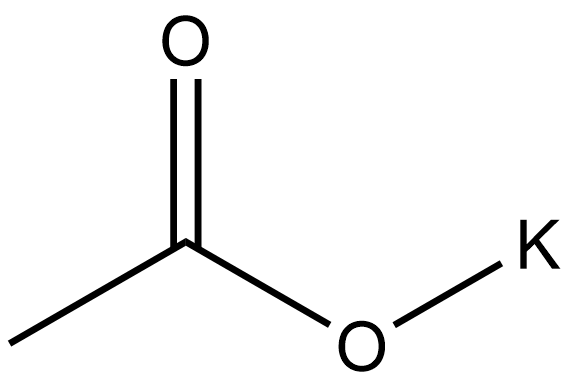 C8840 Potassium acetateSummary: Potassium acetate is an inorganic acetate salt used as a potassium source and buffering reagent in biochemical, molecular biology, and analytical chemistry research.
 -
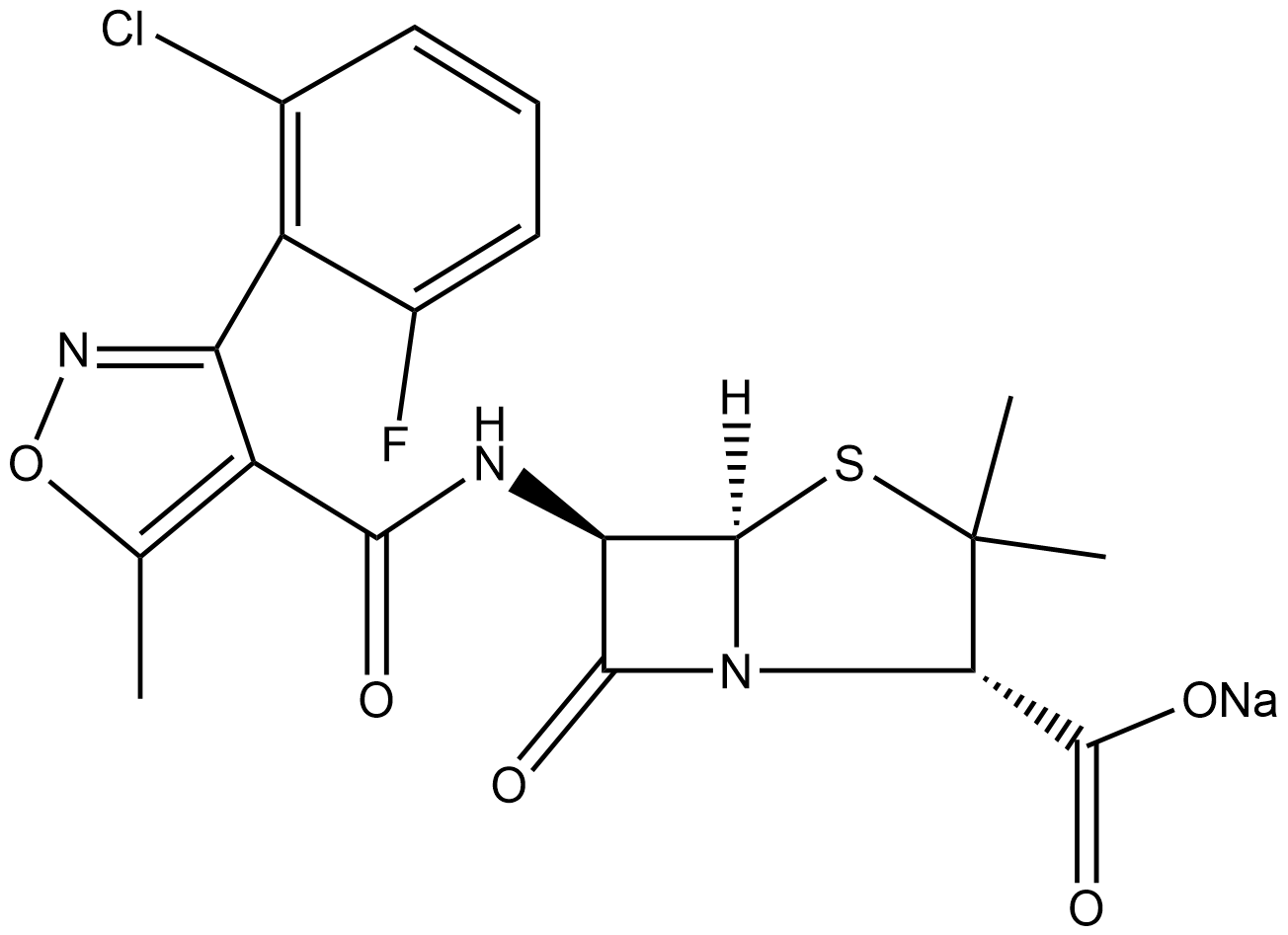 C8841 Flucloxacillin sodiumSummary: Flucloxacillin sodium is a beta-lactam antibiotic that inhibits bacterial cell-wall peptidoglycan crosslinking and is utilized in microbiology and antimicrobial resistance research.
 -
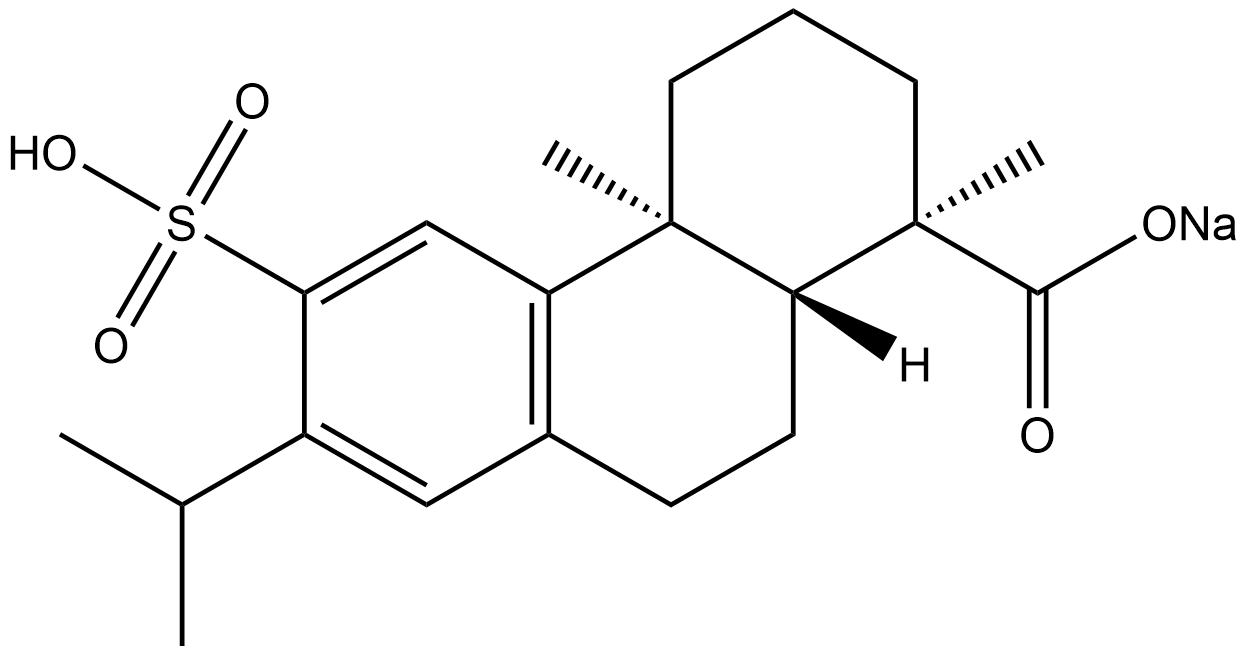 C8844 Ecabet sodiumSummary: Ecabet sodium (CAS 86408-72-2) is a gastroprotective quinolone derivative used as a biochemical probe in gastric mucosal barrier and cytoprotection mechanism research.
 -
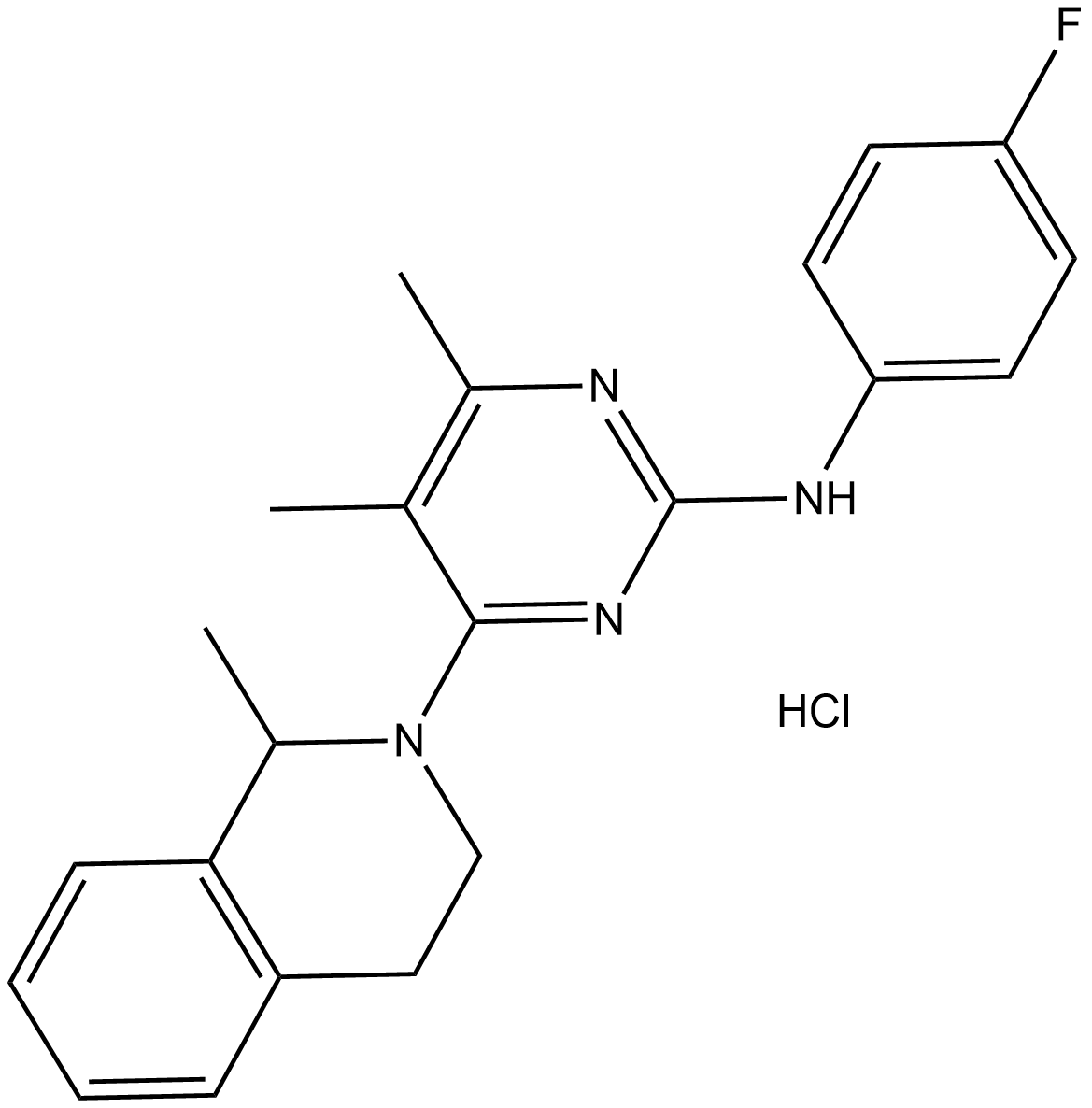 C8852 Revaprazan HydrochlorideSummary: Revaprazan Hydrochloride is a potassium-competitive acid blocker targeting gastric H?/K?-ATPase, utilized as a pharmacological tool in gastrointestinal physiology and acid-secretion research.