


Anti-infection
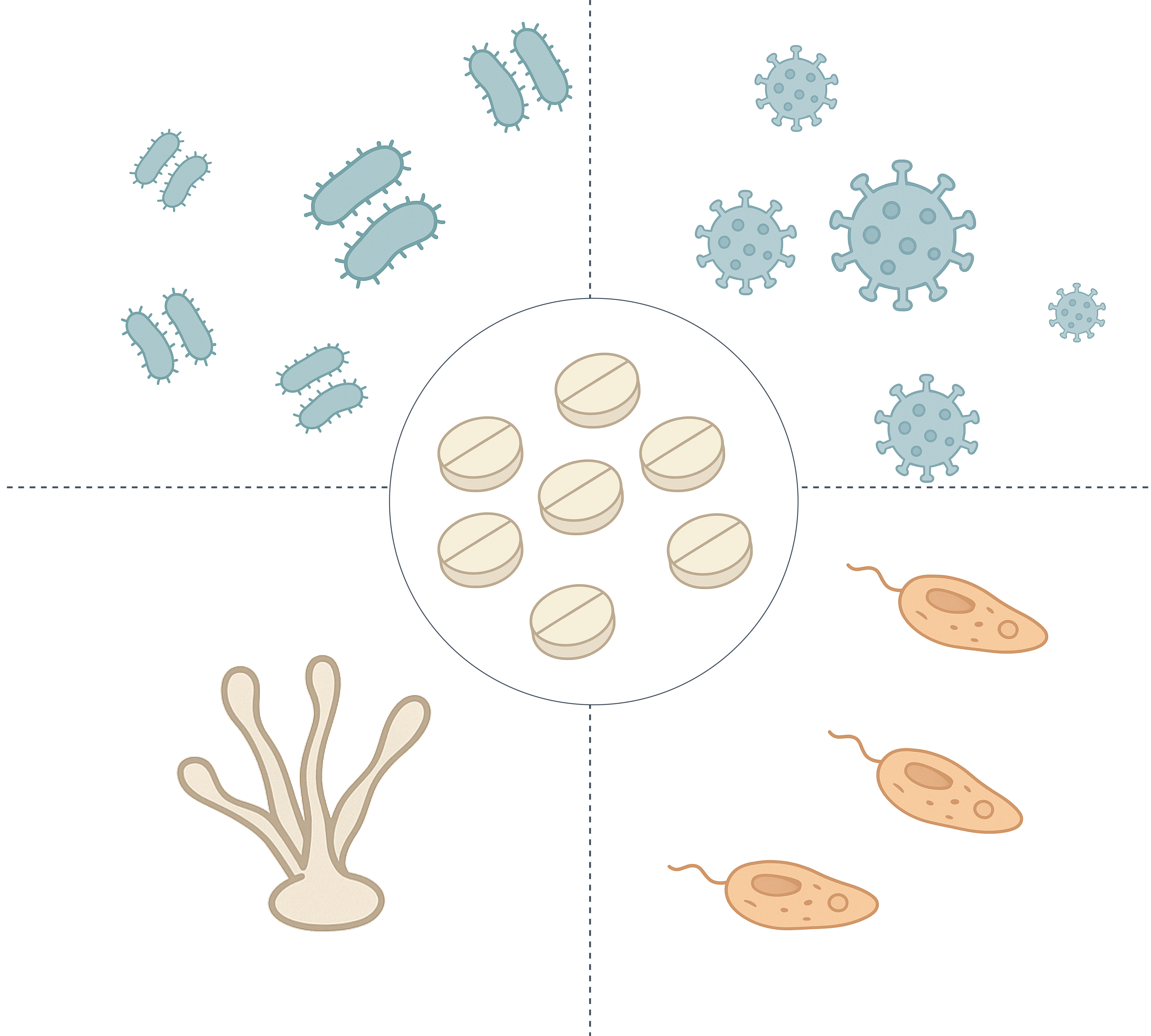
Anti-infectives are agents that eliminate or inhibit the spread of infectious organisms, encompassing antibiotics, antifungals, antivirals, and antiprotozoals.
Antibiotics are a class of antimicrobial agents specifically designed to target bacterial pathogens. They exert their effects by interfering with essential bacterial processes such as cell wall synthesis, protein synthesis, nucleic acid replication, and metabolic pathways, thereby either inhibiting bacterial growth or inducing bacterial death.
Antifungals are antimicrobial agents employed to combat fungal infections (mycoses) in humans and animals. Common antifungal classes include azoles, polyenes, echinocandins, and allylamines, which function by disrupting unique fungal structures or pathways, such as the synthesis or integrity of ergosterol-containing cell membranes and β-glucan-based cell walls, or by interfering with nucleic acid or protein synthesis.
Antivirals are compounds developed to inhibit the replication and spread of viruses within host organisms. Antivirals typically act by blocking viral entry, genome replication, protein processing, or virion assembly and release. Representative examples include nucleoside analogs, protease inhibitors, and neuraminidase inhibitors.
Antiprotozoals are drugs used to treat infections caused by protozoan parasites, including malaria, amebiasis, giardiasis, and trypanosomiasis. They act through a variety of mechanisms, including inhibition of nucleic acid synthesis, interference with mitochondrial function, and disruption of heme detoxification pathways in susceptible parasites.
-
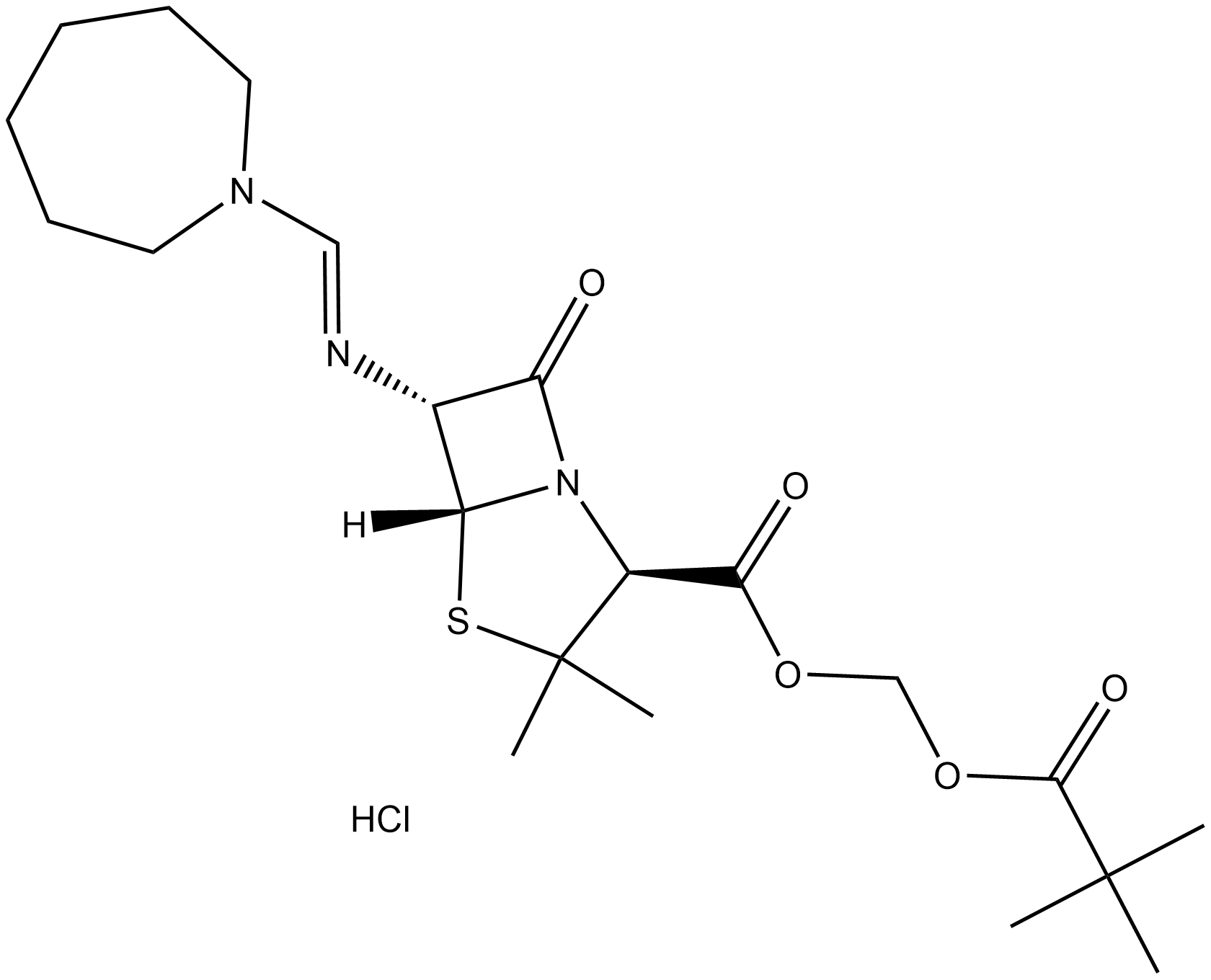 C8876 Pivmecillinam hydrochlorideSummary: Pivmecillinam hydrochloride is a beta-lactam amidinopenicillin prodrug targeting bacterial penicillin-binding proteins, widely utilized in microbiology and antibiotic resistance mechanism research.
 -
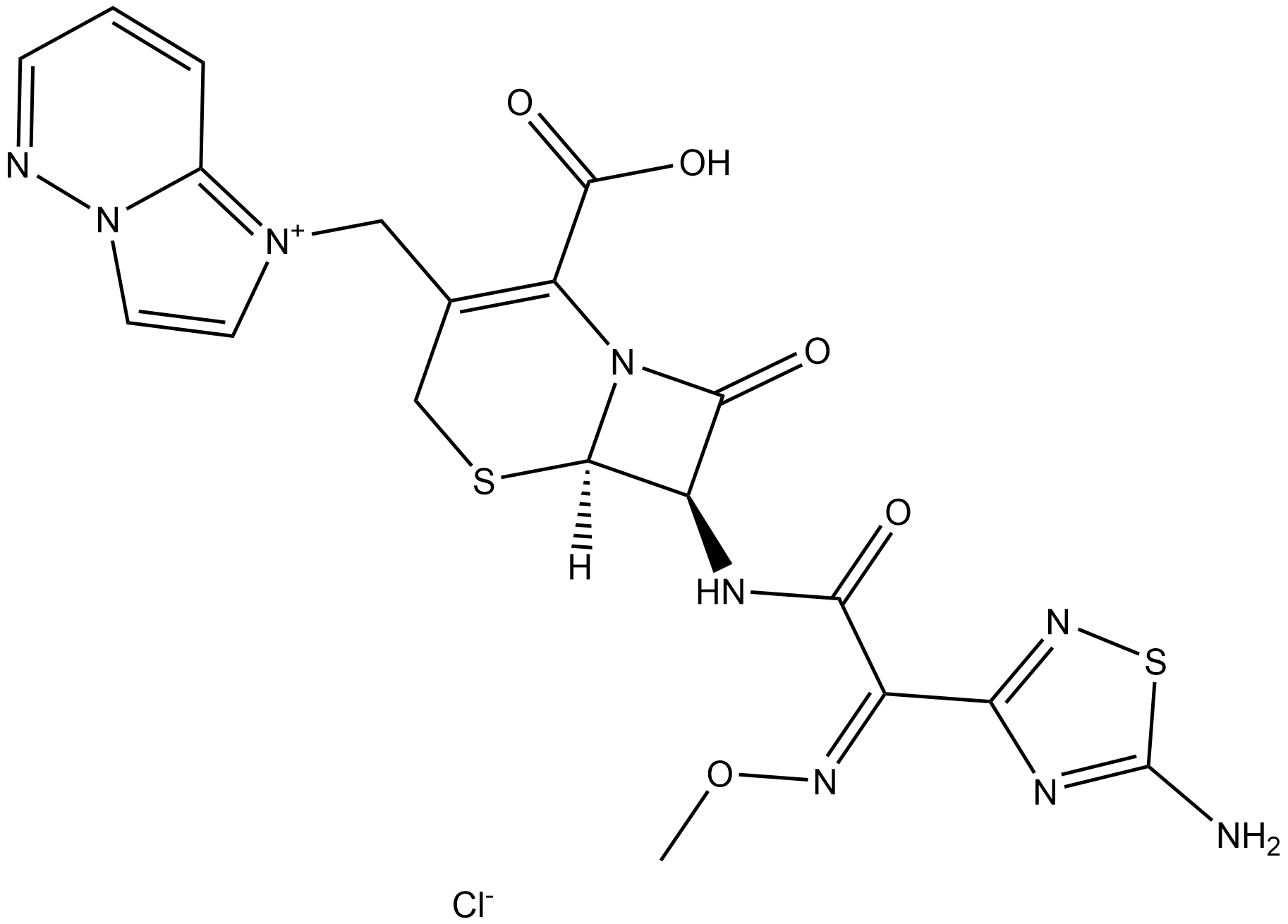 C8885 Cefozopran hydrochlorideSummary: Cefozopran hydrochloride is a fourth-generation cephalosporin β-lactam compound targeting bacterial cell-wall peptidoglycan synthesis, widely utilized in antimicrobial resistance and microbiology research.
 -
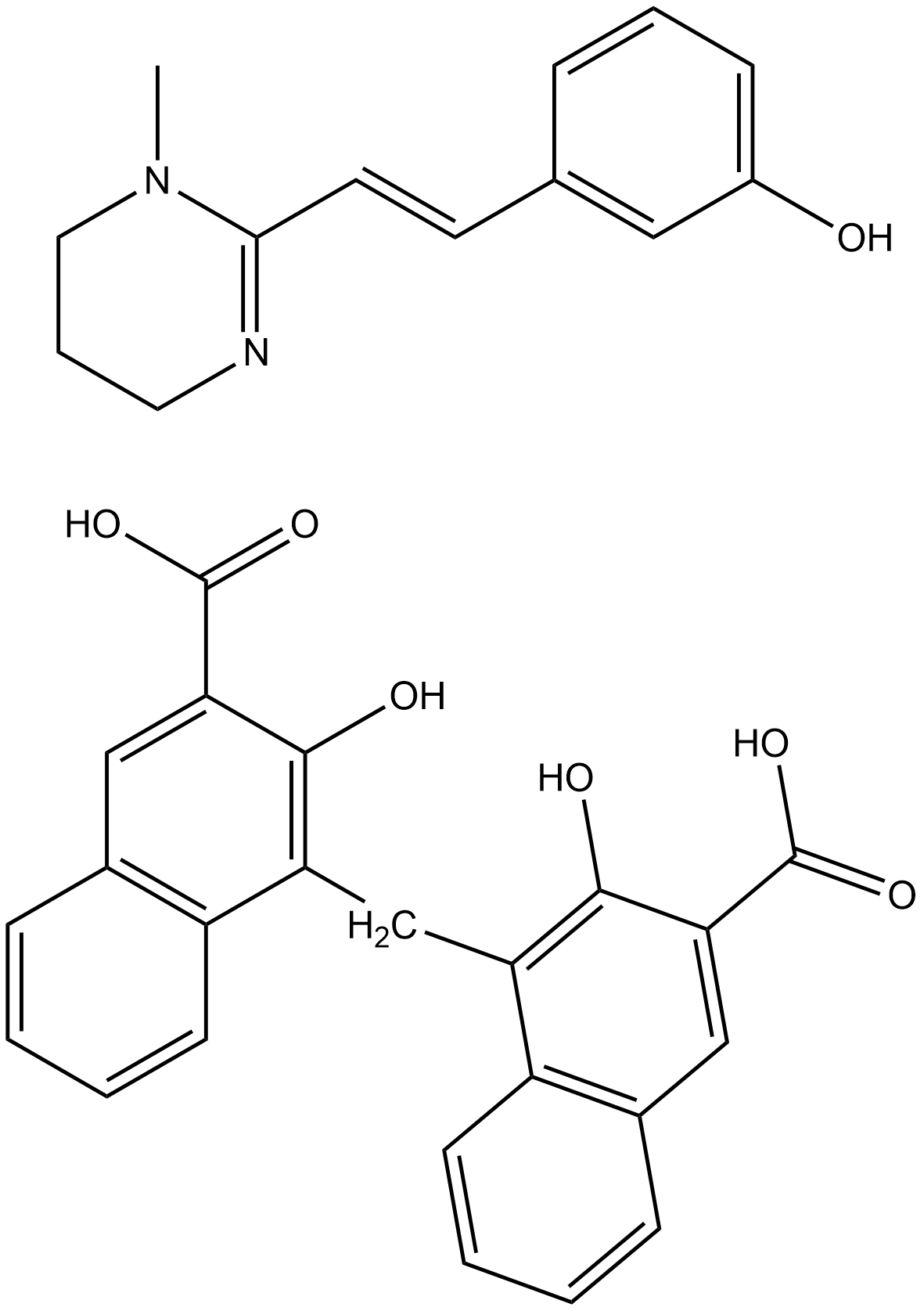 C8893 Oxantel PamoateSummary: Oxantel Pamoate is a tetrahydropyrimidine anthelmintic agent targeting nematode nicotinic acetylcholine receptors, widely utilized in parasitology and antiparasitic mechanism-of-action research.
 -
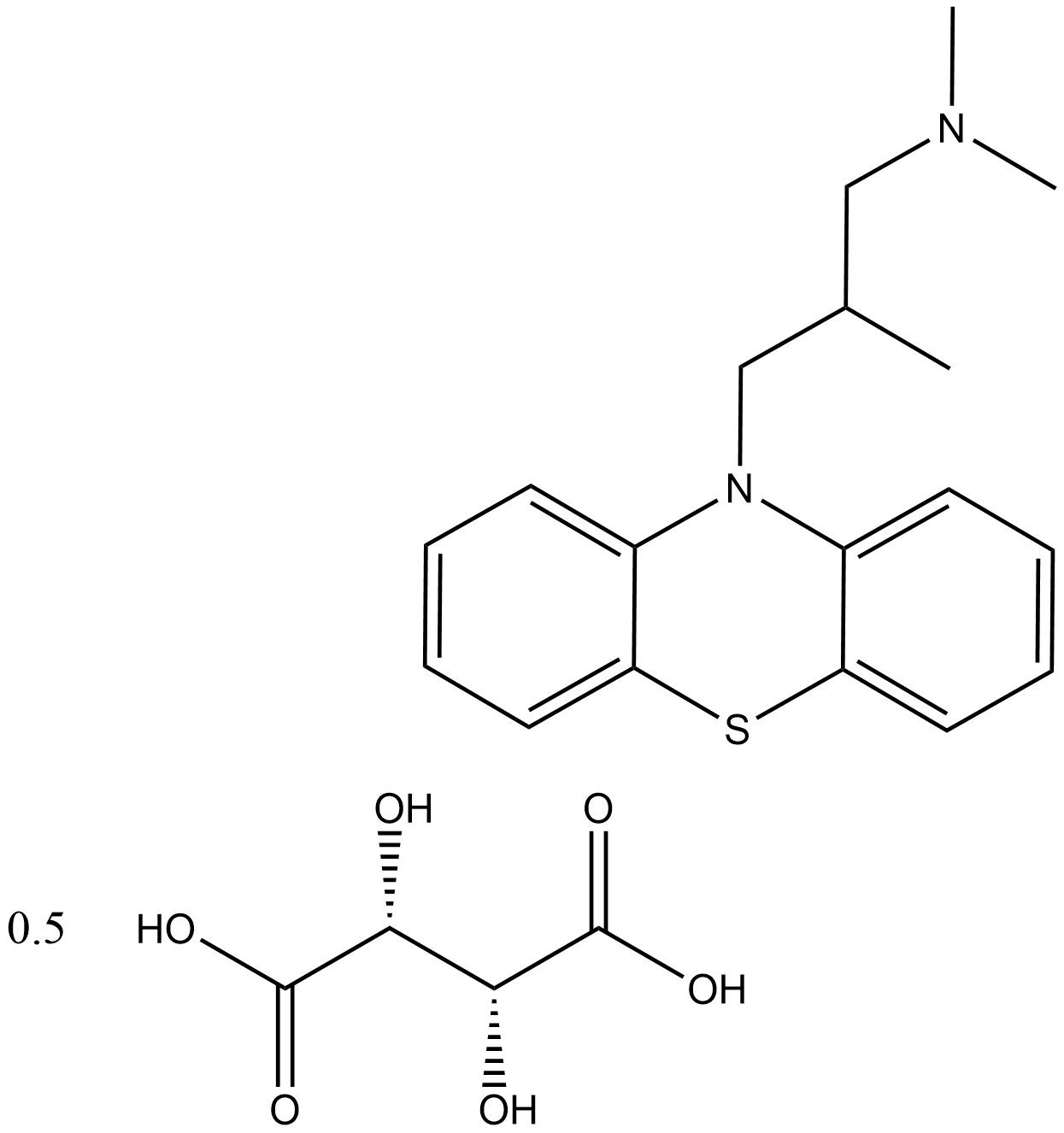 C8895 Alimemazine TartrateSummary: Alimemazine Tartrate is a phenothiazine derivative with antihistaminic and antidopaminergic receptor activity, widely utilized in neuropharmacology and receptor-signaling research.
 -
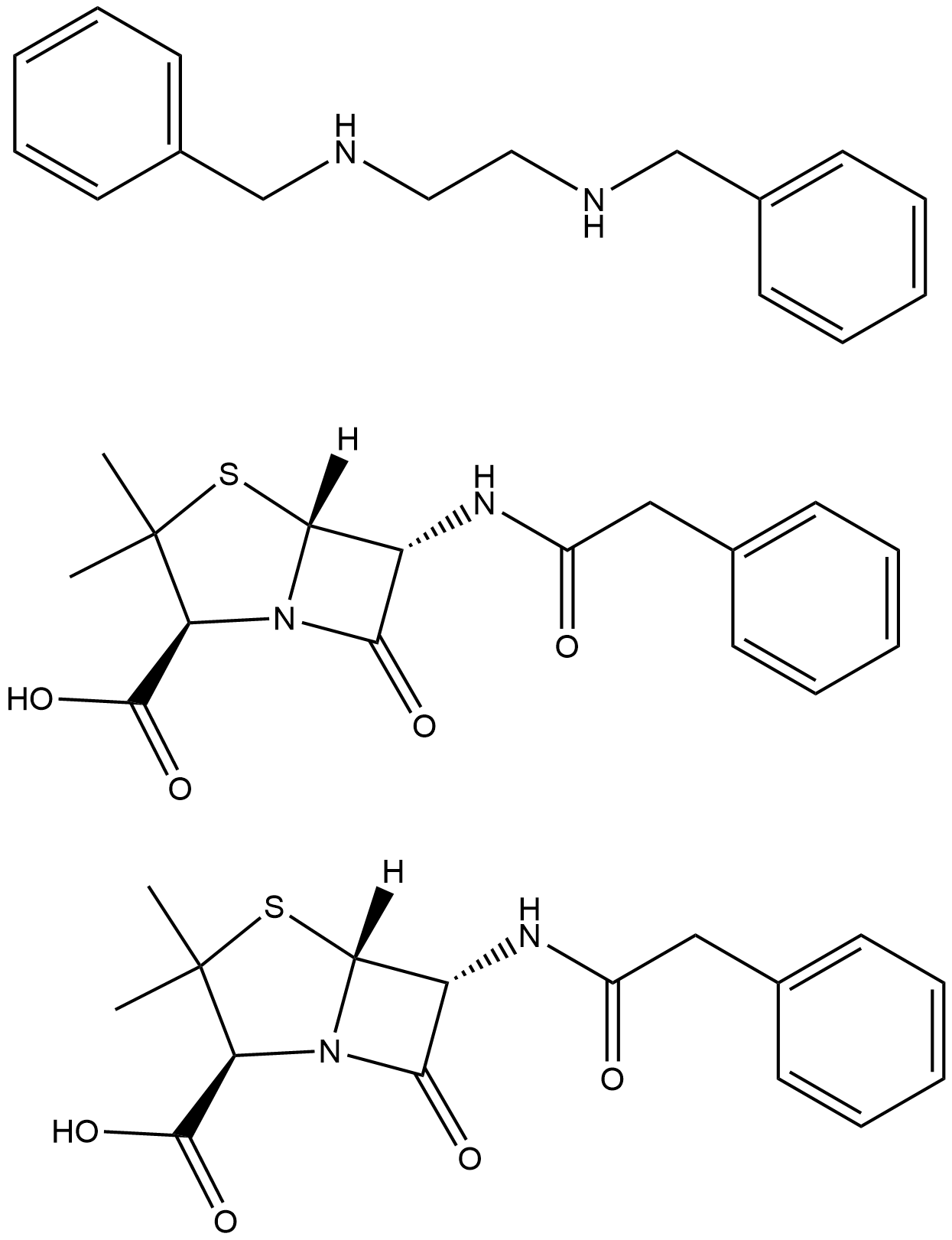 C8896 Benzathine penicillineSummary: Benzathine penicilline (CAS 1538-09-6) is a long-acting penicillin-class antibacterial compound targeting bacterial cell-wall peptidoglycan synthesis, utilized in microbiology and antimicrobial resistance research.
 -
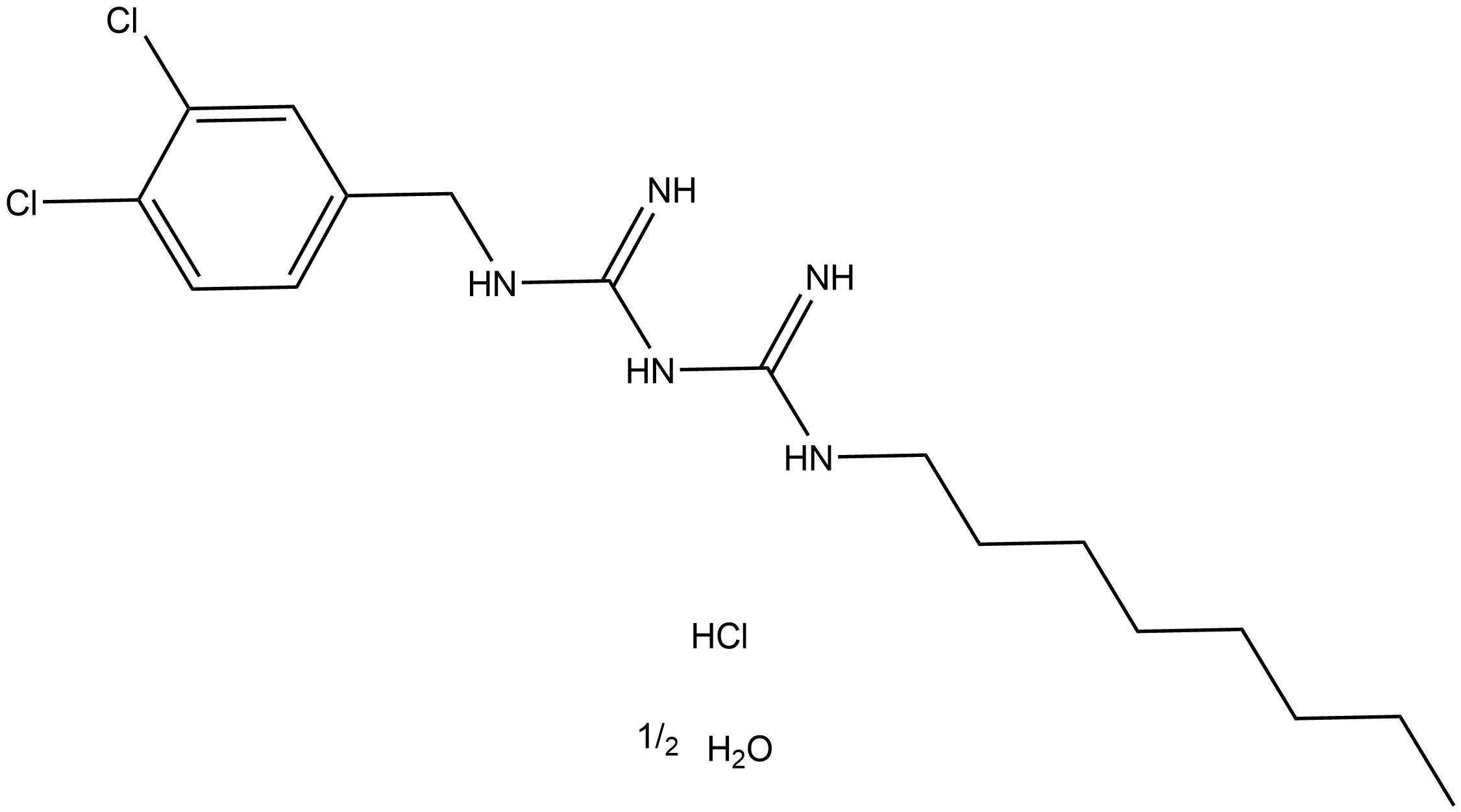 C8901 Olanexidine Hydrochloride semihydrateSummary: Olanexidine Hydrochloride semihydrate is a bisbiguanide antiseptic compound used as a membrane-active reference molecule in microbiology and antimicrobial mechanism research.
 -
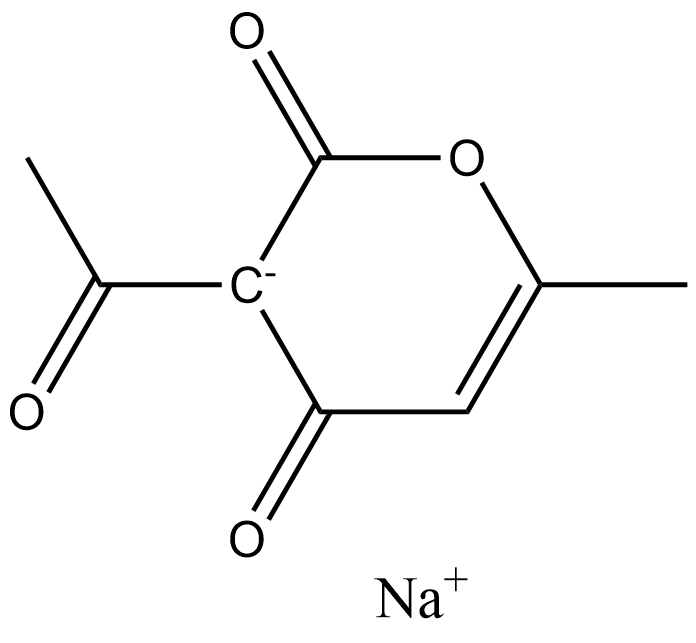 C8902 Sodium dehydroacetateSummary: Sodium dehydroacetate is a pyrone-derived preservative and antimicrobial agent used to investigate microbial growth control mechanisms in biochemical and food science research.
 -
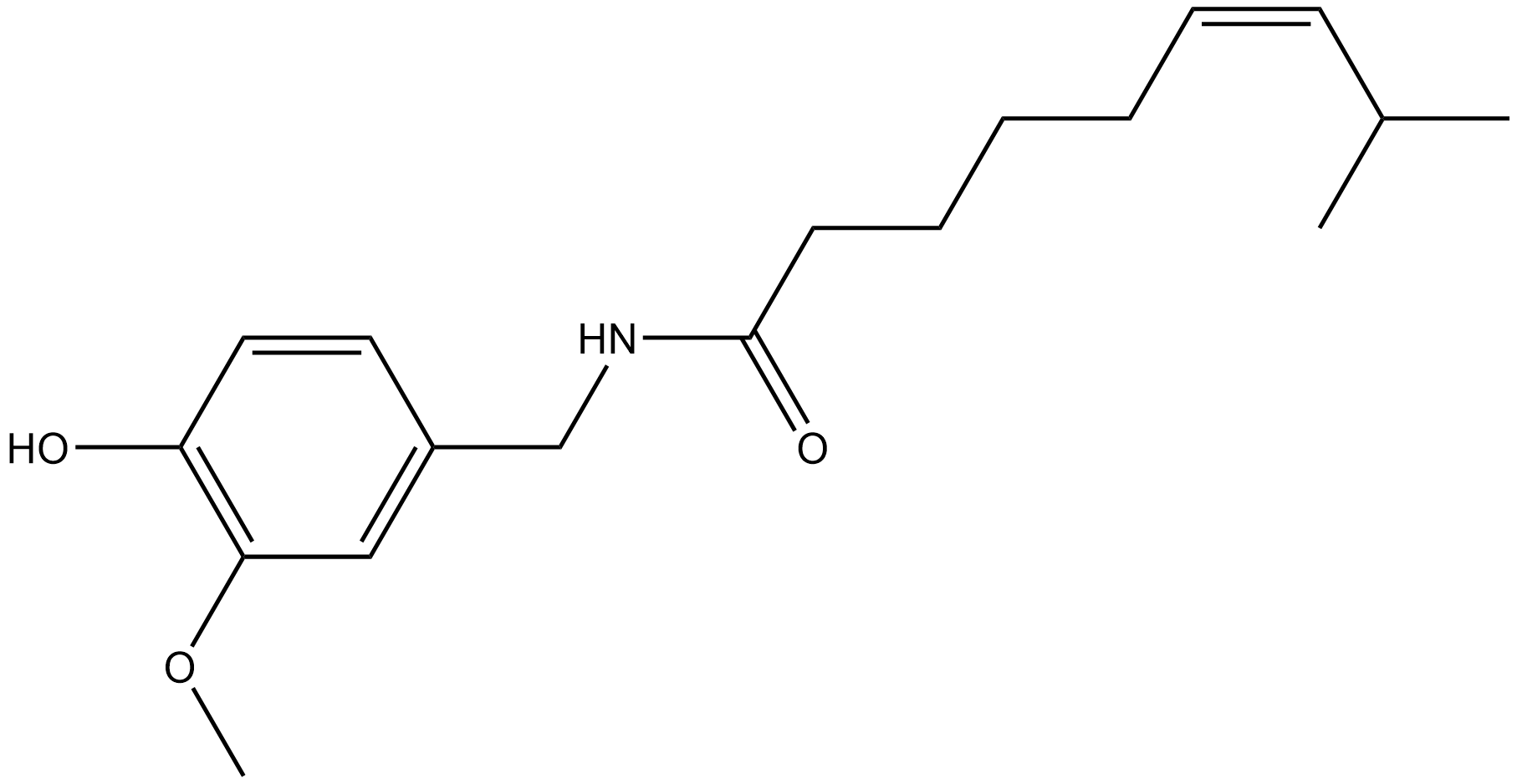 C8903 ZucapsaicinSummary: Zucapsaicin is a synthetic capsaicin analog and TRPV1 agonist used as a molecular probe in nociception and sensory neurobiology research.
 -
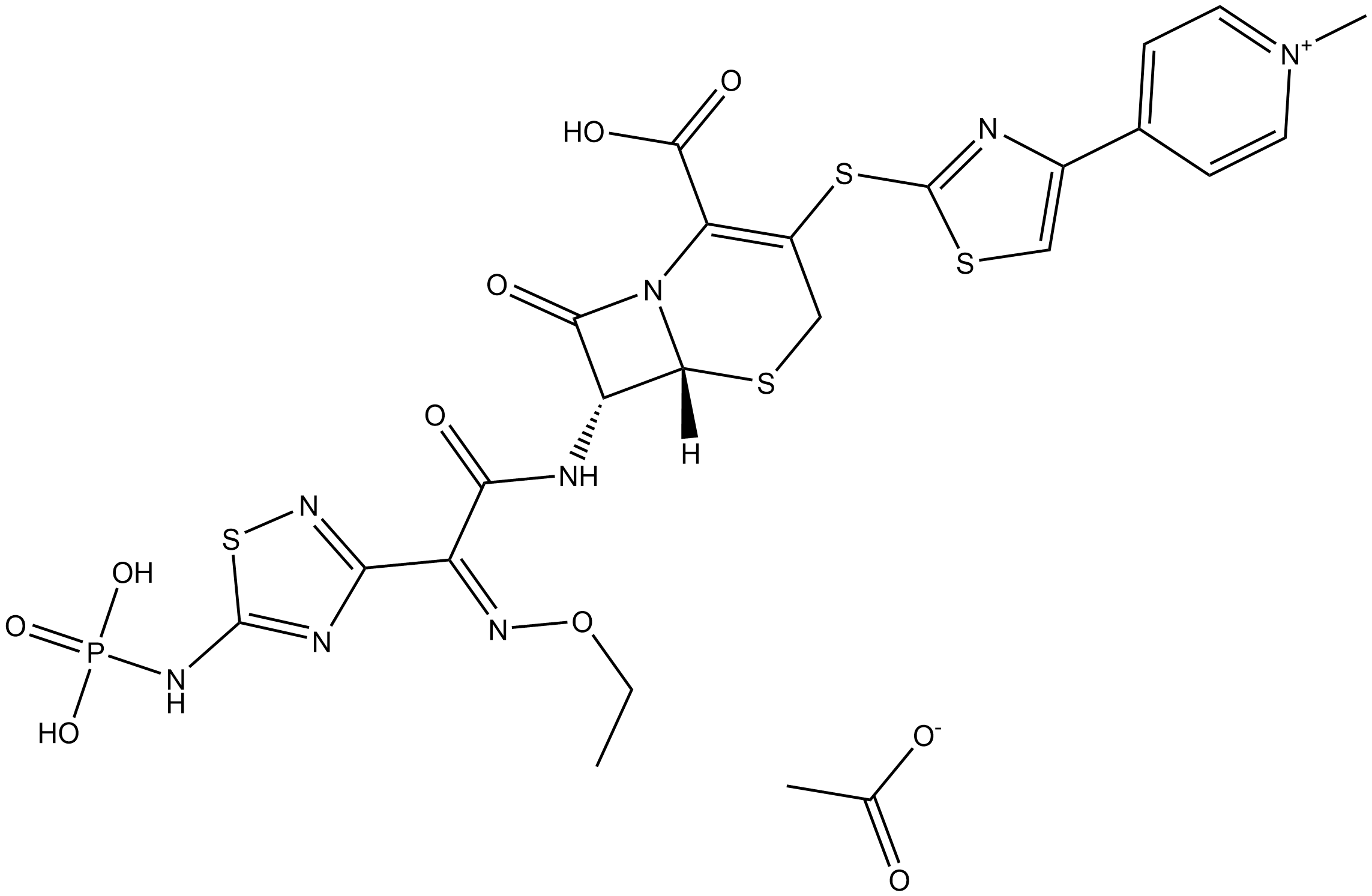 C8936 Ceftaroline FosamilSummary: Ceftaroline fosamil is a fifth-generation cephalosporin prodrug targeting penicillin-binding proteins, widely utilized in antibacterial mechanism studies and microbial resistance research.
 -
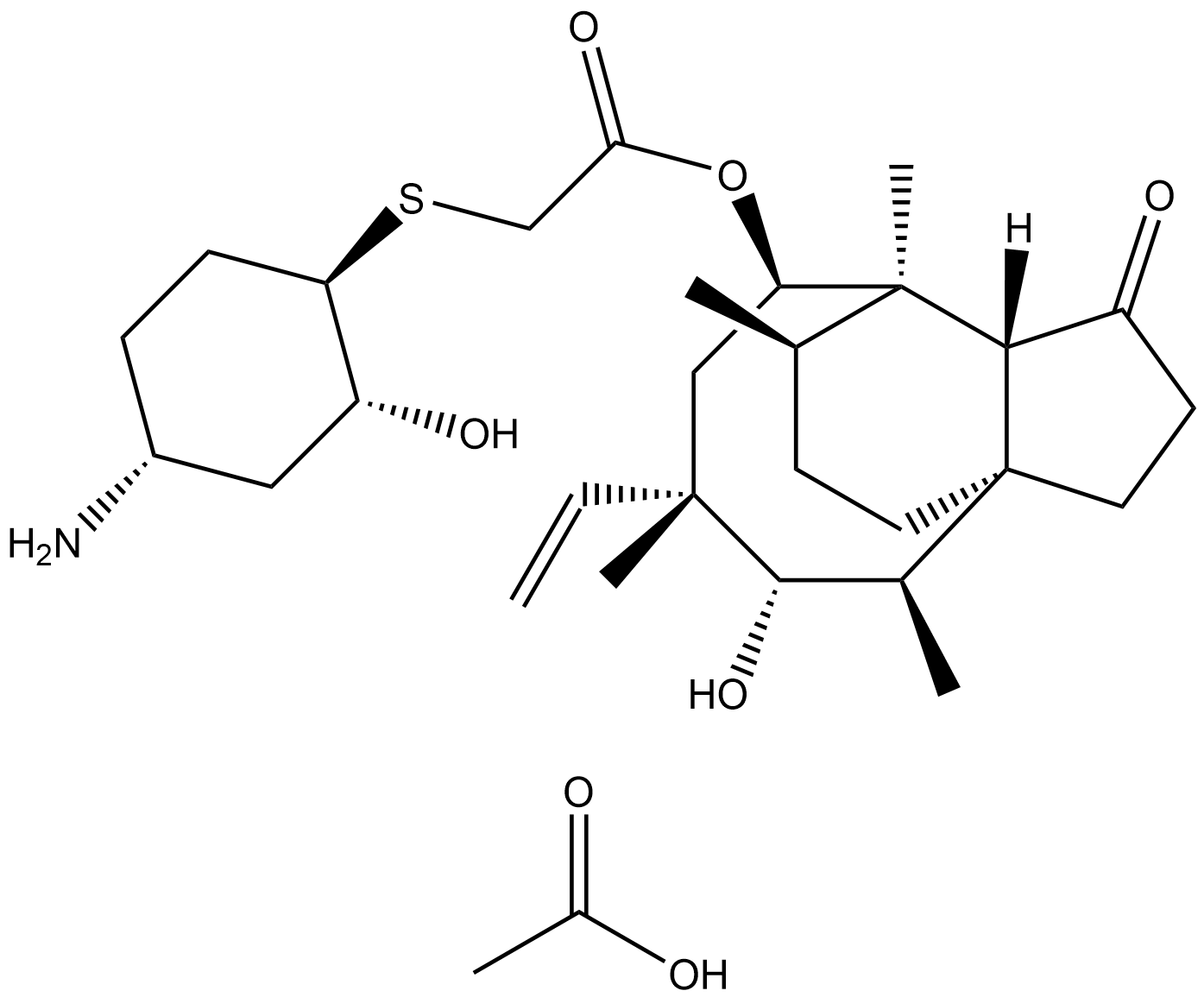 C8939 Lefamulin acetate (Xenleta)Summary: Lefamulin acetate (Xenleta) is a pleuromutilin-derived bacterial ribosomal peptidyl transferase center inhibitor used in antimicrobial mechanism and bacterial translation research.