


Natural Products
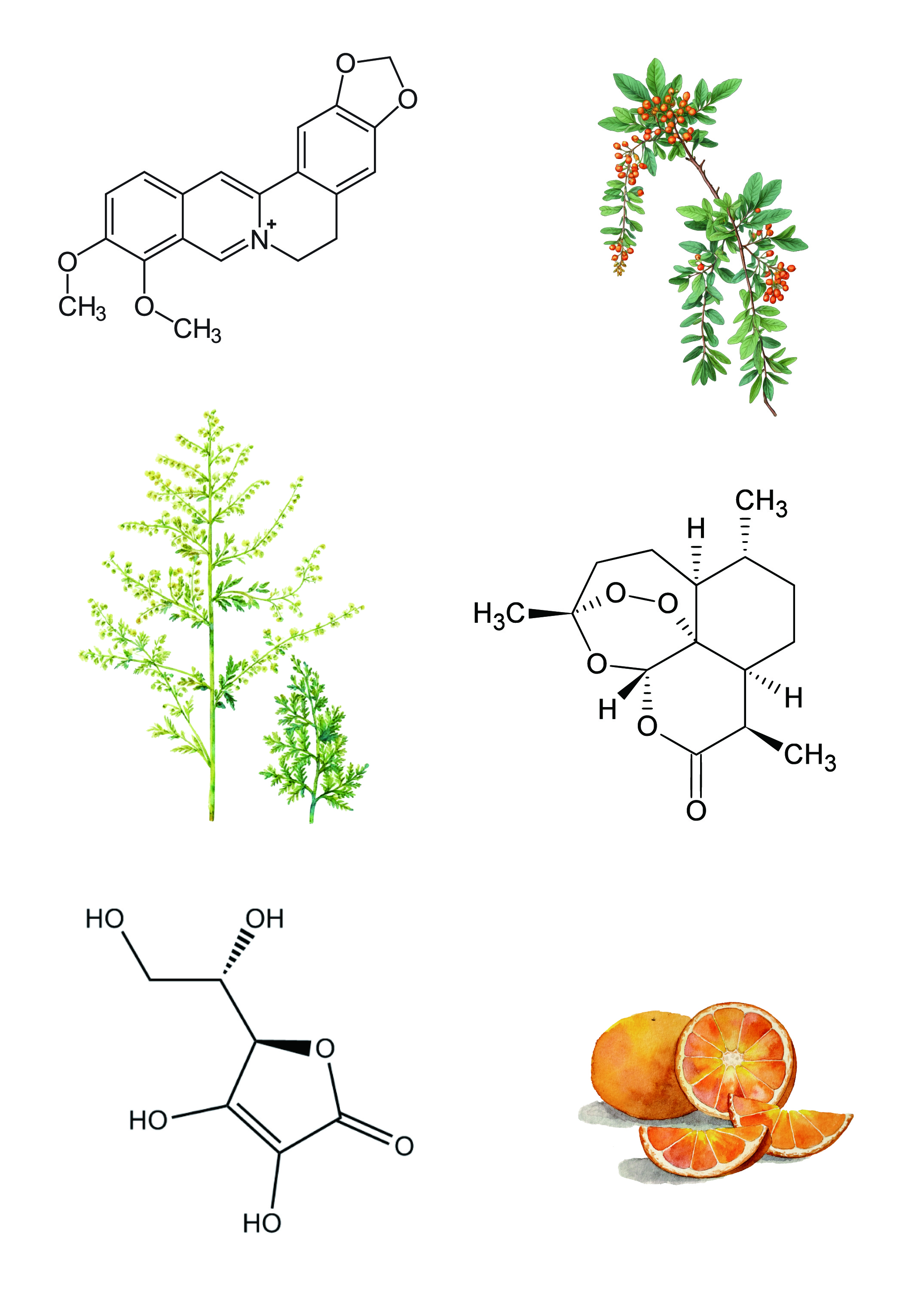
Natural products are compounds produced by living organisms—including animals, plants, and microorganisms—and include both structural components and secondary metabolites. Plants, in particular, are a major source, rich in bioactive constituents like flavonoids and alkaloids, which underpin the pharmacological effects of traditional Chinese medicine. While natural products are primarily obtained through chemical isolation, they can also be prepared by semi-synthetic or total synthesis methods. Their complex structures pose significant challenges for organic chemists.
Natural products represent a core source of lead compounds for innovative drug discovery, providing bioactive templates that facilitate biochemical research, the identification of novel therapeutic targets, the development of new therapies, and the elucidation of underlying mechanisms. In addition, natural products are widely applied in the fields of food, cosmetics, and health supplements, where their antioxidant, anti-inflammatory, and other bioactivities support research into related diseases.
-
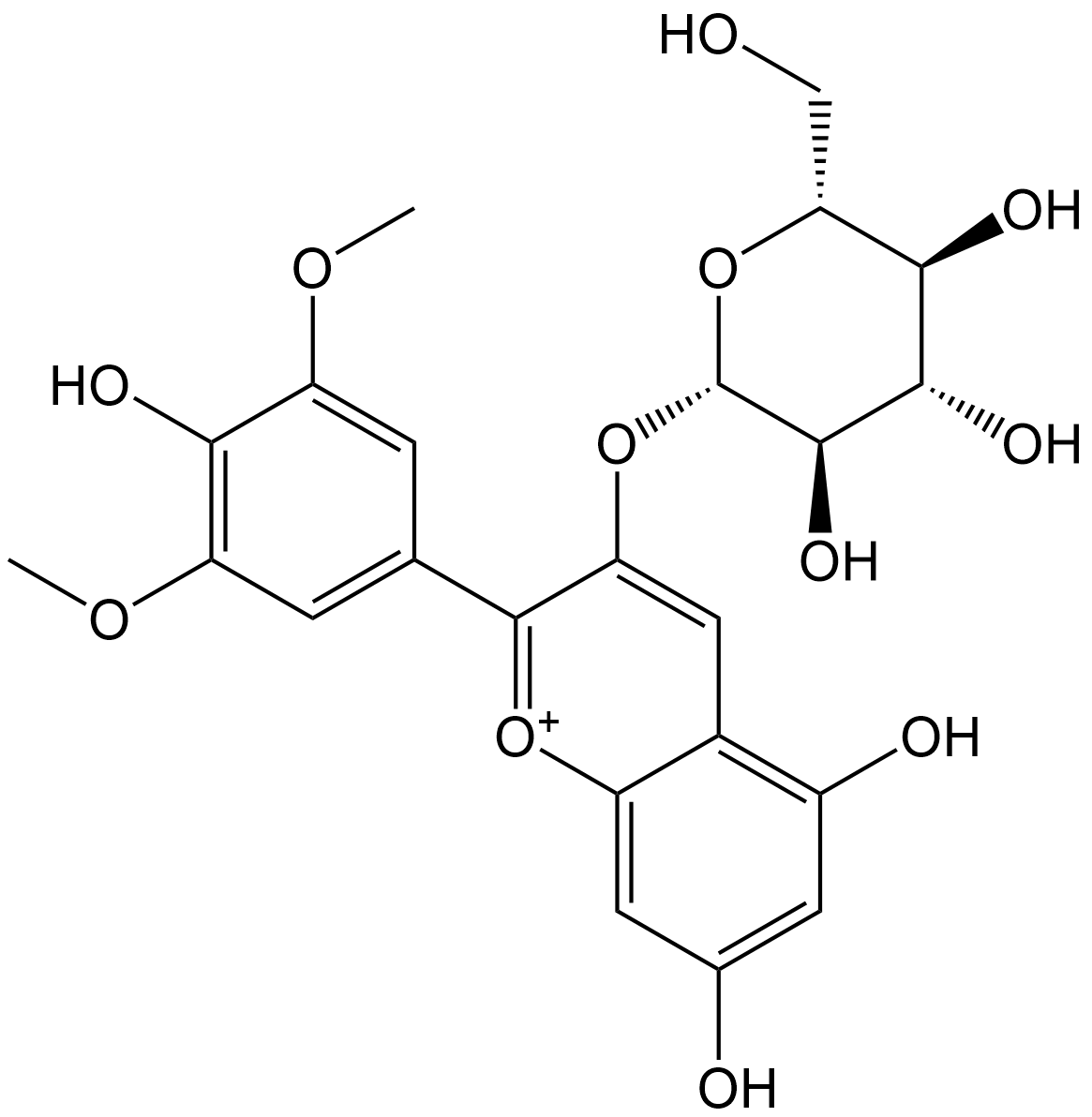 N2874 Malvidin 3-O-beta-D-glucopyranosideSummary: A natural anthocyanin
 -
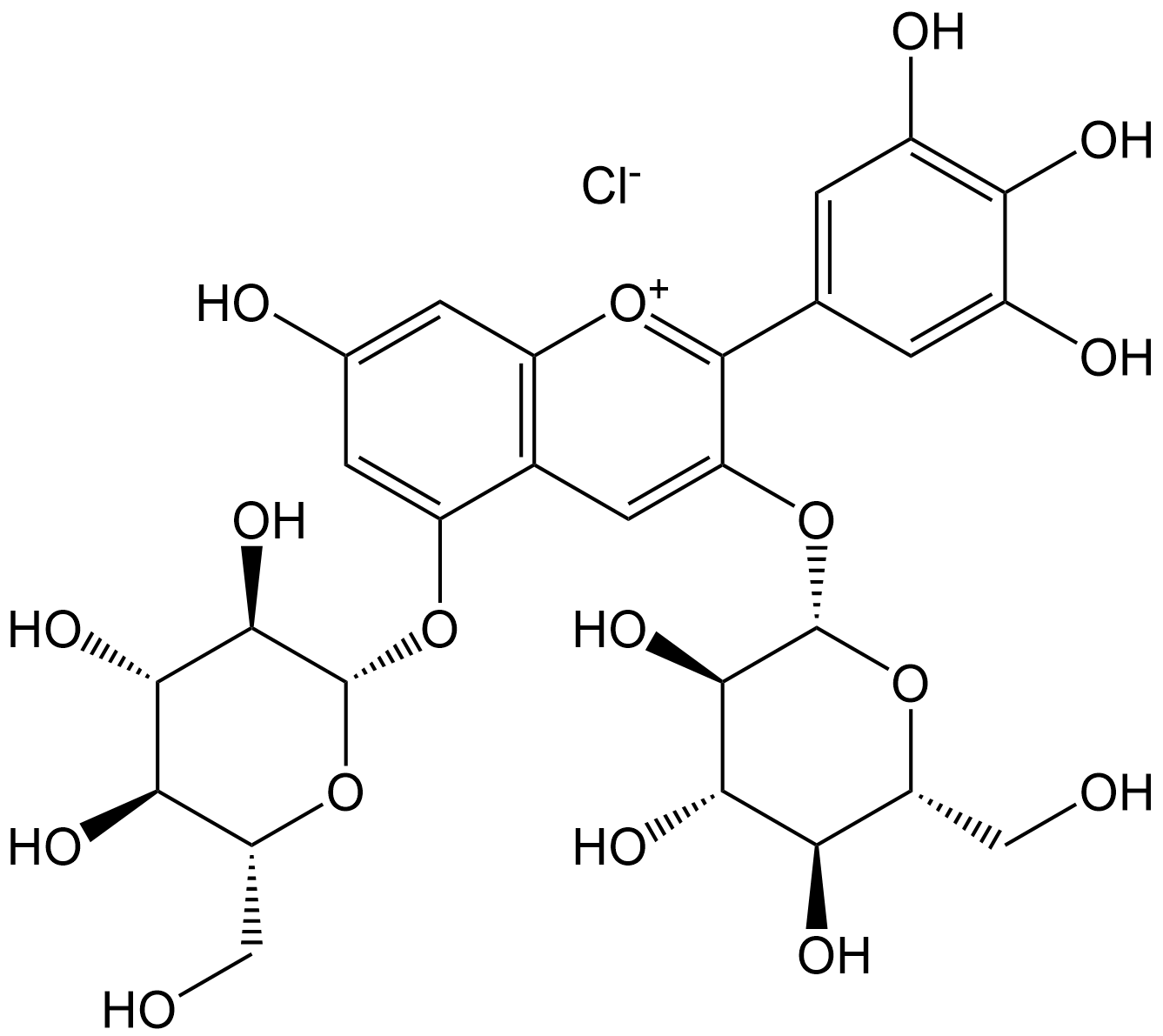 N2875 Delphinidin 3,5-diglucosideSummary: A natural anthocyanin
 -
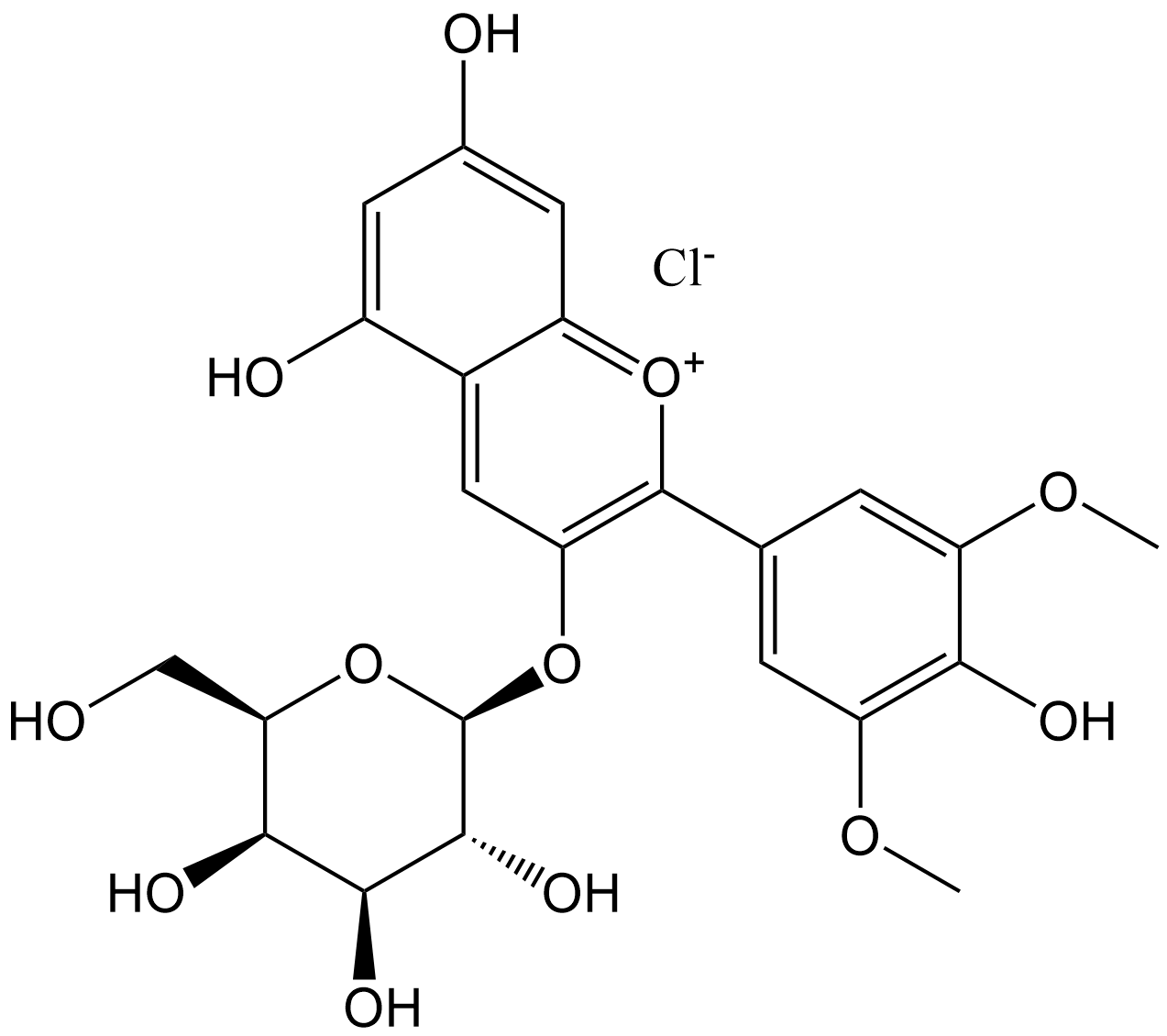 N2876 Malvidin 3-galactoside chlorideSummary: A natural anthocyanin
 -
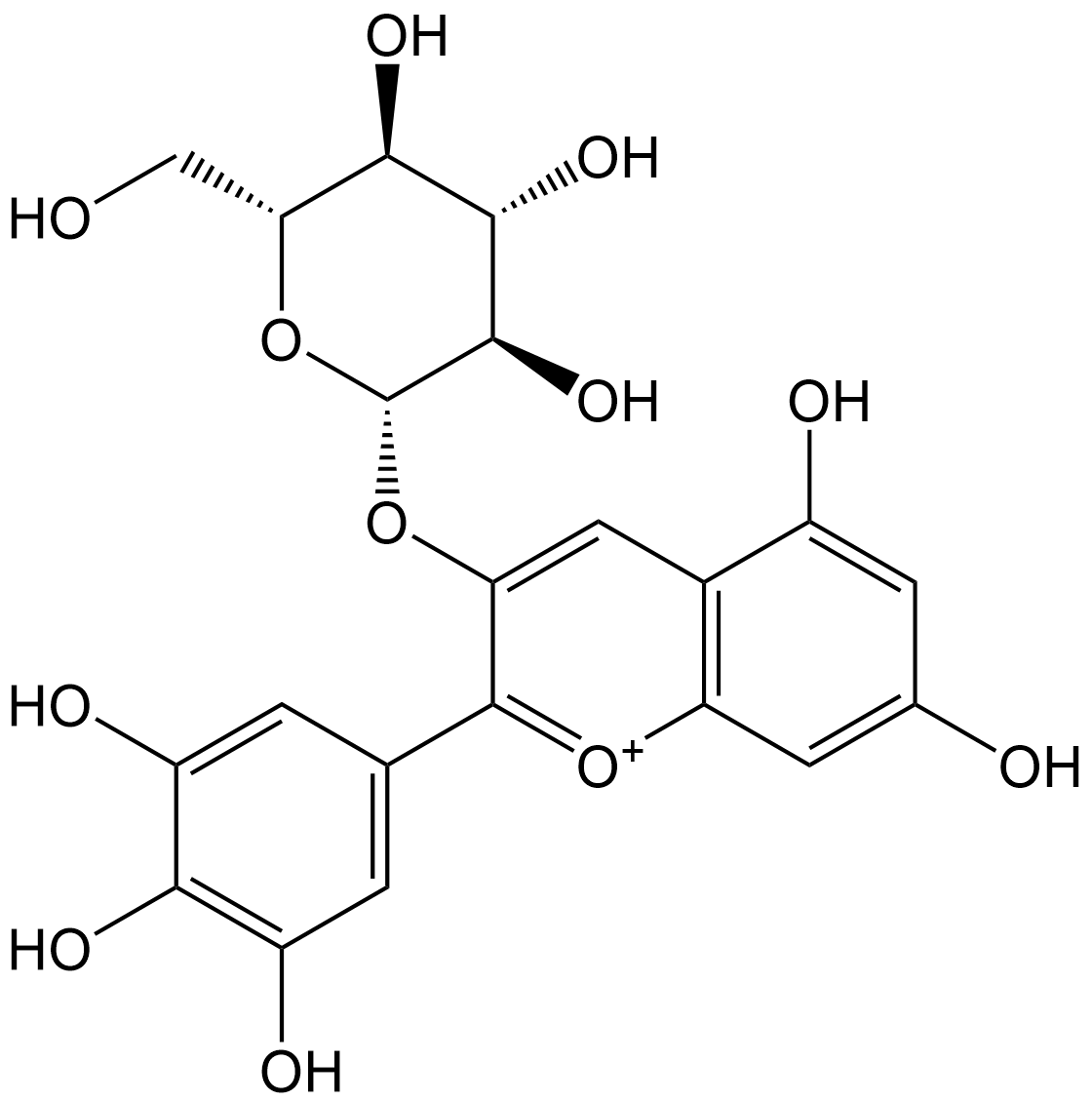 N2877 Delphinidin-3-B-D-glucosideSummary: A natural anthocyanin
 -
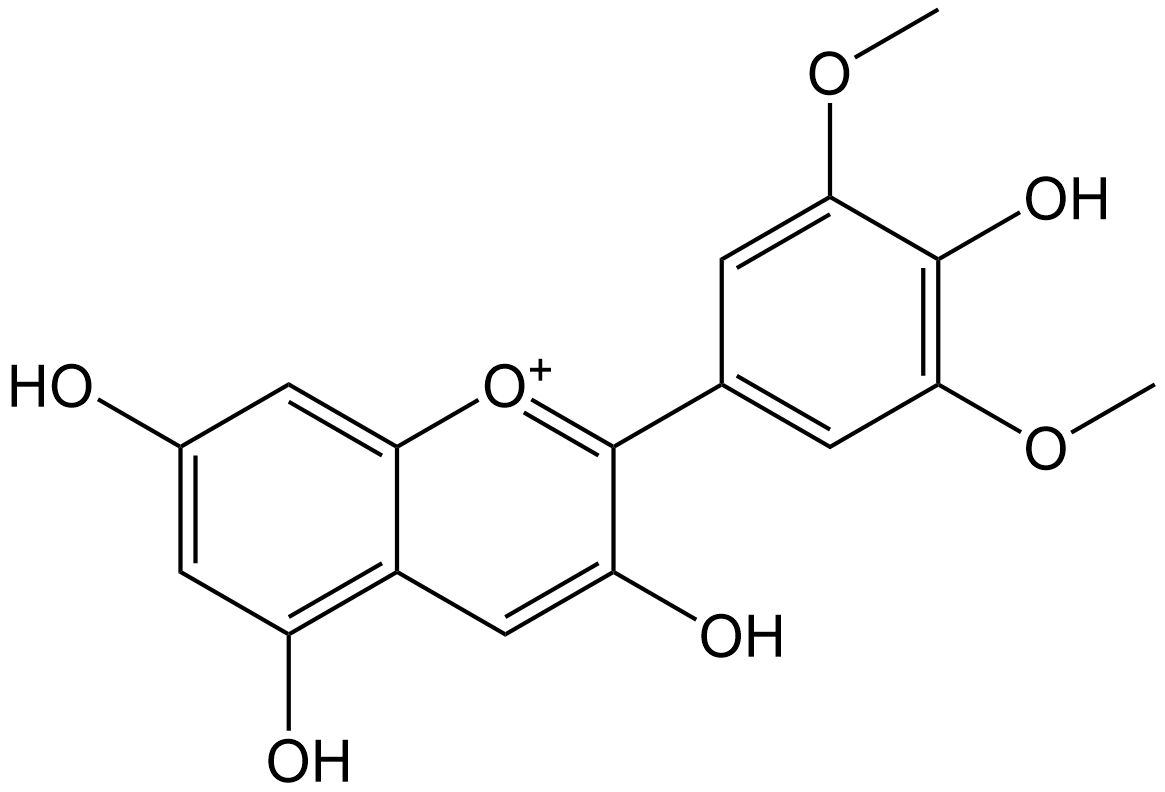 N2878 MalvidinSummary: A natural pigment
 -
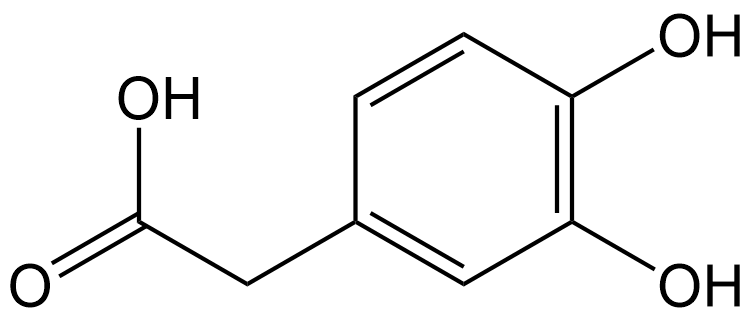 B8605 3,4-Dihydroxyphenylacetic AcidSummary: A dopamine metabolite
 -
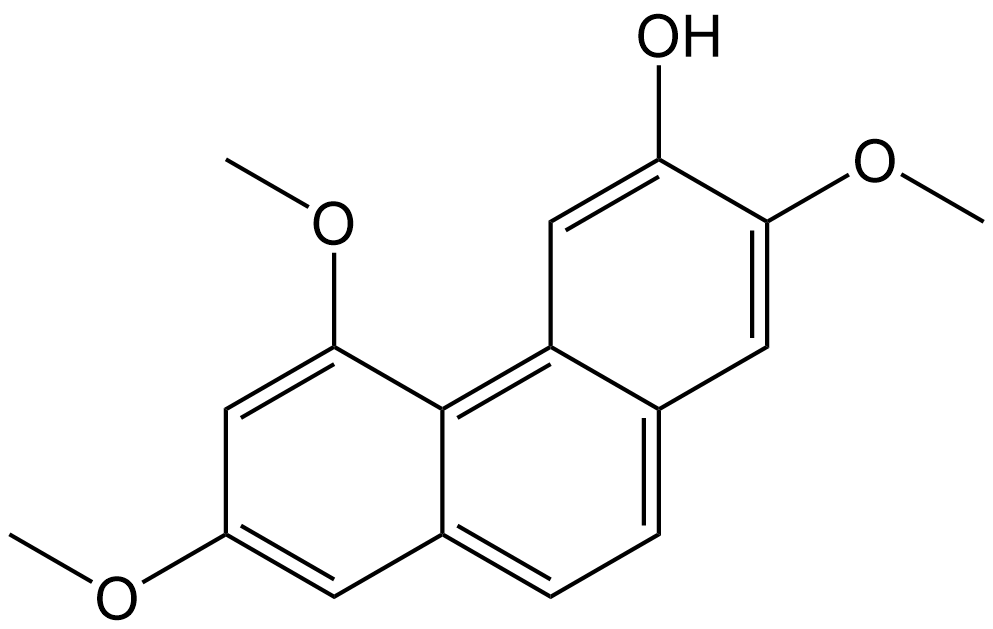 N2879 Batatasin ISummary: A natural phenanthrene derivative
 -
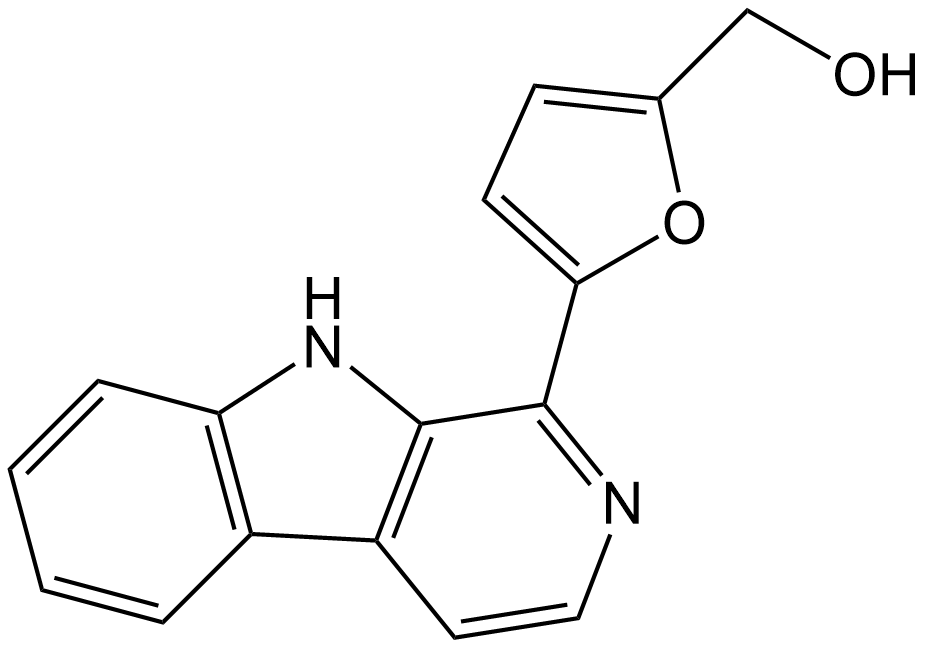 N2880 PerlolyrineSummary: A natural β-carboline compound
 -
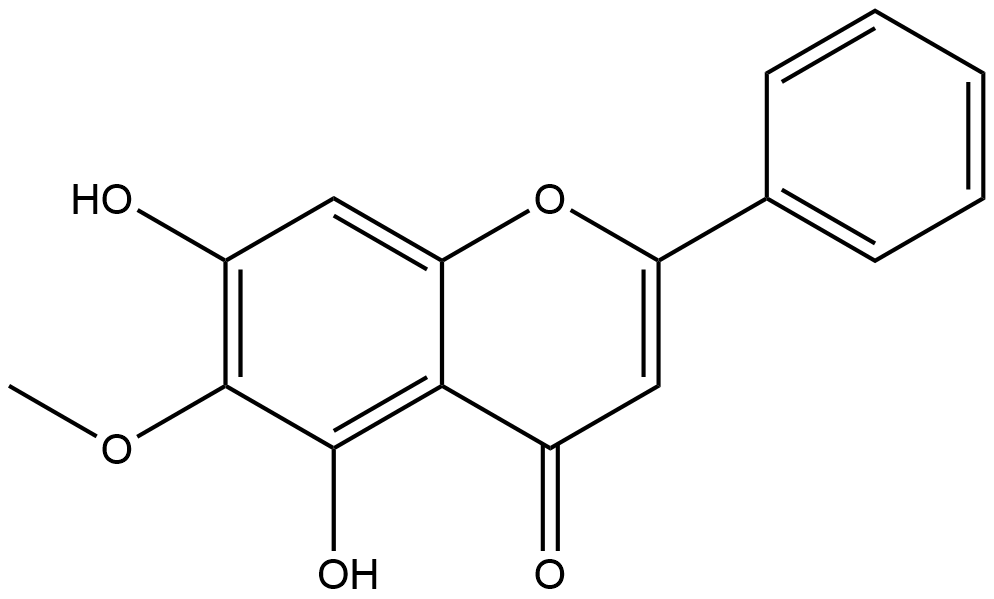 N2882 Oroxylin ASummary: A flavonoid derived from Oroxylum indicum and Scutellaria baicalensis
 -
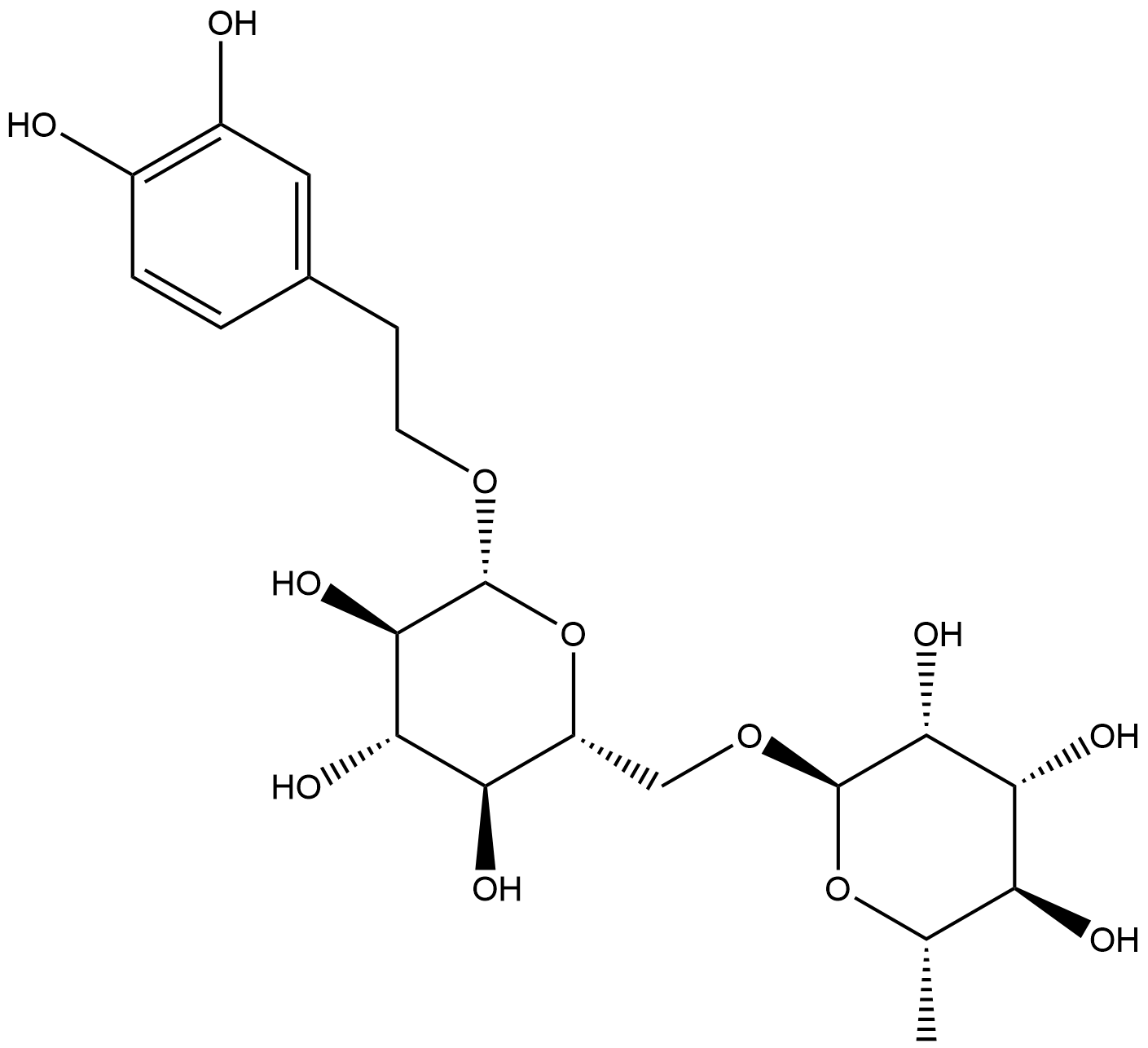 N2883 Forsythoside ESummary: A phenolic acid glycoside compound isolated from Forsythia suspensa.