


Disease induced
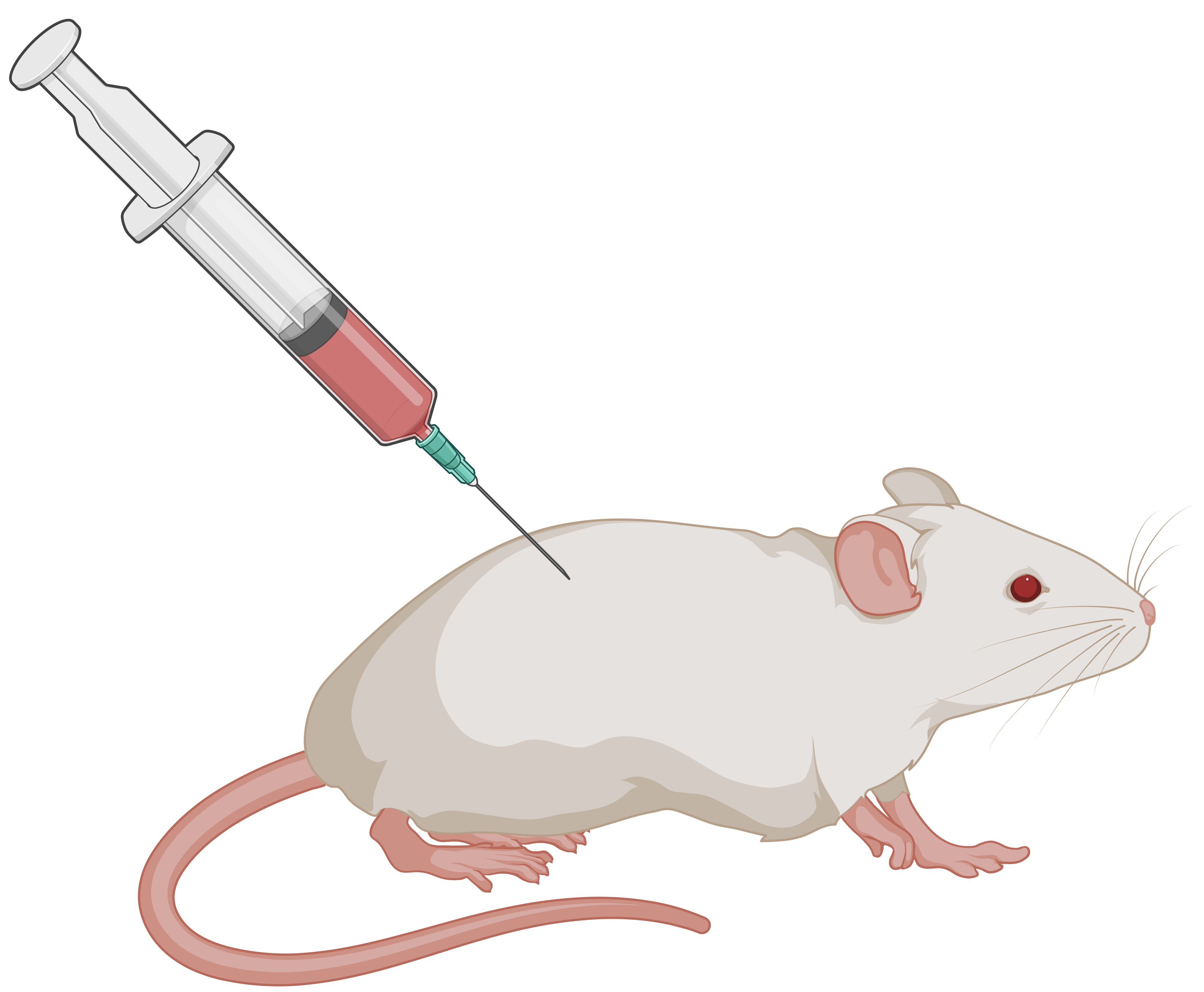
Disease-induced compounds are chemical agents used to simulate specific pathological conditions in experimental systems, such as cell cultures, organoids, or animal models.
Disease-induced compounds play a pivotal role in translational biomedical research, allowing researchers to reproduce key features of human diseases under controlled conditions, enabling the study of disease mechanisms and the testing of therapeutic interventions. For example, neurotoxins such as MPTP are widely used to model Parkinson’s disease by selectively damaging dopaminergic neurons, while streptozotocin and alloxan are used to induce diabetes through pancreatic β-cell destruction. Similarly, agents like carbon tetrachloride, bleomycin, and lipopolysaccharide are utilized to reproduce hepatic injury, pulmonary fibrosis, and systemic inflammation, respectively.
Through the application of disease-induced compounds, researchers can bridge the gap between basic molecular research and translational medicine. Their use facilitates the elucidation of disease mechanisms and supports the rational design and preclinical testing of novel therapeutic agents.
-
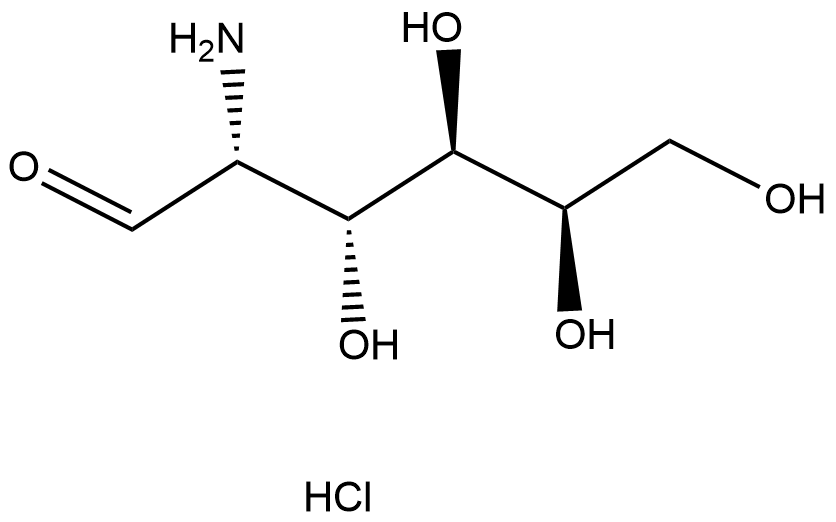 B7881 D-+-Galactosamine hydrochlorideSummary: For liver injury models and hepatocyte apoptosis studies
 -
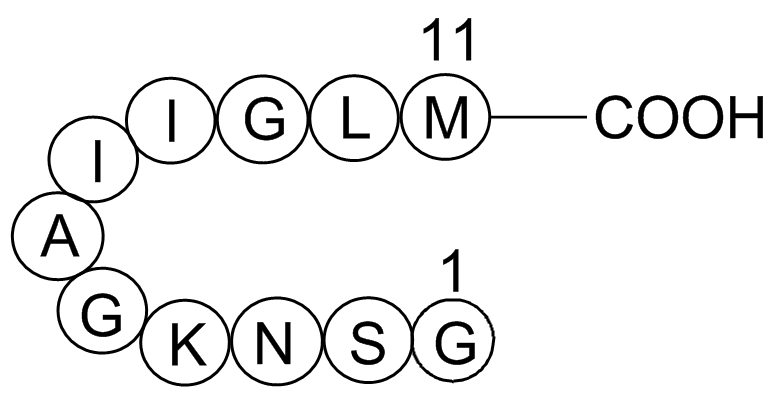 A1039 Amyloid Beta-peptide (25-35) (human)3 CitationSummary: β-amyloid peptide fragment; for Alzheimer’s disease-related neurotoxicity models
 -
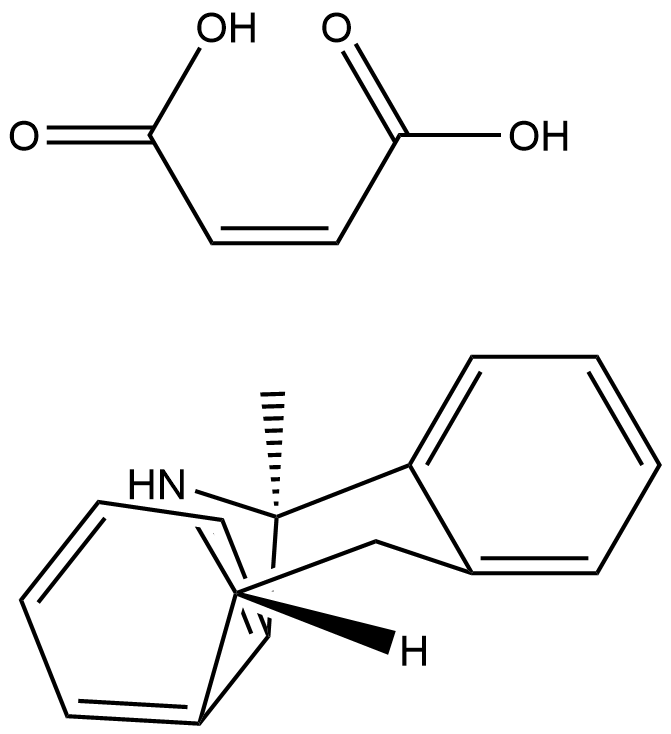 A8896 (+)-MK 801 MaleateSummary: Potent NMDA antagonist
 -
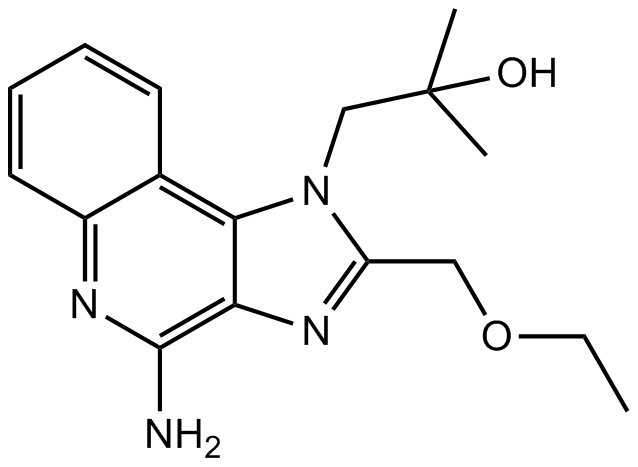 B1054 Resiquimod (R-848)7 CitationTarget: Toll-like receptors (TLRs)Summary: A Toll-like receptor 7/8 (TLR7/8) dual agonist for autoimmune disease models.
 -
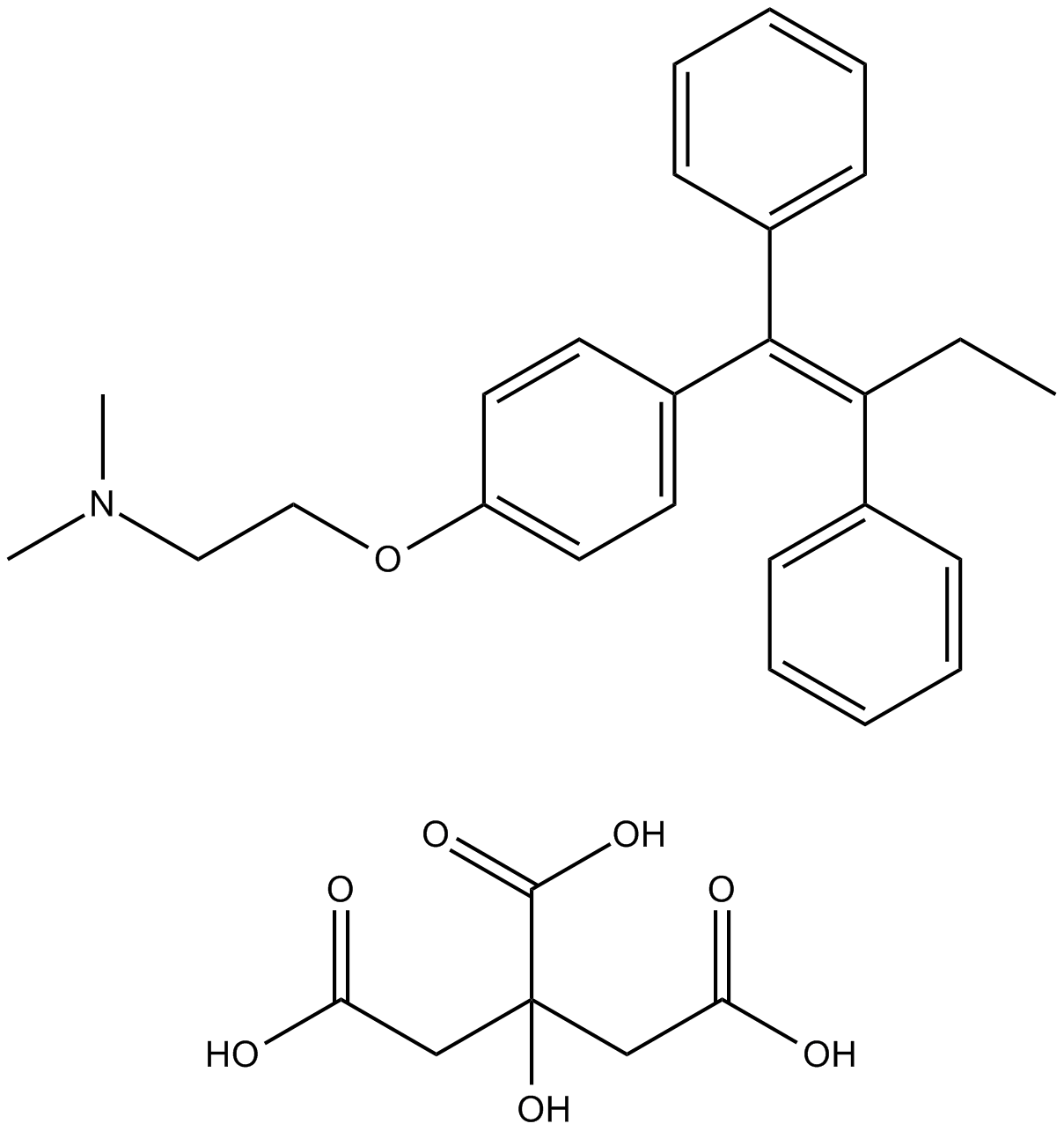 B1394 Tamoxifen CitrateTarget: Estrogen and Related ReceptorsSummary: Antiestrogen drug
 -
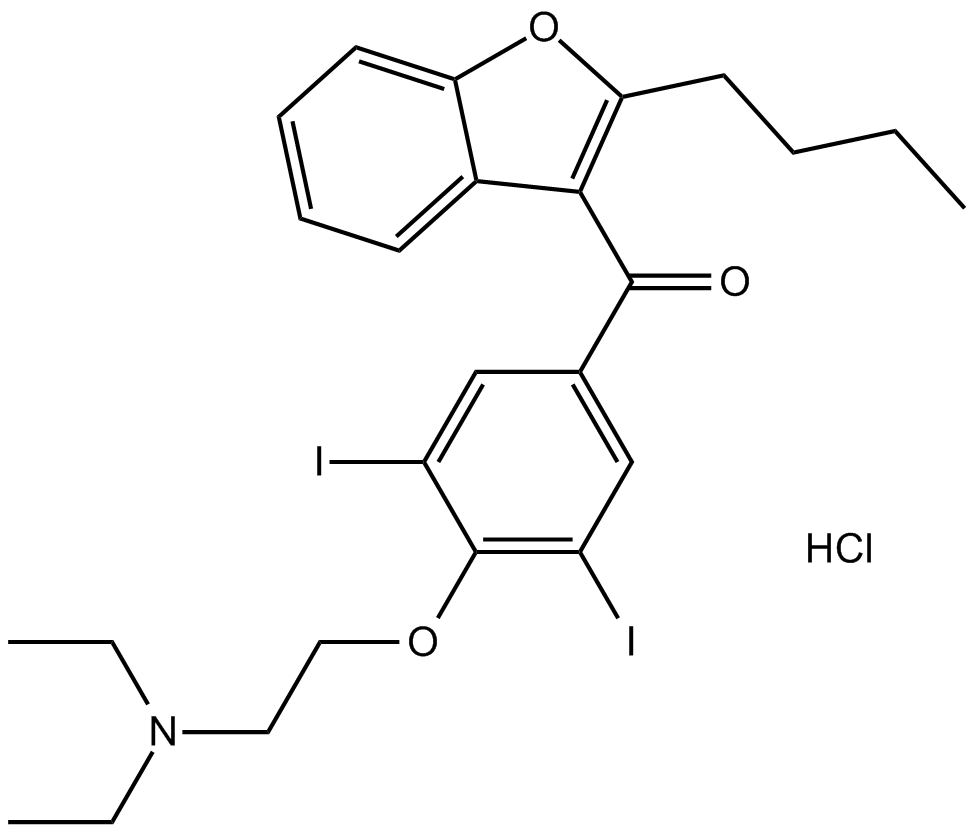 B1389 Amiodarone HClSummary: Anti-arrhythmic drug
 -
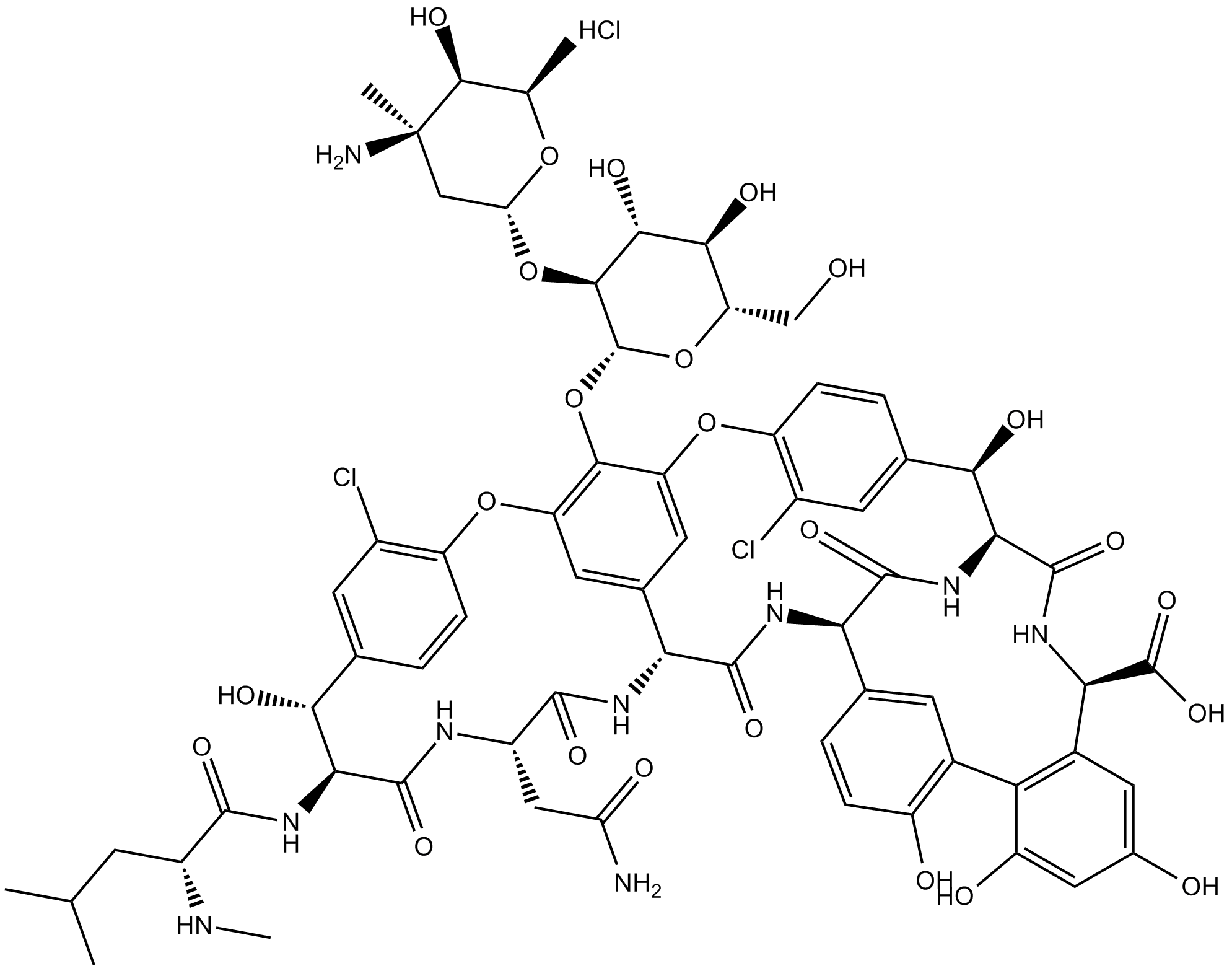 B1223 Vancomycin hydrochloride1 CitationTarget: AntibioticSummary: glycopeptide antibacterial agent
 -
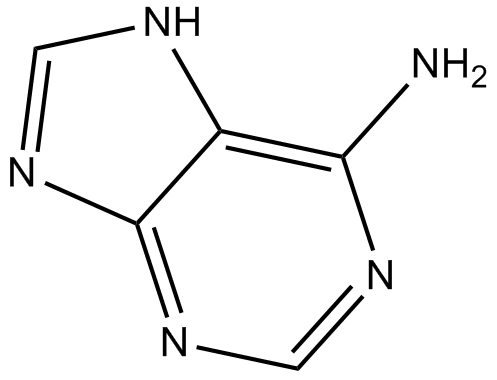 B1468 AdenineSummary: High affinity adenine receptor agonist
 -
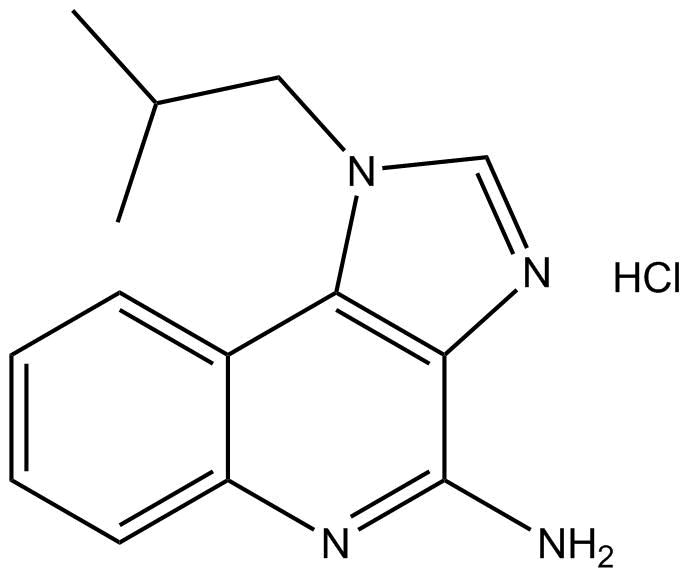 B1186 Imiquimod hydrochlorideSummary: A Toll-like receptor 7 (TLR7) agonist for psoriasis models.
 -
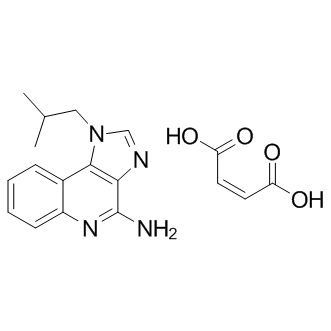 B1187 Imiquimod maleateSummary: Immune response modifier