


Disease induced
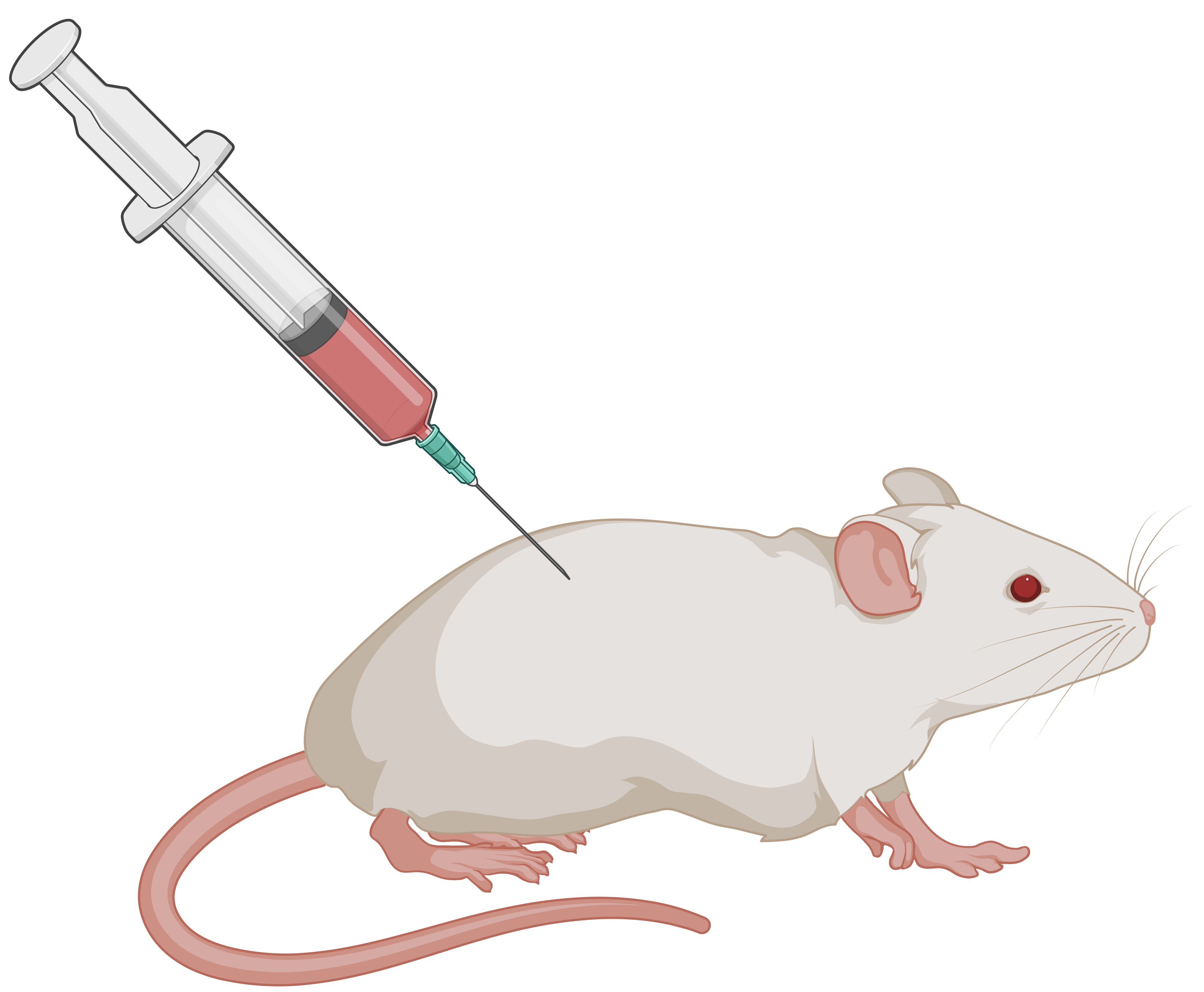
Disease-induced compounds are chemical agents used to simulate specific pathological conditions in experimental systems, such as cell cultures, organoids, or animal models.
Disease-induced compounds play a pivotal role in translational biomedical research, allowing researchers to reproduce key features of human diseases under controlled conditions, enabling the study of disease mechanisms and the testing of therapeutic interventions. For example, neurotoxins such as MPTP are widely used to model Parkinson’s disease by selectively damaging dopaminergic neurons, while streptozotocin and alloxan are used to induce diabetes through pancreatic β-cell destruction. Similarly, agents like carbon tetrachloride, bleomycin, and lipopolysaccharide are utilized to reproduce hepatic injury, pulmonary fibrosis, and systemic inflammation, respectively.
Through the application of disease-induced compounds, researchers can bridge the gap between basic molecular research and translational medicine. Their use facilitates the elucidation of disease mechanisms and supports the rational design and preclinical testing of novel therapeutic agents.
-
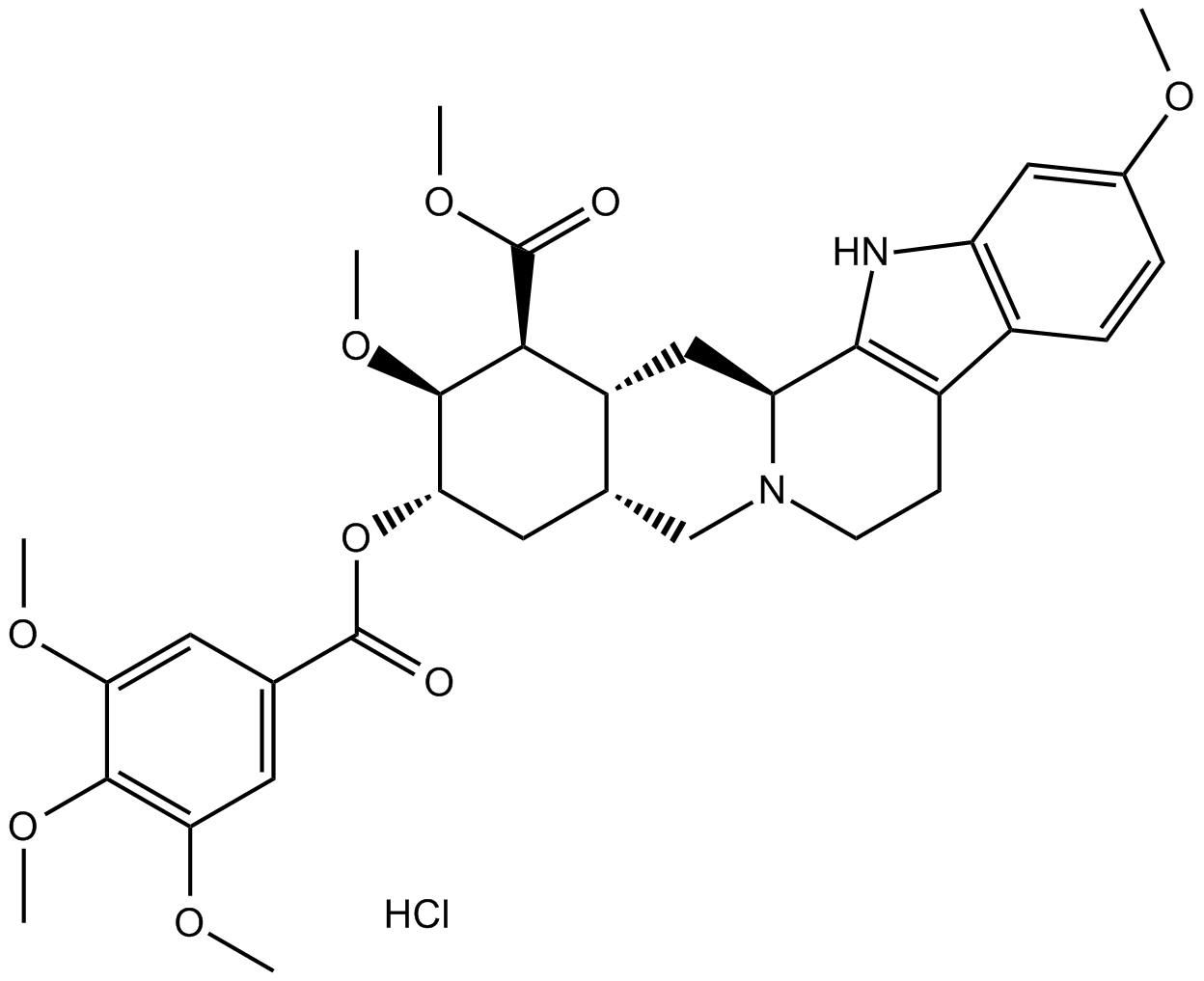 B1270 Reserpine hydrochlorideSummary: Blocker of VMAT
 -
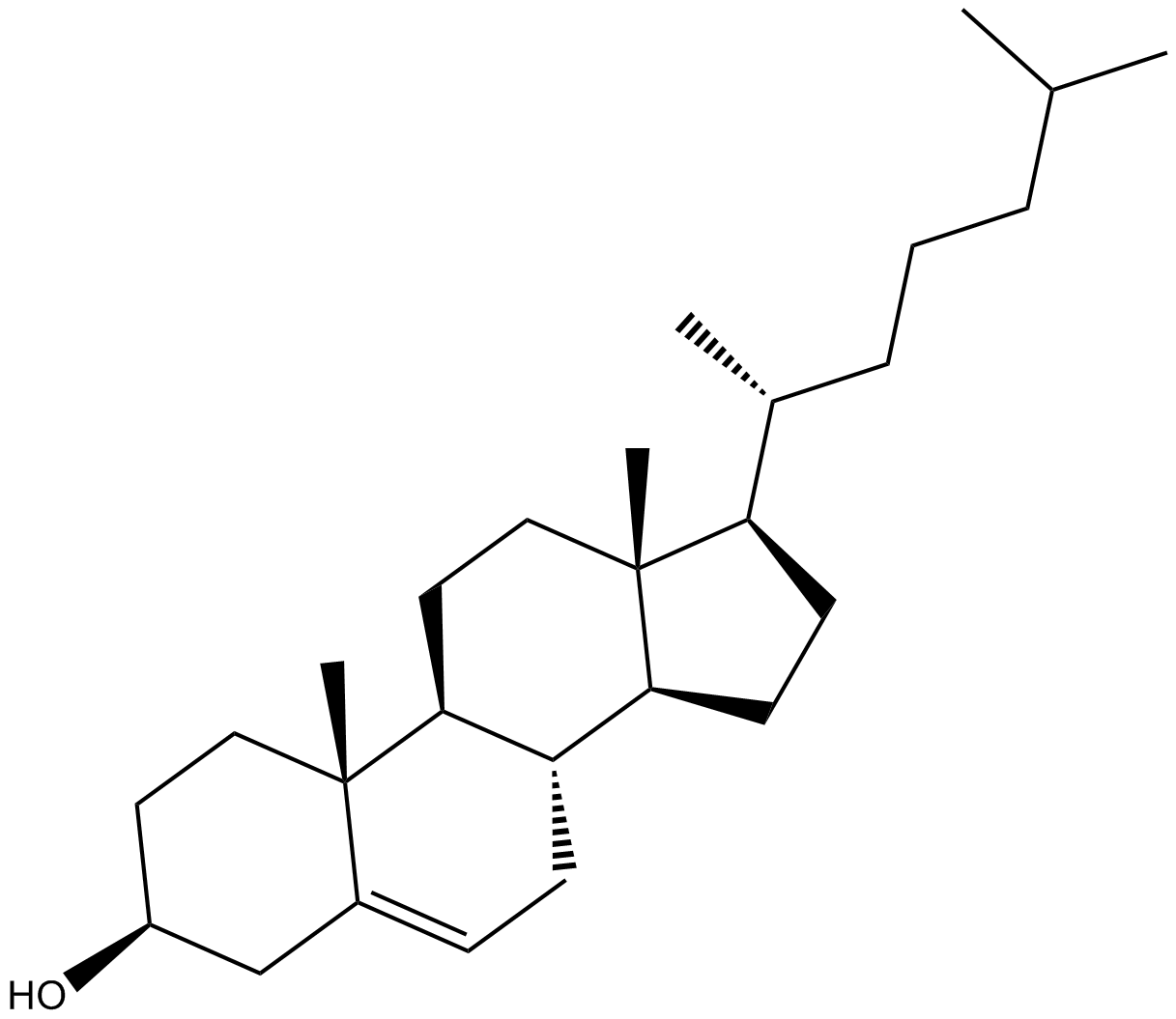 B1702 Cholesterol3 CitationSummary: The principal sterol to build and maintain membranes
 -
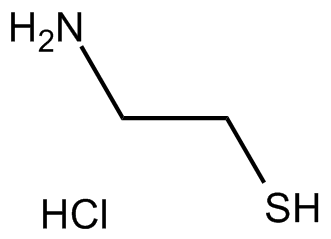 B1719 Cysteamine HClSummary: An antioxidant drug for the treatment of cystinemia.
 -
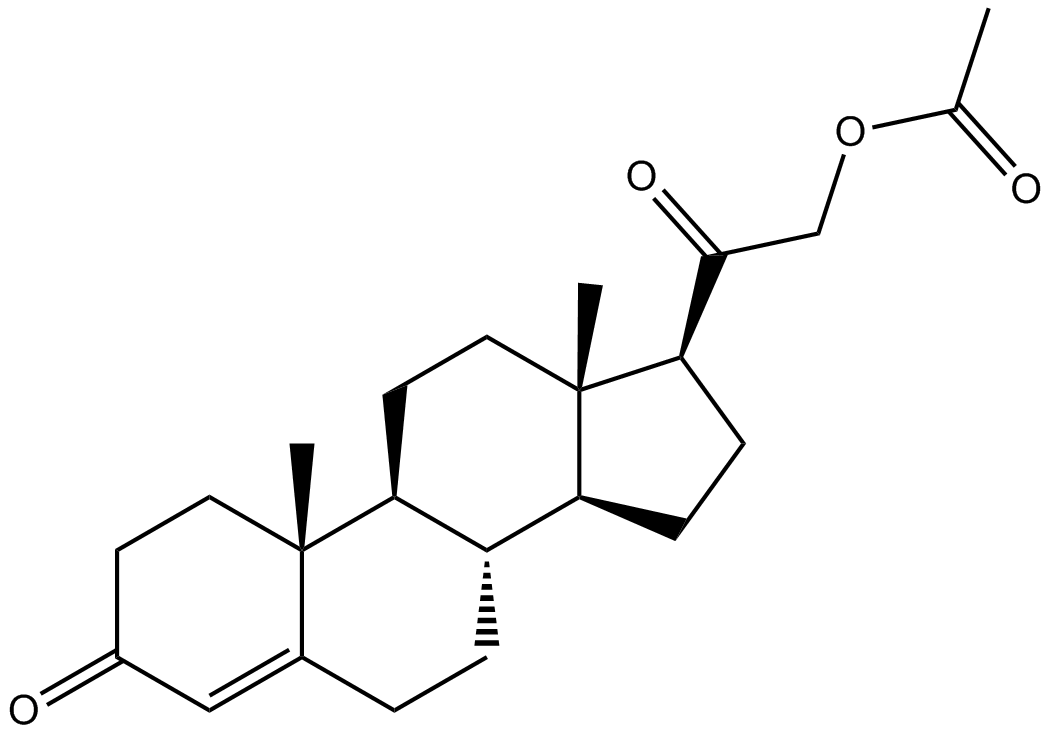 B1724 Deoxycorticosterone acetateSummary: Steroid hormone
 -
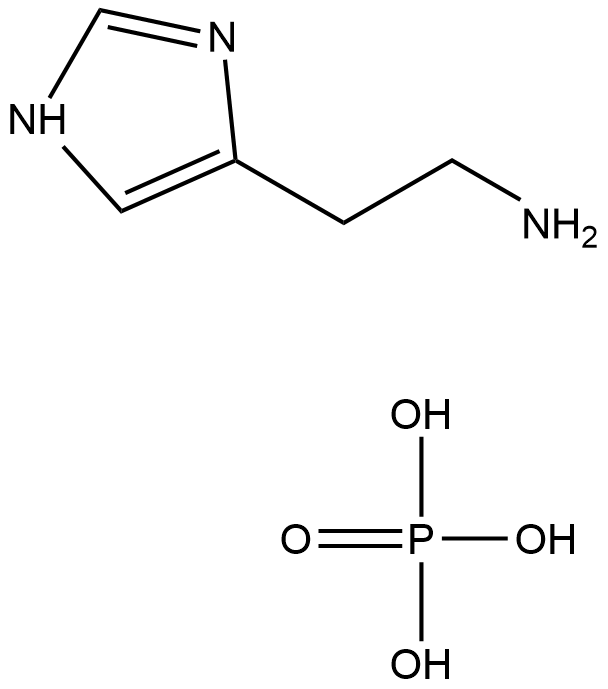 B1770 Histamine PhosphateSummary: Histamine receptor agonist
 -
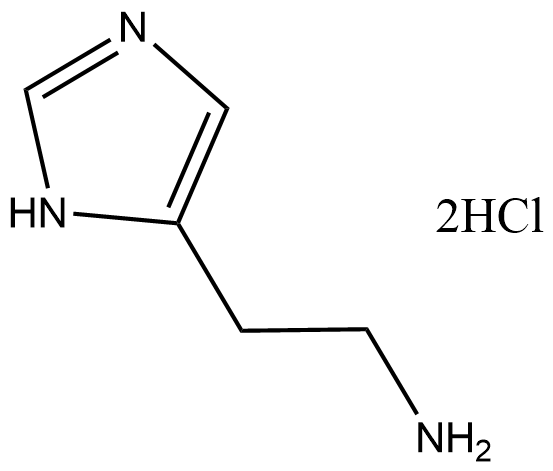 B1561 Histamine 2HClSummary: Histamine receptor agonist
 -
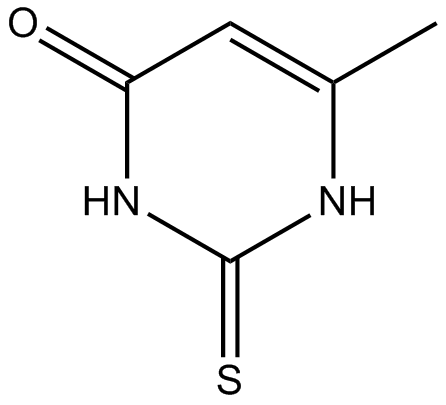 B1974 MethylthiouracilSummary: antithyroid preparation
 -
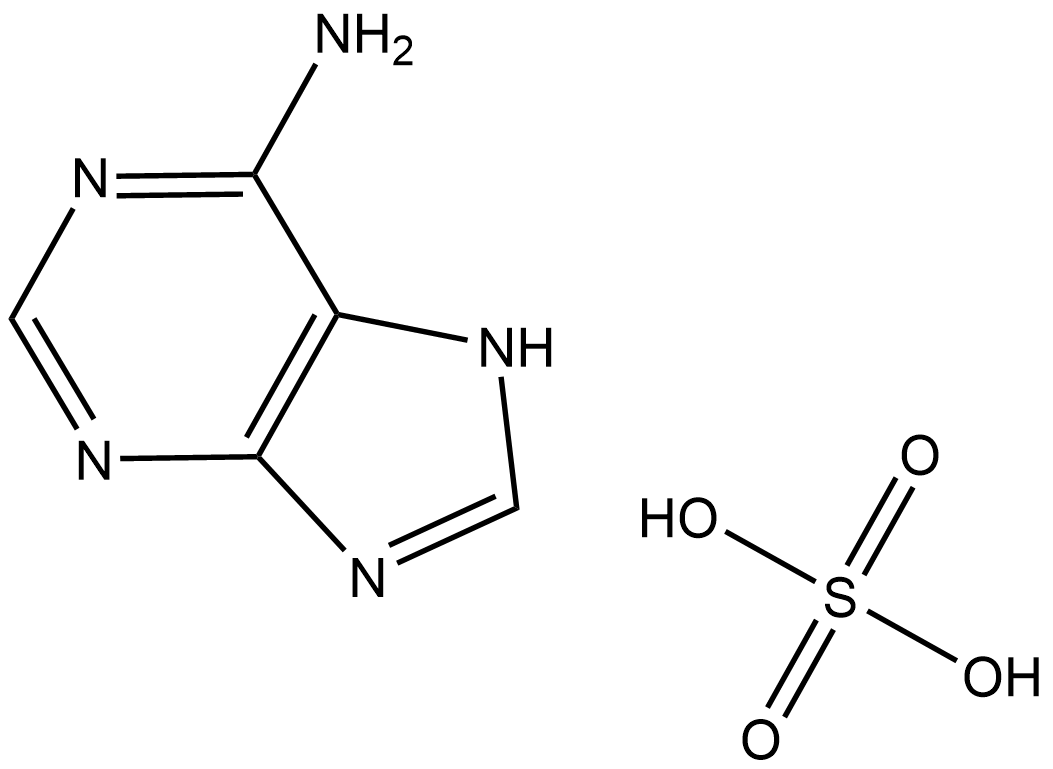 B1469 Adenine sulfateSummary: Sulfate salt form of adenine
 -
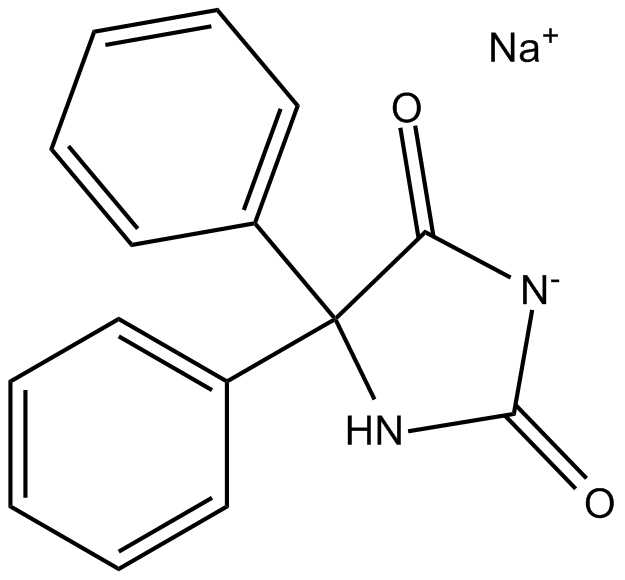 B2272 Phenytoin sodiumTarget: Voltage-gated Sodium (NaV) ChannelsSummary: Sodium channel stabilizer
 -
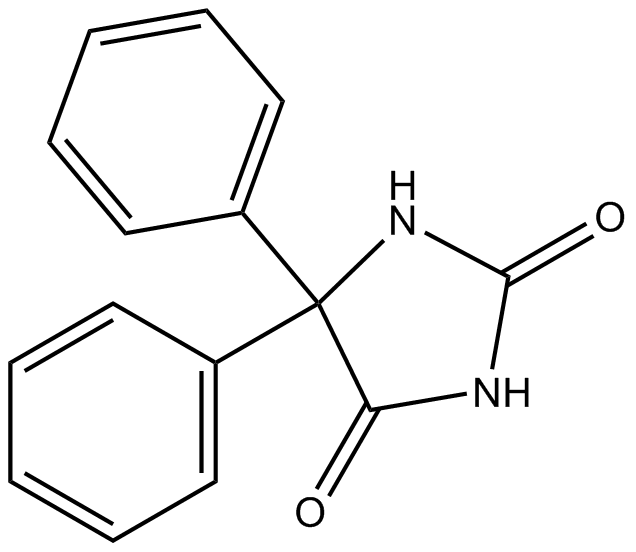 B2271 Phenytoin1 CitationSummary: inactive voltage-gated sodium channel stabilizer