


Disease induced
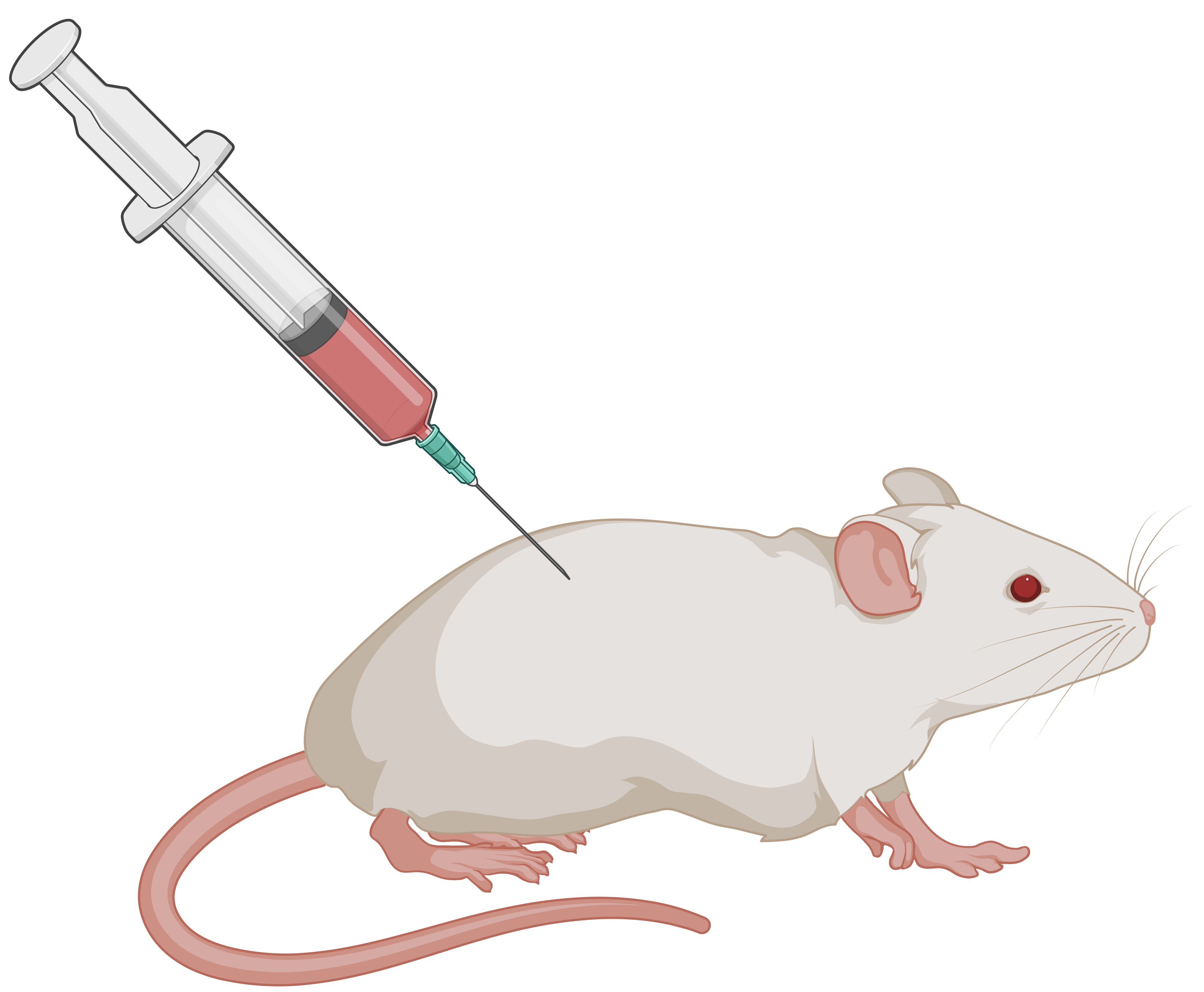
Disease-induced compounds are chemical agents used to simulate specific pathological conditions in experimental systems, such as cell cultures, organoids, or animal models.
Disease-induced compounds play a pivotal role in translational biomedical research, allowing researchers to reproduce key features of human diseases under controlled conditions, enabling the study of disease mechanisms and the testing of therapeutic interventions. For example, neurotoxins such as MPTP are widely used to model Parkinson’s disease by selectively damaging dopaminergic neurons, while streptozotocin and alloxan are used to induce diabetes through pancreatic β-cell destruction. Similarly, agents like carbon tetrachloride, bleomycin, and lipopolysaccharide are utilized to reproduce hepatic injury, pulmonary fibrosis, and systemic inflammation, respectively.
Through the application of disease-induced compounds, researchers can bridge the gap between basic molecular research and translational medicine. Their use facilitates the elucidation of disease mechanisms and supports the rational design and preclinical testing of novel therapeutic agents.
-
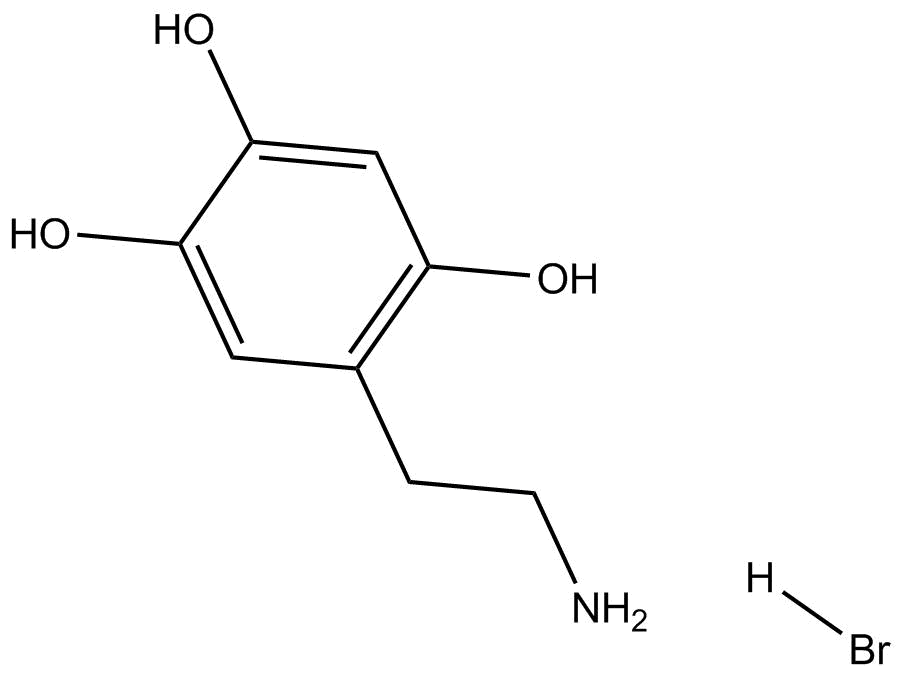 B7099 6-Hydroxydopamine hydrobromideSummary: A widely used neurotoxin for inducing Parkinson's disease models.
 -
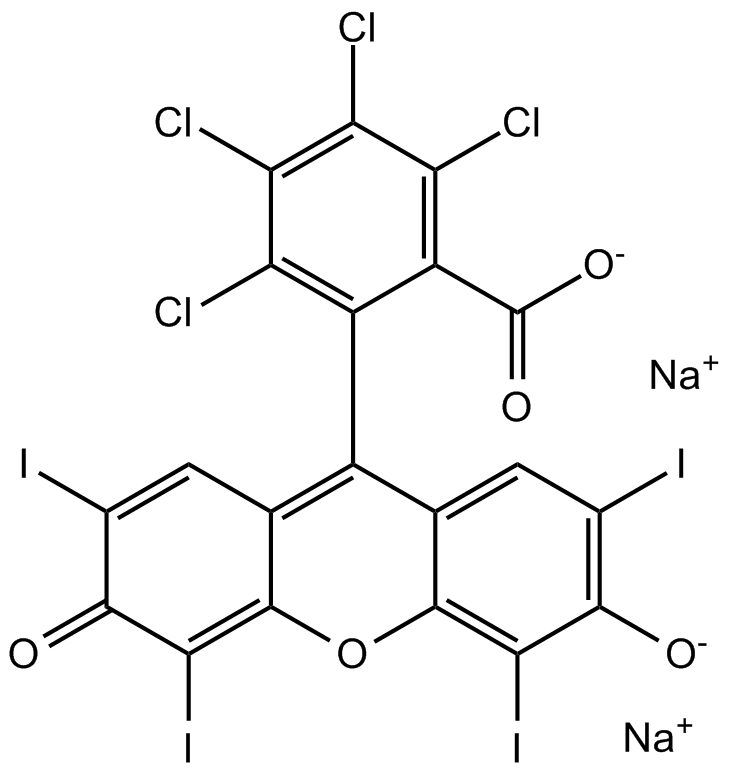 B7767 Rose BengalSummary: VGlut and vesicular monoamine transporter (VMAT) inhibitor
 -
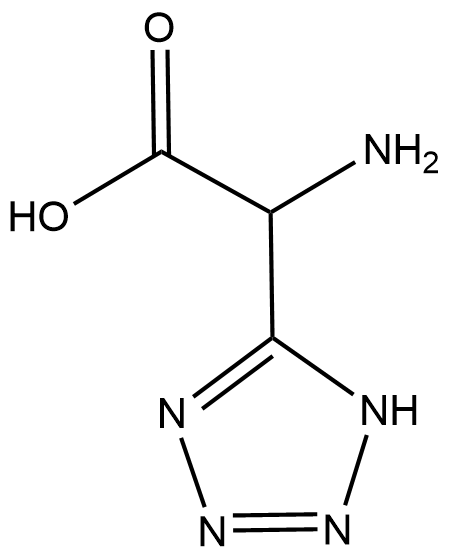 B6254 (RS)-(Tetrazol-5-yl)glycineSummary: NMDA receptor agonist
 -
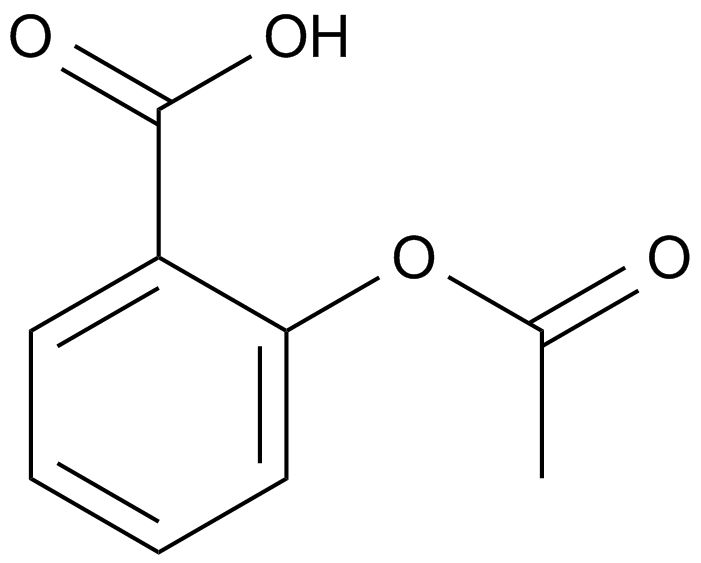 A4013 Aspirin (Acetylsalicylic acid)Summary: Cyclooxygenase (COX) inhibitor
 -
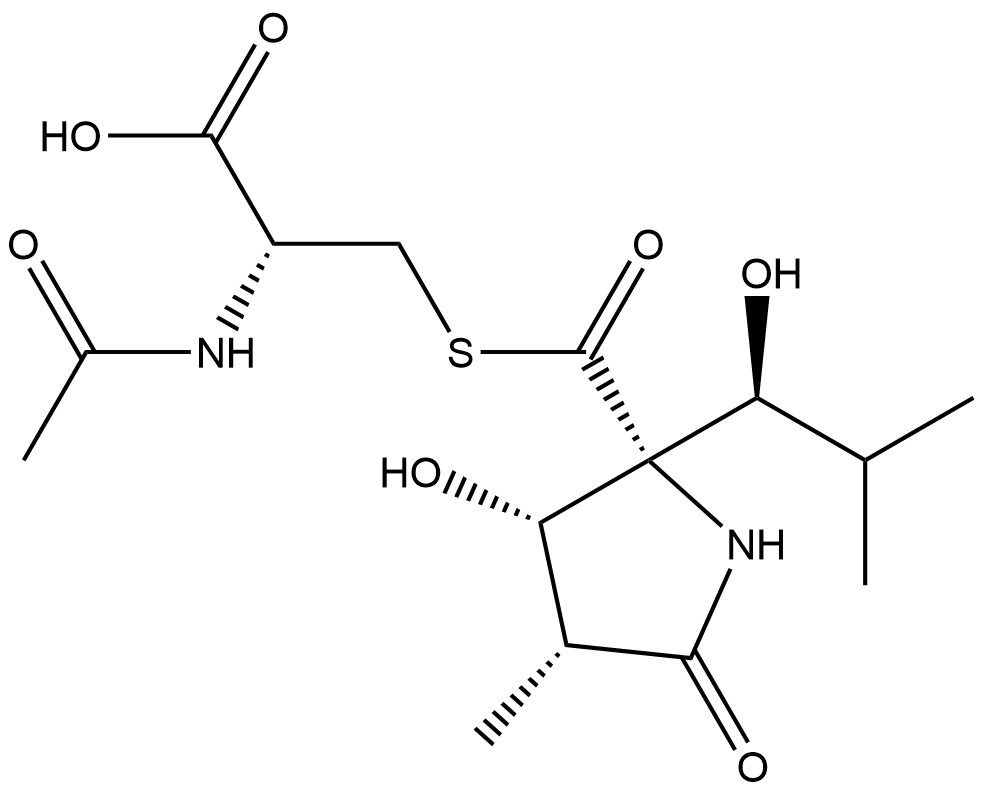 A2583 Lactacystin (Synthetic)1 CitationTarget: ProteasomeSummary: Proteasome inhibitor
 -
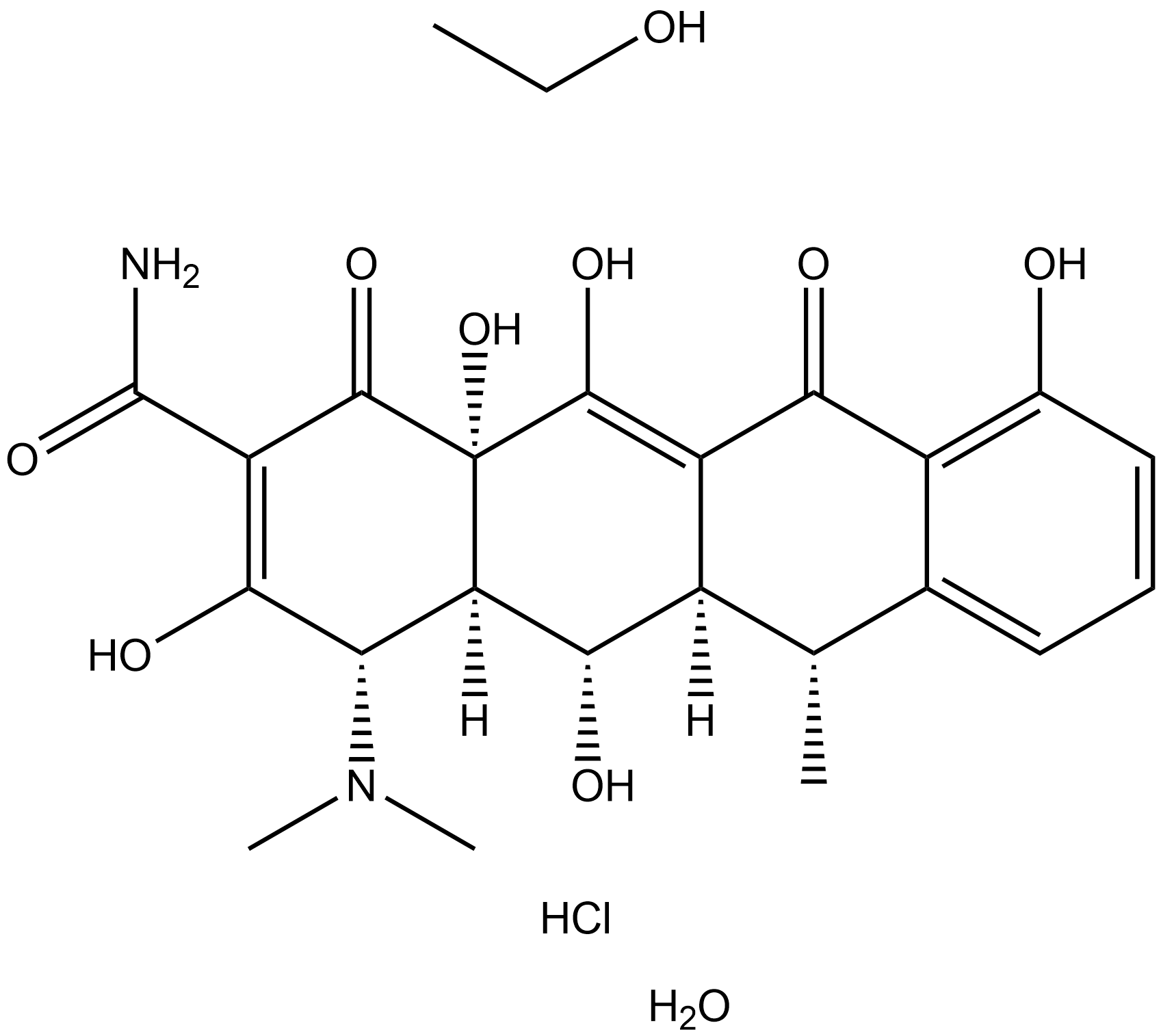 A4052 Doxycycline hyclate3 CitationTarget: MMPSummary: matrix metalloproteinases inhibitor
 -
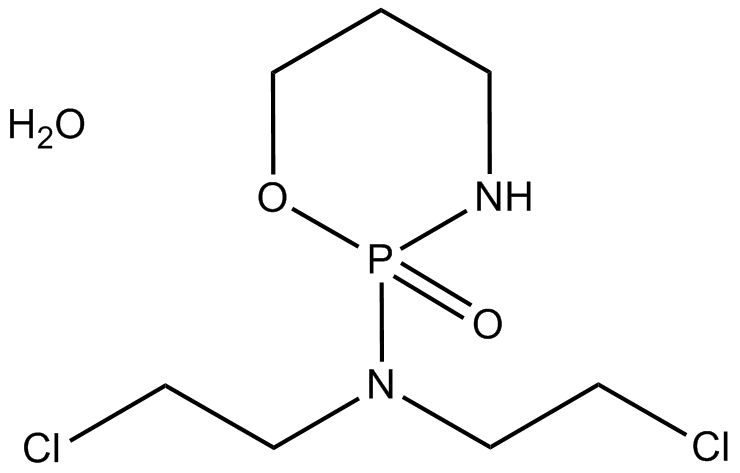 A4232 Cyclophosphamide monohydrateSummary: alkylating, cytotoxic agent,antitumor activity
 -
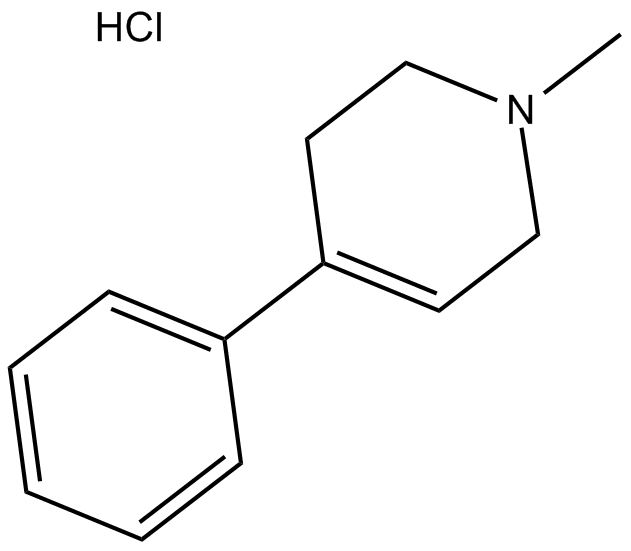 A3634 MPTP hydrochlorideSummary: Dopaminergic neurotoxin,induced reduction in the DOPAC HVA/dopamine (DA) ratio
 -
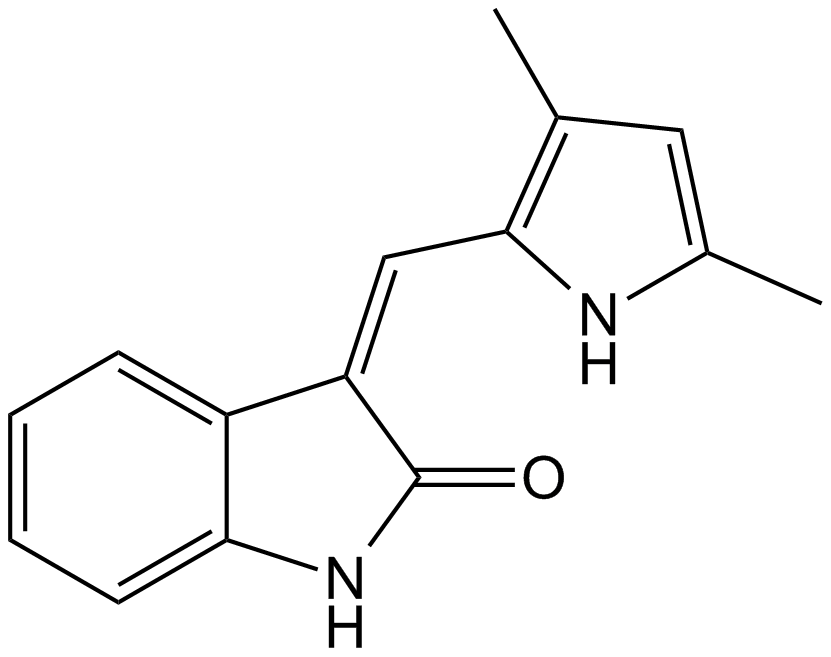 A3847 SU541611 CitationTarget: VEGFRSummary: VEGFR2 inhibitor
 -
 BA1003 Doxycycline4 CitationSummary: Doxycycline is an orally active tetracycline antibiotic.