


Disease induced
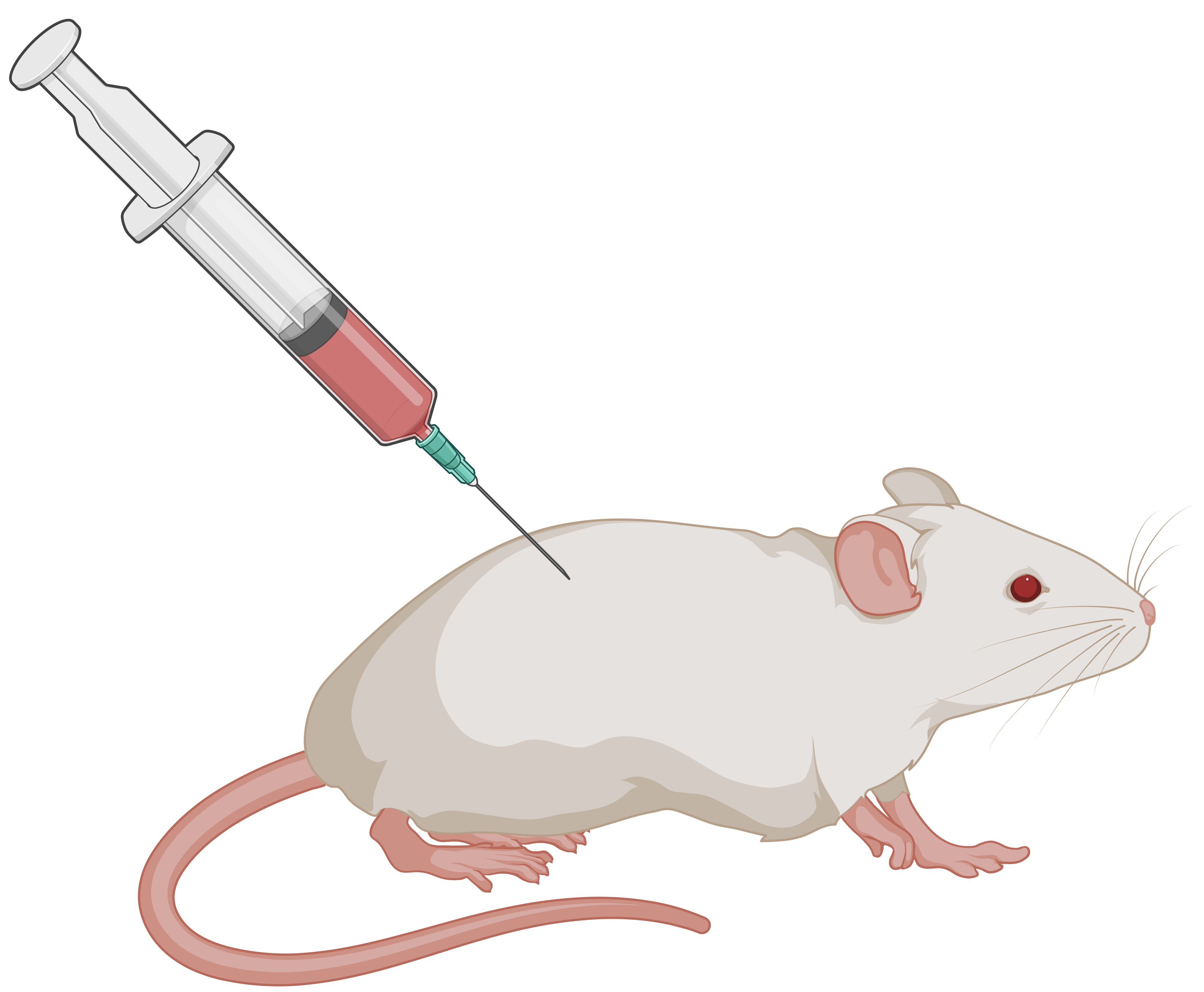
Disease-induced compounds are chemical agents used to simulate specific pathological conditions in experimental systems, such as cell cultures, organoids, or animal models.
Disease-induced compounds play a pivotal role in translational biomedical research, allowing researchers to reproduce key features of human diseases under controlled conditions, enabling the study of disease mechanisms and the testing of therapeutic interventions. For example, neurotoxins such as MPTP are widely used to model Parkinson’s disease by selectively damaging dopaminergic neurons, while streptozotocin and alloxan are used to induce diabetes through pancreatic β-cell destruction. Similarly, agents like carbon tetrachloride, bleomycin, and lipopolysaccharide are utilized to reproduce hepatic injury, pulmonary fibrosis, and systemic inflammation, respectively.
Through the application of disease-induced compounds, researchers can bridge the gap between basic molecular research and translational medicine. Their use facilitates the elucidation of disease mechanisms and supports the rational design and preclinical testing of novel therapeutic agents.
-
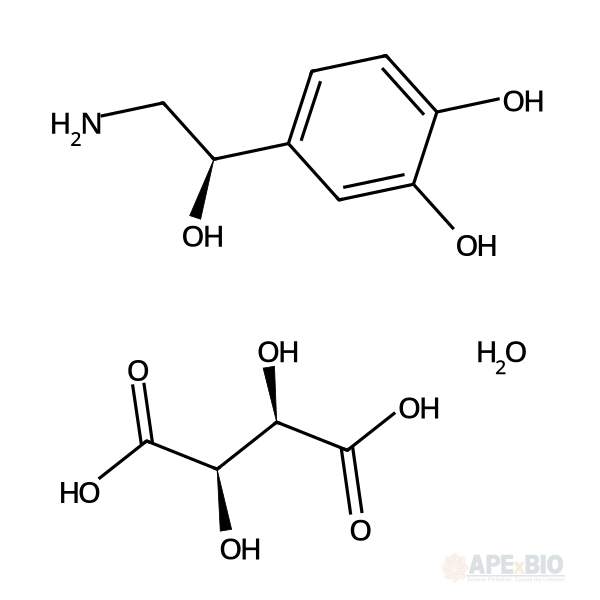 B1990 Noradrenaline bitartrate monohydrateSummary: Adrenergic receptor agonist
 -
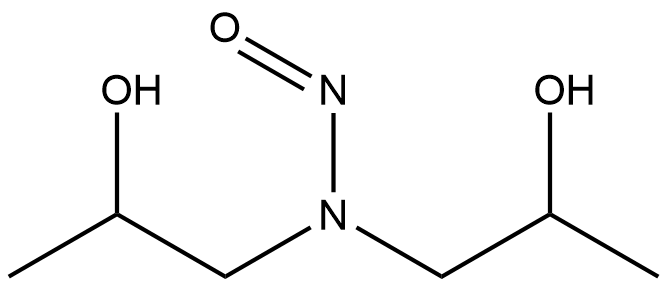 A9045 N-Bis(2-hydroxypropyl)nitrosamine
 -
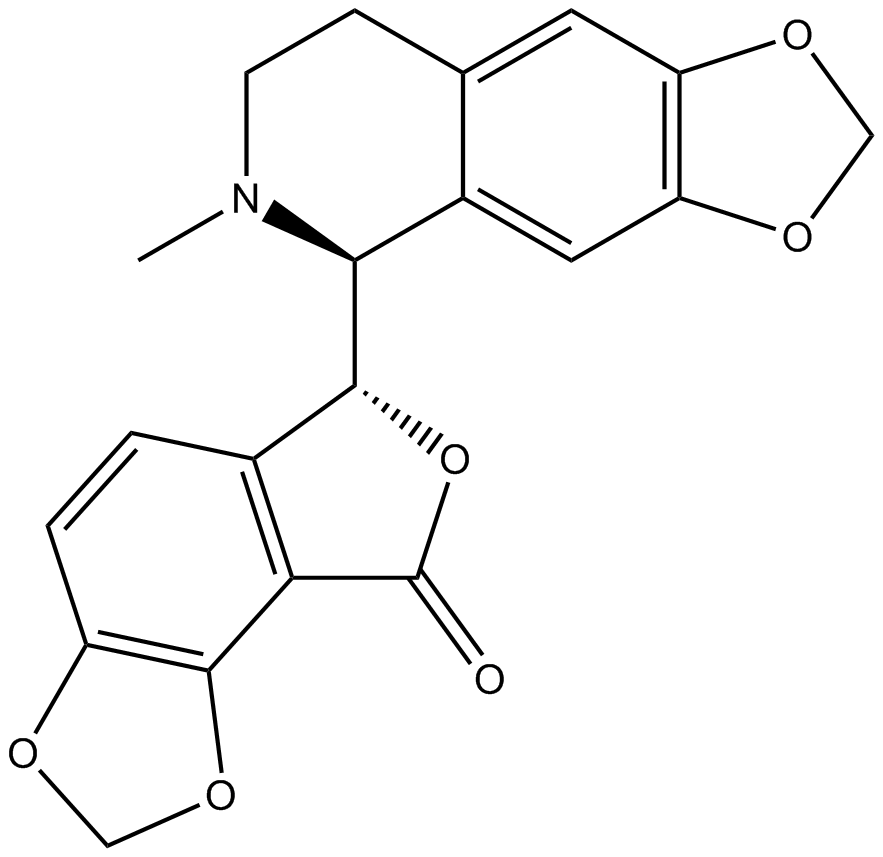 N1592 (+)-Bicuculline3 CitationTarget: GABAA Receptors|Calcium-Activated Potassium (KCa) ChannelsSummary: GABAA receptor antagonist,competitve and classical
 -
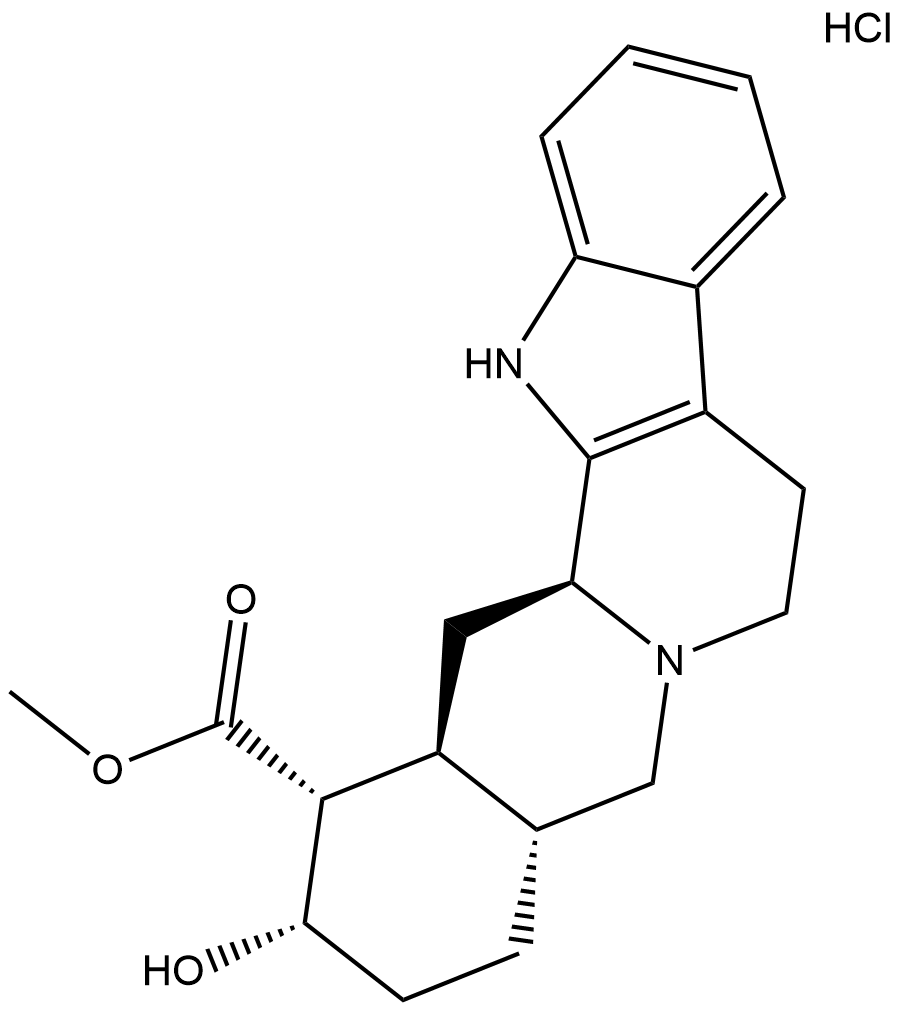 N1704 Yohimbine HydrochlorideSummary: An α-2 adrenergic receptor antagonist that promotes norepinephrine release.
 -
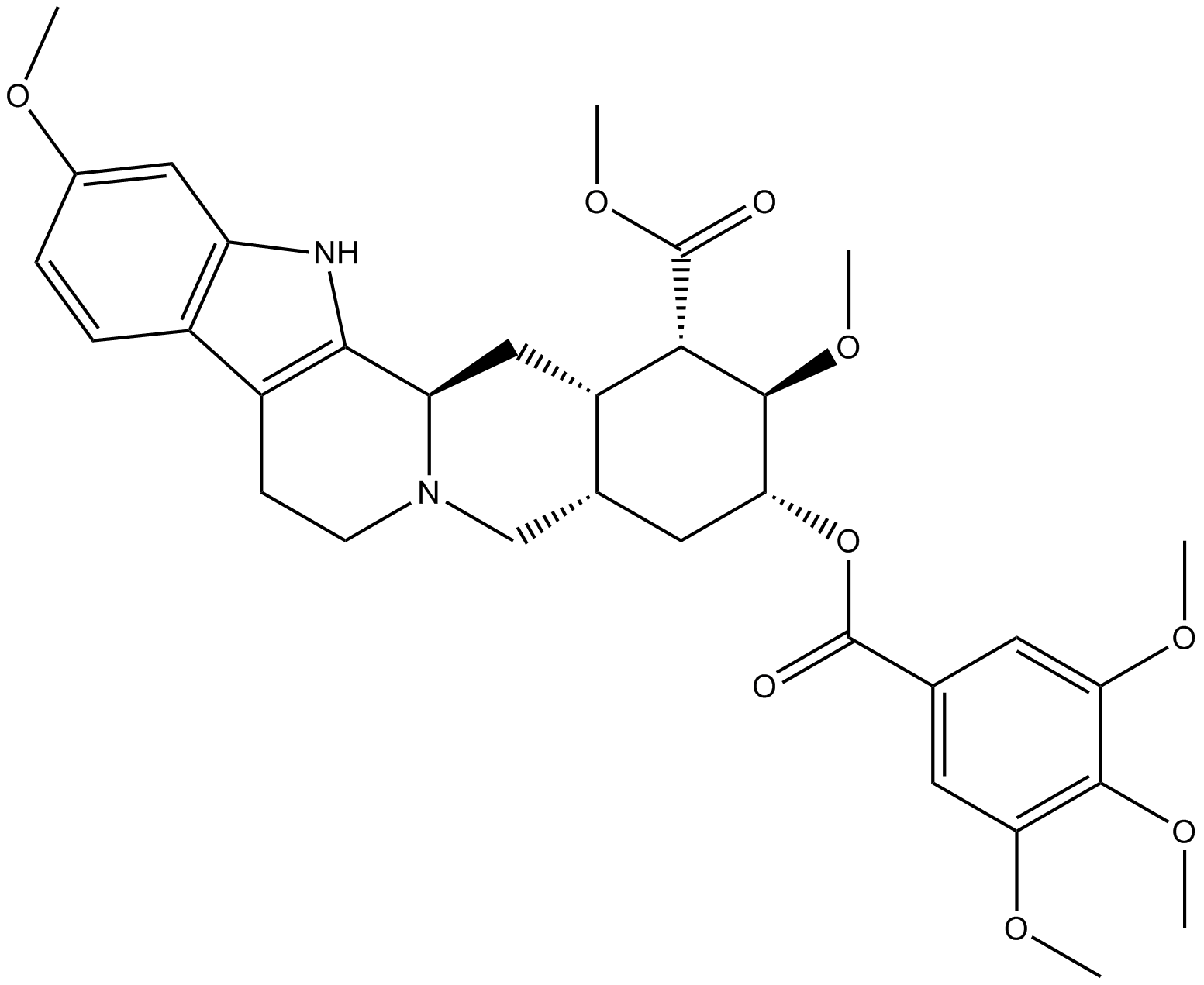 N1867 Reserpine1 CitationSummary: A vesicular monoamine transporter 2 (VMAT2) inhibitor isolated from Rauwolfia plants.
 -
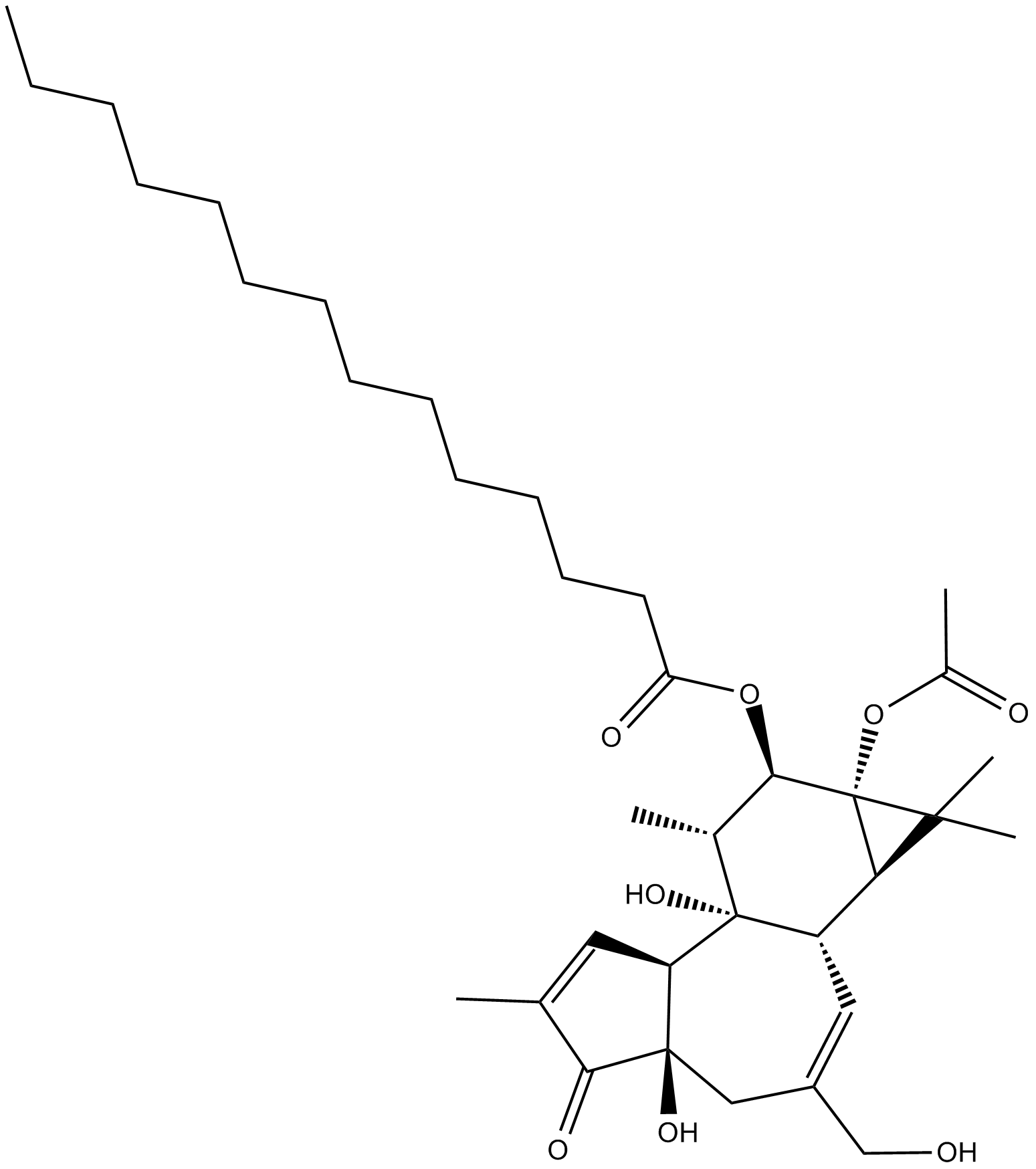 N2060 12-O-tetradecanoyl phorbol-13-acetate (PMA)22 CitationSummary: ERK activator, potent
 -
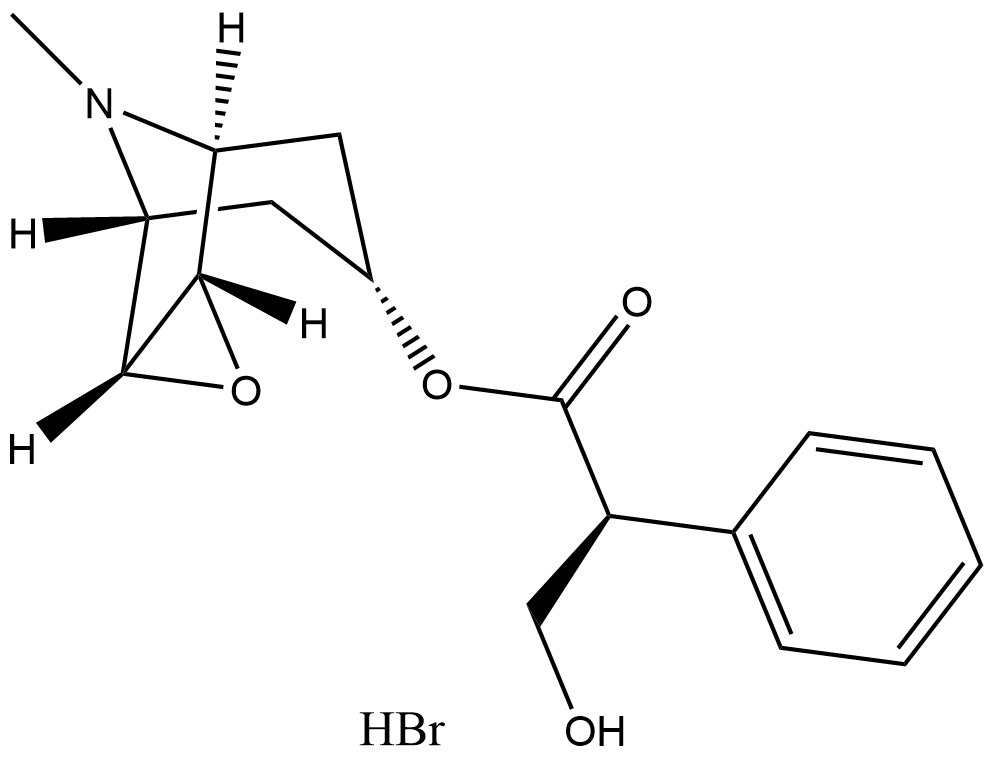 N2570 Scopolamine hydrobromideSummary: A plant-derived muscarinic antagonist that reversibly inhibits 5-HT3 receptors.
 -
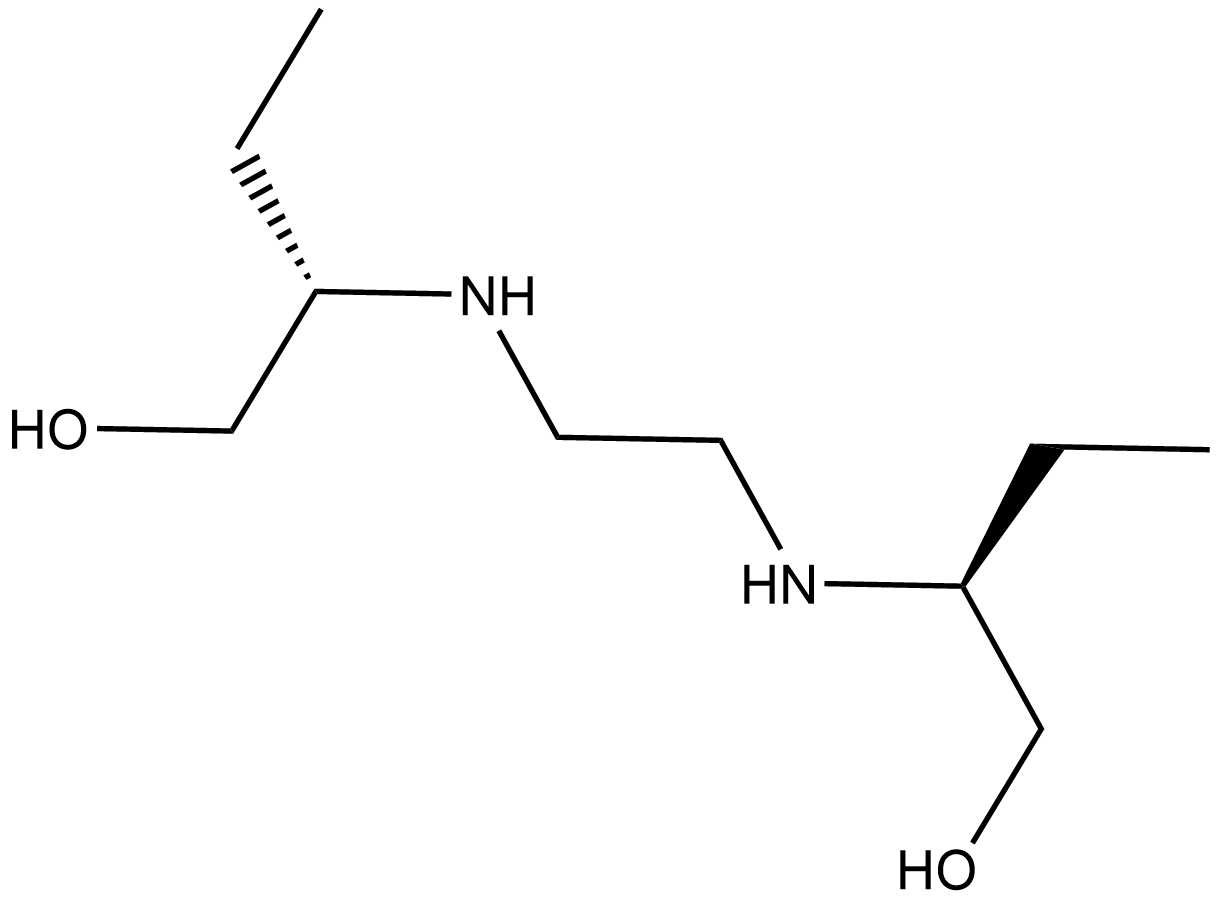 B3418 EthambutolSummary: An antibacterial and antimycotic agent that blocks cell wall formation by inhibiting arabinosyltransferase.
 -
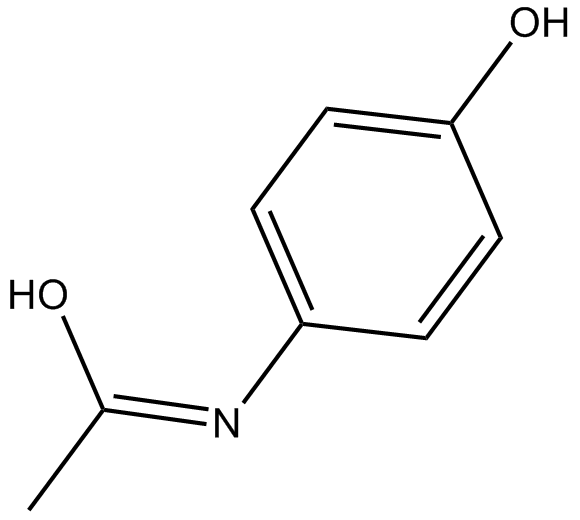 B3532 AcetaminophenSummary: COX inhibitor
 -
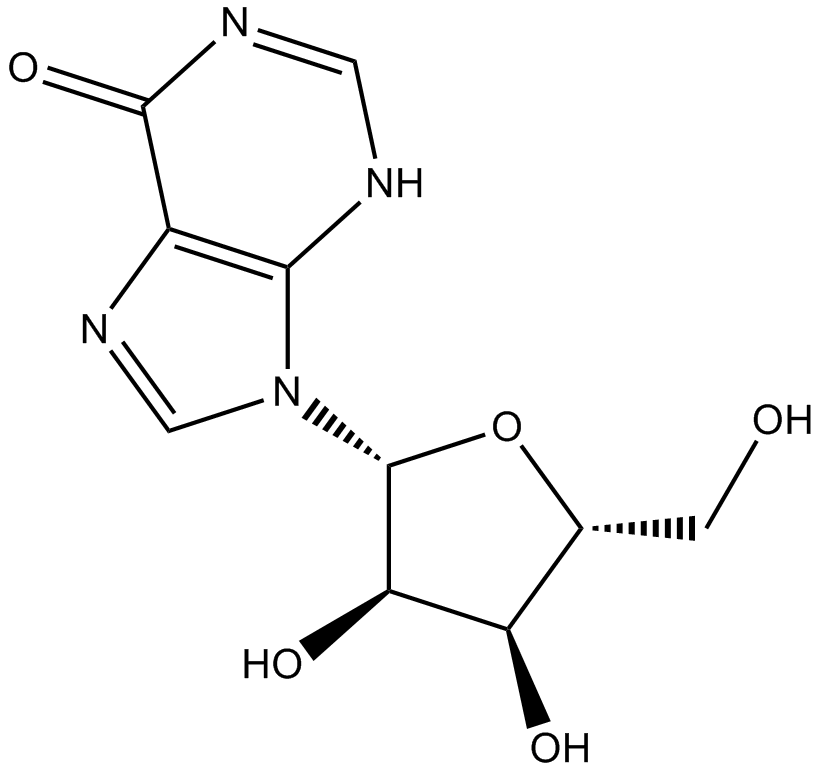 B3677 InosineSummary: endogenous purine nucleoside