


Disease induced

Disease-induced compounds are chemical agents used to simulate specific pathological conditions in experimental systems, such as cell cultures, organoids, or animal models.
Disease-induced compounds play a pivotal role in translational biomedical research, allowing researchers to reproduce key features of human diseases under controlled conditions, enabling the study of disease mechanisms and the testing of therapeutic interventions. For example, neurotoxins such as MPTP are widely used to model Parkinson’s disease by selectively damaging dopaminergic neurons, while streptozotocin and alloxan are used to induce diabetes through pancreatic β-cell destruction. Similarly, agents like carbon tetrachloride, bleomycin, and lipopolysaccharide are utilized to reproduce hepatic injury, pulmonary fibrosis, and systemic inflammation, respectively.
Through the application of disease-induced compounds, researchers can bridge the gap between basic molecular research and translational medicine. Their use facilitates the elucidation of disease mechanisms and supports the rational design and preclinical testing of novel therapeutic agents.
-
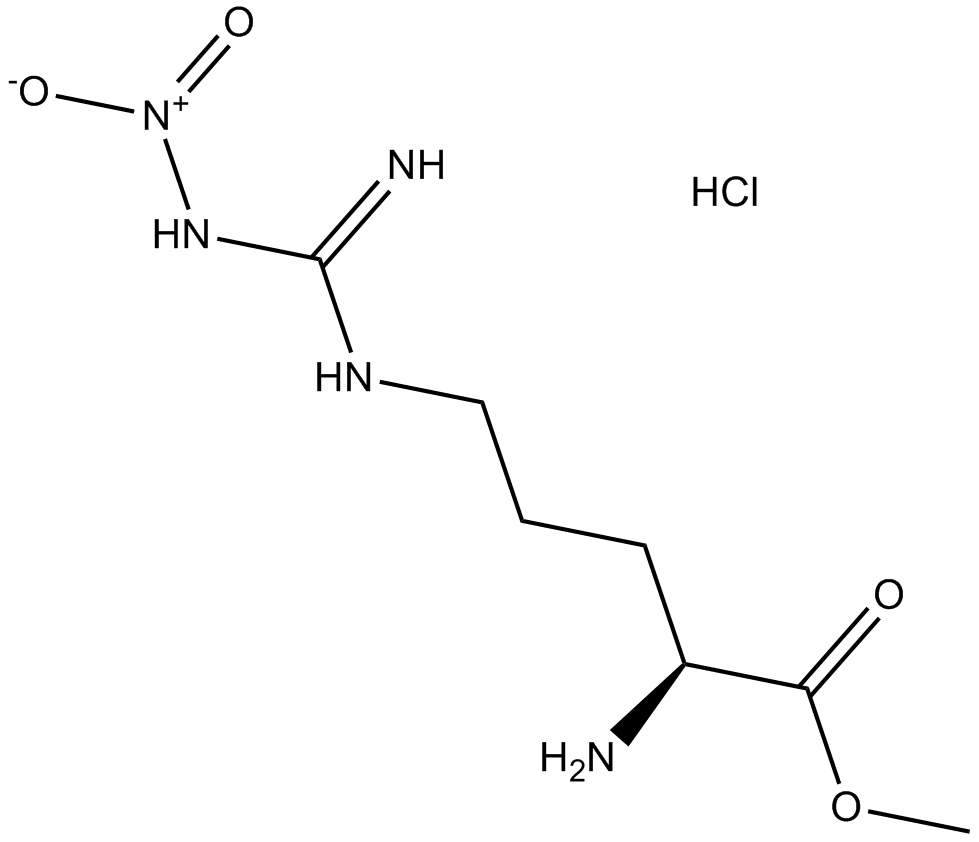 A7088 L-NAME hydrochloride5 CitationSummary: NO synthase inhibitor
 -
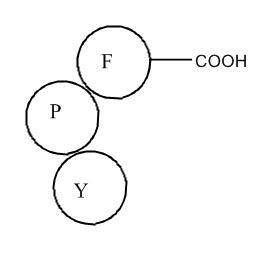 A1011 b-Casomorphin (1-3)Summary: Milk protein casein analog, have an opioid effect
 -
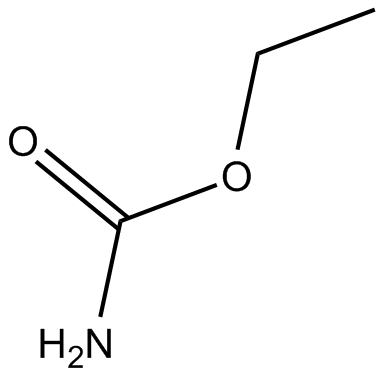 B8352 UrethaneSummary: A fermentation byproduct that inhibits the growth of bacteria, protozoa, and plant tissues
 -
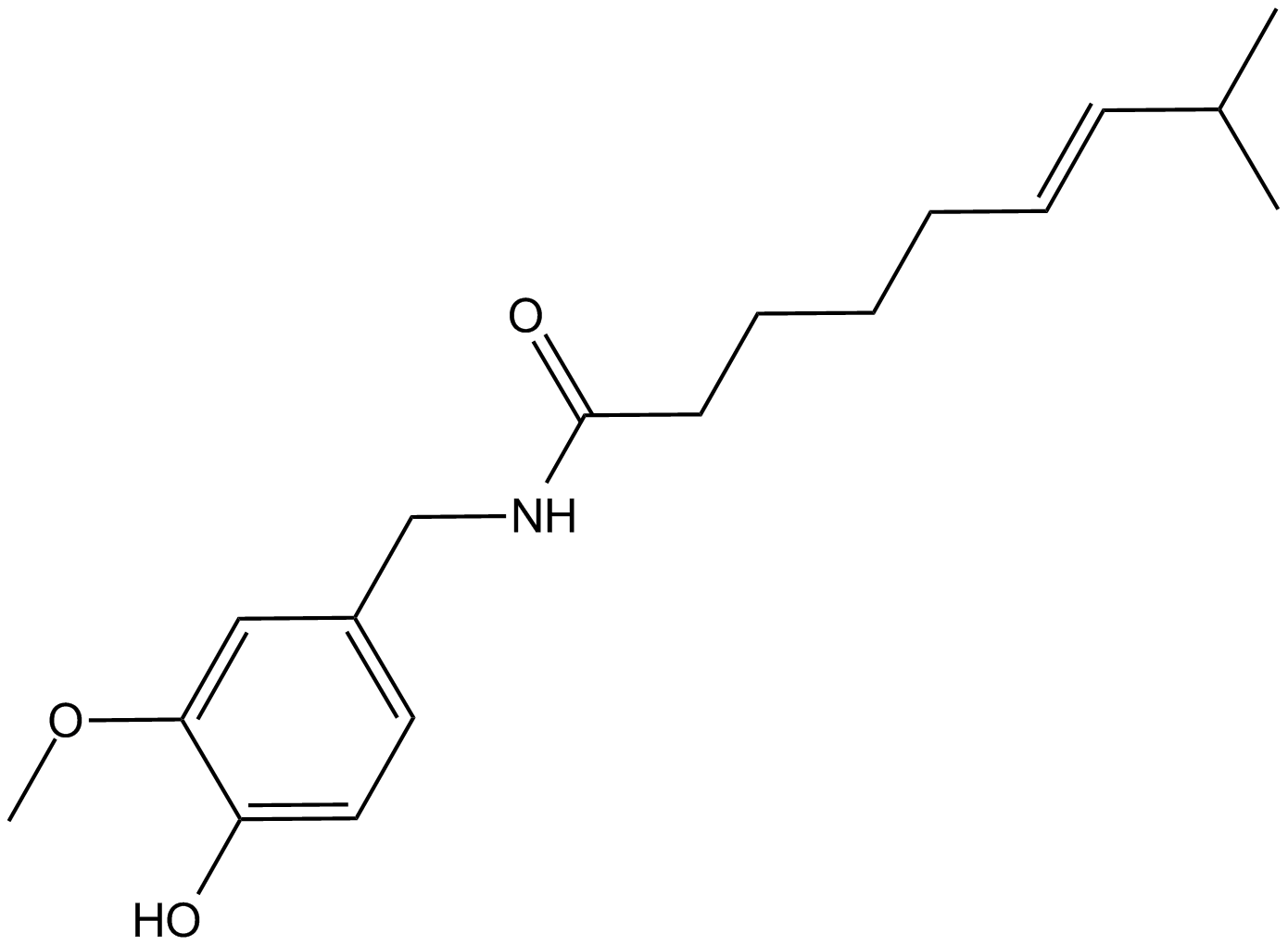 C6366 CapsaicinSummary: TRPV1 activator
 -
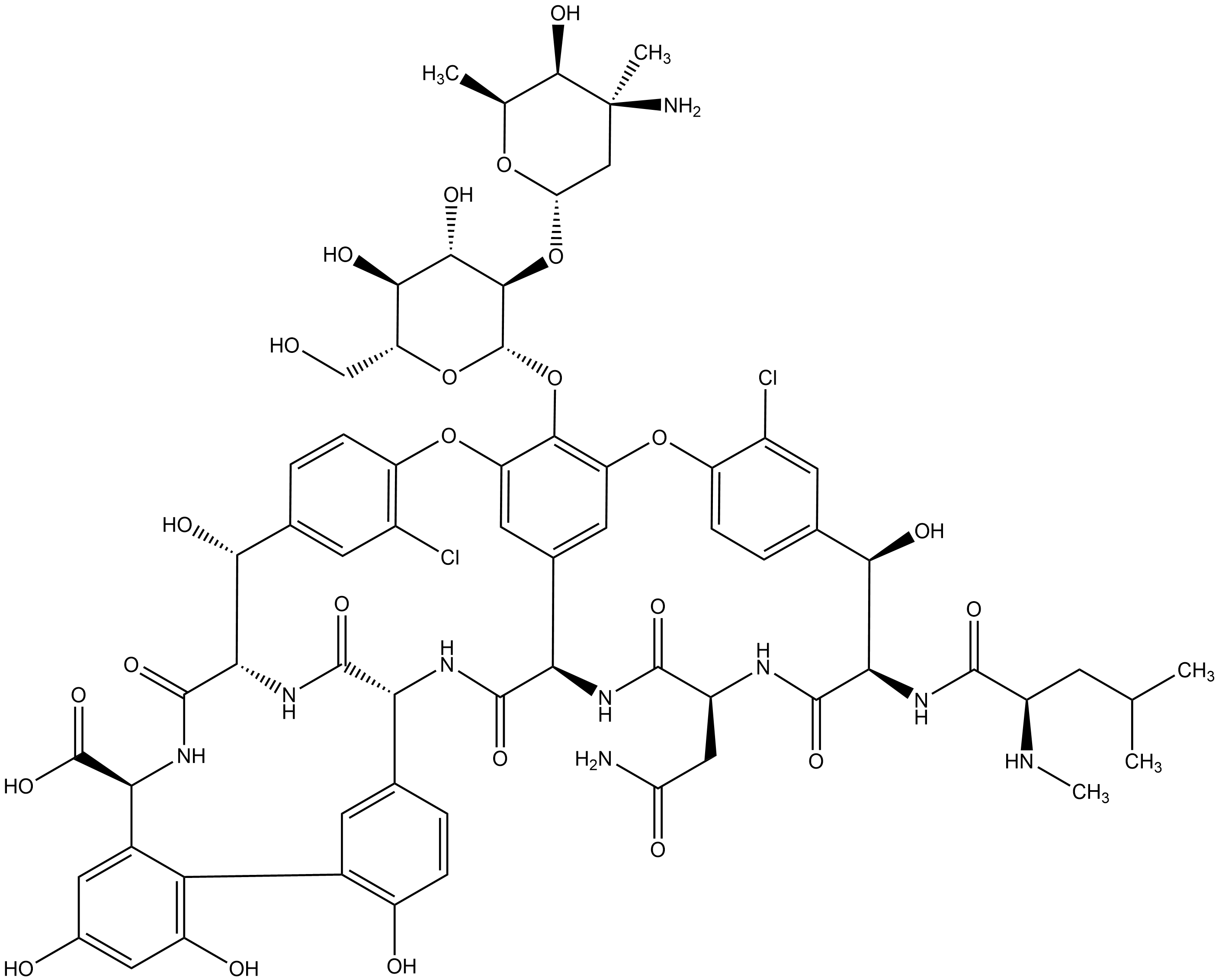 C6417 Vancomycin3 CitationSummary: An antibiotic for the treatment of bacterial infections by inhibiting bacterial cell wall synthesis
 -
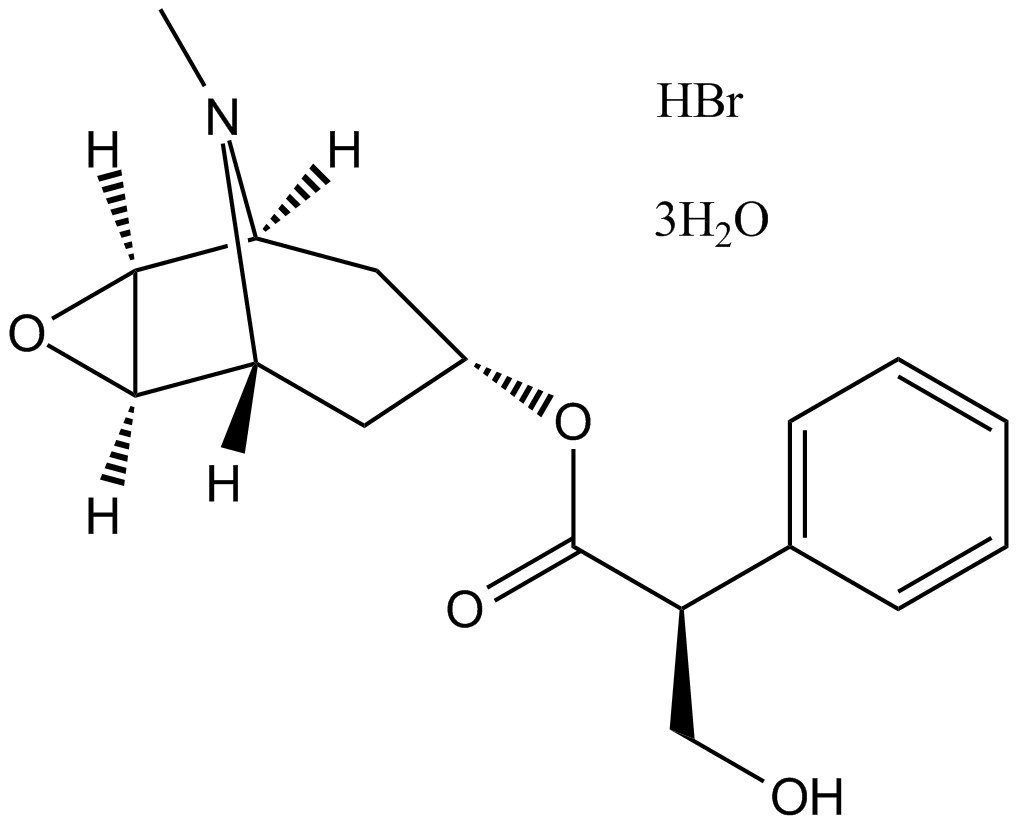 C6419 Scopolamine HBr trihydrateSummary: A muscarinic receptor antagonist for ophthalmic preparations and potential use in motion sickness transdermal patches
 -
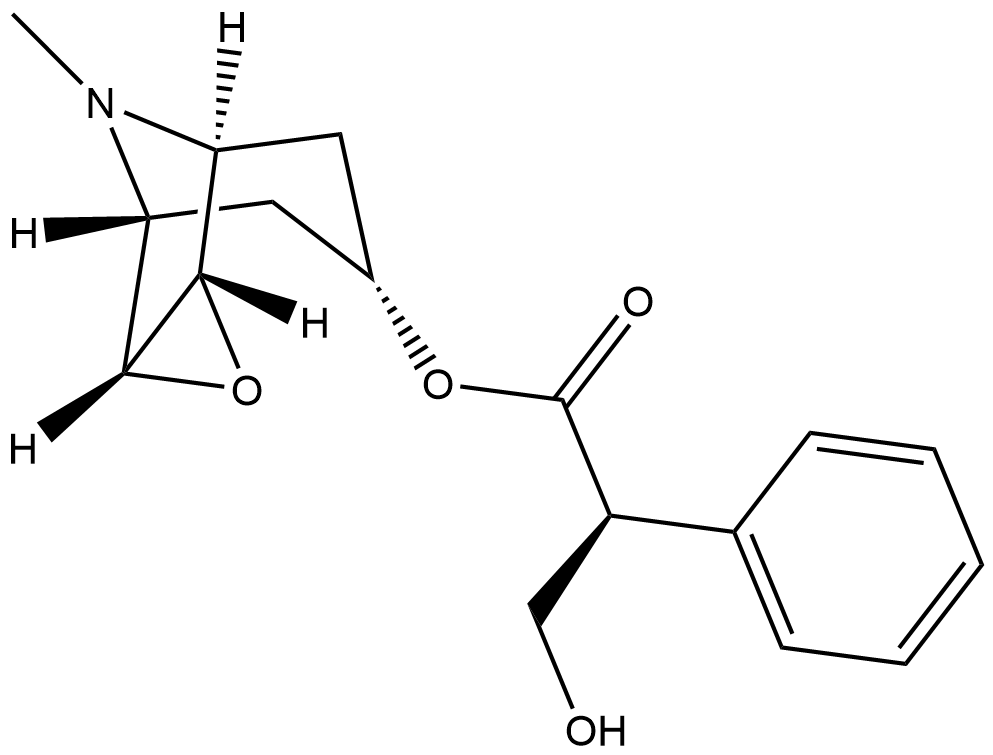 C6426 ScopolamineSummary: An alkaloid with diverse biological activities
 -
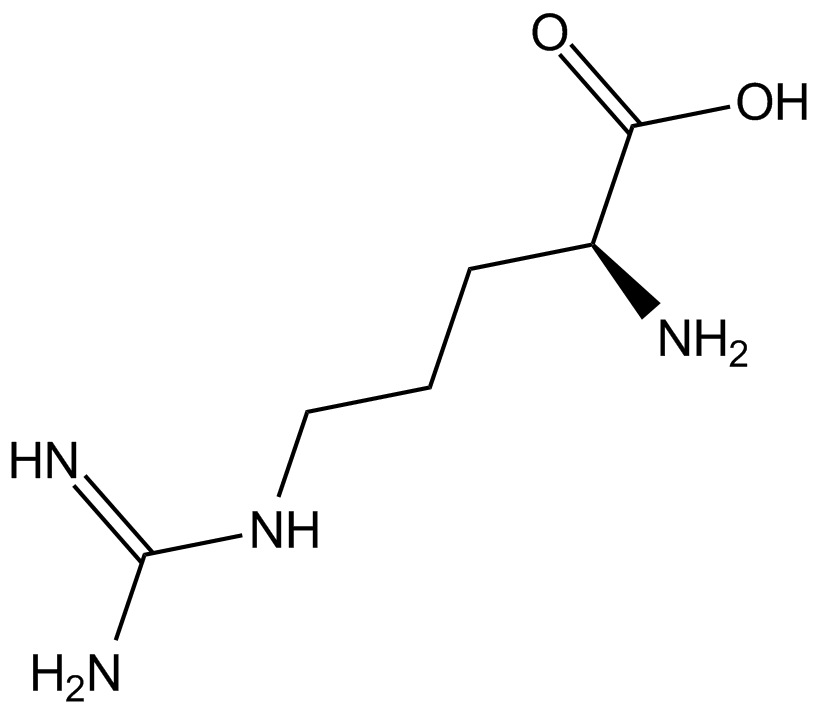 C6435 L-ArginineSummary: A vasodilator that serves as a substrate for endothelial nitric oxide synthase
 -
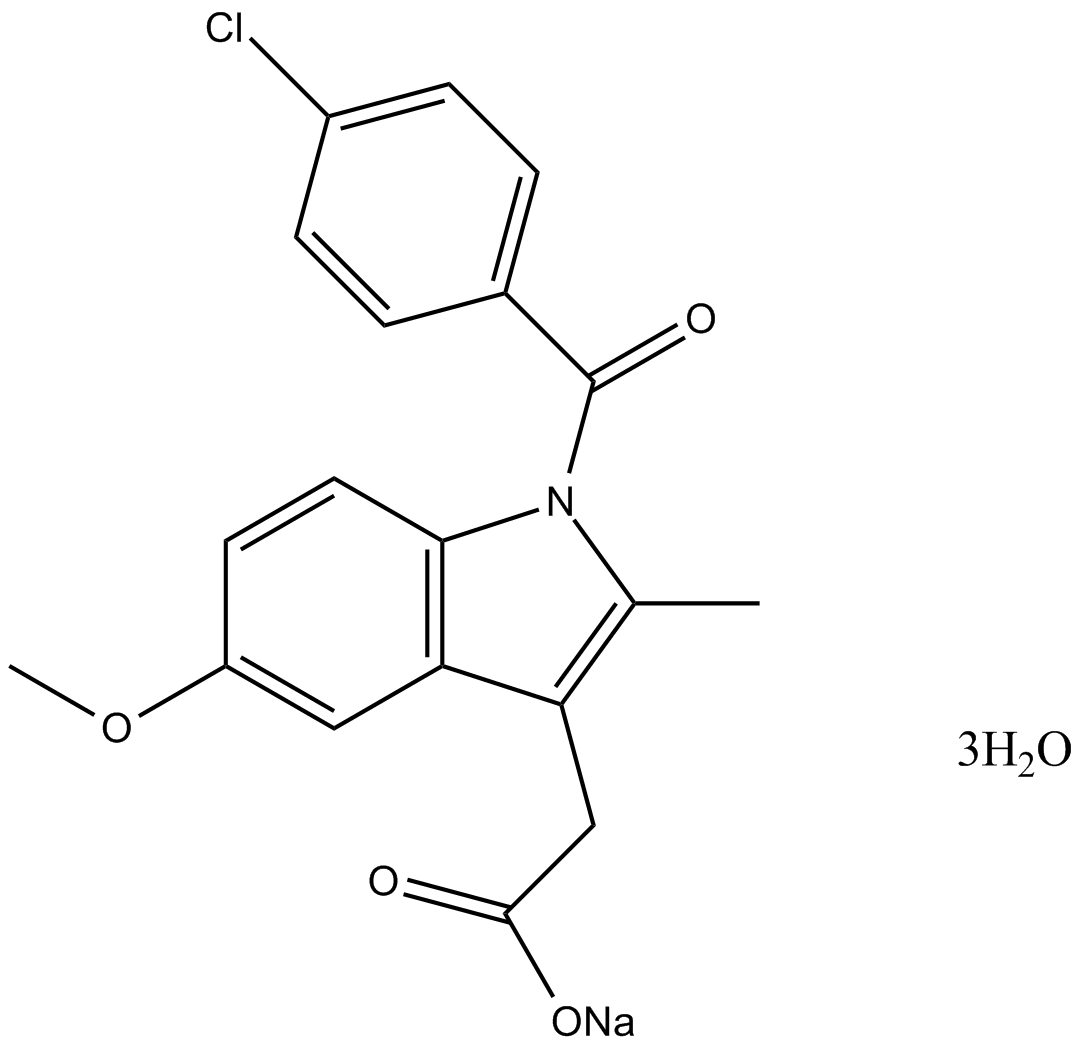 C6491 Indomethacin sodium trihydrateSummary: A COX inhibitor
 -
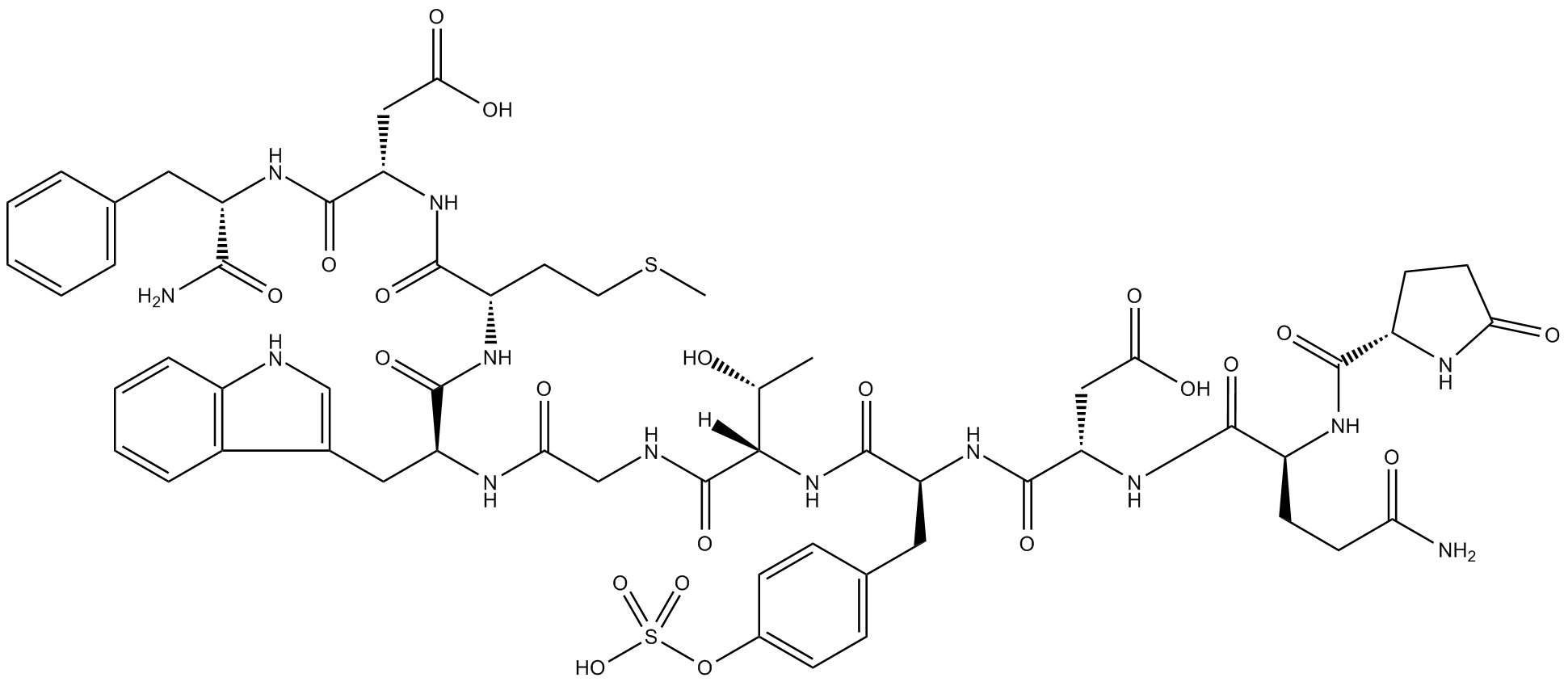 B8465 Ceruletide4 CitationSummary: A decapeptide agonist that effectively promotes gallbladder contraction and digestive secretion