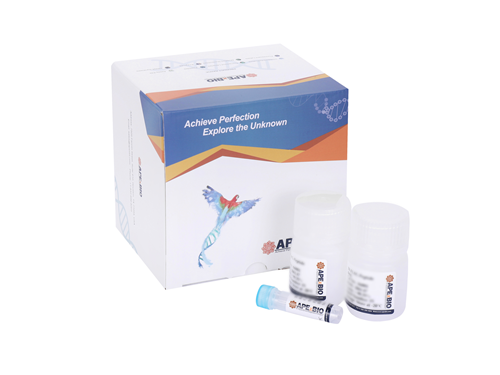
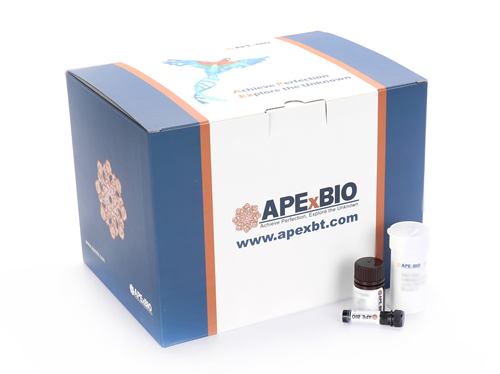
HyperFluor™ 680 TSA Fluorescence System Kit
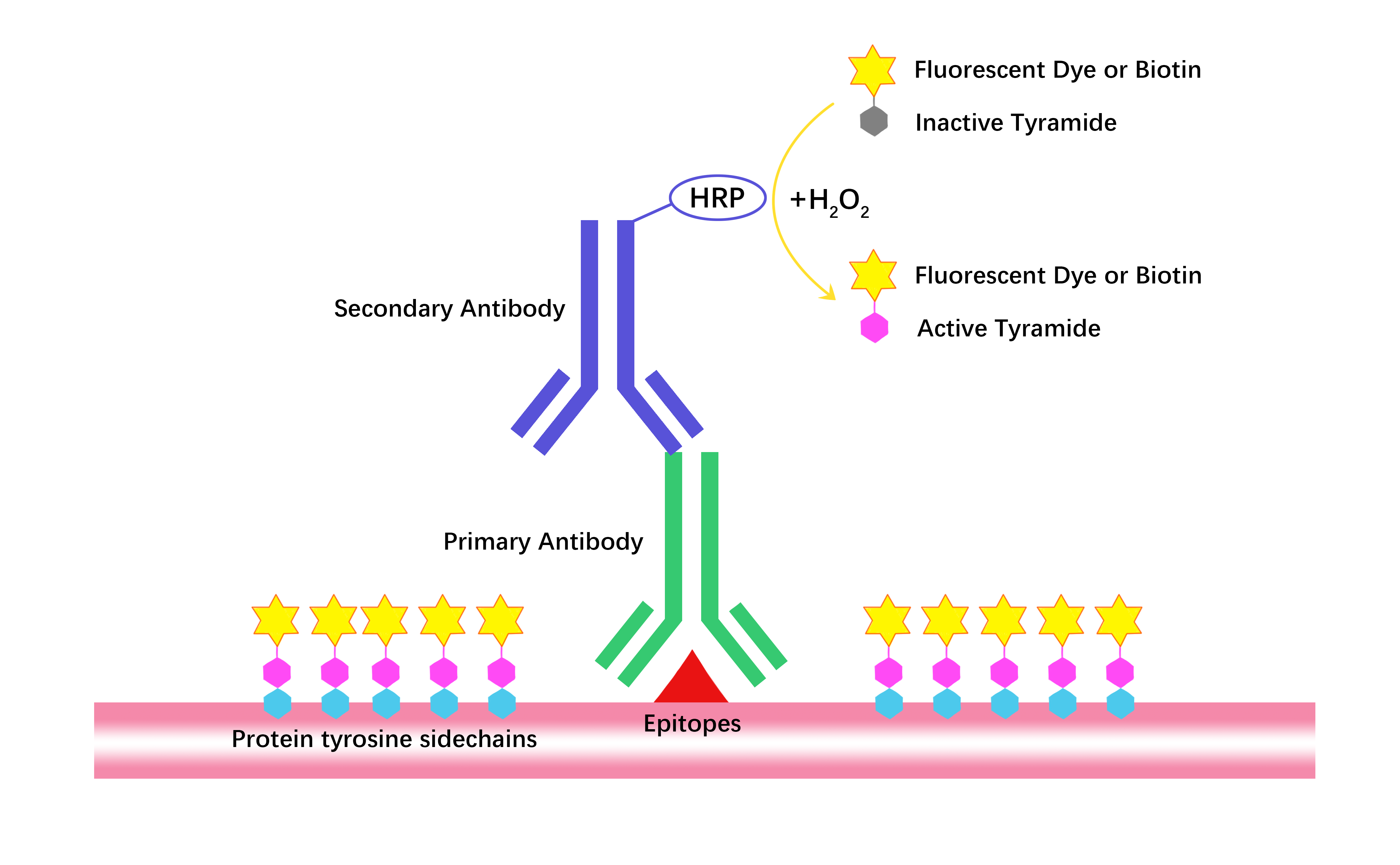
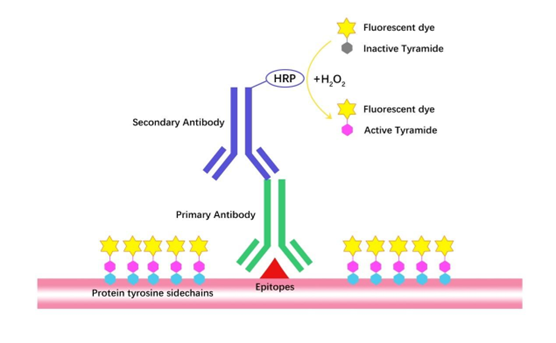
Tyramide signal amplification (TSA) technology can be used to detect low-abundance targets in experiments such as tissue and cell immunofluorescence (IF), immunohistochemistry, and in situ hybridization (ISH), and can increase signal sensitivity by approximately 100-fold. Fluorescently labeled tyramine molecules are activated by HRP-labeled secondary antibodies in the presence of H2O2, triggering a large number of enzymatic reactions. This causes fluorescent molecules to bind to protein residues at the antigen-antibody binding site and in the surrounding tissue, forming extensive fluorescent deposits that achieve signal amplification. This labeling process is rapid (less than 10 minutes), and the deposited labels can be directly observed under standard or confocal microscopes. TSA fluorescence kits can also be combined with traditional immunofluorescence methods for multi-color imaging, and two or more tyramide reactions can be performed sequentially to label different targets on the same sample. Compared with conventional experiments, using TSA reagents can significantly improve signal sensitivity while maintaining stable specificity and resolution. Additionally, TSA reagents can substantially reduce the consumption of primary antibodies or probes.
The fluorescence-labeled signal in this kit is HyperFluorTM 680 (680 nm/701 nm), which can be easily detected using standard Cy5 filters.
Ultra-High Sensitivity: Offers signal amplification up to tens or hundreds of times greater than conventional immunofluorescence, enabling detection of extremely low-abundance targets.
Multiplexing Capability: Allows sequential detection to visualize three or more targets on a single sample.
Significant Antibody Savings: The high sensitivity reduces primary antibody consumption, lowering experimental costs.
Rapid and Efficient: The core tyramide reaction is typically completed at room temperature within 5–10 minutes.
High Signal-to-Noise Ratio: Combined with low primary antibody concentrations, effectively minimizes background and non-specific signals.
Broad Compatibility: Suitable for various techniques such as IHC, IF, and ISH, as well as diverse sample types.