


Ubiquitination/ Proteasome
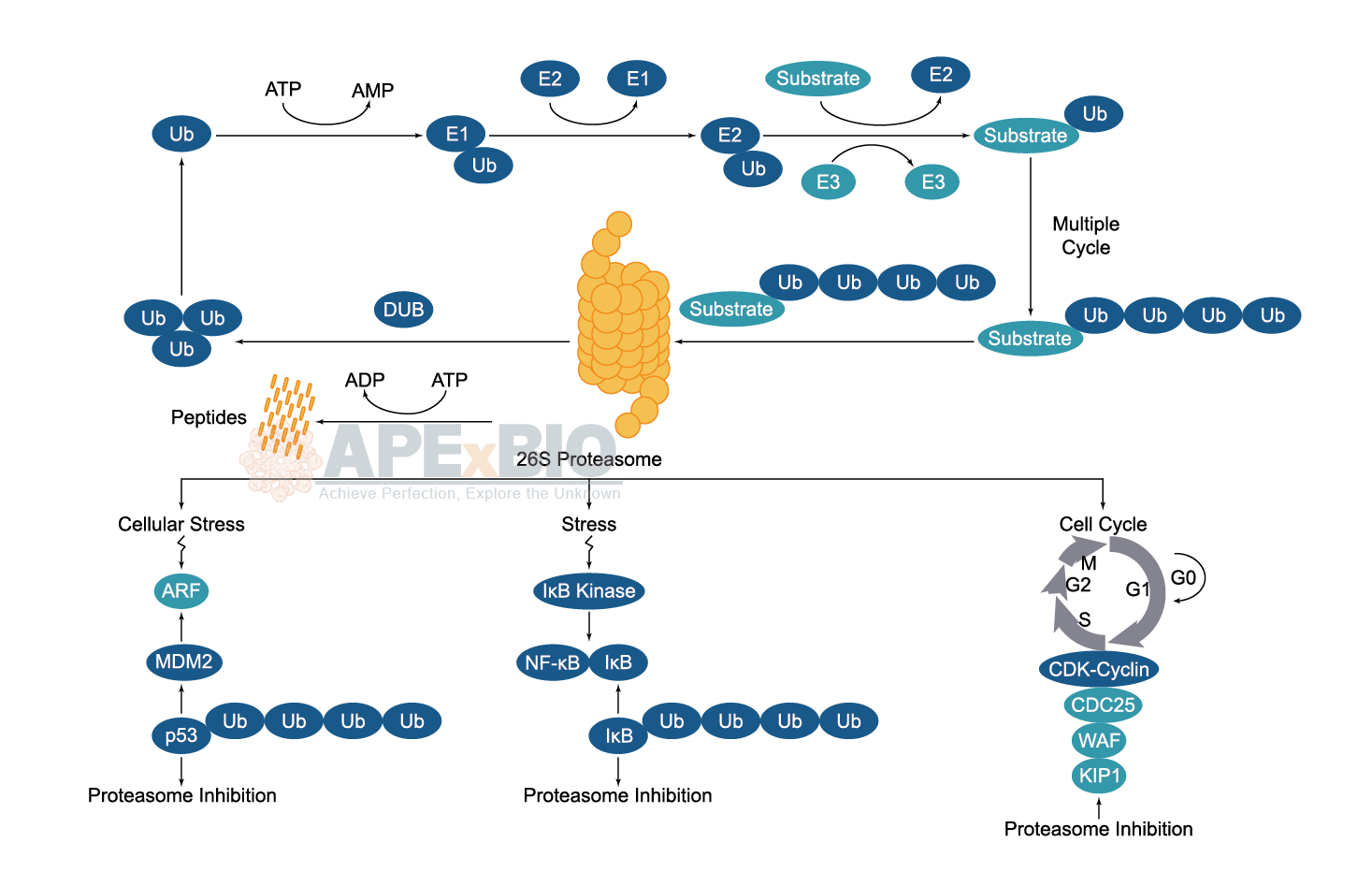
Once the substrate protein is labeled, proteasome will bind to a polyubiquitin chain, allowing the degradation of the labeled protein. The polyubiquitinated target protein is then recognized and degraded by the 26S proteasome. Deubiquitinating enzymes (DUBs) reverse the process of ubiquitination by removing ubiquitin from its substrate protein. Dysregulation of the ubiquitin-proteasome system has been linked to cancer, diabetes, cardiovascular and neurodegenerative diseases etc.
-
 BA3908 STAMBP-IN-1Summary: STAMBP-IN-1 is a small molecule inhibitor of STAMBP deubiquitinase that interrupts the interaction.
 -
BA3913 USP7-IN-10Summary: USP7-IN-10 is a potent ubiquitin protein-specific protease 7 inhibitor.
-
BA3914 USP7-IN-13Summary: USP7-IN-13 is an inhibitor value of 0.2 to 1 μM.
-
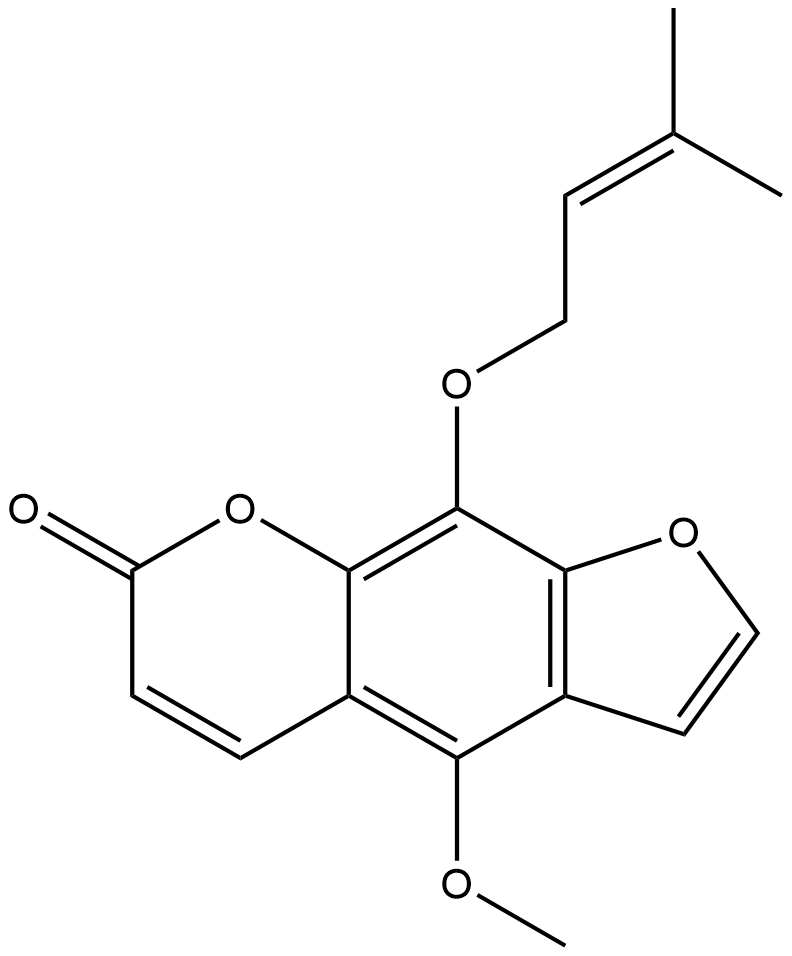 BA8685 PhellopterinSummary: An orally active furocoumarin that acts as a partial agonist of central benzodiazepine receptors, with anti-inflammatory activity via SIRT1 upregulation
 -
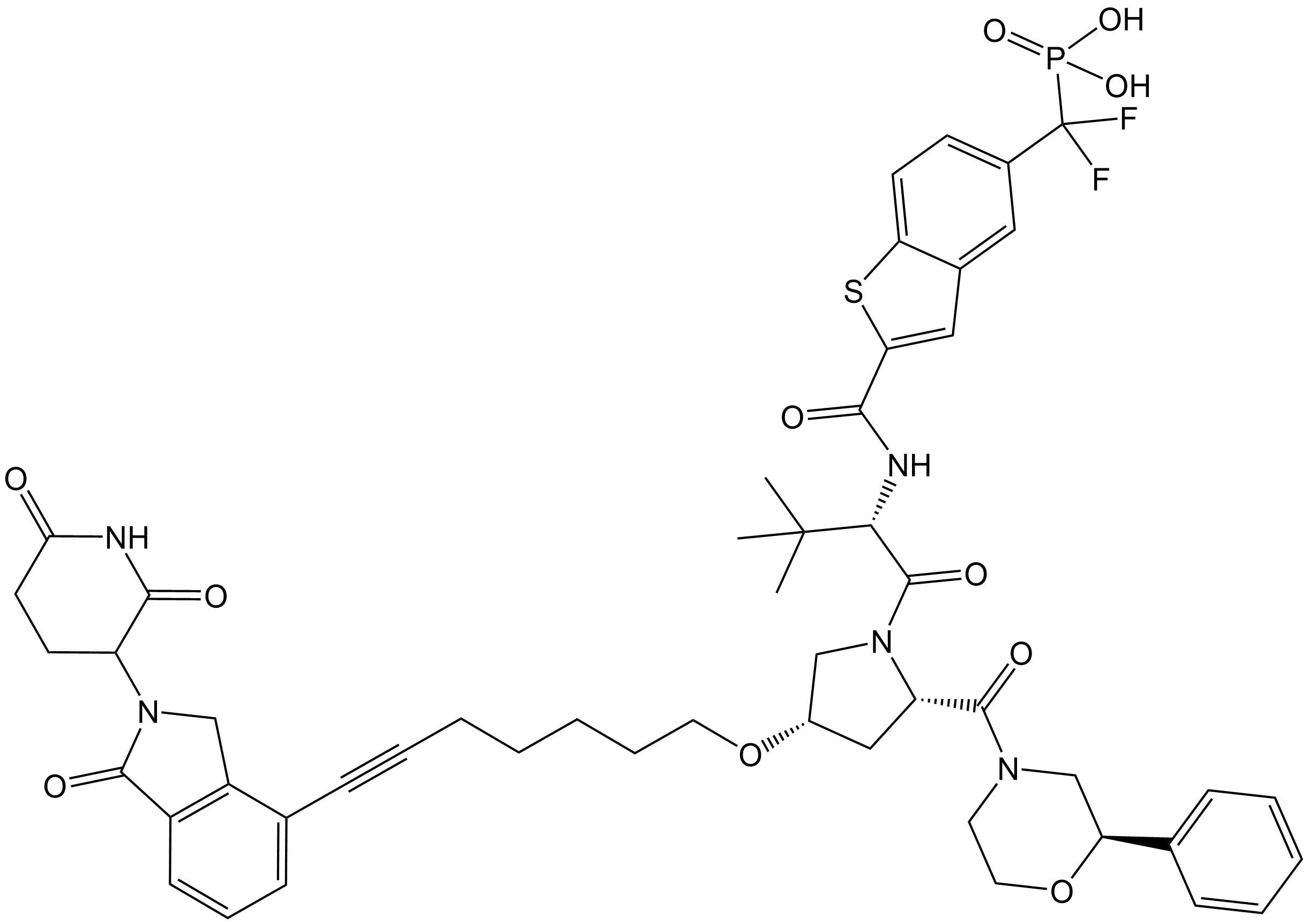 C8937 AK-1690Summary: A selective PROTAC degrader targeting STAT6
 -
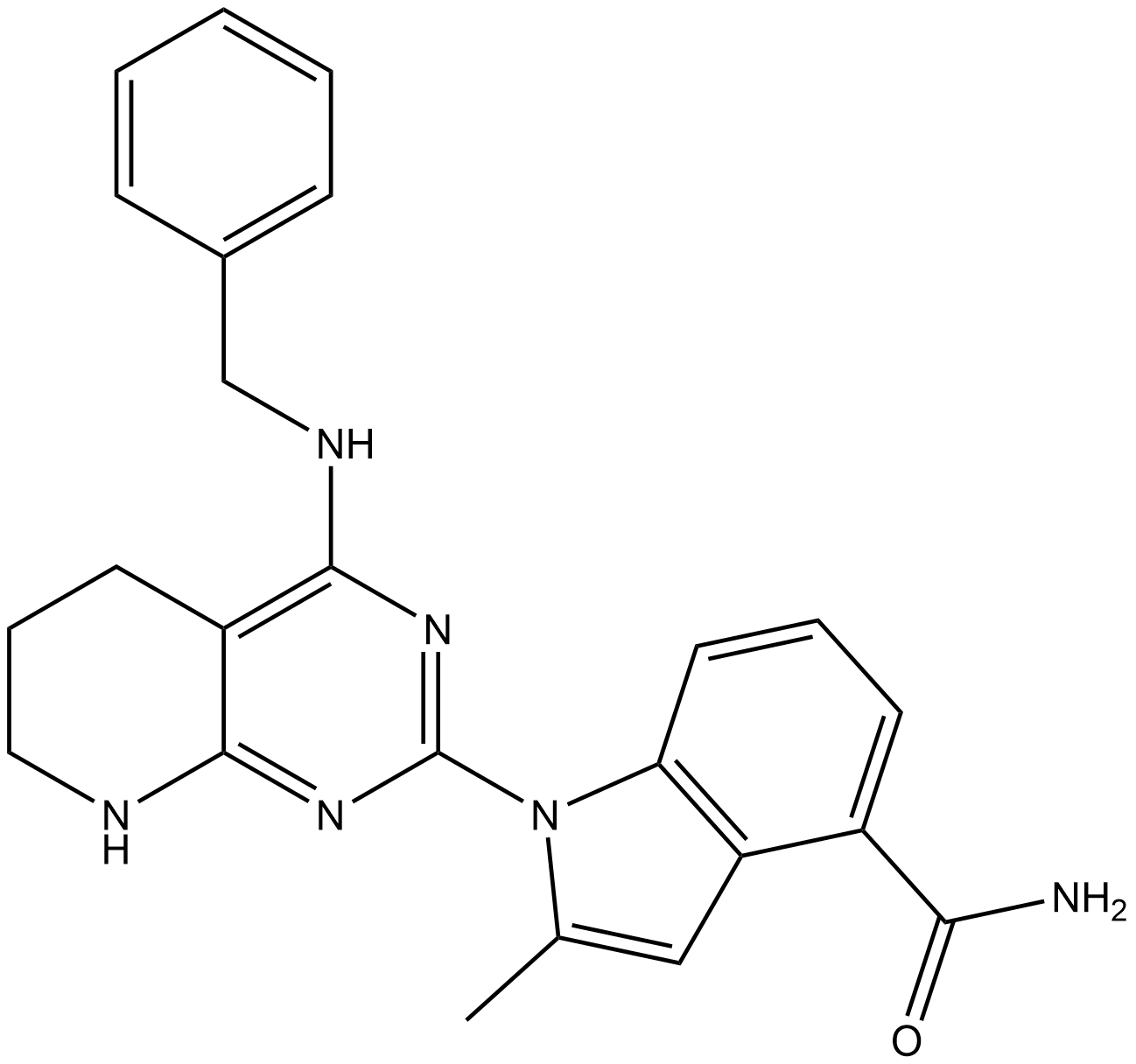 C8995 CB-5339Summary: CB-5339 is a potent, selective p97/VCP ATPase inhibitor targeting protein homeostasis pathways, widely utilized in mechanistic oncology and cellular stress-response research.
 -
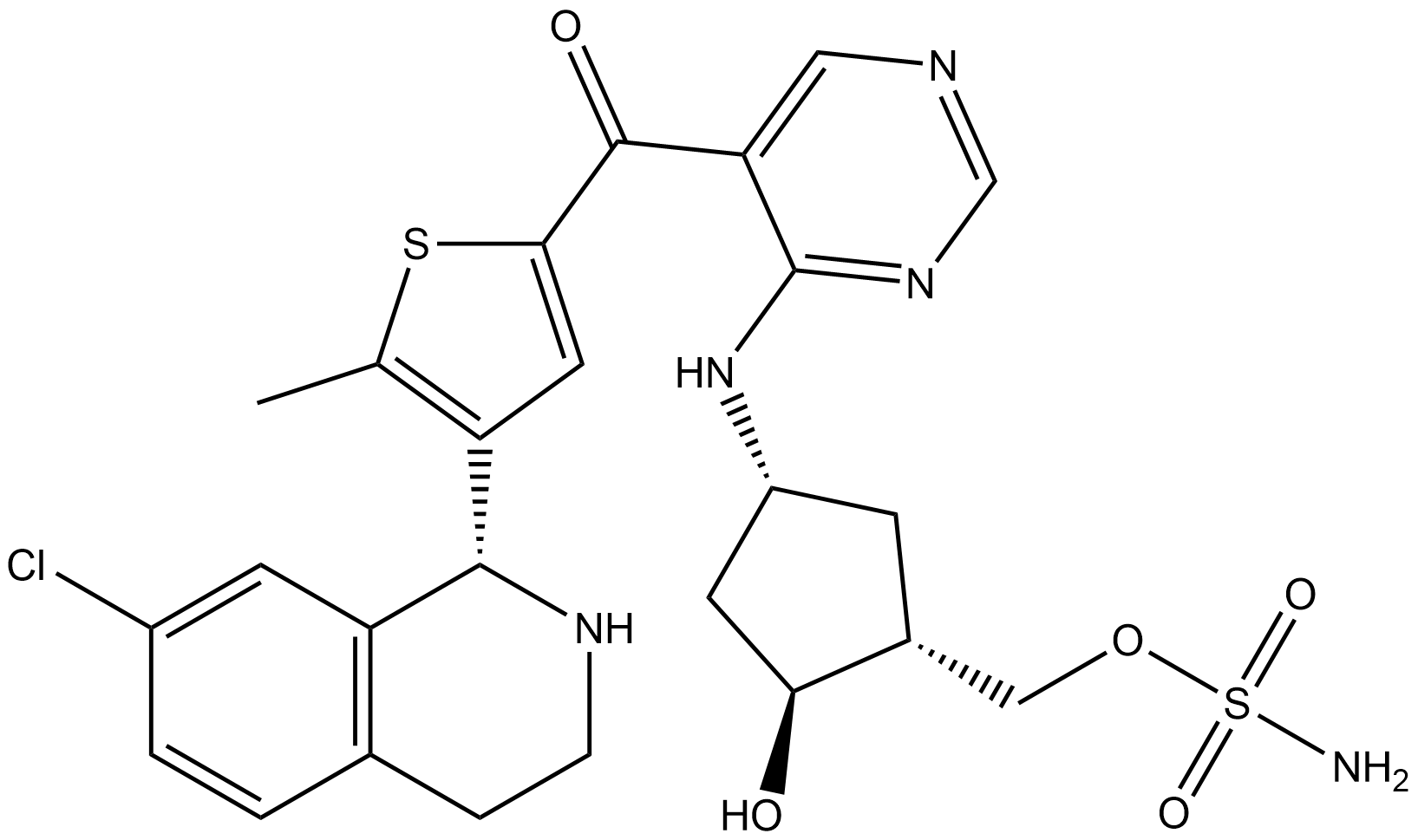 C9056 SubasumstatSummary: A chemical biology tool that selectively inhibits SUMO E1, used for studies of protein SUMOylation.
 -
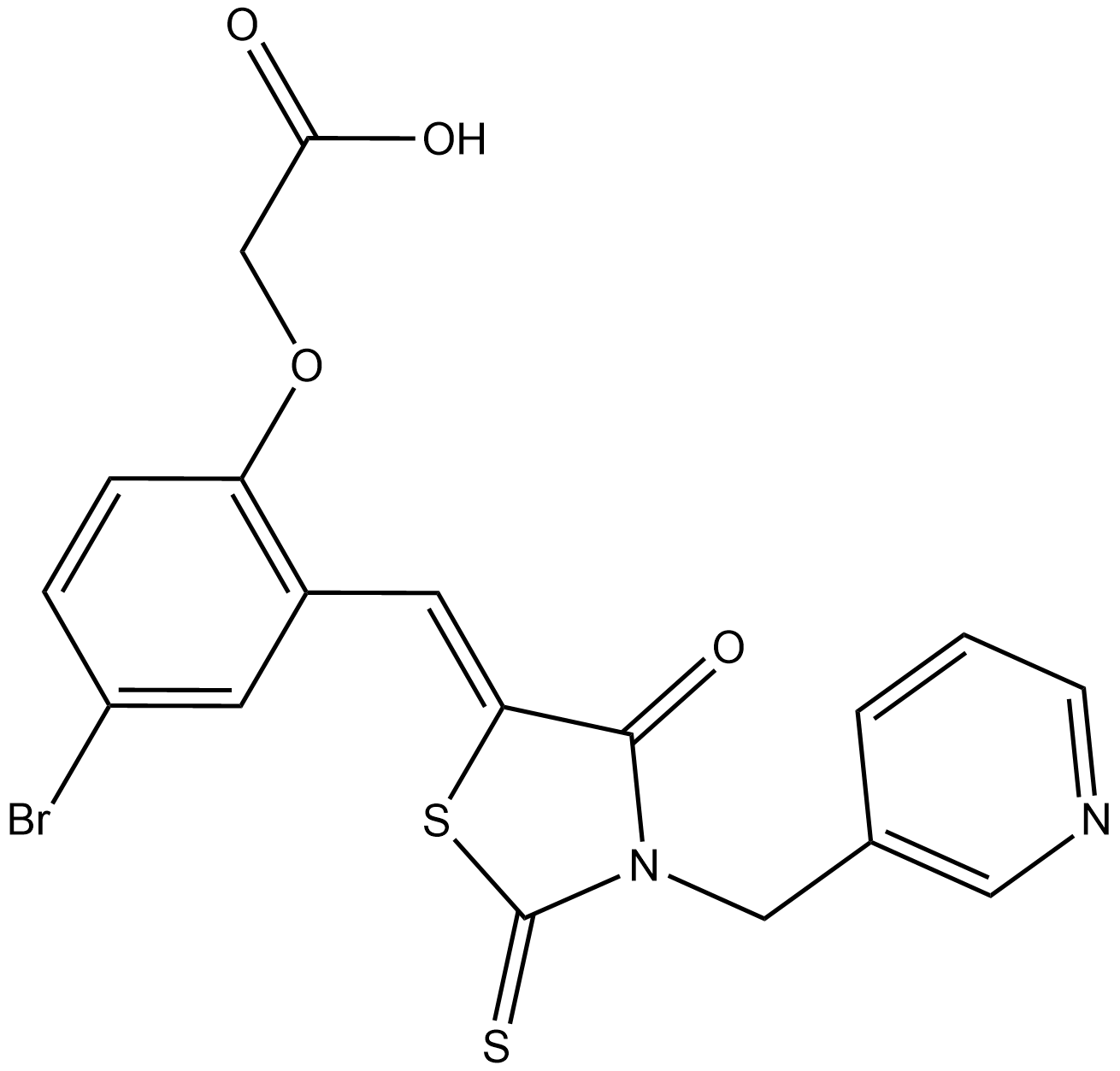 C9076 SKPin C1Summary: A selective Skp2-inhibiting small-molecule research tool for studies of the cell cycle and protein homeostasis.
 -
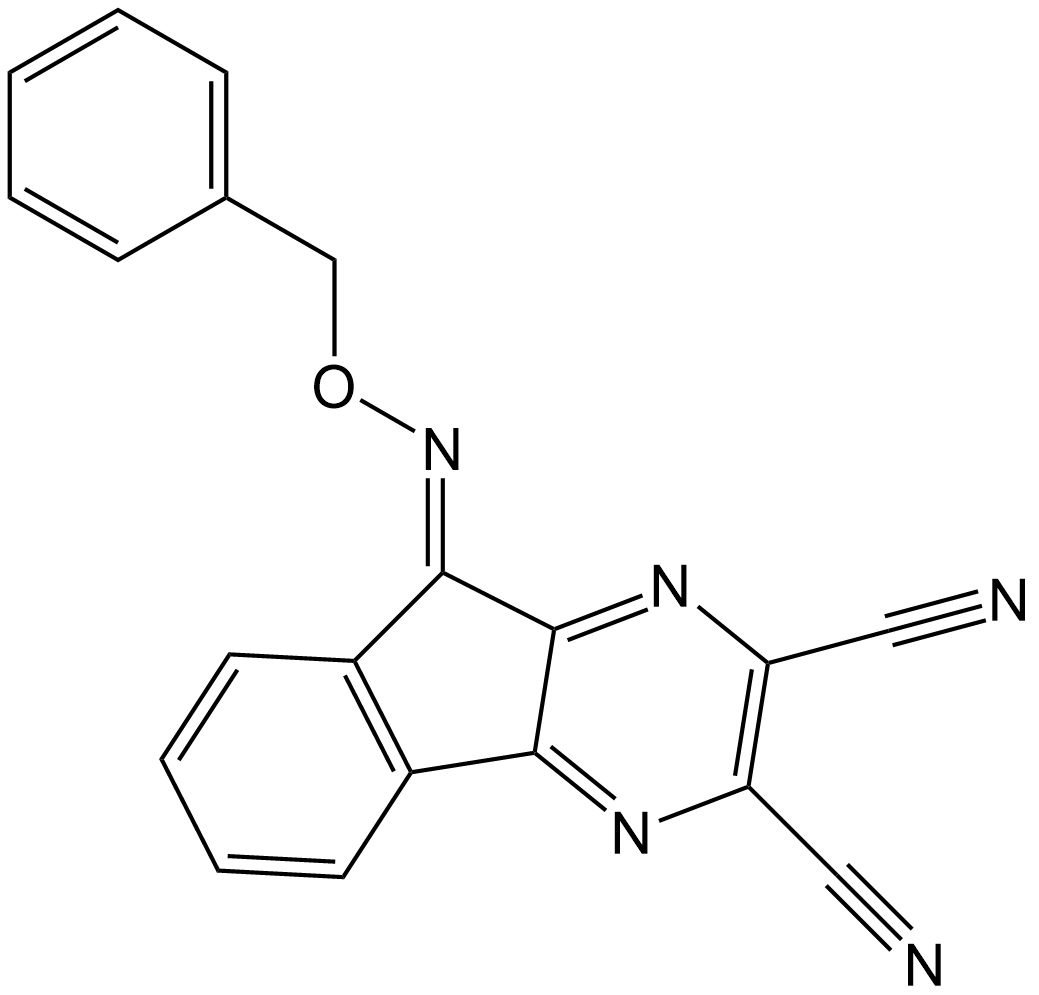 B3501 DUB-IN-1Summary: An ubiquitin-specific protease 8 (USP8) inhibitor