


Ubiquitination/ Proteasome
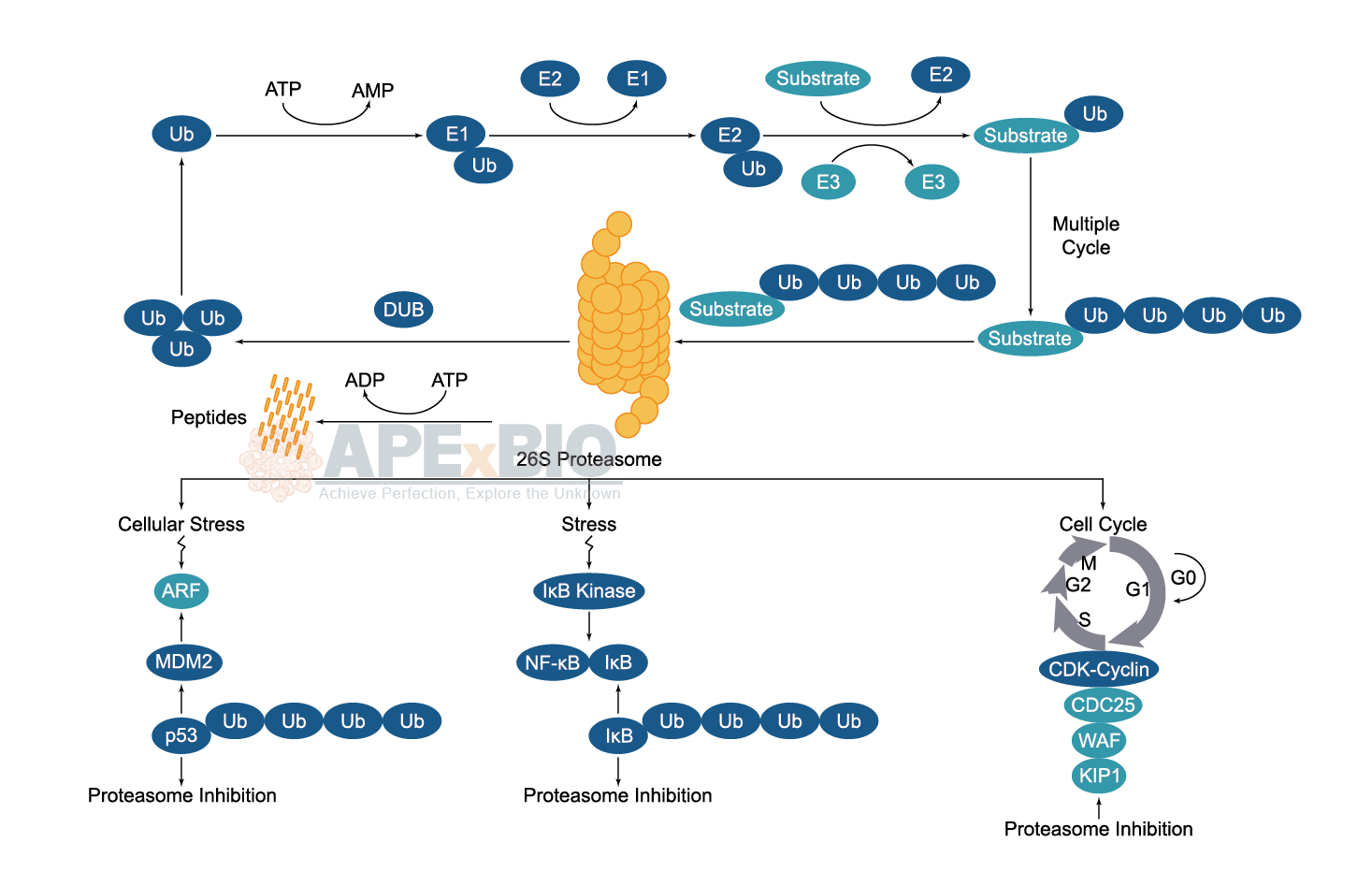
Once the substrate protein is labeled, proteasome will bind to a polyubiquitin chain, allowing the degradation of the labeled protein. The polyubiquitinated target protein is then recognized and degraded by the 26S proteasome. Deubiquitinating enzymes (DUBs) reverse the process of ubiquitination by removing ubiquitin from its substrate protein. Dysregulation of the ubiquitin-proteasome system has been linked to cancer, diabetes, cardiovascular and neurodegenerative diseases etc.
-
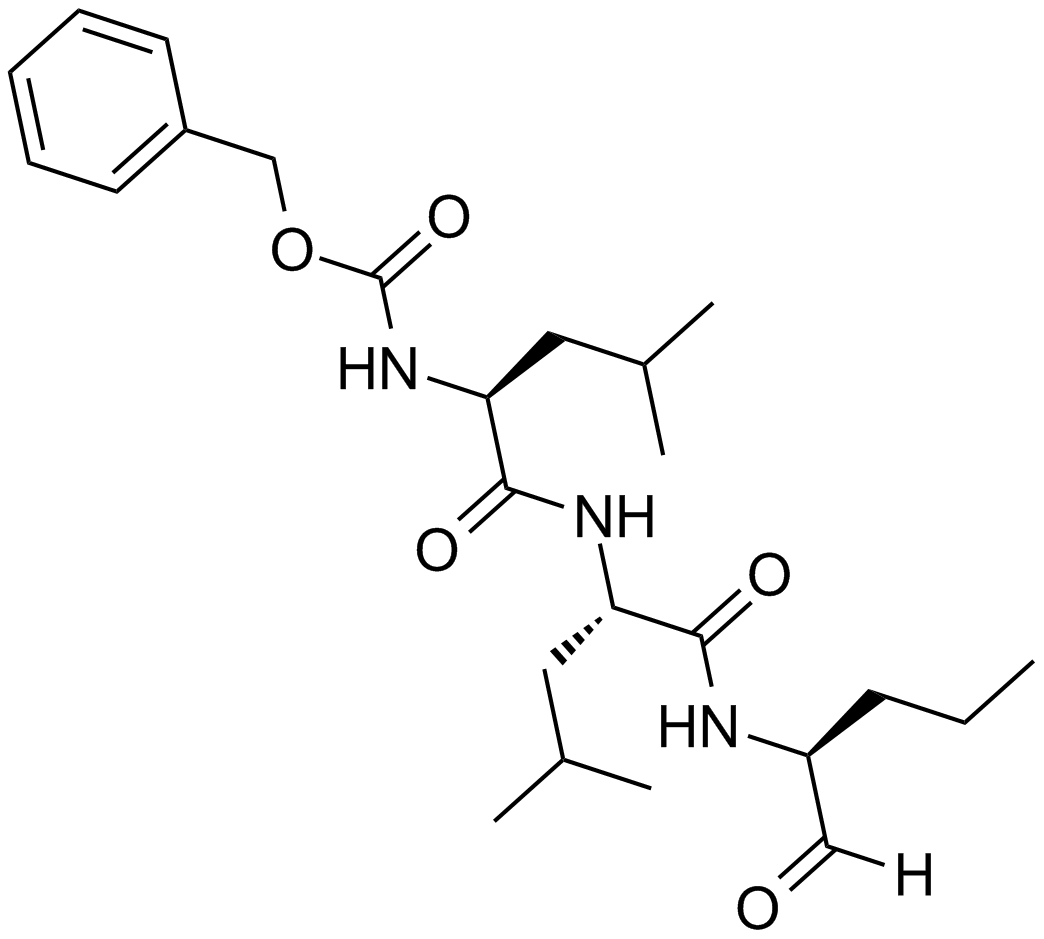 A2612 MG-1151 CitationTarget: ProteasomeSummary: Potent reversible proteasome inhibitor
 -
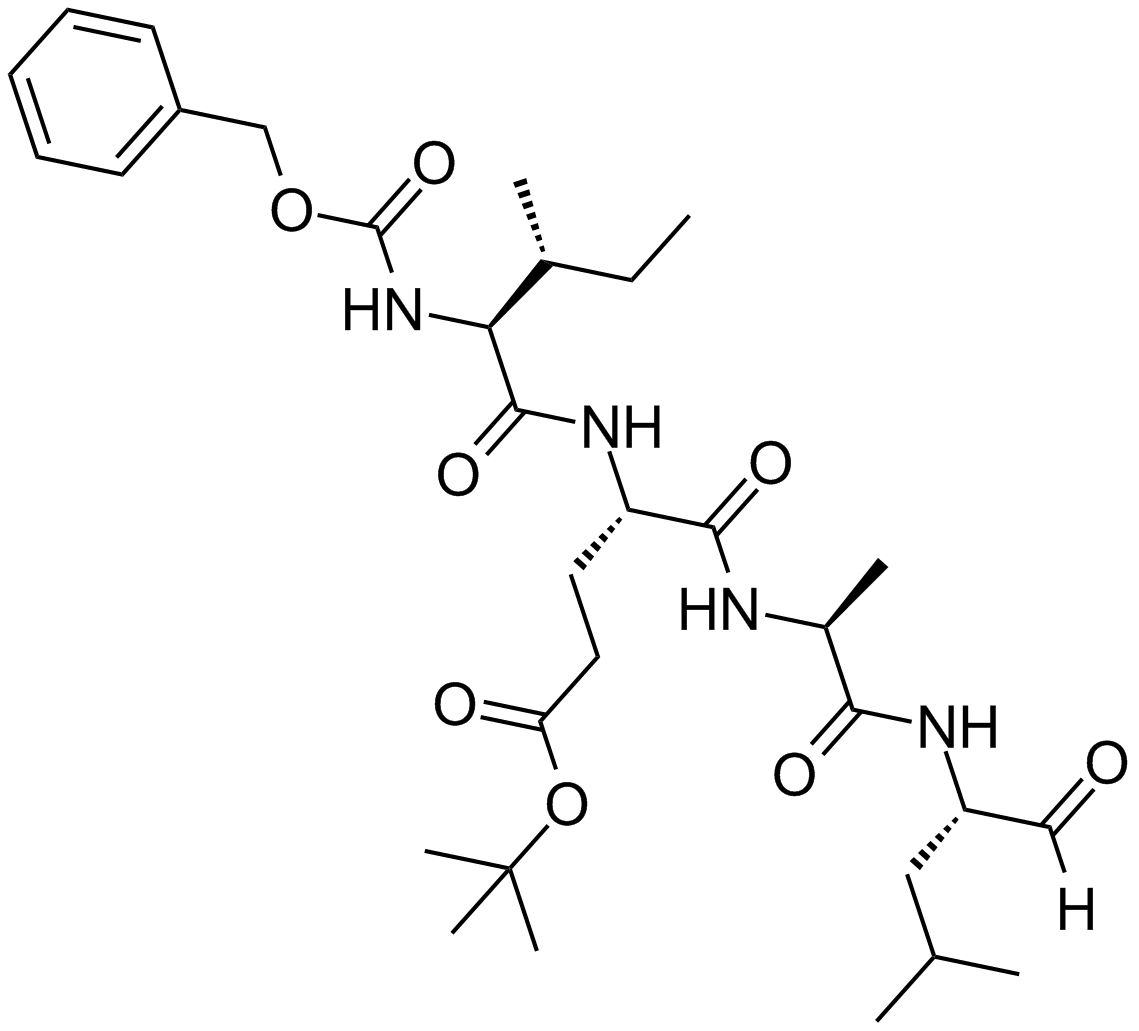 A1900 PSISummary: Proteasome inhibitor
 -
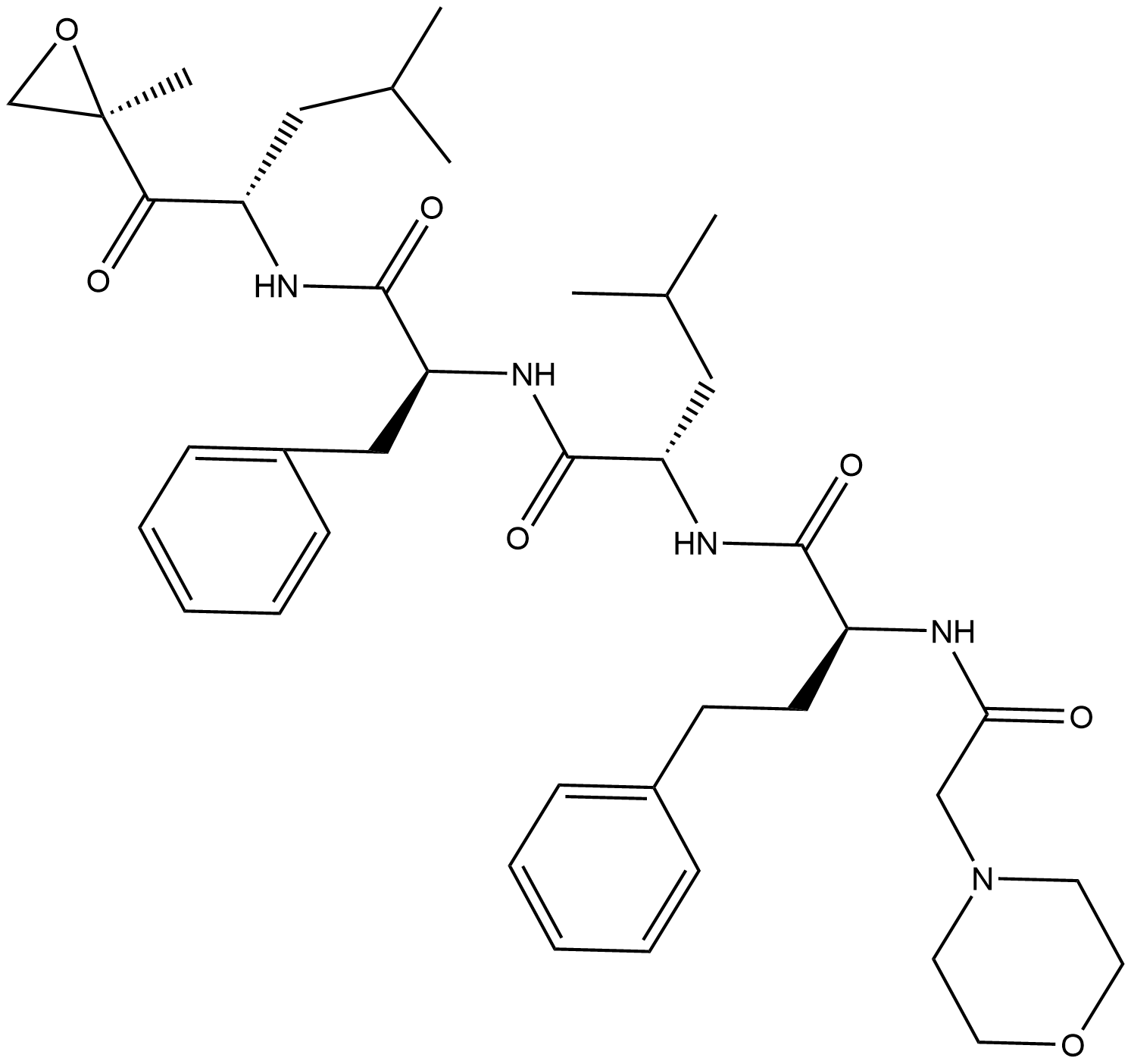 A1933 Carfilzomib (PR-171)10 CitationTarget: ProteasomeSummary: Proteasome inhibitor, epoxomicin analog
 -
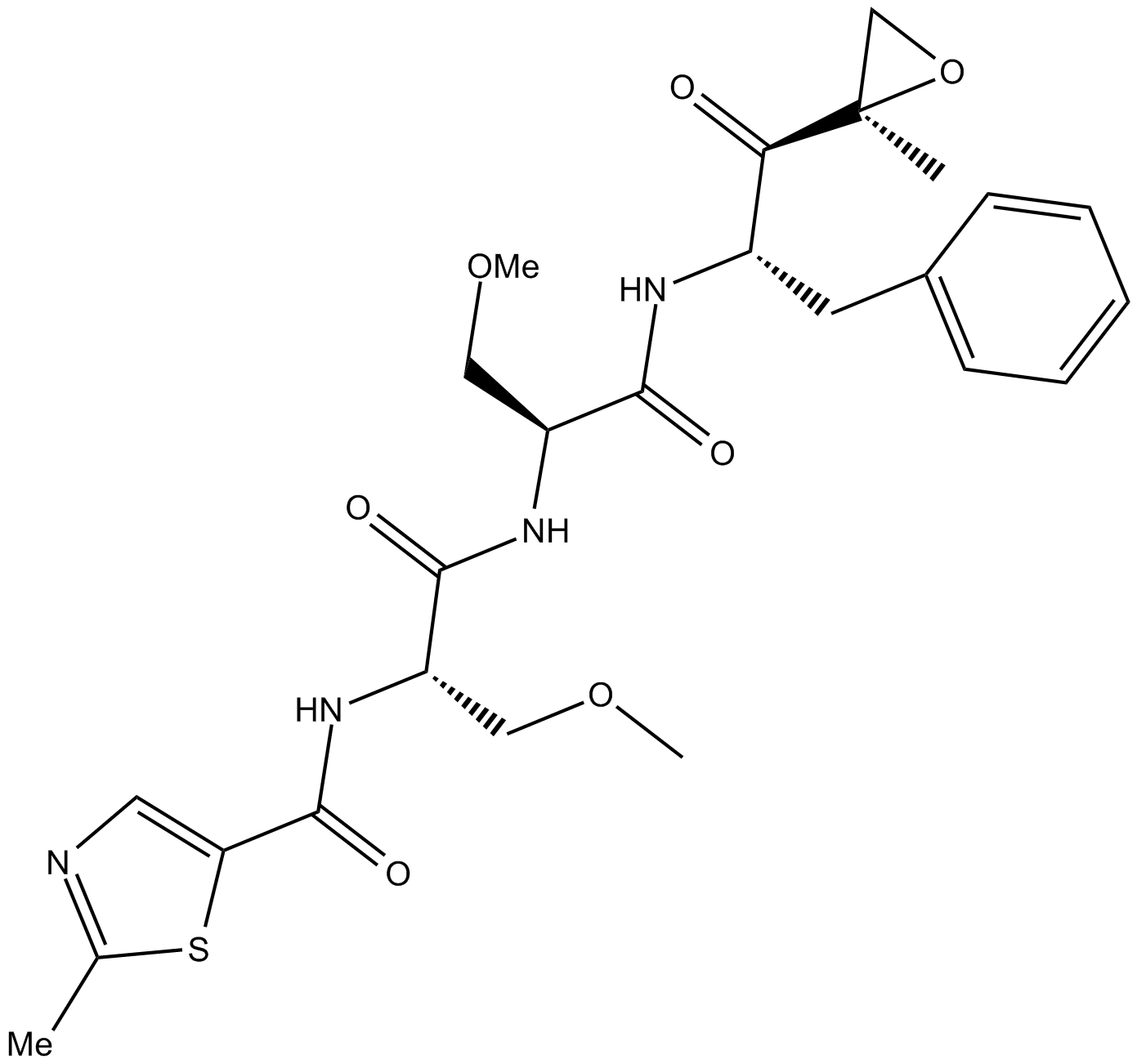 A1934 Oprozomib (ONX-0912)5 CitationSummary: Proteasome inhibitor
 -
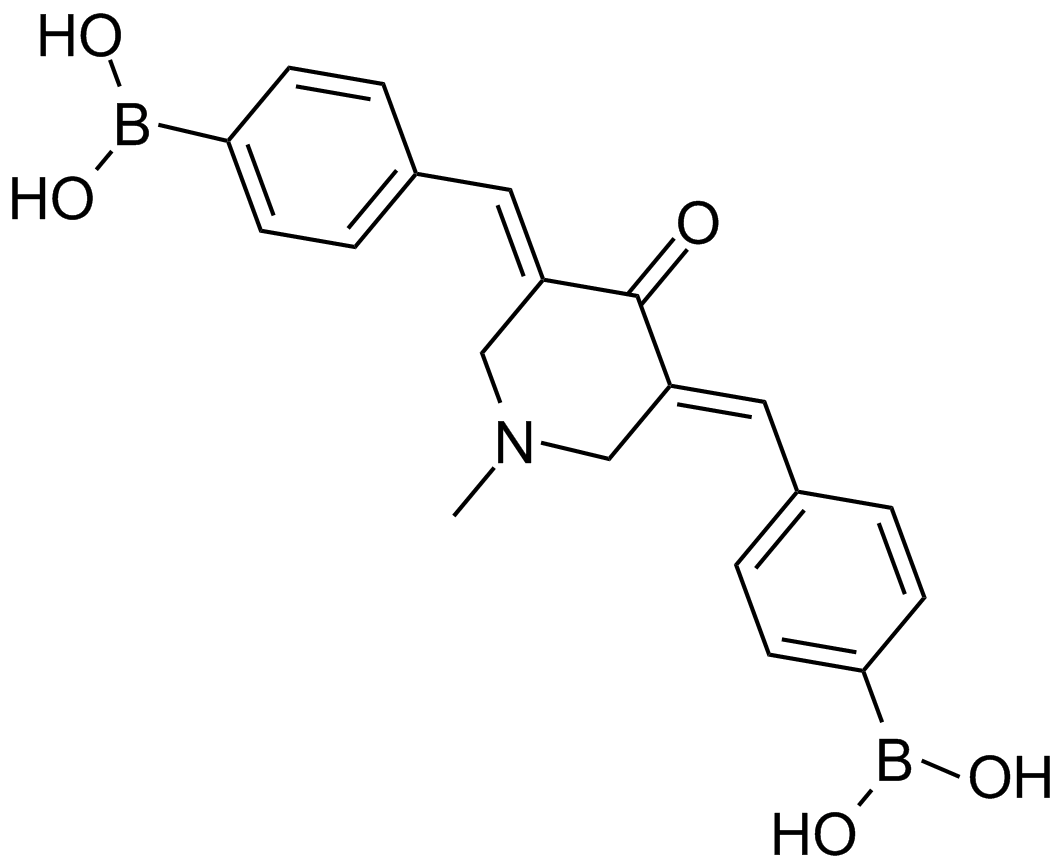 A8163 AM 1142 CitationTarget: ProteasomeSummary: 20S proteasome inhibitor
 -
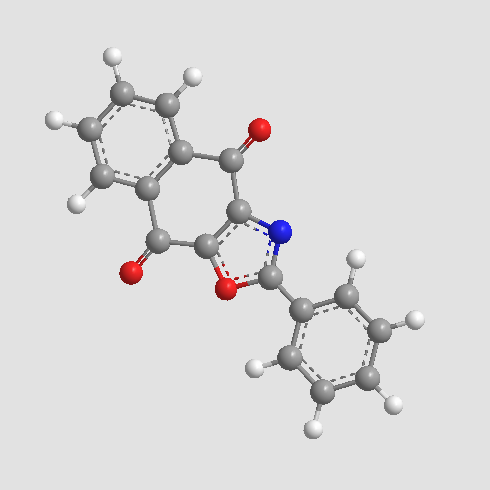 A3823 SJB2-043Target: USPSummary: USP1 inhibitor
 -
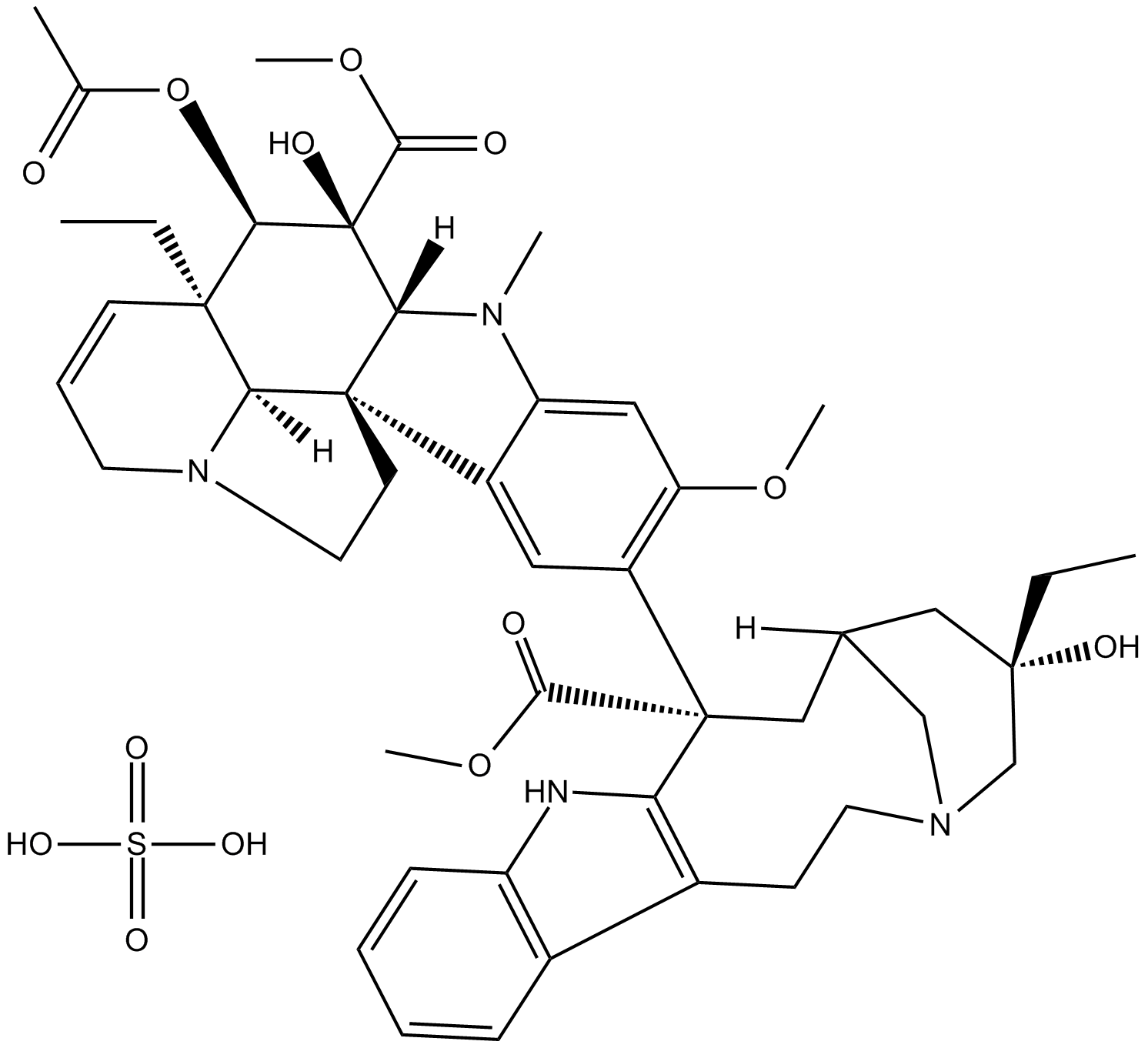 A3920 Vinblastine sulfate2 CitationSummary: Anti-mitotic agent
 -
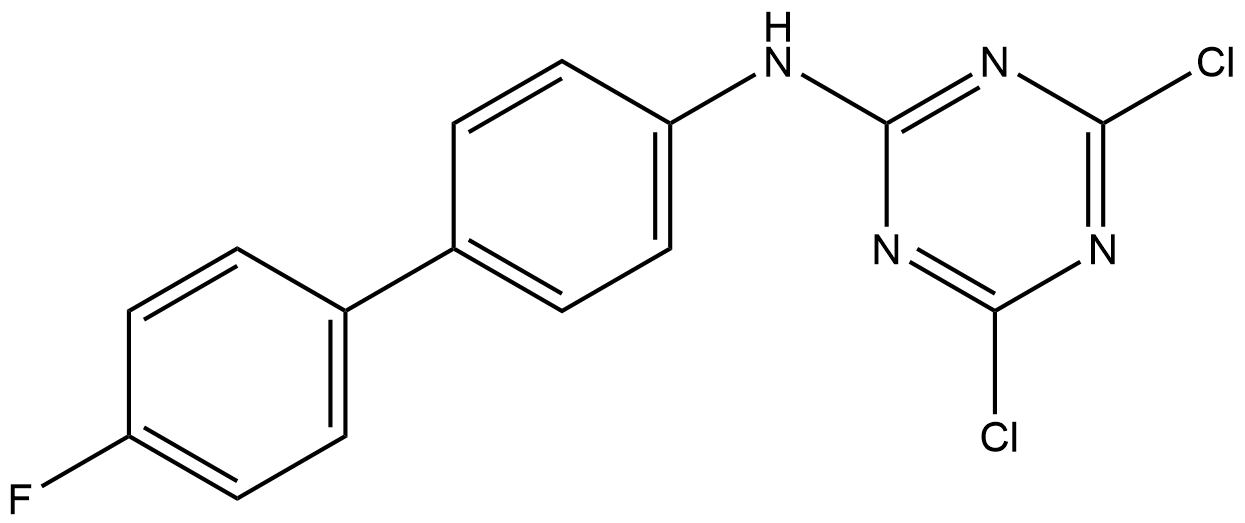 A4688 KEA1-97Summary: A compound that selectively disrupts thioredoxin-Caspase-3 binding and induces apoptosis
 -
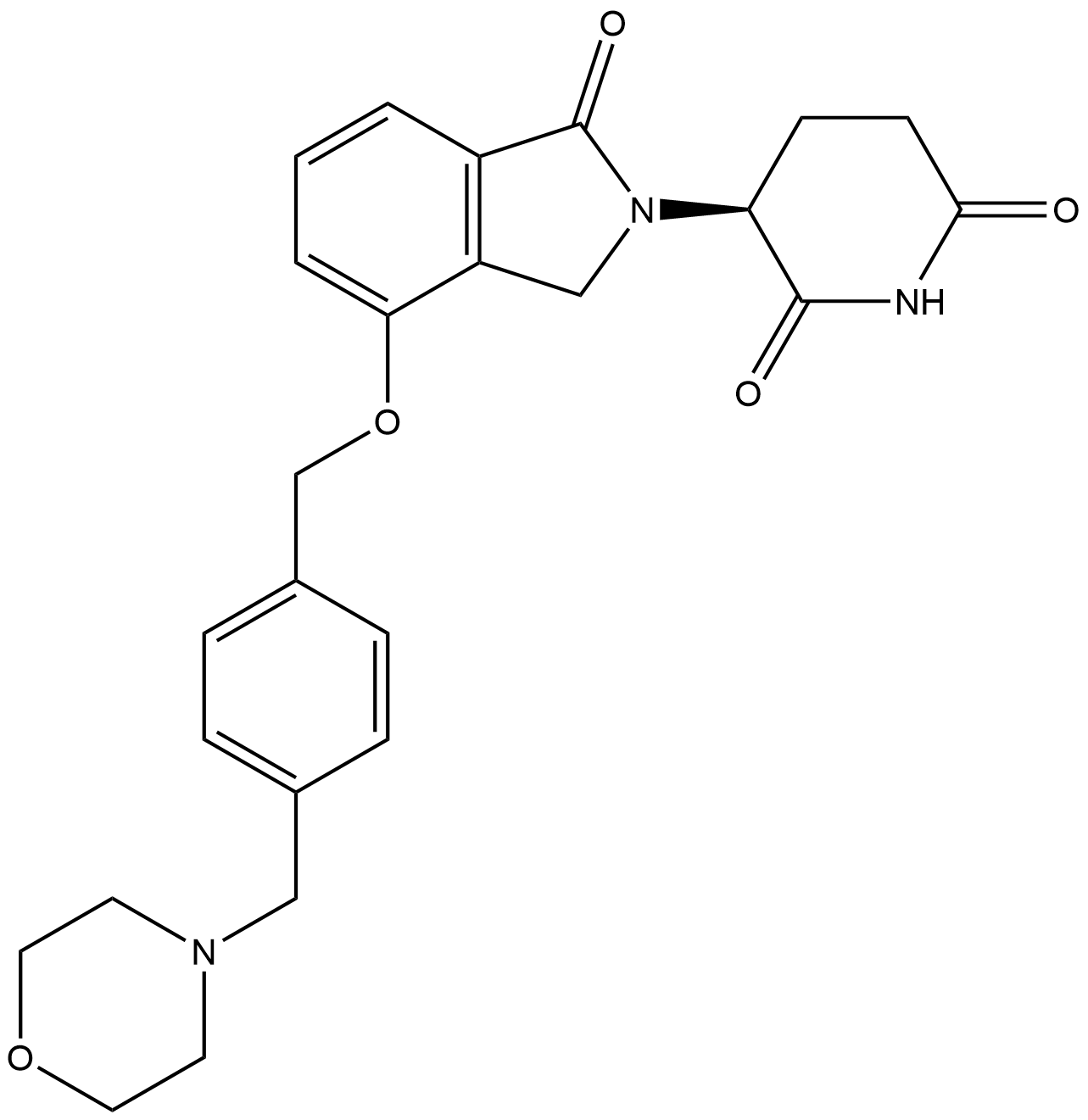 BA2731 IberdomideSummary: Iberdomide (CC-220) is an orally effective (CRBN) E3 ligase modulator.
 -
 BA2820 HinokiflavoneSummary: Hinokiflavone, a novel modulator of splicing activity, is effective in vitro and in vivo.