


Ubiquitination/ Proteasome
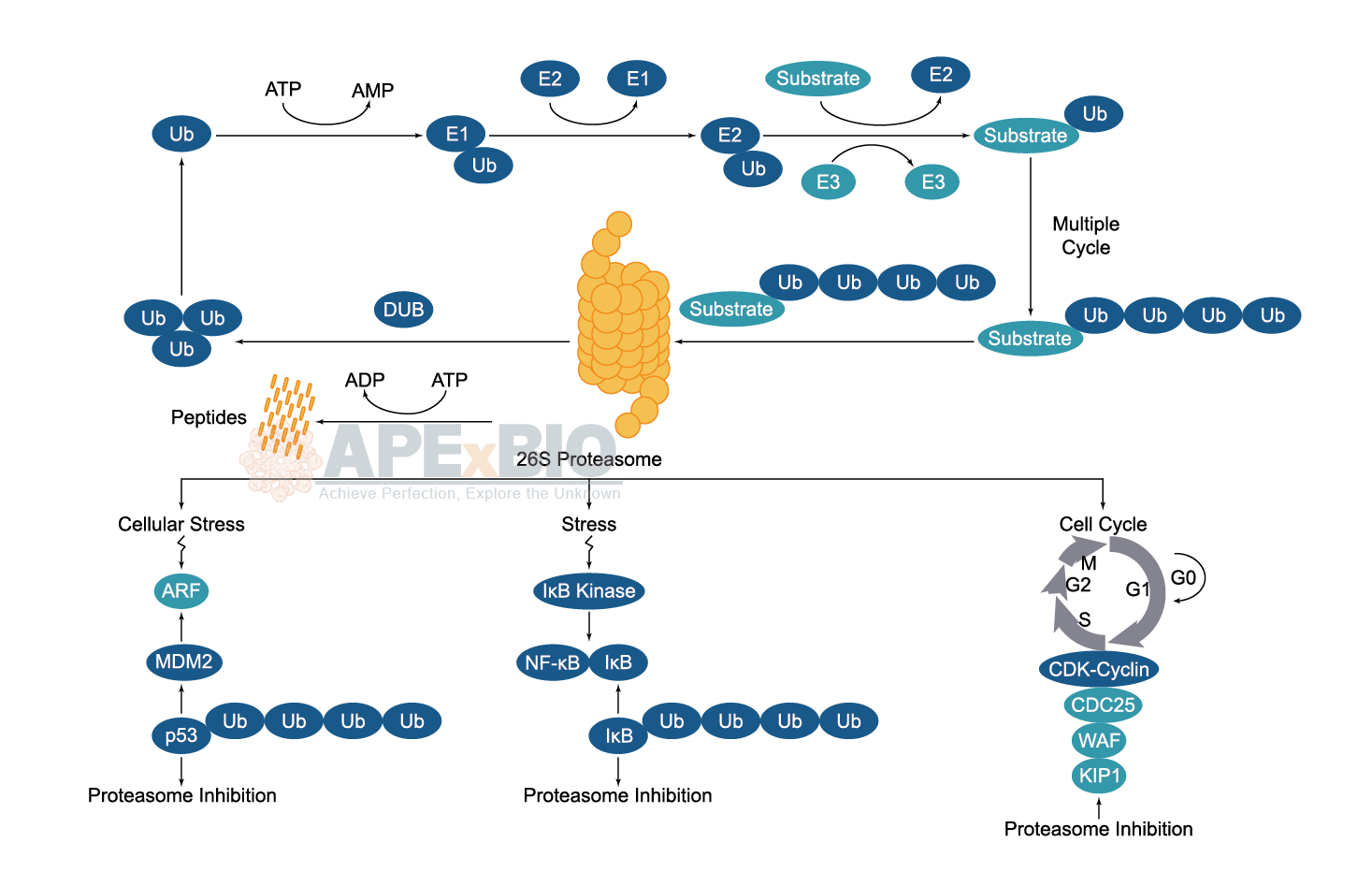
Once the substrate protein is labeled, proteasome will bind to a polyubiquitin chain, allowing the degradation of the labeled protein. The polyubiquitinated target protein is then recognized and degraded by the 26S proteasome. Deubiquitinating enzymes (DUBs) reverse the process of ubiquitination by removing ubiquitin from its substrate protein. Dysregulation of the ubiquitin-proteasome system has been linked to cancer, diabetes, cardiovascular and neurodegenerative diseases etc.
-
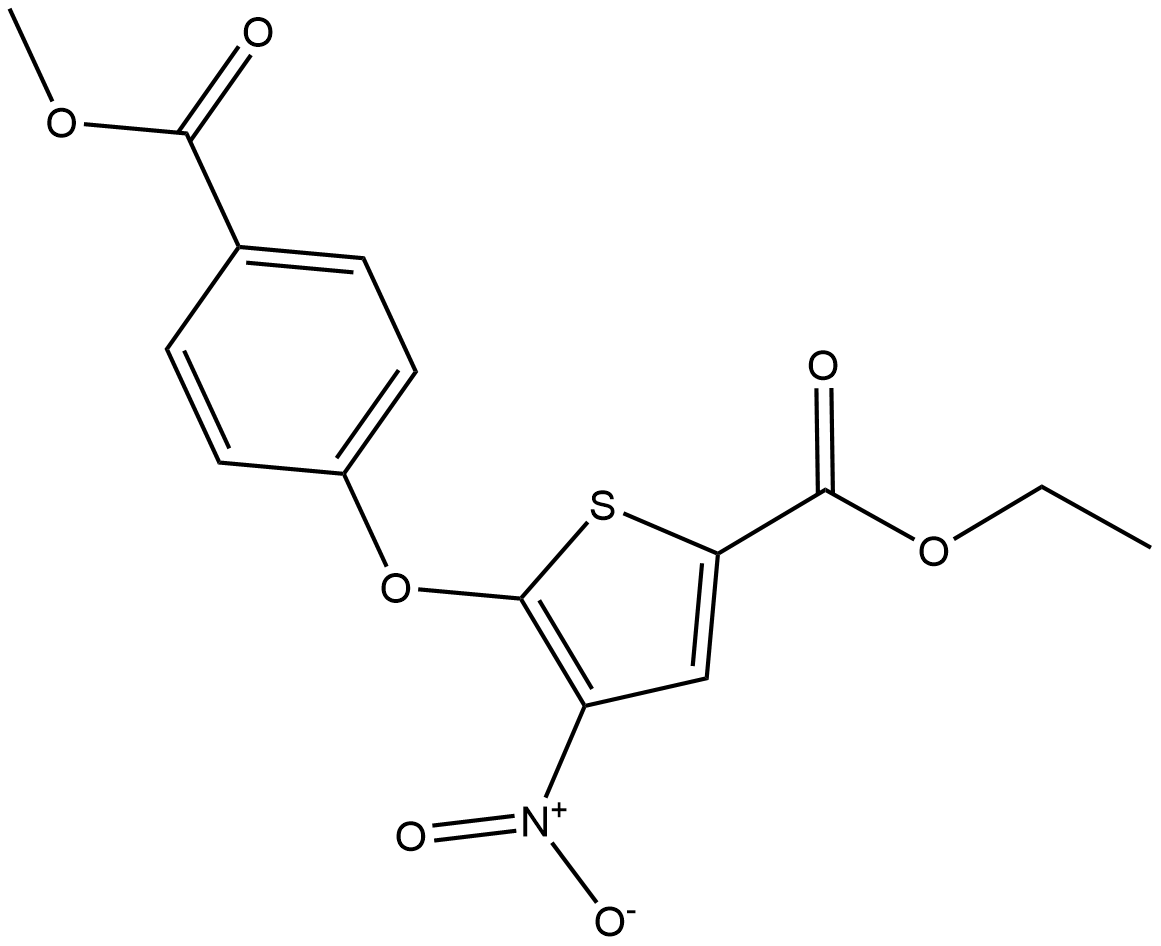 BA2848 Wu-5Summary: Wu-5 is a USP10 inhibitor.
 -
 BA2868 TZ9Summary: TZ9 is a selective inhibitor.
 -
BA2869 VII-31Summary: VII-31 is a NEDDylation pathway activator that inhibits tumors in vitro and in vivo.
-
BA2904 RO8994Summary: A potent and selective MDM2 inhibitor with IC50 of nM (HTRF binding assay) and 20 nM (MTT proliferation assay).
-
BA2912 PhenoxodiolSummary: Phenoxodiol (Idronoxil) is a synthetic analog of Genestein that activates the mitochondrial system, inhibits (an apoptosis inhibitor), and sensitizes cancer cells to Fas-mediated apoptosis.
-
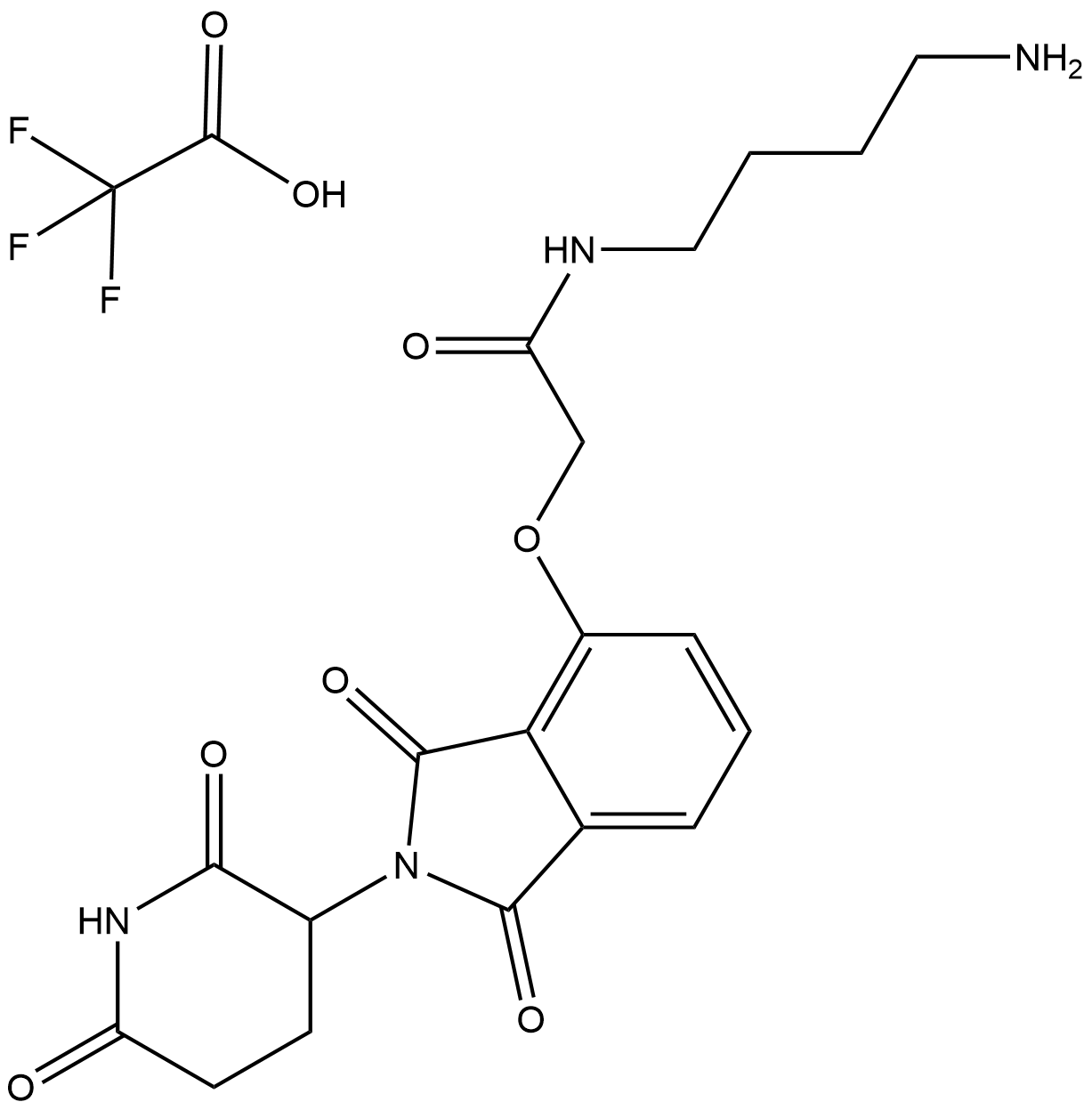 A9984 Thalidomide-O-amido-C4-NH2 TFASummary: A synthetic E3 ligand-Linker conjugate
 -
BA7375 BI8622Summary: BI8622 is a ubiquitin ligase-specific antagonist.
-
BA7394 SCFSkp2-IN-2Summary: SCFSkp2-IN-2 is an inhibitor.
-
BA7460 IsovalerylcarnitineSummary: Isovalerylcarnitine is a product of L-leucine catabolism.
-
BA7581 DiacetoxyscirpenolSummary: Diacetoxyscirpenol (DAS) is a mono-terminal mycotoxin that is a secondary metabolite of fungi.