


Ubiquitination/ Proteasome
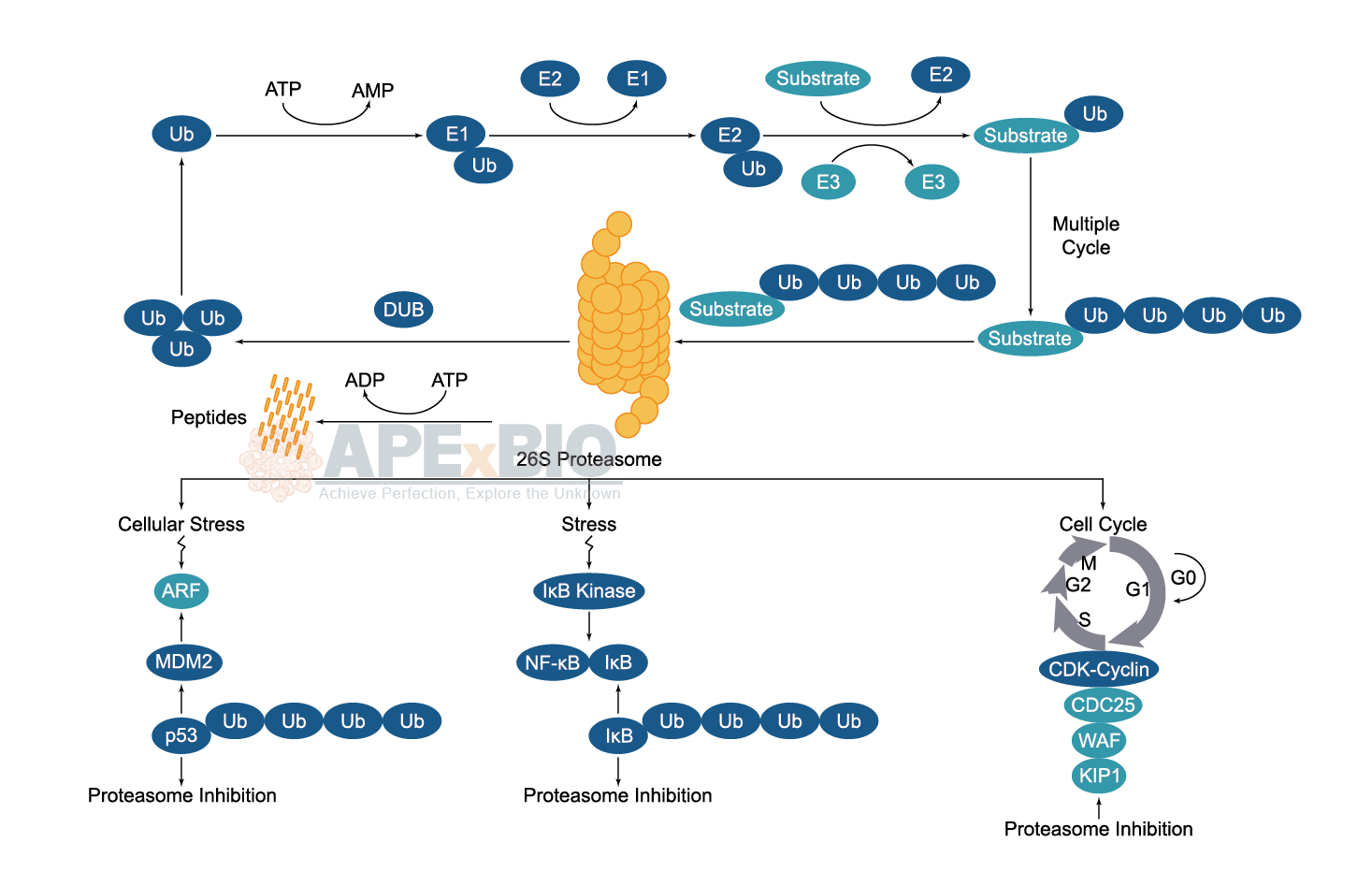
Once the substrate protein is labeled, proteasome will bind to a polyubiquitin chain, allowing the degradation of the labeled protein. The polyubiquitinated target protein is then recognized and degraded by the 26S proteasome. Deubiquitinating enzymes (DUBs) reverse the process of ubiquitination by removing ubiquitin from its substrate protein. Dysregulation of the ubiquitin-proteasome system has been linked to cancer, diabetes, cardiovascular and neurodegenerative diseases etc.
-
 BA7641 MyricanoneSummary: A compound isolated from the bark of the tree.
 -
BA3695 MTX115325Summary: MTX115325 is an orally potent
-
BA3877 TNG348Summary: TNG348 is an orally active deubiquitinating enzyme inhibitor.
-
BA3878 CapziminSummary: Capzimin is effective.
-
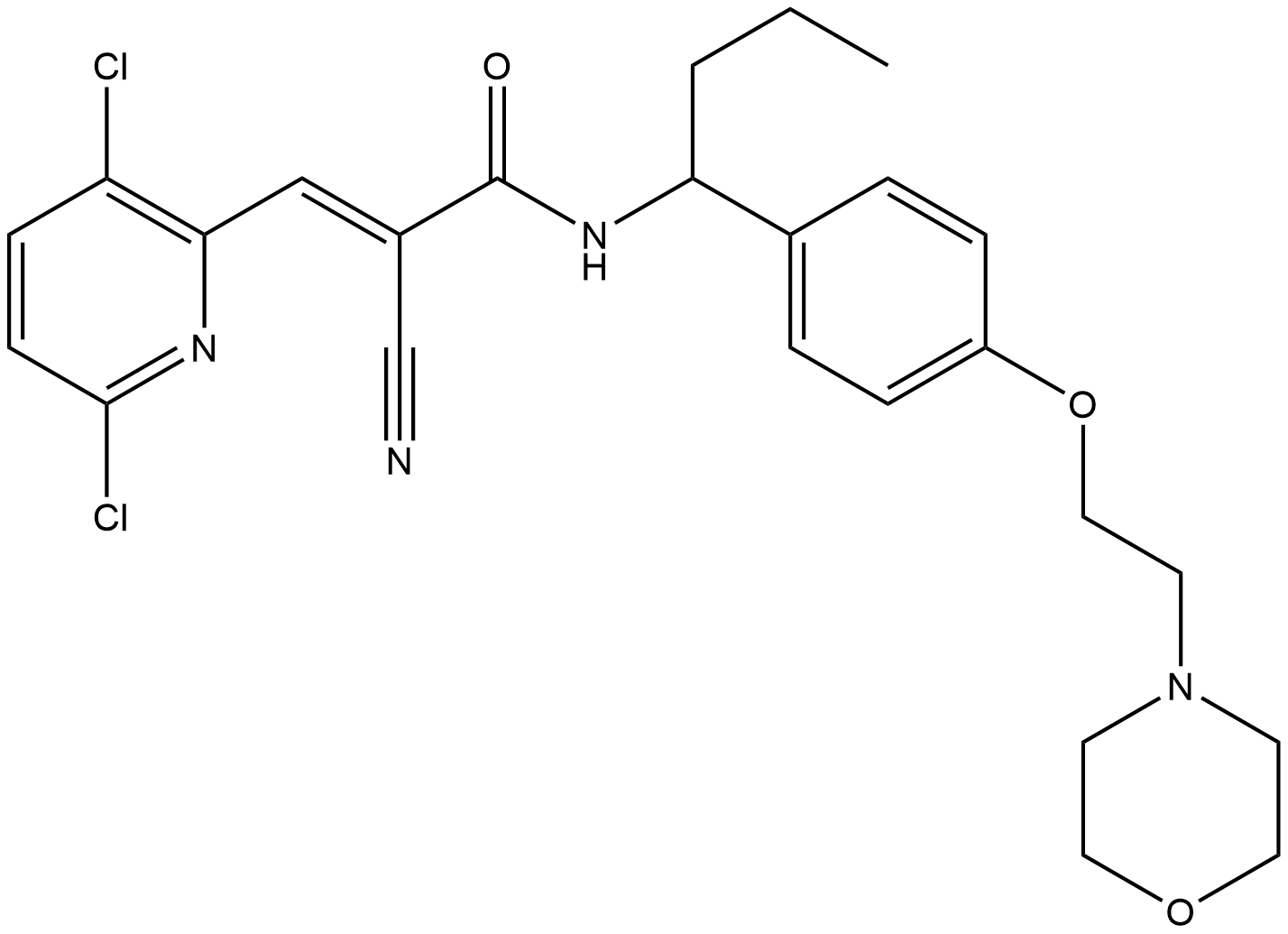 BA3881 EOAI3402143Summary: A deubiquitinase (DUB) inhibitor that inhibits USP9x/USP24 and USP5
 -
BA3886 FT206Summary: Carboxyamine ubiquitin-specific protease inhibitors.
-
BA3887 FT709Summary: FT709 is a potent and selective inhibitor.
-
BA3888 6RK73Summary: 6RK73 is a covalent irreversible specific inhibitor.
-
BA3898 8RK64Summary: 8RK64 is a covalent inhibitor.
-
BA3907 LCAHASummary: LCAHA (LCAhydroxyamide), a deubiquitinase inhibitor, was found to be 9.7 μM and 3.7 μM in Ub-AMC analysis and Di-Ub analysis, respectively.