


Ubiquitination/ Proteasome
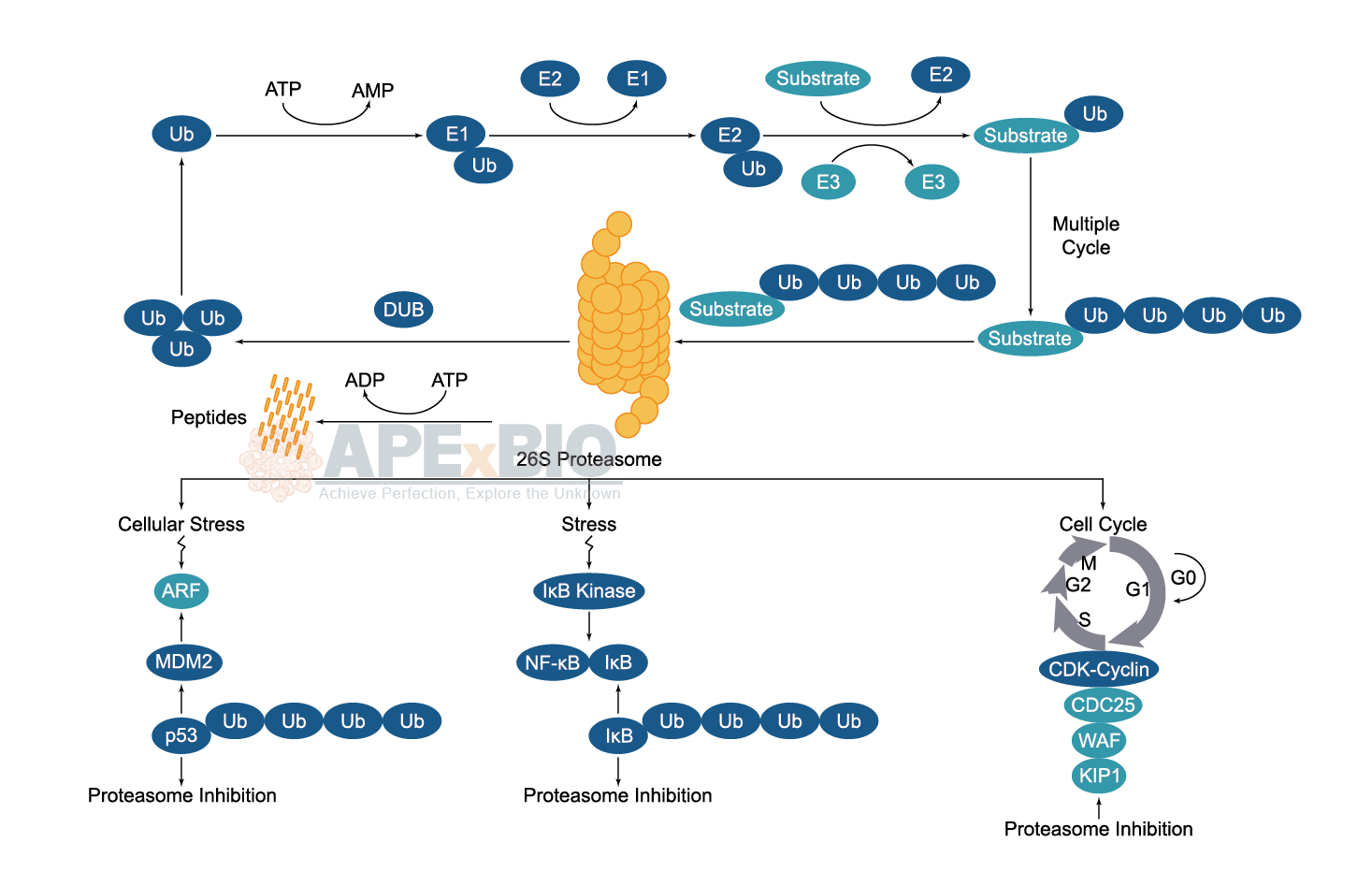
Once the substrate protein is labeled, proteasome will bind to a polyubiquitin chain, allowing the degradation of the labeled protein. The polyubiquitinated target protein is then recognized and degraded by the 26S proteasome. Deubiquitinating enzymes (DUBs) reverse the process of ubiquitination by removing ubiquitin from its substrate protein. Dysregulation of the ubiquitin-proteasome system has been linked to cancer, diabetes, cardiovascular and neurodegenerative diseases etc.
-
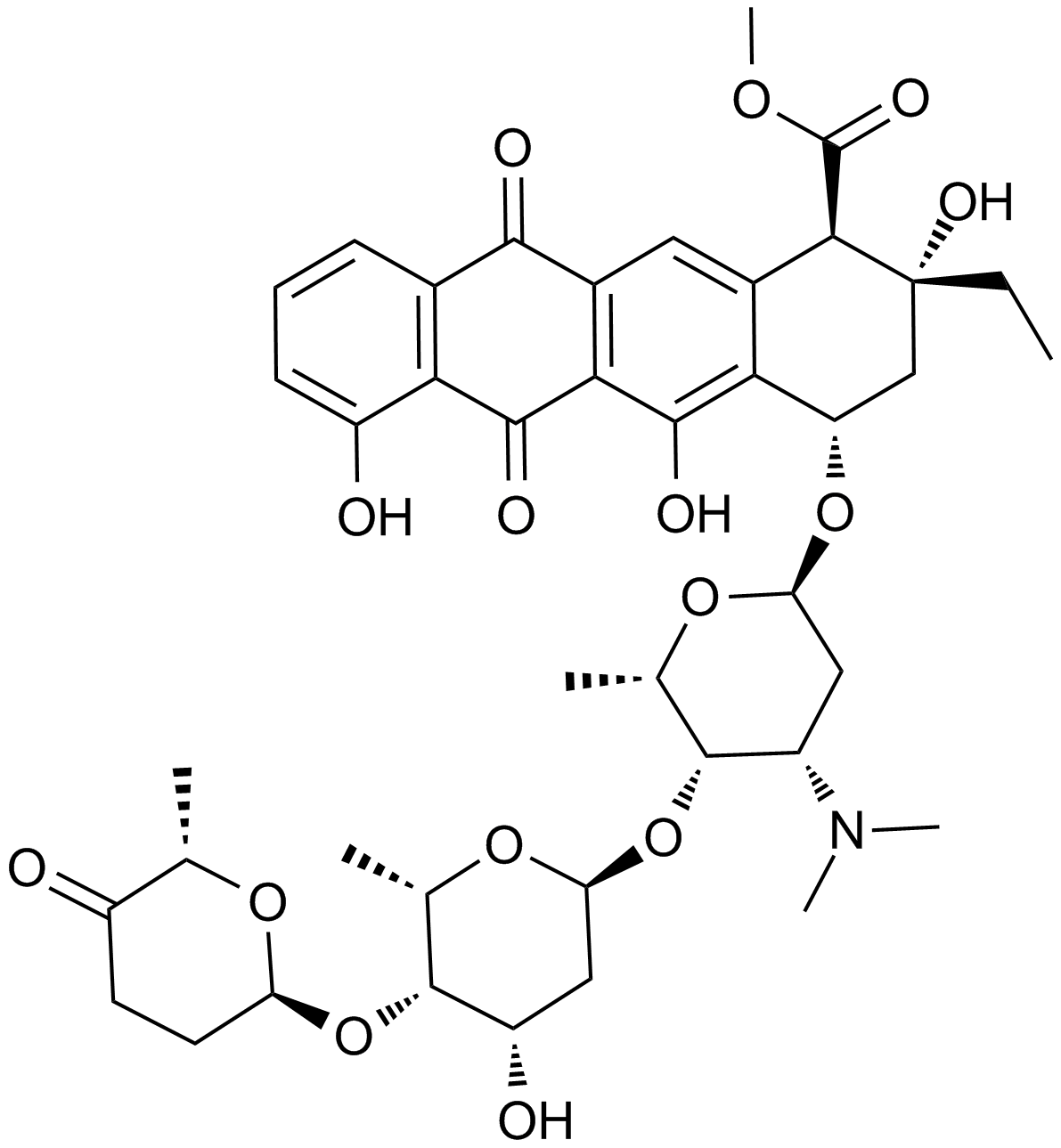 A2601 Aclacinomycin A4 CitationTarget: TopoisomerasesSummary: Topoisomerase I and II inhibitor
 -
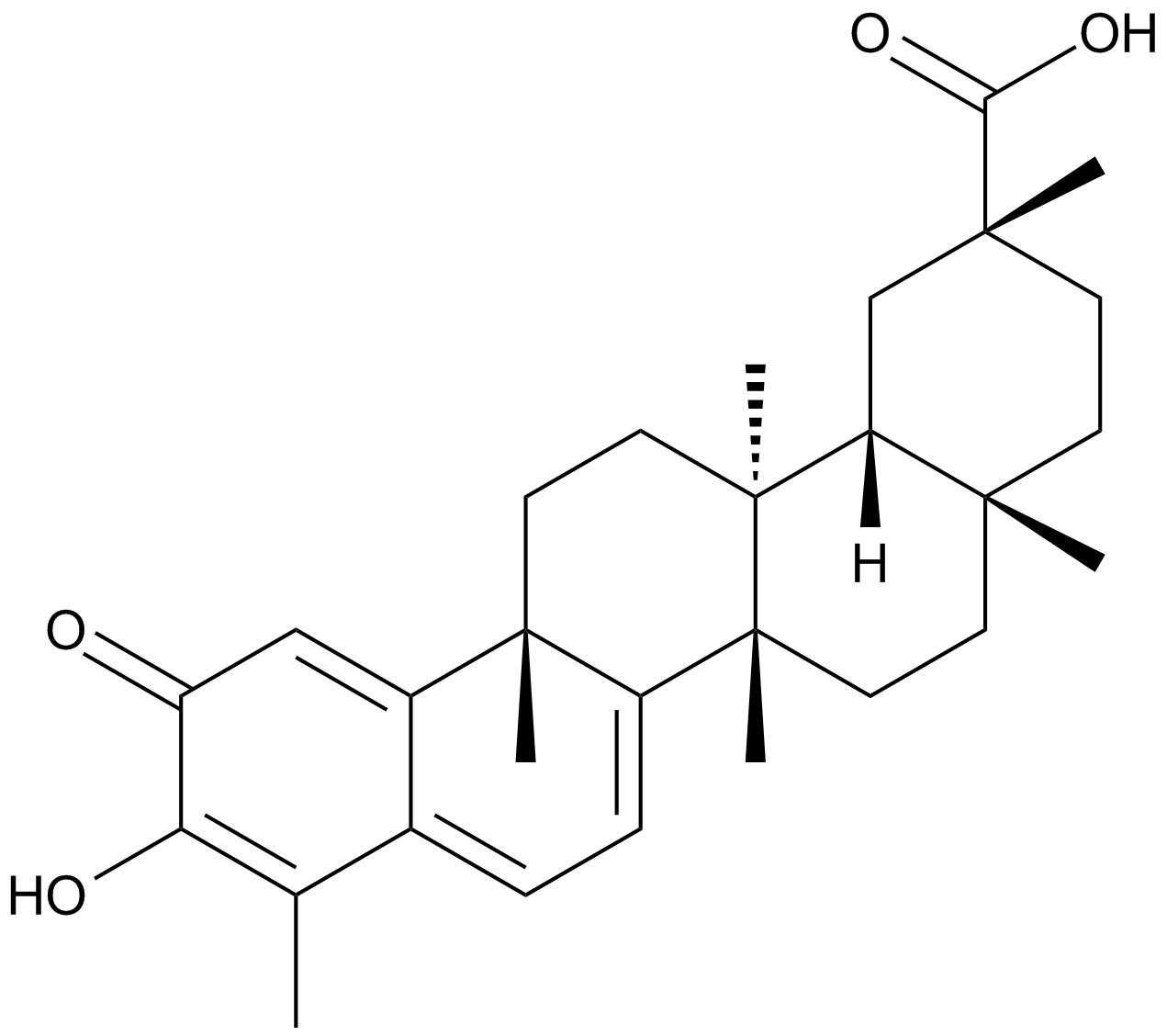 A2604 CelastrolTarget: ProteasomeSummary: Antioxidant, anti-inflammatory and immunosuppressive agent
 -
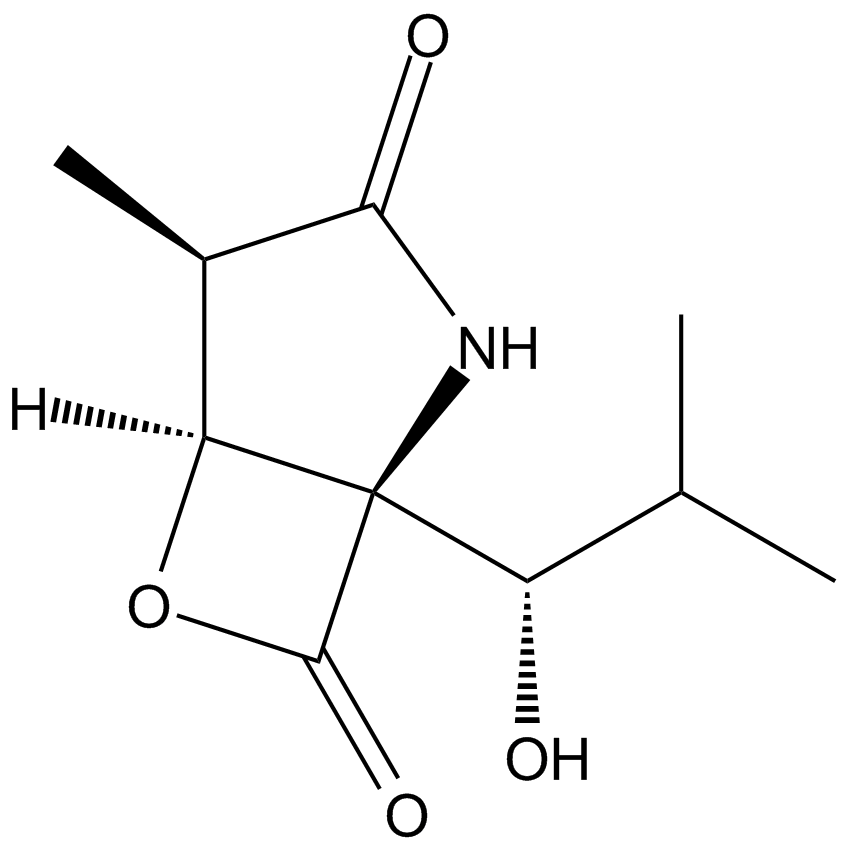 A2578 Clasto-Lactacystin β-lactoneTarget: ProteasomeSummary: Proteasome inhibitor
 -
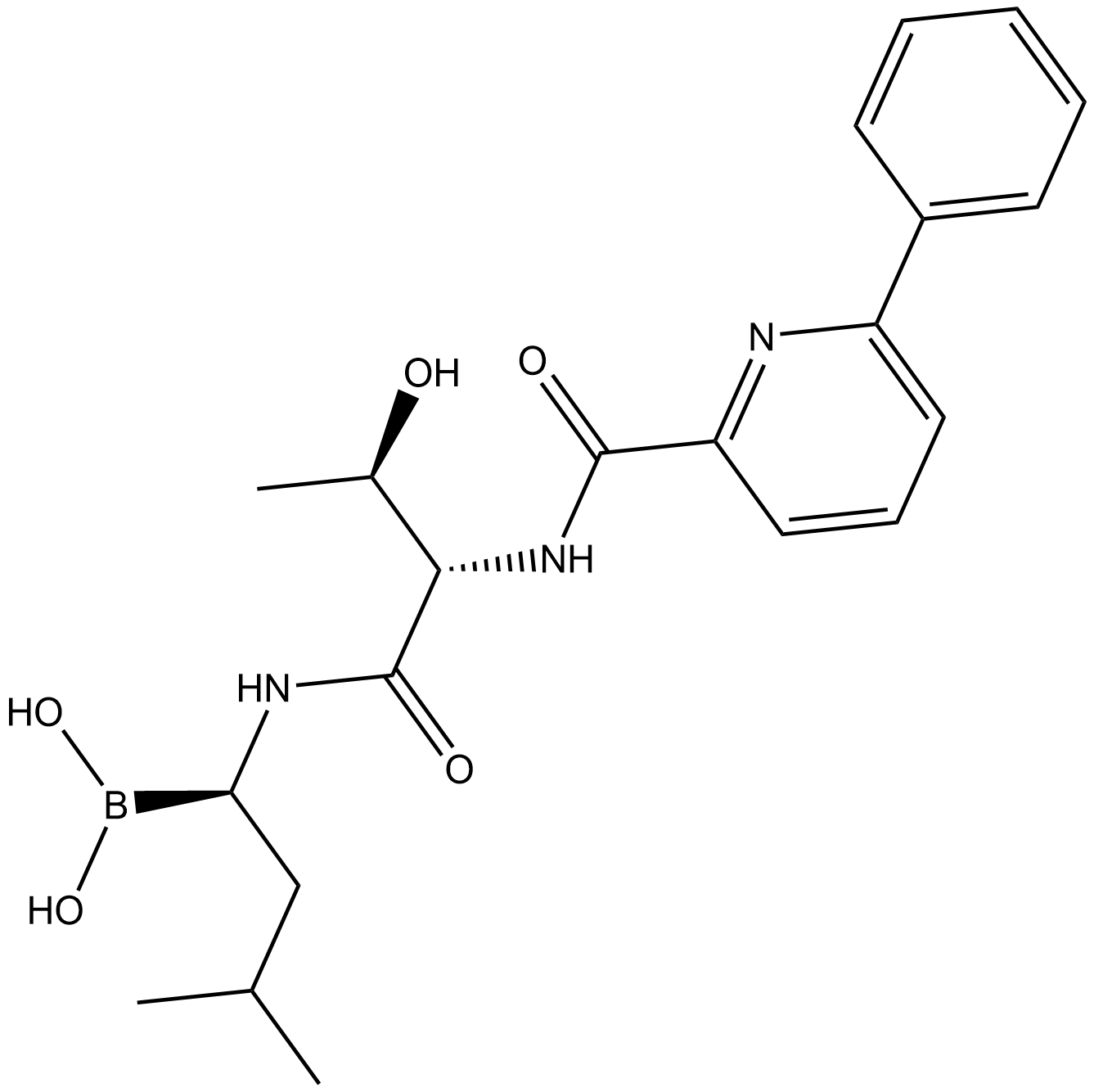 A4009 CEP-187701 CitationSummary: Proteasome inhibitor
 -
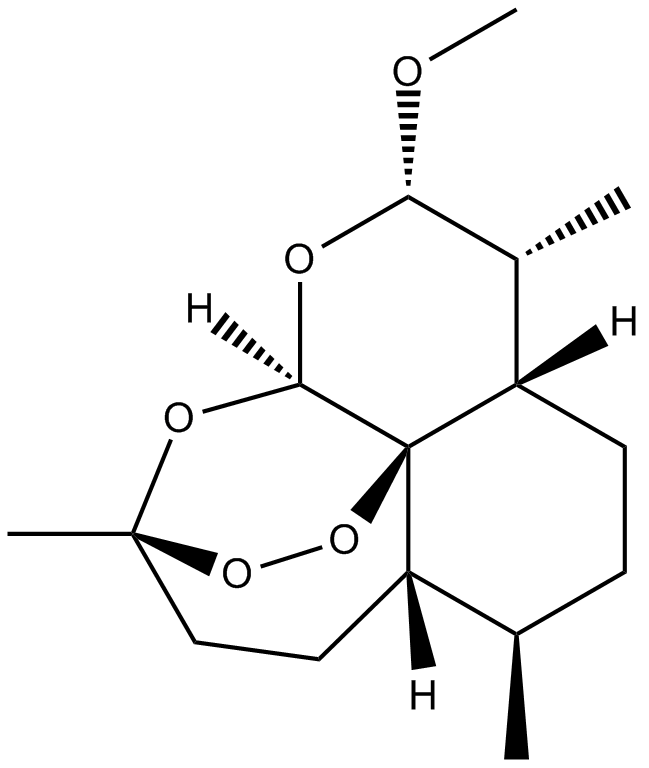 A4014 Artemether (SM-224)Summary: Semi-synthetic derivative of artemisinin
 -
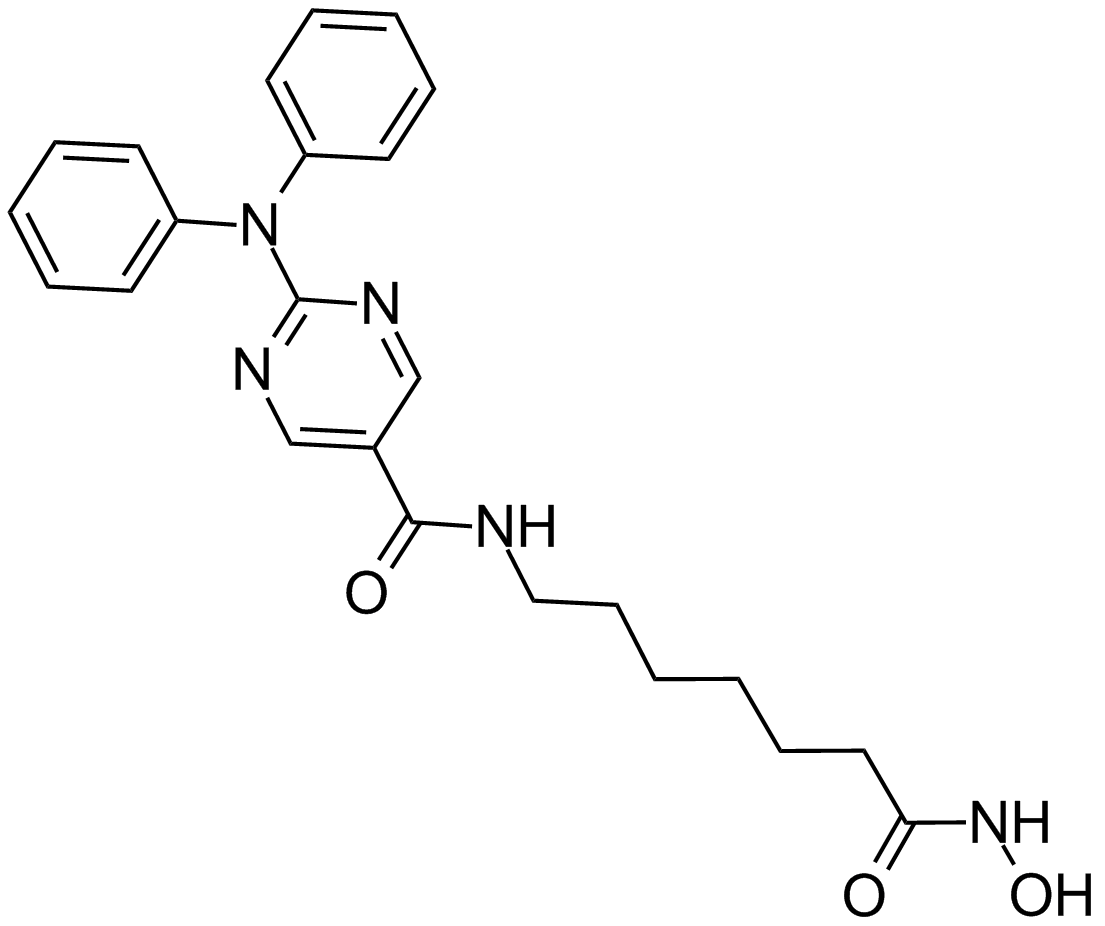 A4083 Rocilinostat (ACY-1215)5 CitationTarget: Histone Deacetylases (HDACs)Summary: Selective HDAC6 inhibitor
 -
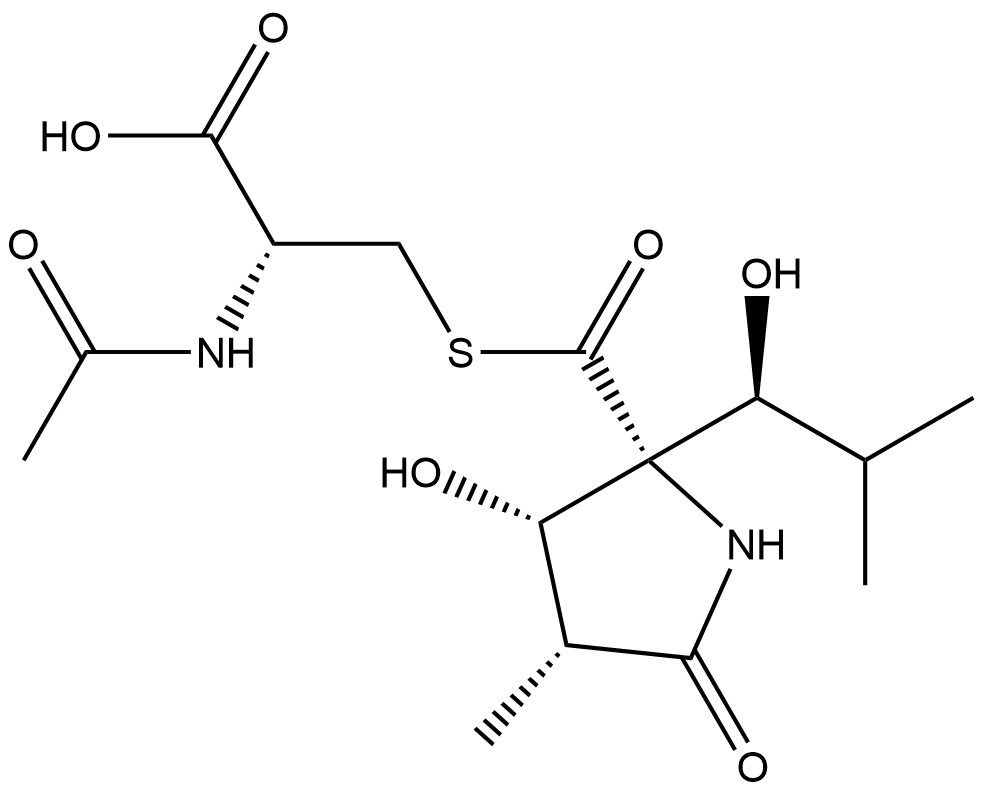 A2583 Lactacystin (Synthetic)1 CitationTarget: ProteasomeSummary: Proteasome inhibitor
 -
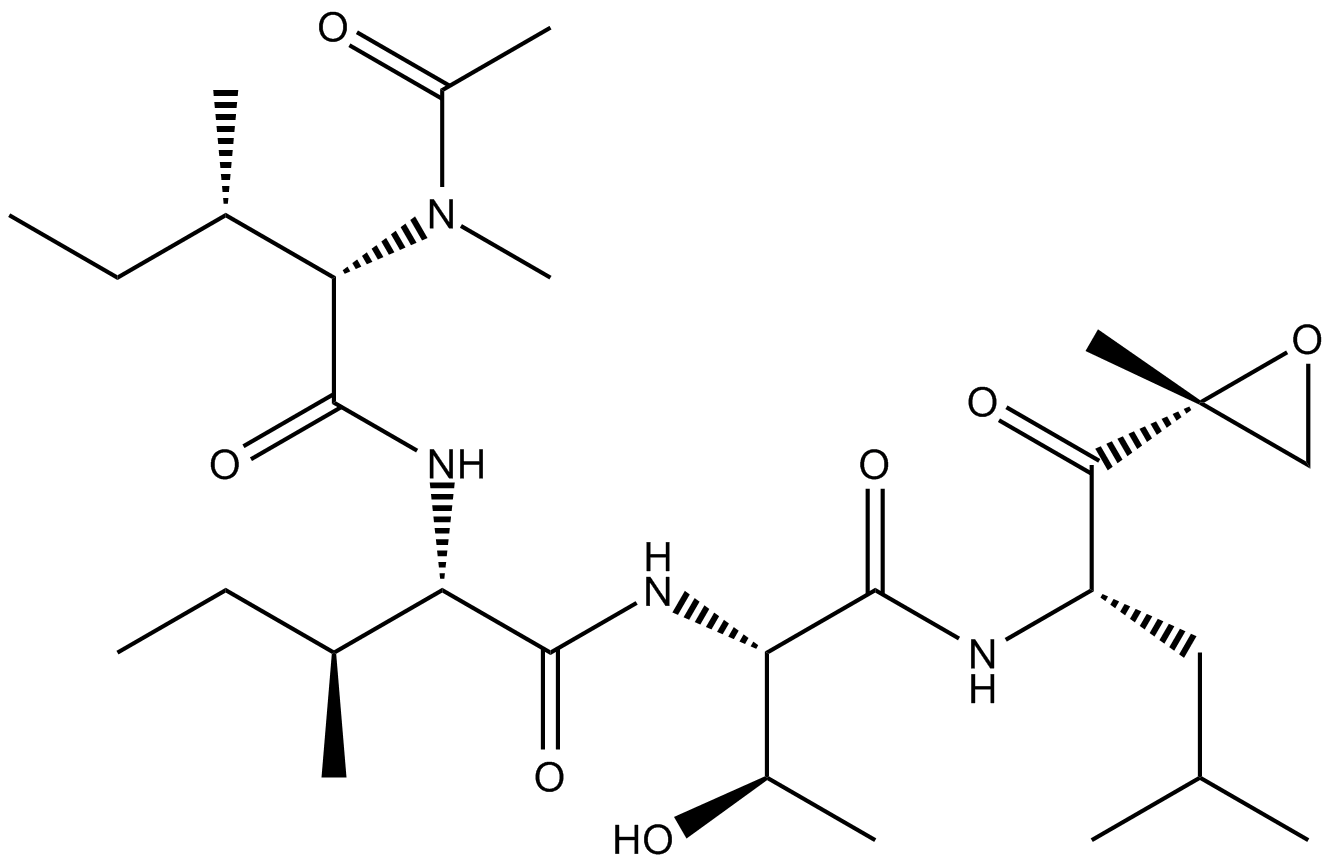 A2606 Epoxomicin35 CitationSummary: proteasome inhibitor
 -
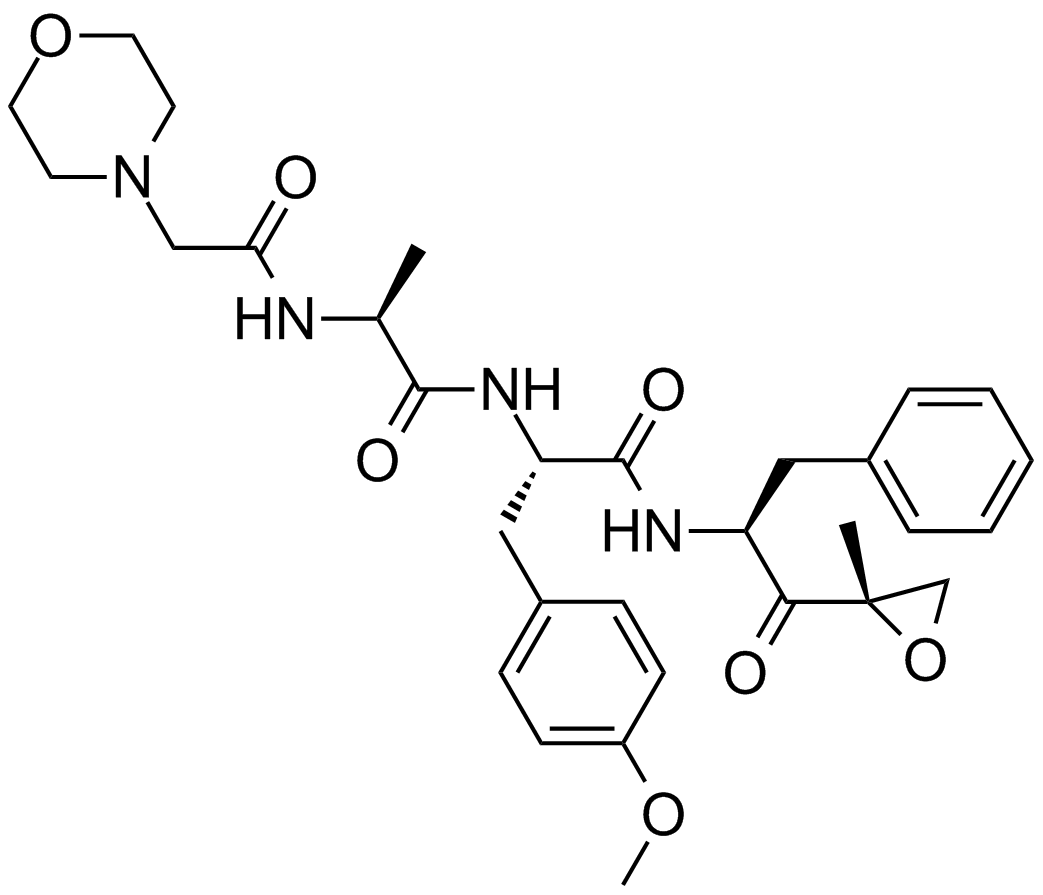 A4011 ONX-0914 (PR-957)14 CitationTarget: ProteasomeSummary: Immunoproteasome inhibitor,potent and selective
 -
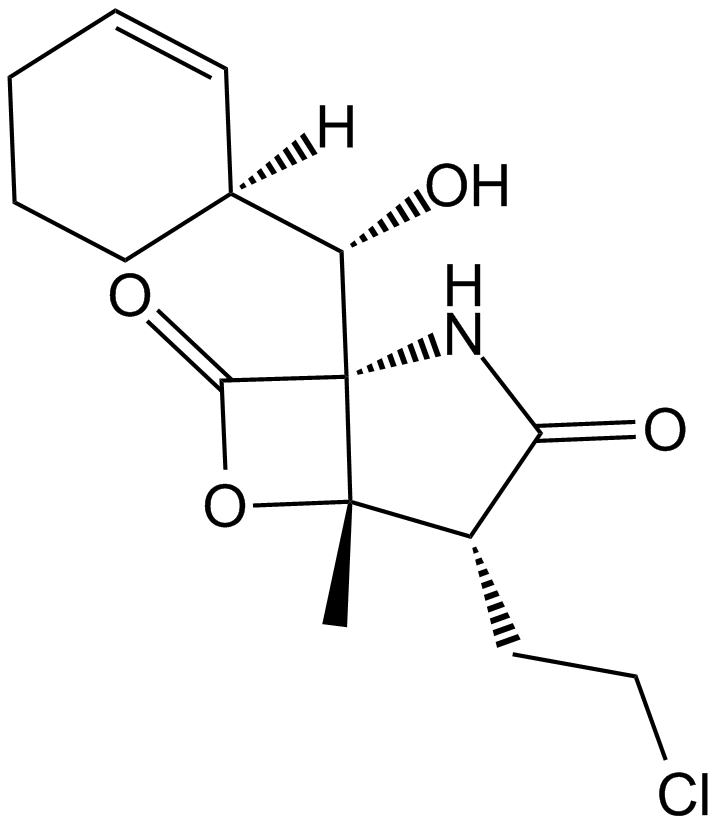 A4010 Salinosporamide A (NPI-0052, Marizomib)Target: ProteasomeSummary: 20S proteasome inhibitor