


Ubiquitination/ Proteasome
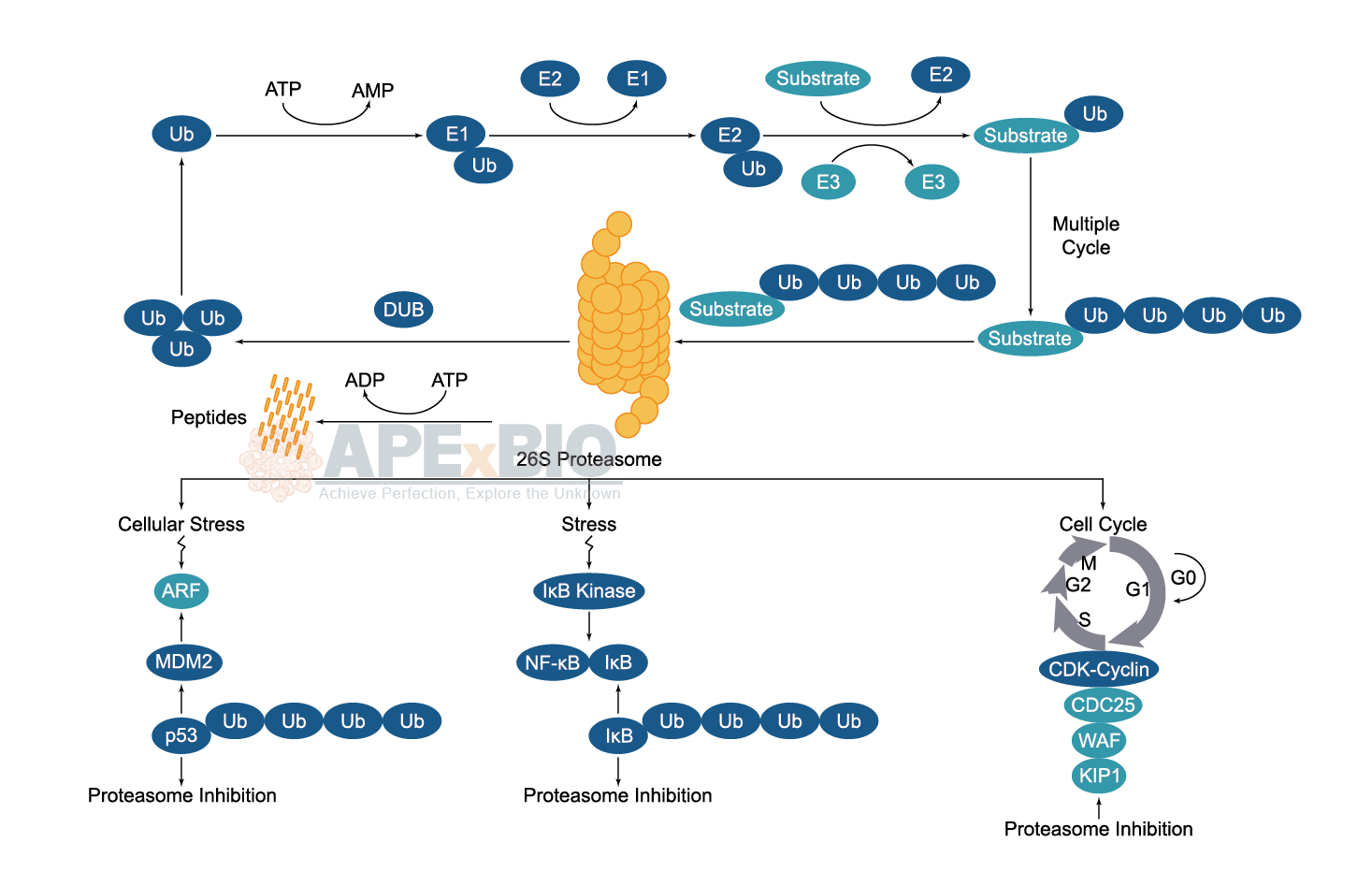
Once the substrate protein is labeled, proteasome will bind to a polyubiquitin chain, allowing the degradation of the labeled protein. The polyubiquitinated target protein is then recognized and degraded by the 26S proteasome. Deubiquitinating enzymes (DUBs) reverse the process of ubiquitination by removing ubiquitin from its substrate protein. Dysregulation of the ubiquitin-proteasome system has been linked to cancer, diabetes, cardiovascular and neurodegenerative diseases etc.
-
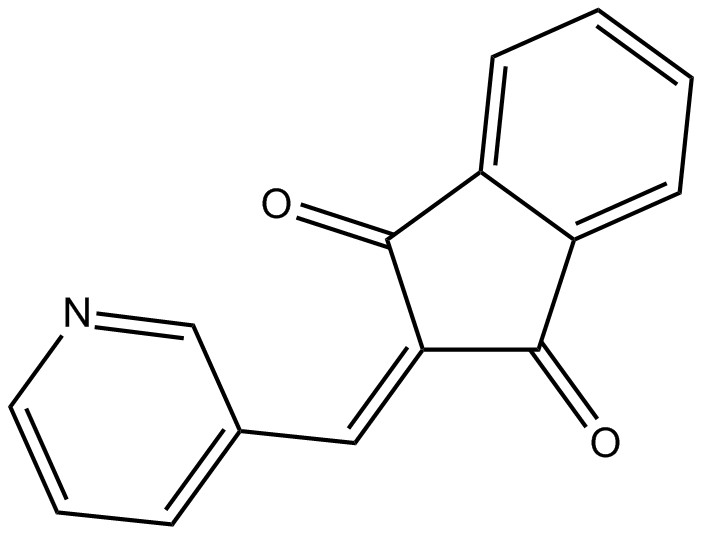 B5797 PRT 4165Summary: Bmi1/Ring1A-mediated ubiquitination inhibitor
 -
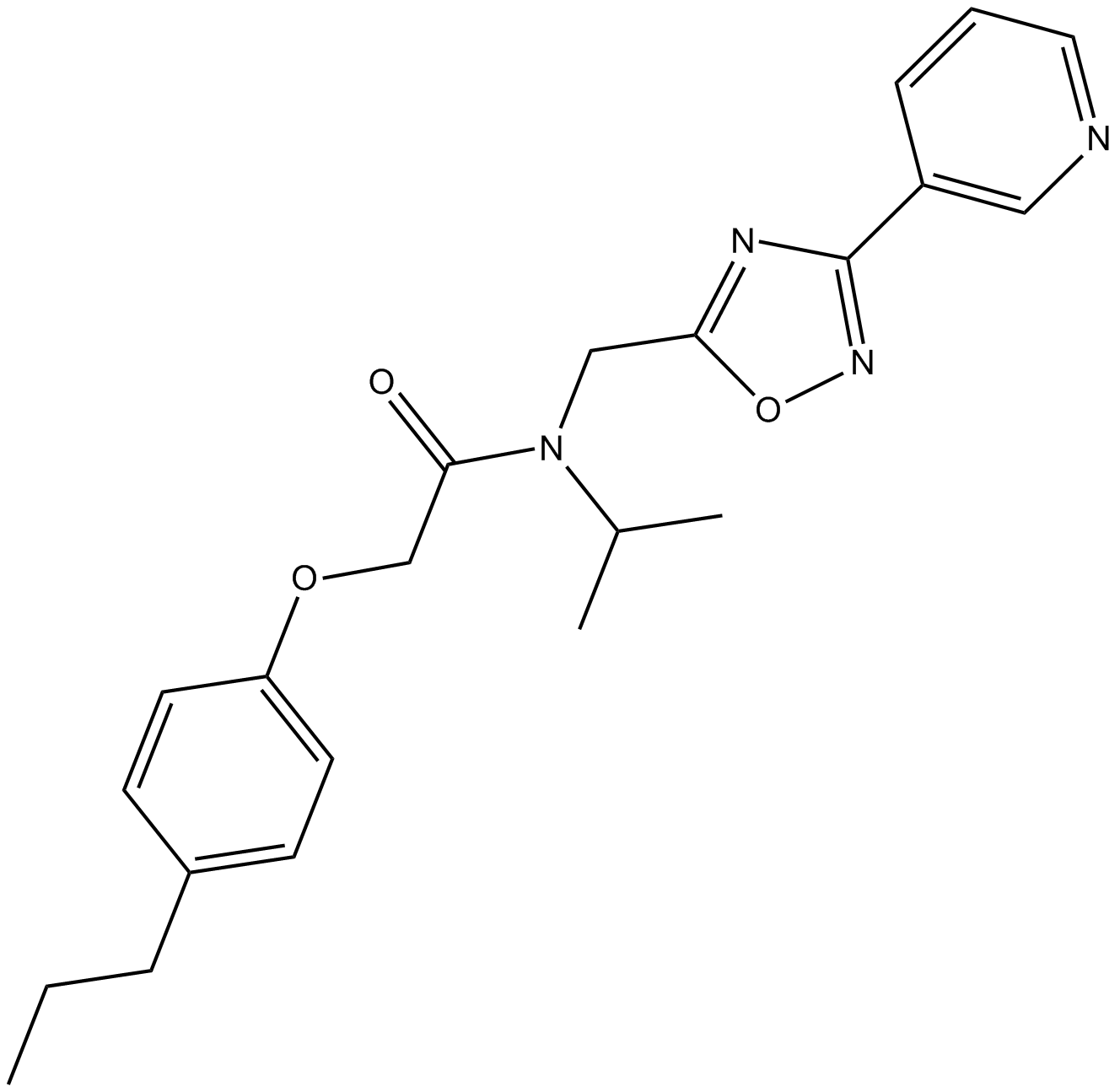 B4755 PI-1840Summary: Chymotrypsin-like (CT-L) inhibitor
 -
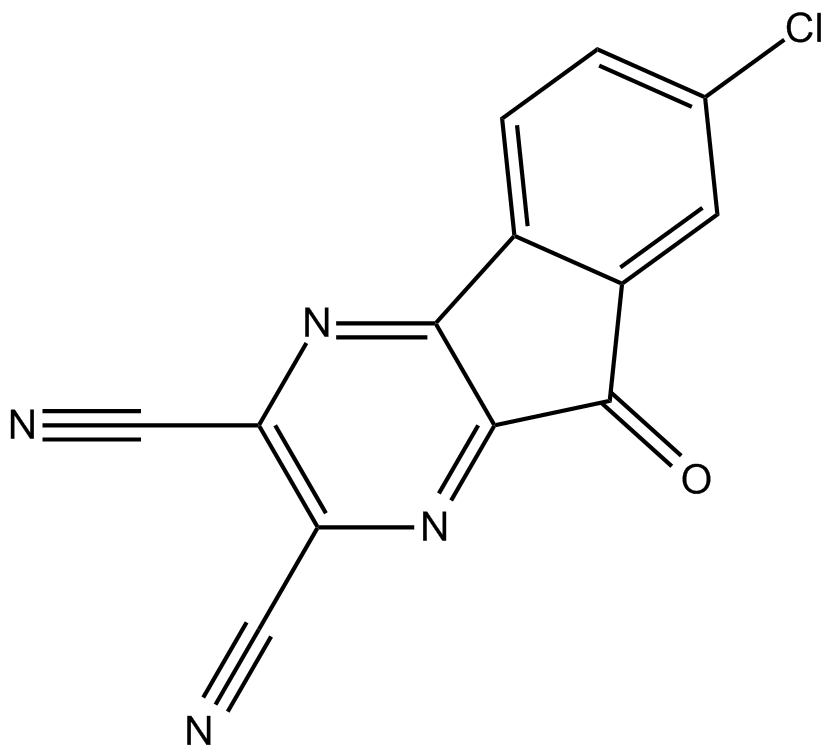 B5550 HBX 41108Summary: ubiquitin-specific protease (USP) 7 inhibitor
 -
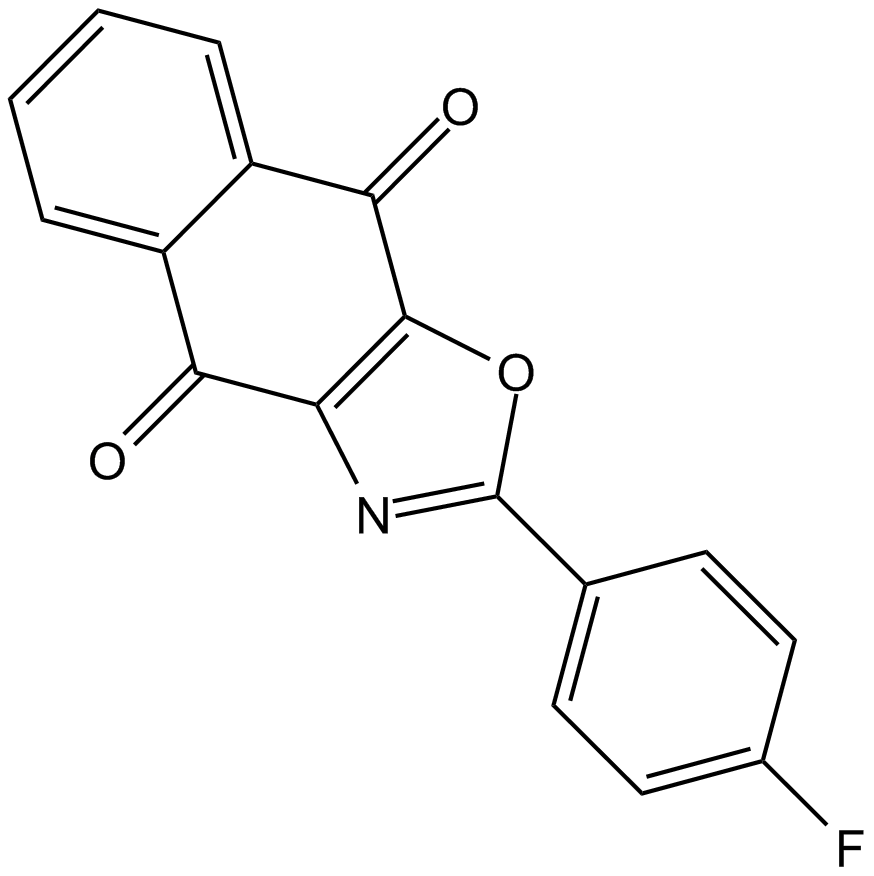 A8693 C527Target: USP1/USF1 complexSummary: Inhibitor of USP1/USF1 complex
 -
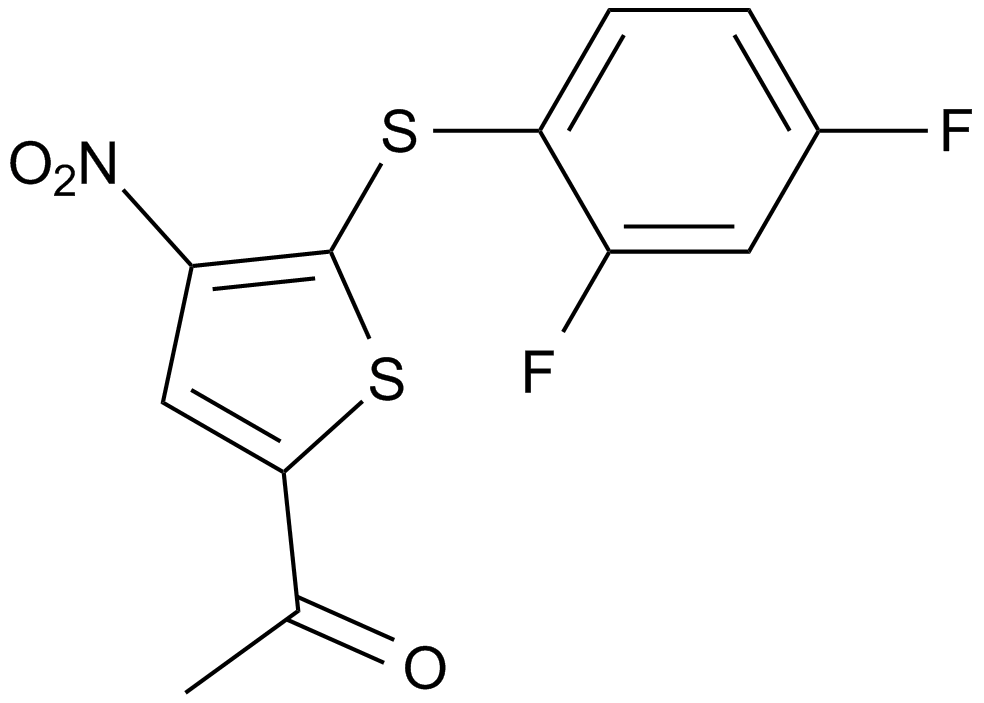 A8198 P 22077Summary: USP7/(DUB)USP47 inhibitor
 -
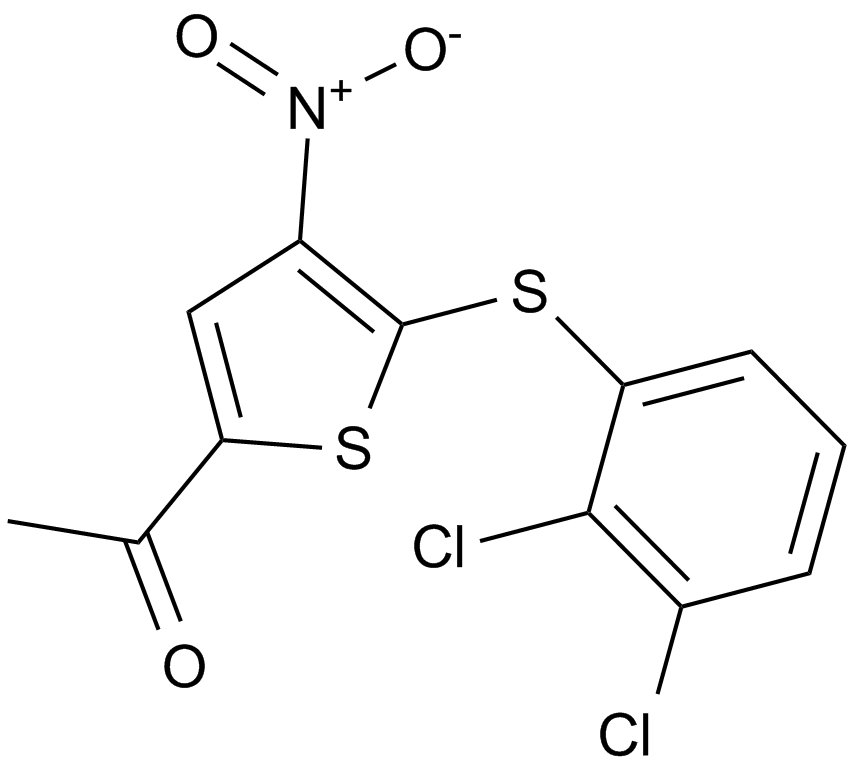 A3023 P0050911 CitationTarget: Ubiquitin-specific proteasesSummary: Ubiquitin-specific protease 7 (USP7) inhibitor
 -
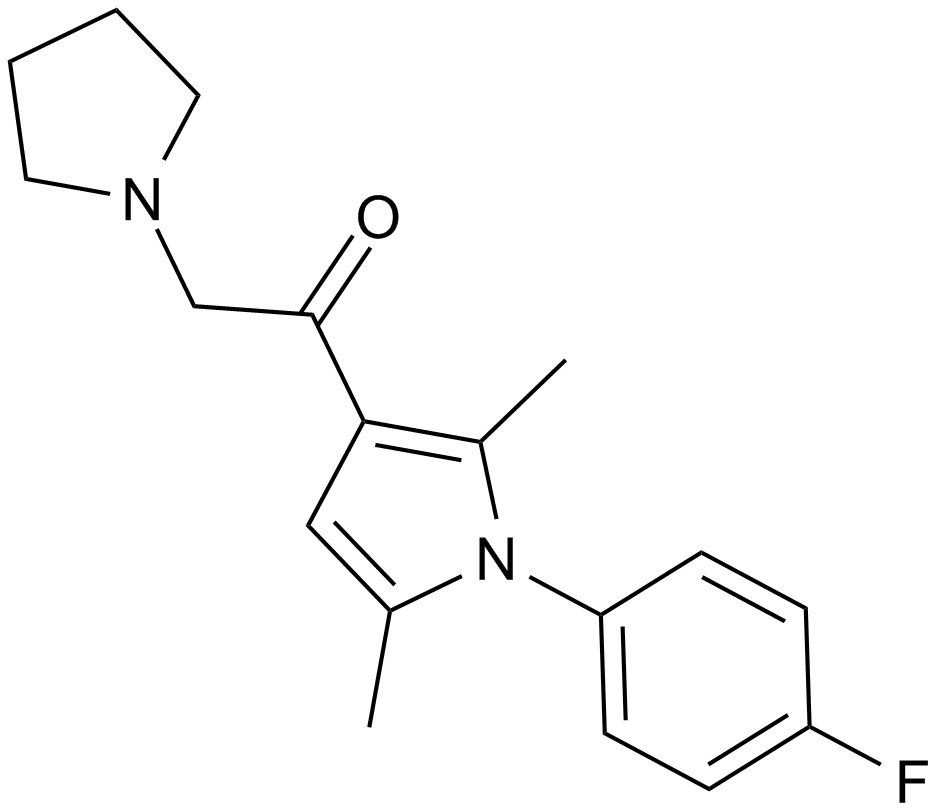 A4002 IU11 CitationSummary: Usp14 inhibitor
 -
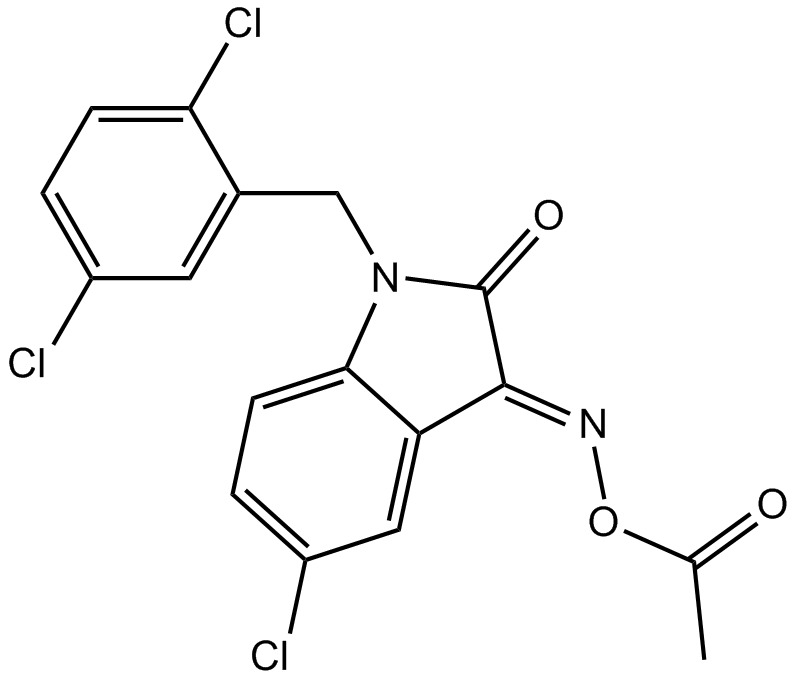 A4003 LDN 57444Target: UCHSummary: UCH-L1 inhibitor,reversible competitve
 -
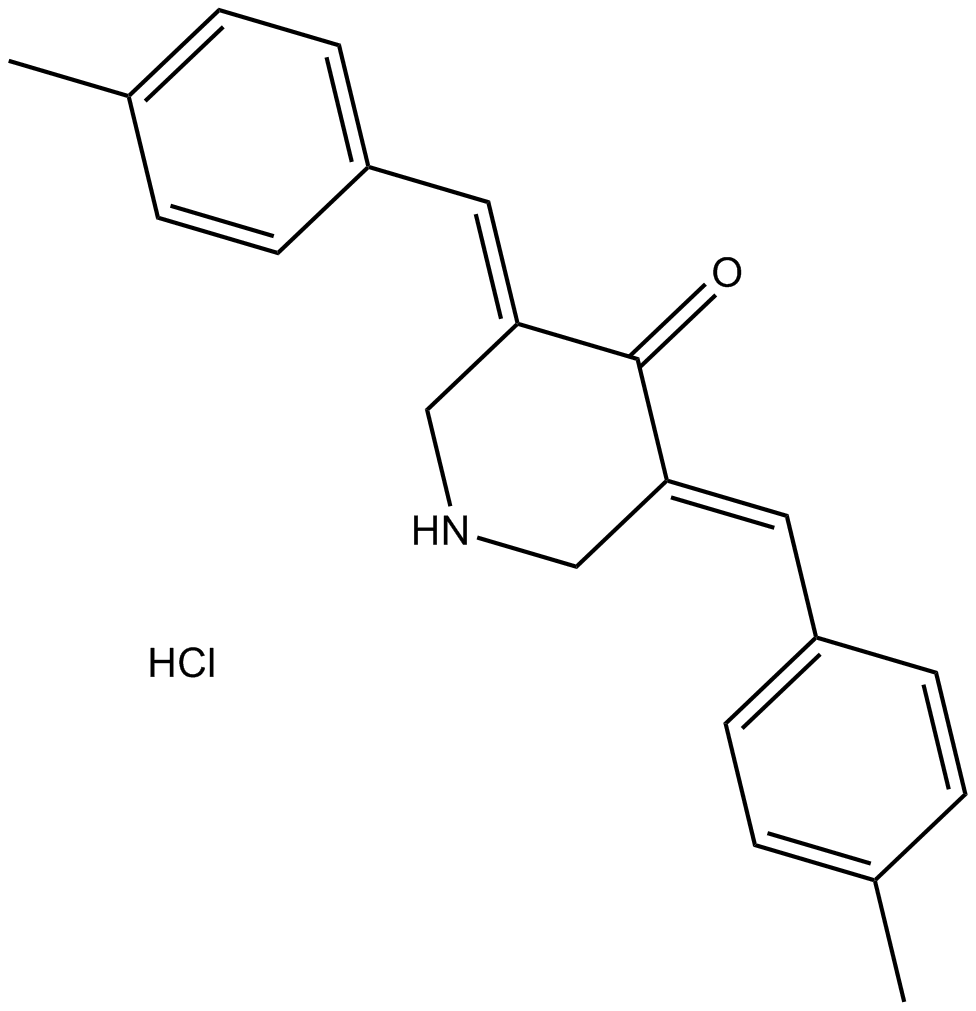 A4004 NSC 632839 hydrochlorideSummary: Isopeptidases inhibitor
 -
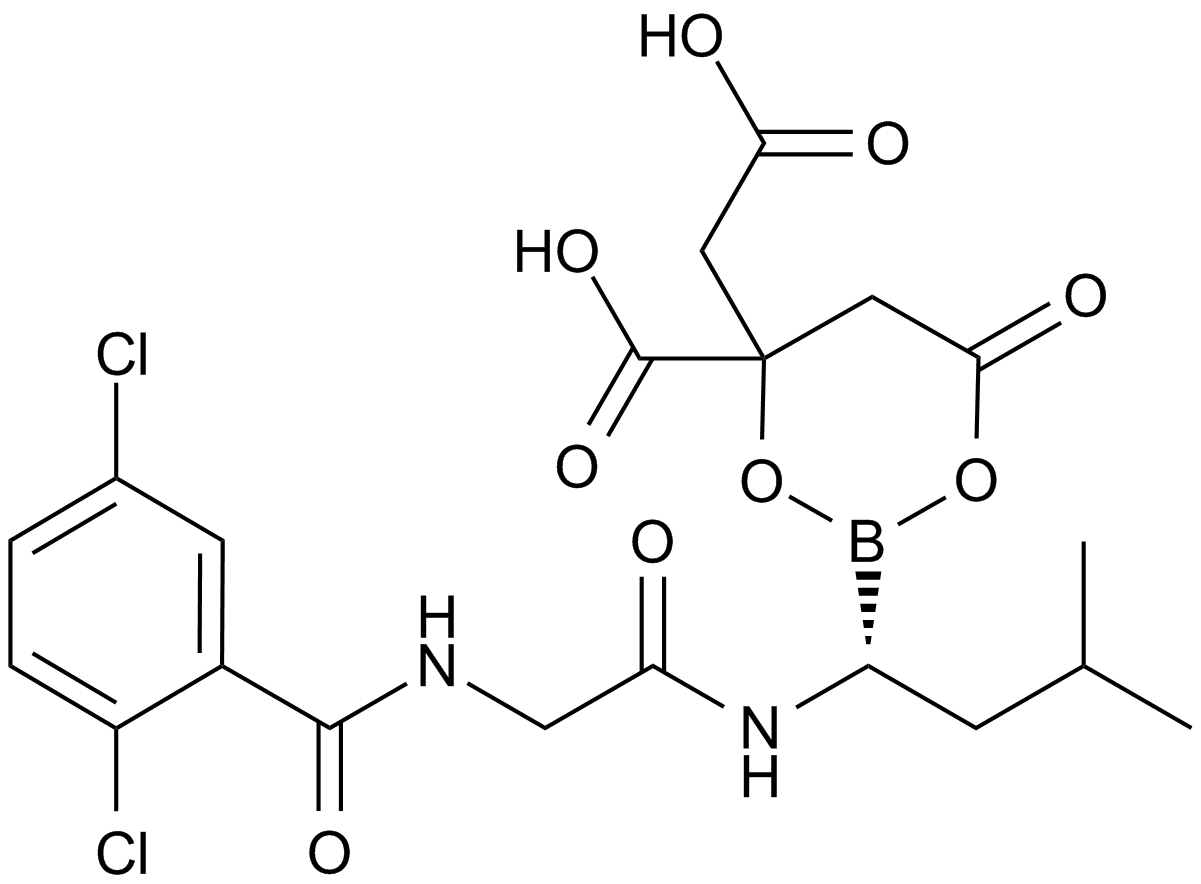 A4007 MLN9708 Analogue6 CitationTarget: ProteasomeSummary: Proteasome inhibitor