


Immunology/Inflammation
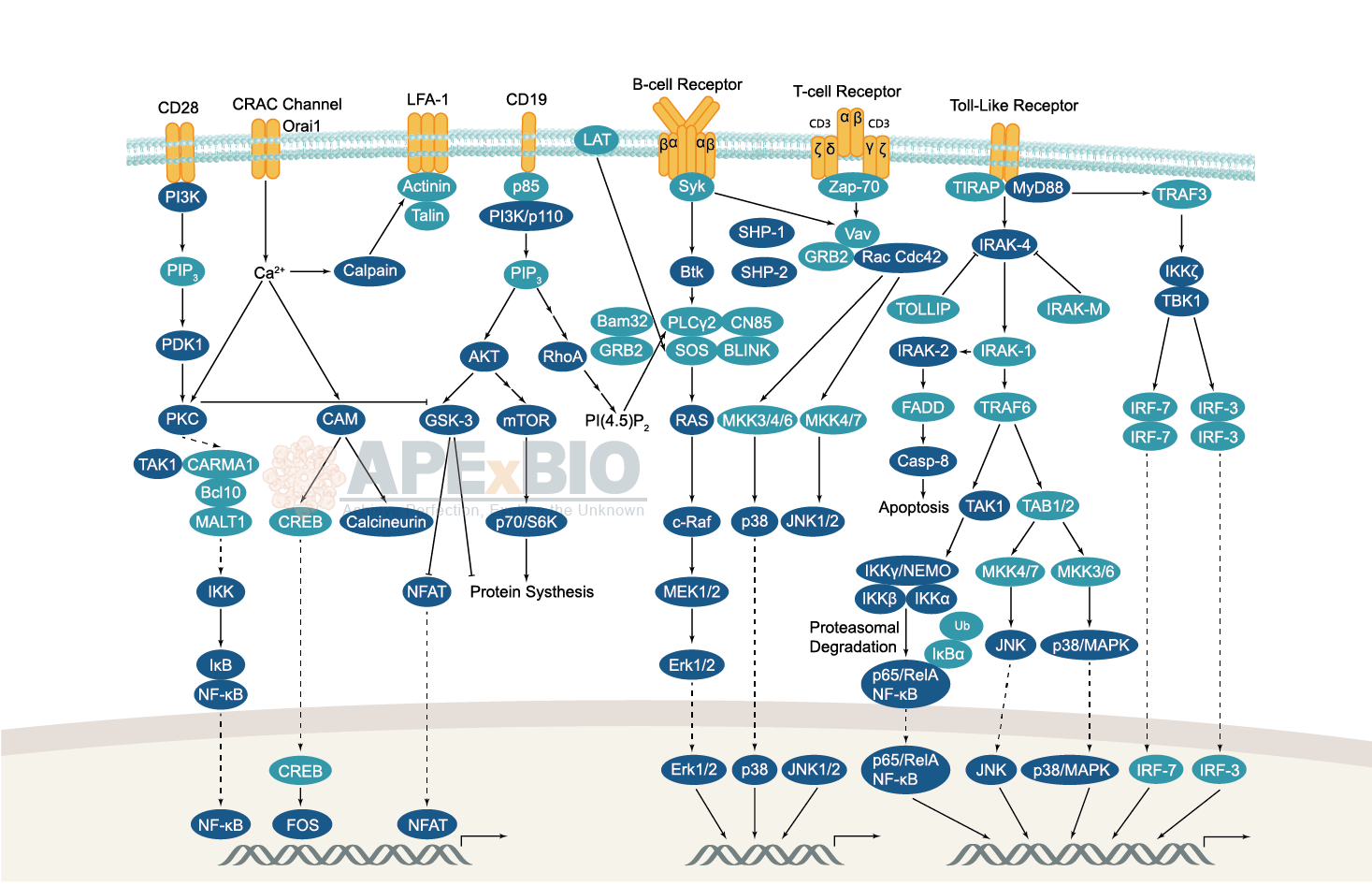
The adaptive immune system consists of B and T lymphocytes which mediate humoral immunity (e.g. antibody response) and cell-mediated immunity, respectively. B cell receptor and T cell receptor signaling is responsible for activation of Src family tyrosine kinases, such as Blk, Fyn, and Lyn in B cells and Fyn and Lck in T cells, resulting phosphorylation of the receptor-associated ITAM motifs. Phosphorylated ITAMs serve as the docking sites for Syk family tyrosine kinases, e.g. Syk in B cells and Zap-70 in T cells. Activated Syk kinases then propagate the signals via phosphorylation of downstream proteins. Furthermore, lymphocyte receptor signaling facilitates B and T cell development, differentiation, proliferation and survival.
-
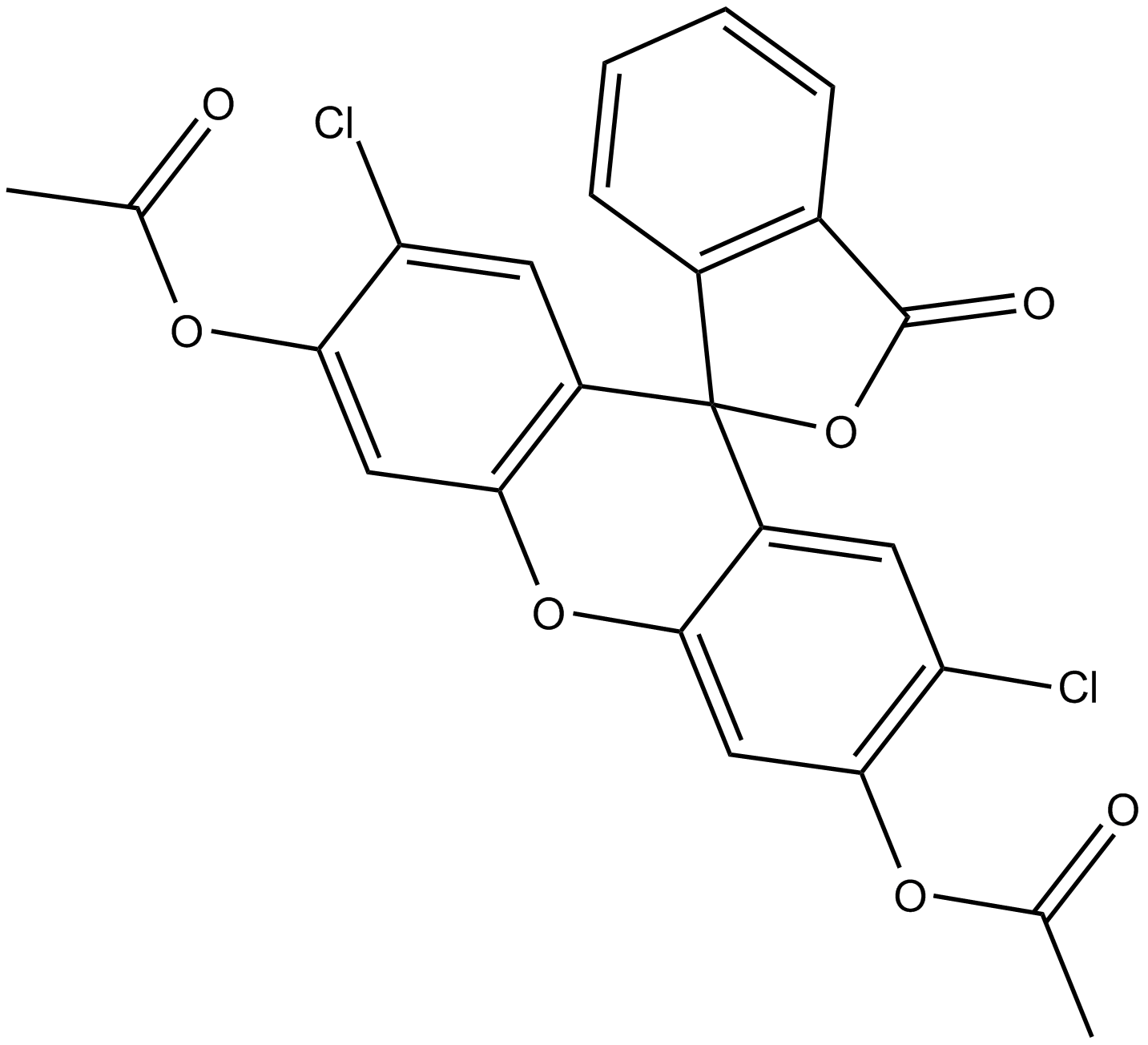 C3381 2',7'-Dichlorofluorescein diacetateSummary: A cell-permeable fluorescent probe for quantitative detection of reactive oxygen species (ROS) and nitric oxide (NO)
 -
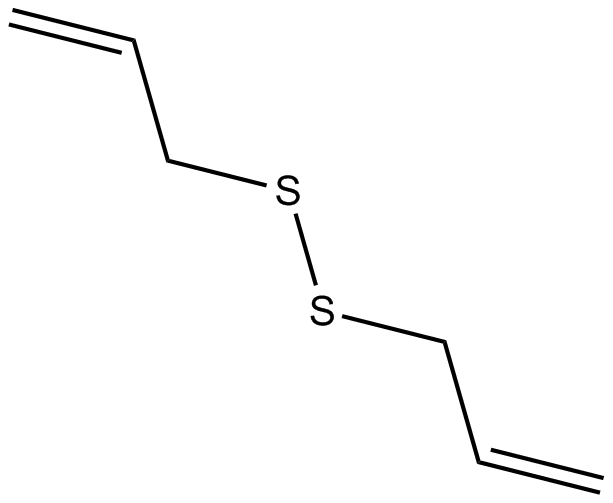 C3396 Diallyl DisulfideSummary: A natural organosulfur compound that modulates the cell cycle, apoptosis, and oxidative stress.
 -
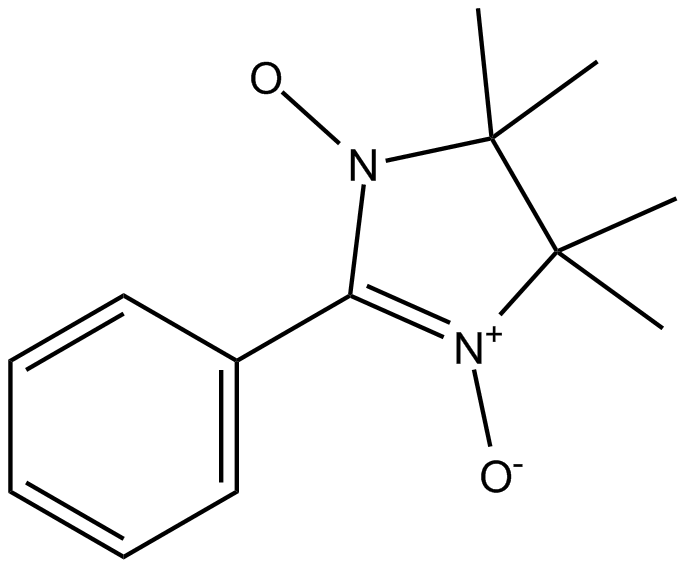 C3473 PTIOSummary: A reagent used to scavenge nitric oxide (NO) and limit NO-related signaling.
 -
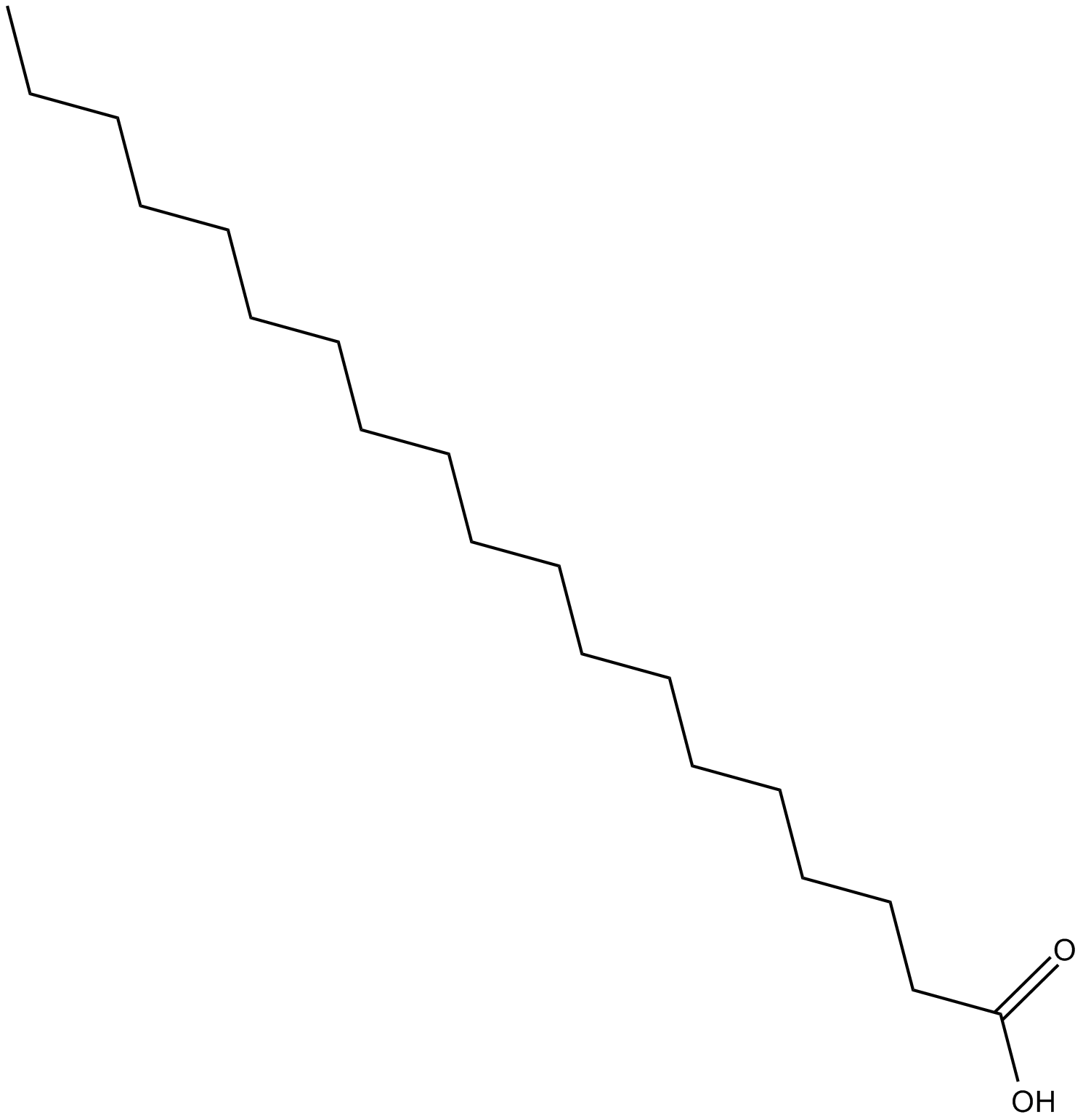 C3655 Nonadecanoic AcidSummary: A long-chain saturated fatty acid, used for lipid metabolism regulation and as a metabolomics biomarker.
 -
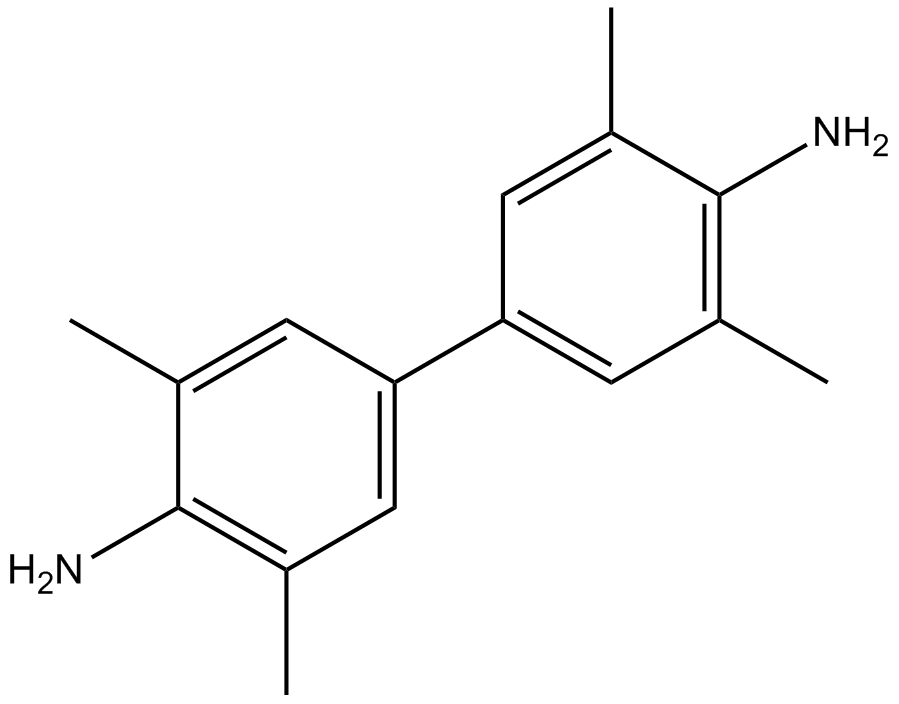 C3660 TMB1 CitationSummary: A chromogenic substrate for ELISA assays and a ROS/RNS probe.
 -
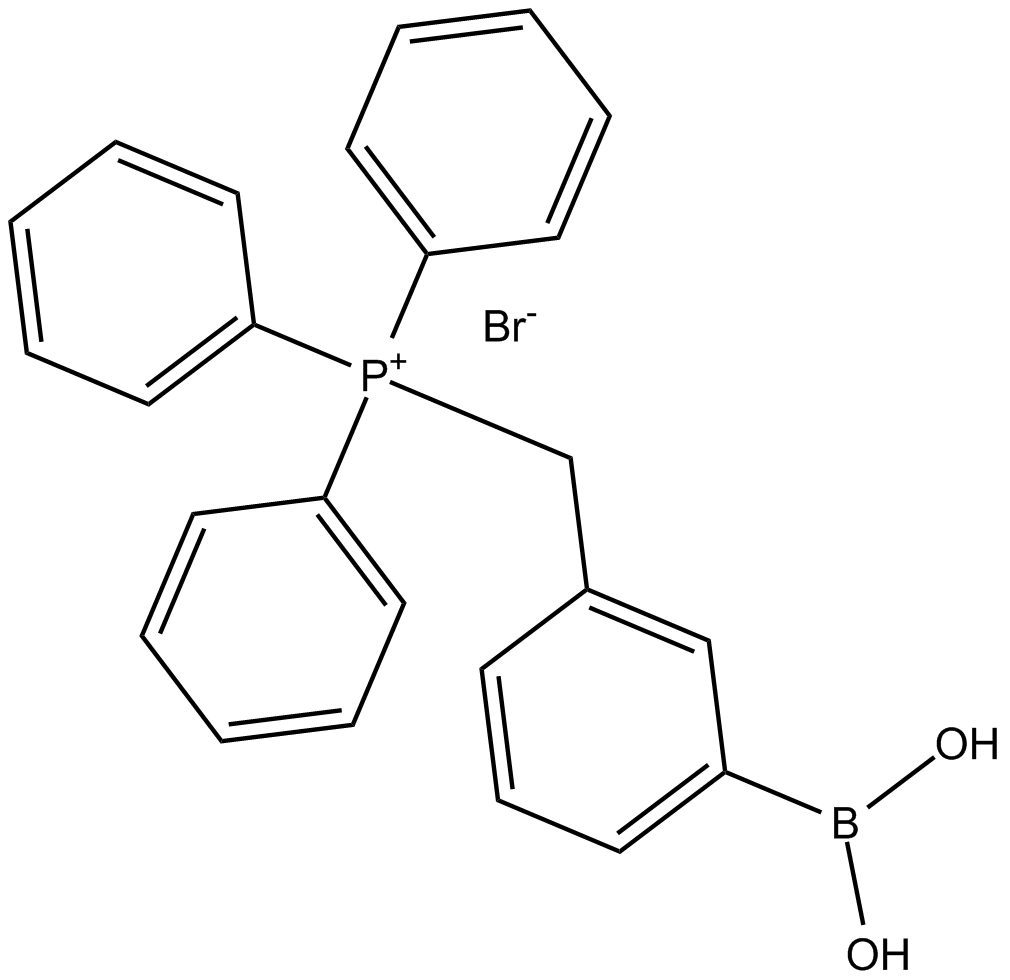 C3680 MitoBSummary: A probe for detecting hydrogen peroxide levels in live animals.
 -
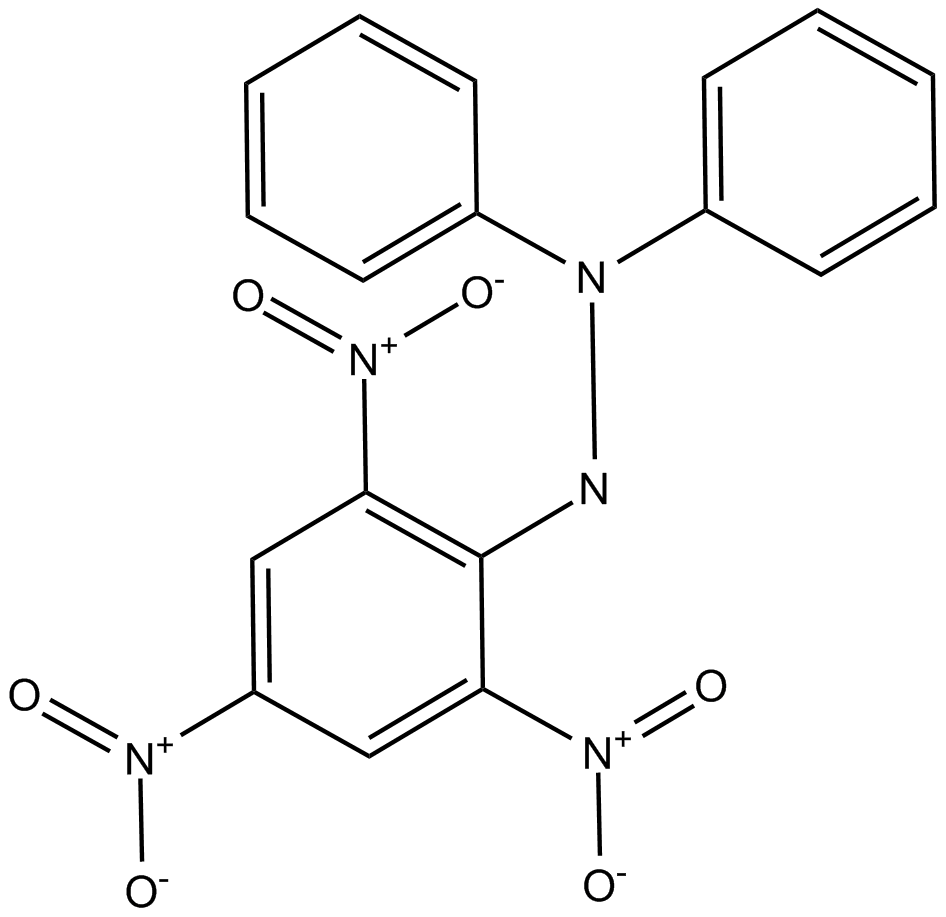 C3691 DPPH1 CitationSummary: A cell-permeable stable free radical that acts as a hydrogen radical scavenger
 -
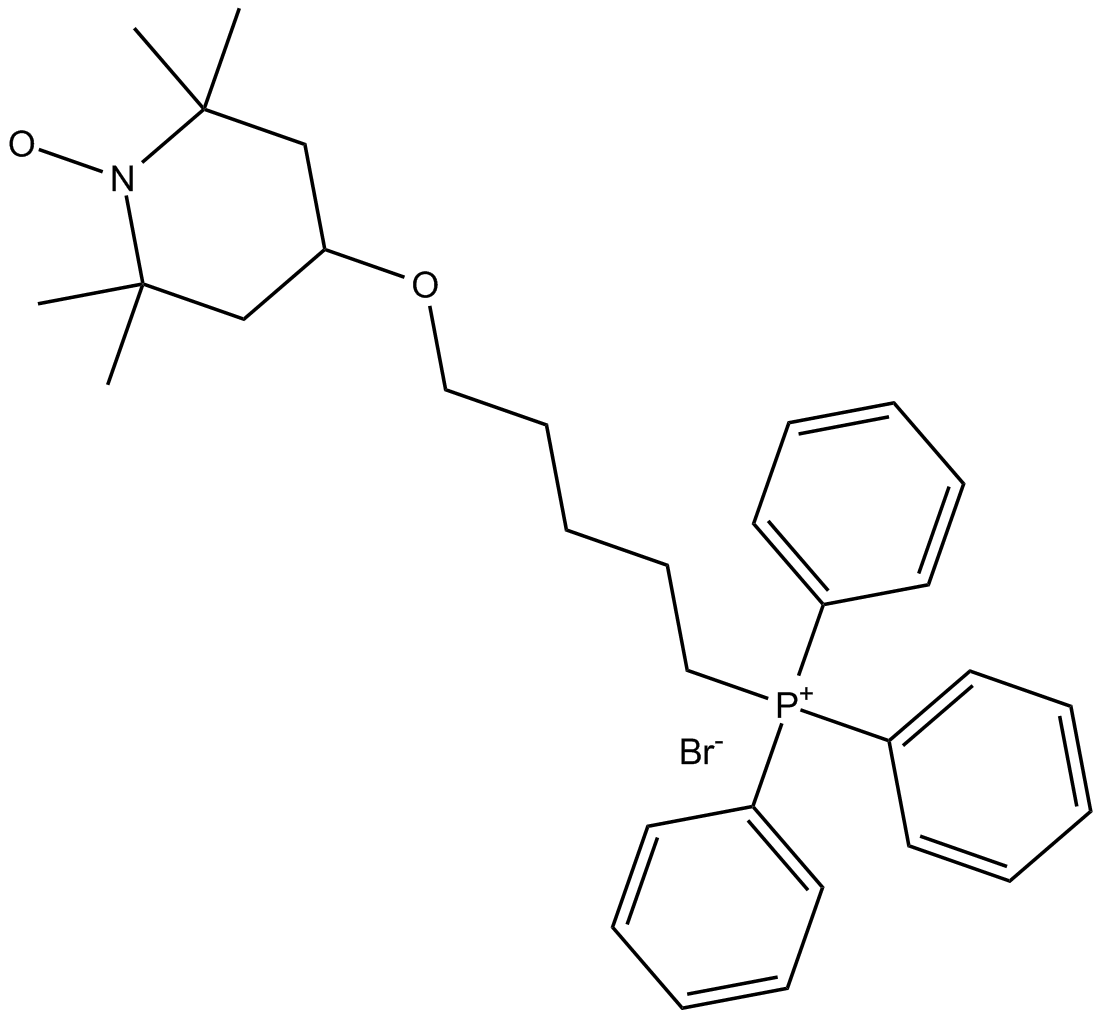 C3714 MitoTEMPOLSummary: A substance that can reduce superoxide anions to hydrogen peroxide within mitochondria.
 -
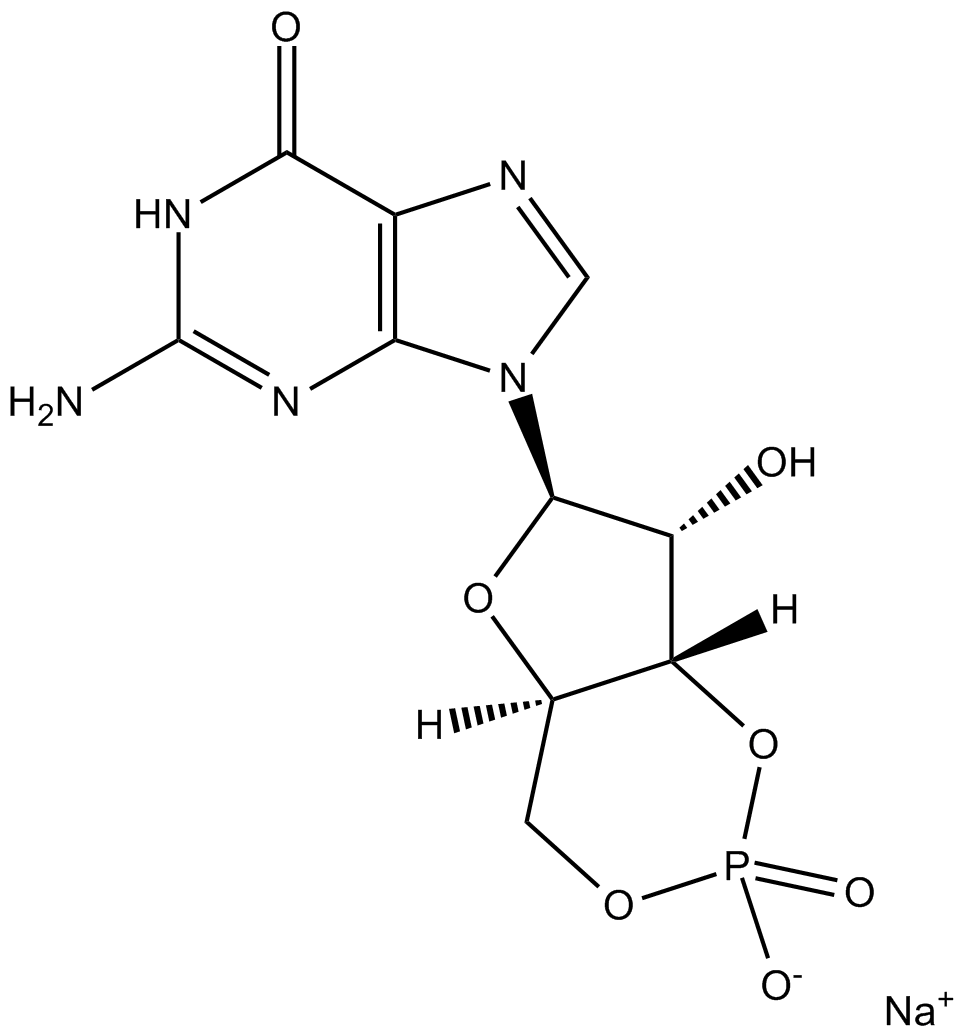 C3715 Cyclic GMP (sodium salt)Summary: A widely present second messenger that mediates cellular signal transduction and physiological effects.
 -
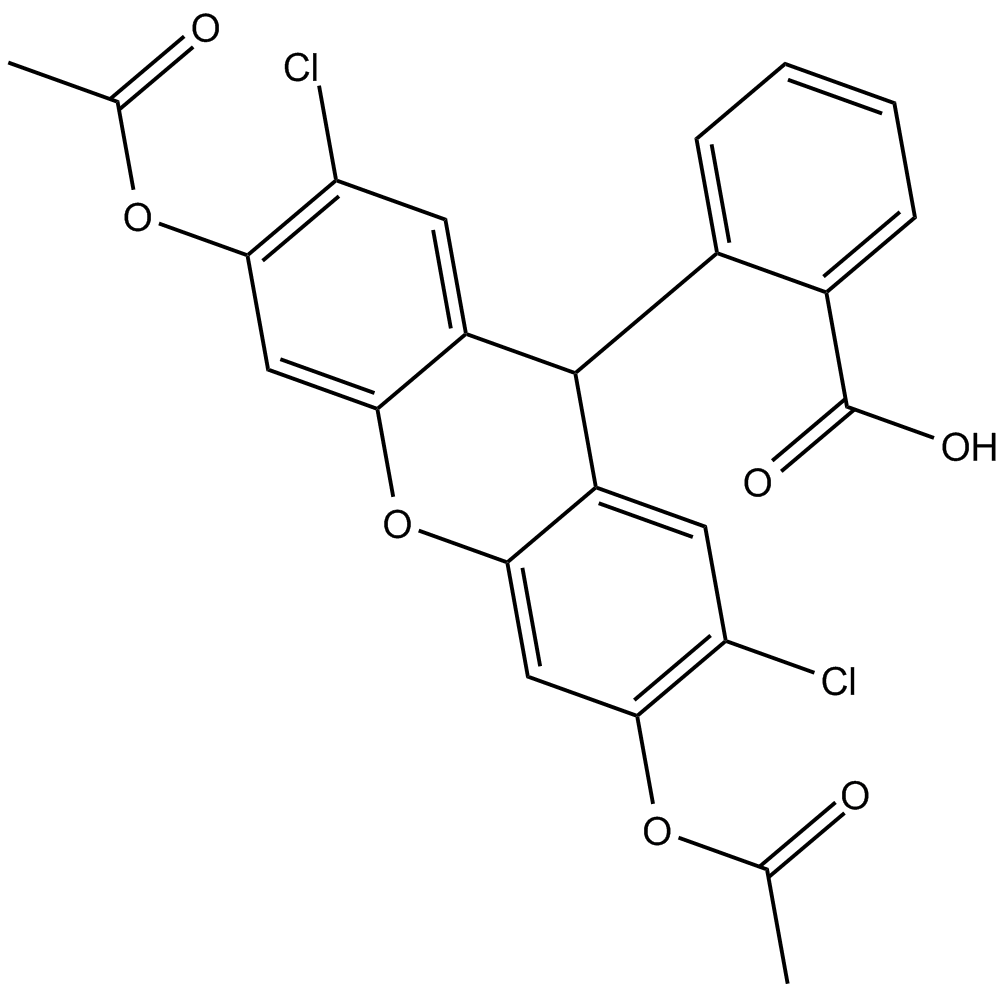 C3890 2,7-Dichlorodihydrofluorescein diacetate2 CitationSummary: An indicator for peroxynitrite formation