


Immunology/Inflammation
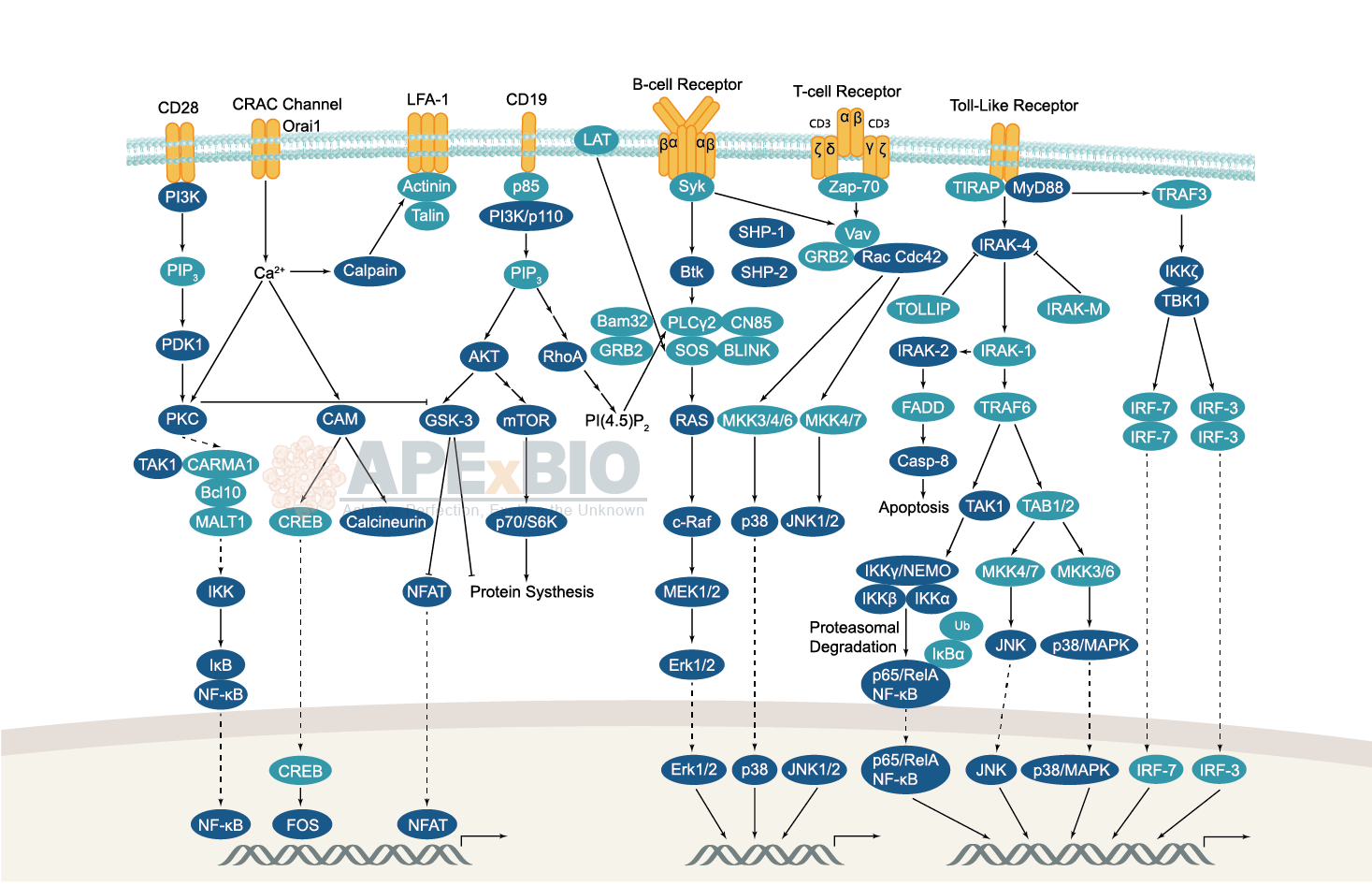
The adaptive immune system consists of B and T lymphocytes which mediate humoral immunity (e.g. antibody response) and cell-mediated immunity, respectively. B cell receptor and T cell receptor signaling is responsible for activation of Src family tyrosine kinases, such as Blk, Fyn, and Lyn in B cells and Fyn and Lck in T cells, resulting phosphorylation of the receptor-associated ITAM motifs. Phosphorylated ITAMs serve as the docking sites for Syk family tyrosine kinases, e.g. Syk in B cells and Zap-70 in T cells. Activated Syk kinases then propagate the signals via phosphorylation of downstream proteins. Furthermore, lymphocyte receptor signaling facilitates B and T cell development, differentiation, proliferation and survival.
-
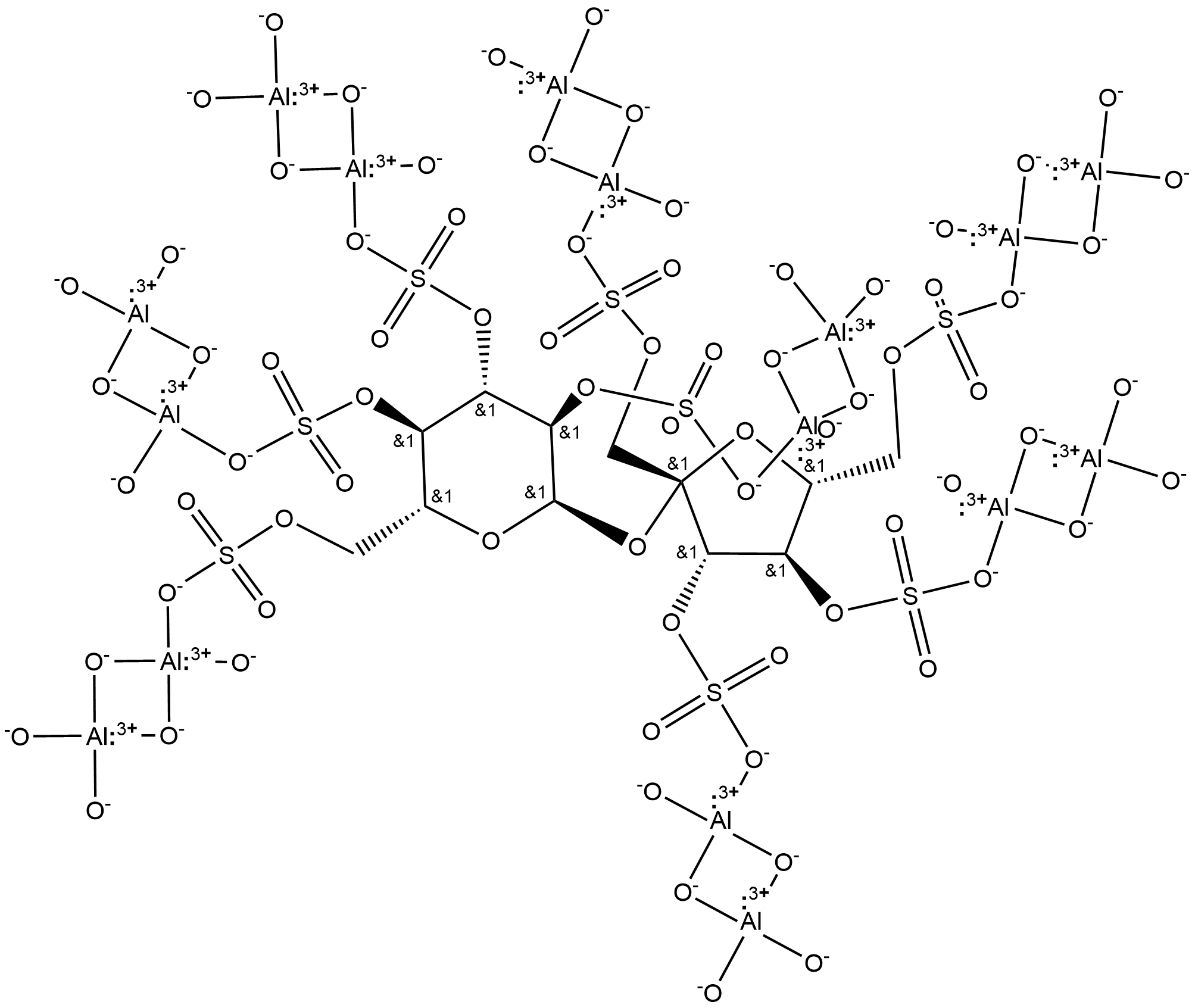 BA1266 SucralfateSummary: Sucralfate(Sucroseocta sulfate-aluminum complex)
 -
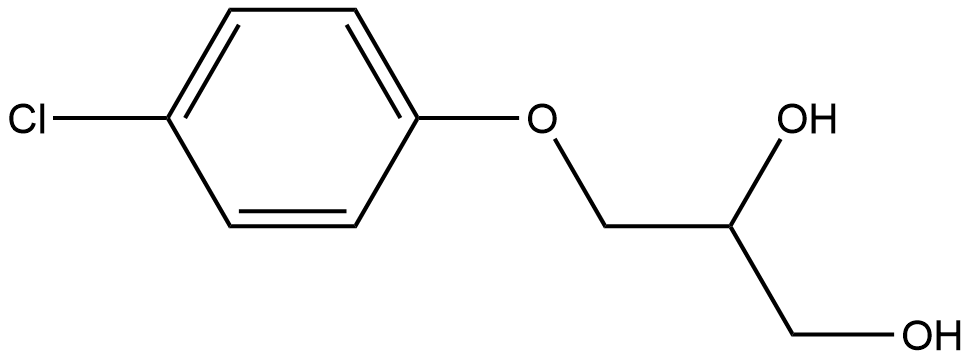 BA1297 ChlorphenesinSummary: Chlorphenesin is a reversible antigen-related immunosuppressant.
 -
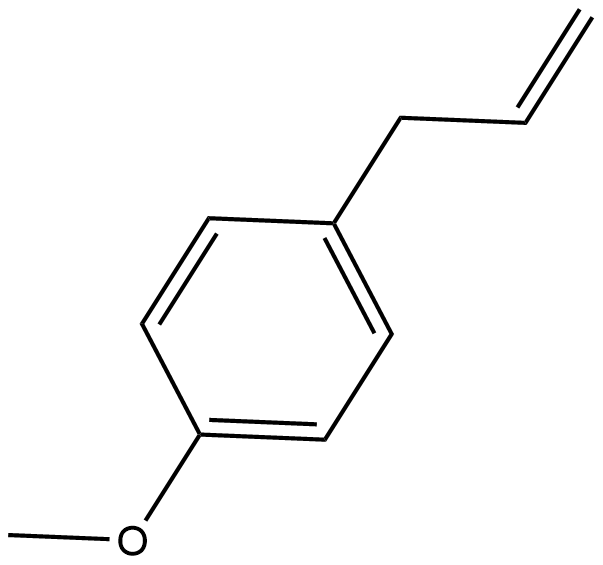 BA2094 EstragoleSummary: Estragole (4-Allylanisole) is a relatively non-toxic volatile terpenoid ether and a major component of the essential oils of many plants.
 -
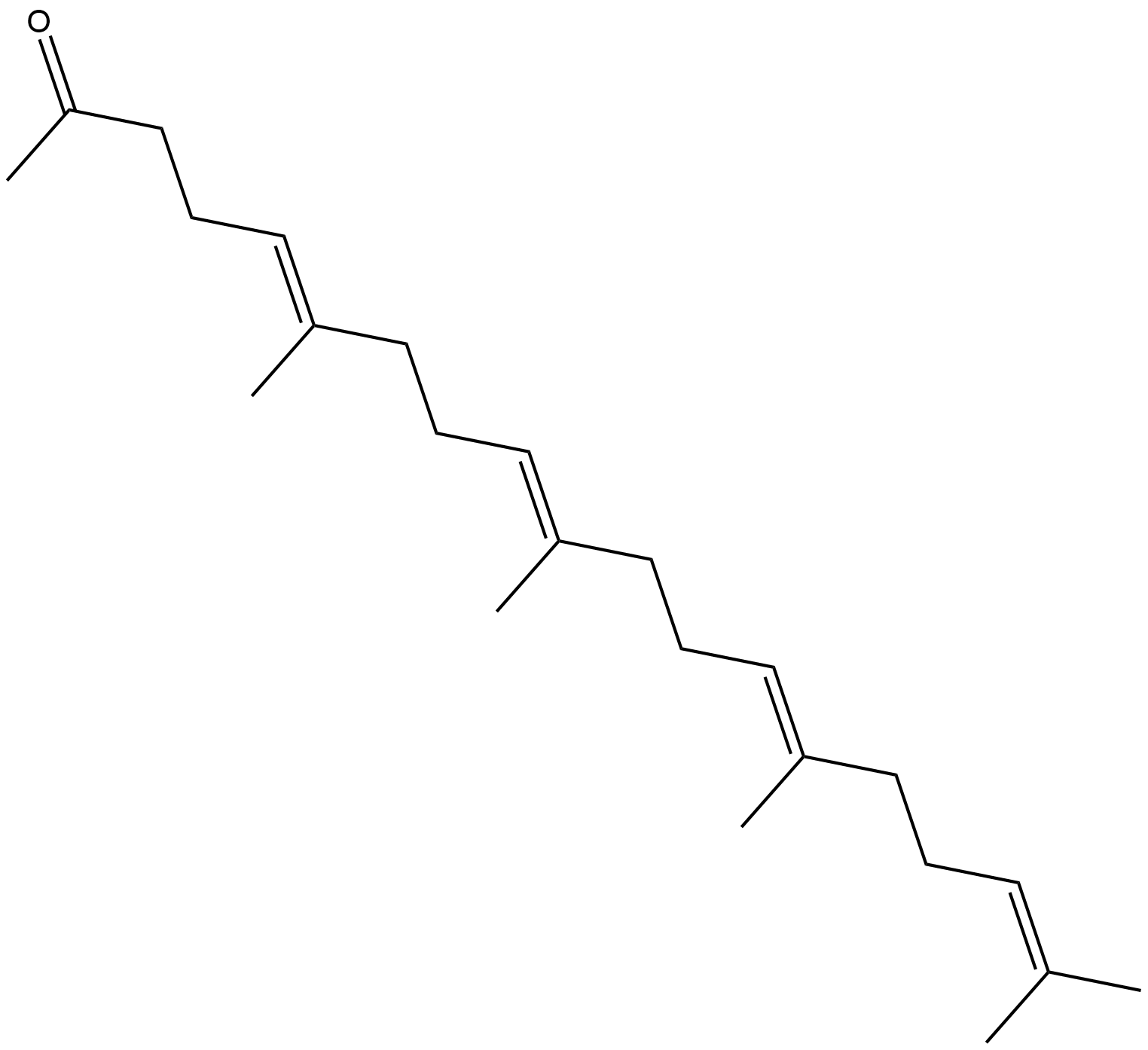 BA4178 TeprenoneSummary: A gastric mucosal protective agent that can induce heat shock protein expression.
 -
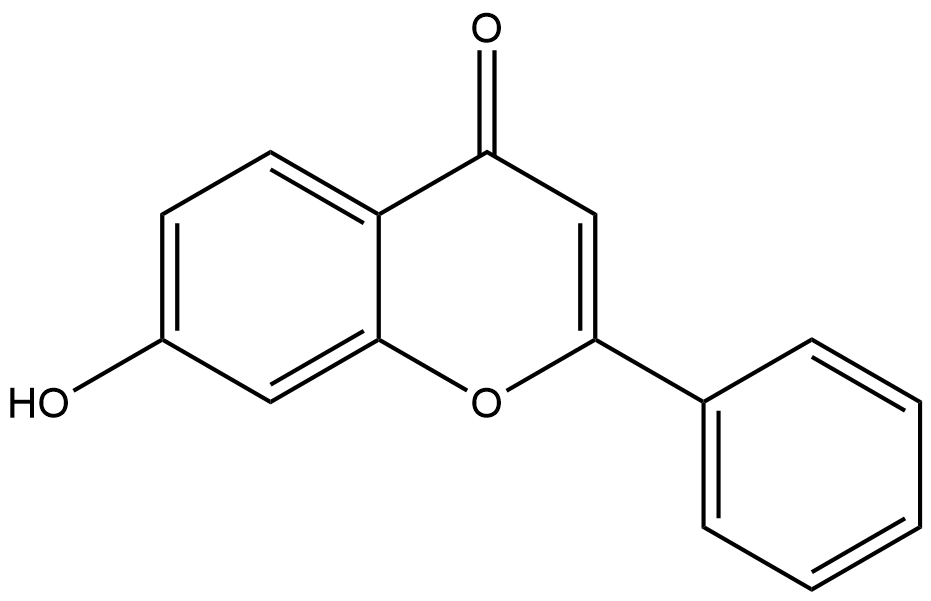 BA6435 7-HydroxyflavoneSummary: 7-Hydroxyflavone is a flavonoid compound.
 -
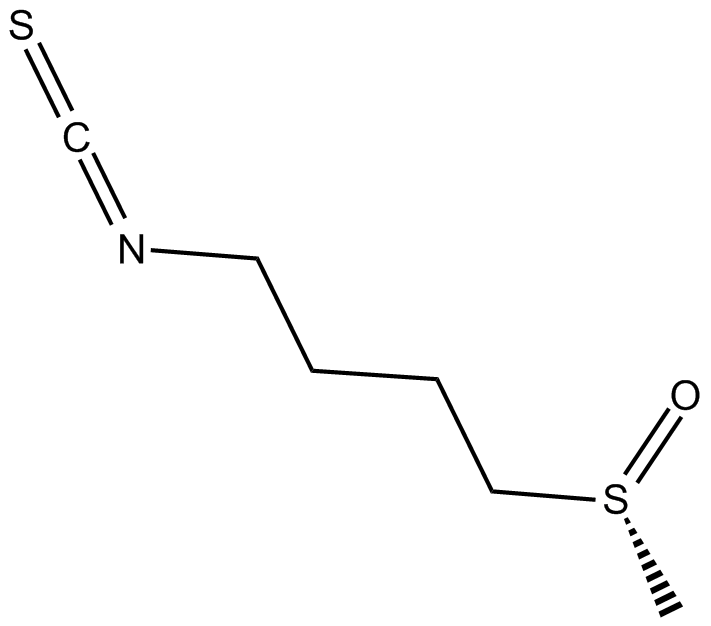 C3028 L-SulforaphaneSummary: Exhibits Nrf2 activation, NF-κB pathway inhibition, and HDAC inhibitory activity.
 -
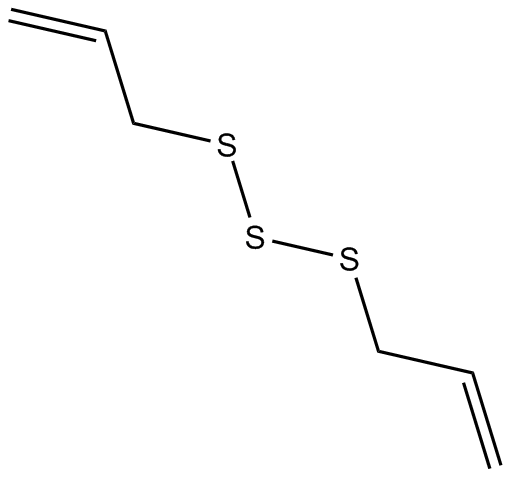 C3079 Diallyl TrisulfideSummary: A natural organosulfur compound with antioxidant, pro-apoptotic, and anti-inflammatory effects.
 -
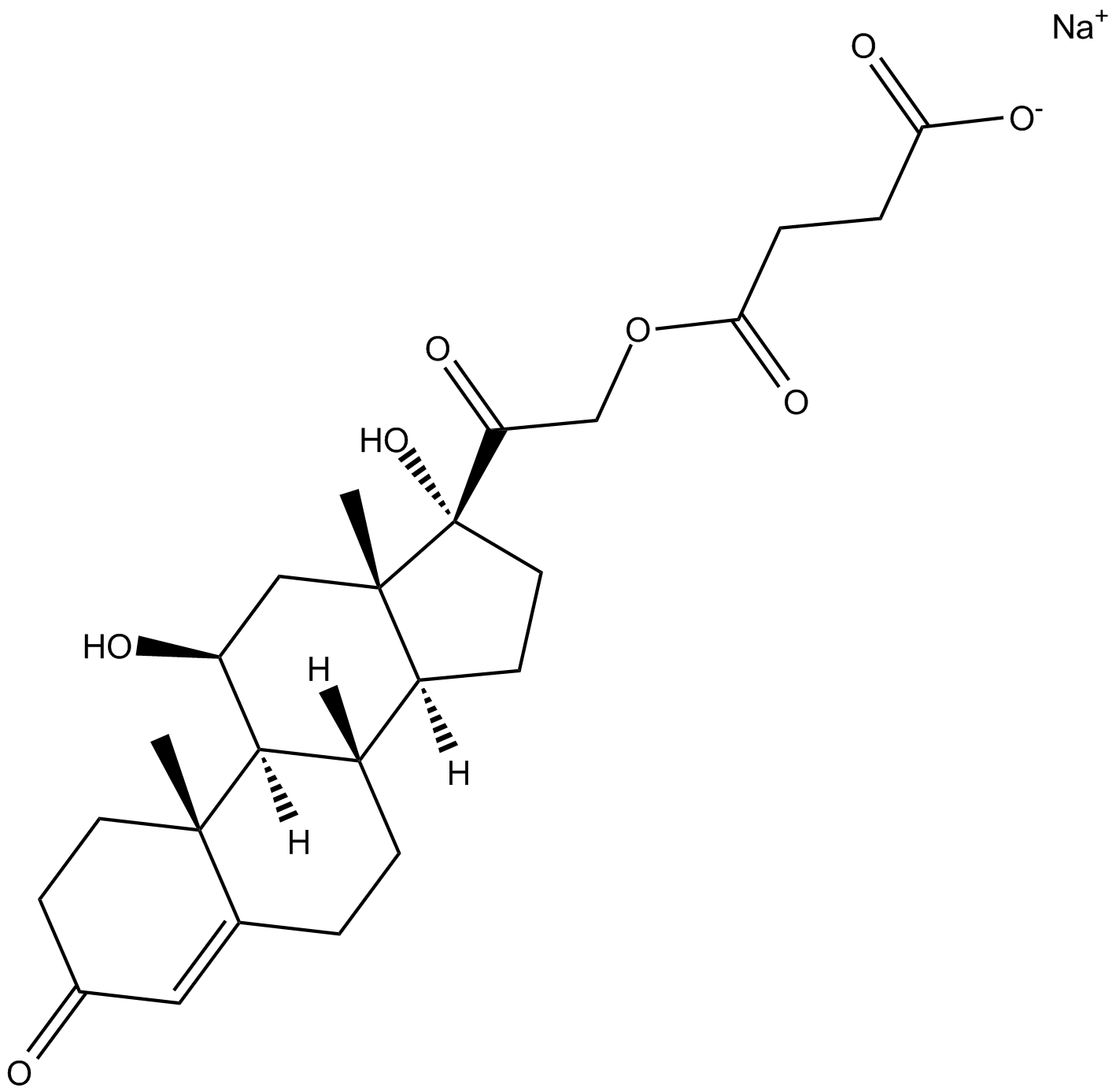 C3154 Hydrocortisone 21-hemisuccinate (sodium salt)Summary: An orally active, GR-mediated anti-inflammatory glucocorticoid derivative.
 -
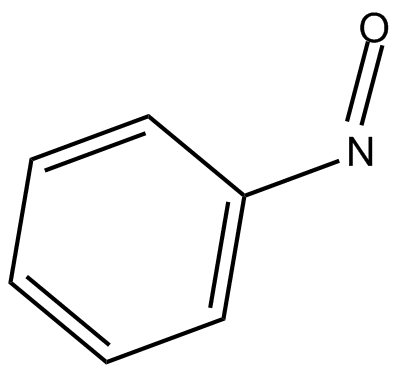 C3178 NitrosobenzeneSummary: A free radical scavenger used to study mechanisms of oxidative stress and inflammatory responses.
 -
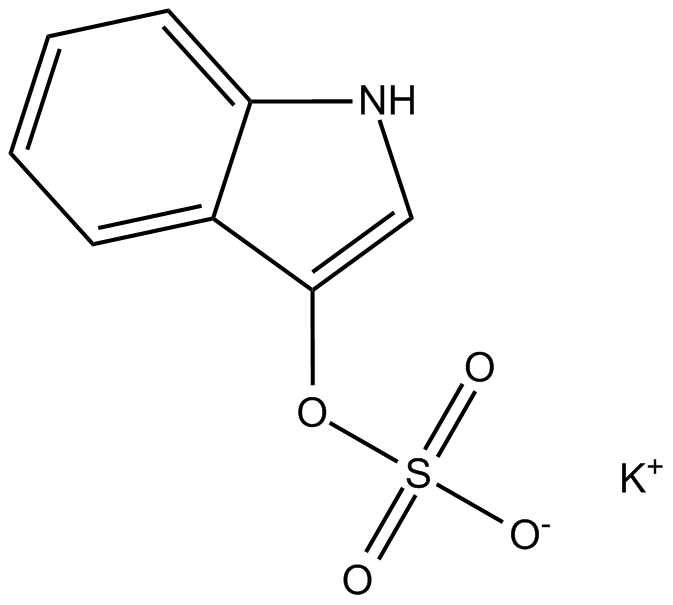 C3199 Indoxyl Sulfate (potassium salt)Summary: A metabolite used to study uremic toxicity in chronic kidney disease and the mechanisms of renal fibrosis.