


Immunology/Inflammation
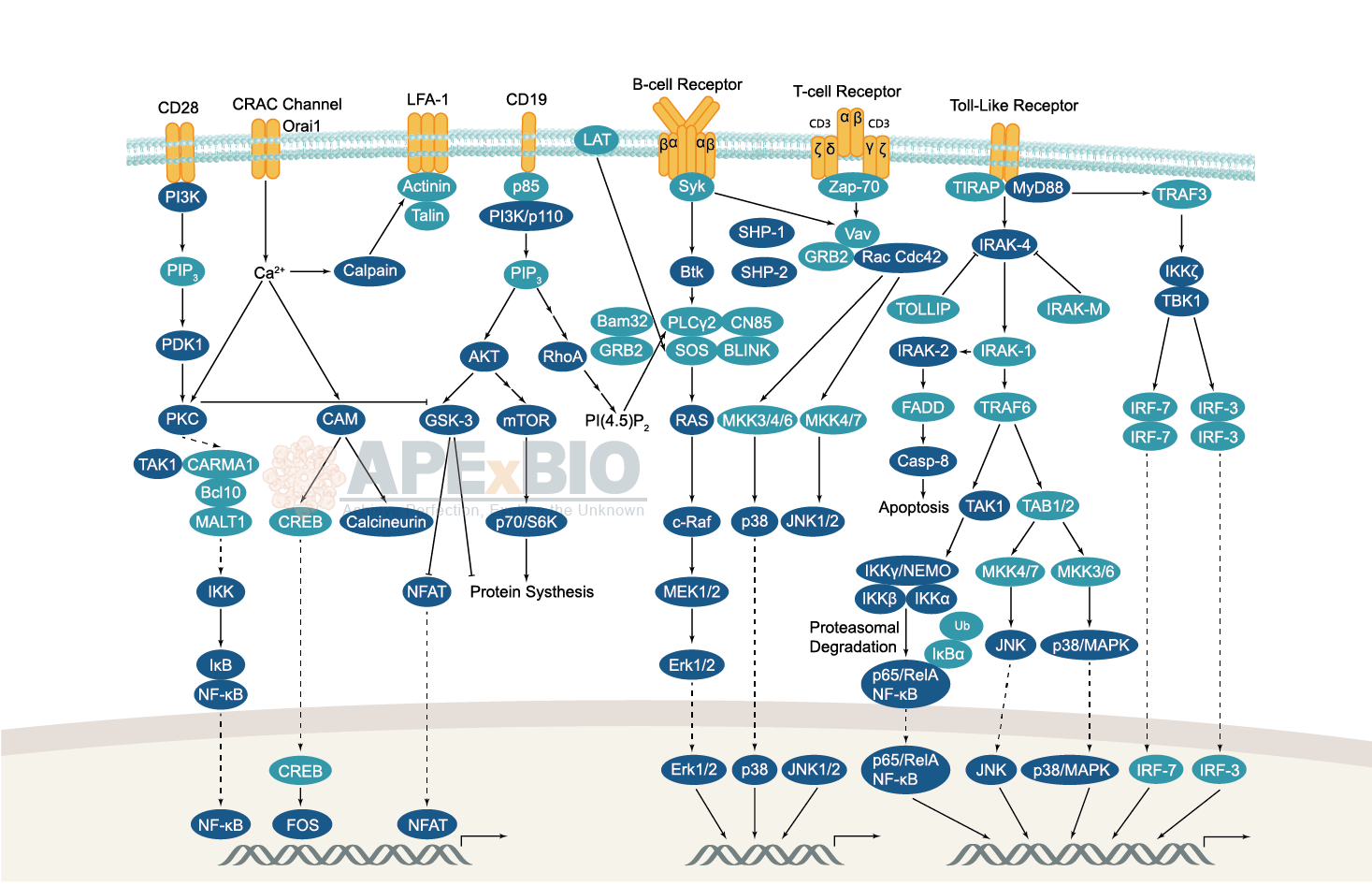
The adaptive immune system consists of B and T lymphocytes which mediate humoral immunity (e.g. antibody response) and cell-mediated immunity, respectively. B cell receptor and T cell receptor signaling is responsible for activation of Src family tyrosine kinases, such as Blk, Fyn, and Lyn in B cells and Fyn and Lck in T cells, resulting phosphorylation of the receptor-associated ITAM motifs. Phosphorylated ITAMs serve as the docking sites for Syk family tyrosine kinases, e.g. Syk in B cells and Zap-70 in T cells. Activated Syk kinases then propagate the signals via phosphorylation of downstream proteins. Furthermore, lymphocyte receptor signaling facilitates B and T cell development, differentiation, proliferation and survival.
-
 BA2732 IsoginkgetinSummary: Isoginkgetin is an inhibitor.
 -
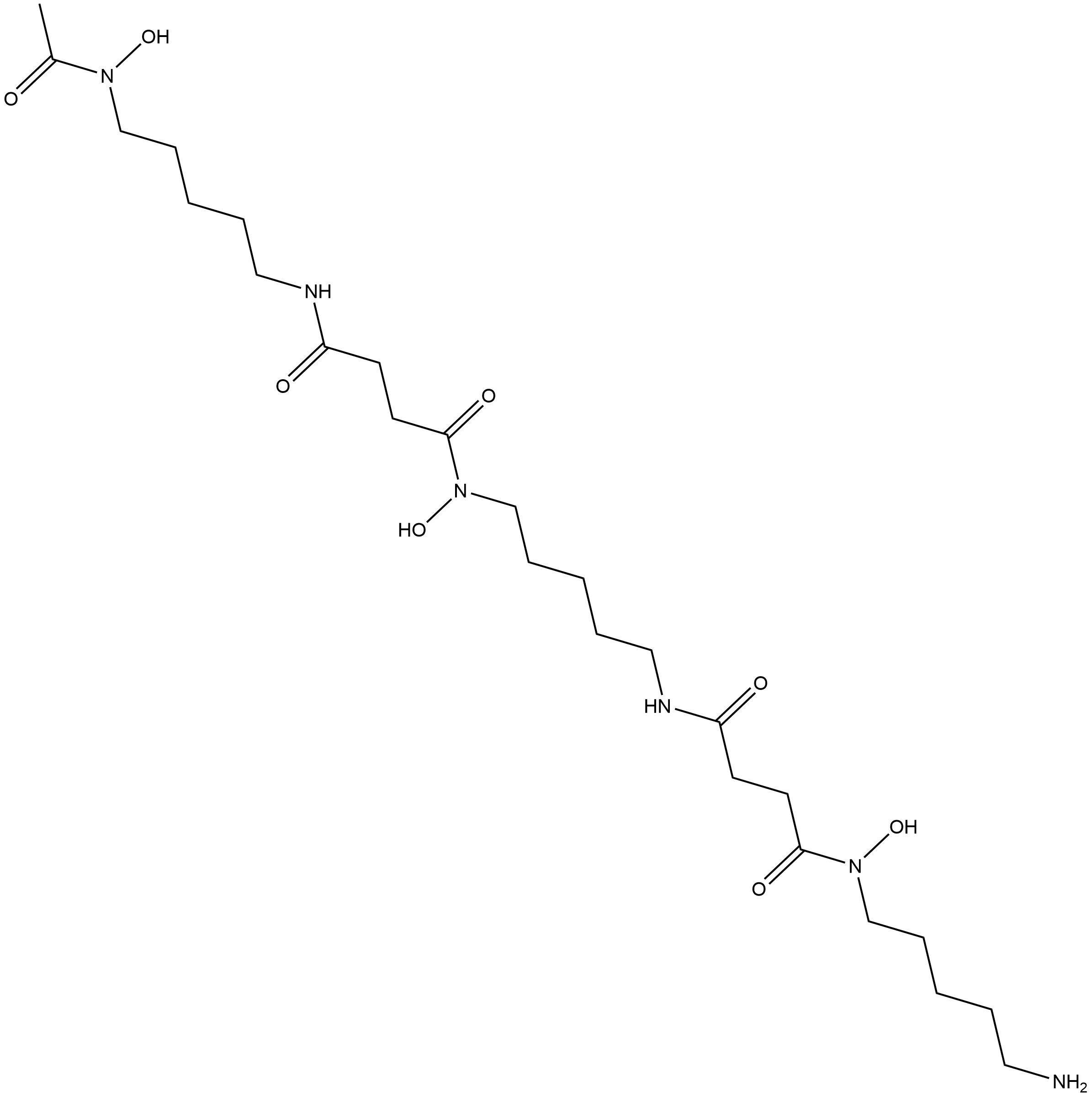 BA2746 Deferoxamine6 CitationSummary: Deferoxamine (DeferoxamineB) is an iron chelator (binding Fe(III) and many other metal cations) that is widely used to reduce iron accumulation and deposition in tissues.
 -
BA2762 GinkgetinSummary: Ginkgetin is a biflavonoid isolated from Ginkgo biloba.
-
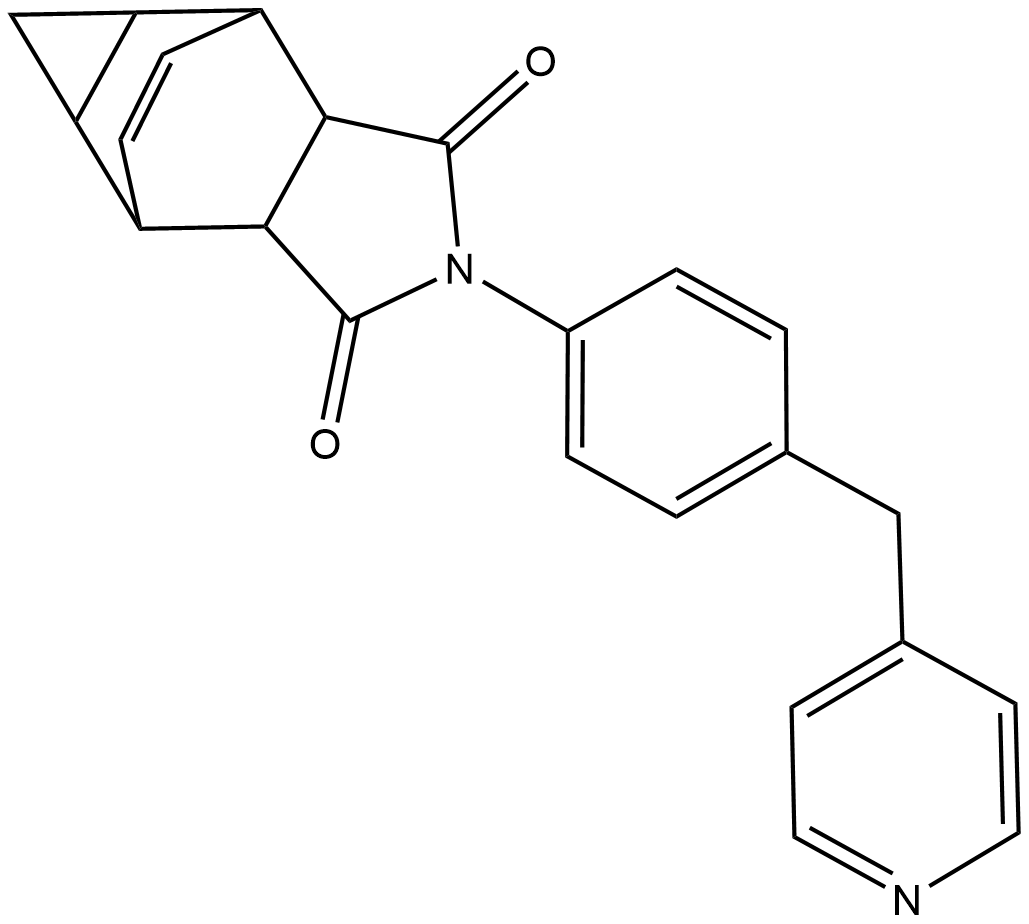 BA2771 DCZ0415Summary: DCZ0415 is a potent inhibitor that impairs non-homologous end-joining repair and inhibits activity.
 -
BA2788 LysophosphatidylcholinesSummary: Lysophosphatidylcholines are orally active lysophosphatidylcholines and a component of oxidized low-density lipoprotein (LDL).
-
BA2805 DecursinSummary: Decursin ((+)-Decursin) is a potent antitumor agent.
-
BA2830 BufotalinSummary: Bufotalin is a steroidal lactone isolated from VenenumBufonis with potent antitumor activity.
-
BA2836 RobininSummary: Robinin, a flavonoid that can be extracted from purple-red cowpea leaves, inhibits the TGF-β, TLR4/NF-κB, and TLR2-PI3k-AKT signaling pathways and exerts anti-inflammatory and antitumor effects.
-
BA2841 L67Summary: L67 (DNALigaseInhibitor) is a competitive DNA ligase inhibitor that potently inhibits DNA ligases I and III (both 10 μM).
-
BA2844 TMI-1Summary: TMI-1 is a potent inhibitor of deintegrin metallase 17 and other matrix metalloproteinase MMPs.