


Immunology/Inflammation
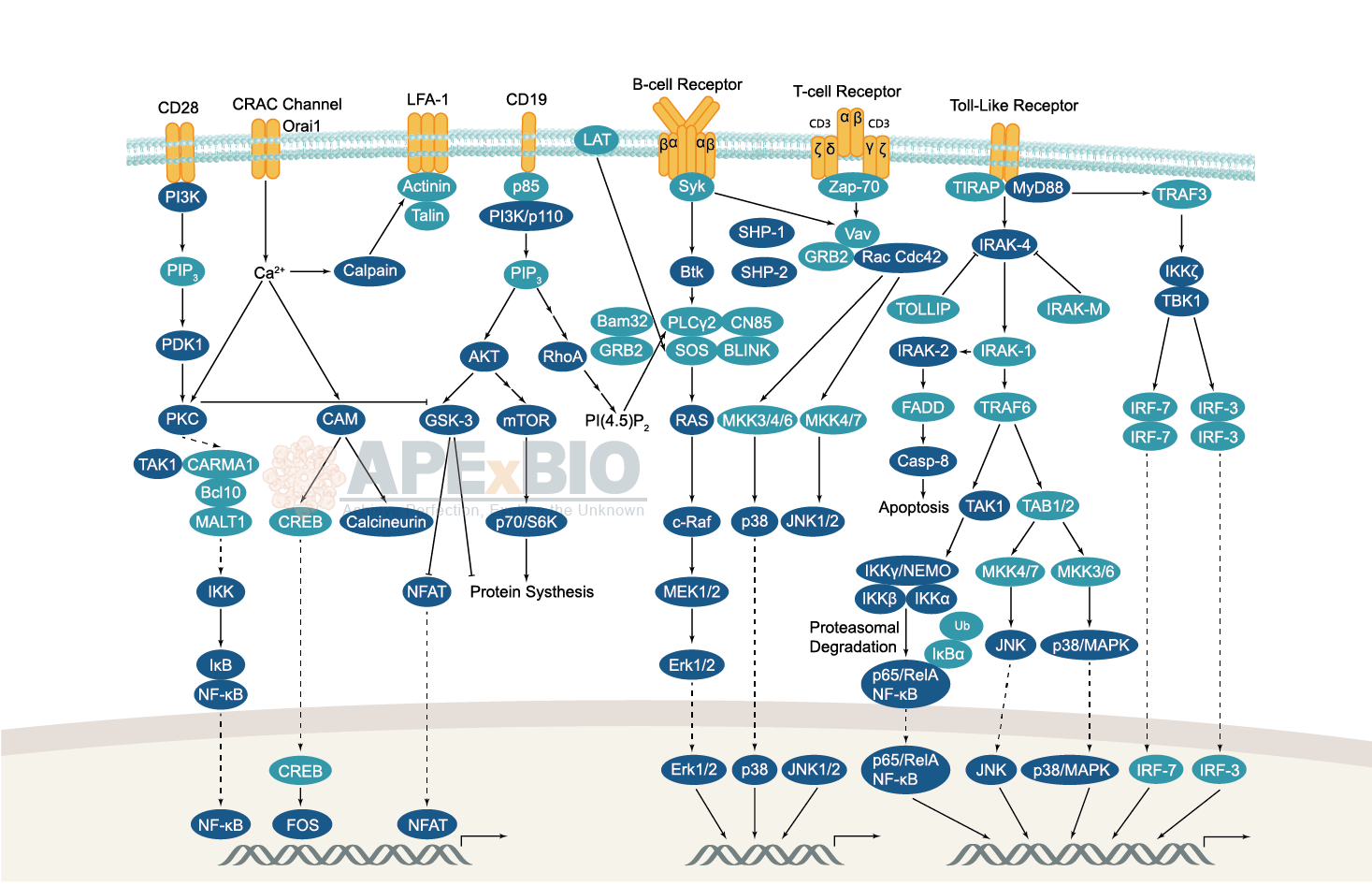
The adaptive immune system consists of B and T lymphocytes which mediate humoral immunity (e.g. antibody response) and cell-mediated immunity, respectively. B cell receptor and T cell receptor signaling is responsible for activation of Src family tyrosine kinases, such as Blk, Fyn, and Lyn in B cells and Fyn and Lck in T cells, resulting phosphorylation of the receptor-associated ITAM motifs. Phosphorylated ITAMs serve as the docking sites for Syk family tyrosine kinases, e.g. Syk in B cells and Zap-70 in T cells. Activated Syk kinases then propagate the signals via phosphorylation of downstream proteins. Furthermore, lymphocyte receptor signaling facilitates B and T cell development, differentiation, proliferation and survival.
-
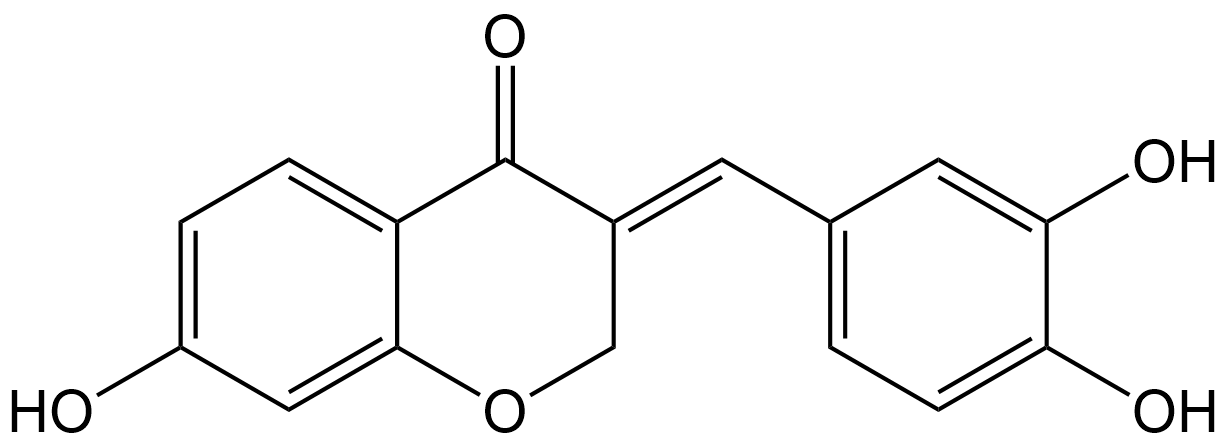 N2869 Sappanone ASummary: A homoisoflavonoid with diverse biological activities
 -
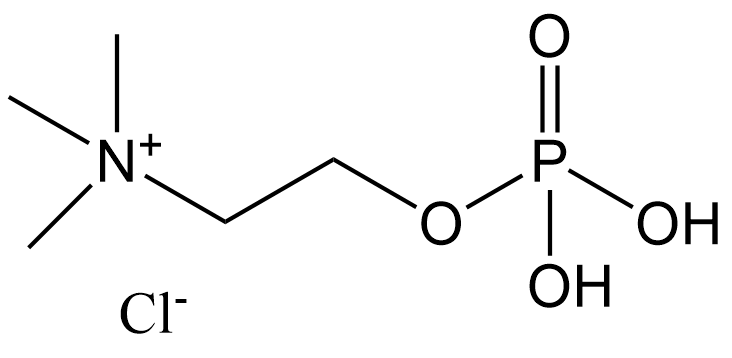 C8680 Phosphorylcholine chlorideSummary: A small molecule containing a phosphocholine group, which is widely present in the phospholipids of biological membranes.
 -
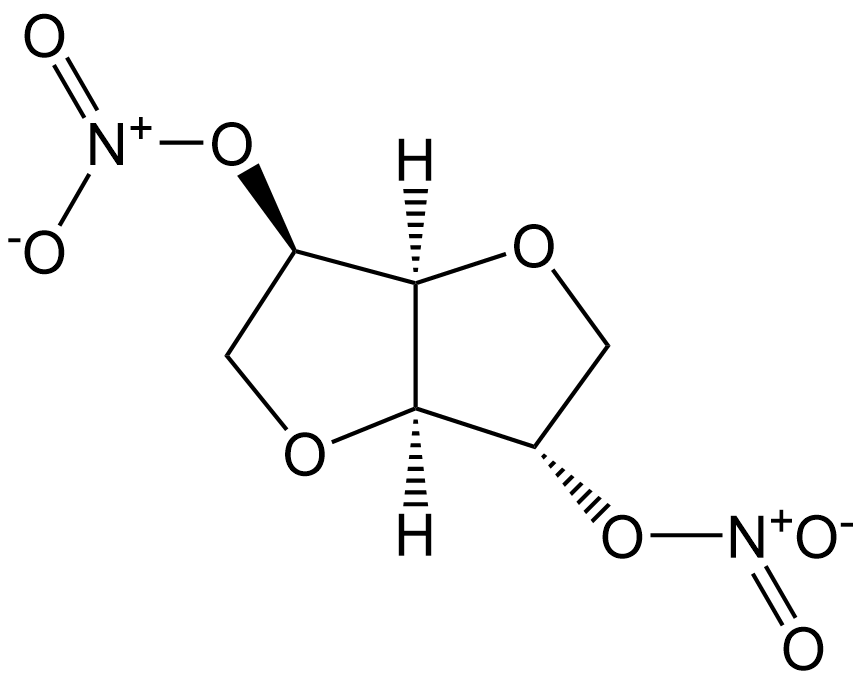 B8664 Isosorbide DinitrateSummary: A nitric oxide donor
 -
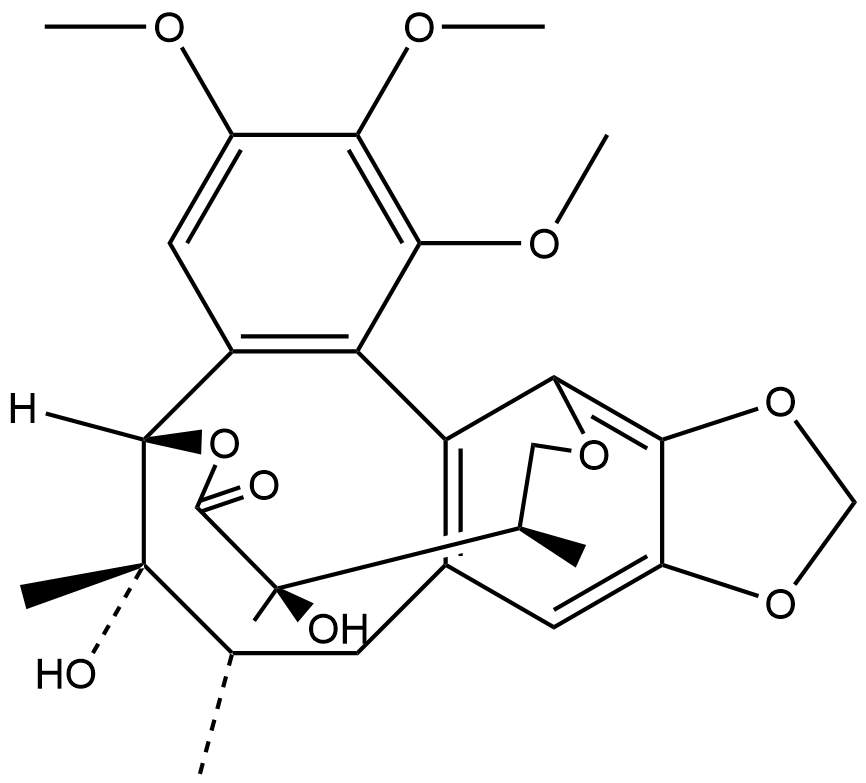 N2870 Gomisin DSummary: A lignan with diverse biological activities
 -
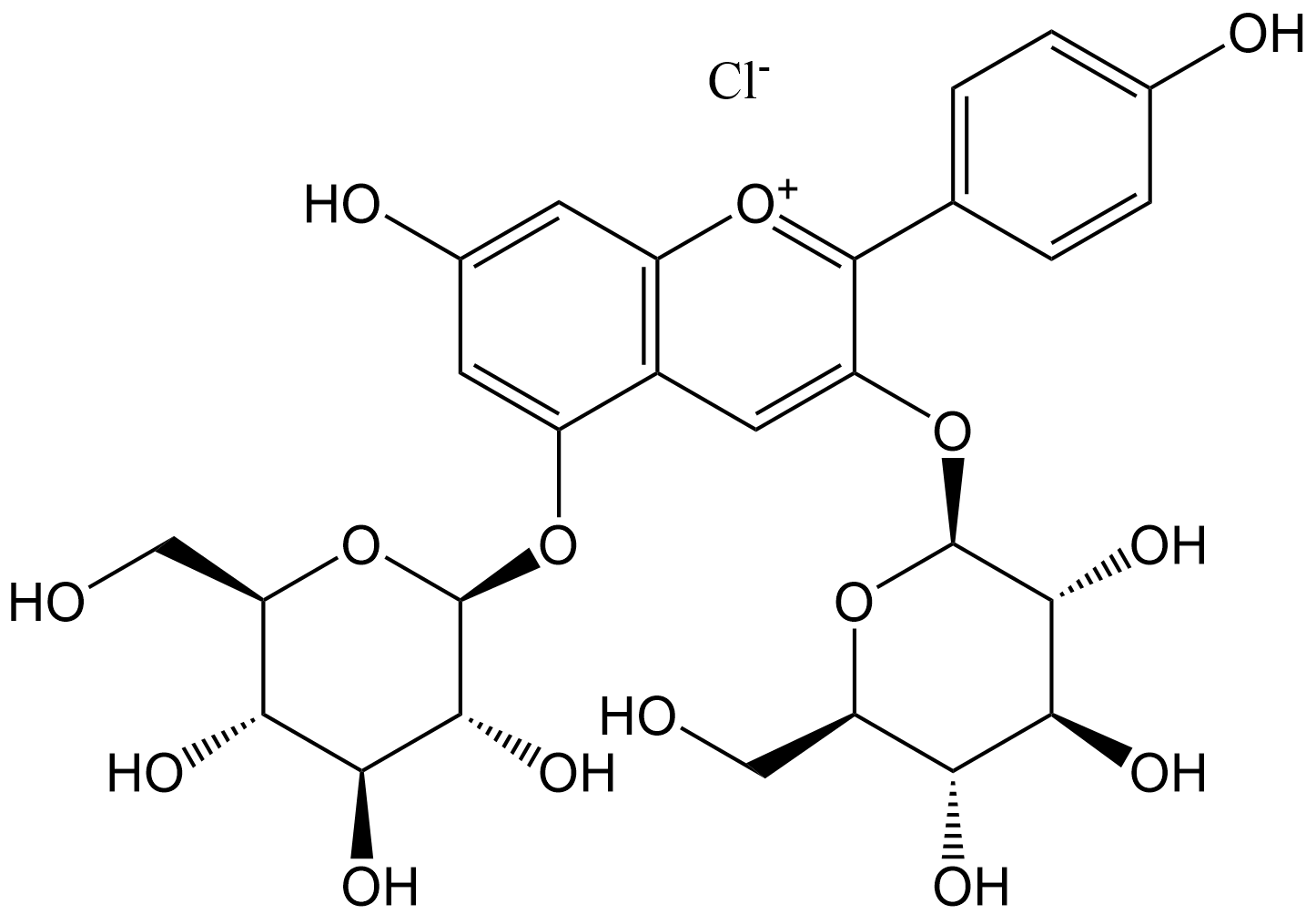 N2872 Pelargonidin-3,5-O-diglucoside chlorideSummary: A natural pigment
 -
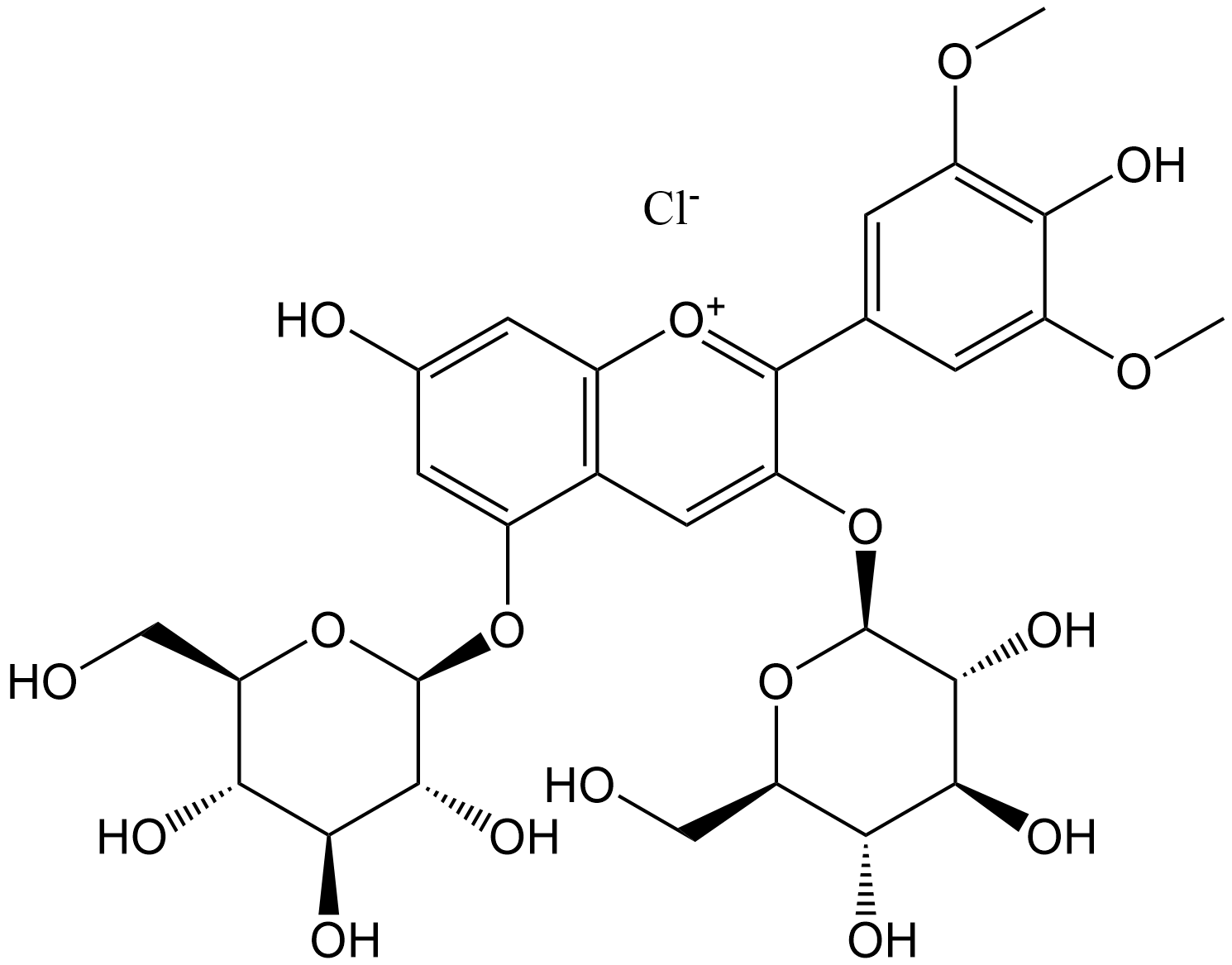 N2873 Malvidin-3,5-O-diglucoside chlorideSummary: A natural anthocyanin
 -
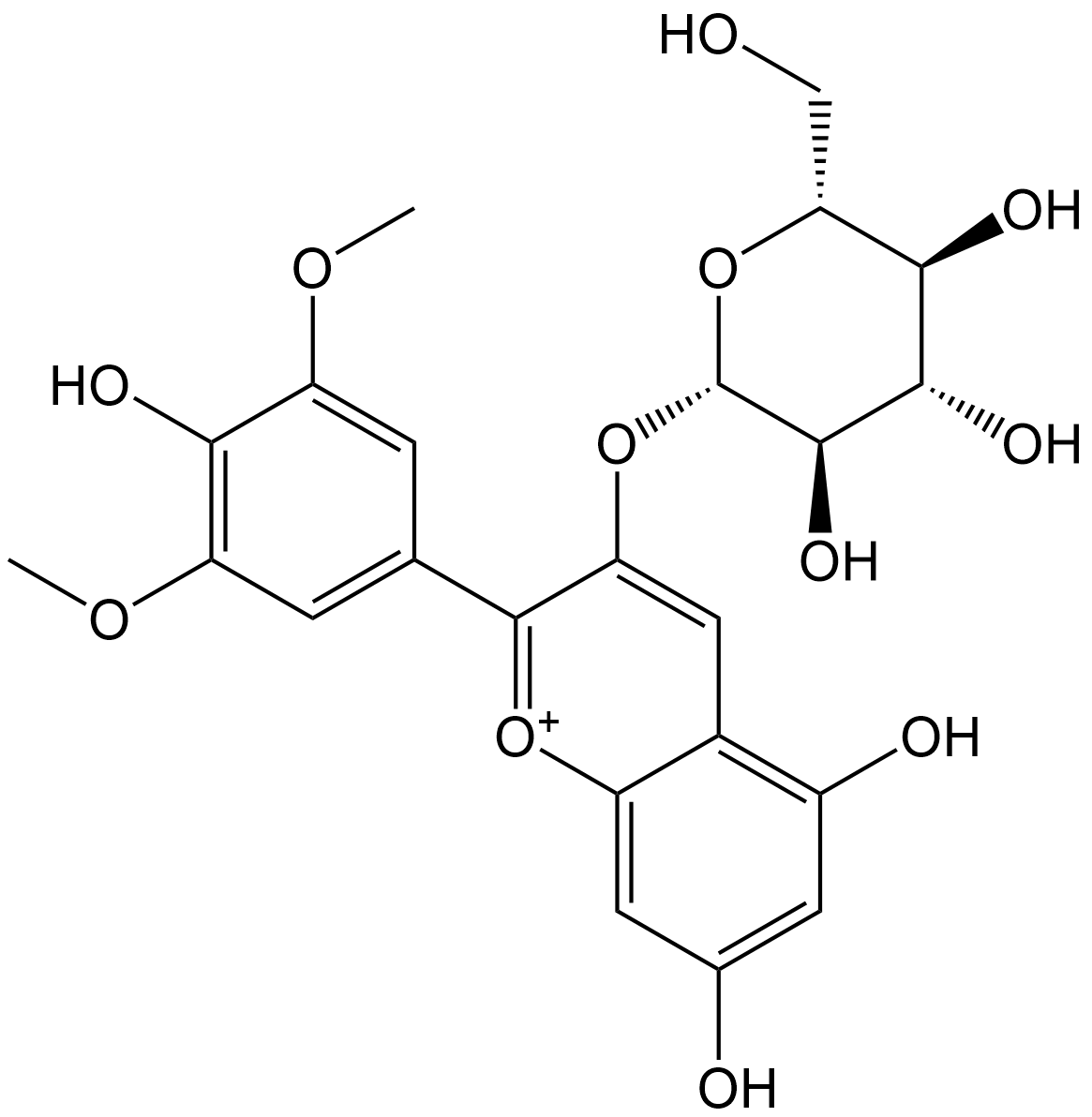 N2874 Malvidin 3-O-beta-D-glucopyranosideSummary: A natural anthocyanin
 -
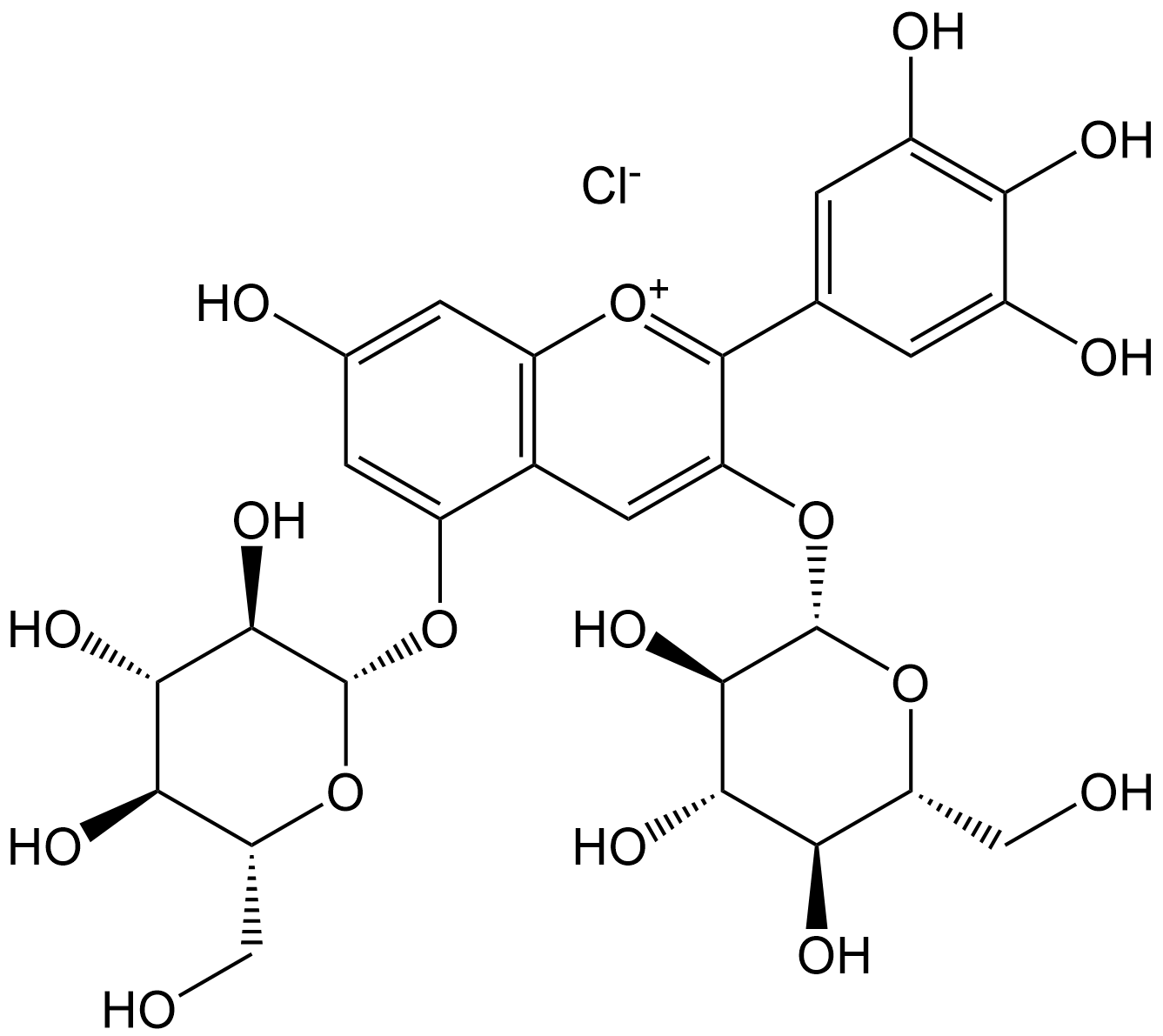 N2875 Delphinidin 3,5-diglucosideSummary: A natural anthocyanin
 -
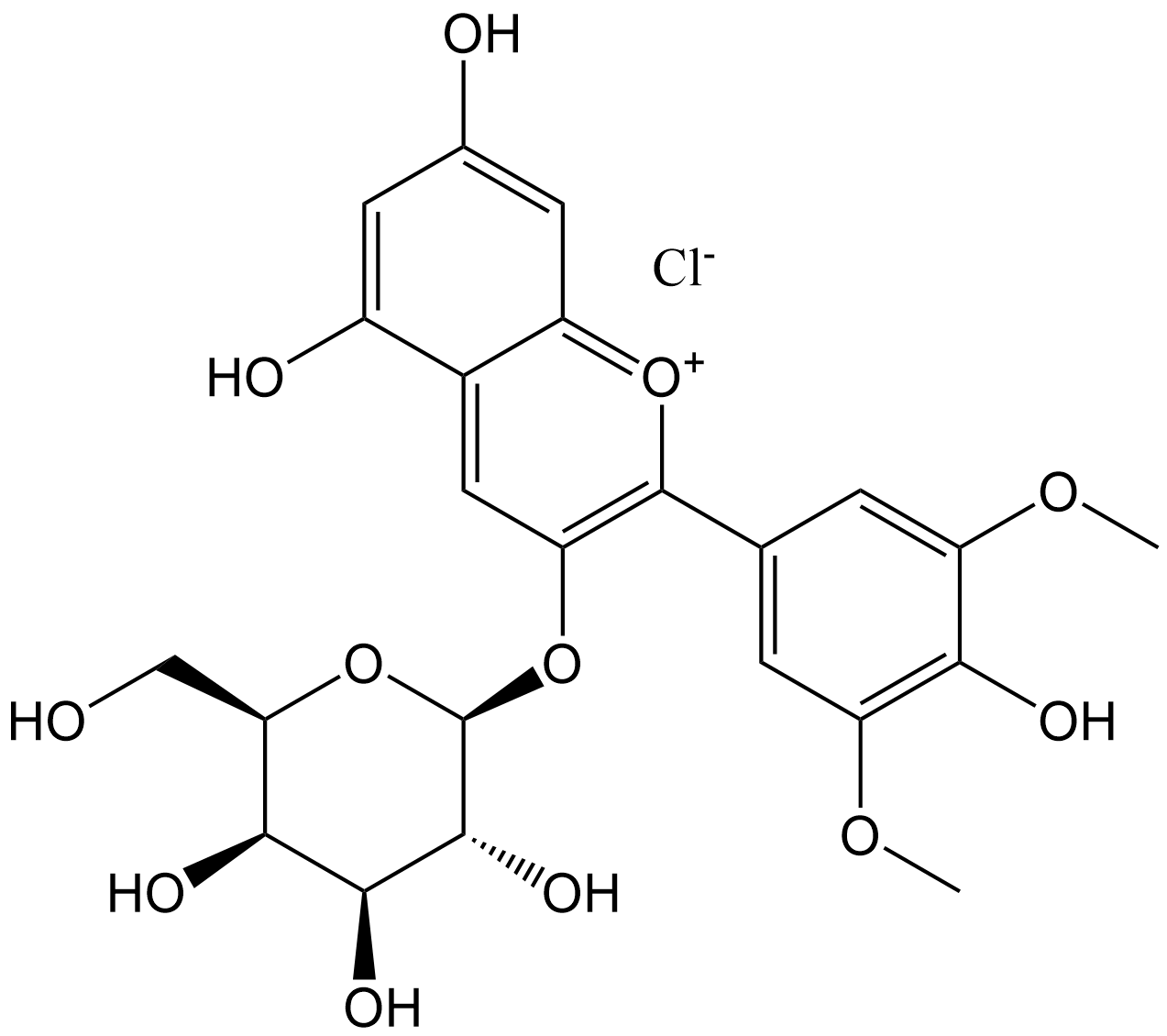 N2876 Malvidin 3-galactoside chlorideSummary: A natural anthocyanin
 -
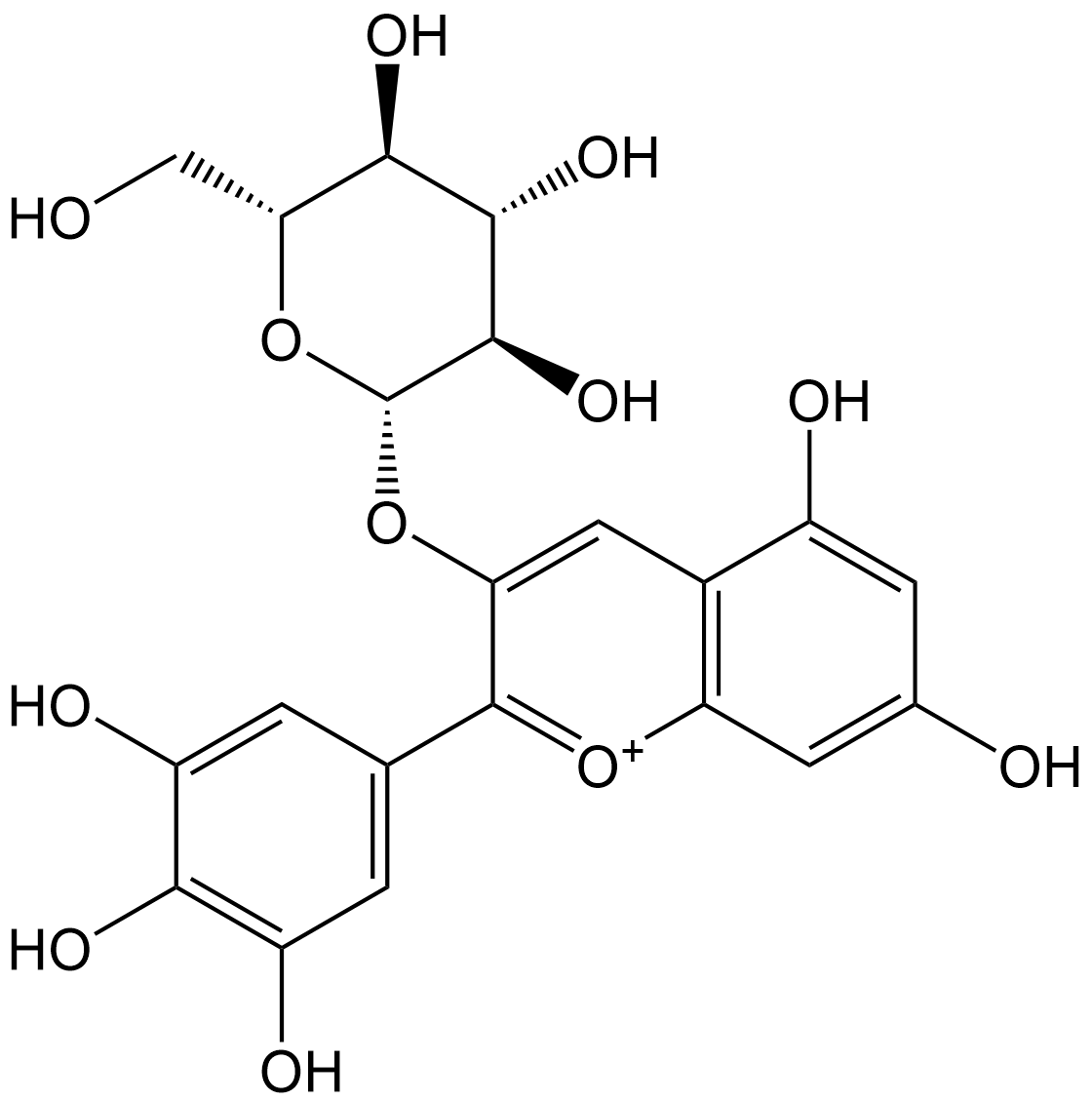 N2877 Delphinidin-3-B-D-glucosideSummary: A natural anthocyanin