


Immunology/Inflammation
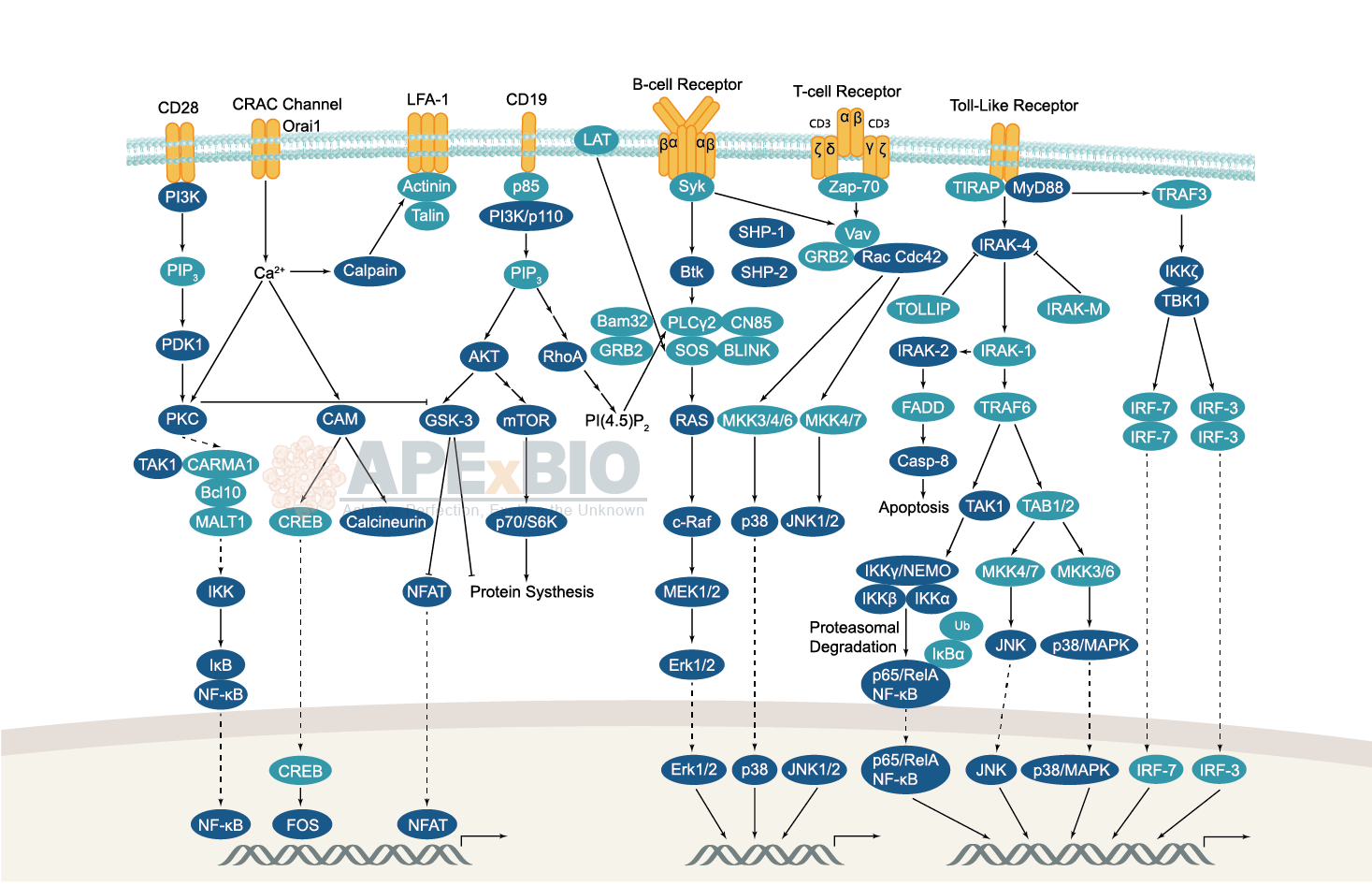
The adaptive immune system consists of B and T lymphocytes which mediate humoral immunity (e.g. antibody response) and cell-mediated immunity, respectively. B cell receptor and T cell receptor signaling is responsible for activation of Src family tyrosine kinases, such as Blk, Fyn, and Lyn in B cells and Fyn and Lck in T cells, resulting phosphorylation of the receptor-associated ITAM motifs. Phosphorylated ITAMs serve as the docking sites for Syk family tyrosine kinases, e.g. Syk in B cells and Zap-70 in T cells. Activated Syk kinases then propagate the signals via phosphorylation of downstream proteins. Furthermore, lymphocyte receptor signaling facilitates B and T cell development, differentiation, proliferation and survival.
-
 B1046 HPGDS inhibitor 1Summary: HPGDS inhibitor
 -
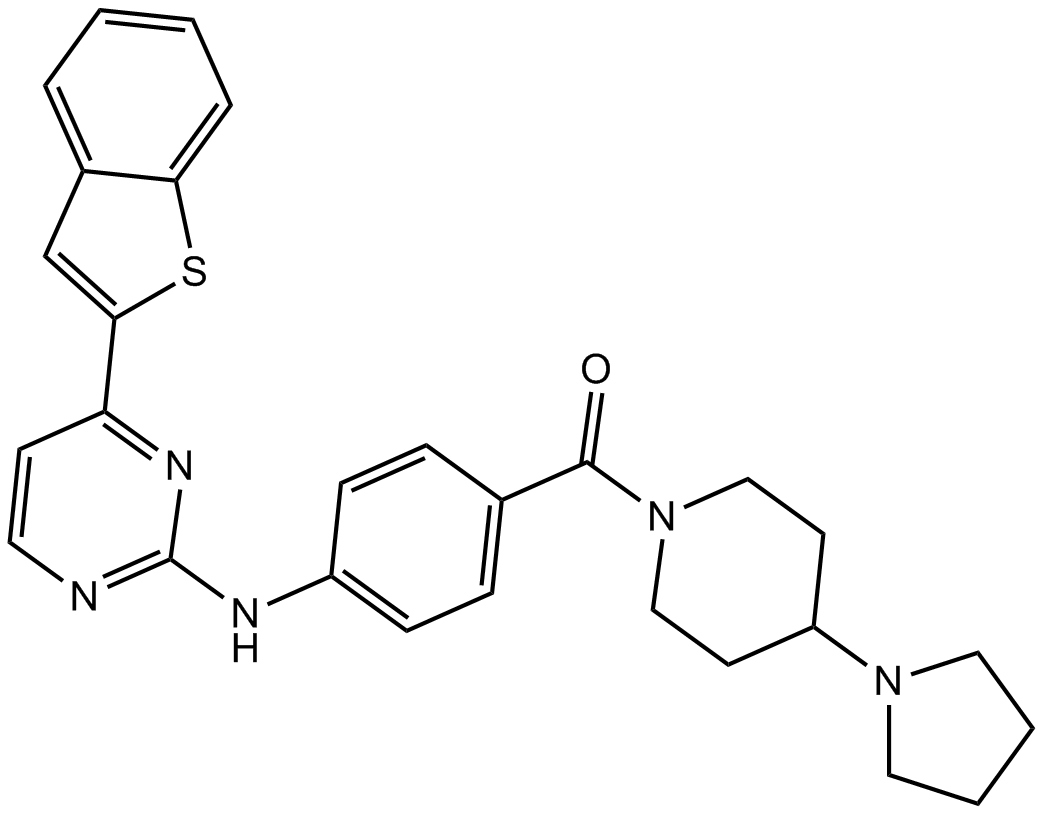 B1586 IKK-16 (IKK Inhibitor VII)1 CitationSummary: Selective IκB kinase inhibitor
 -
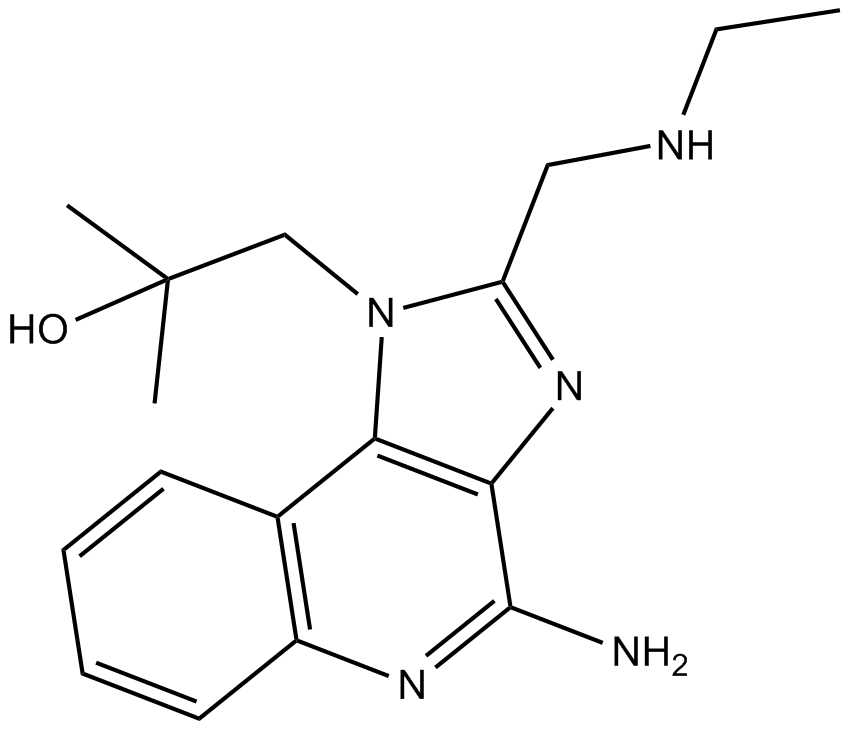 C5785 GardiquimodSummary: agonist of human toll-like receptor 7 (TLR7)
 -
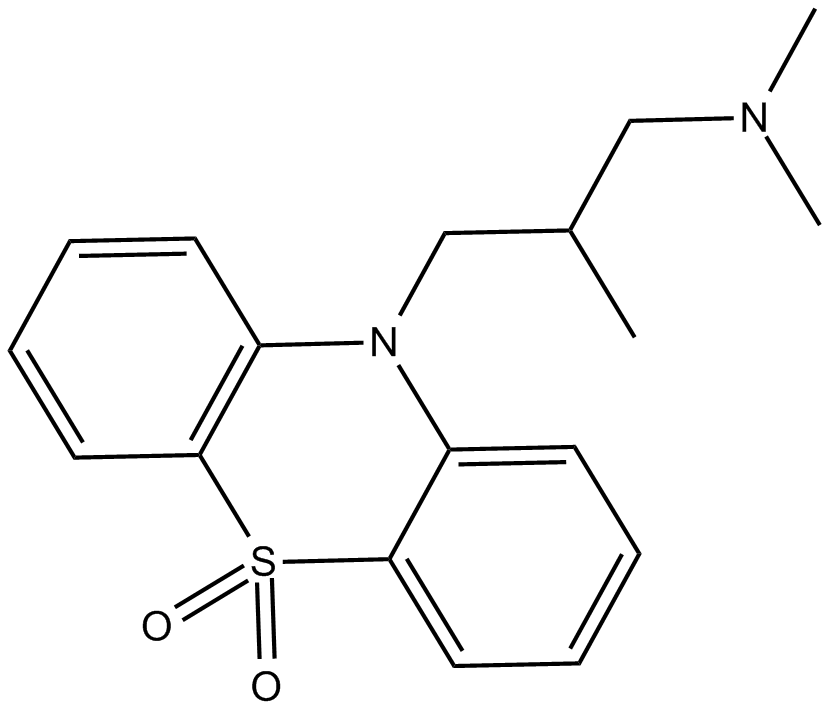 B7929 OxomemazineSummary: Antihistamine and anticholinergic
 -
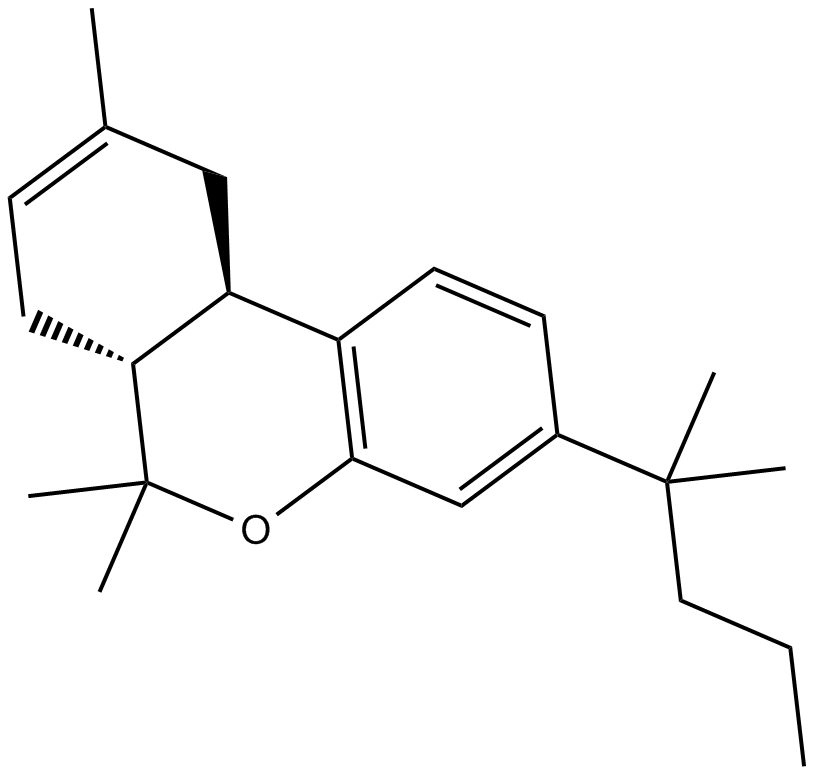 B7941 JWH 1332 Citation
 -
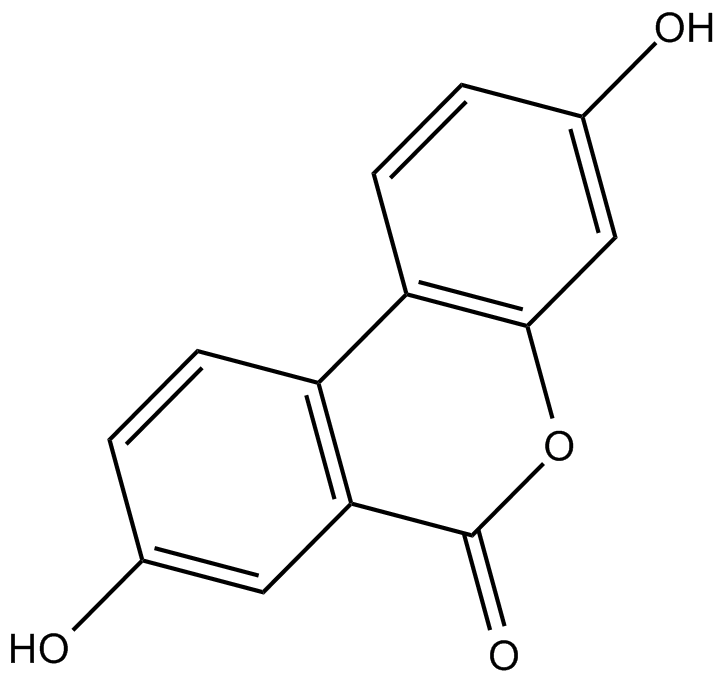 B7945 Urolithin A
 -
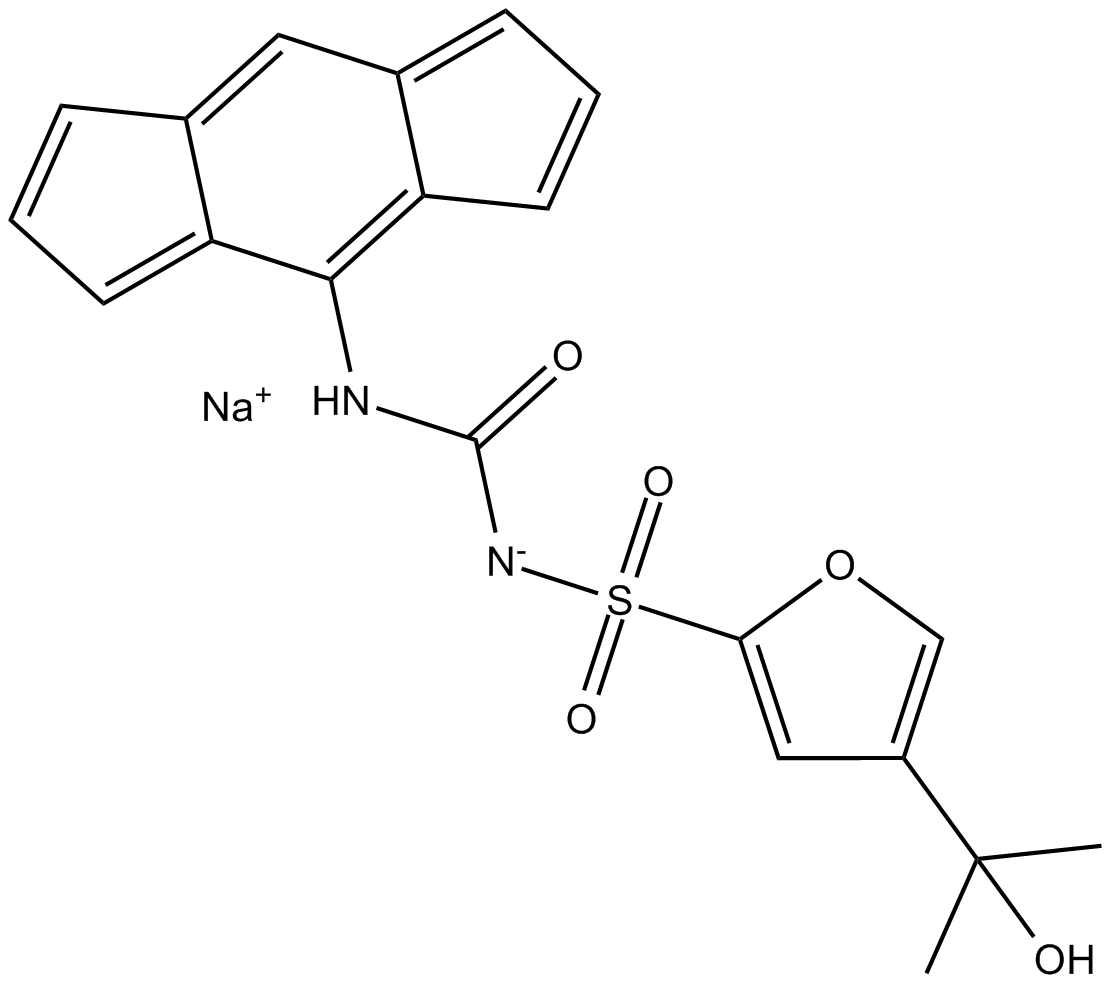 B7946 MCC950 sodium9 CitationSummary: Potent NLRP3 inflammasome inhibitor
 -
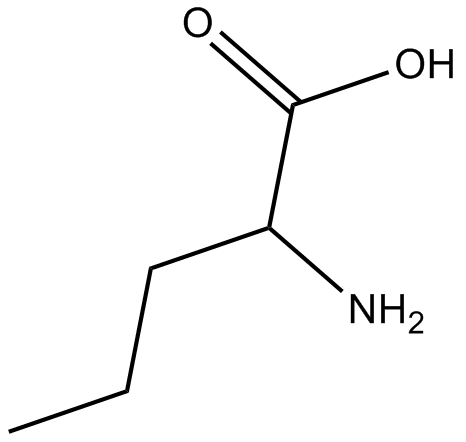 A7656 H-DL-Nva-OH
 -
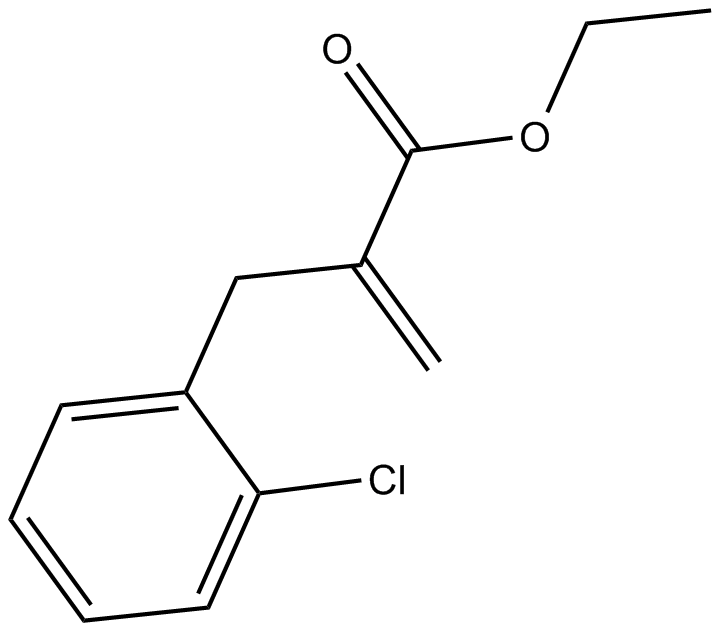 B8216 INF39Summary: A nontoxic, irreversible NLRP3 inhibitor
 -
 B8222 NivolumabSummary: PD-1/PD-L1 inhibitor