


Immunology/Inflammation
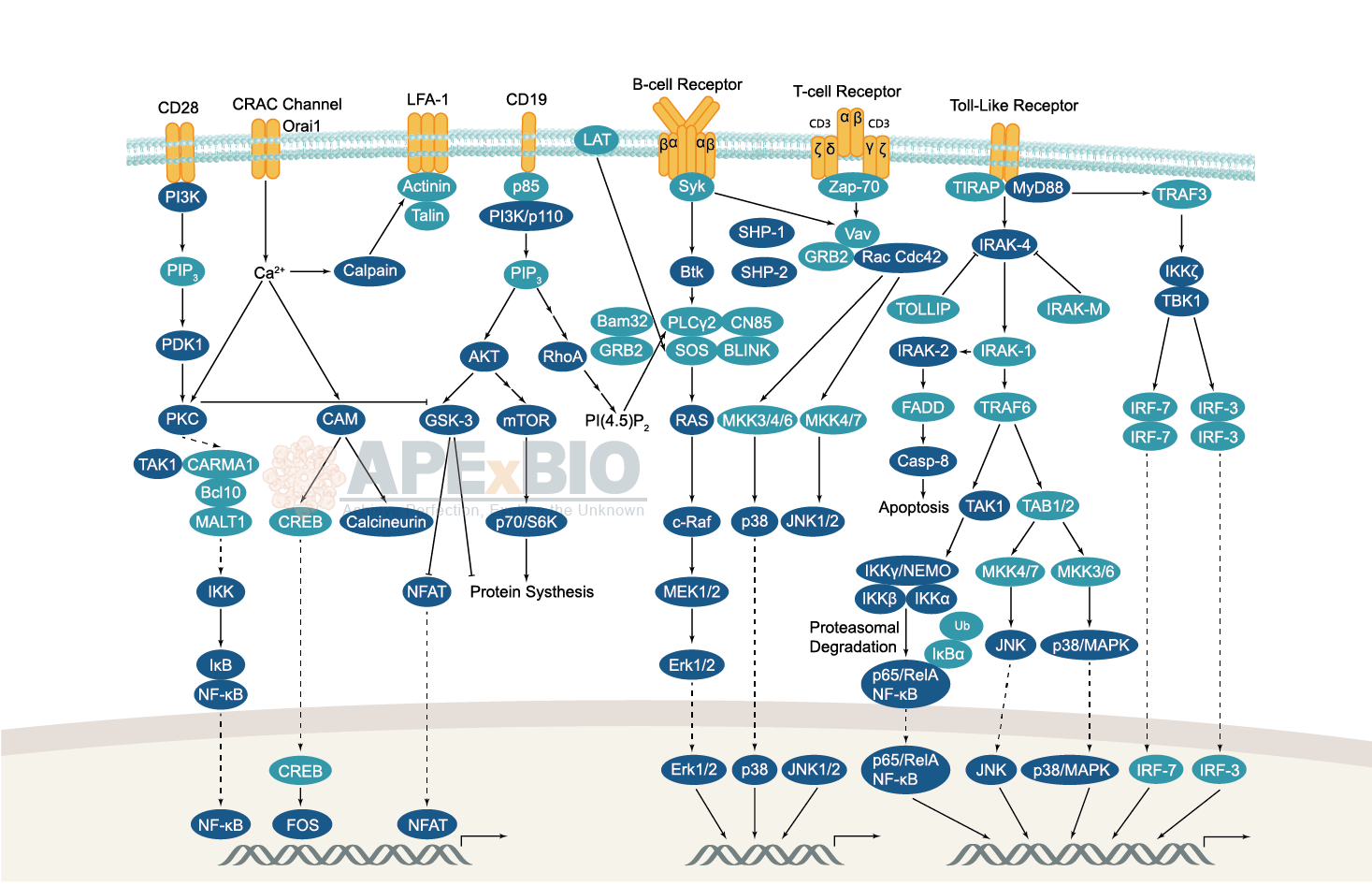
The adaptive immune system consists of B and T lymphocytes which mediate humoral immunity (e.g. antibody response) and cell-mediated immunity, respectively. B cell receptor and T cell receptor signaling is responsible for activation of Src family tyrosine kinases, such as Blk, Fyn, and Lyn in B cells and Fyn and Lck in T cells, resulting phosphorylation of the receptor-associated ITAM motifs. Phosphorylated ITAMs serve as the docking sites for Syk family tyrosine kinases, e.g. Syk in B cells and Zap-70 in T cells. Activated Syk kinases then propagate the signals via phosphorylation of downstream proteins. Furthermore, lymphocyte receptor signaling facilitates B and T cell development, differentiation, proliferation and survival.
-
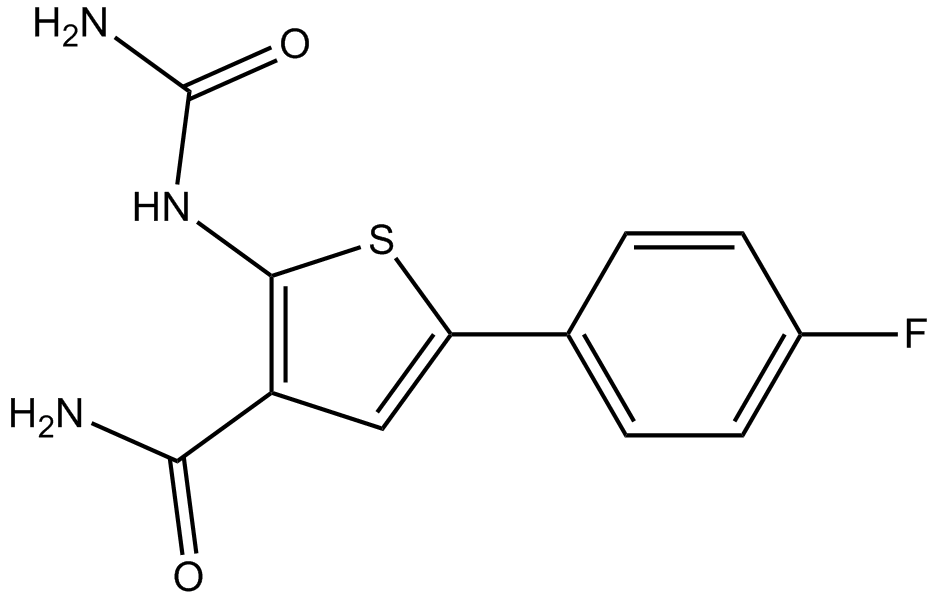 A4602 TPCA-17 CitationSummary: IKK-2 inhibitor,potent and selective
 -
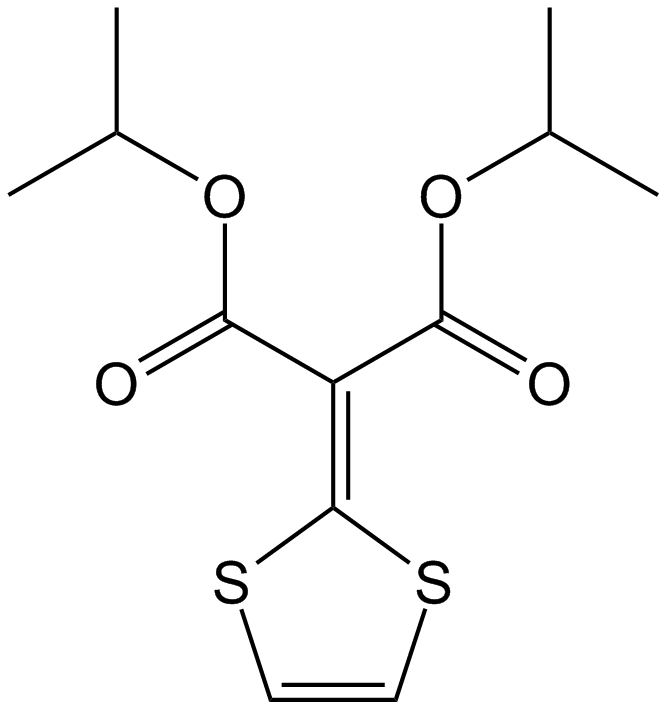 A2486 MalotilateSummary: Stimulates hepatocyte regeneration
 -
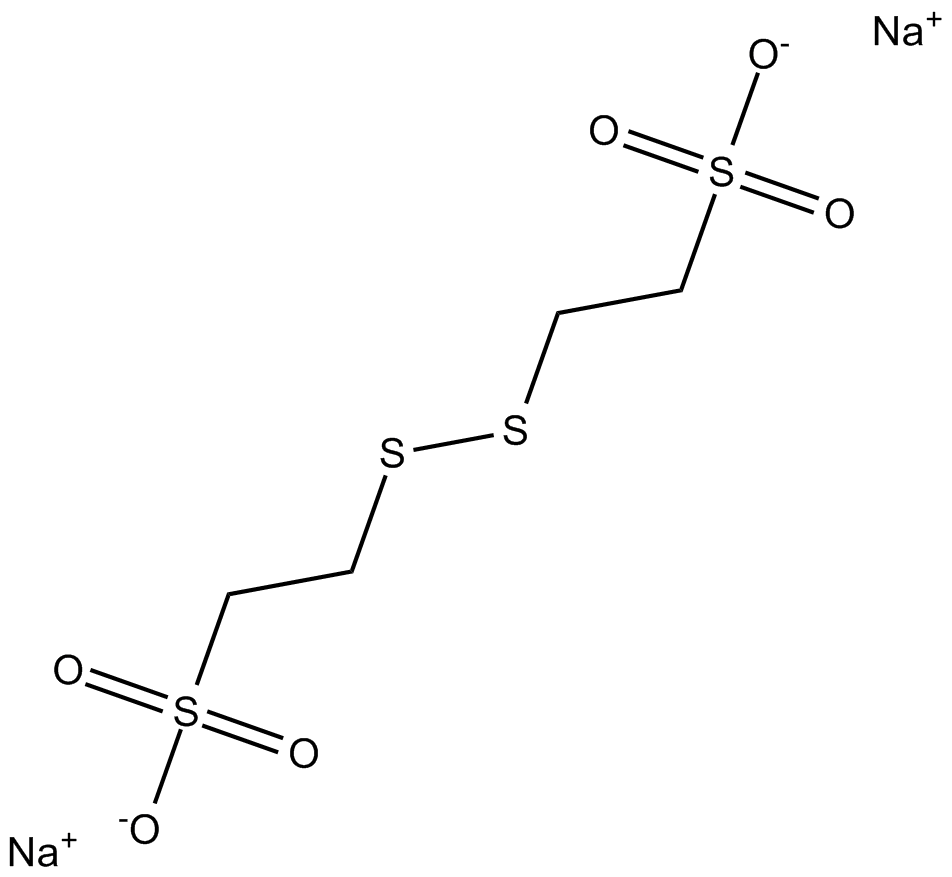 A1652 DimesnaSummary: Uroprotective agent
 -
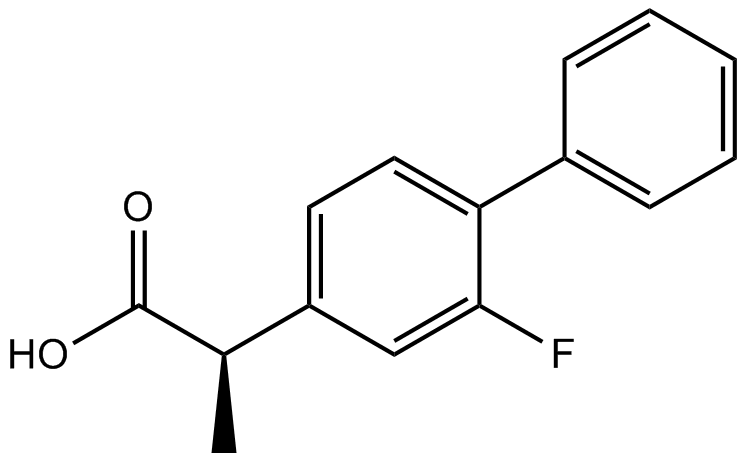 A8434 FlurbiprofenSummary: Cyclooxygenase inhibitors
 -
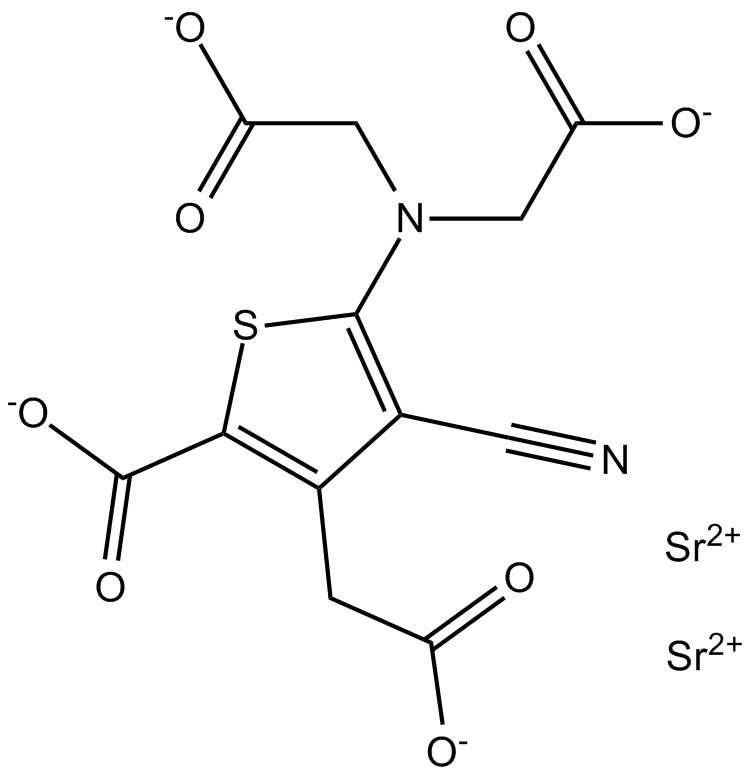 A8526 Strontium RanelateSummary: Calcium Channel activator
 -
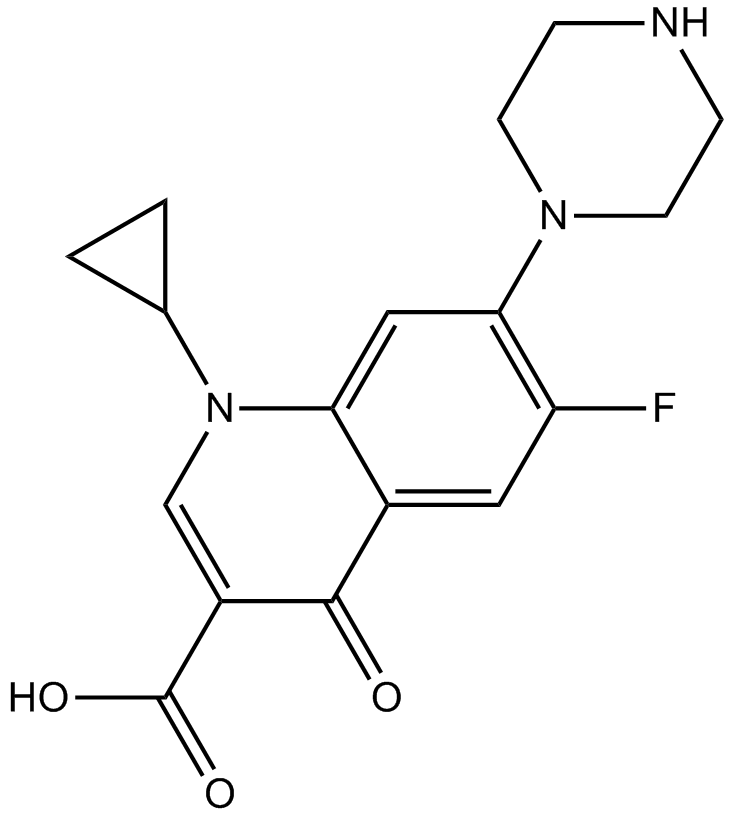 A8399 Ciprofloxacin2 CitationSummary: Topoisomerase inhibitor
 -
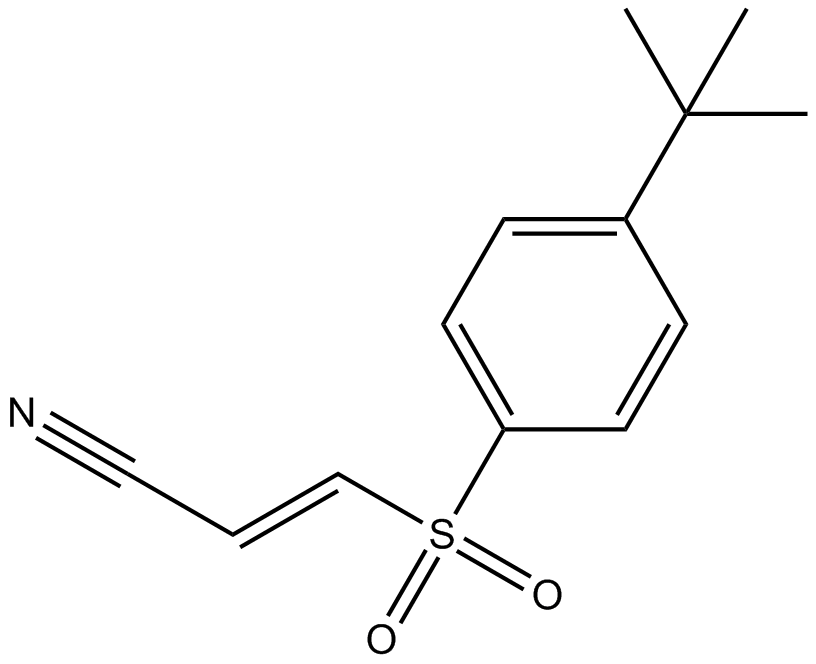 B3033 Bay 11-70851 CitationSummary: NK-κB activation inhibitor
 -
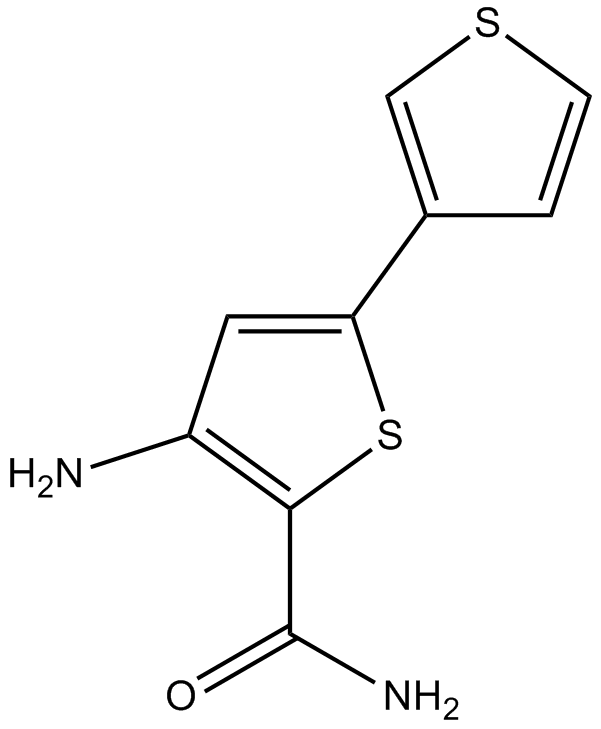 B1585 SC-514Summary: ATP-competitive IKK-2 inhibitor, orally active
 -
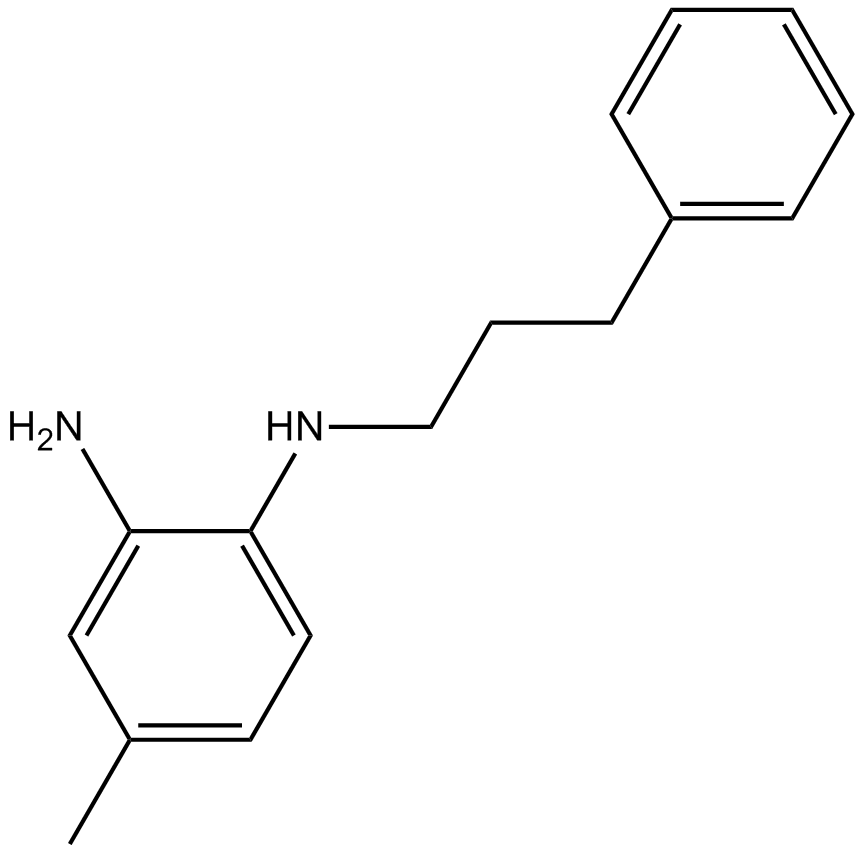 B1645 JSH-237 CitationSummary: NF-κB inhibitor
 -
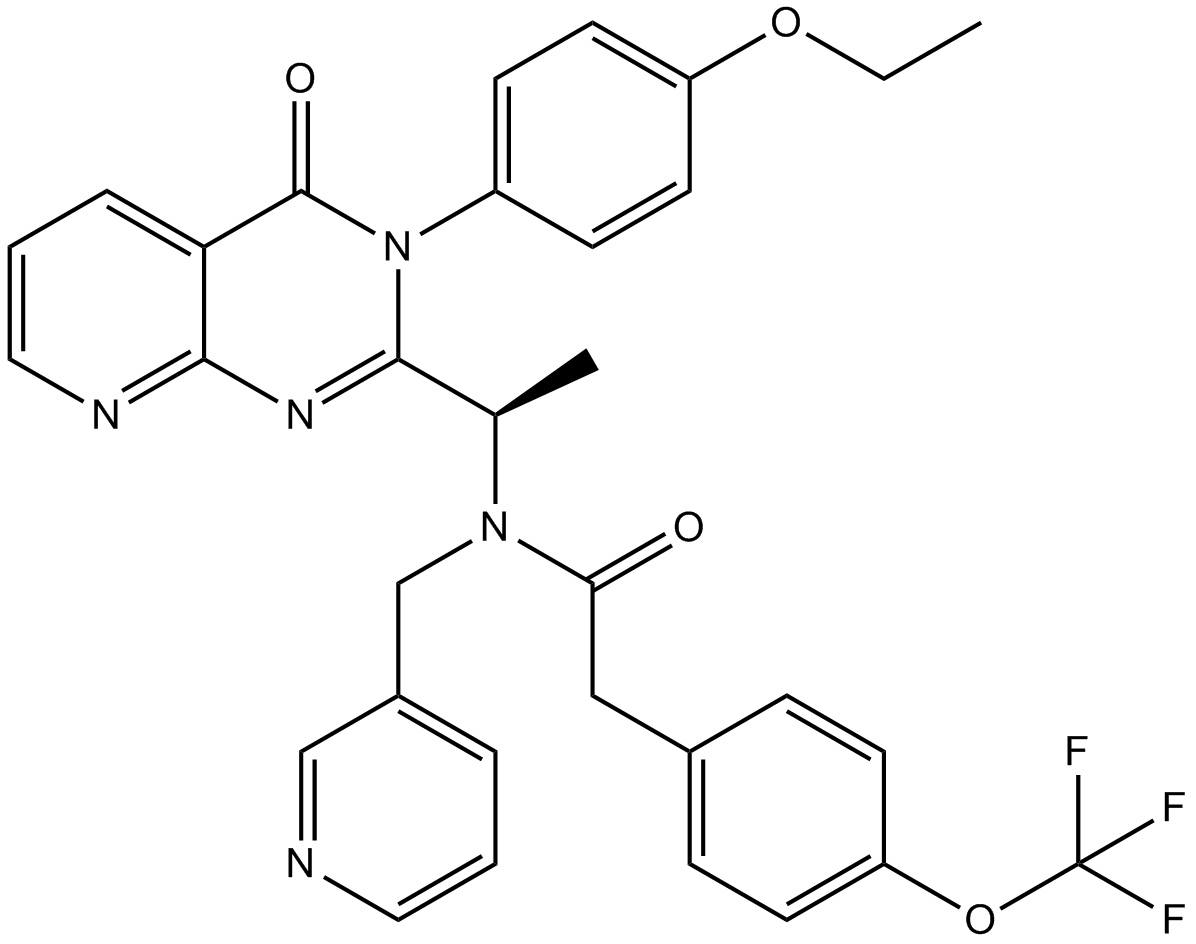 B3266 AMG 4871 CitationTarget: CXCRSummary: CXCR3 antagonist,potent and selective