


Immunology/Inflammation
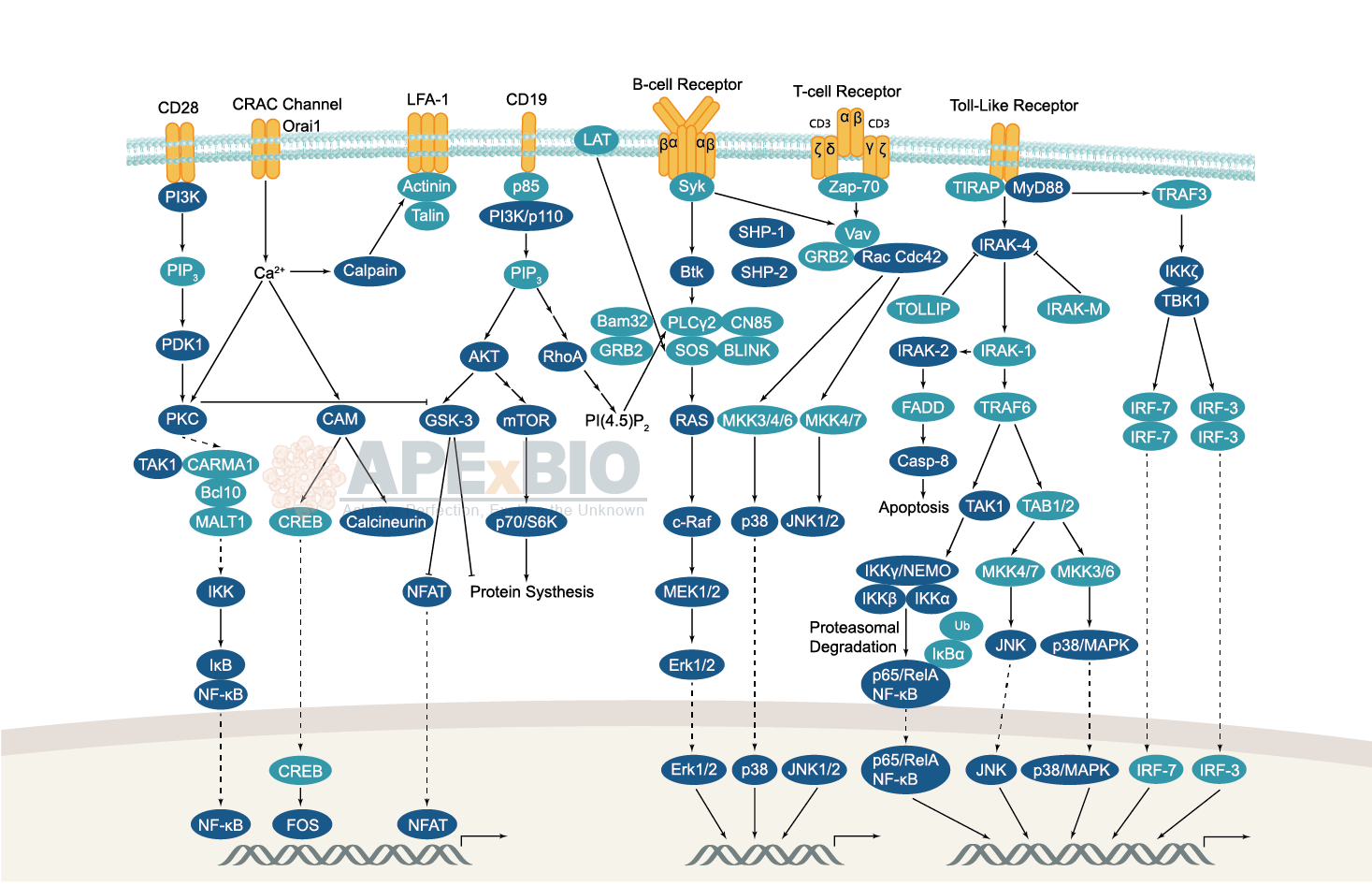
The adaptive immune system consists of B and T lymphocytes which mediate humoral immunity (e.g. antibody response) and cell-mediated immunity, respectively. B cell receptor and T cell receptor signaling is responsible for activation of Src family tyrosine kinases, such as Blk, Fyn, and Lyn in B cells and Fyn and Lck in T cells, resulting phosphorylation of the receptor-associated ITAM motifs. Phosphorylated ITAMs serve as the docking sites for Syk family tyrosine kinases, e.g. Syk in B cells and Zap-70 in T cells. Activated Syk kinases then propagate the signals via phosphorylation of downstream proteins. Furthermore, lymphocyte receptor signaling facilitates B and T cell development, differentiation, proliferation and survival.
-
![amyloid A protein fragment [Homo sapiens]](https://www.apexbt.com/media/prod_images/a/1/a1053.png) A1053 amyloid A protein fragment [Homo sapiens]Summary: Apolipoproteins related to HDL in plasma
A1053 amyloid A protein fragment [Homo sapiens]Summary: Apolipoproteins related to HDL in plasma -
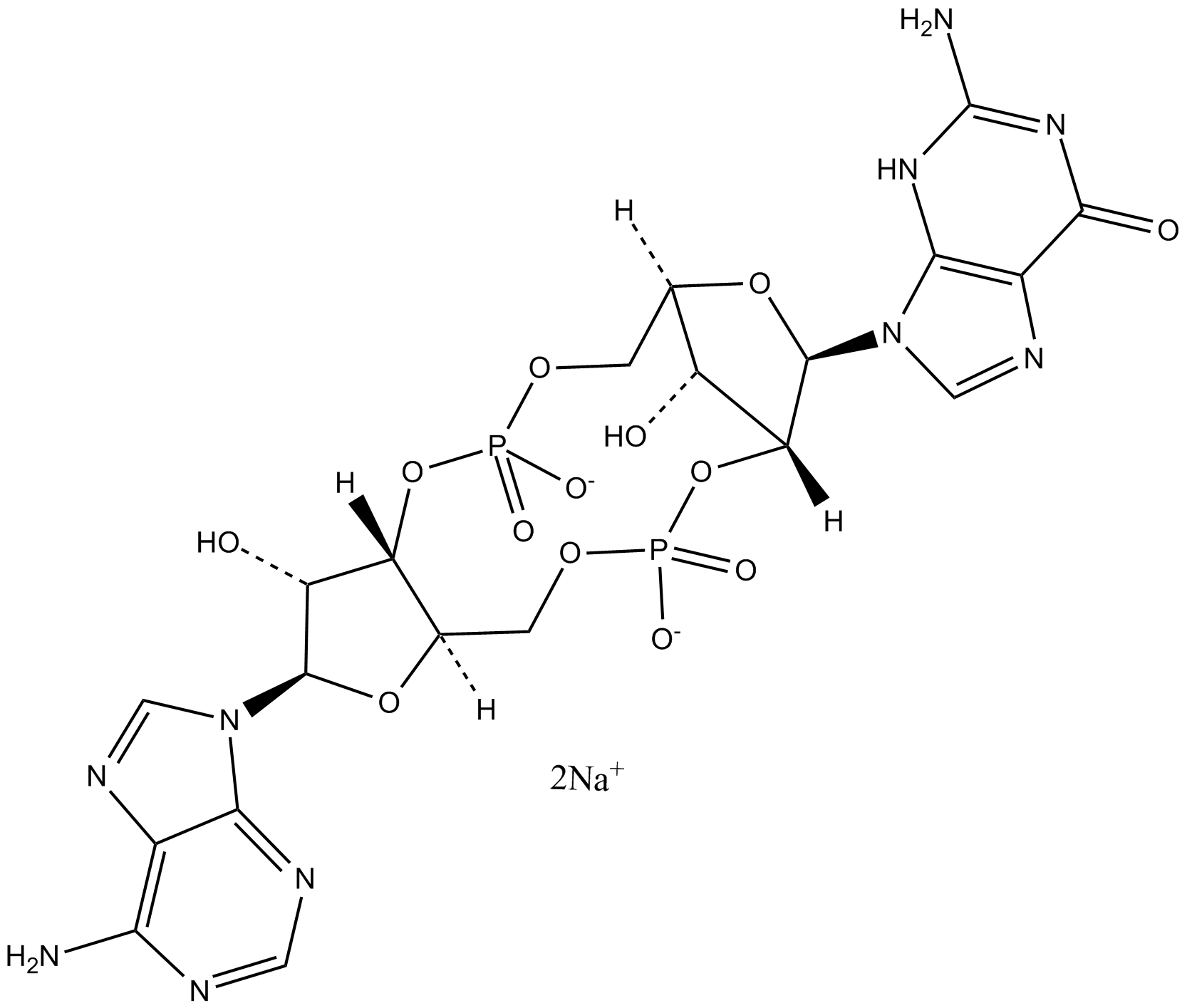 B8362 2'3'-cGAMP (sodium salt)23 CitationSummary: STING agonist
 -
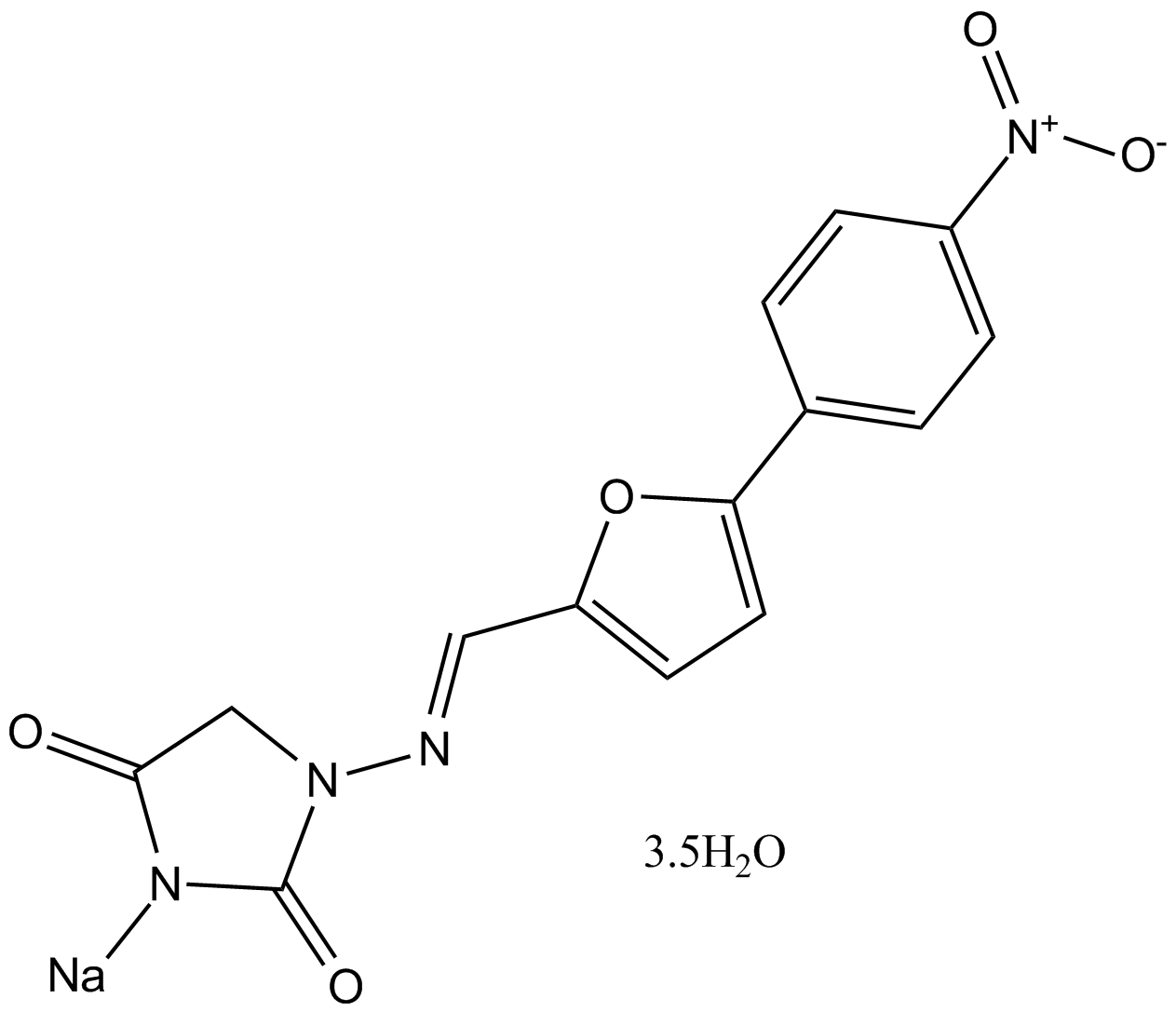 C6373 Dantrolene (sodium hemiheptahydrate)
 -
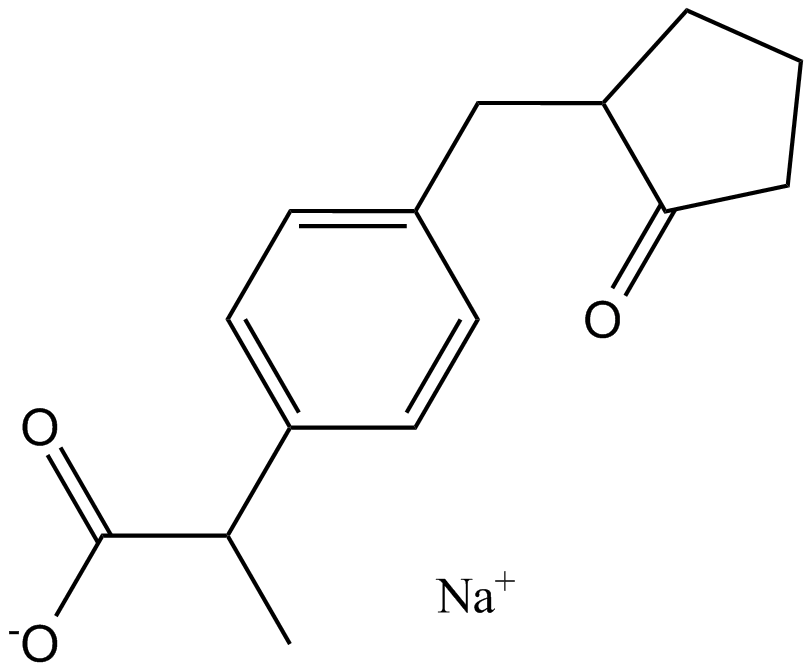 C6385 Loxoprofen Sodium
 -
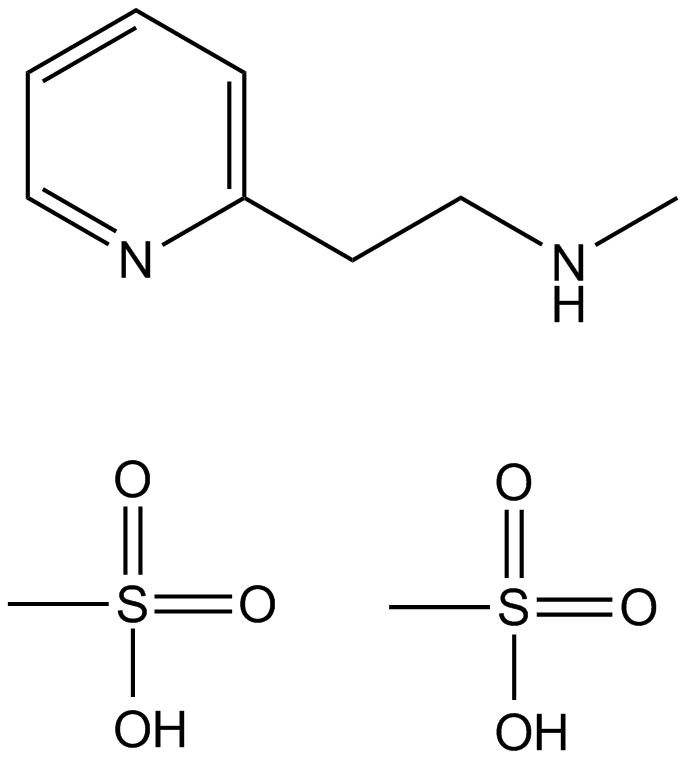 C6391 Betahistine mesylate
 -
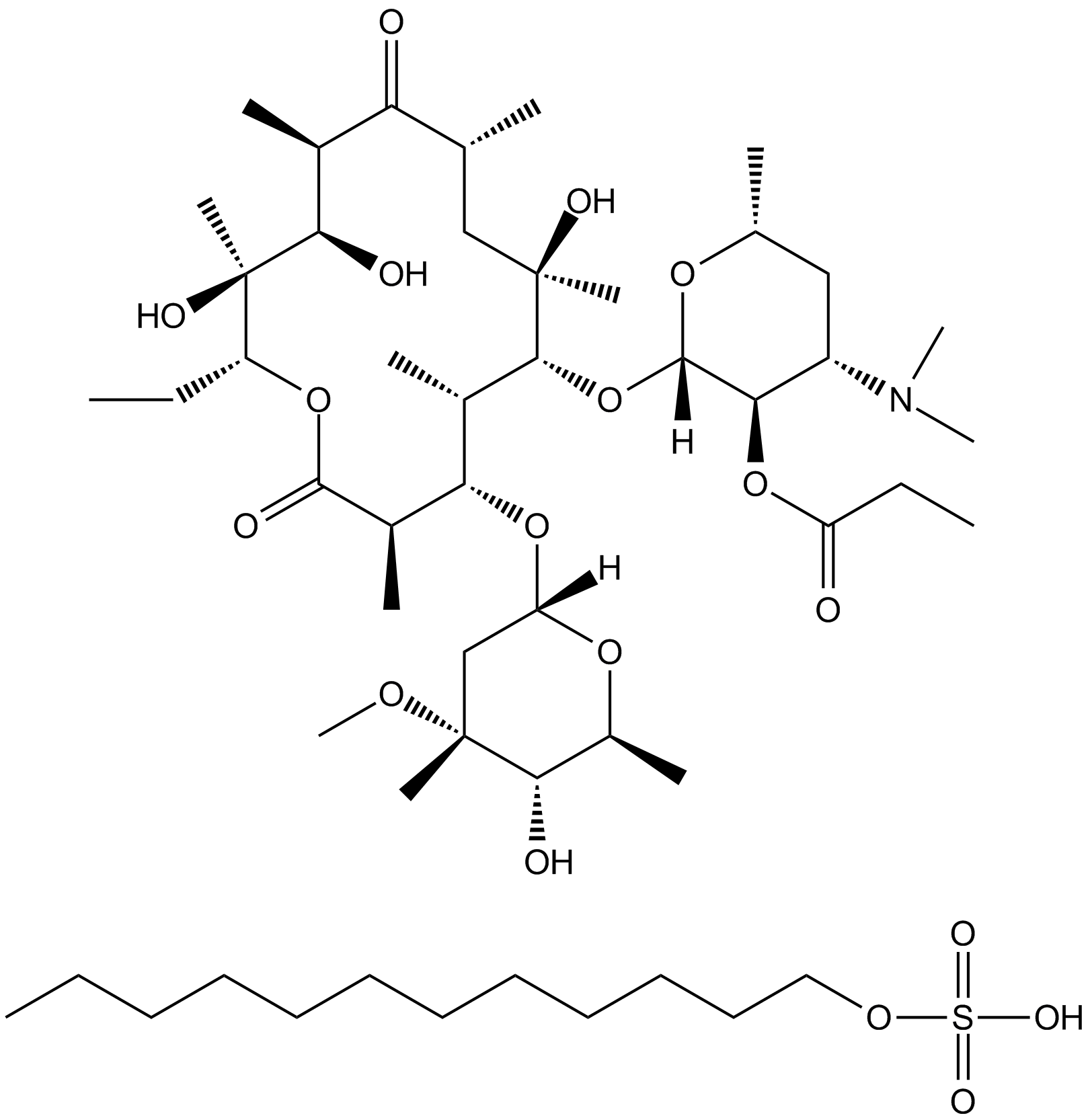 C6393 Erythromycin estolate
 -
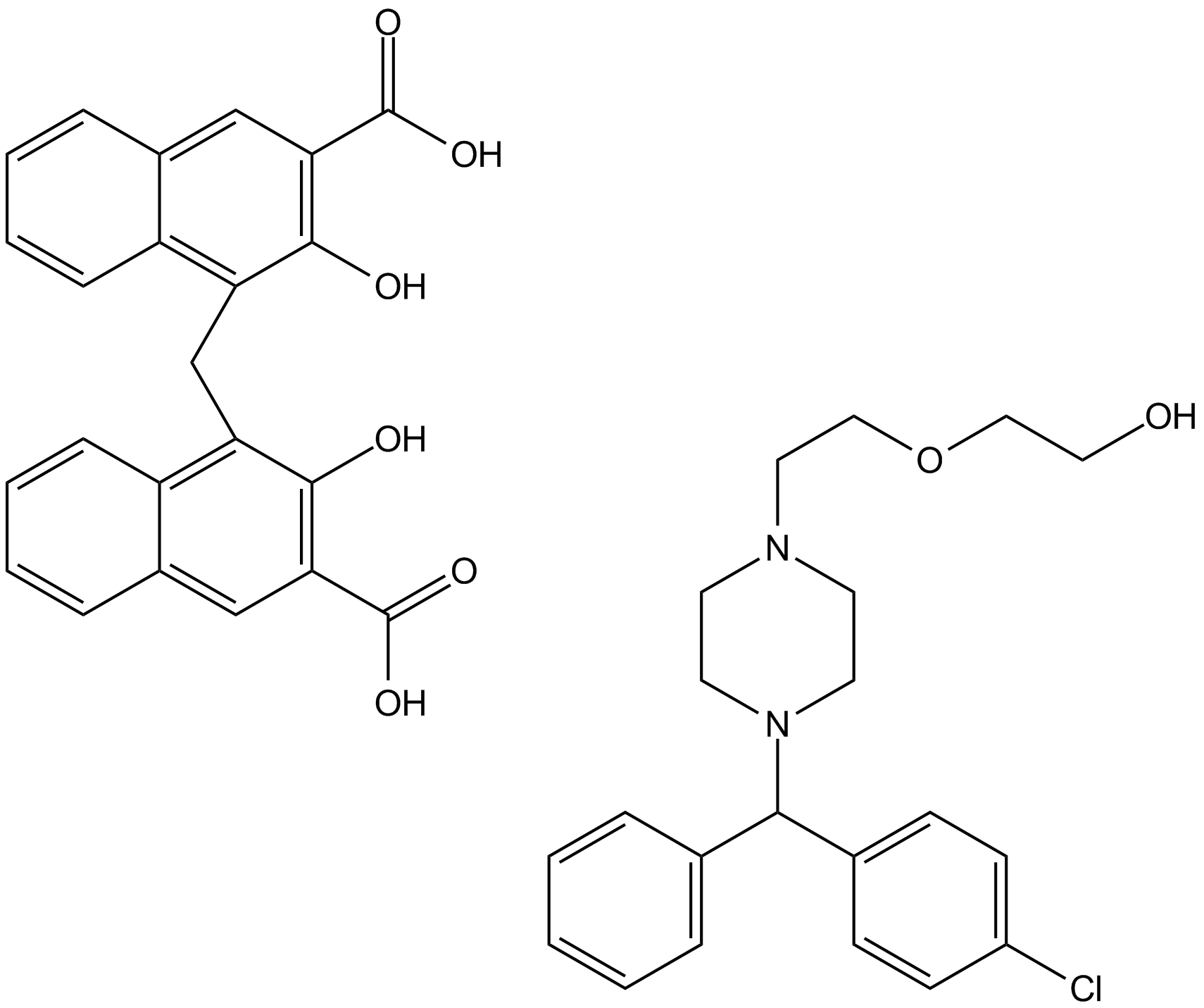 C6397 Hydroxyzine pamoate
 -
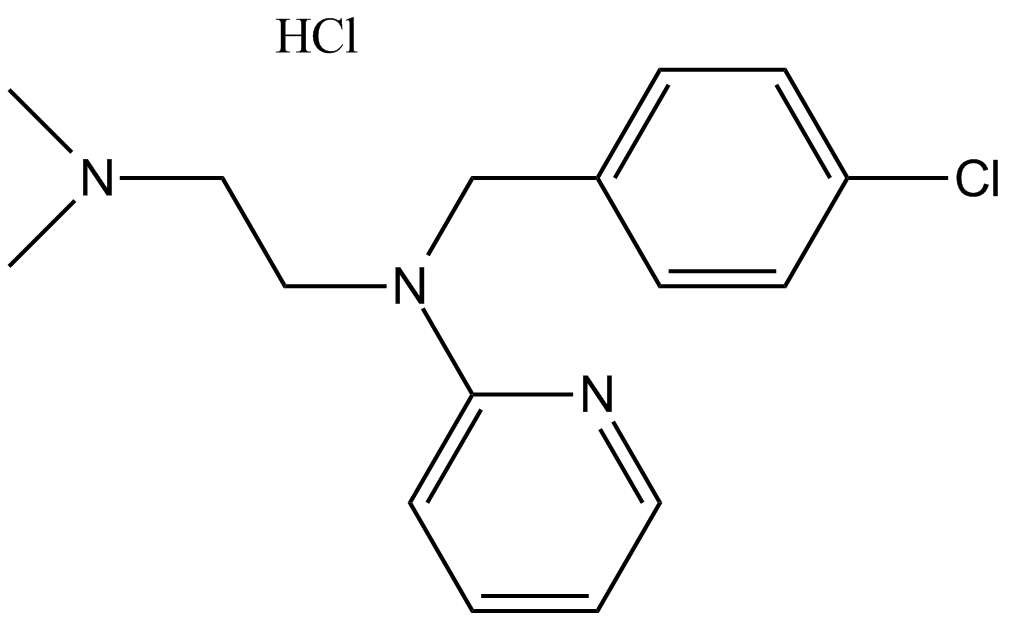 C6401 Chloropyramine hydrochloride
 -
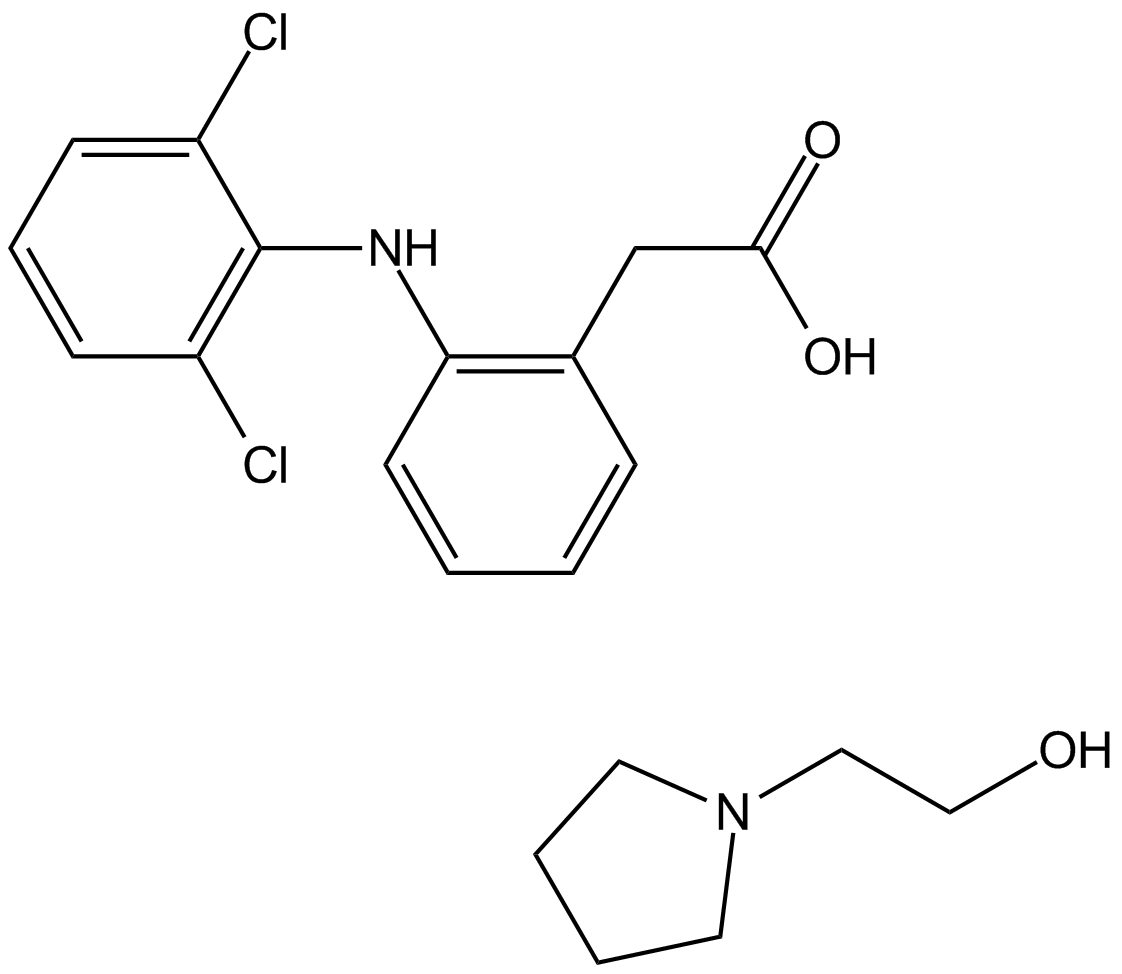 C6408 Diclofenac Epolamine
 -
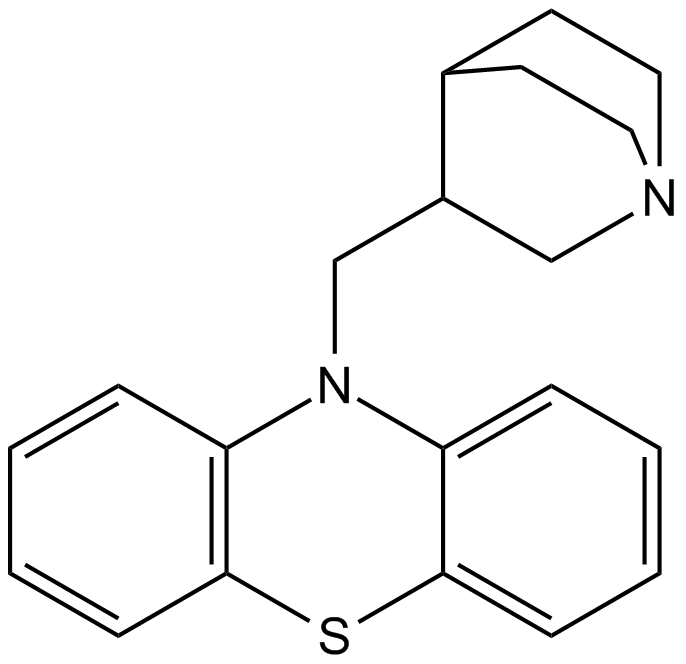 C6431 Mequitazine