


Immunology/Inflammation
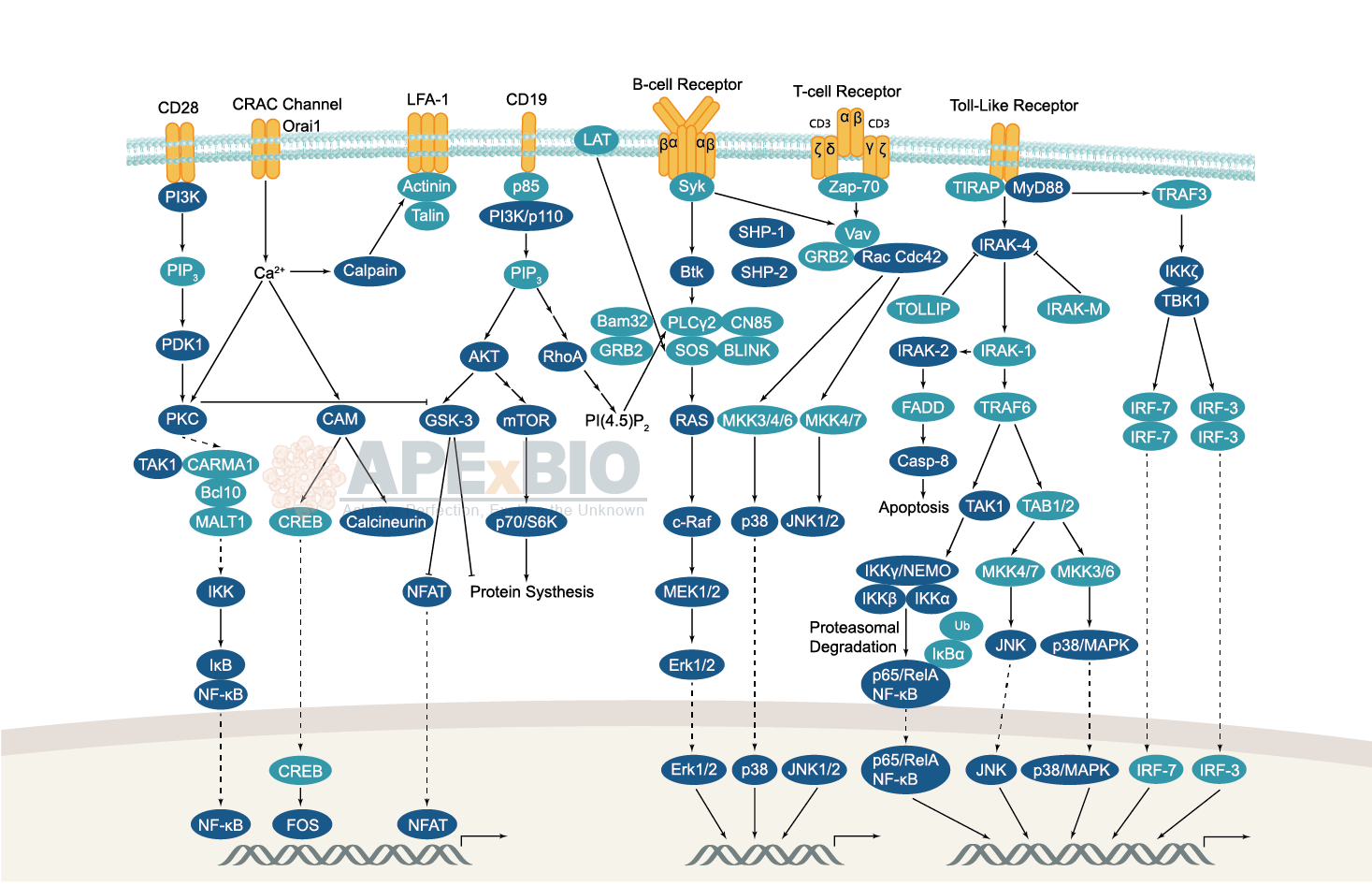
The adaptive immune system consists of B and T lymphocytes which mediate humoral immunity (e.g. antibody response) and cell-mediated immunity, respectively. B cell receptor and T cell receptor signaling is responsible for activation of Src family tyrosine kinases, such as Blk, Fyn, and Lyn in B cells and Fyn and Lck in T cells, resulting phosphorylation of the receptor-associated ITAM motifs. Phosphorylated ITAMs serve as the docking sites for Syk family tyrosine kinases, e.g. Syk in B cells and Zap-70 in T cells. Activated Syk kinases then propagate the signals via phosphorylation of downstream proteins. Furthermore, lymphocyte receptor signaling facilitates B and T cell development, differentiation, proliferation and survival.
-
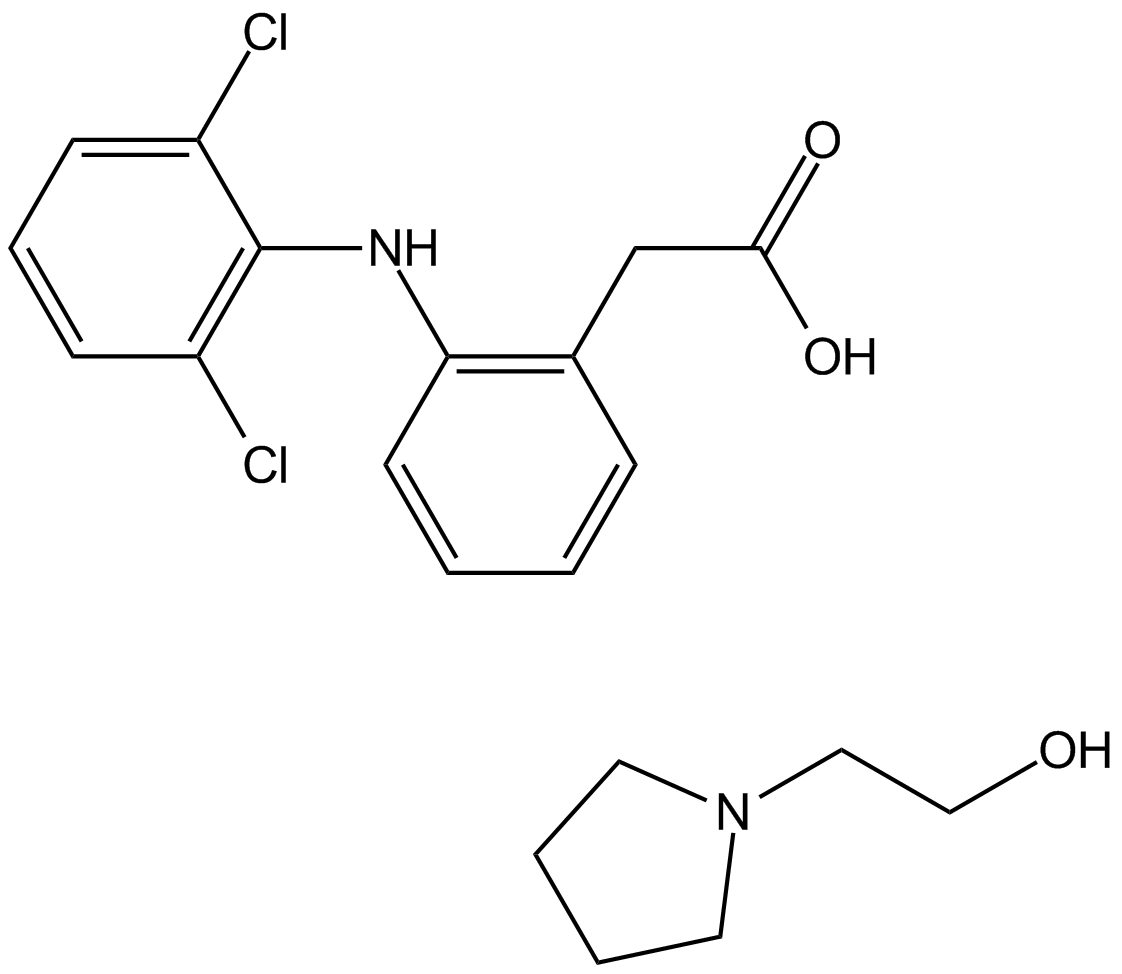 C6408 Diclofenac Epolamine
 -
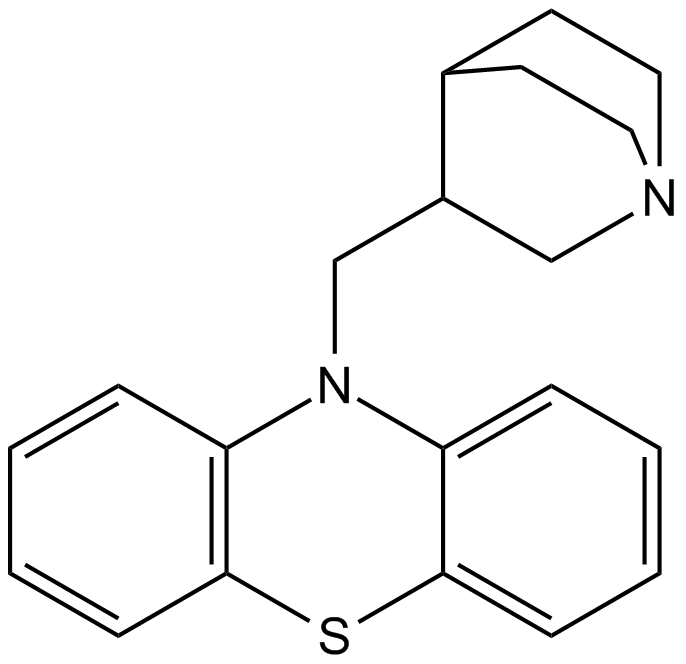 C6431 Mequitazine
 -
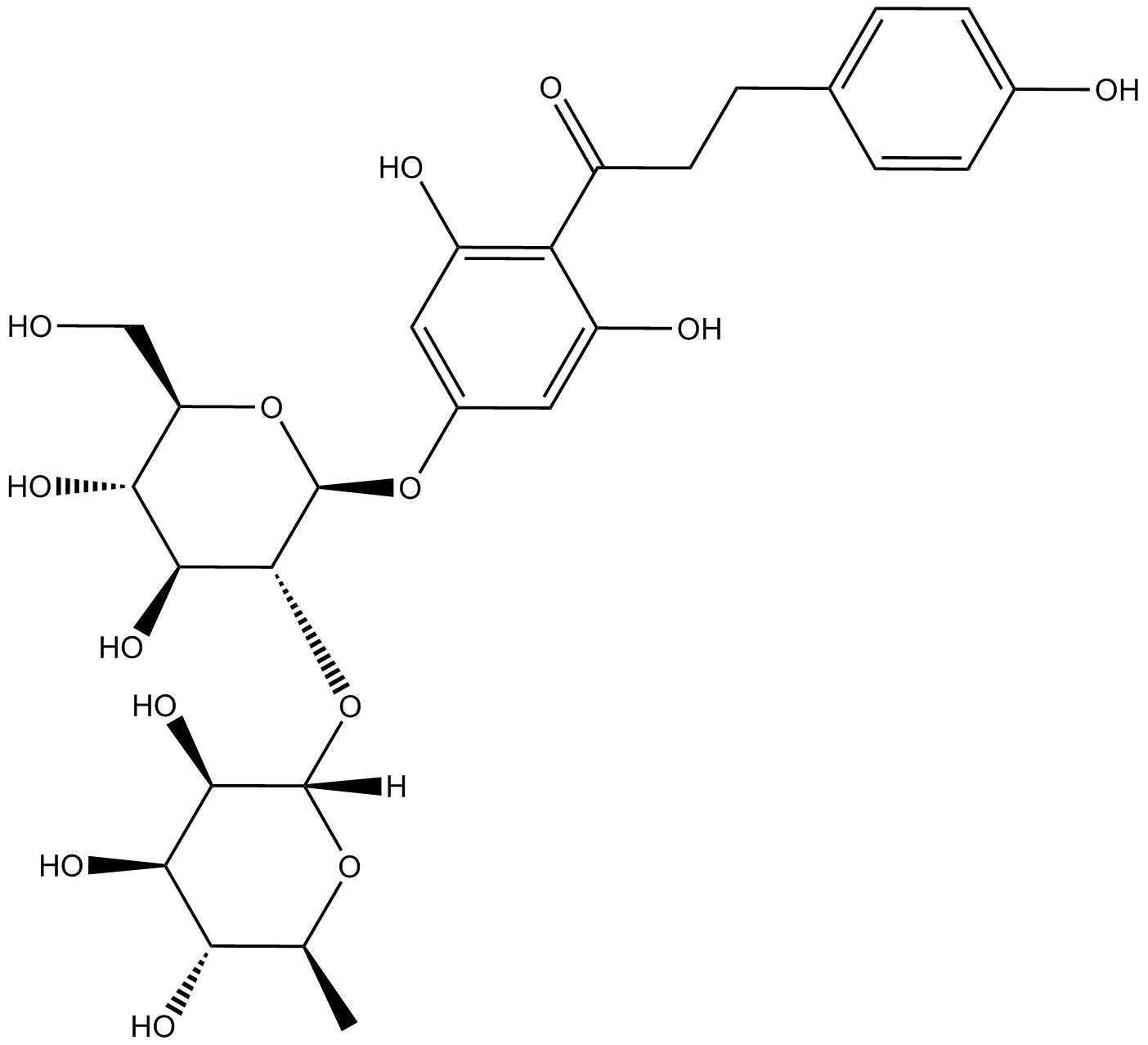 C6447 Naringin Dihydrochalcone
 -
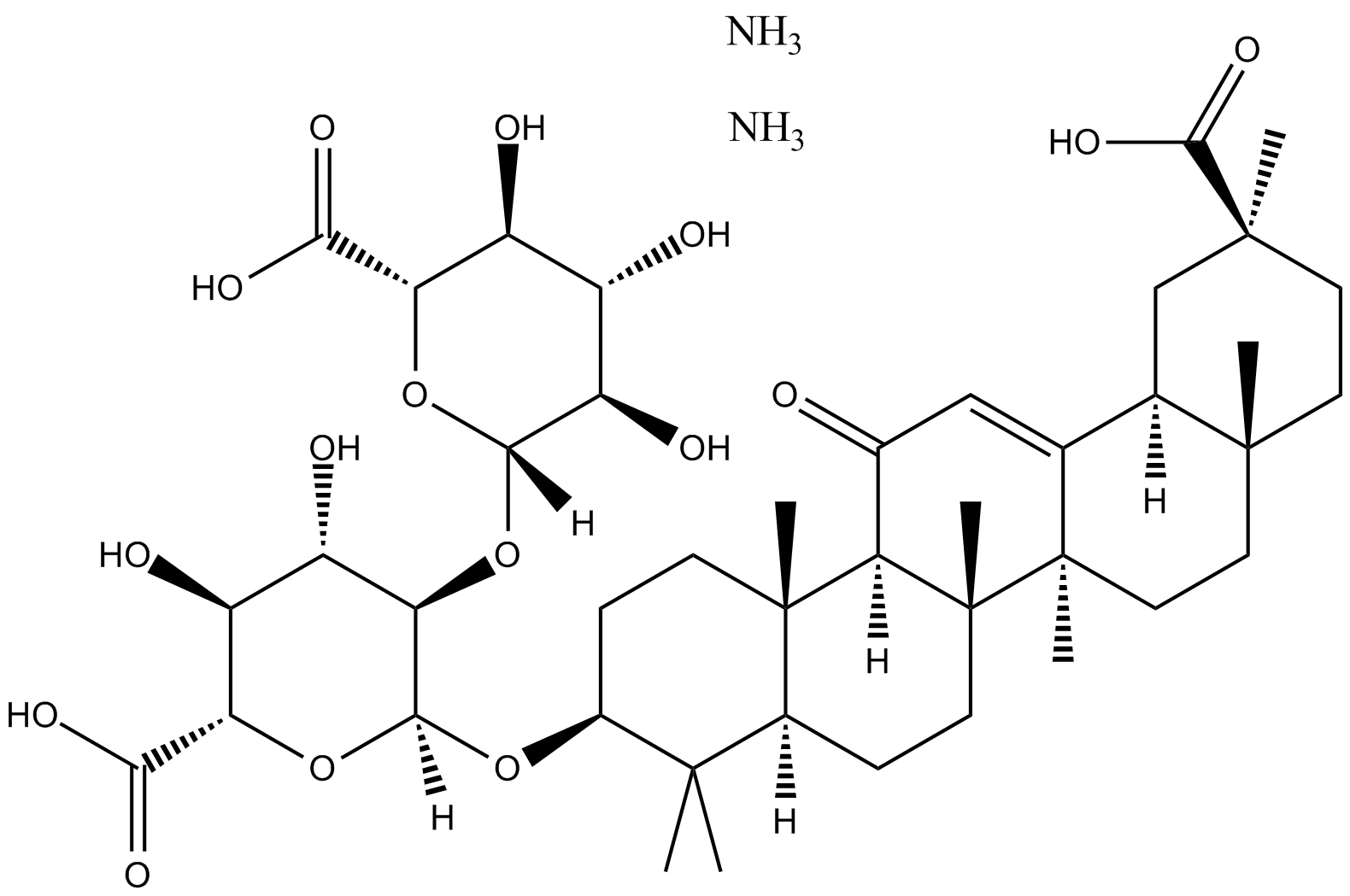 C6448 Diammonium Glycyrrhizinate
 -
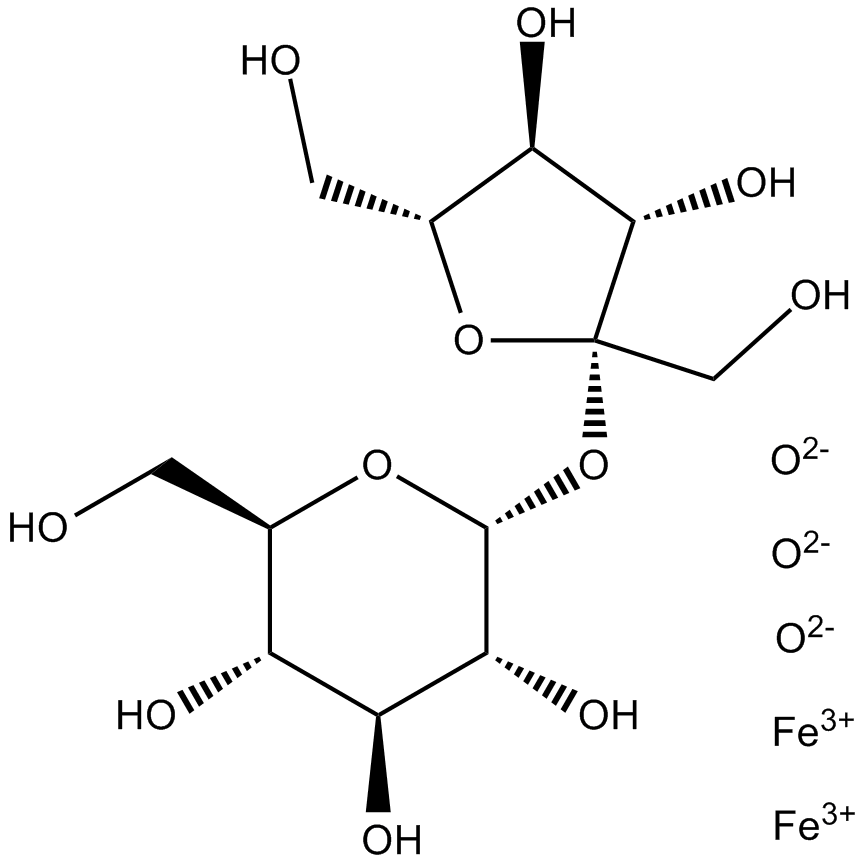 C6458 Iron sucrose
 -
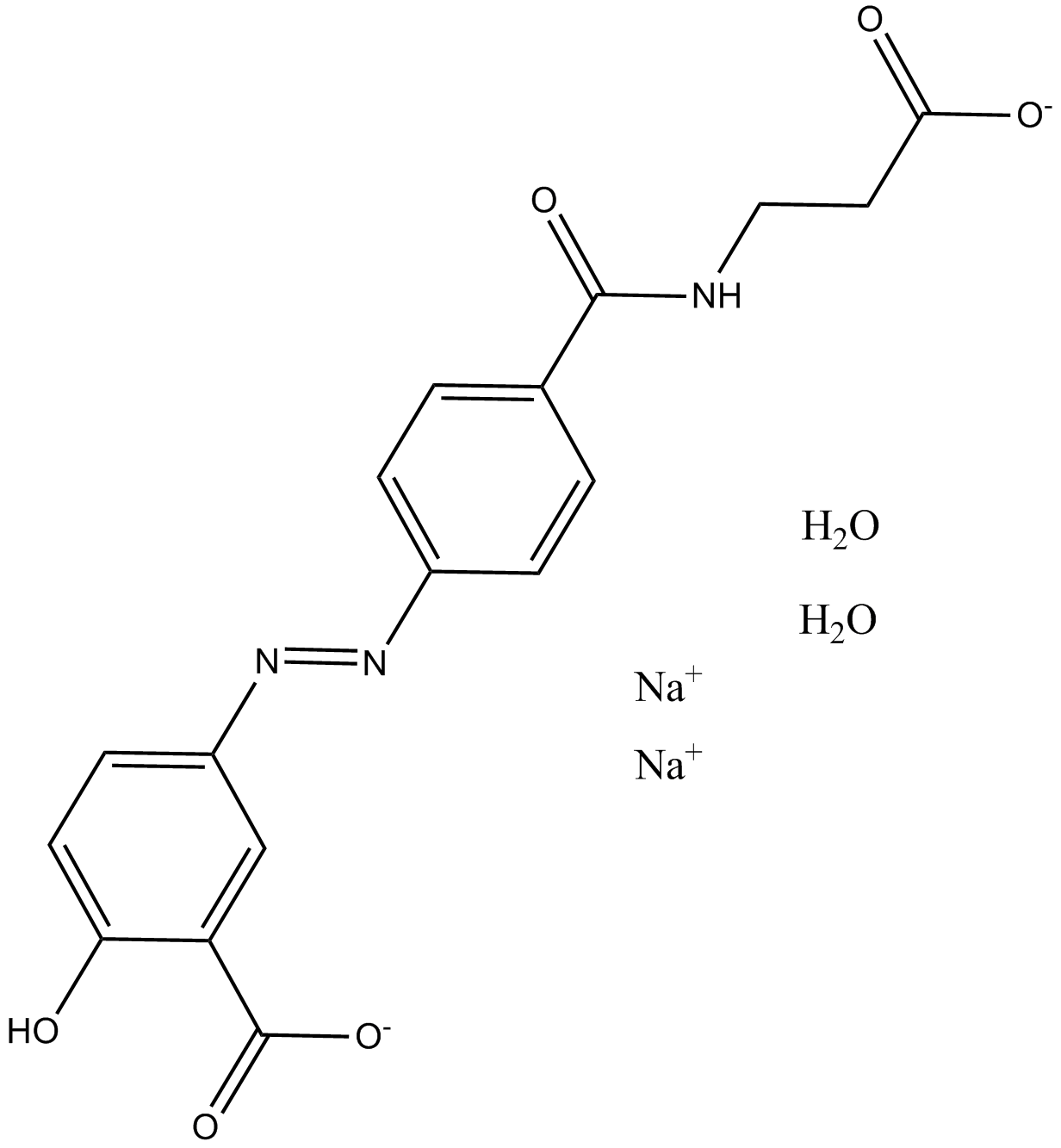 C6459 Balsalazide disodium dihydrateSummary: A prodrug of aminosalicylic acid that exerts local anti-inflammatory effects in the colon
 -
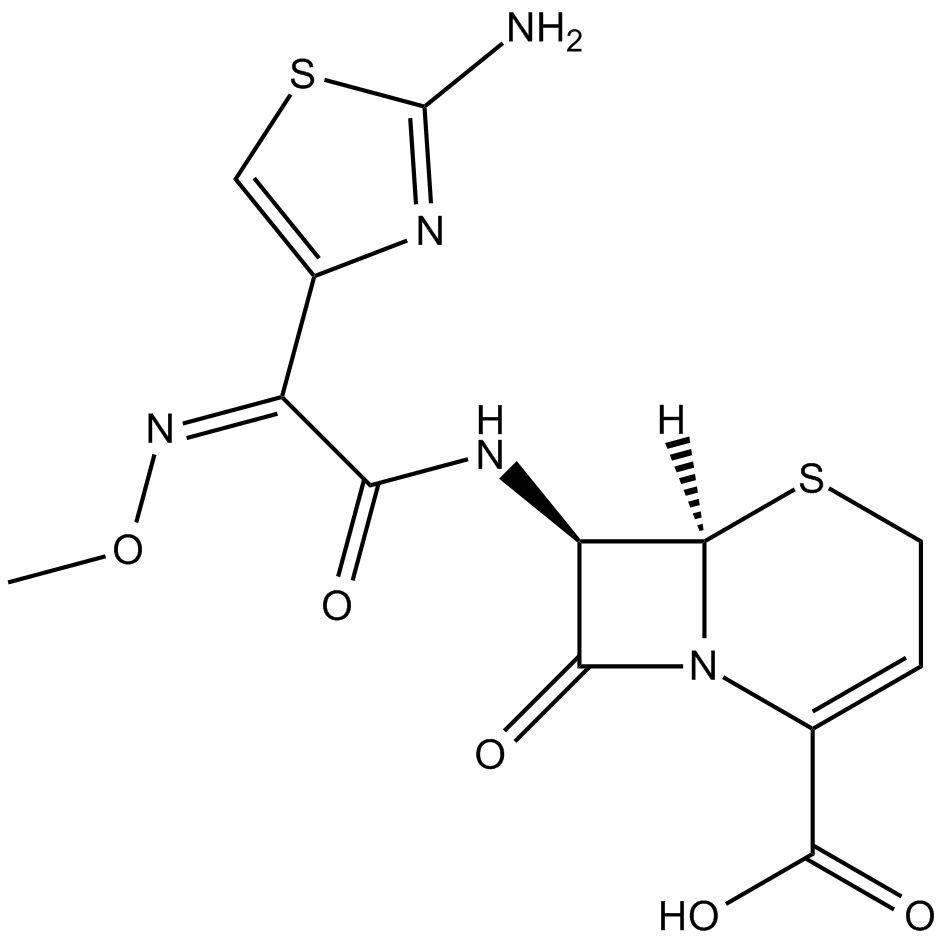 C6477 Ceftizoxime
 -
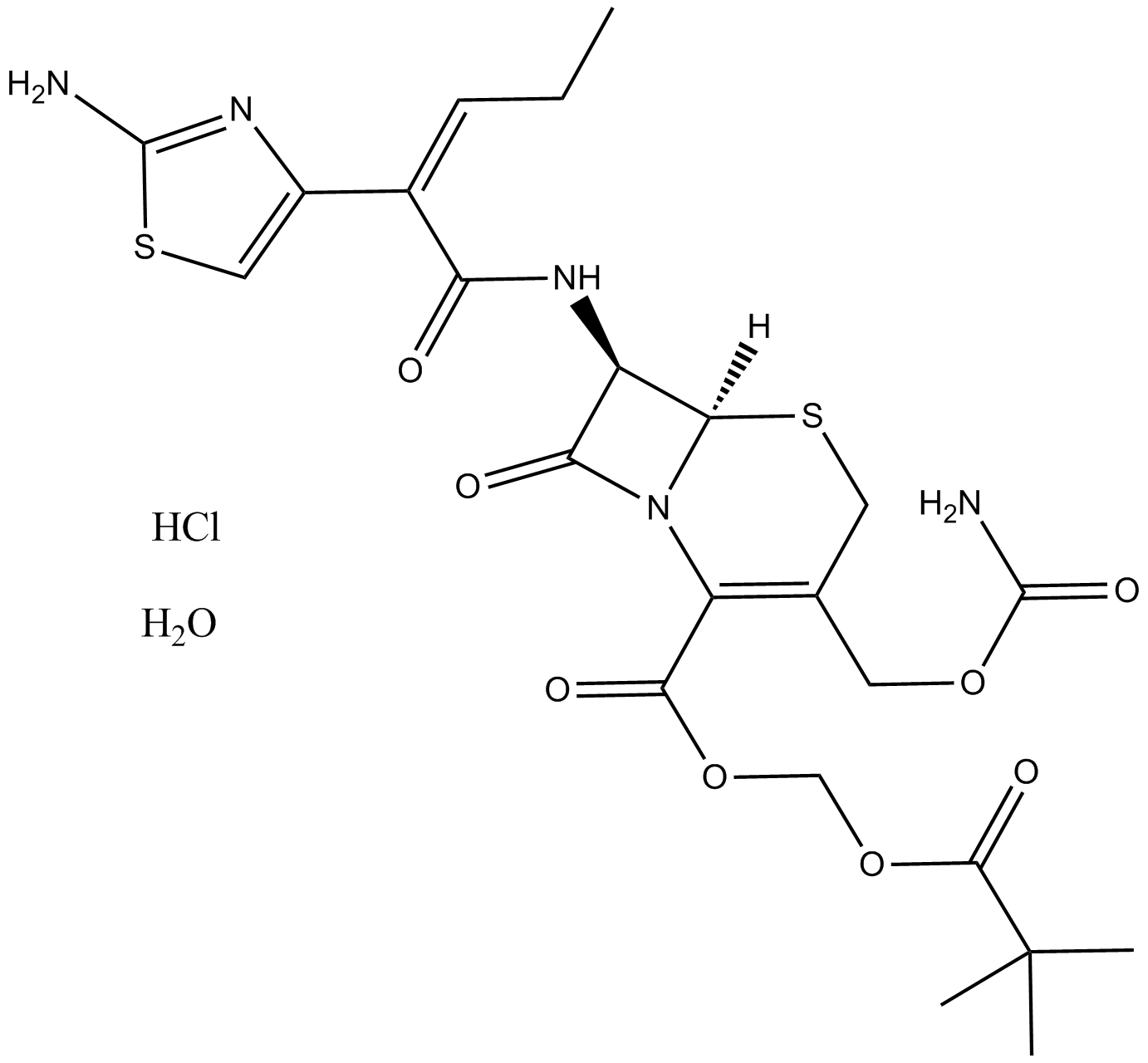 C6482 Cefcapene Pivoxil Hydrochloride
 -
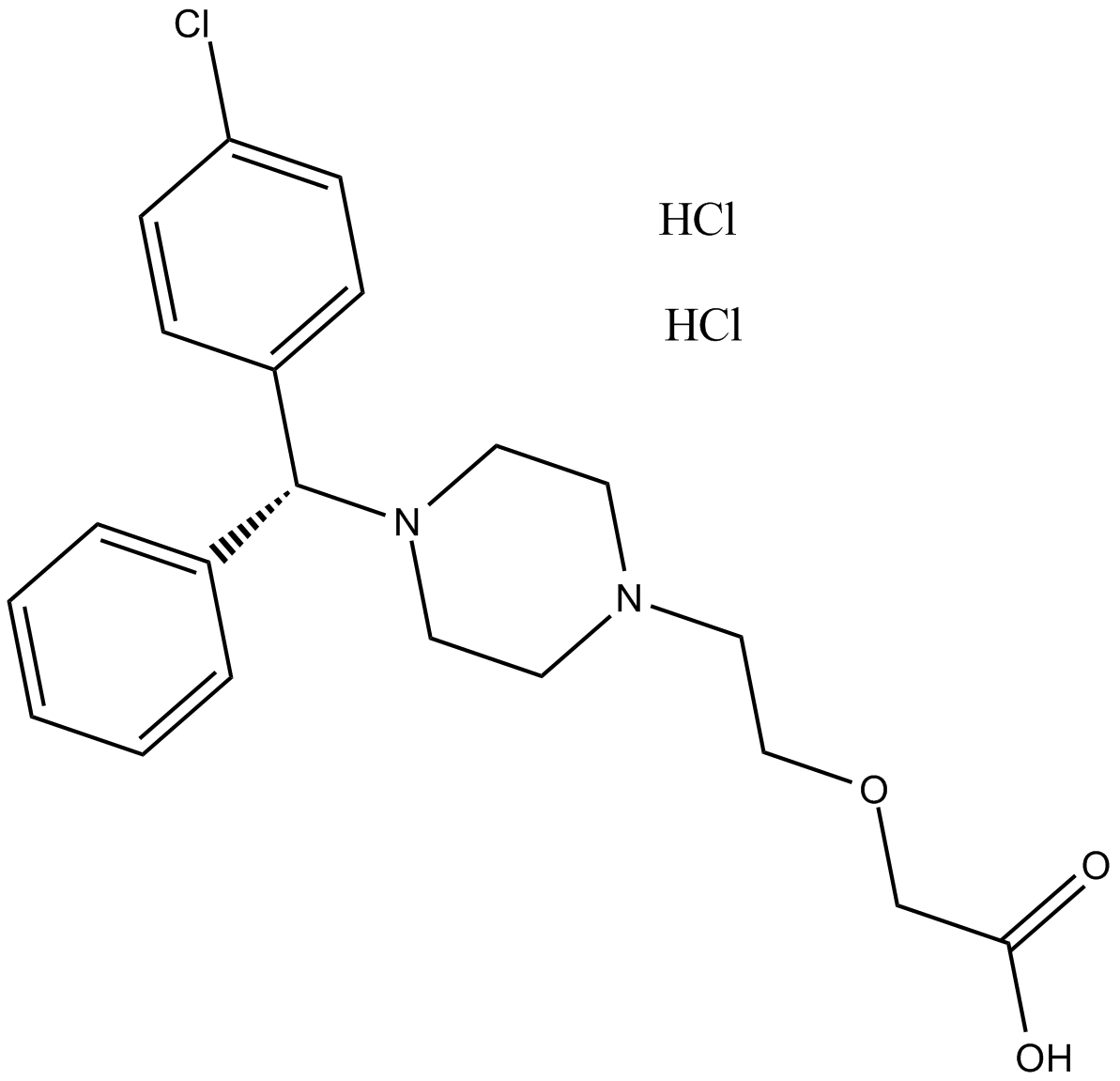 C6483 Levocetirizine Dihydrochloride
 -
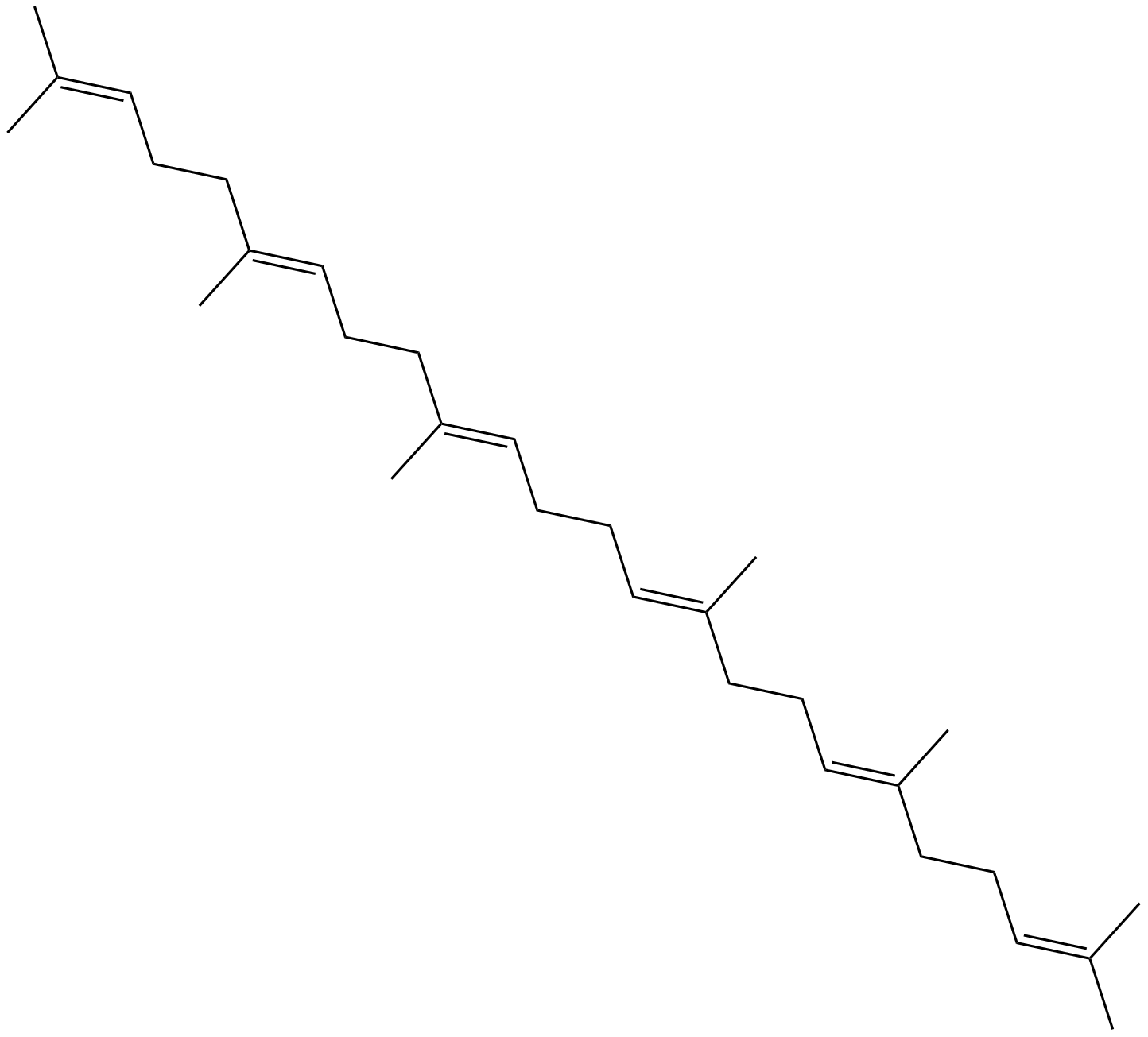 C6484 Squalene