


Immunology/Inflammation
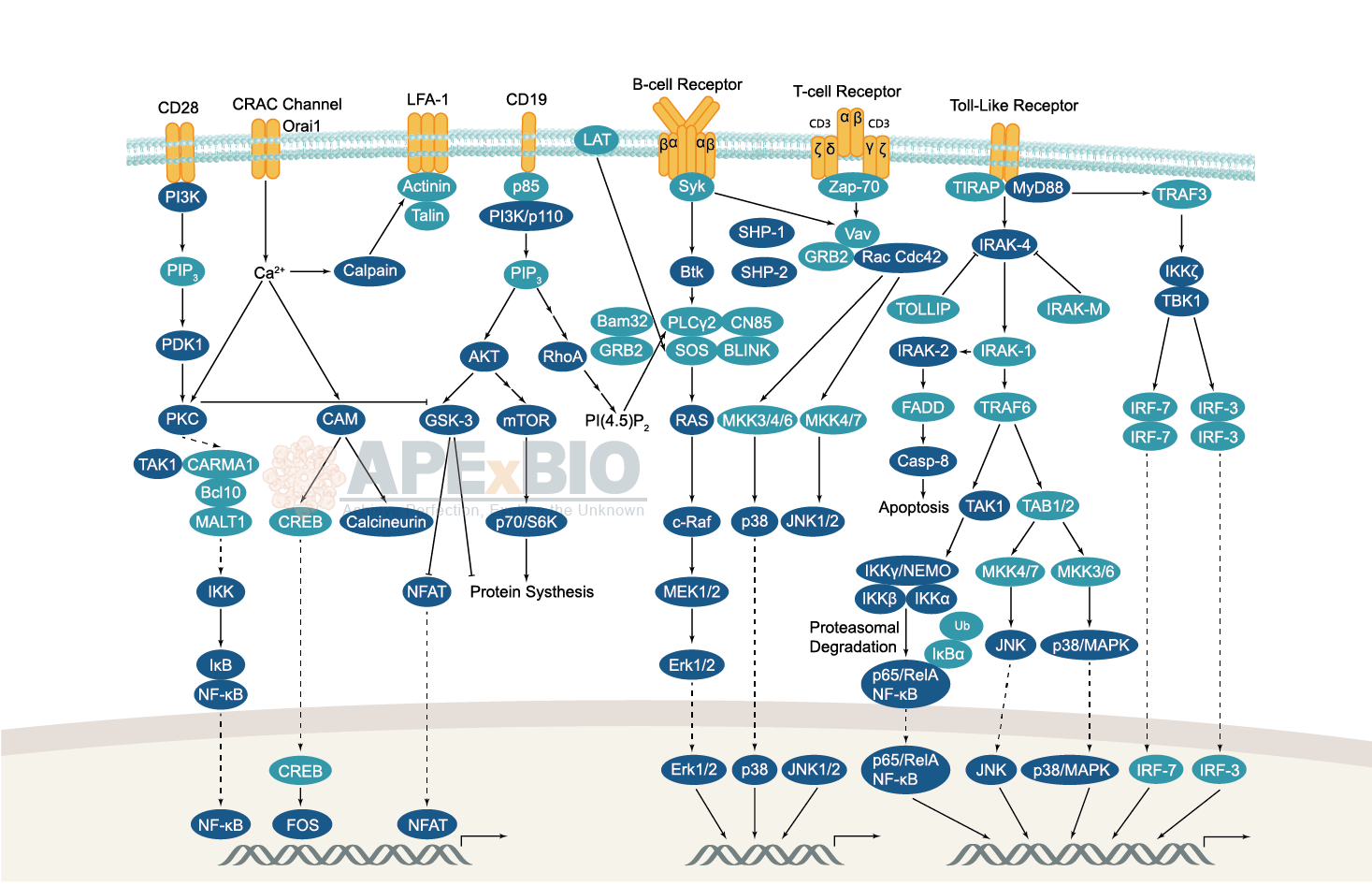
The adaptive immune system consists of B and T lymphocytes which mediate humoral immunity (e.g. antibody response) and cell-mediated immunity, respectively. B cell receptor and T cell receptor signaling is responsible for activation of Src family tyrosine kinases, such as Blk, Fyn, and Lyn in B cells and Fyn and Lck in T cells, resulting phosphorylation of the receptor-associated ITAM motifs. Phosphorylated ITAMs serve as the docking sites for Syk family tyrosine kinases, e.g. Syk in B cells and Zap-70 in T cells. Activated Syk kinases then propagate the signals via phosphorylation of downstream proteins. Furthermore, lymphocyte receptor signaling facilitates B and T cell development, differentiation, proliferation and survival.
-
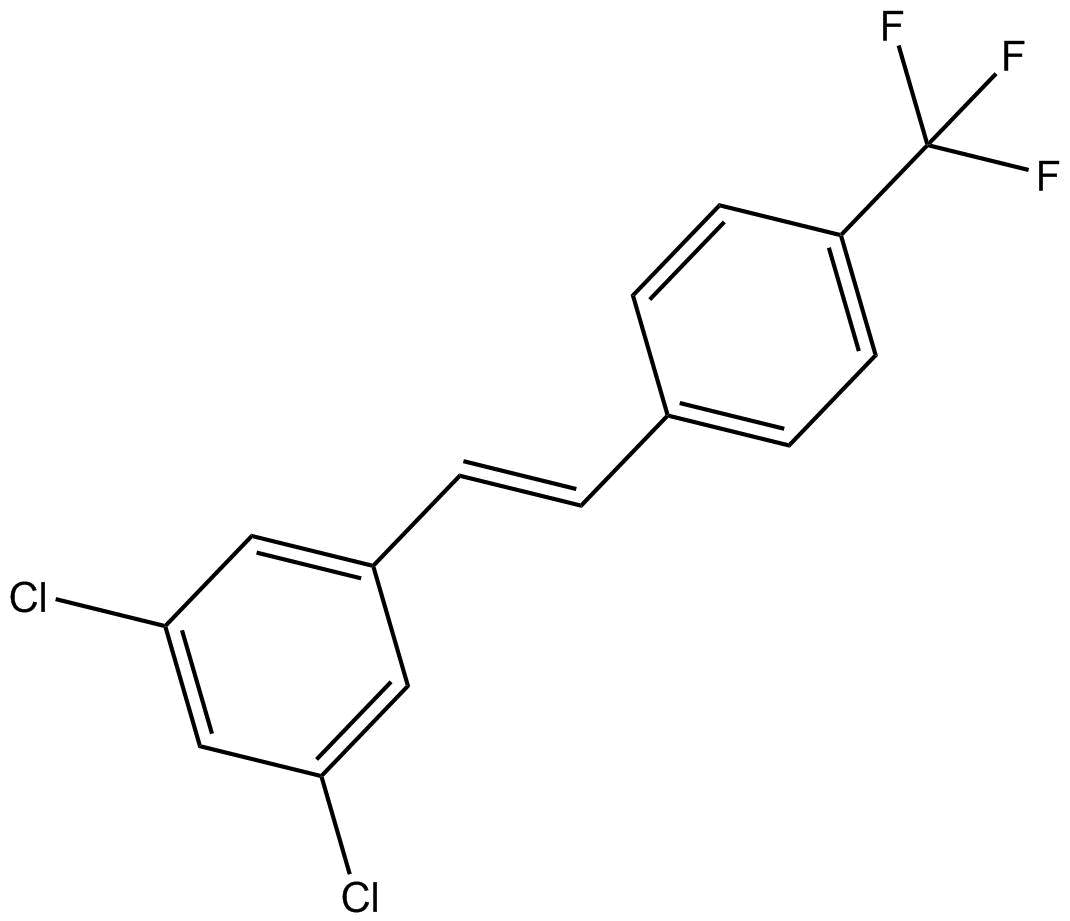 B8490 CAY10465Summary: A selective, high-affinity aryl hydrocarbon receptor (AhR) agonist
 -
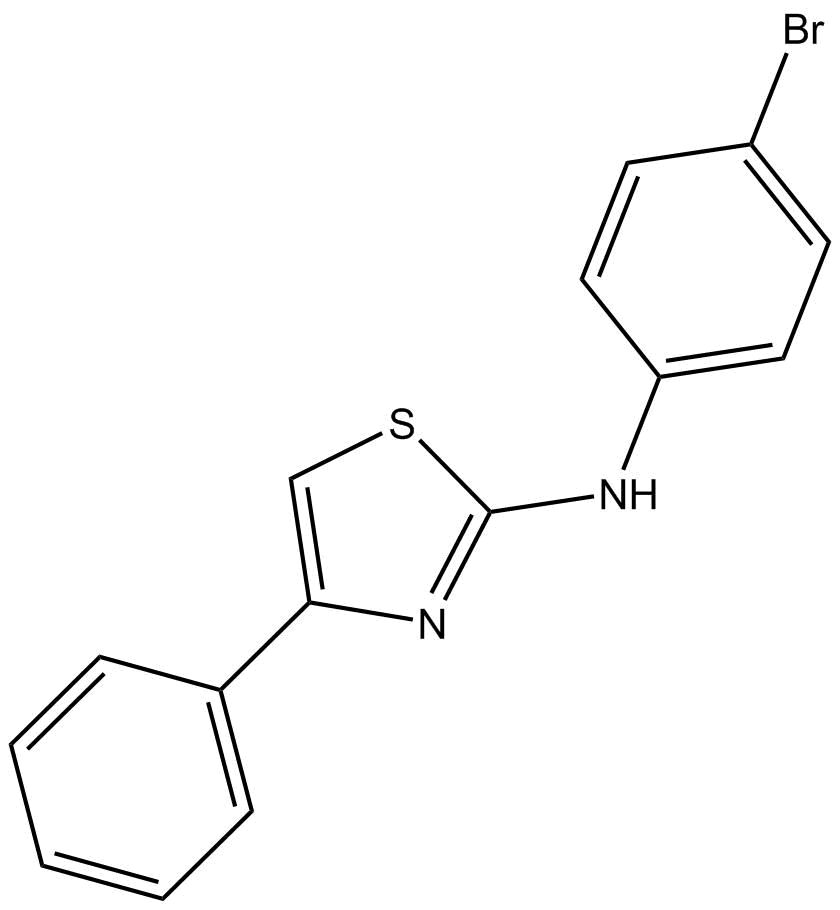 B8499 RCGD423Summary: A glycoprotein 130 modulator
 -
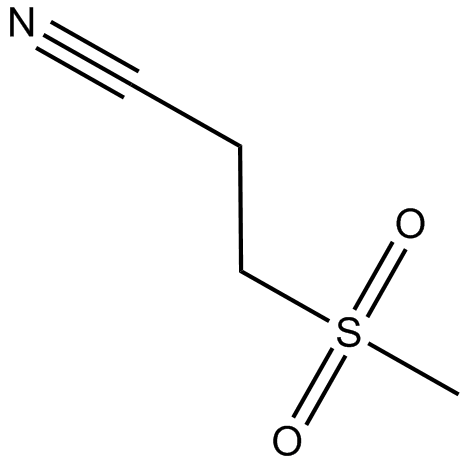 B8526 DapansutrileSummary: A novel, selective NLRP3 inflammasome inhibitor
 -
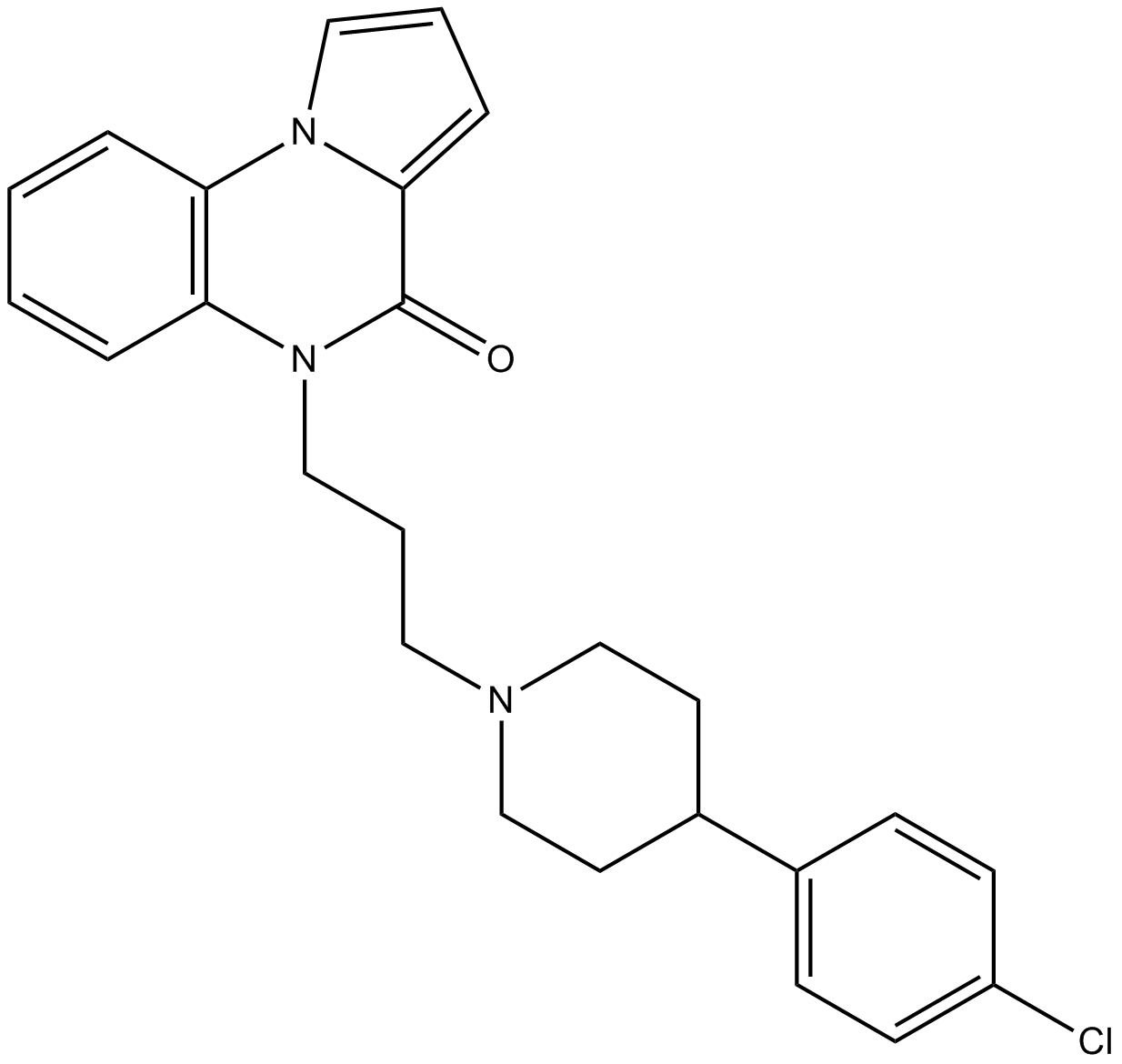 B8536 JMS-17-2Summary: An effective selective CX3CR1 small-molecule antagonist
 -
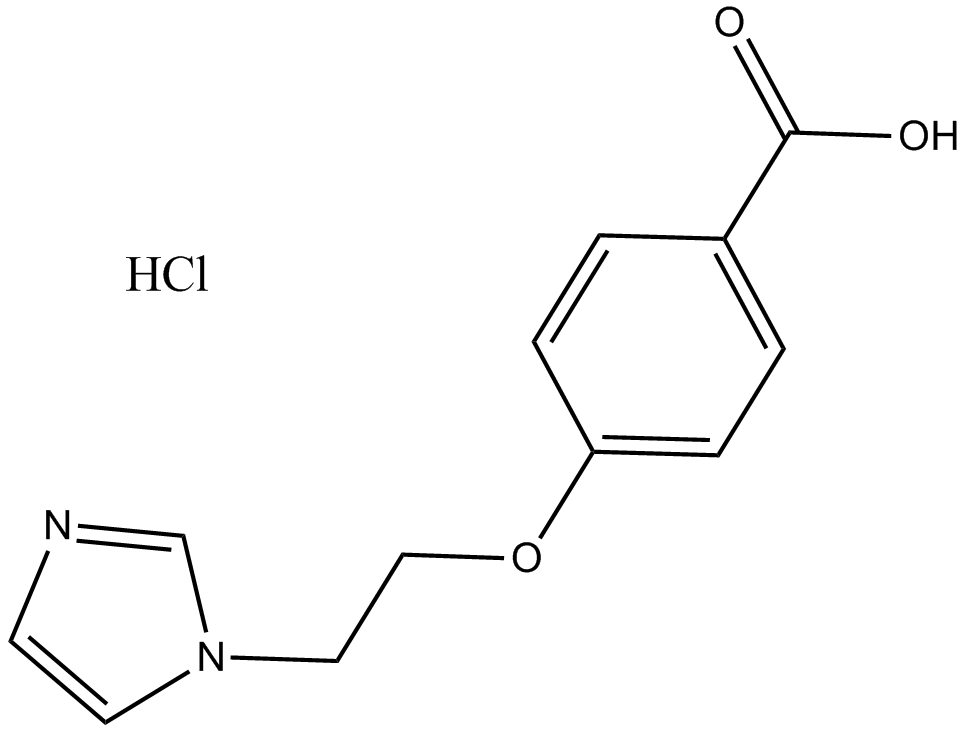 B8542 Dazoxiben hydrochlorideSummary: An effective and orally active thromboxane synthase inhibitor
 -
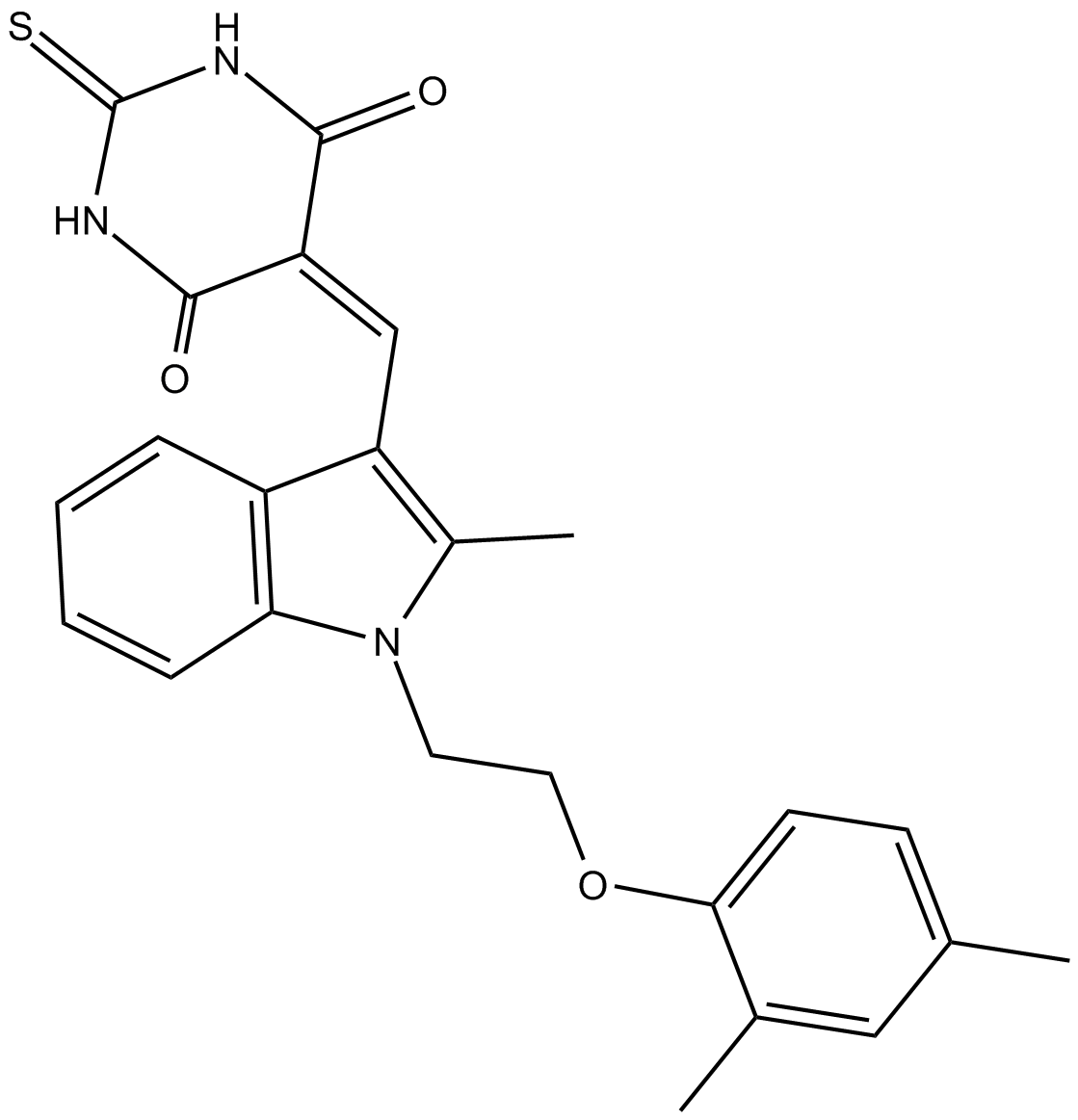 B8555 ZLDI-8Summary: Inhibitor of Notch activation/sheddase ADAM-17
 -
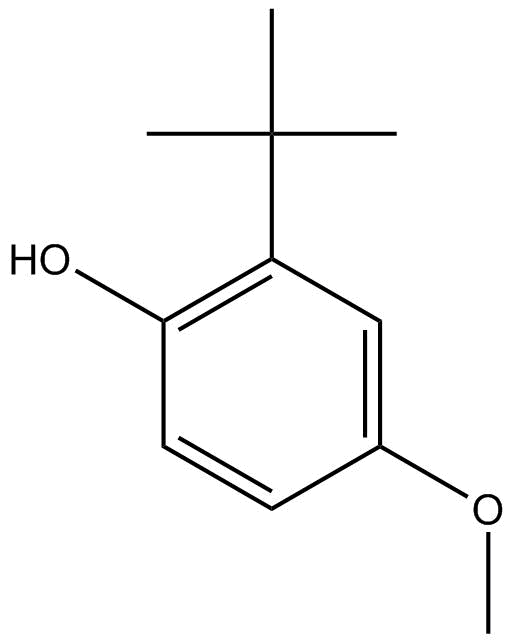 C6525 Butylhydroxyanisole
 -
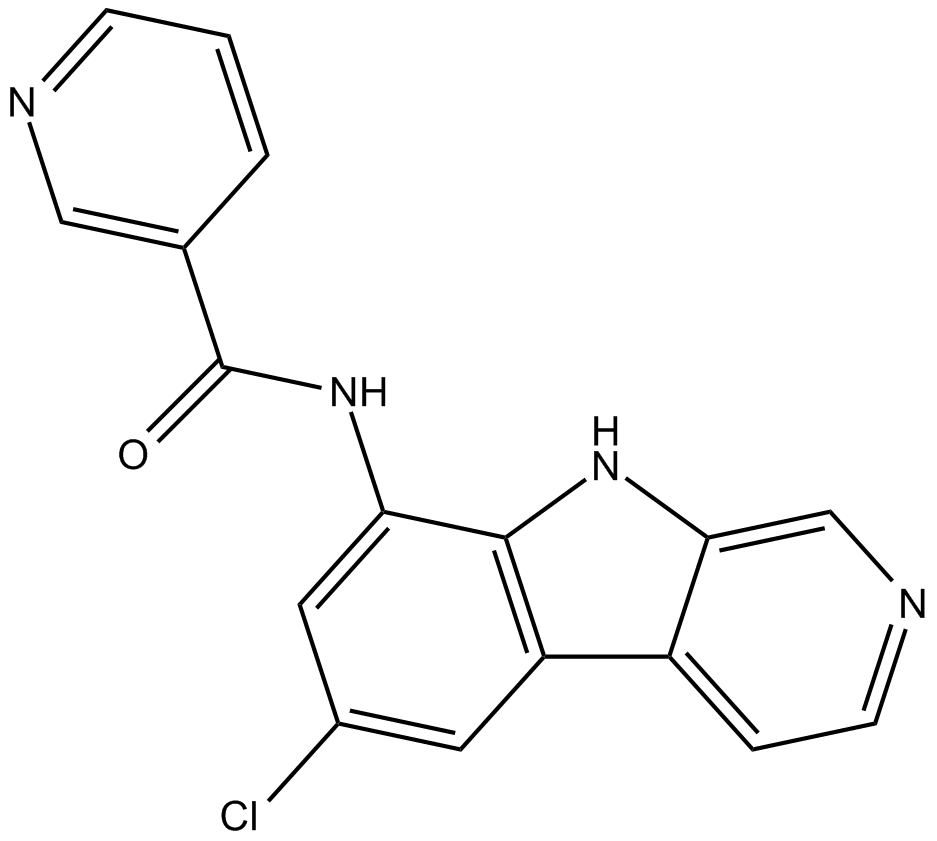 B6089 PS-1145Summary: IKK inhibitor
 -
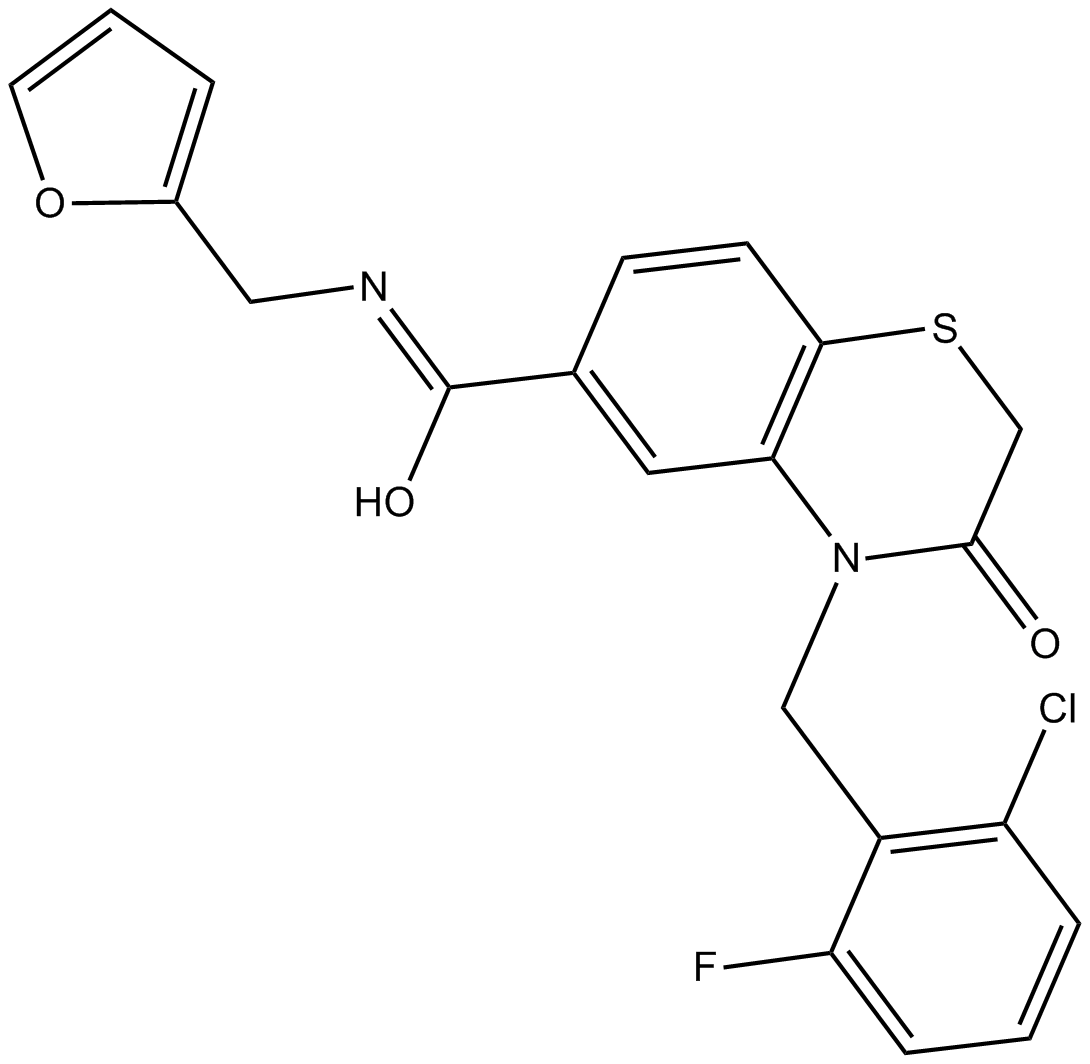 B7835 STING agonist-11 Citation
 -
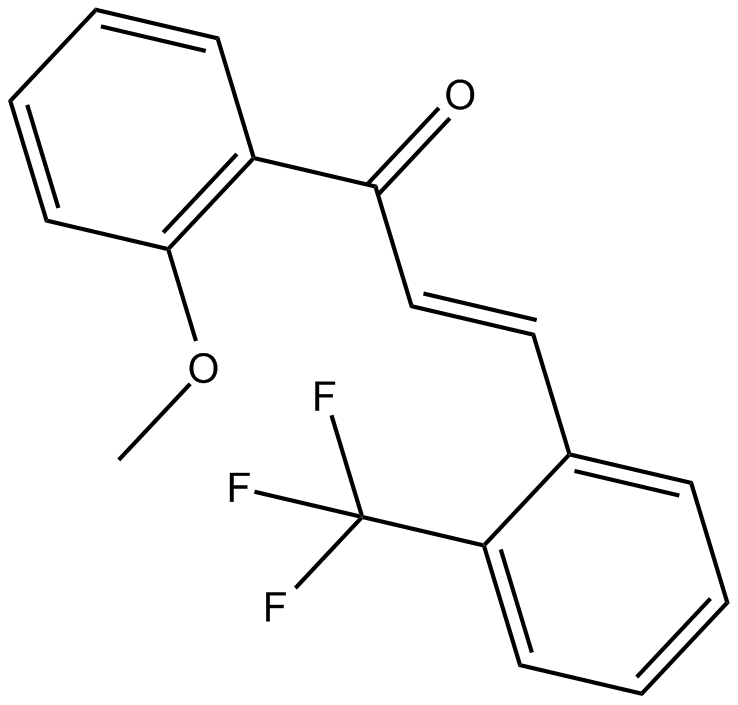 C3283 2-Trifluoromethyl-2'-methoxychalconeSummary: Nrf2 activator