


GPCR/G protein
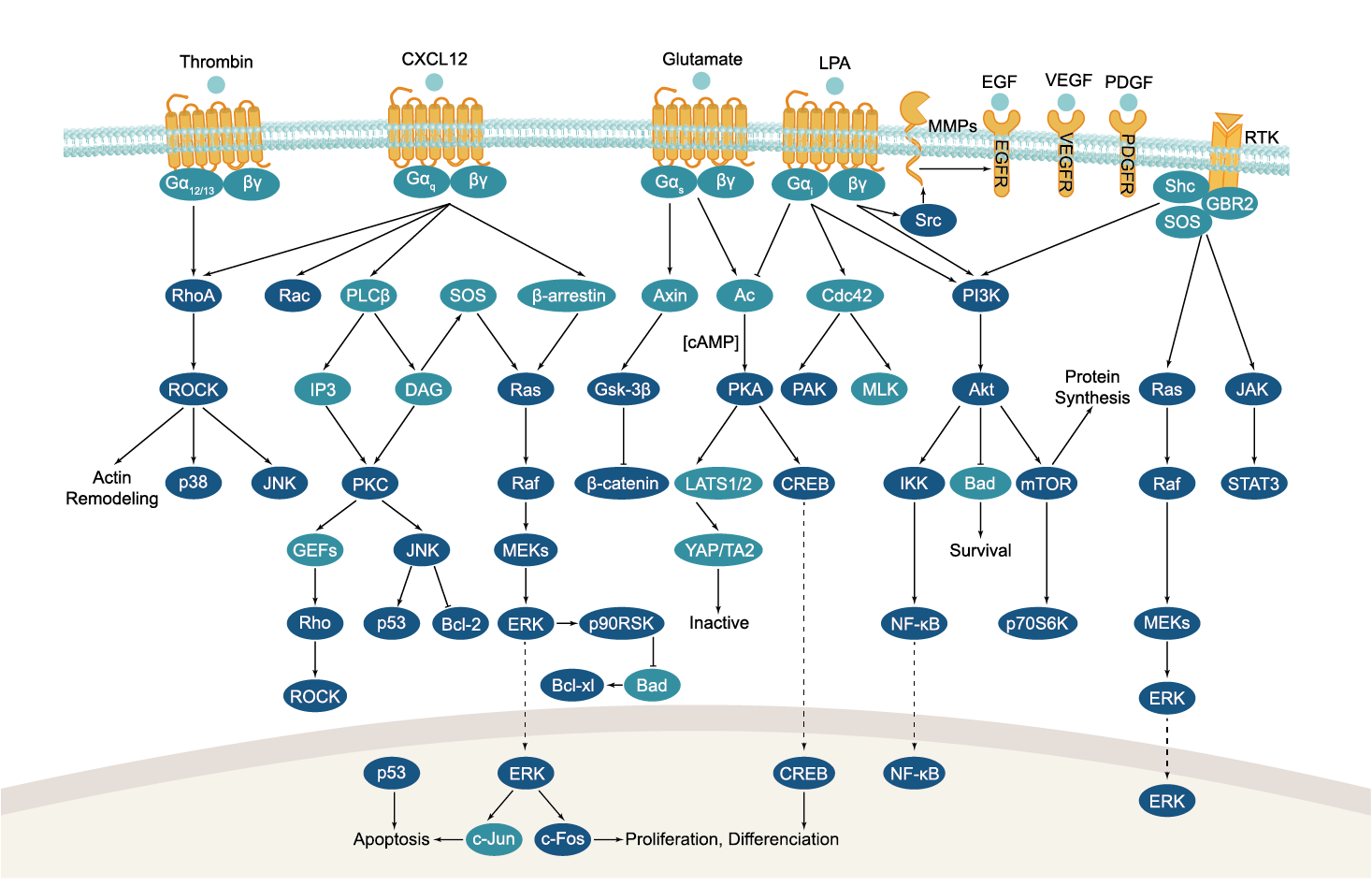
All GPCRs share a common seven trans-membrane structure. GPCRs are associated with heterotrimeric G-proteins which are GTP-binding proteins made of alpha, beta, and gamma subunits. When a ligand binds to GPCR, it activates the attached G-protein, the GDP is replaced with GTP. The activated G-protein then dissociates into an alpha and a beta-gamma complex which activates downstream signaling pathways. These intracellular signaling pathways include cAMP/PKA, calcium/NFAT, phospholipase C, protein tyrosine kinases, MAP kinases, PI-3-kinase, nitric oxide/cGMP, Rho, and JAK/STAT.
GPCRs are one of the most important therapeutic targets for various diseases, over 30% of all modern medicinal drugs target this family. Aberrant GPCR functions are involved in pathological conditions such as neurological, immunological and hormonal disorders. A large number of GPCRs have been identified, but whose ligands are not known, are classified as orphan receptors.
-
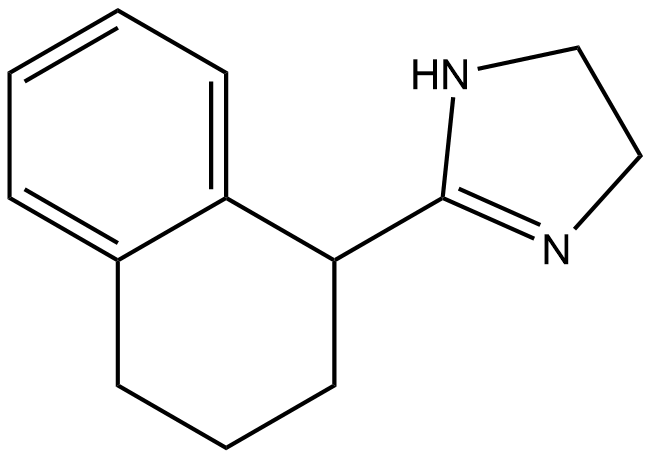 BA5175 TetrahydrozolineSummary: An imidazoline derivative α-adrenergic receptor agonist with vasoconstrictive activity.
 -
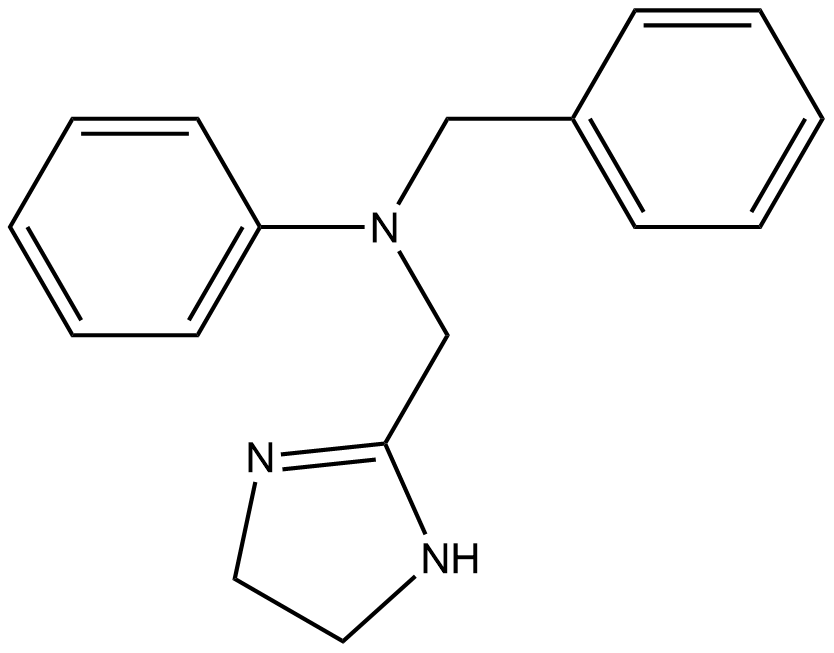 BA5430 AntazolineSummary: A histamine H1 receptor antagonist with anticholinergic and antiviral activities.
 -
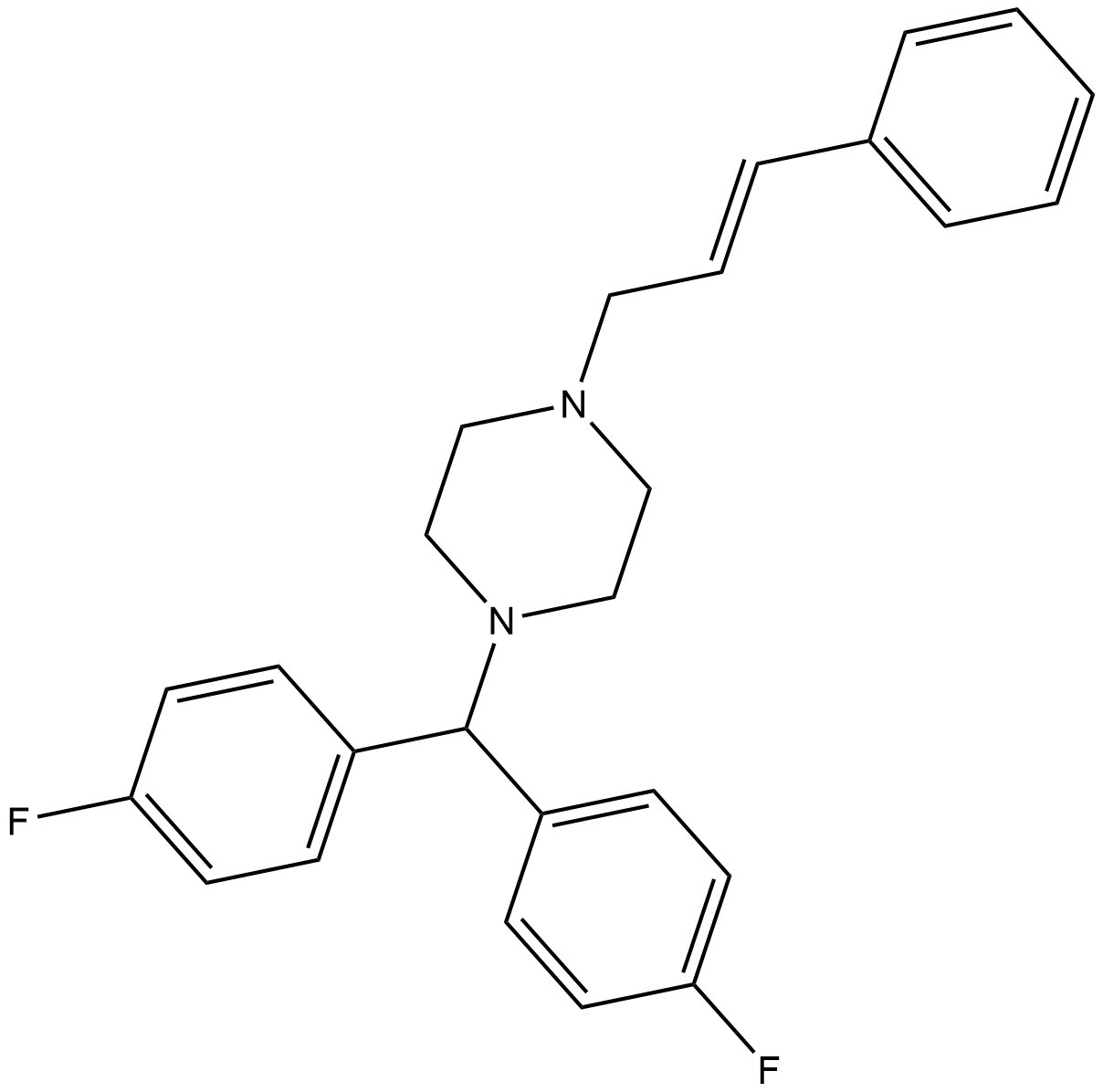 BA6578 FlunarizineSummary: An orally active dual Na+/Ca2+ channel blocker with D2 dopamine receptor antagonistic activity.
 -
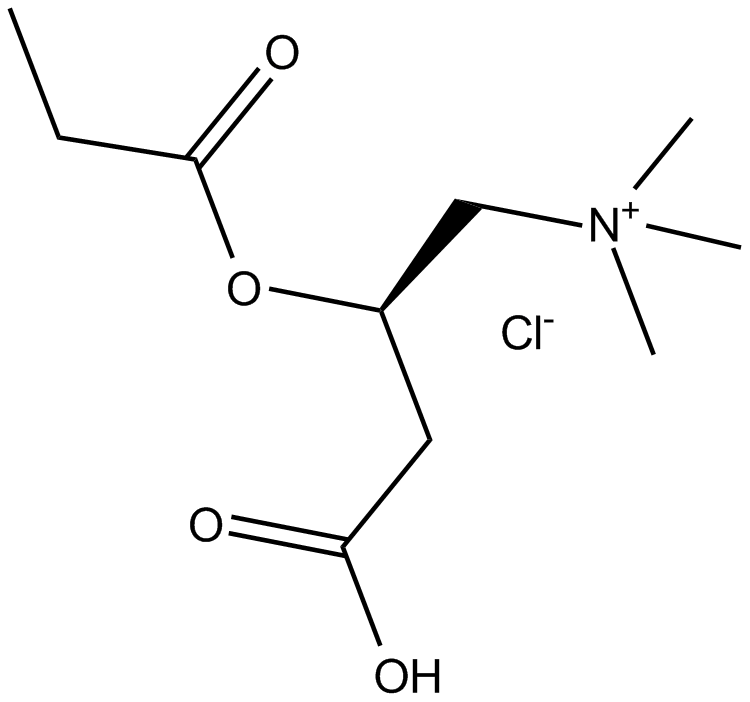 C4661 L-Propionylcarnitine (chloride)Summary: A carnitine derivative that modulates prostaglandin release and reduces reactive oxygen species generation.
 -
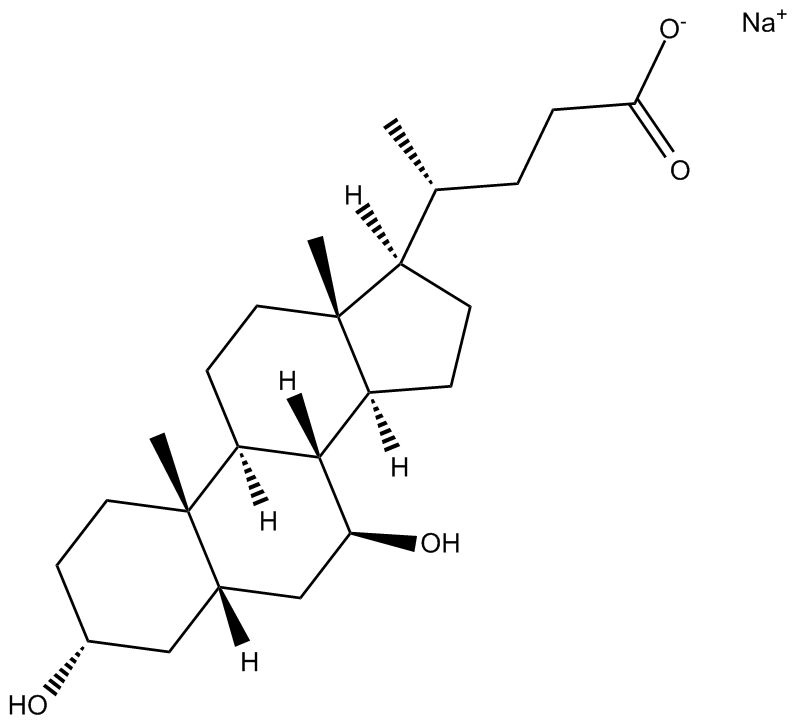 C4990 Ursodeoxycholic Acid (sodium salt)Summary: A naturally occurring secondary bile acid that modulates TGR5 (GPCR19)- and farnesoid X receptor (FXR)-related signaling pathways.
 -
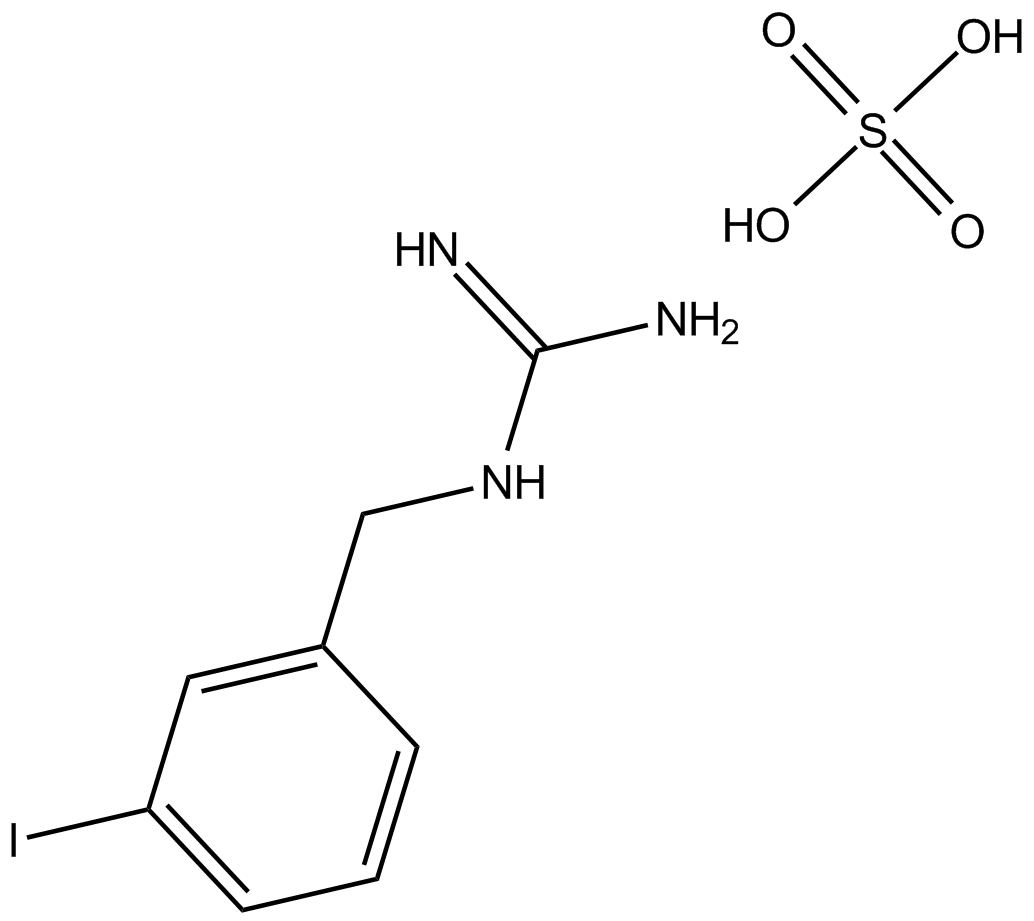 C5256 m-Iodobenzylguanidine (hemisulfate)Summary: A synthetic norepinephrine analog with selective tumor accumulation and cell growth inhibitory activity.
 -
 C9084 Nitroprusside disodium dihydrateSummary: A small-molecule nitric oxide donor probe for in vitro/in vivo studies of the sGC cGMP pathway.
 -
C9119 EtrumadenantSummary: A selective A2A/A2B adenosine receptor dual antagonist, a purinergic pathway probe for research use.
-
C9121 Terazosin HClSummary: A highly selective α1 adrenergic receptor antagonist for in vitro and in vivo receptor pharmacology and smooth muscle research.
-
 BA5294A LY2510924 acetateSummary: An effective and selective CXCR4 antagonist