


GPCR/G protein
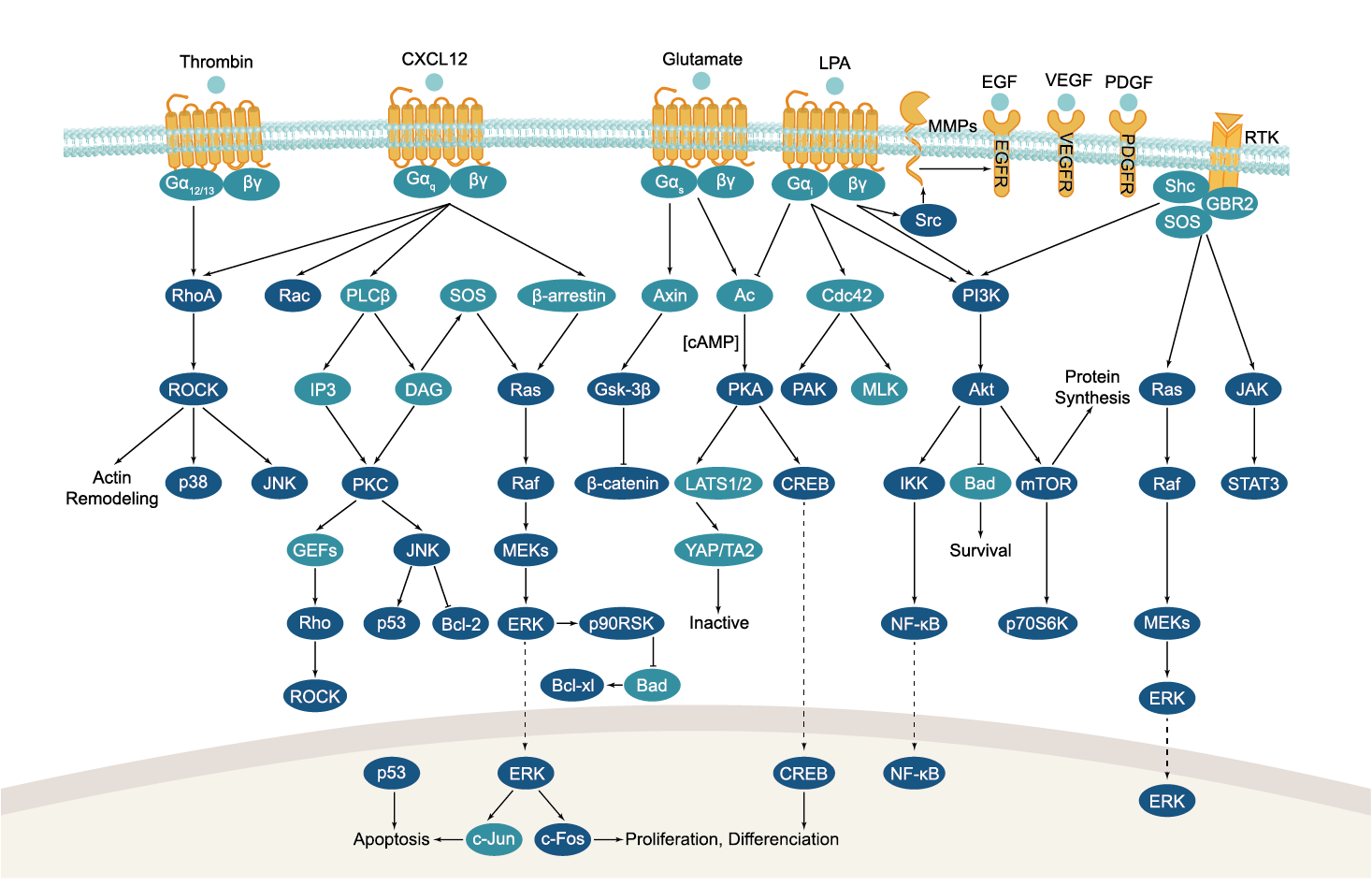
All GPCRs share a common seven trans-membrane structure. GPCRs are associated with heterotrimeric G-proteins which are GTP-binding proteins made of alpha, beta, and gamma subunits. When a ligand binds to GPCR, it activates the attached G-protein, the GDP is replaced with GTP. The activated G-protein then dissociates into an alpha and a beta-gamma complex which activates downstream signaling pathways. These intracellular signaling pathways include cAMP/PKA, calcium/NFAT, phospholipase C, protein tyrosine kinases, MAP kinases, PI-3-kinase, nitric oxide/cGMP, Rho, and JAK/STAT.
GPCRs are one of the most important therapeutic targets for various diseases, over 30% of all modern medicinal drugs target this family. Aberrant GPCR functions are involved in pathological conditions such as neurological, immunological and hormonal disorders. A large number of GPCRs have been identified, but whose ligands are not known, are classified as orphan receptors.
-
 C8909 Amezinium (methylsulfate)Summary: Amezinium methylsulfate is a sympathomimetic monoamine oxidase inhibitor and norepinephrine reuptake modulator used in neuropharmacology and autonomic nervous system research.
 -
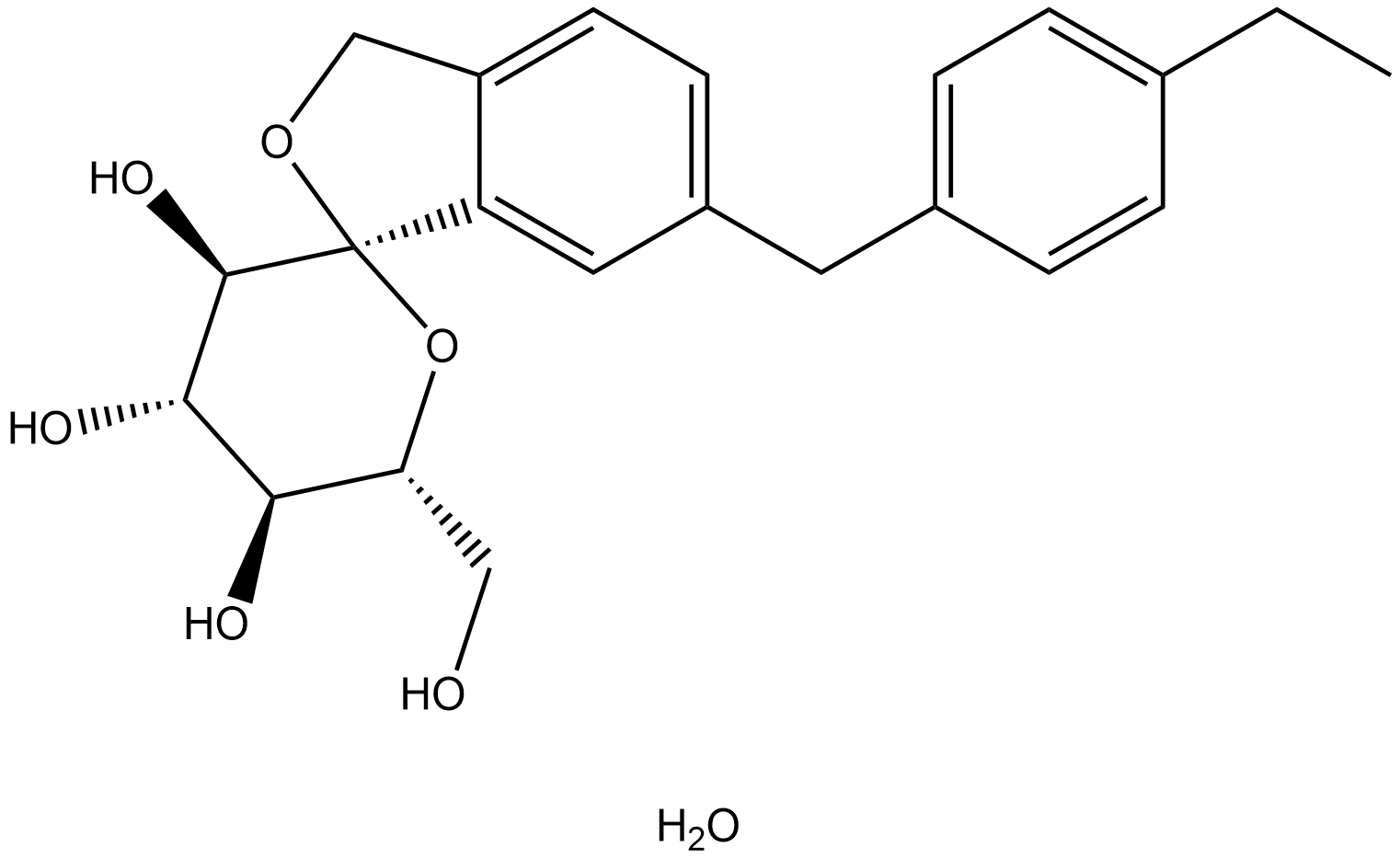 C8920 Tofogliflozin(CSG 452)Summary: Tofogliflozin (CSG 452) is a potent, selective sodium-glucose cotransporter 2 inhibitor targeting renal glucose transport, widely utilized in metabolic and diabetes mechanism research.
 -
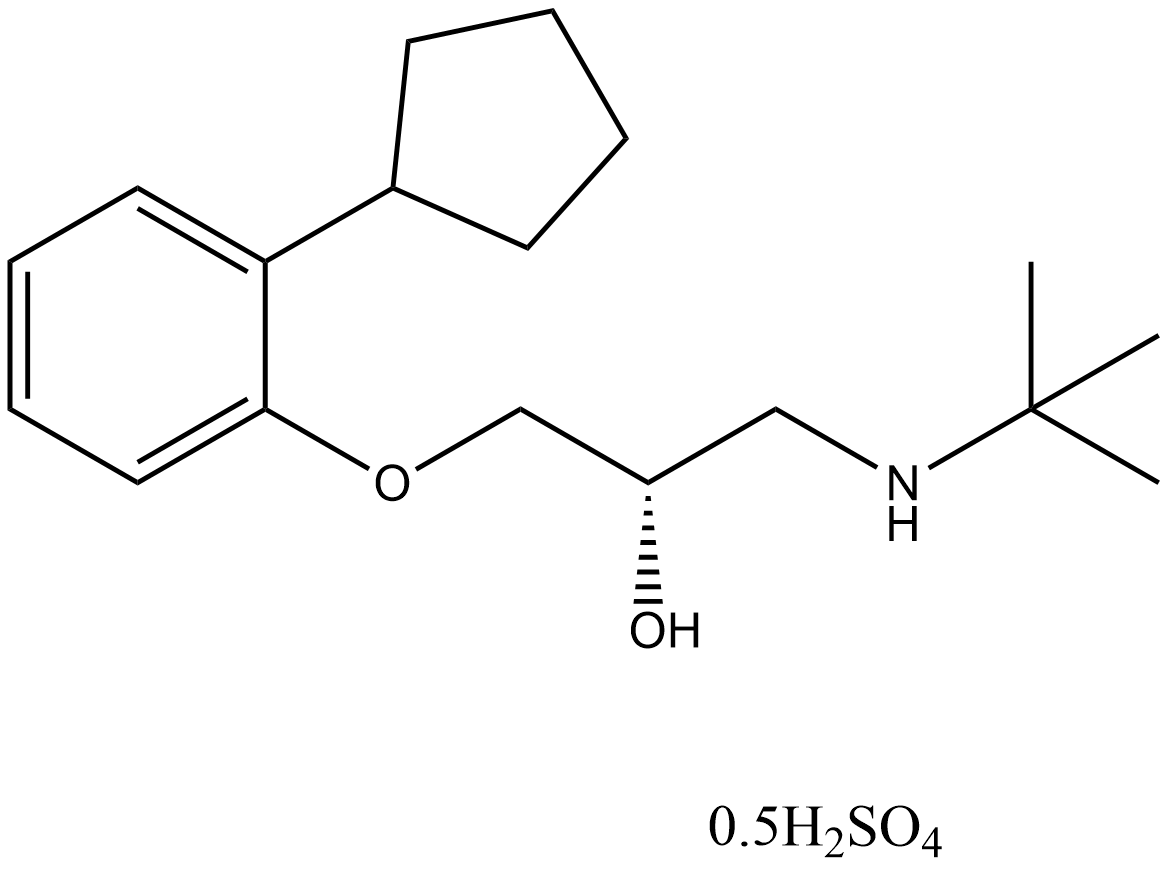 C8926 Penbutolol SulfateSummary: Penbutolol sulfate is a nonselective beta-adrenergic receptor antagonist targeting β1/β2 signaling, widely utilized as a pharmacological probe in cardiovascular and adrenergic pathway research.
 -
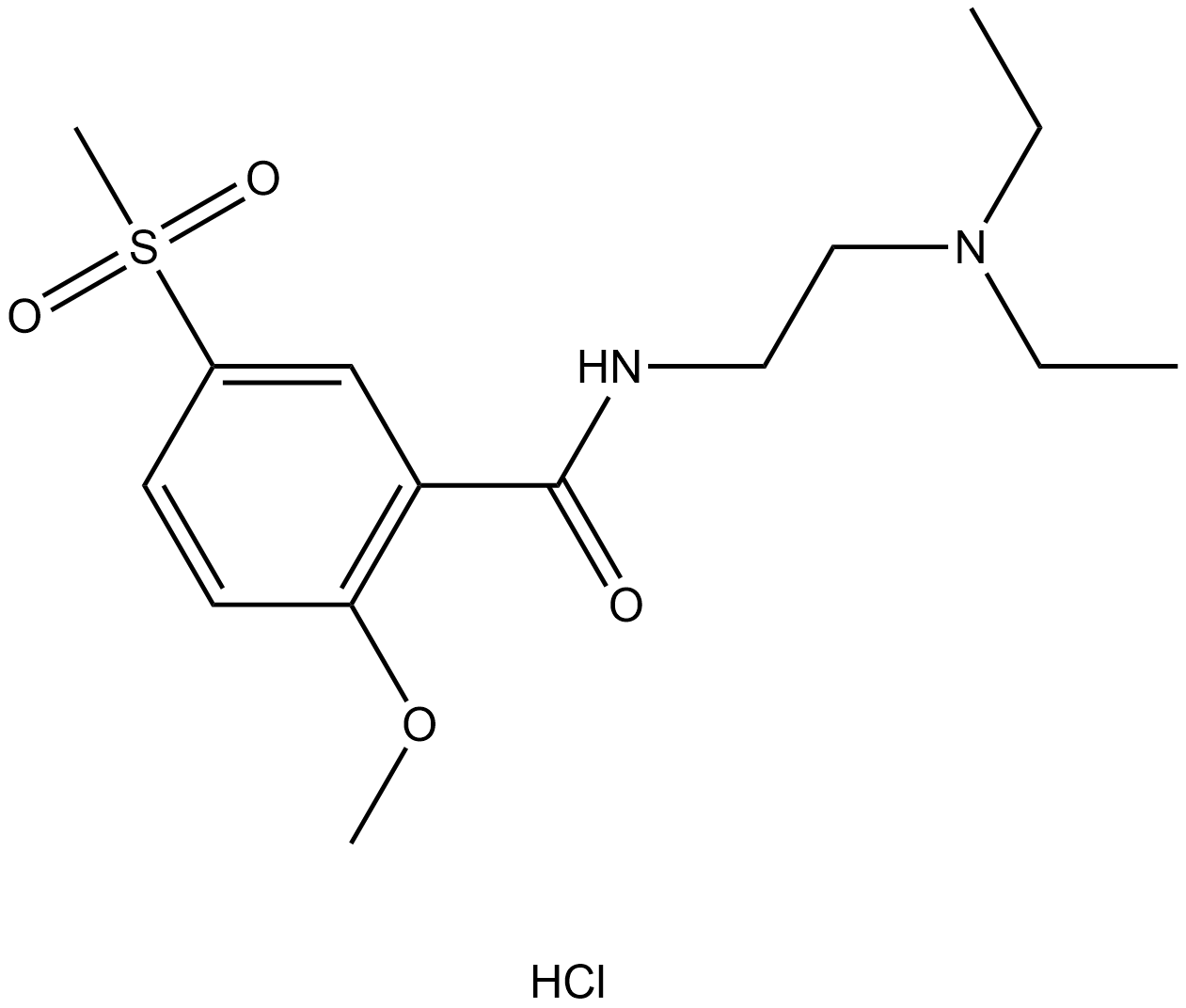 C8928 Tiapride HydrochlorideSummary: Tiapride Hydrochloride is a substituted benzamide and selective dopamine D2 receptor antagonist widely utilized as a pharmacological tool in neuropharmacology and behavioral neuroscience research.
 -
C8929 Protriptyline hydrochlorideSummary: Protriptyline hydrochloride is a tricyclic amine that modulates norepinephrine and serotonin transporter activity, serving as a reference compound in neuropharmacology research.
-
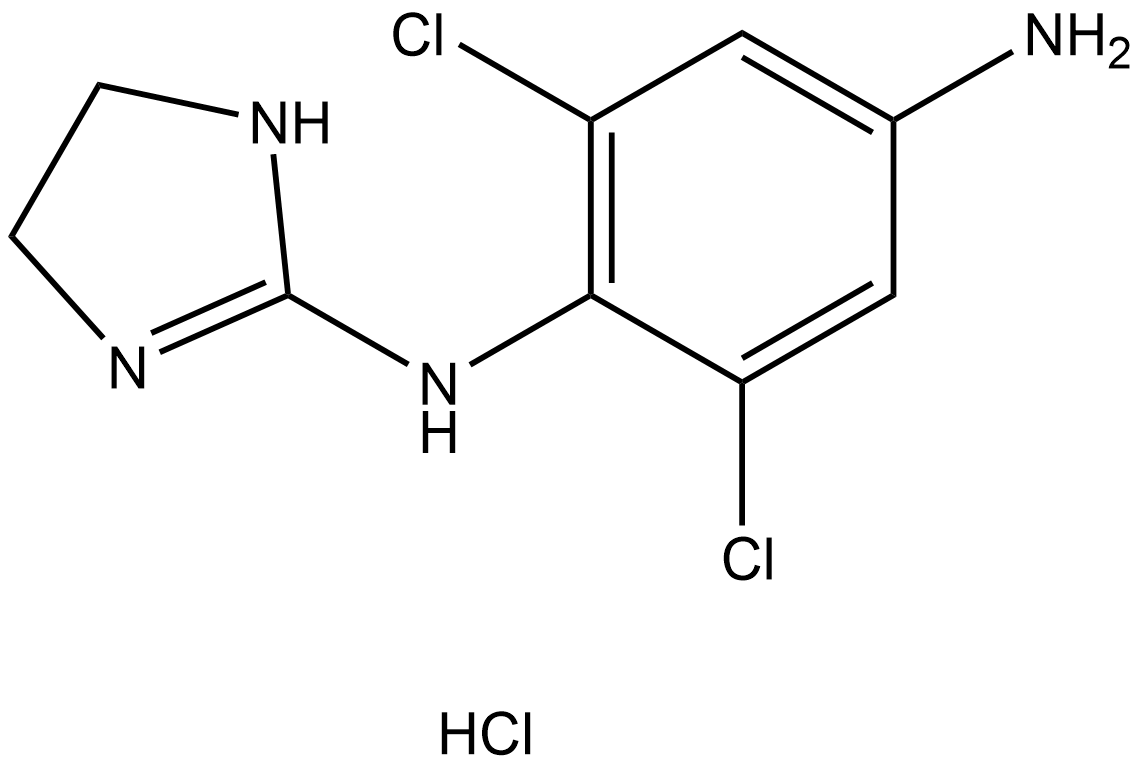 C8930 Apraclonidine HClSummary: Apraclonidine HCl is a selective α2-adrenergic receptor agonist used to investigate adrenergic signaling pathways in neuropharmacology and ocular physiology research.
 -
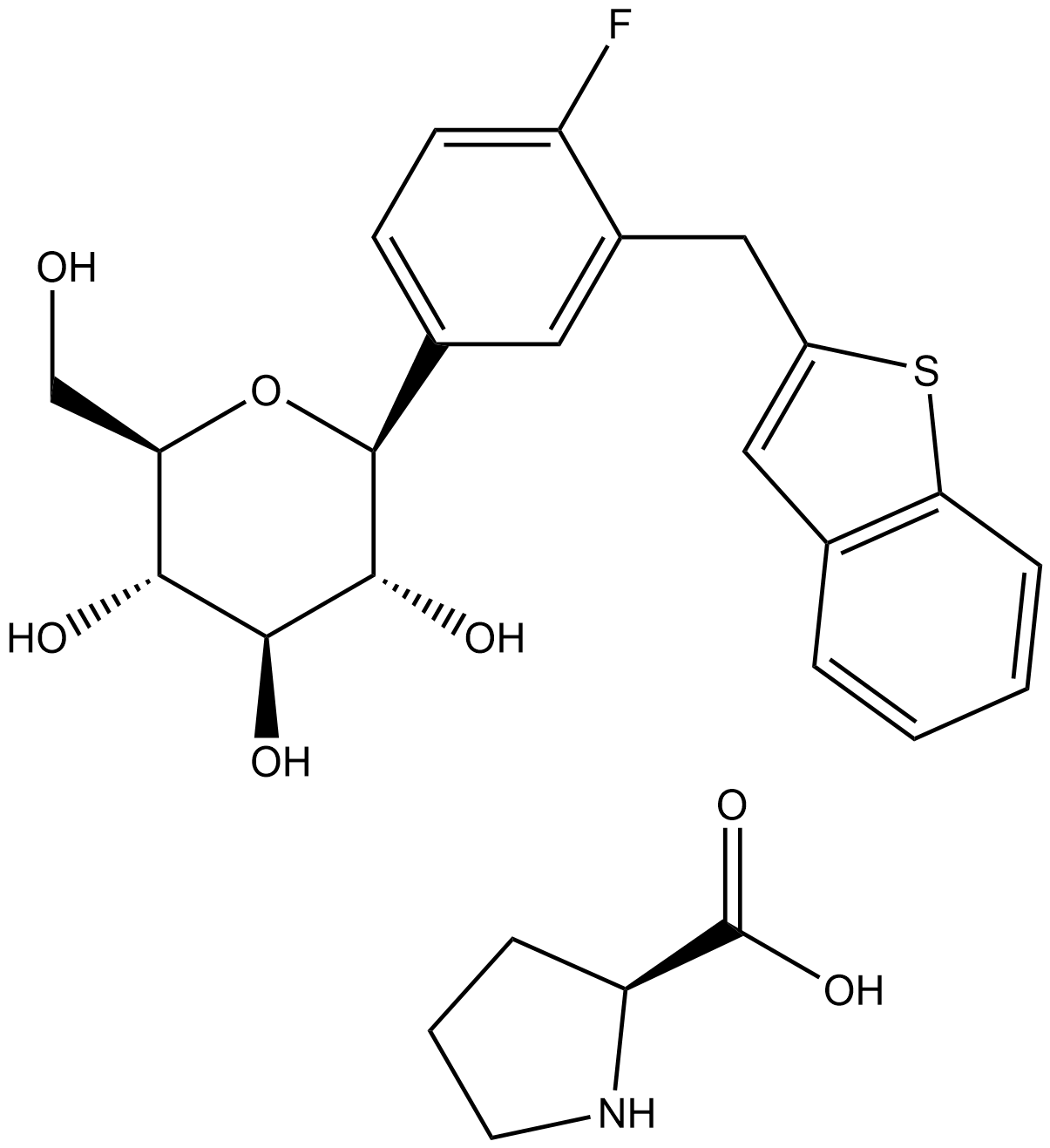 C8934 Ipragliflozin L-ProlineSummary: Ipragliflozin L-Proline is an SGLT2 inhibitor targeting renal glucose transport pathways, widely utilized in metabolic regulation and diabetes-related mechanistic research.
 -
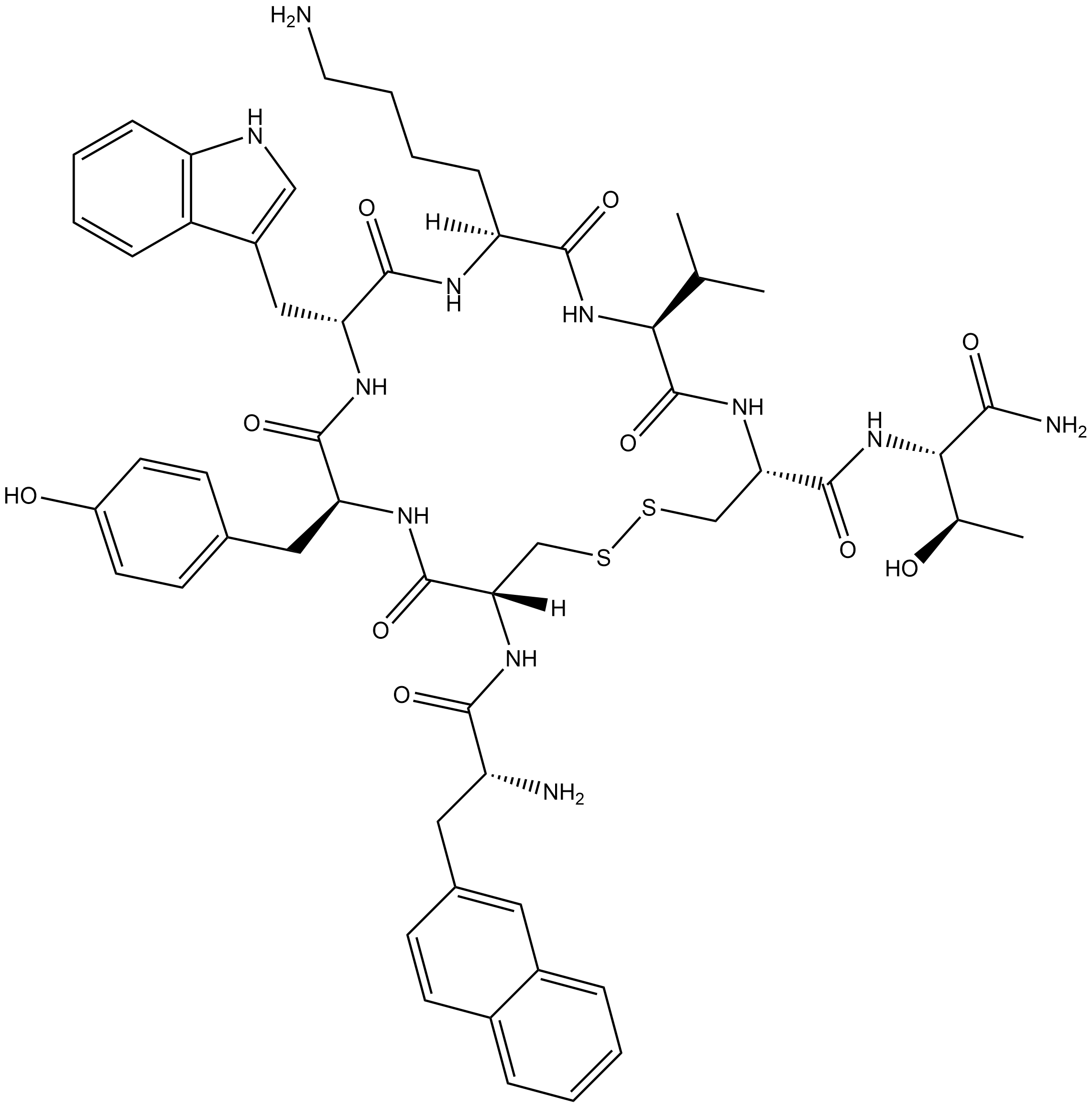 C8938 LanreotideSummary: Lanreotide is a synthetic somatostatin analog agonist targeting somatostatin receptors, widely utilized in endocrine signaling, receptor pharmacology, and neuroendocrine tumor biology research.
 -
C8941 Pimethixene maleateSummary: Pimethixene maleate is a phenothiazine derivative with antihistaminic and anticholinergic activity, widely utilized as a reference compound in neuropharmacology and receptor-signaling research.
-
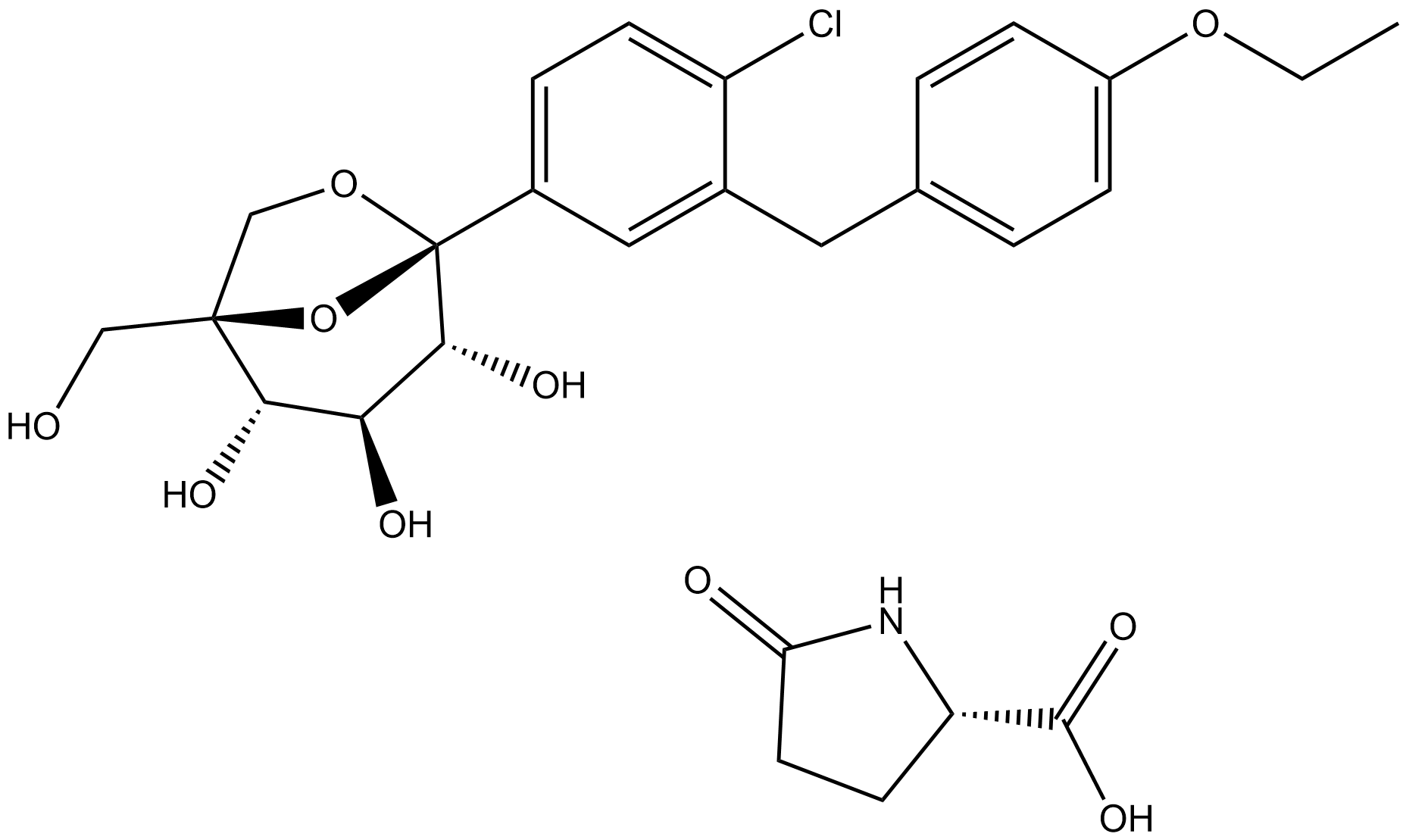 C8944 Ertugliflozin L-pyroglutamic acidSummary: Ertugliflozin L-pyroglutamic acid is a selective sodium-glucose cotransporter 2 inhibitor used as a reference compound in metabolic and diabetes-related biochemical research.