


GPCR/G protein
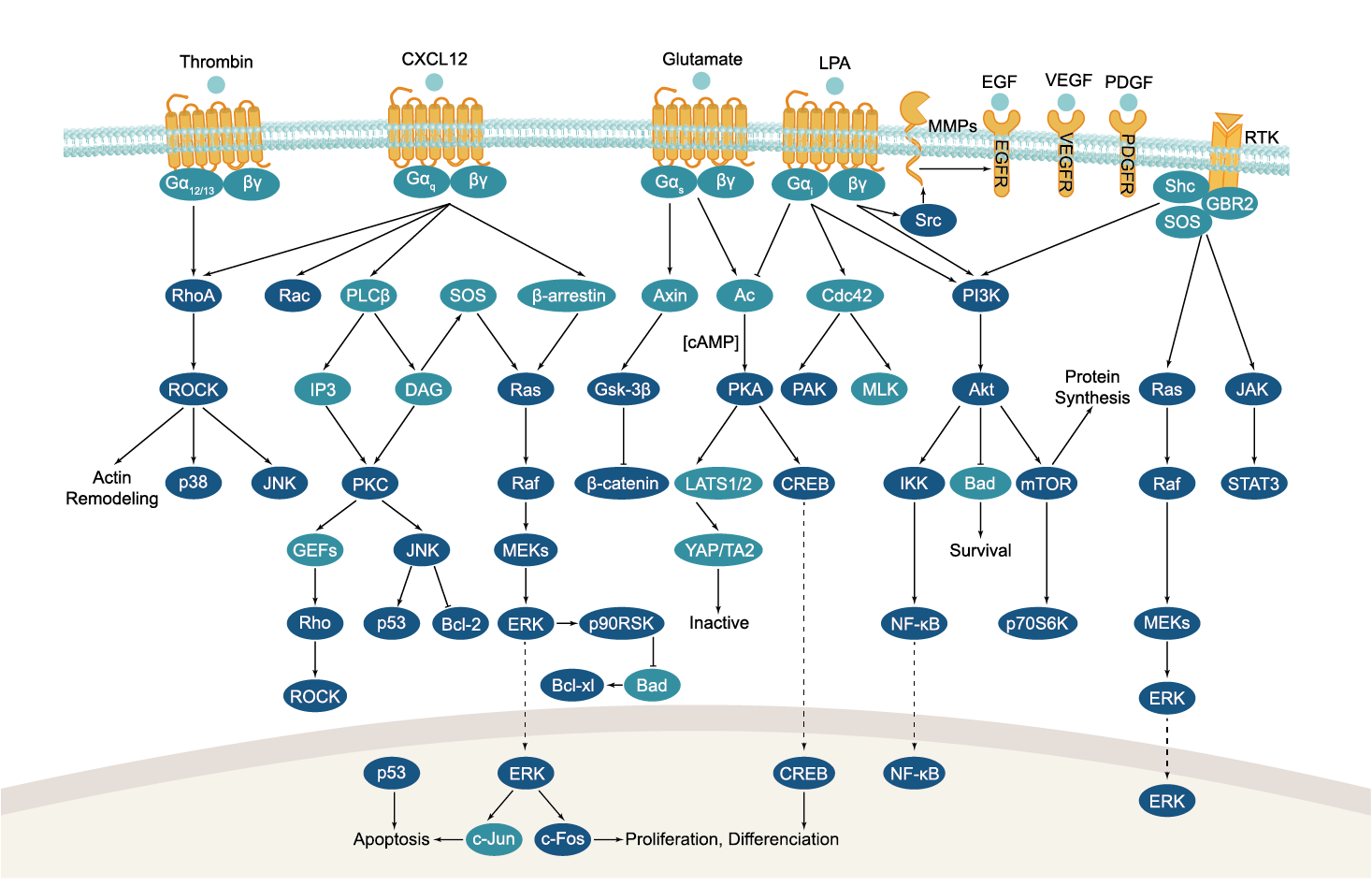
All GPCRs share a common seven trans-membrane structure. GPCRs are associated with heterotrimeric G-proteins which are GTP-binding proteins made of alpha, beta, and gamma subunits. When a ligand binds to GPCR, it activates the attached G-protein, the GDP is replaced with GTP. The activated G-protein then dissociates into an alpha and a beta-gamma complex which activates downstream signaling pathways. These intracellular signaling pathways include cAMP/PKA, calcium/NFAT, phospholipase C, protein tyrosine kinases, MAP kinases, PI-3-kinase, nitric oxide/cGMP, Rho, and JAK/STAT.
GPCRs are one of the most important therapeutic targets for various diseases, over 30% of all modern medicinal drugs target this family. Aberrant GPCR functions are involved in pathological conditions such as neurological, immunological and hormonal disorders. A large number of GPCRs have been identified, but whose ligands are not known, are classified as orphan receptors.
-
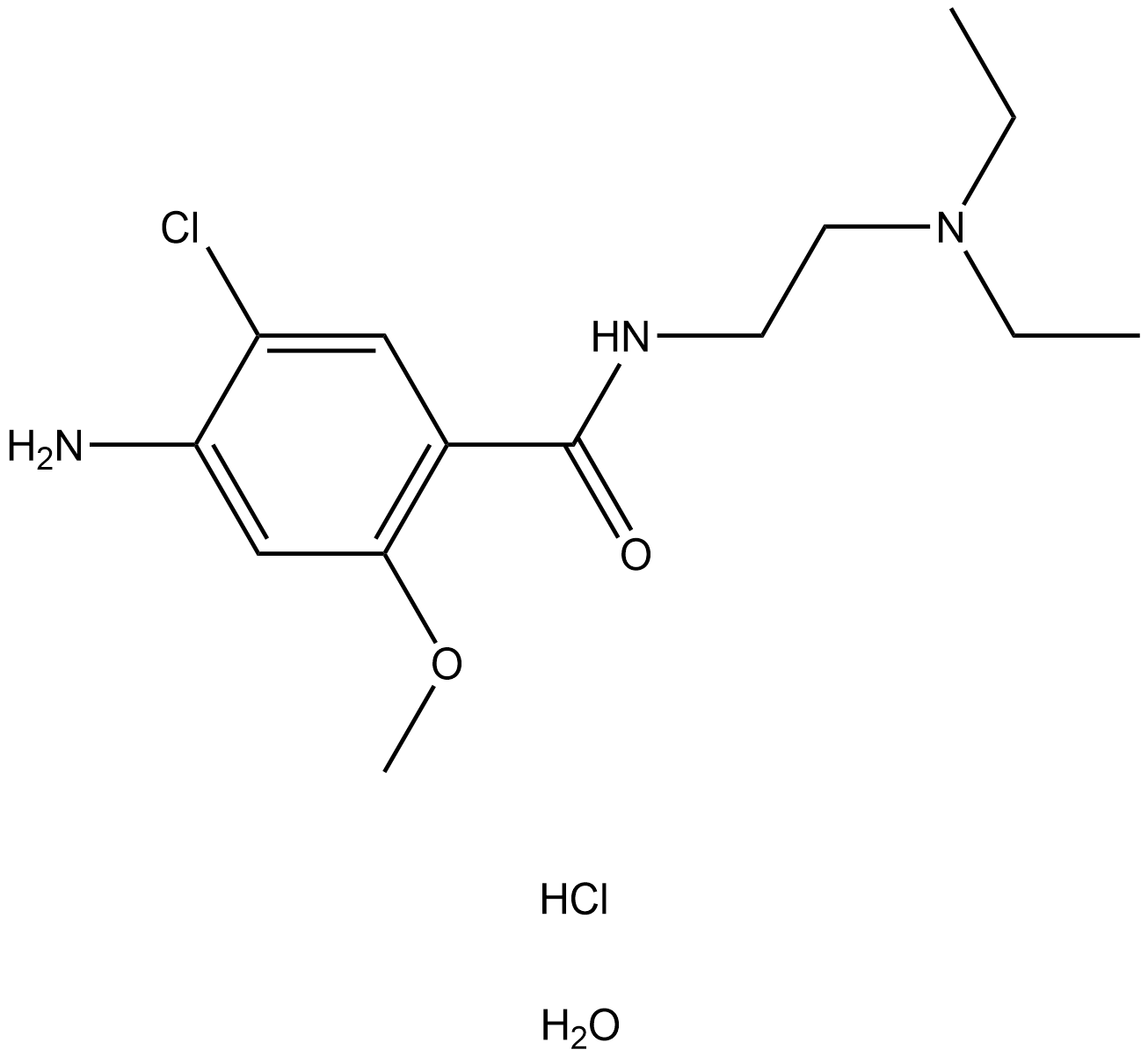 C8952 Metoclopramide hydrochloride hydrateSummary: Metoclopramide hydrochloride hydrate is a dopamine D2 receptor antagonist and serotonergic modulator used as a pharmacological tool in neuropharmacology and gastrointestinal motility research.
 -
 C8974 Etelcalcetide HClSummary: Etelcalcetide HCl is a peptide allosteric agonist of the calcium-sensing receptor, widely utilized in parathyroid signaling and mineral metabolism research.
 -
C8984 Ganirelix acetate (Antagon)Summary: Ganirelix acetate (Antagon) is a synthetic decapeptide gonadotropin-releasing hormone receptor antagonist used to investigate pituitary gonadotropin signaling in reproductive endocrinology research.
-
C8986 Naloxegol OxalateSummary: Naloxegol Oxalate is a peripherally selective μ-opioid receptor antagonist used to investigate opioid receptor signaling and gastrointestinal motility mechanisms in pharmacological research.
-
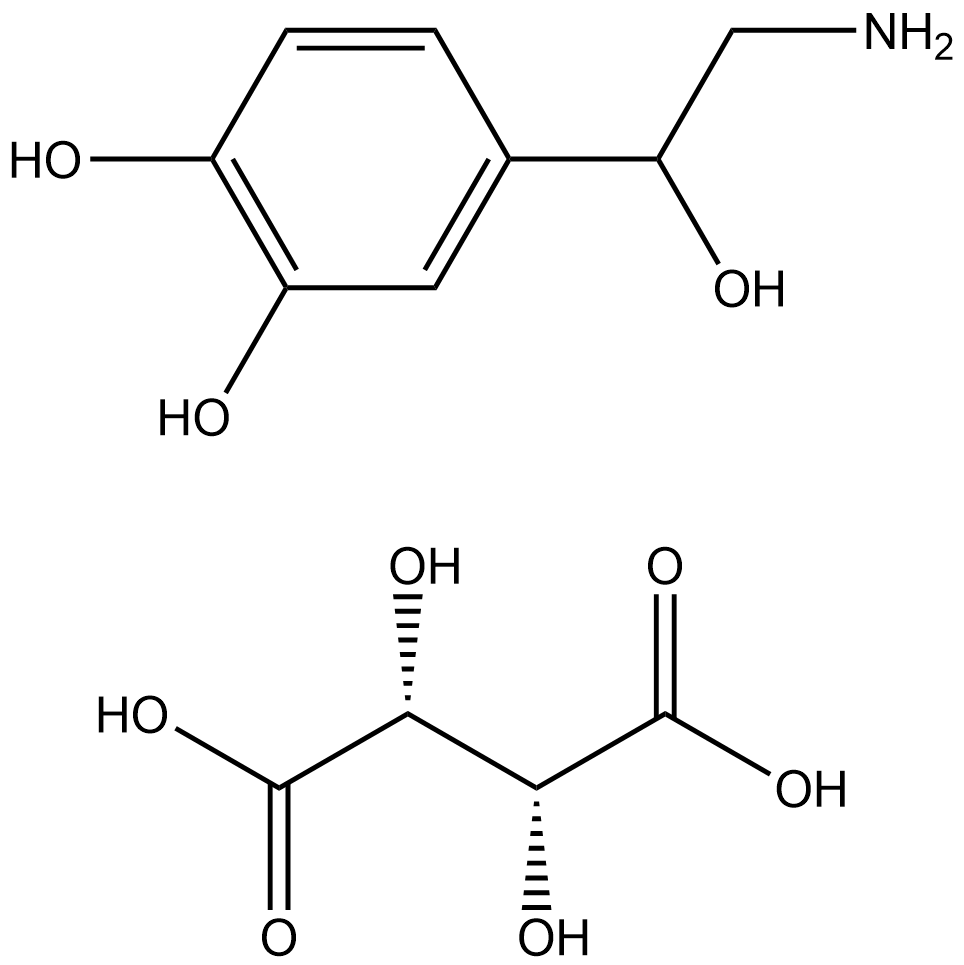 C8991 Norepinephrine tartrateSummary: Norepinephrine tartrate is a catecholamine adrenergic receptor agonist targeting α- and β-adrenergic signaling pathways, widely utilized in neurobiology, cardiovascular physiology, and receptor pharmacology research.
 -
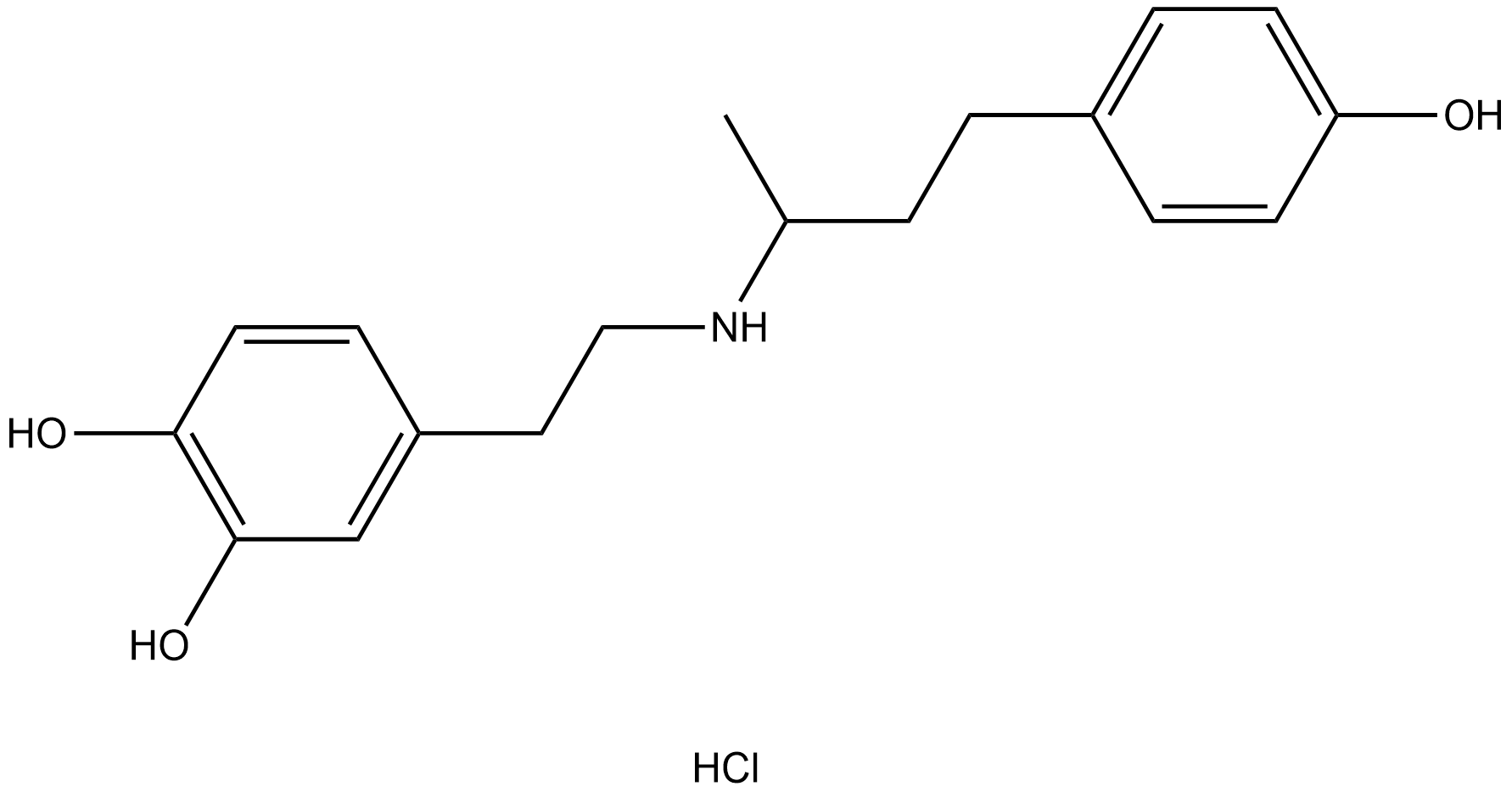 C8994 Dobutamine HClSummary: Dobutamine HCl is a synthetic catecholamine and selective β1-adrenergic receptor agonist used to investigate cardiac adrenergic signaling and myocardial contractility mechanisms.
 -
C8997 Cangrelor TetrasodiumSummary: Cangrelor tetrasodium is a potent, reversible P2Y12 purinergic receptor antagonist used to investigate platelet signaling, thrombosis mechanisms, and ADP-mediated cellular activation pathways.
-
C9003 Nylidrin HydrochlorideSummary: Nylidrin Hydrochloride is a β-adrenergic receptor agonist used as a pharmacological tool for investigating adrenergic signaling pathways in cardiovascular and smooth muscle research.
-
C9011 Diquafosol TetrasodiumSummary: Diquafosol tetrasodium is a selective P2Y2 purinergic receptor agonist used to investigate nucleotide-mediated signaling and epithelial ion transport in cellular physiology research.
-
C9012 Carperitide AcetateSummary: Carperitide Acetate is a synthetic natriuretic peptide agonist of guanylate cyclase-A signaling, utilized in cardiovascular physiology and renal function research.