


GPCR/G protein
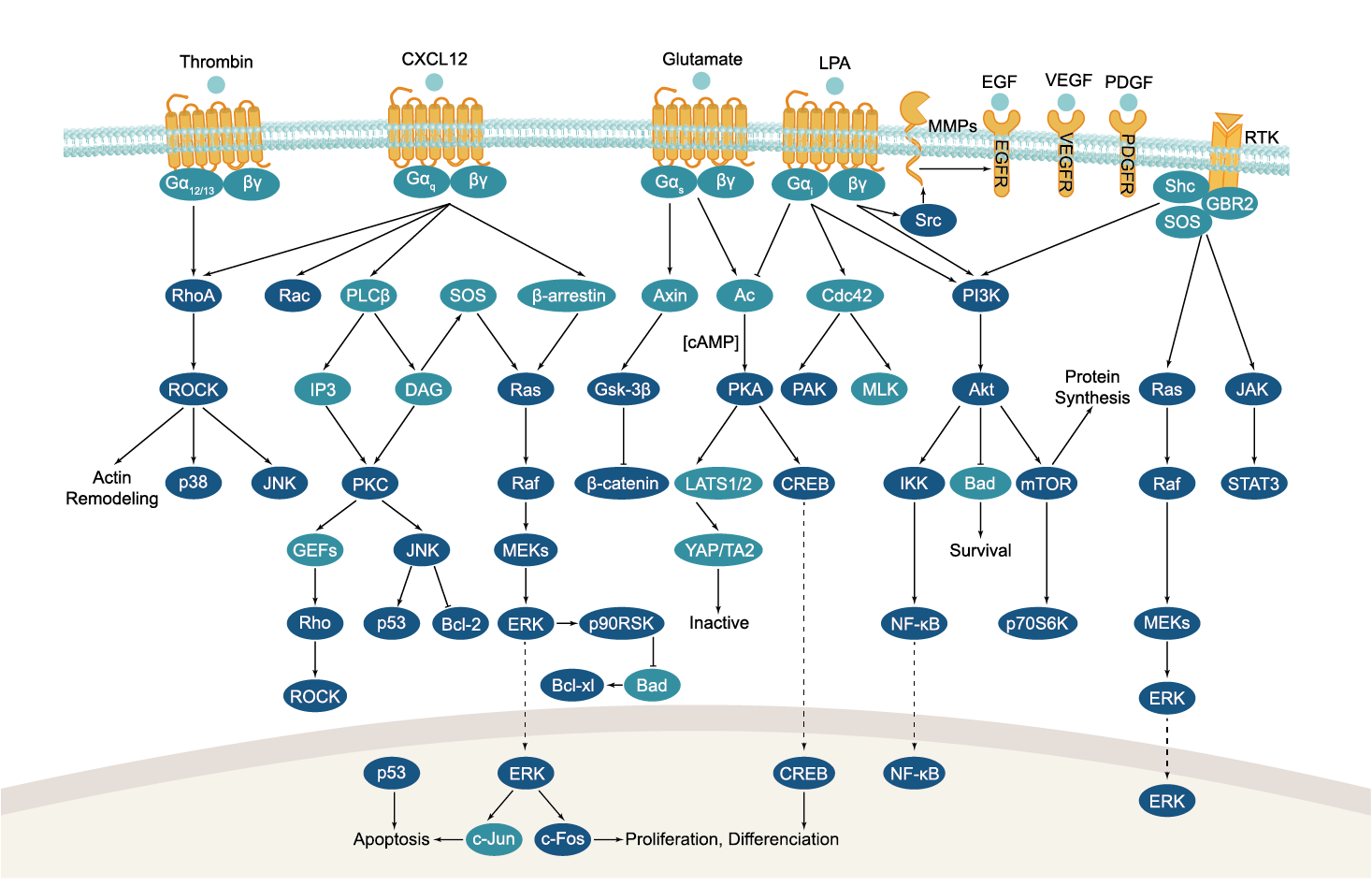
All GPCRs share a common seven trans-membrane structure. GPCRs are associated with heterotrimeric G-proteins which are GTP-binding proteins made of alpha, beta, and gamma subunits. When a ligand binds to GPCR, it activates the attached G-protein, the GDP is replaced with GTP. The activated G-protein then dissociates into an alpha and a beta-gamma complex which activates downstream signaling pathways. These intracellular signaling pathways include cAMP/PKA, calcium/NFAT, phospholipase C, protein tyrosine kinases, MAP kinases, PI-3-kinase, nitric oxide/cGMP, Rho, and JAK/STAT.
GPCRs are one of the most important therapeutic targets for various diseases, over 30% of all modern medicinal drugs target this family. Aberrant GPCR functions are involved in pathological conditions such as neurological, immunological and hormonal disorders. A large number of GPCRs have been identified, but whose ligands are not known, are classified as orphan receptors.
-
 C9014 Lanreotide acetateSummary: Lanreotide acetate is a synthetic somatostatin analog targeting somatostatin receptors, widely utilized as a pharmacological probe in endocrine and receptor-signaling research.
 -
C9021 Ractopamine HClSummary: Ractopamine HCl is a β-adrenergic receptor agonist targeting β1/β2-mediated signaling, widely utilized in pharmacology and veterinary residue-analysis research.
-
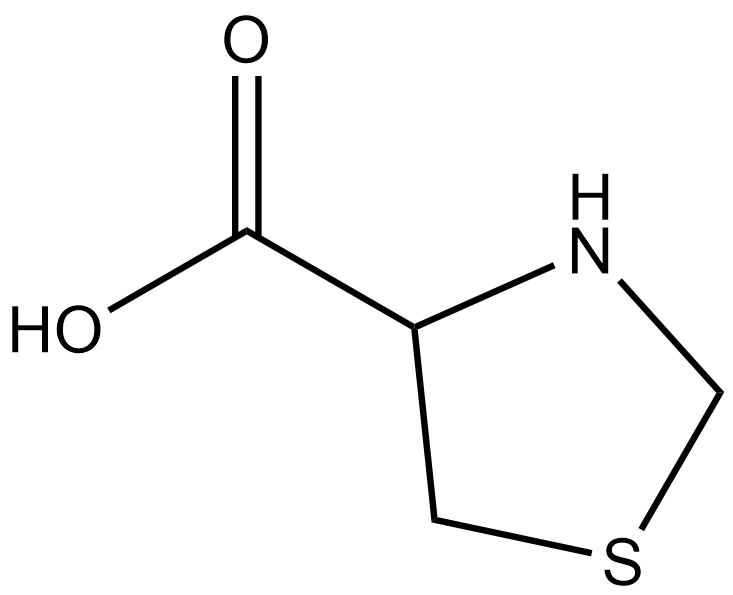 C9047 TimonacicSummary: Timonacic (CAS 444-27-9) is a sulfur-containing thiazolidine derivative used as a biochemical standard and reagent in redox and metabolic research.
 -
C9048 Felypressin AcetateSummary: Felypressin acetate is a synthetic vasopressin analog and V1 receptor agonist used as a pharmacological probe in cardiovascular and smooth muscle signaling research.
-
N2921 Methyl linolenateSummary: Methyl linolenate is an omega-3 polyunsaturated fatty acid methyl ester used as a lipid metabolism reference compound in biochemical and analytical research.
-
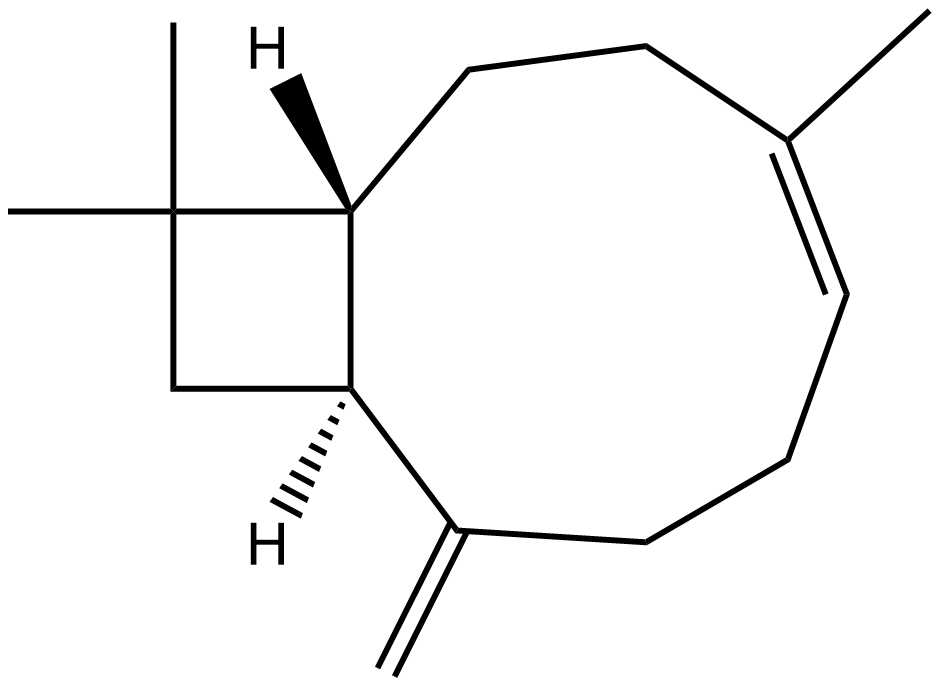 N2922 β-CaryophylleneSummary: β-Caryophyllene is a bicyclic sesquiterpene and selective cannabinoid receptor 2 agonist widely utilized in inflammation, neurobiology, and signaling pathway research.
 -
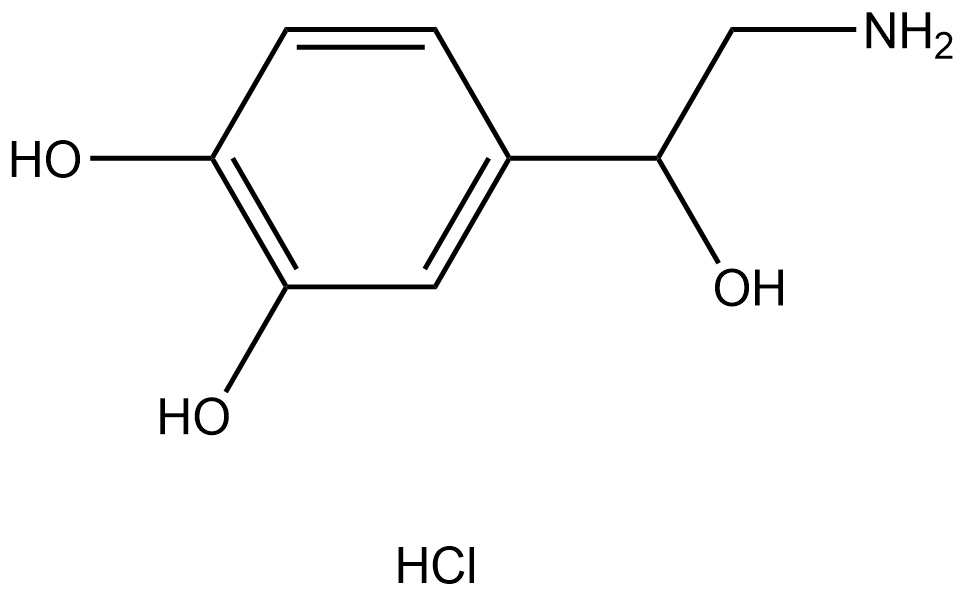 N2932 DL-Norepinephrine hydrochlorideSummary: DL-Norepinephrine hydrochloride is a synthetic catecholamine adrenergic receptor agonist used to investigate sympathetic neurotransmission, receptor pharmacology, and stress-related signaling in neurobiological research.
 -
B8370 EvocalcetSummary: An orally active calcium-sensing receptor (CaSR) agonist.
-
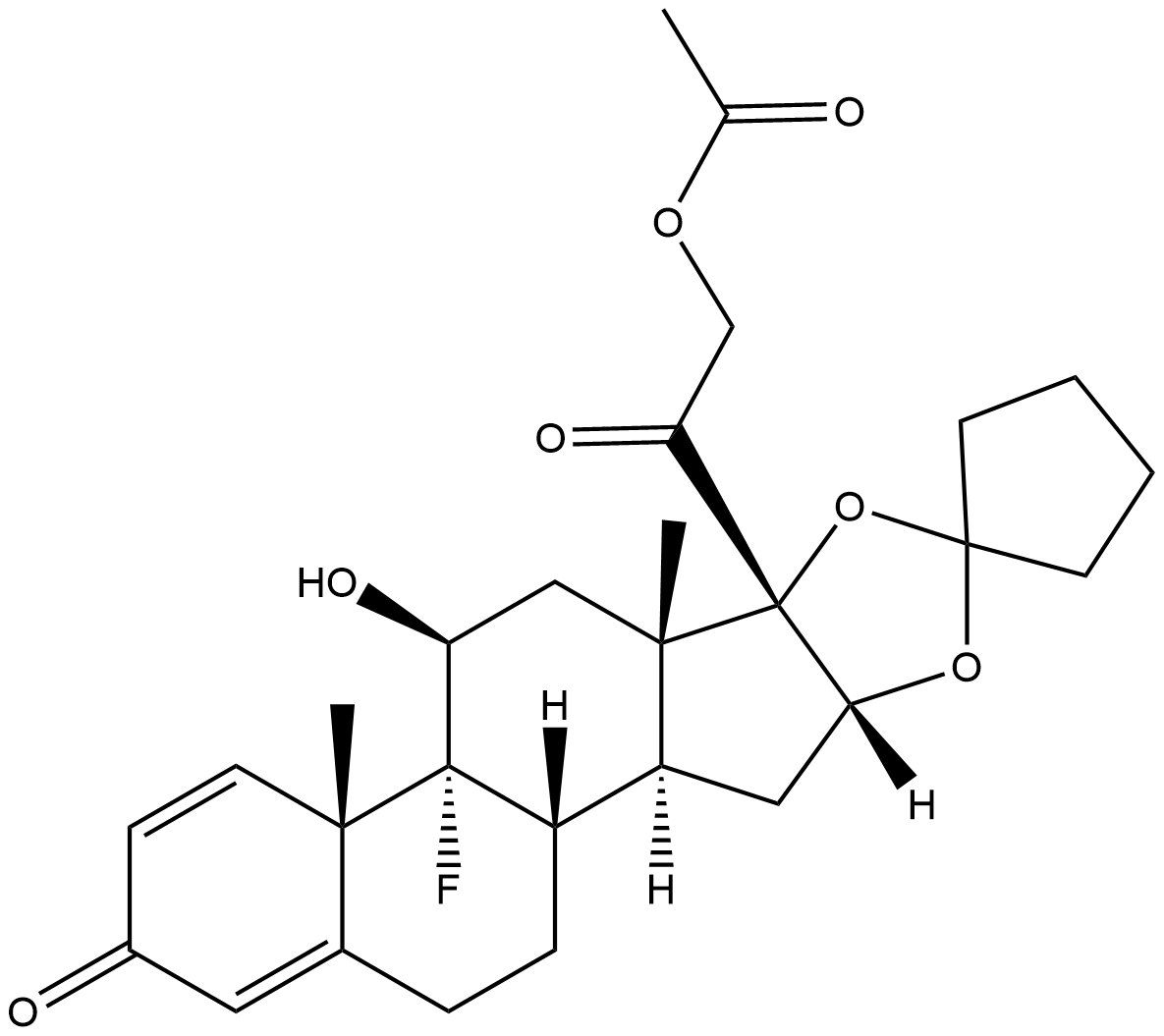 B8757 AmcinonideSummary: An effective corticosteroid hormone receptor agonist.
 -
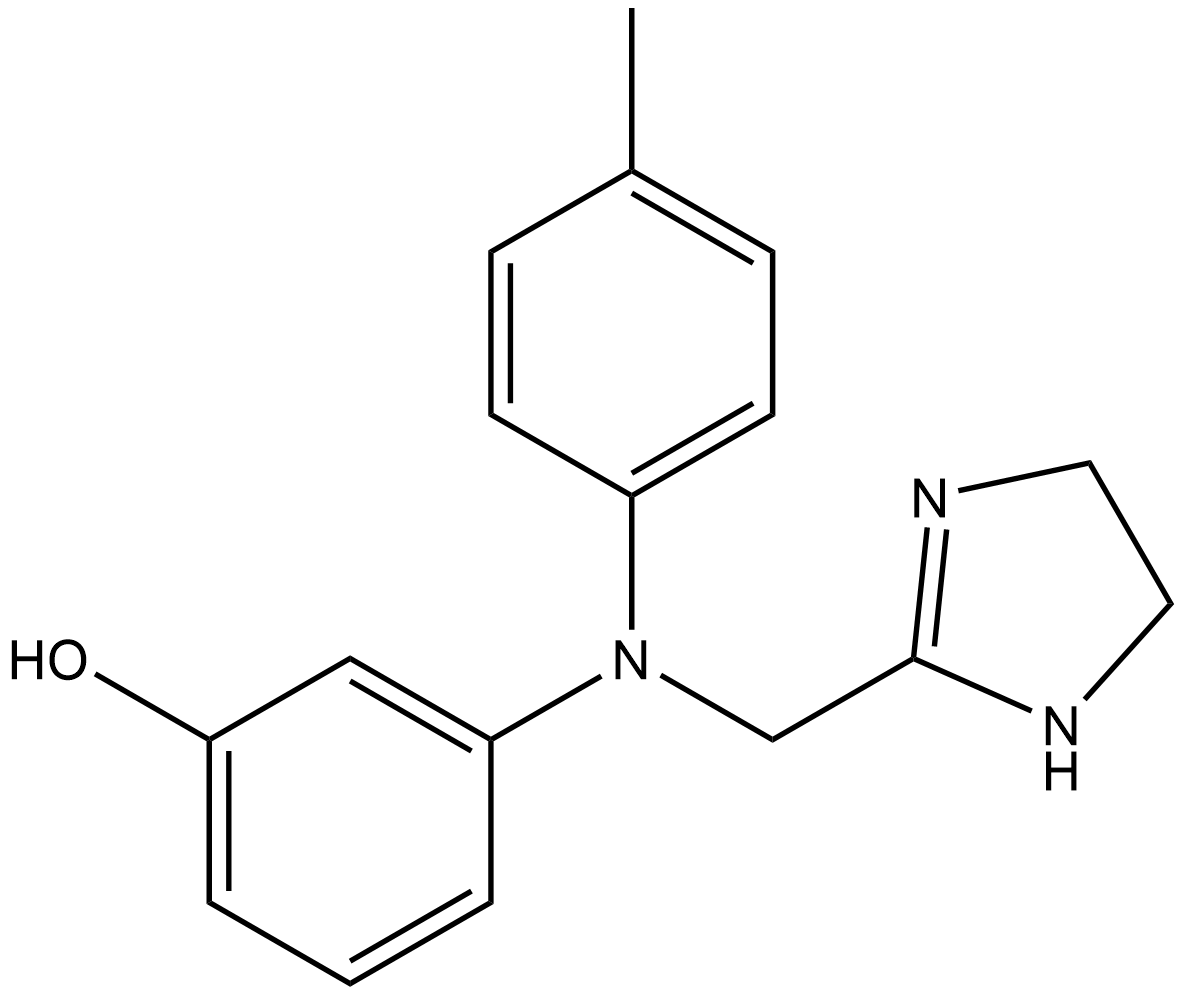 BA5114 PhentolamineSummary: An orally active selective α1 and α2 adrenergic receptor antagonist.