


GPCR/G protein
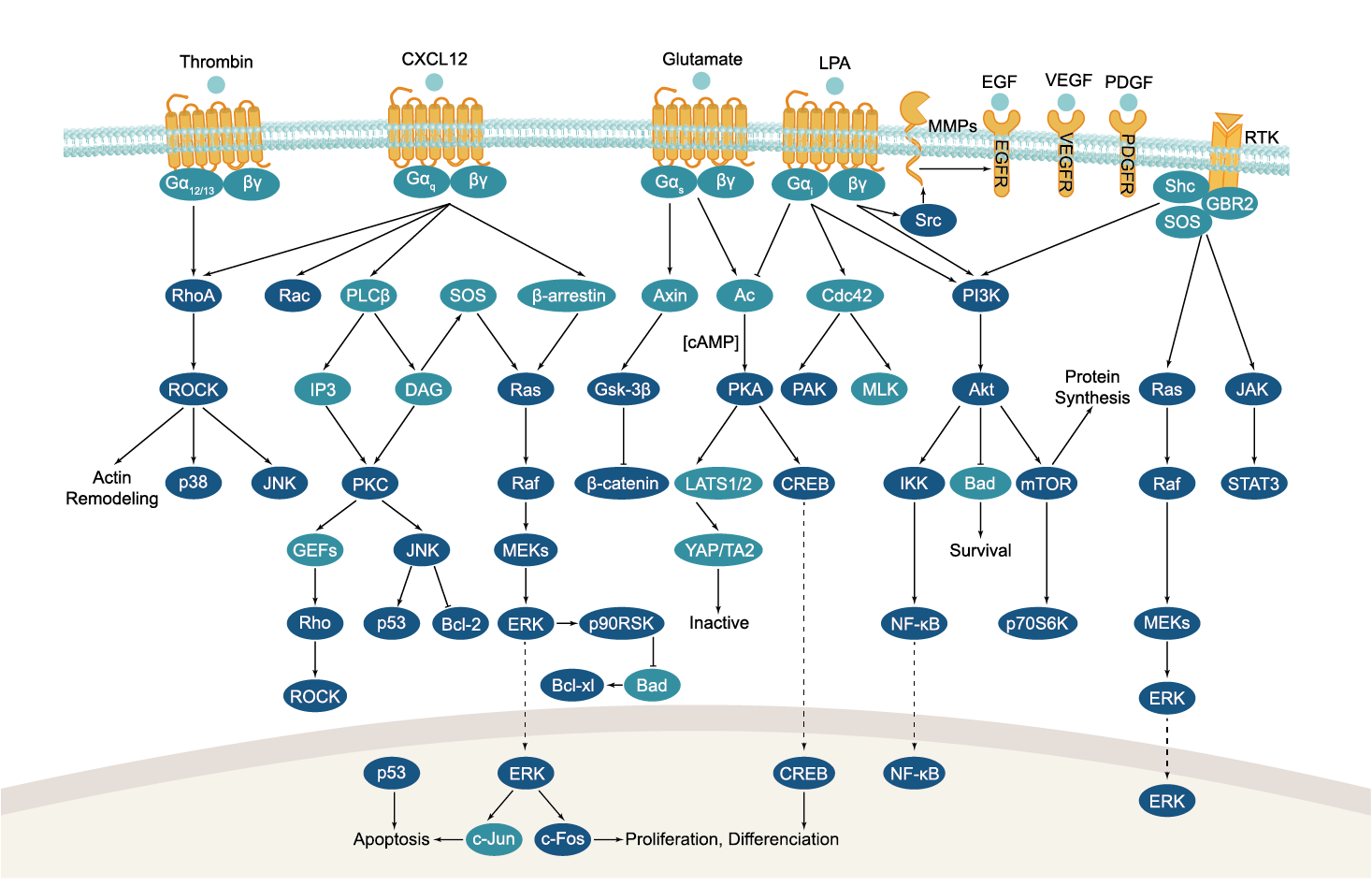
All GPCRs share a common seven trans-membrane structure. GPCRs are associated with heterotrimeric G-proteins which are GTP-binding proteins made of alpha, beta, and gamma subunits. When a ligand binds to GPCR, it activates the attached G-protein, the GDP is replaced with GTP. The activated G-protein then dissociates into an alpha and a beta-gamma complex which activates downstream signaling pathways. These intracellular signaling pathways include cAMP/PKA, calcium/NFAT, phospholipase C, protein tyrosine kinases, MAP kinases, PI-3-kinase, nitric oxide/cGMP, Rho, and JAK/STAT.
GPCRs are one of the most important therapeutic targets for various diseases, over 30% of all modern medicinal drugs target this family. Aberrant GPCR functions are involved in pathological conditions such as neurological, immunological and hormonal disorders. A large number of GPCRs have been identified, but whose ligands are not known, are classified as orphan receptors.
-
 C8828 Anisotropine MethylbromideSummary: Anisotropine methylbromide is a quaternary ammonium antimuscarinic agent targeting cholinergic muscarinic receptors, utilized in pharmacological and neurophysiological receptor-signaling research.
 -
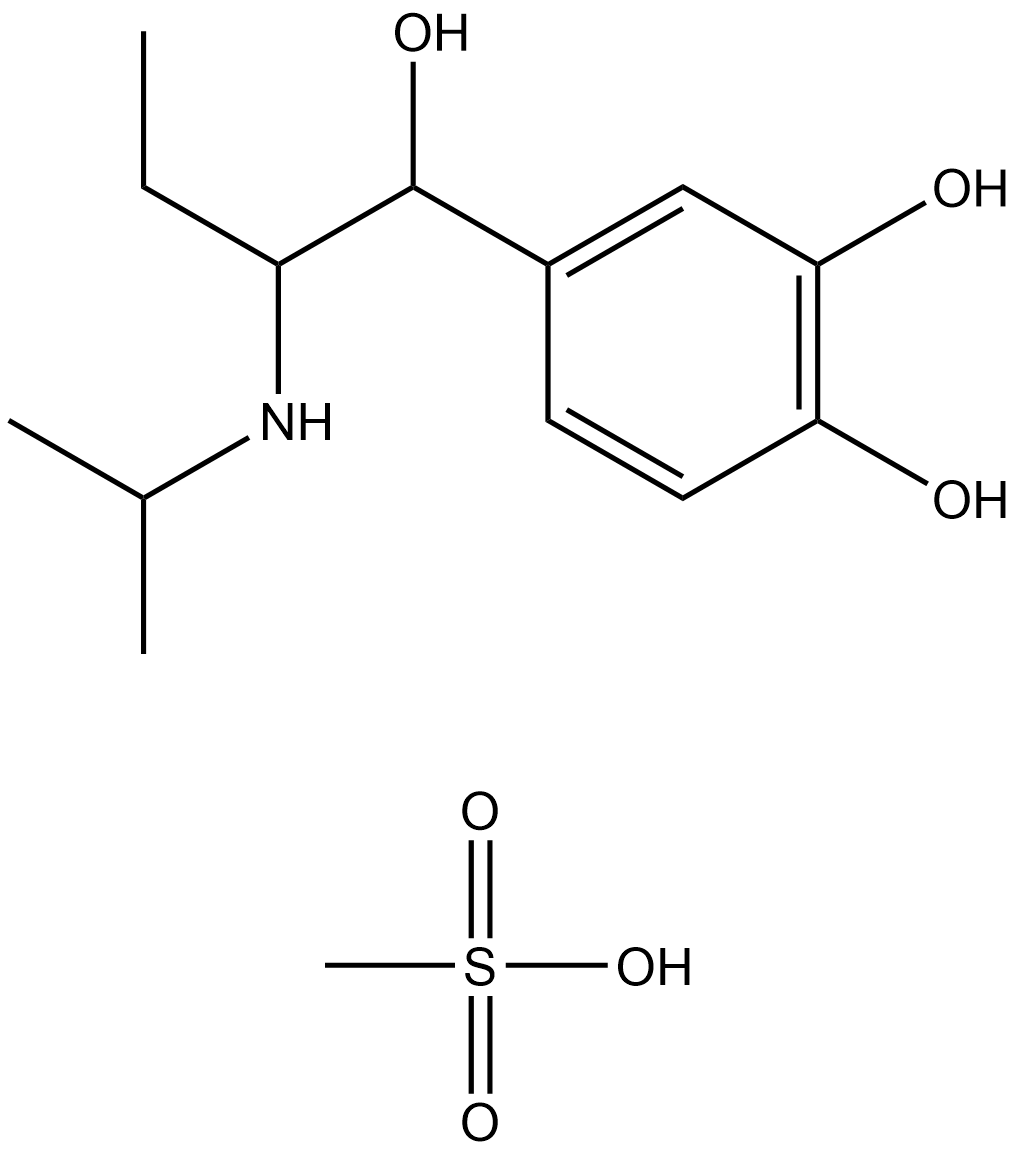 C8829 Isoetharine MesylateSummary: Isoetharine Mesylate is a β-adrenergic receptor agonist used to investigate adrenergic signaling mechanisms in cardiovascular and smooth muscle physiology research.
 -
C8830 Metaproterenol hemisulfateSummary: Metaproterenol sulfate is a selective β-adrenergic receptor agonist that activates cAMP signaling and is utilized in adrenergic pharmacology and respiratory physiology research.
-
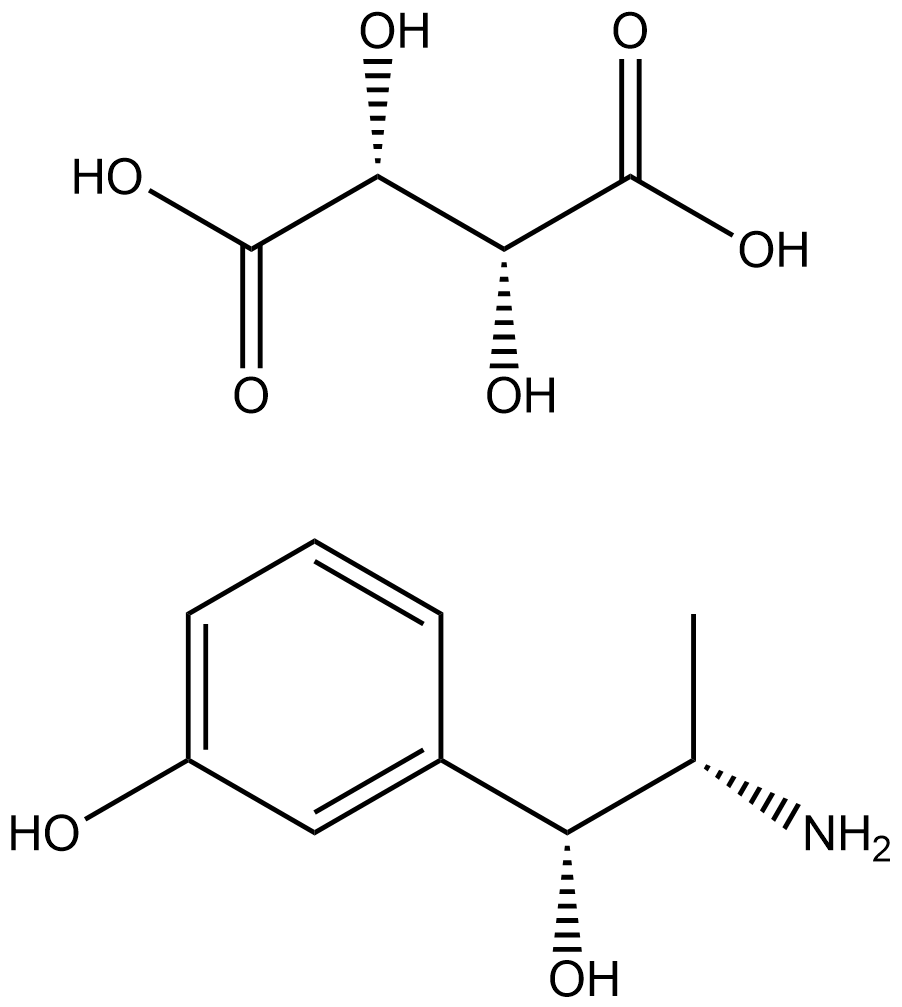 C8831 Metaraminol BitartrateSummary: Metaraminol bitartrate is a synthetic adrenergic agonist targeting α1-adrenergic receptor signaling, widely utilized in cardiovascular pharmacology and autonomic nervous system research.
 -
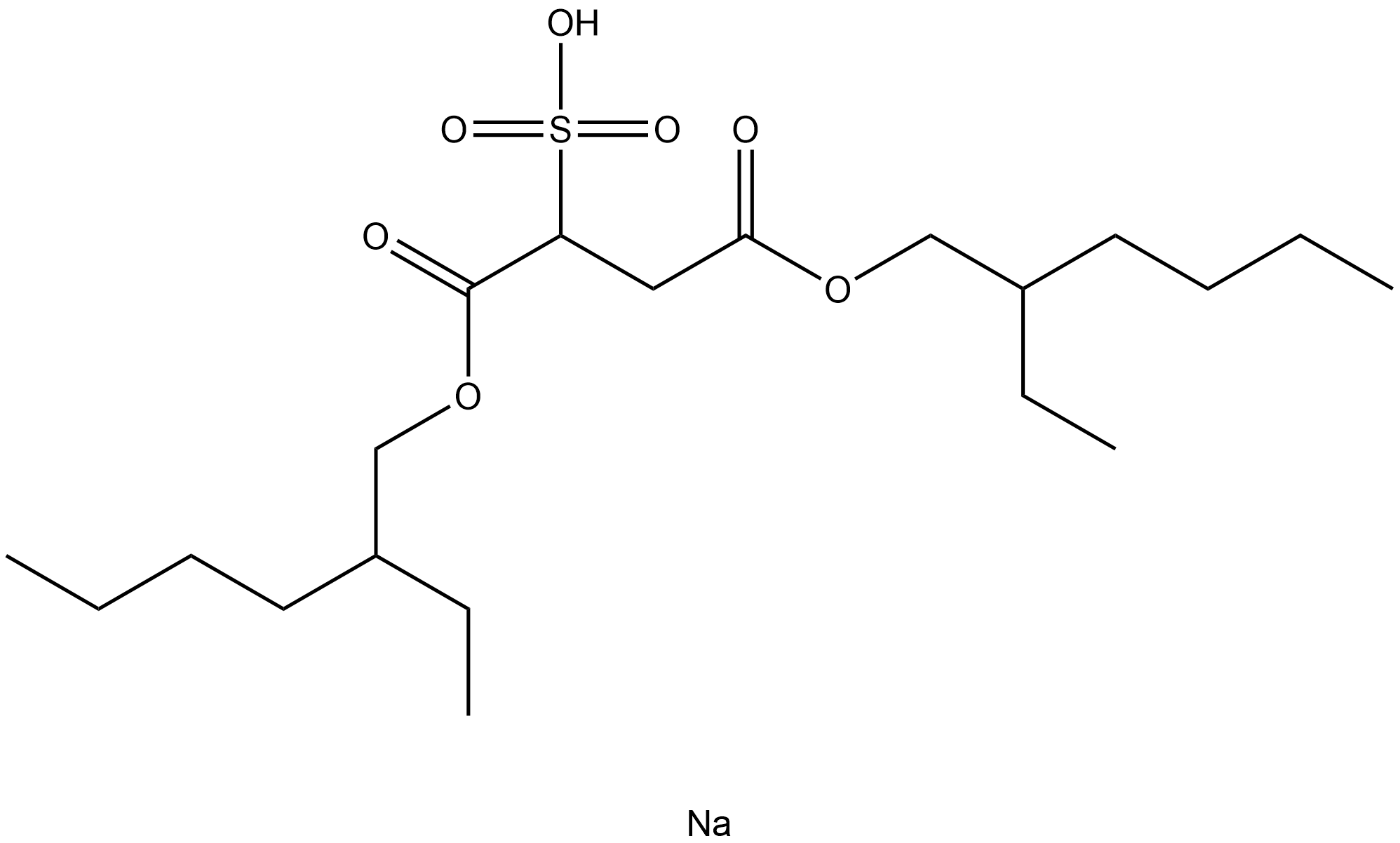 C8836 Docusate SodiumSummary: Docusate Sodium is an anionic surfactant that perturbs membrane permeability and is widely utilized as a formulation excipient in pharmaceutical and biochemical research.
 -
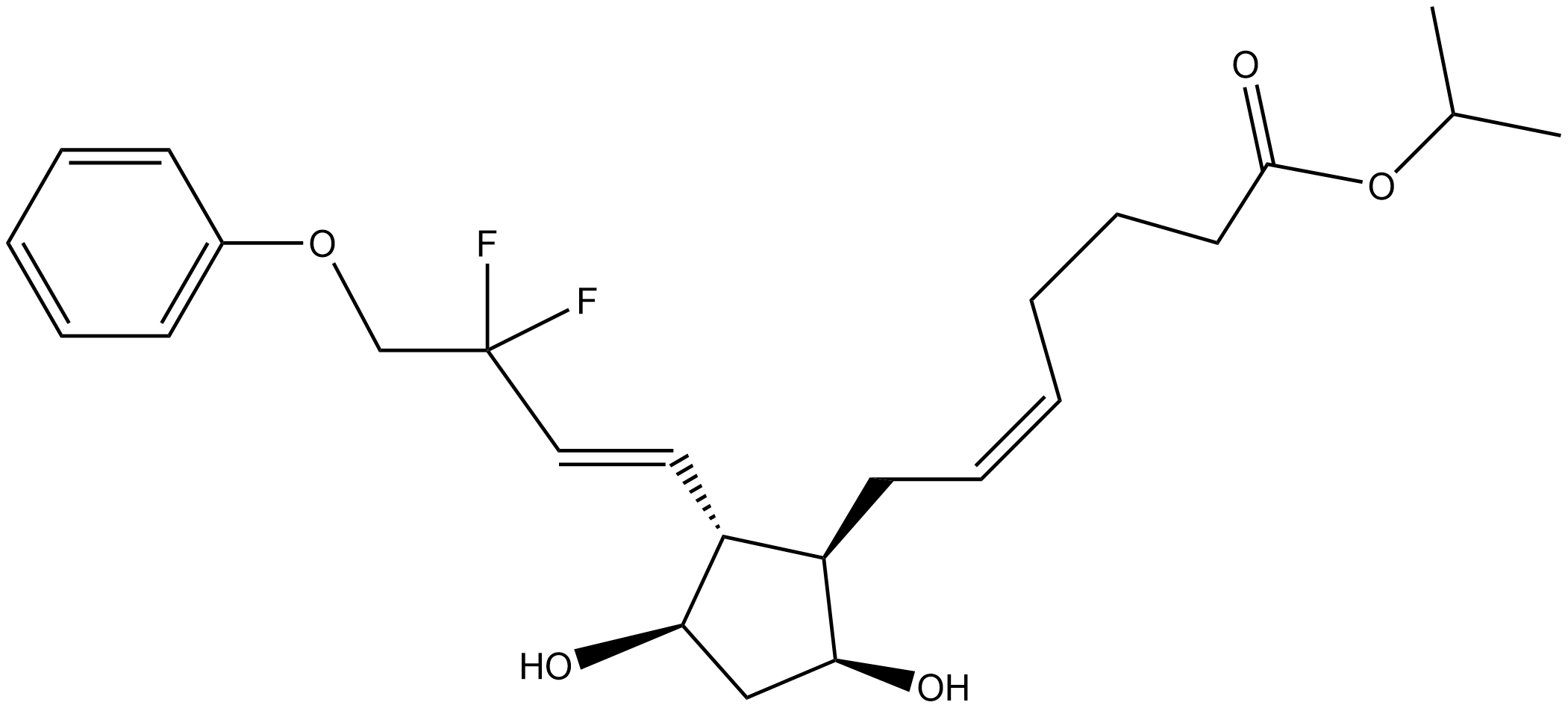 C8842 TafluprostSummary: Tafluprost is a fluorinated prostaglandin F2α analog and selective FP receptor agonist used to investigate prostanoid signaling and ocular physiology in experimental research.
 -
C8857 Imidazolidinyl UreaSummary: Imidazolidinyl Urea is a formaldehyde-releasing antimicrobial preservative utilized as a model compound in microbiology, formulation stability, and preservative efficacy research.
-
C8858 Arformoterol TartrateSummary: Arformoterol tartrate is a selective long-acting β2-adrenergic receptor agonist targeting β2-AR signaling, widely utilized in respiratory pharmacology and receptor mechanism research.
-
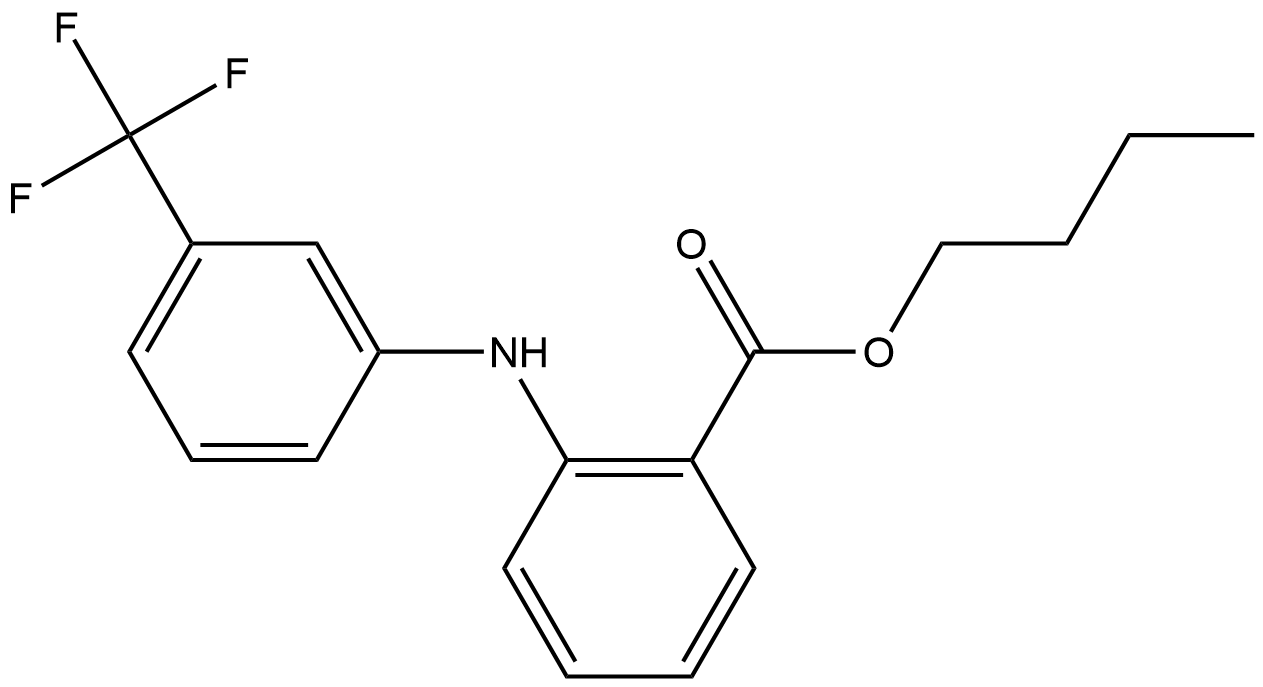 C8860 UfenamateSummary: Ufenamate is a fenamate-class nonsteroidal anti-inflammatory compound that modulates cyclooxygenase-mediated prostaglandin biosynthesis and is utilized in inflammation and lipid-signaling research.
 -
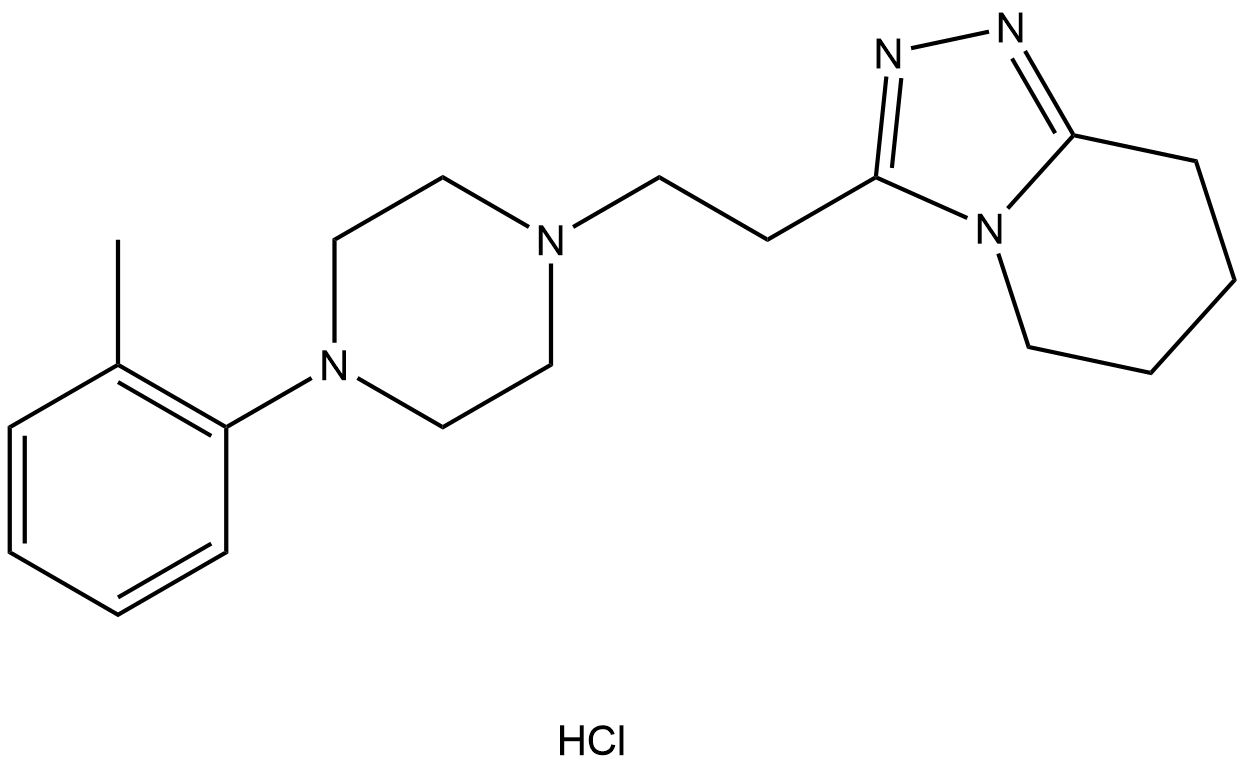 C8861 Dapiprazole HydrochlorideSummary: Dapiprazole Hydrochloride is a selective alpha-adrenergic receptor antagonist used to investigate adrenergic signaling pathways in neuropharmacology and receptor-function research.