


GPCR/G protein
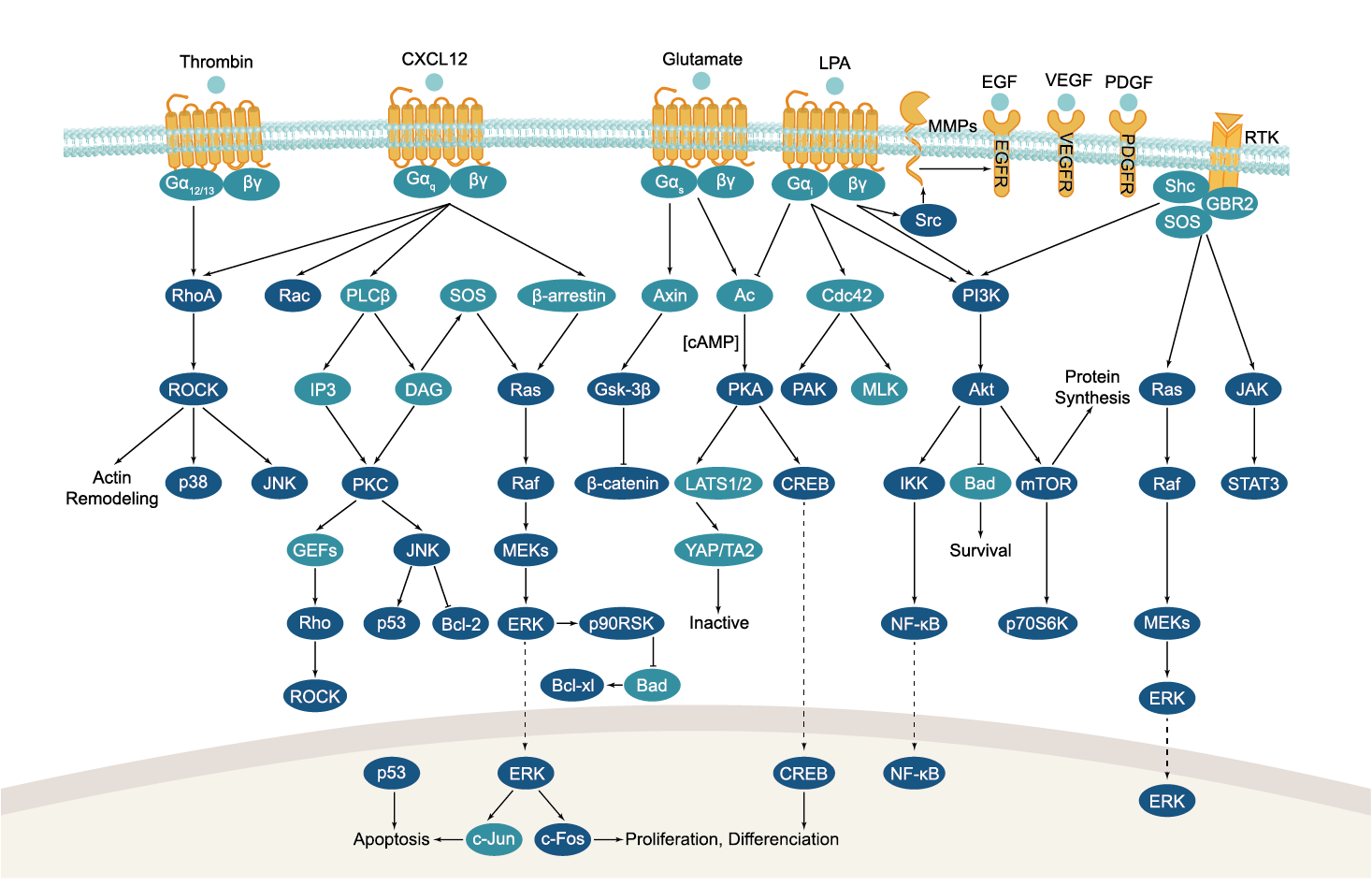
All GPCRs share a common seven trans-membrane structure. GPCRs are associated with heterotrimeric G-proteins which are GTP-binding proteins made of alpha, beta, and gamma subunits. When a ligand binds to GPCR, it activates the attached G-protein, the GDP is replaced with GTP. The activated G-protein then dissociates into an alpha and a beta-gamma complex which activates downstream signaling pathways. These intracellular signaling pathways include cAMP/PKA, calcium/NFAT, phospholipase C, protein tyrosine kinases, MAP kinases, PI-3-kinase, nitric oxide/cGMP, Rho, and JAK/STAT.
GPCRs are one of the most important therapeutic targets for various diseases, over 30% of all modern medicinal drugs target this family. Aberrant GPCR functions are involved in pathological conditions such as neurological, immunological and hormonal disorders. A large number of GPCRs have been identified, but whose ligands are not known, are classified as orphan receptors.
-
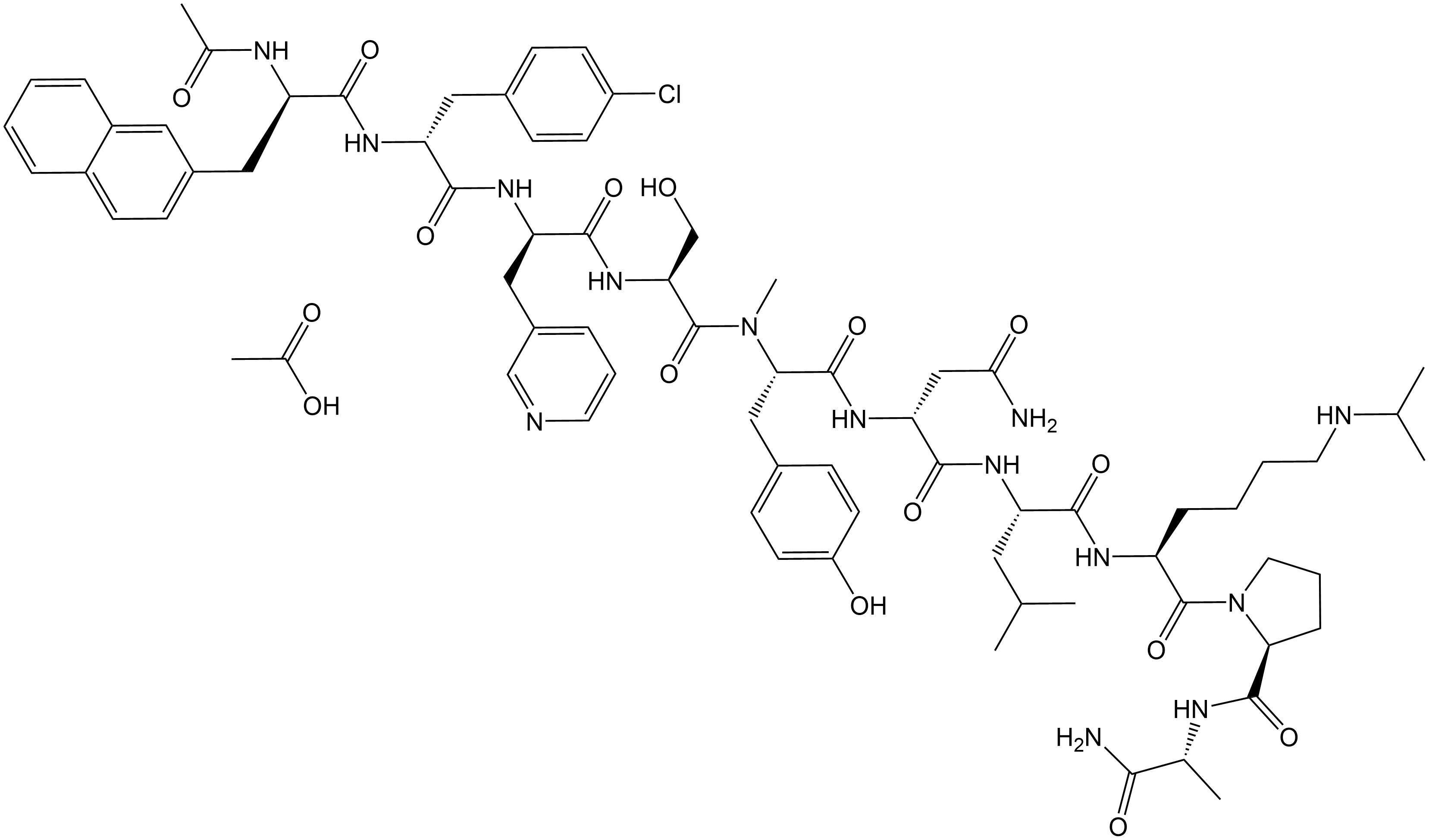 C8786 Abarelix AcetateSummary: Abarelix Acetate is a peptide-based gonadotropin-releasing hormone receptor antagonist used to study endocrine signaling, reproductive hormone regulation, and GnRH receptor pharmacology.
 -
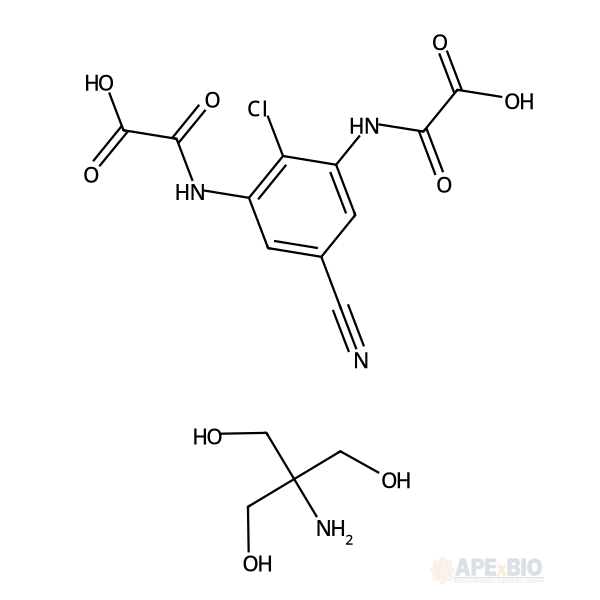 C8787 Lodoxamide TromethamineSummary: Lodoxamide Tromethamine is a small-molecule mast cell stabilizer and mediator-release inhibitor used to study IgE-associated calcium-dependent allergic inflammation and immunological responses.
 -
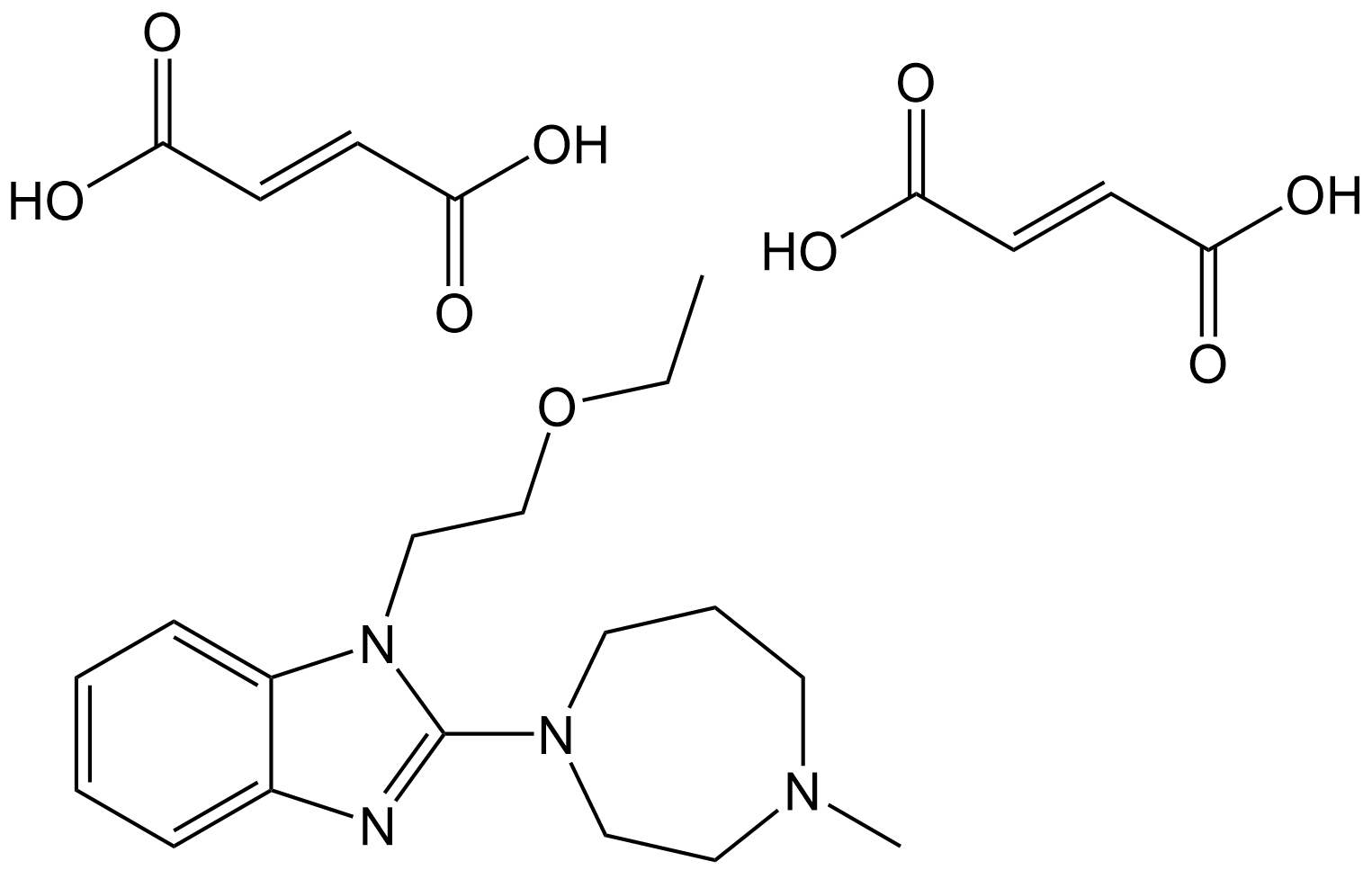 C8788 Emedastine DifumarateSummary: Emedastine Difumarate is a synthetic benzimidazole-derived histamine H1 receptor antagonist used in allergy, inflammation, and histamine-mediated signaling research.
 -
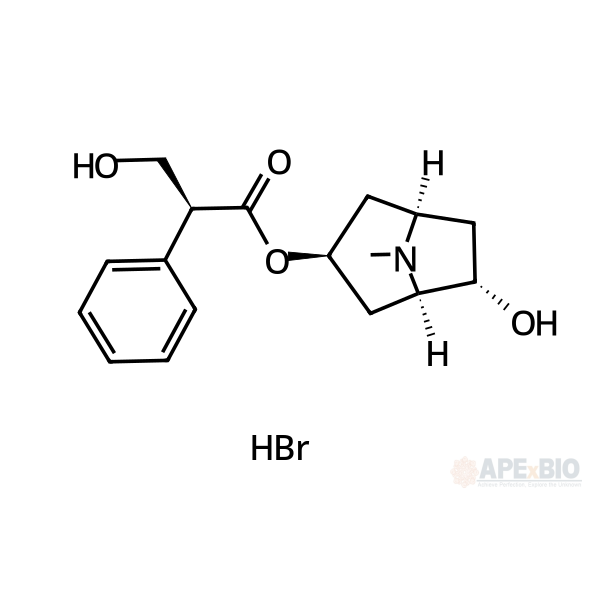 C8789 Anisodamine HydrobromideSummary: Anisodamine Hydrobromide is a tropane alkaloid anticholinergic modulator of muscarinic, nicotinic, and α1-adrenergic signaling used in neuroimmune and inflammation-related research.
 -
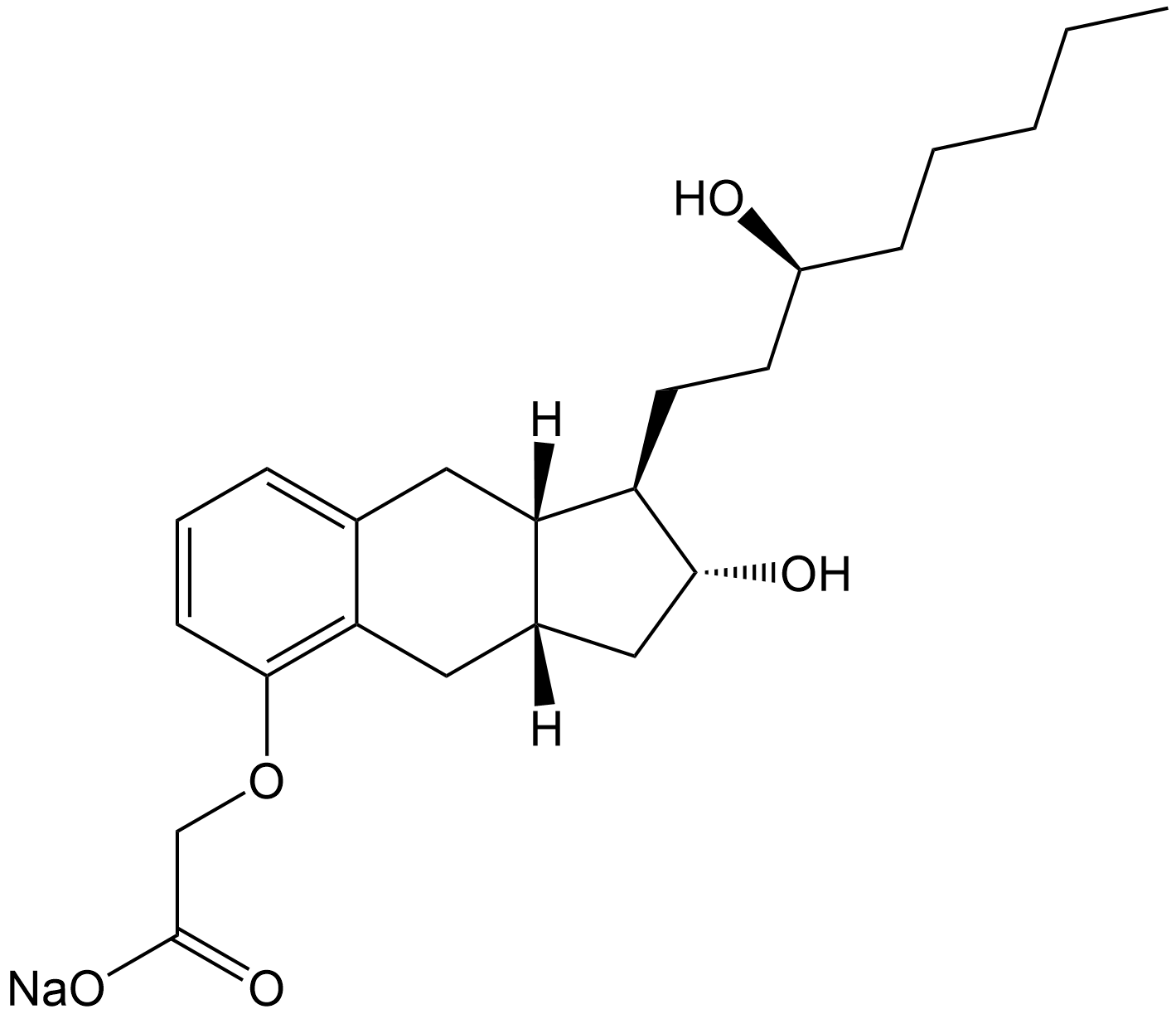 C8790 Treprostinil sodiumSummary: Treprostinil sodium is a synthetic prostacyclin analog and DP1/IP/EP2 prostanoid receptor agonist used for cardiovascular, inflammation, and cAMP signaling research.
 -
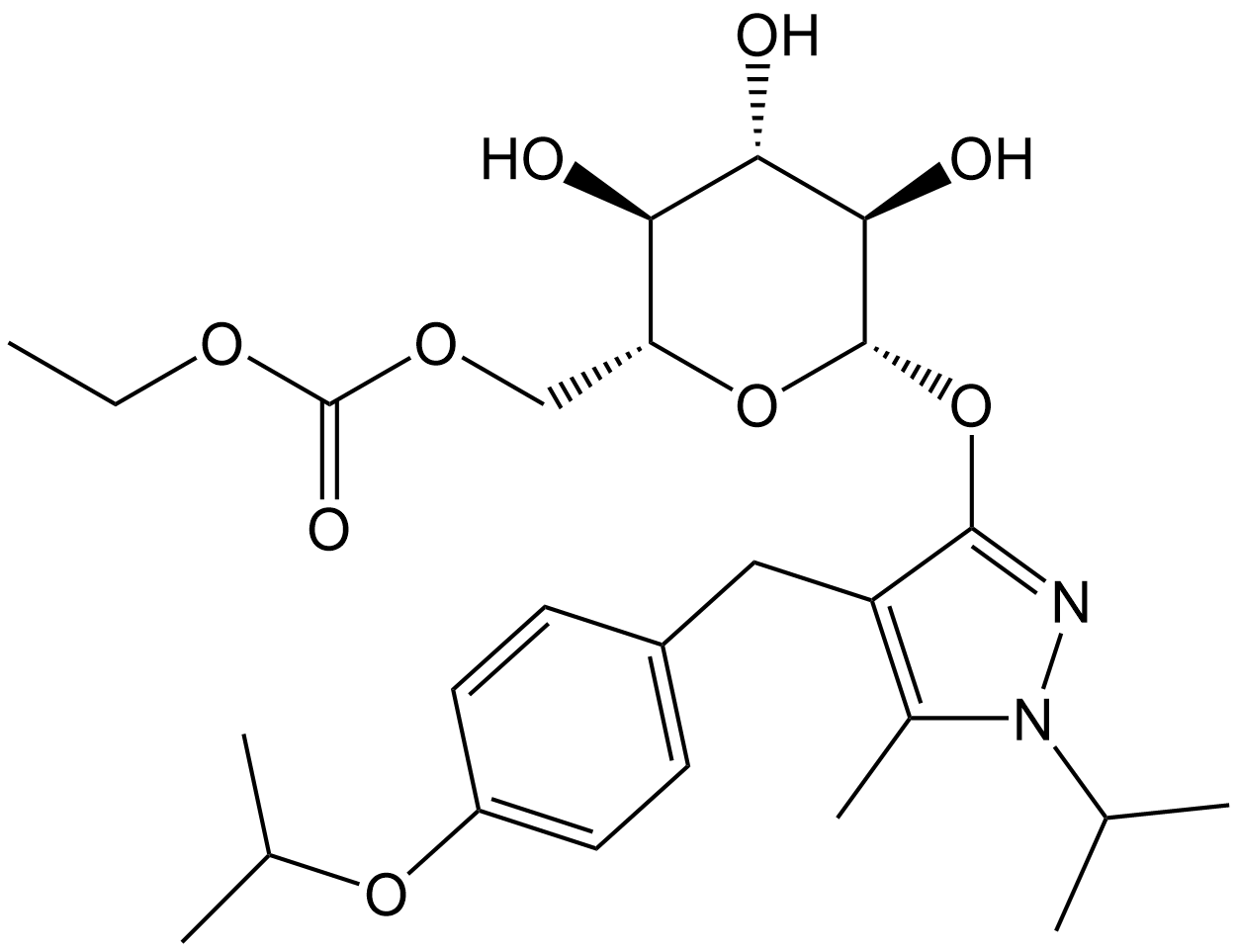 C8793 Remogliflozin etabonate (GSK189075)Summary: Remogliflozin etabonate (GSK189075) is an orally active SGLT2 inhibitor prodrug used in metabolic disease and transporter biology research on renal glucose transport.
 -
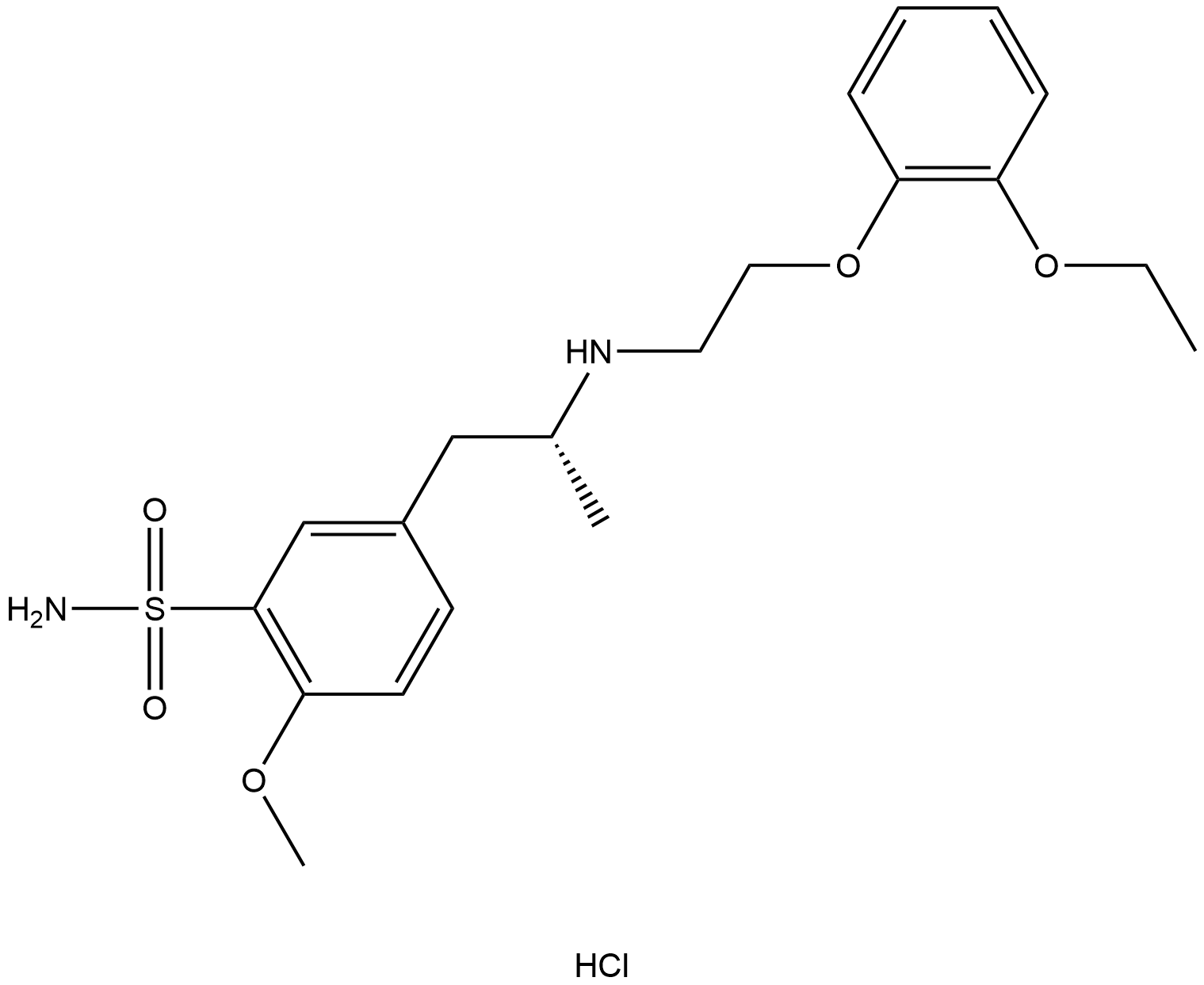 C8806 Tamsulosin hydrochlorideSummary: Tamsulosin hydrochloride is a selective α1-adrenergic receptor antagonist targeting α1A/α1D subtypes, widely used in urogenital biology, smooth-muscle signaling, and inflammation research.
 -
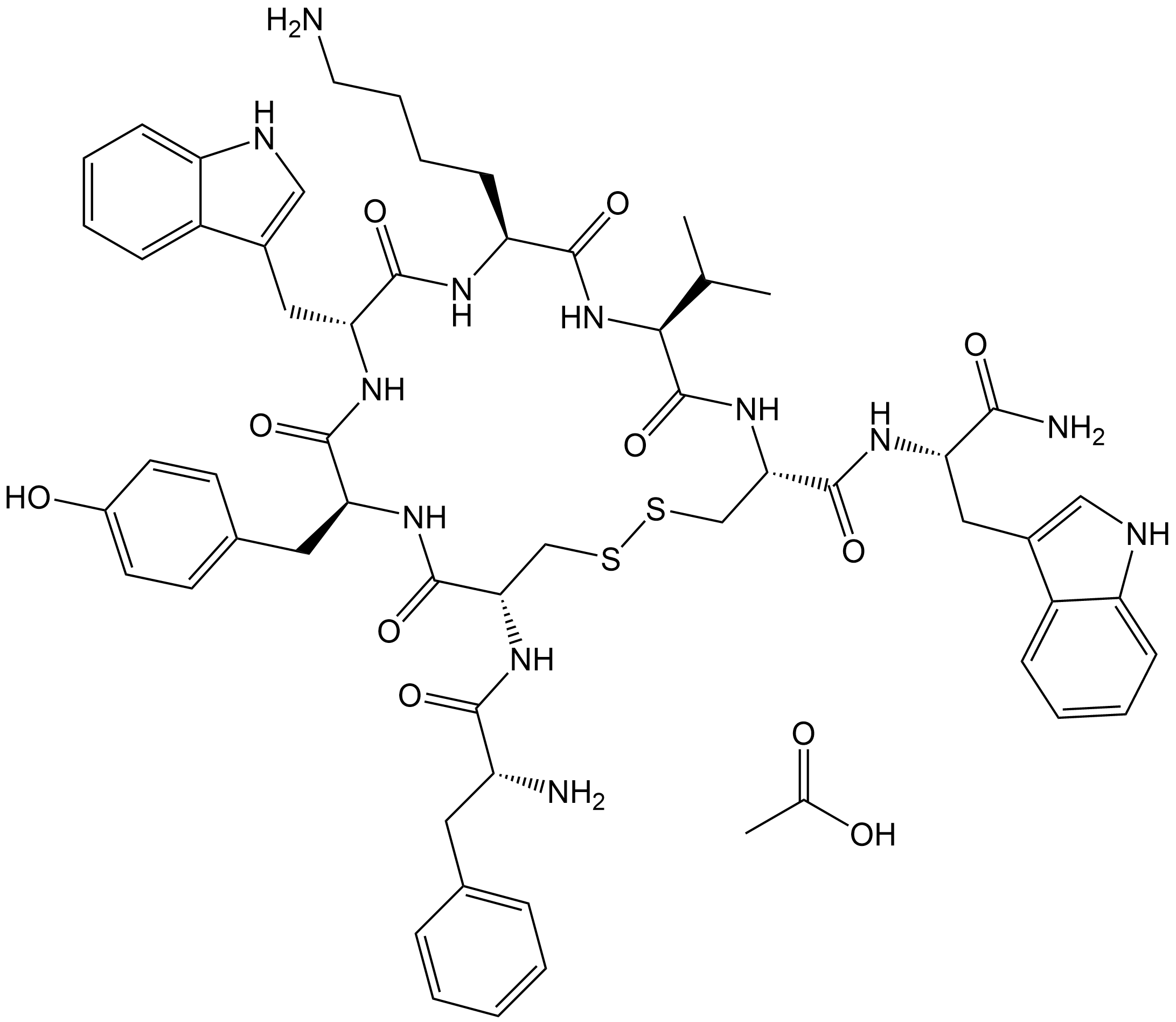 C8812 Vapreotide acetateSummary: Vapreotide acetate is a synthetic somatostatin analog and neurokinin-1 receptor antagonist used to investigate receptor pharmacology, inflammatory signaling, and tumor biology.
 -
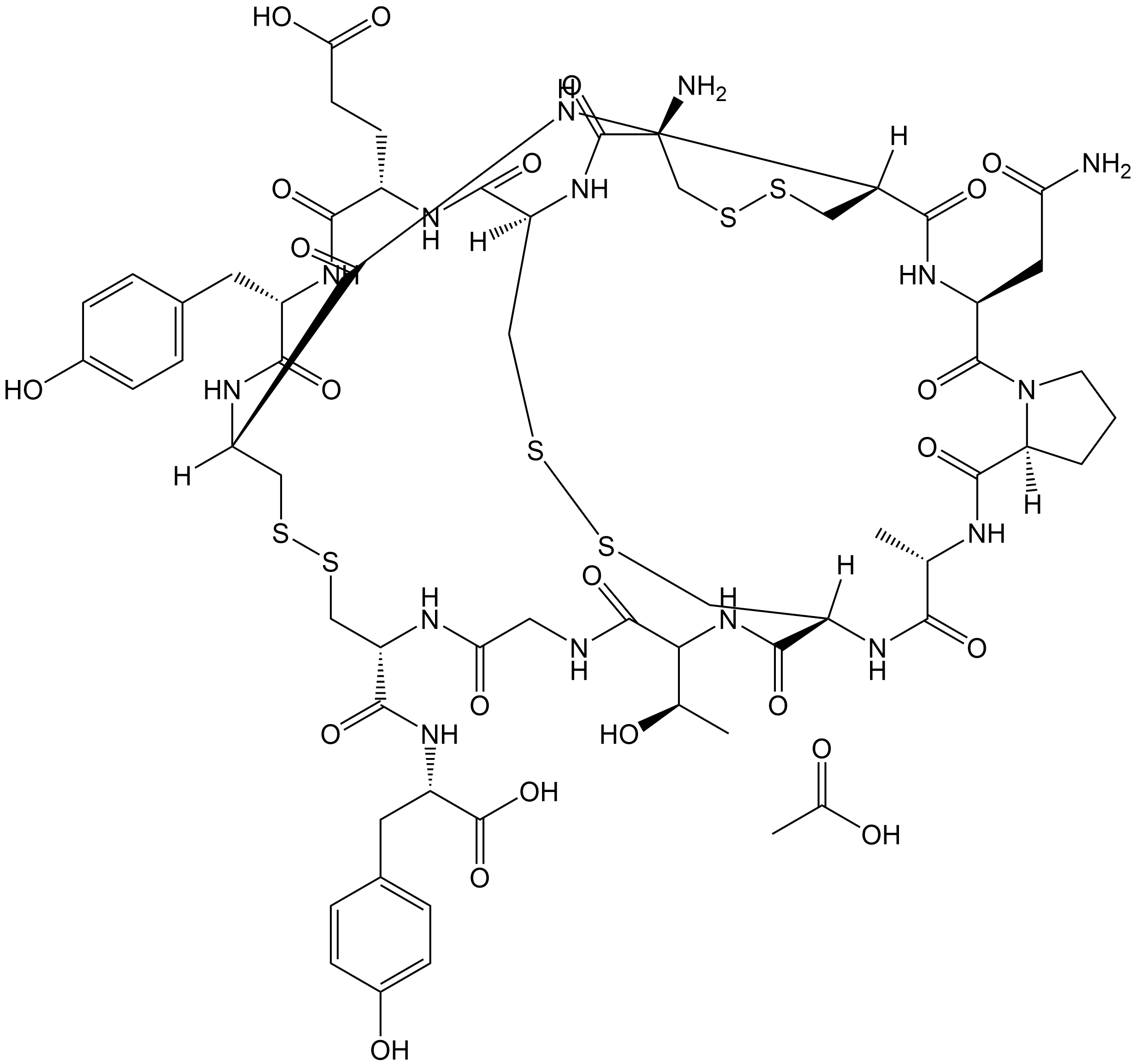 C8813 Linaclotide acetateSummary: Linaclotide acetate is a synthetic peptide guanylate cyclase-C agonist targeting the GC-C–cGMP pathway, widely used in gastrointestinal epithelial signaling and translational pharmacology research.
 -
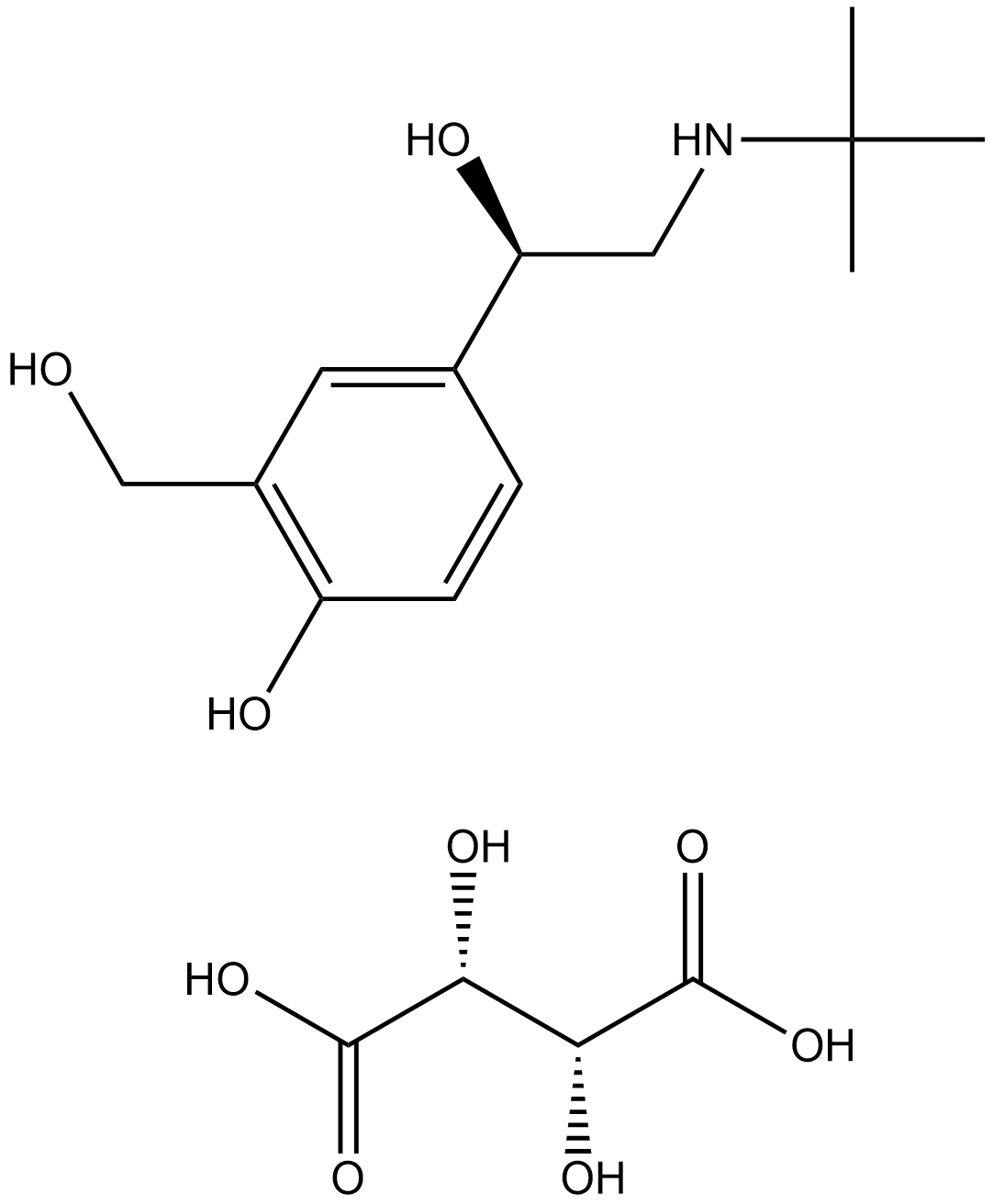 C8821 Levalbuterol tartrateSummary: Levalbuterol tartrate is a selective β2-adrenergic receptor agonist used to investigate adrenergic signaling, airway smooth muscle biology, and respiratory pharmacology mechanisms.