


GPCR/G protein
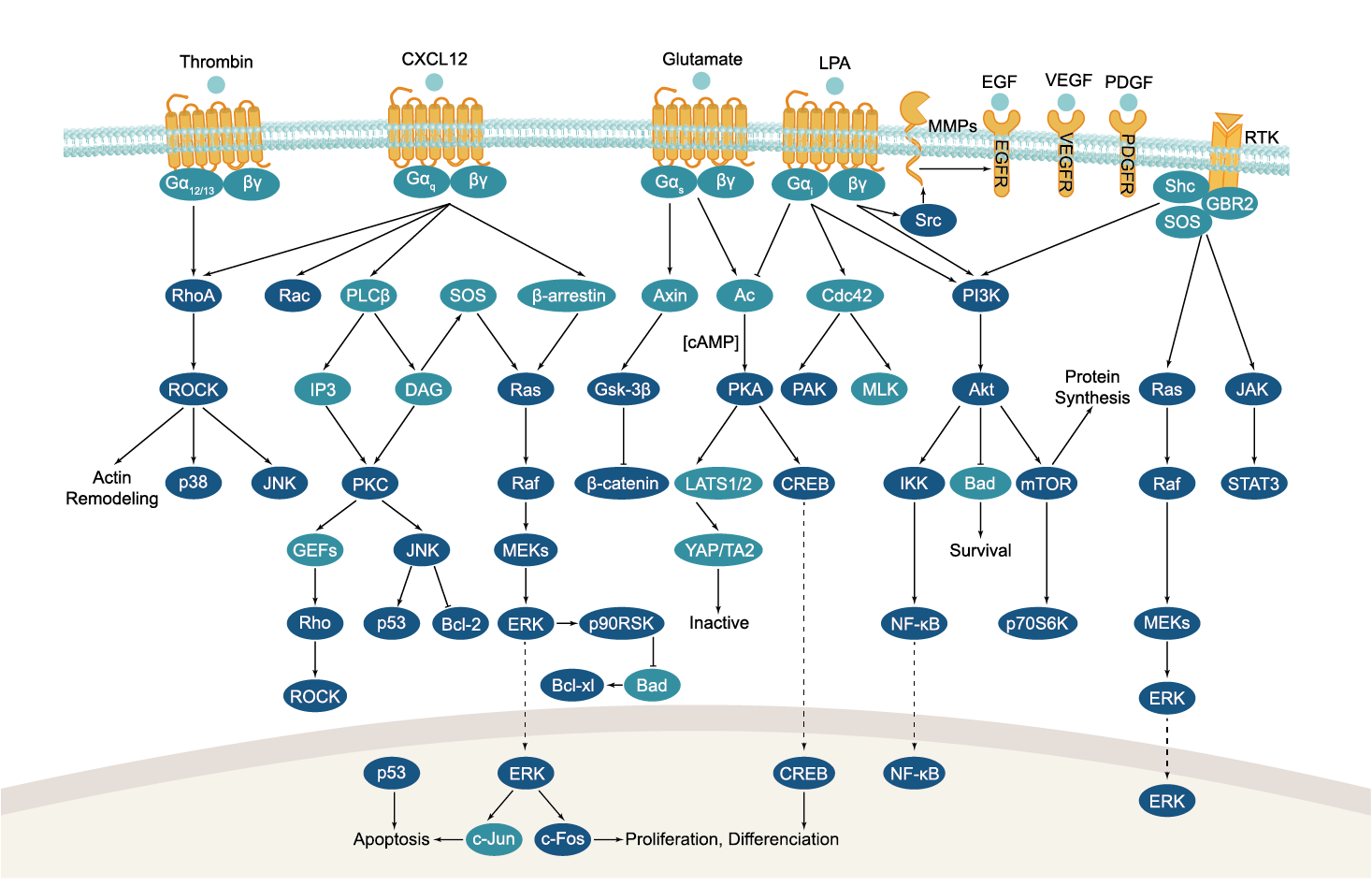
All GPCRs share a common seven trans-membrane structure. GPCRs are associated with heterotrimeric G-proteins which are GTP-binding proteins made of alpha, beta, and gamma subunits. When a ligand binds to GPCR, it activates the attached G-protein, the GDP is replaced with GTP. The activated G-protein then dissociates into an alpha and a beta-gamma complex which activates downstream signaling pathways. These intracellular signaling pathways include cAMP/PKA, calcium/NFAT, phospholipase C, protein tyrosine kinases, MAP kinases, PI-3-kinase, nitric oxide/cGMP, Rho, and JAK/STAT.
GPCRs are one of the most important therapeutic targets for various diseases, over 30% of all modern medicinal drugs target this family. Aberrant GPCR functions are involved in pathological conditions such as neurological, immunological and hormonal disorders. A large number of GPCRs have been identified, but whose ligands are not known, are classified as orphan receptors.
-
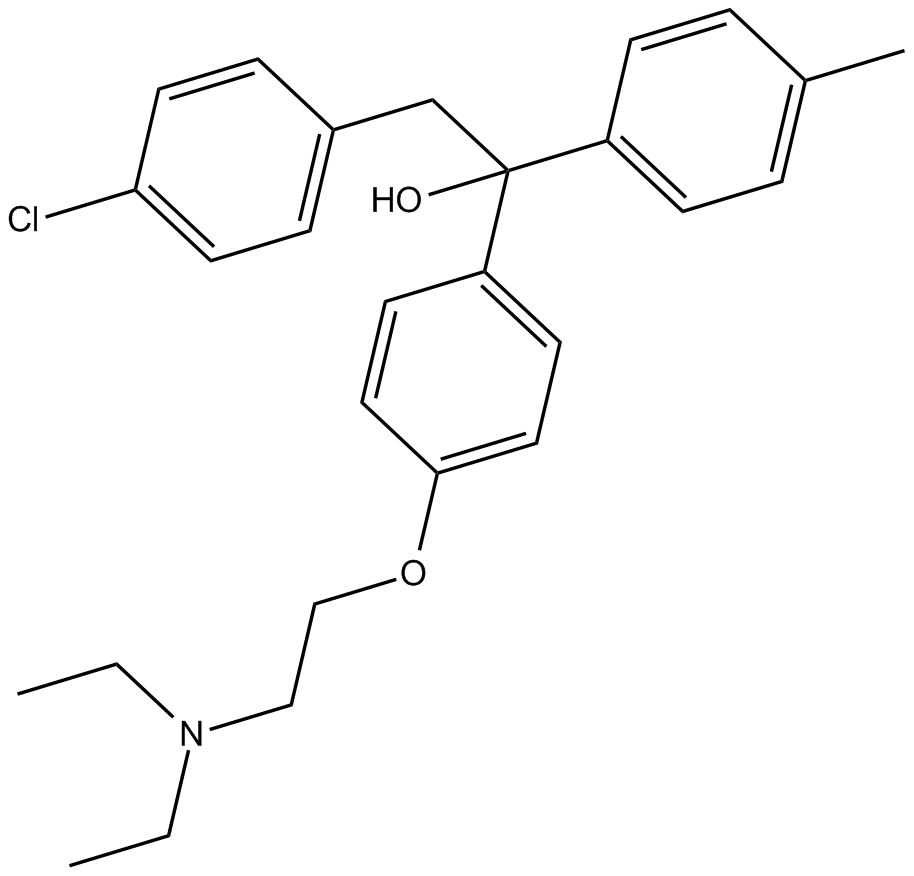 C3804 TriparanolSummary: Downregulates cholesterol synthesis and the Hh signaling pathway by inhibiting 24-DHCR.
 -
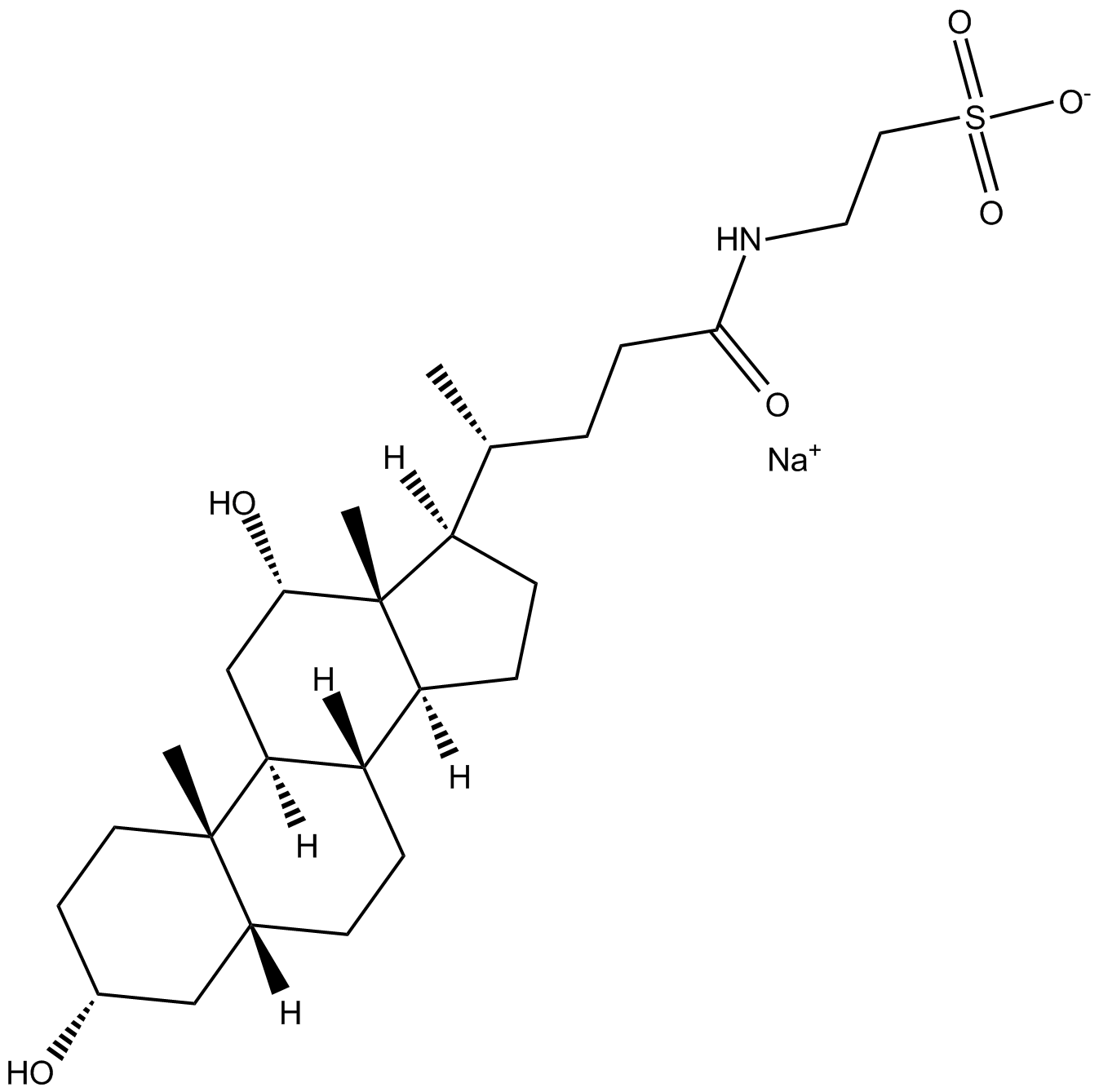 C4079 Taurodeoxycholic Acid (sodium salt)Summary: A detergent used for membrane protein isolation and with anti-inflammatory and neuroprotective effects.
 -
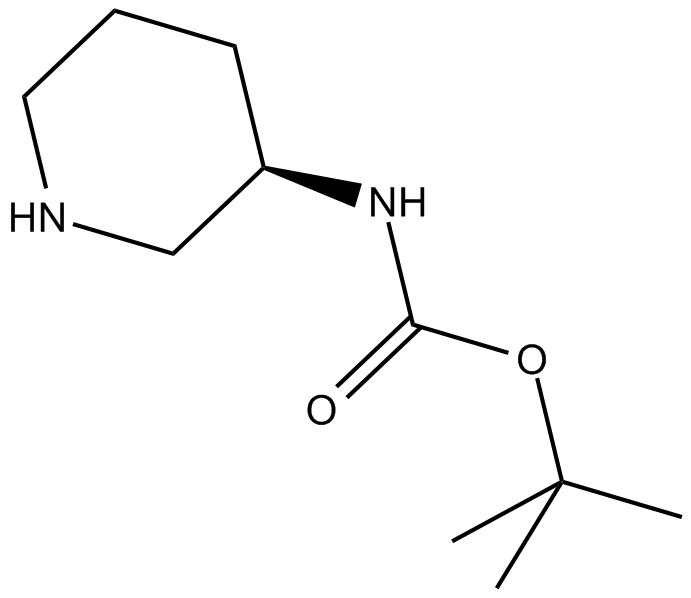 C6268 (S)-3-N-Boc-aminopiperidineSummary: Chiral Boc-protected piperidine derivative, used for pharmaceutical molecule synthesis and SAR studies.
 -
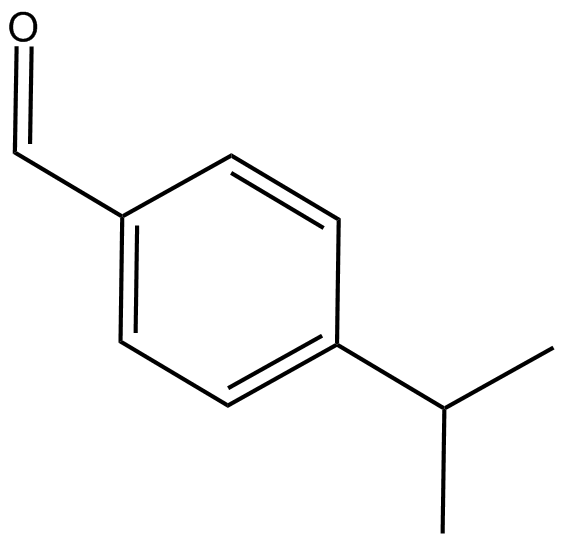 C6353 CuminaldehydeSummary: Exhibits bioactivities such as anti-inflammatory, anticancer, antidiabetic, and neuroprotective effects.
 -
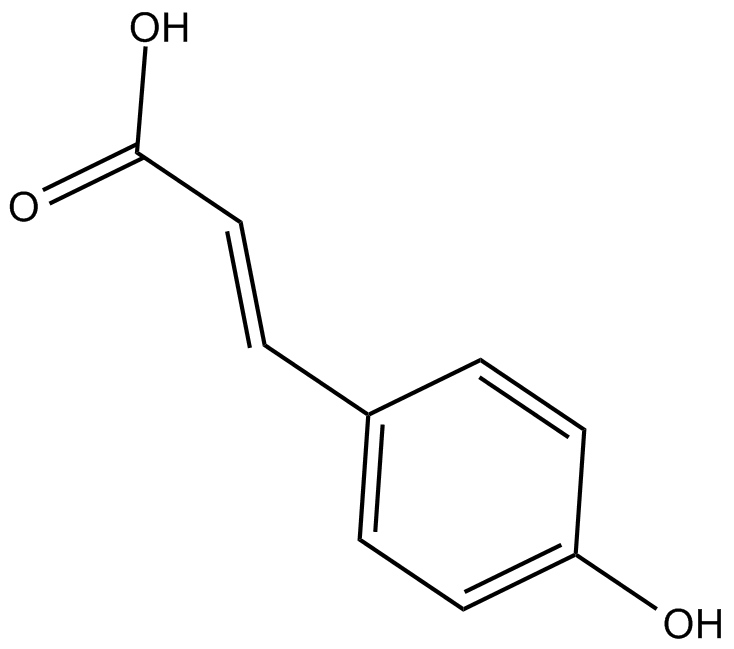 C6357 p-Hydroxy-cinnamic acidSummary: An edible phenolic compound that can inhibit platelet activity.
 -
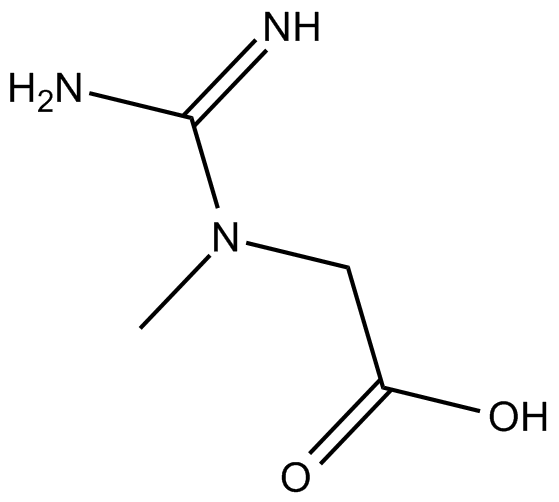 M1037 CreatineSummary: An amino acid derivative involved in energy metabolism in muscles and the brain.
 -
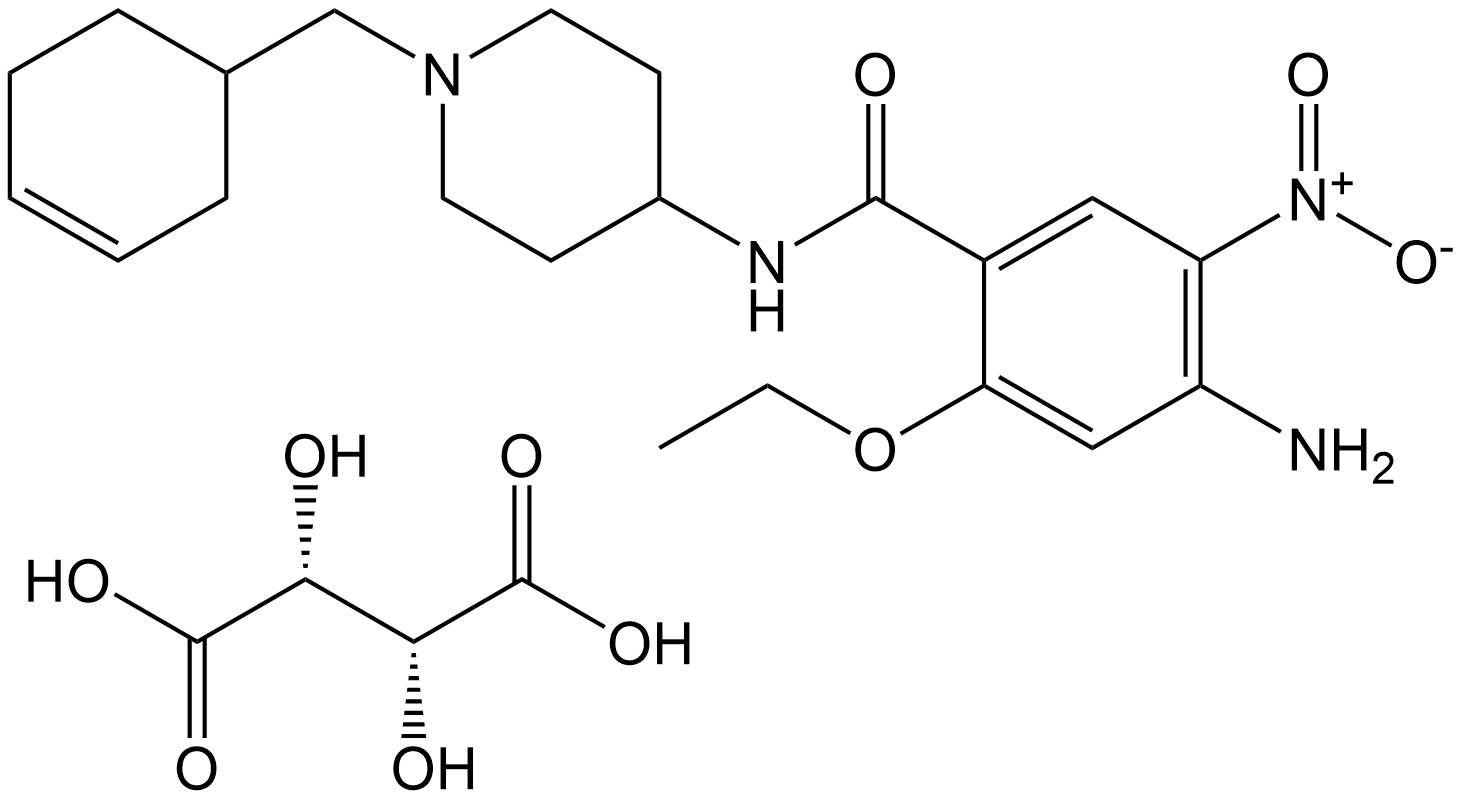 C8782 Cinitapride Hydrogen TartrateSummary: Cinitapride Hydrogen Tartrate is a serotonergic and dopaminergic receptor modulator targeting 5-HT and D2 signaling, used in gastrointestinal motility and enteric neuropharmacology research.
 -
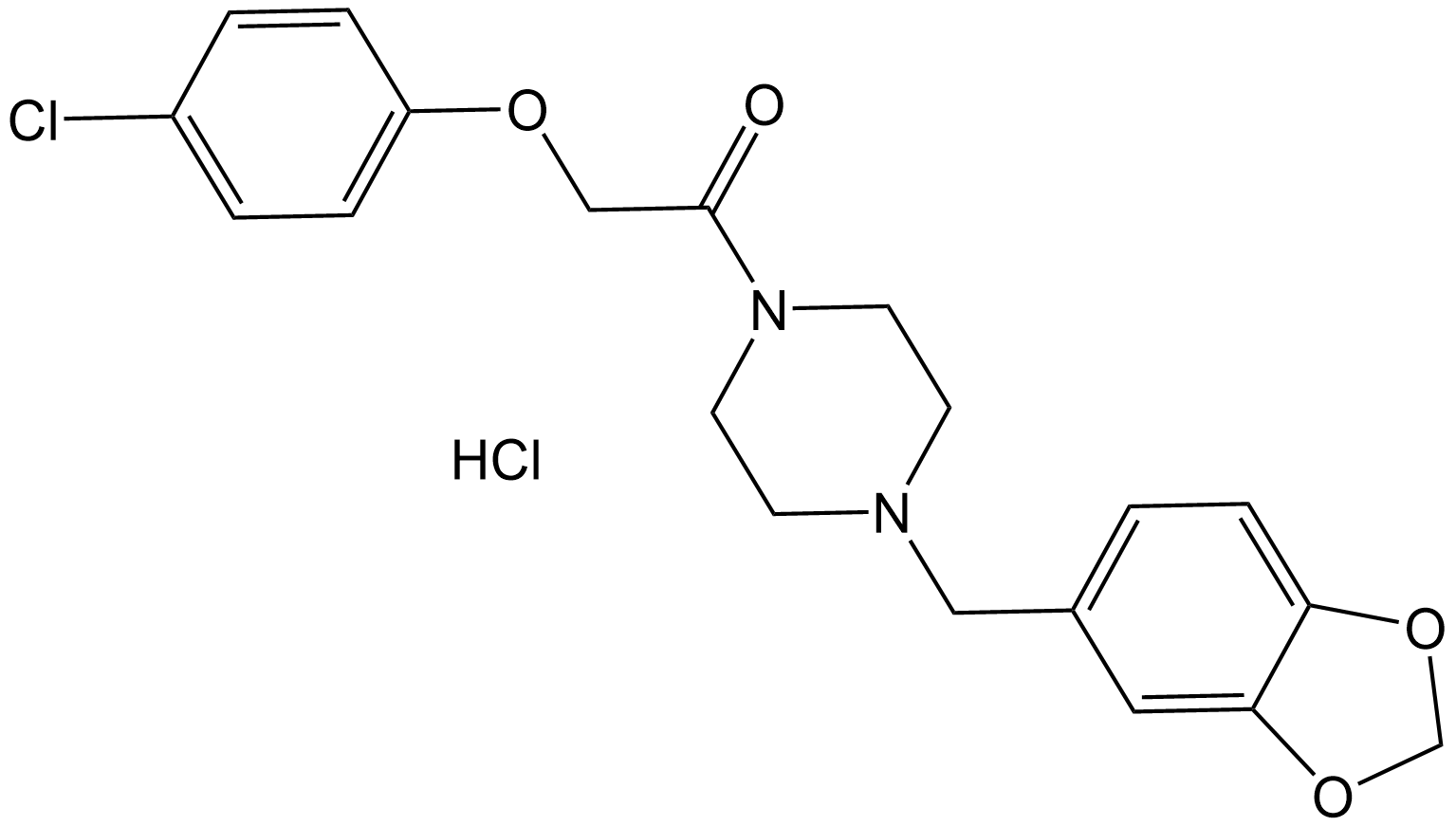 C8783 Fipexide hydrochlorideSummary: Fipexide hydrochloride is a piperazine-derived CNS-active signaling modulator used to investigate dopaminergic neurotransmission and cAMP-associated pathways in neuropharmacology and mechanistic neuroscience research.
 -
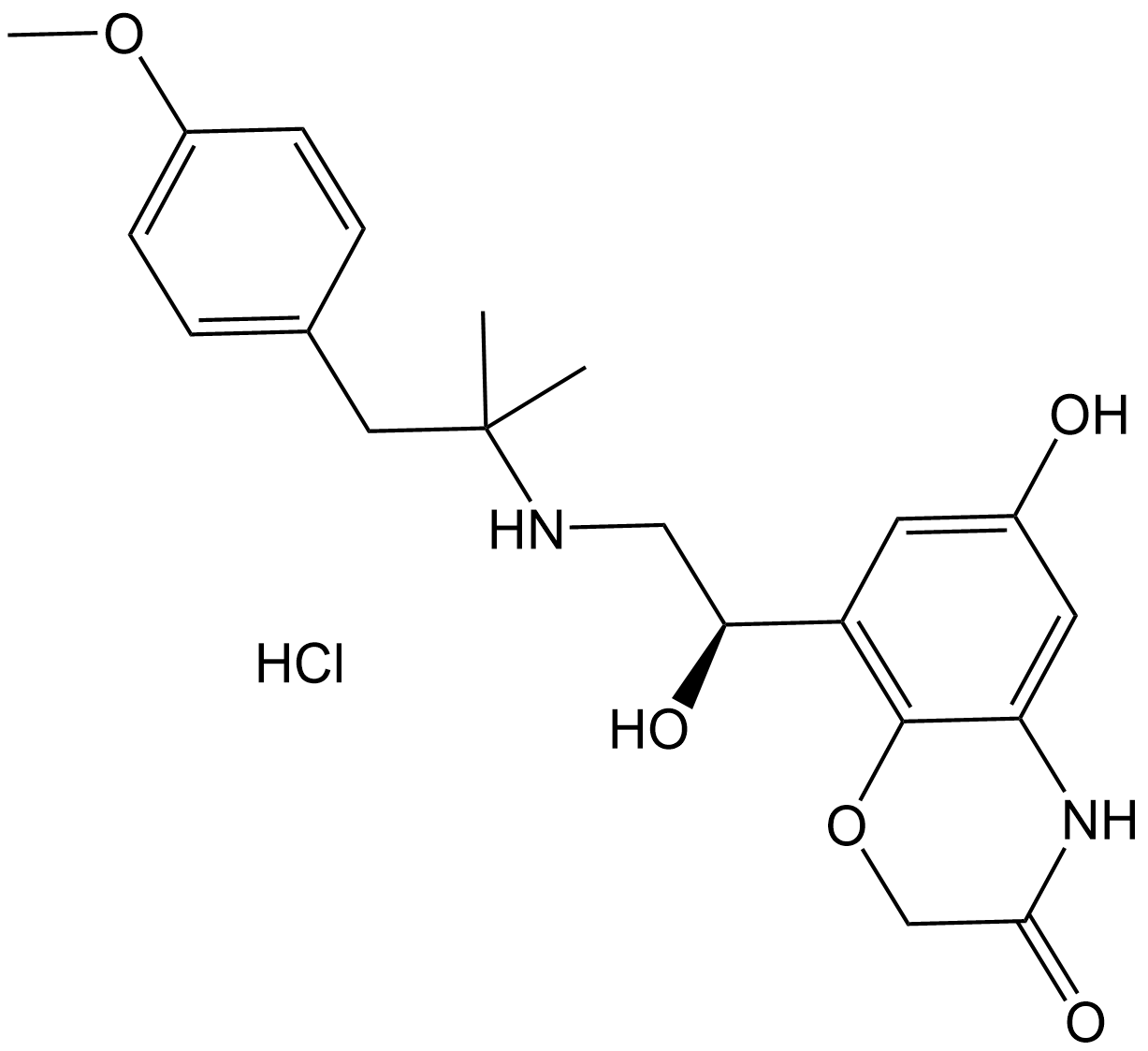 C8784 Olodaterol hydrochlorideSummary: Olodaterol hydrochloride is a potent synthetic β2-adrenergic receptor agonist used to investigate adrenergic signaling, cAMP-dependent pathways, and respiratory pharmacology in biomedical research.
 -
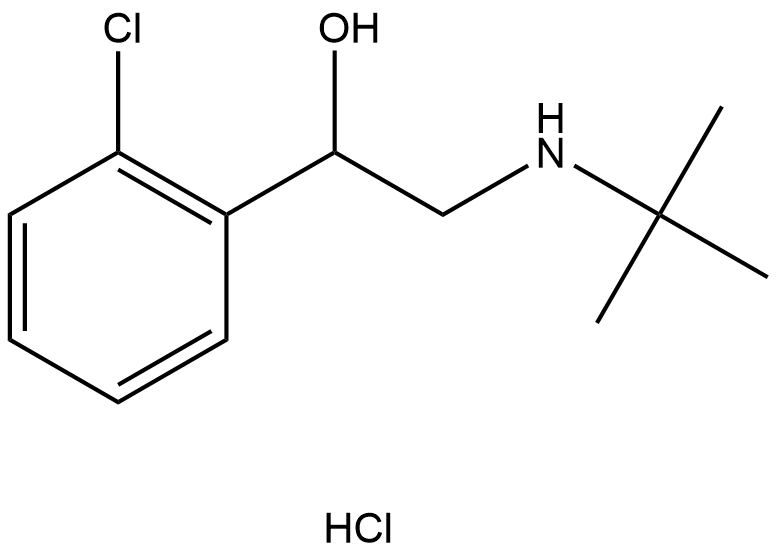 C8785 Tulobuterol hydrochlorideSummary: Tulobuterol hydrochloride is a synthetic long-acting β2-adrenergic receptor agonist used in respiratory pharmacology, cAMP signaling, and airway inflammation research.