


GPCR/G protein
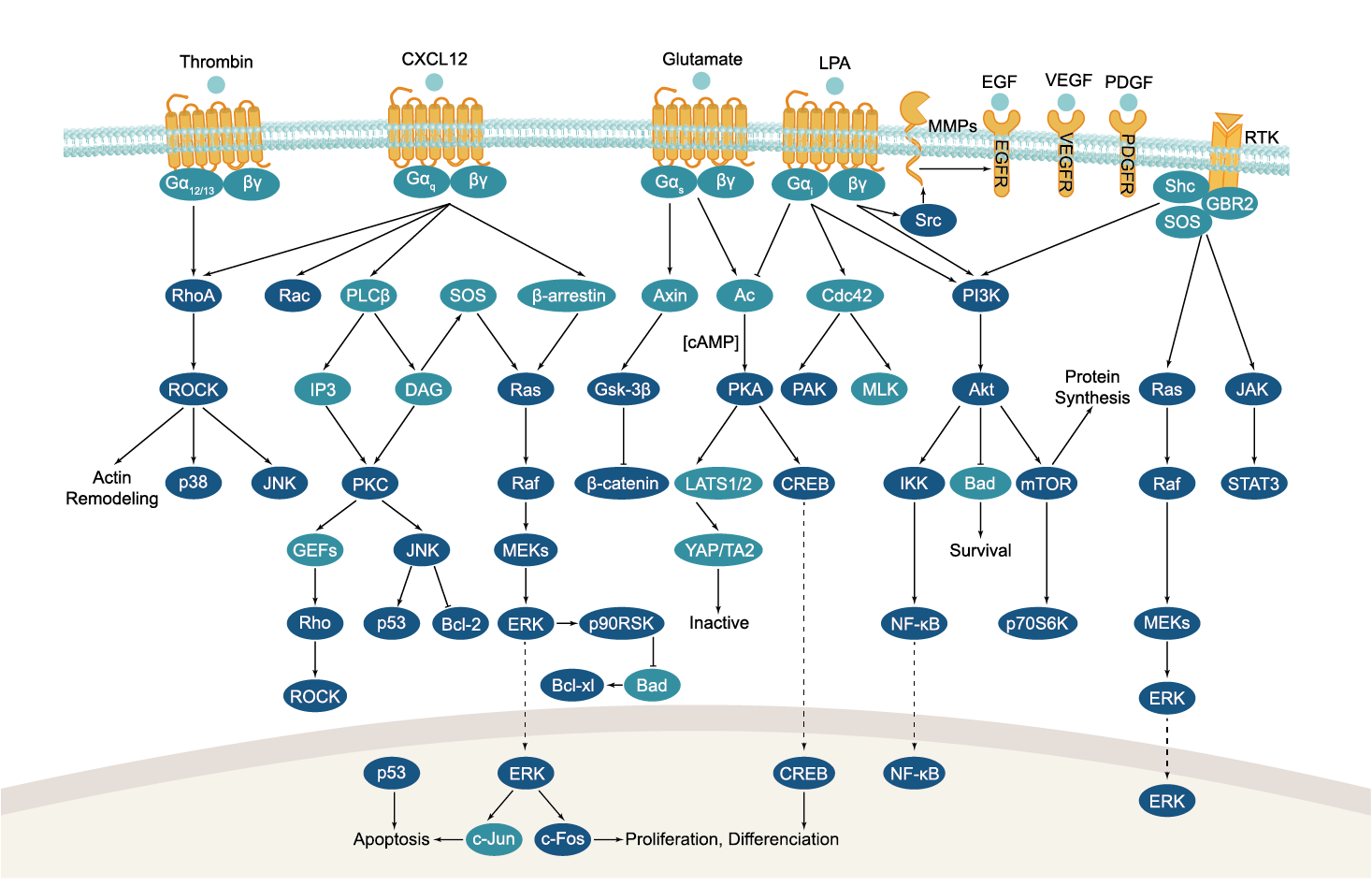
All GPCRs share a common seven trans-membrane structure. GPCRs are associated with heterotrimeric G-proteins which are GTP-binding proteins made of alpha, beta, and gamma subunits. When a ligand binds to GPCR, it activates the attached G-protein, the GDP is replaced with GTP. The activated G-protein then dissociates into an alpha and a beta-gamma complex which activates downstream signaling pathways. These intracellular signaling pathways include cAMP/PKA, calcium/NFAT, phospholipase C, protein tyrosine kinases, MAP kinases, PI-3-kinase, nitric oxide/cGMP, Rho, and JAK/STAT.
GPCRs are one of the most important therapeutic targets for various diseases, over 30% of all modern medicinal drugs target this family. Aberrant GPCR functions are involved in pathological conditions such as neurological, immunological and hormonal disorders. A large number of GPCRs have been identified, but whose ligands are not known, are classified as orphan receptors.
-
 BA5701 NTP42Summary: NTP42 is a thromboxane receptor antagonist that antagonizes TP-mediated [Ca] circulation after stimulation of cells with the prostaglandin receptor (TP) agonist U46619 with an IC of 3.278 nM.
 -
BA5730 DaltrobanSummary: Daltroban (BM-13505) is a selective and specific thromboxane A2 receptor antagonist.
-
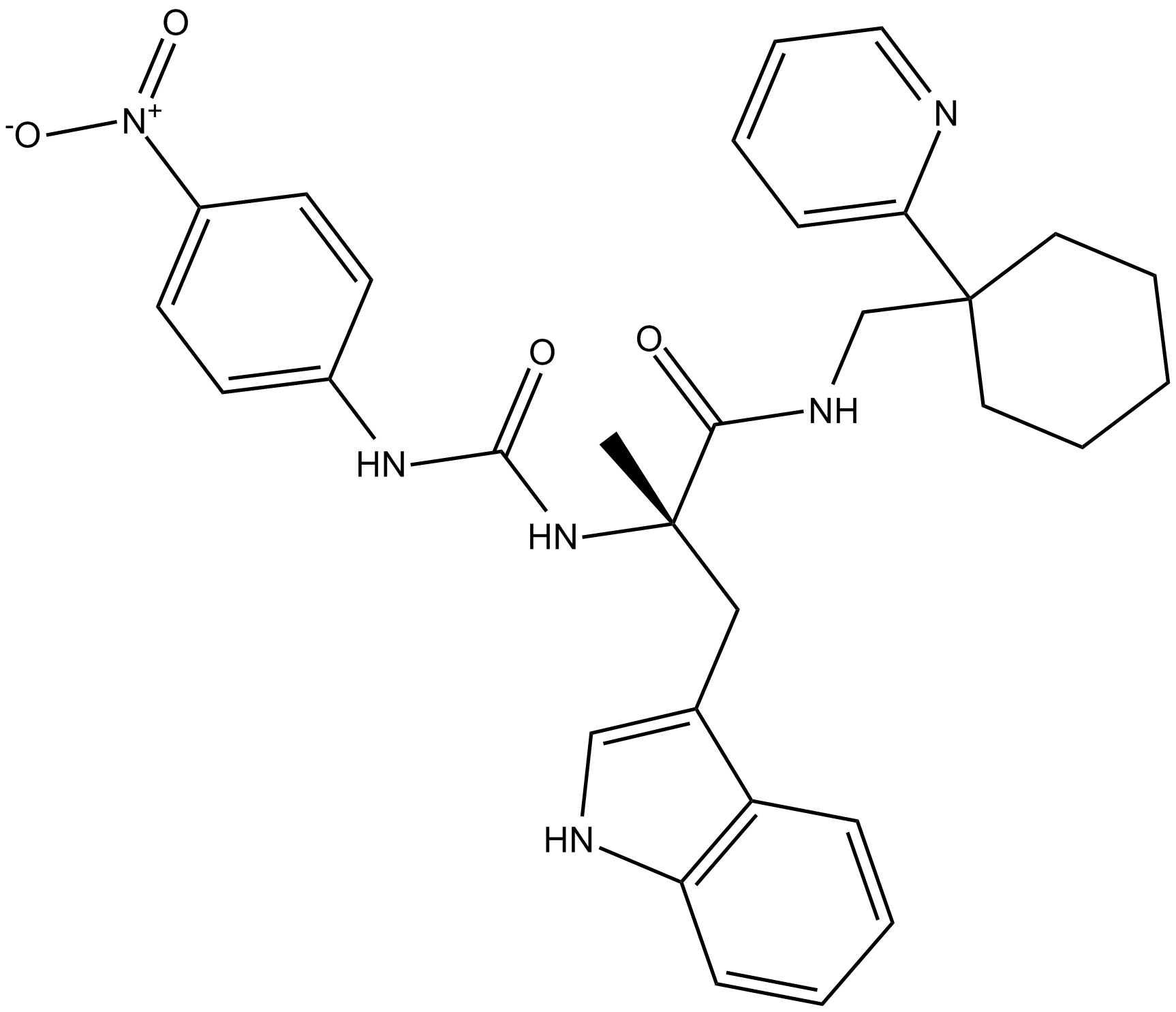 C5142 PD 168368Summary: A selective NMB-R antagonist and an agonist of the FPR family receptors.
 -
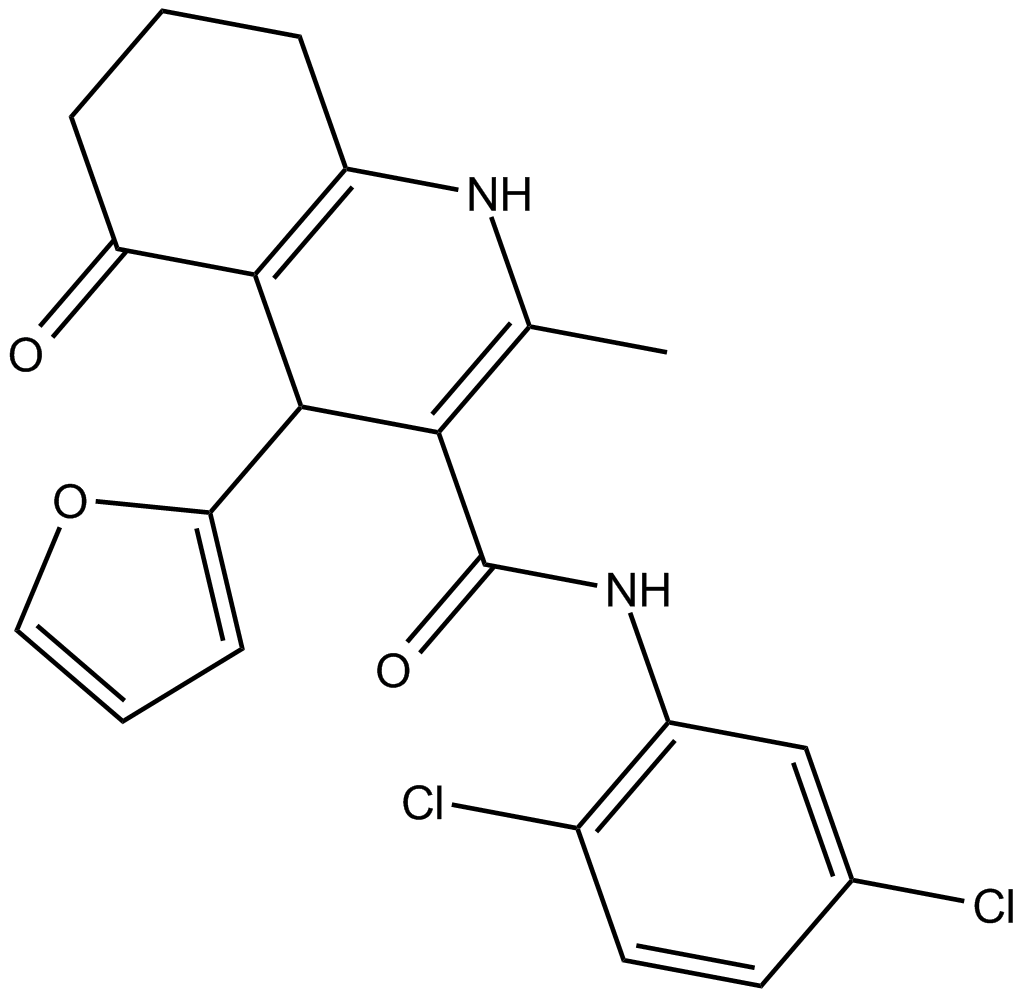 C5514 AR420626Summary: An FFAR3 agonist with anti-inflammatory, anticancer, and metabolic abnormality-improving effects.
 -
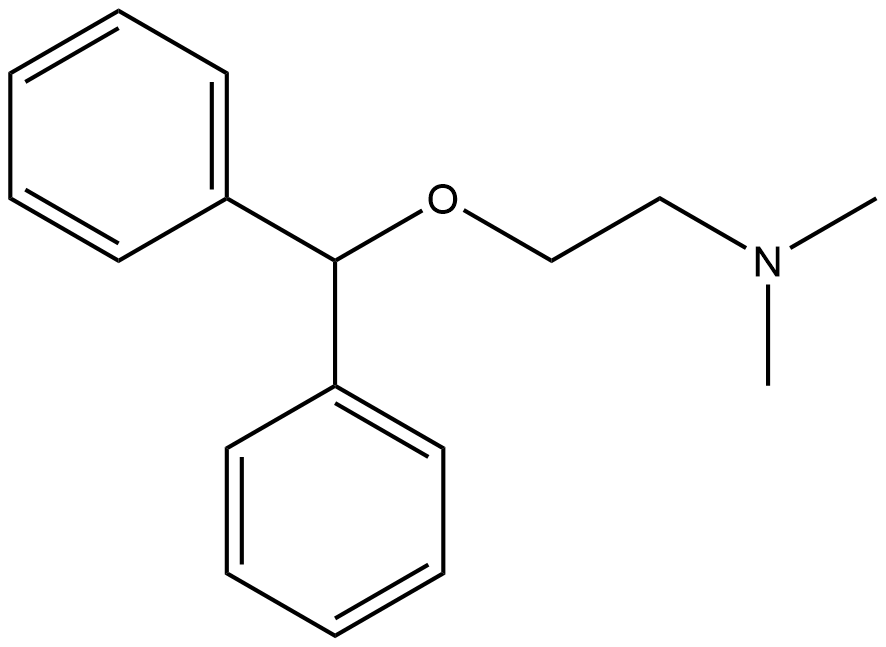 BA1265 DiphenhydramineSummary: Diphenhydramine is a first-generation histamine H1 receptor antagonist with anticholinergic activity.
 -
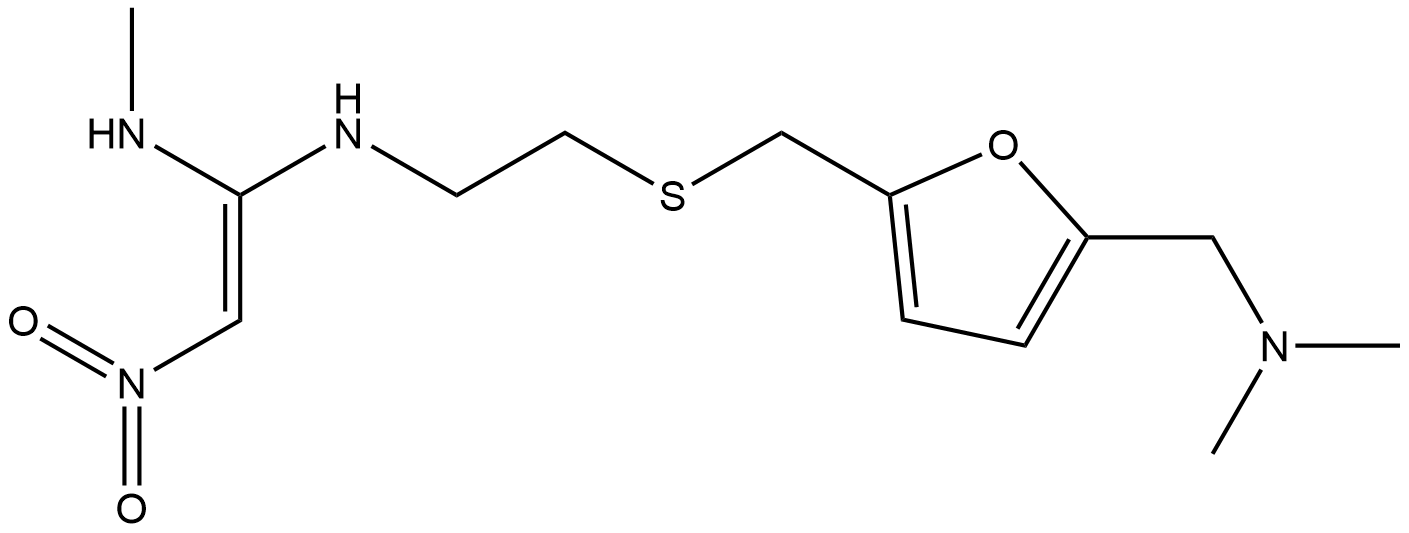 BA1524 RanitidineSummary: Ranitidine is an effective, selective, orally active histamine H2 receptor antagonist.
 -
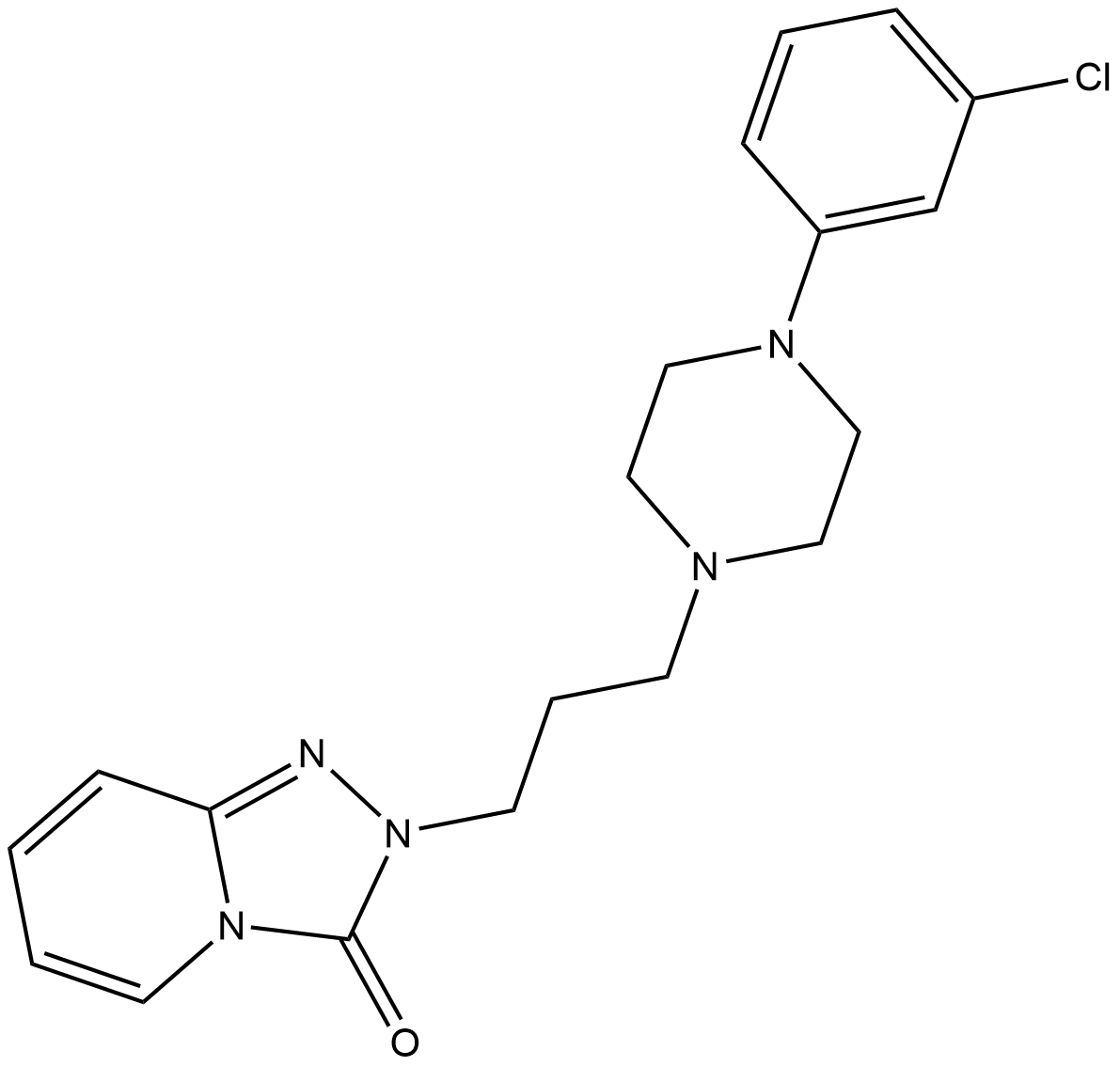 BA5017 TrazodoneSummary: Trazodone (AF-1161 freebase) is a serotonin receptor antagonist and reuptake inhibitor.
 -
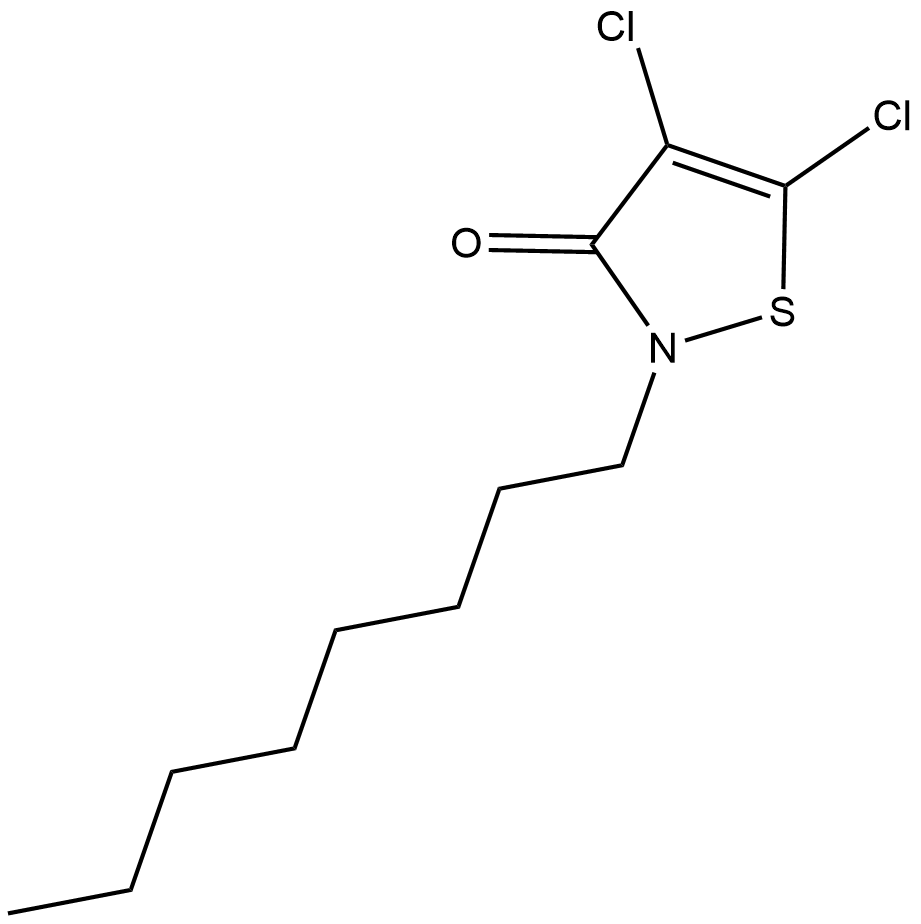 BA5361 DCOITSummary: DCOIT is a representative isothiazolinone that can stimulate the synthesis of follicle-stimulating hormone and luteinizing hormone in the brain mediated by gonadotropin-releasing hormone receptor.
 -
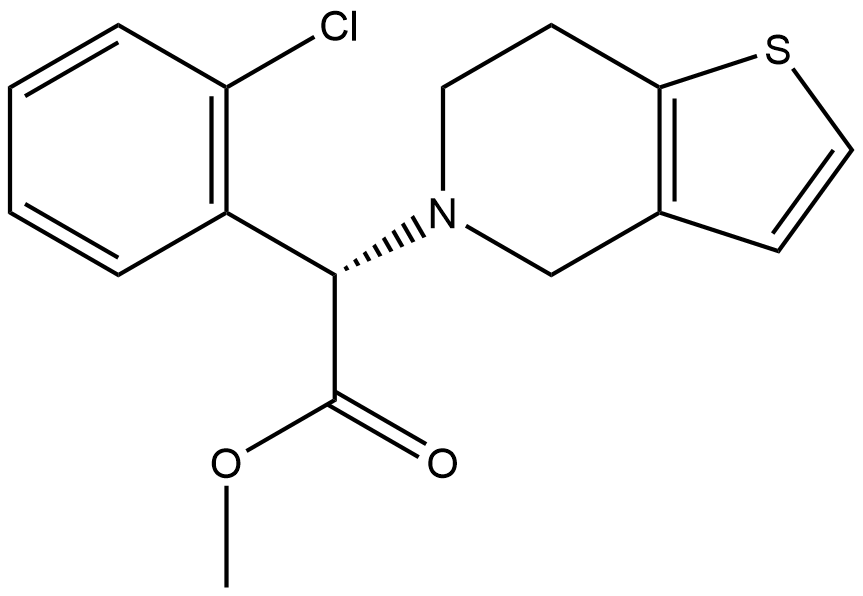 BA5681 ClopidogrelSummary: Clopidogrel is a receptor-targeted, orally active platelet inhibitor.
 -
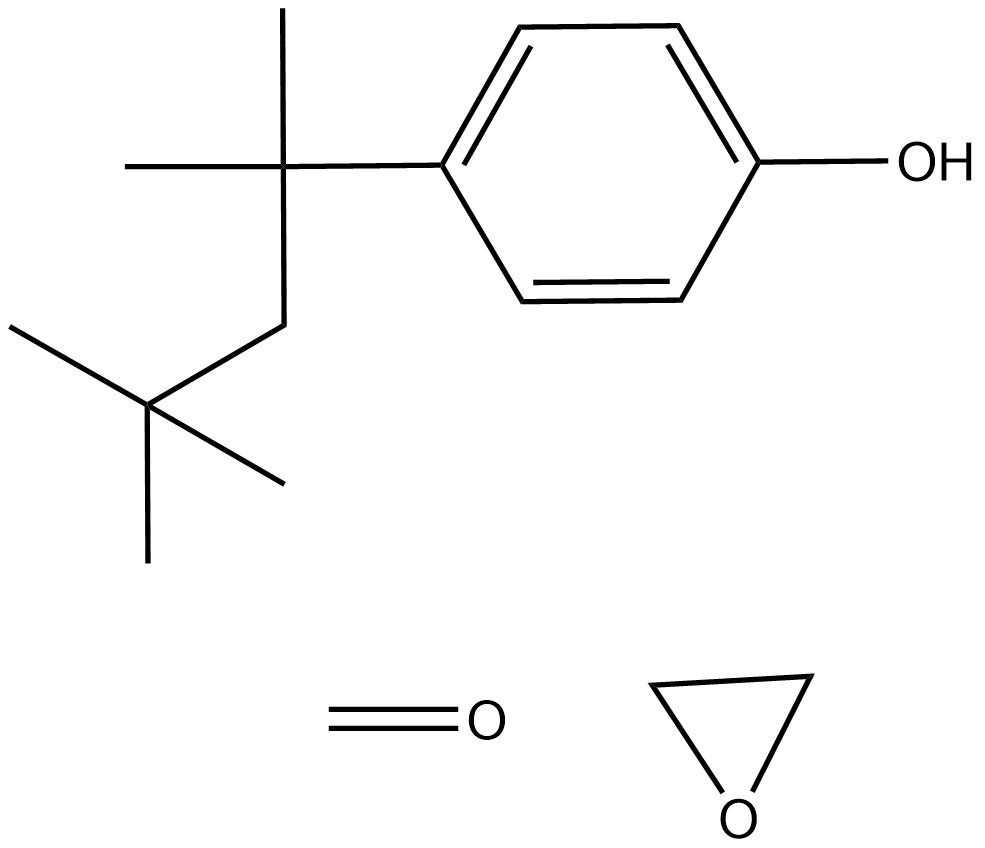 BA9536 TyloxapolSummary: Tyloxapol (TritonWR1339) is an alkyl aryl polyether alcohol-type nonionic liquid polymer, used as a surfactant stabilizer.