


Natural Products
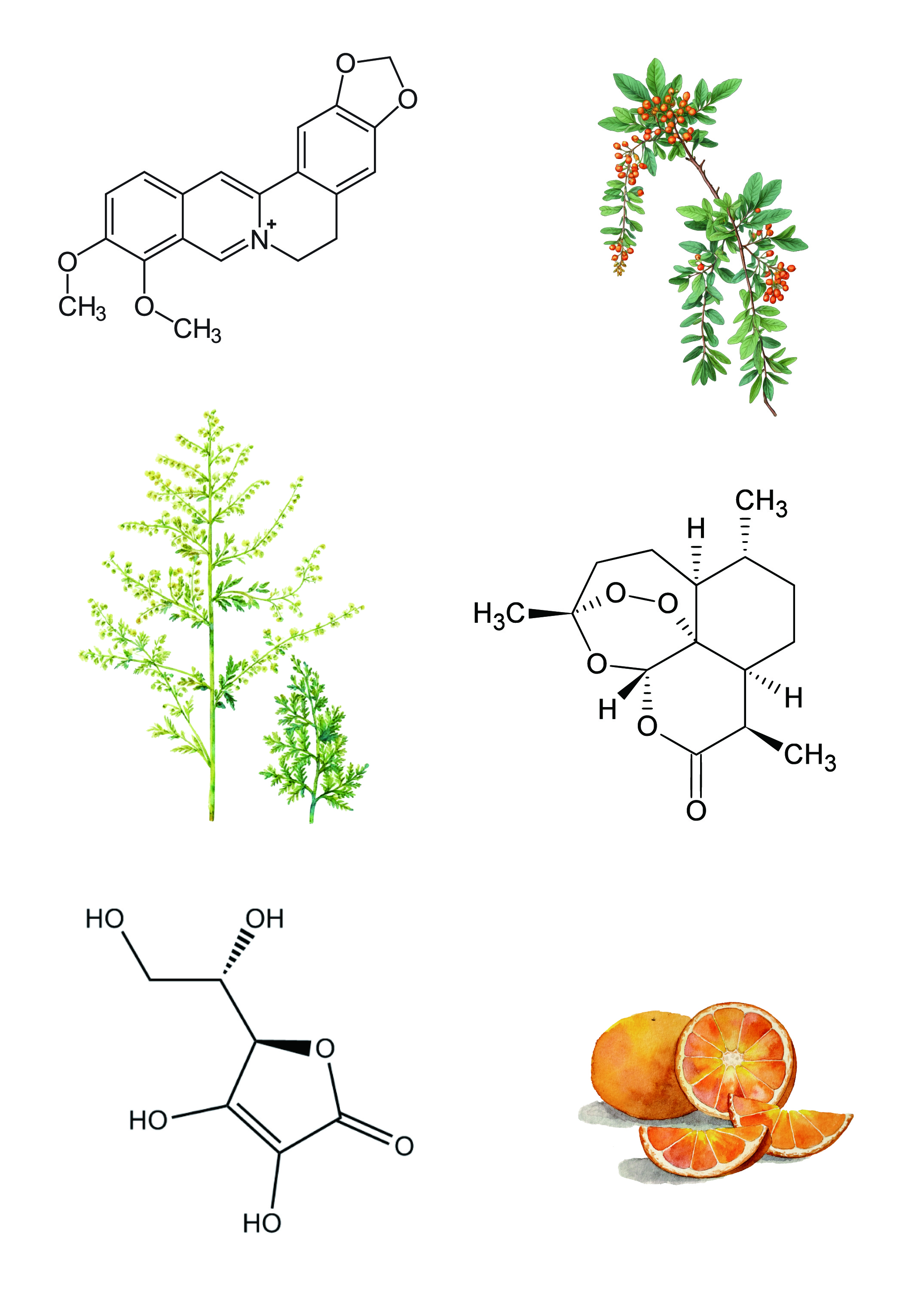
Natural products are compounds produced by living organisms—including animals, plants, and microorganisms—and include both structural components and secondary metabolites. Plants, in particular, are a major source, rich in bioactive constituents like flavonoids and alkaloids, which underpin the pharmacological effects of traditional Chinese medicine. While natural products are primarily obtained through chemical isolation, they can also be prepared by semi-synthetic or total synthesis methods. Their complex structures pose significant challenges for organic chemists.
Natural products represent a core source of lead compounds for innovative drug discovery, providing bioactive templates that facilitate biochemical research, the identification of novel therapeutic targets, the development of new therapies, and the elucidation of underlying mechanisms. In addition, natural products are widely applied in the fields of food, cosmetics, and health supplements, where their antioxidant, anti-inflammatory, and other bioactivities support research into related diseases.
-
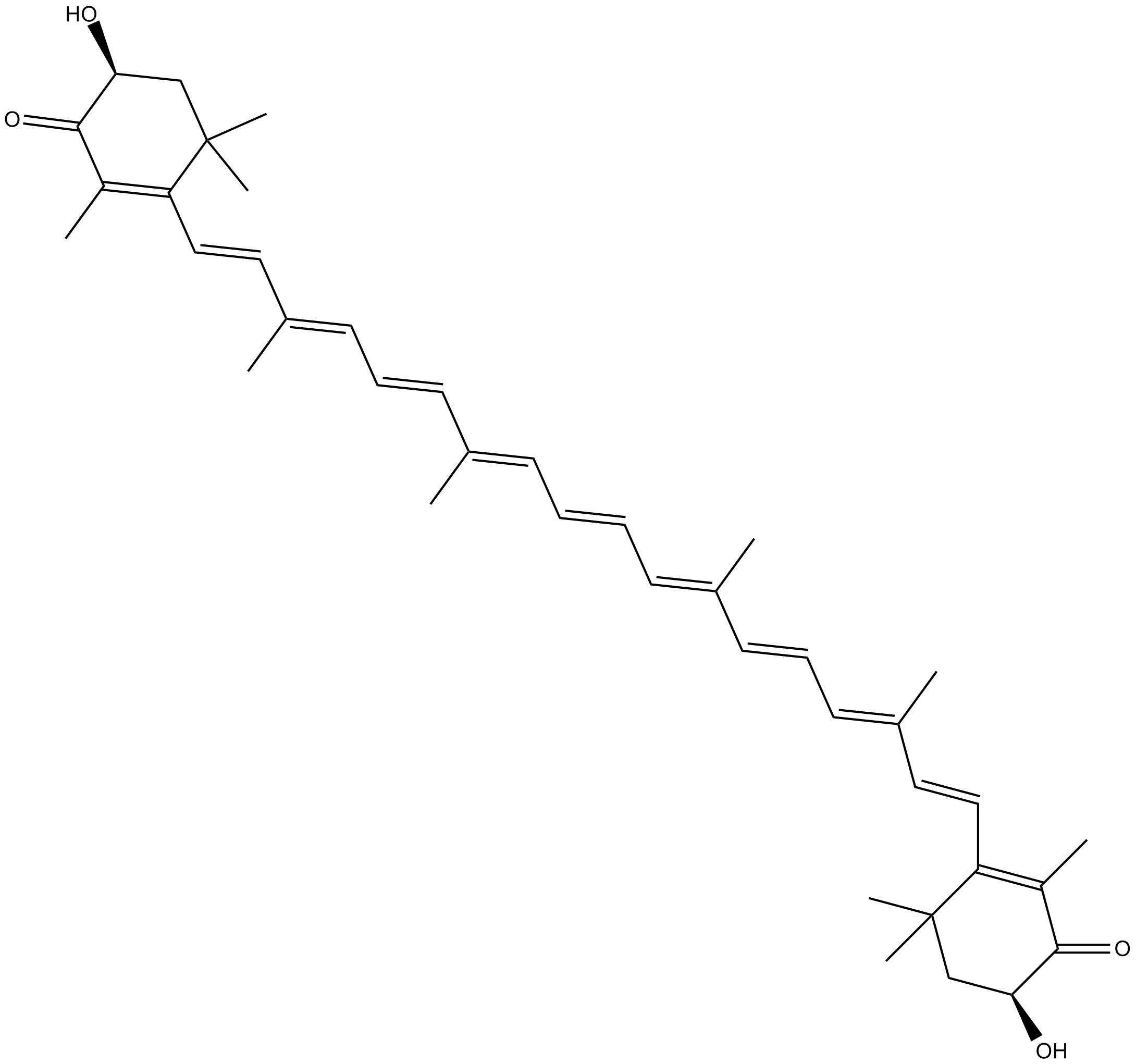 B8611 AstaxanthinSummary: A carotenoid with antioxidant, anti-inflammatory, anticancer, and feed coloring effects.
 -
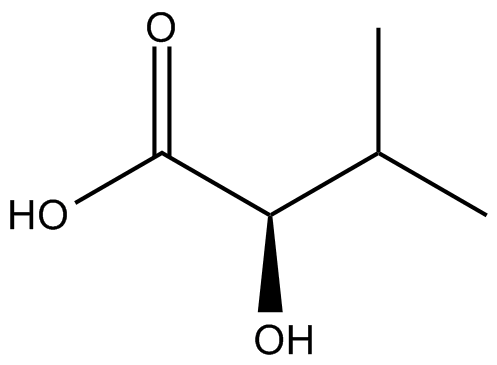 B8642 (S)-(+)-2-Hydroxy-3-methylbutyric acidSummary: An intermediate reagent for drug synthesis and research on chiral metabolic pathways.
 -
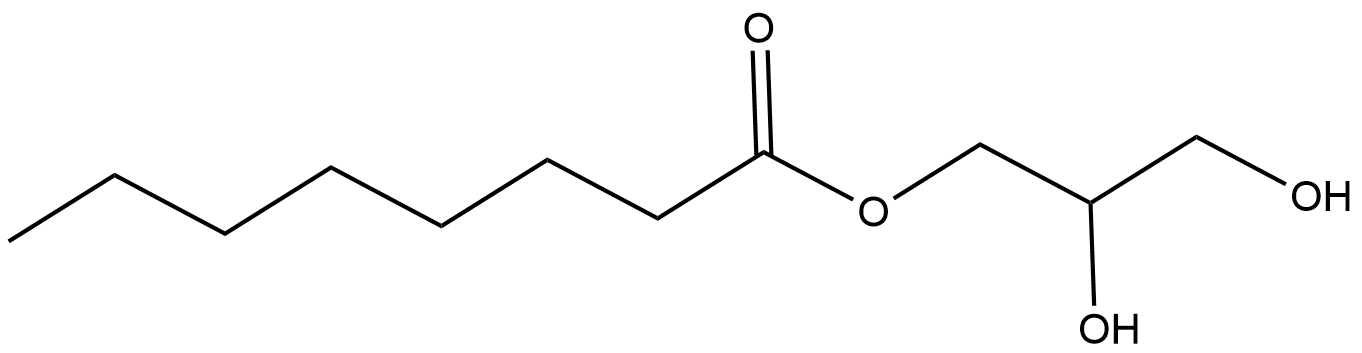 BA1356 MonocaprylinSummary: Monocaprylin (Glycerylmonocaprylate) is a glyceryl monocaprylate (caprylic acid monoester) with excellent antibacterial activity.
 -
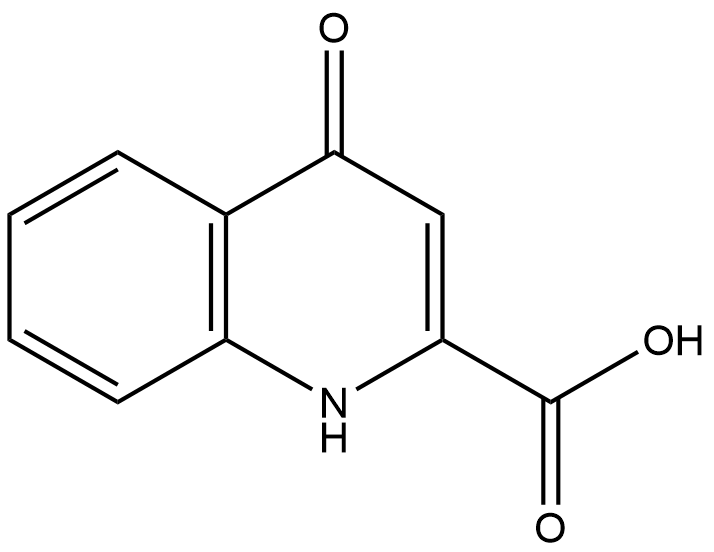 BA1381 TranstorineSummary: A quinoline alkaloid derived from Ephedra plants with antibacterial activity.
 -
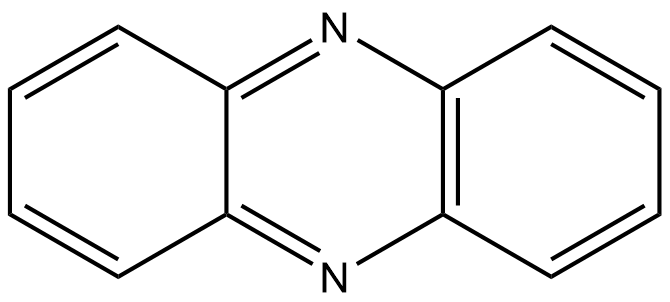 BA1590 PhenazineSummary: Phenazine is an electron shuttle that can regulate the cellular redox state as well as downstream gene expression associated with biofilm formation and bacterial survival.
 -
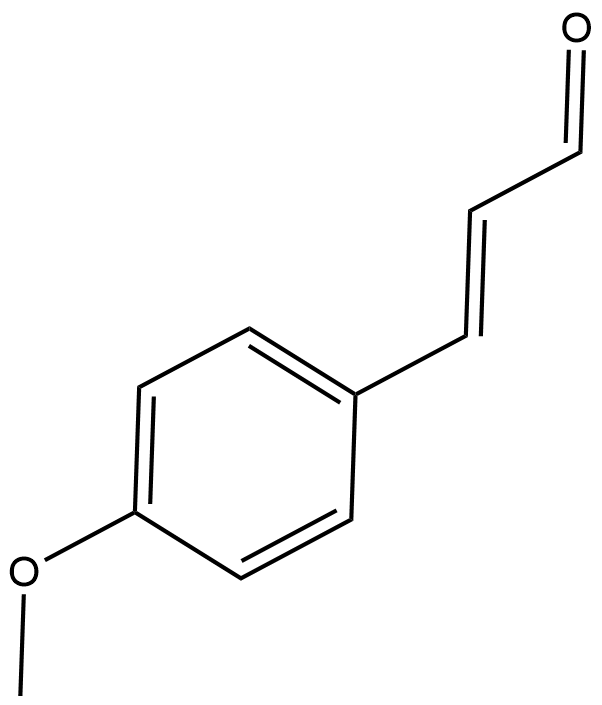 BA2253 4-MethoxycinnamaldehydeSummary: 4-Methoxycinnamaldehyde (p-Methoxycinnamaldehyde) is an active ingredient that exhibits cytoprotective activity against respiratory syncytial virus in a human laryngeal carcinoma cell line.
 -
 BA2260 SilymarinSummary: Silymarin is an extract of milk thistle.
 -
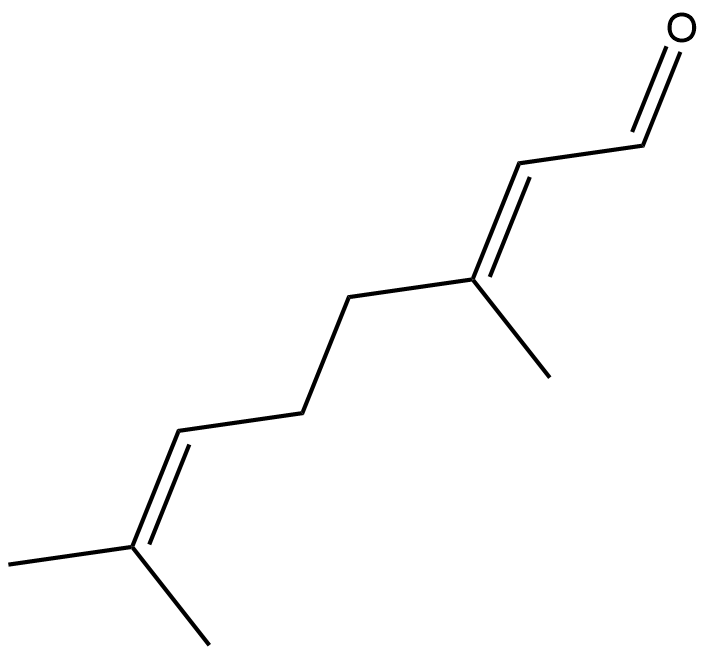 BA2876 CitralSummary: Citral is an orally active monoterpene compound found in lemongrass essential oil and a natural ALDH1A inhibitor.
 -
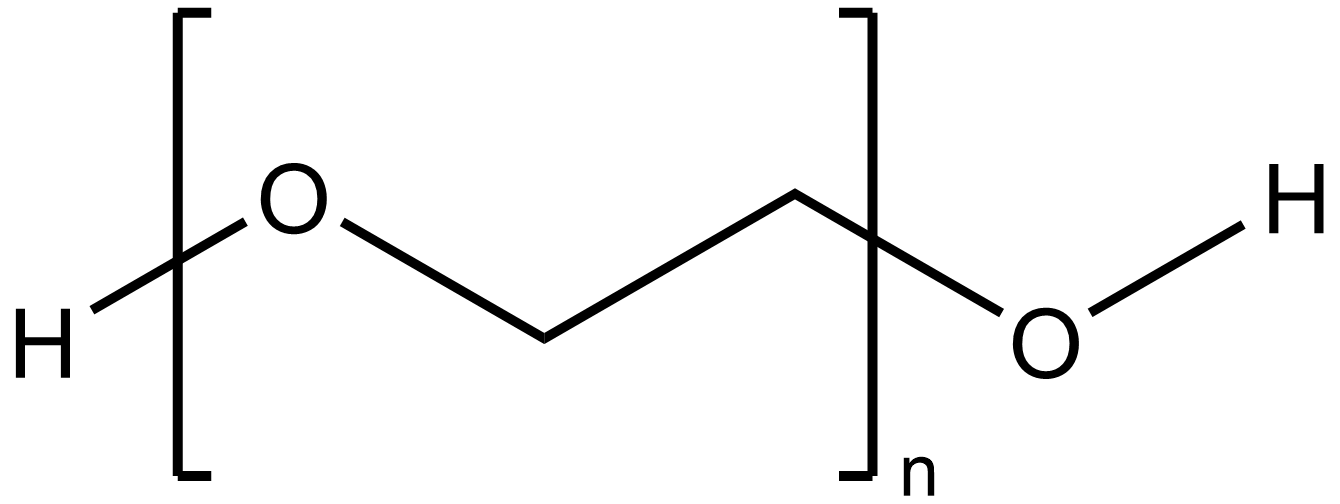 BA9587 PEG200Summary: PEG200 (Polyethylene glycol 200) is a neutral polymer with a molecular weight of 200.
 -
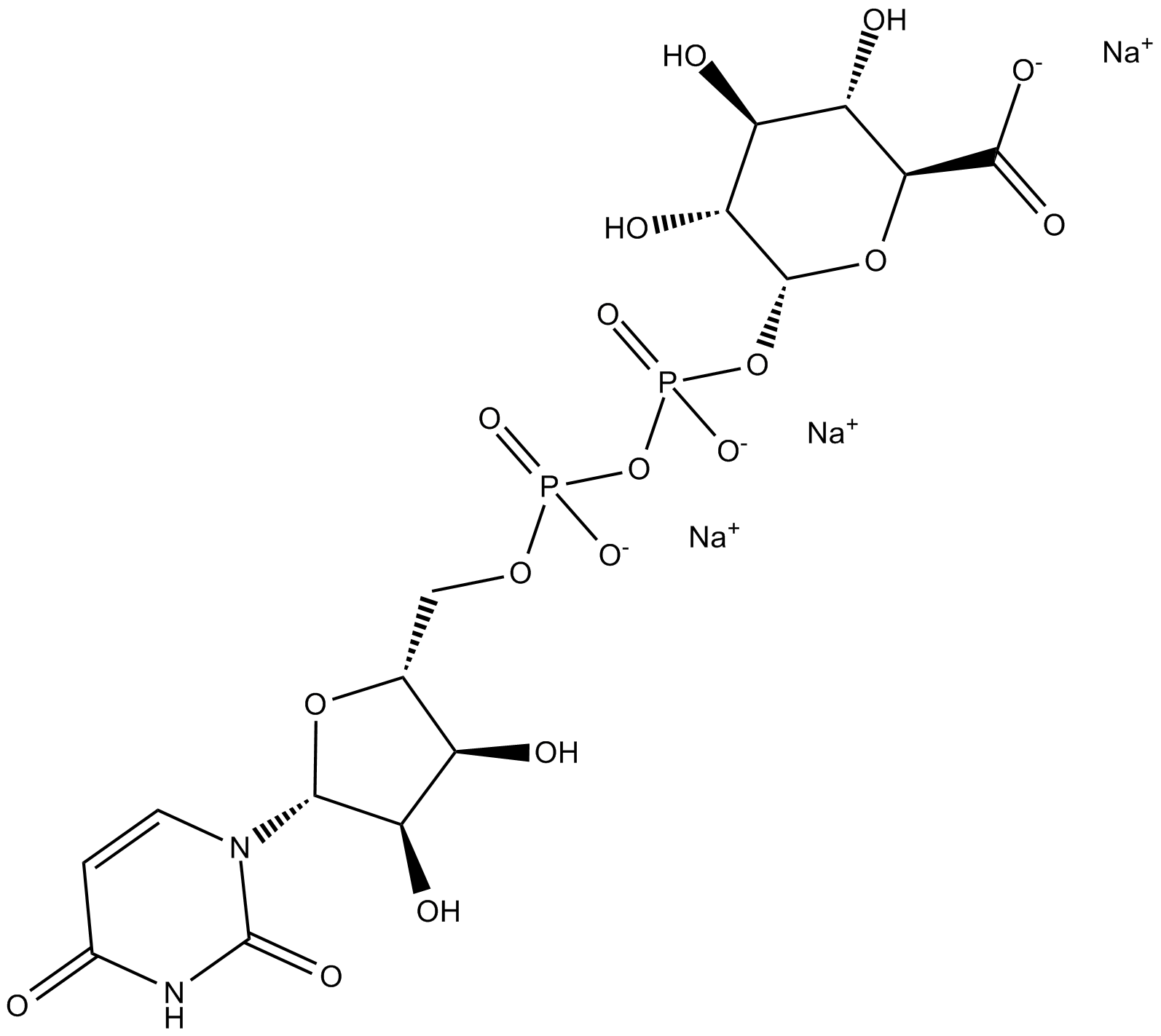 C3262 Uridine-5'-diphosphoglucuronic Acid (sodium salt)Summary: Nucleotide diphosphate sugars, for metabolomics and proteomics research