


Transtorine
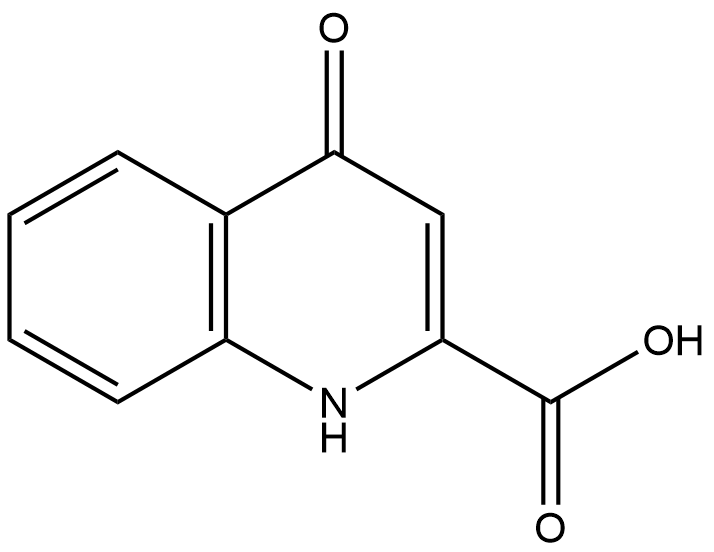
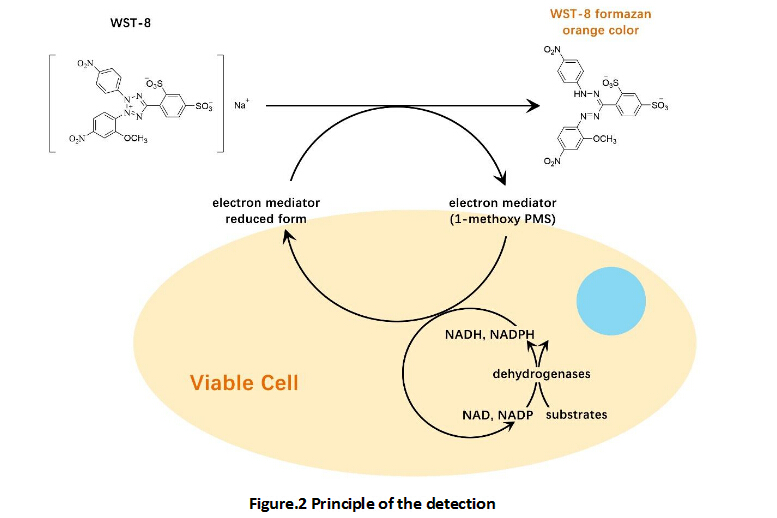
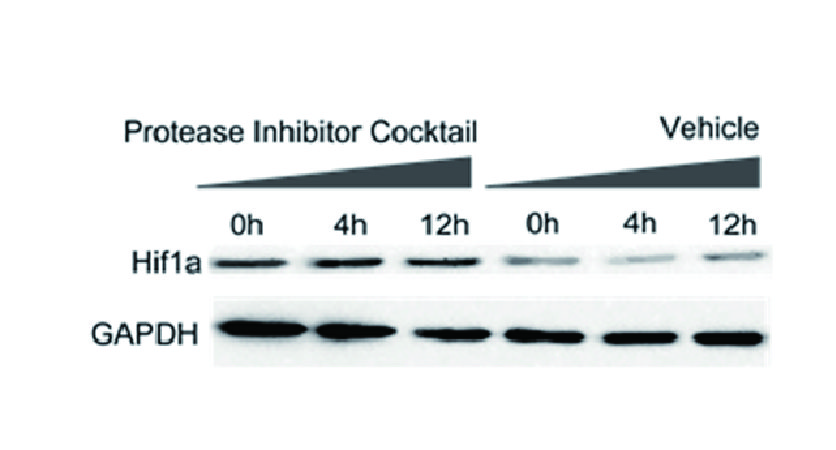
Transtorine (CAS No.: 13593-94-7) is a naturally derived quinoline alkaloid isolated from Ephedra transitoria and is of interest in biomedical research due to its antimicrobial and neuropharmacological properties. Studies indicate that this compound exhibits inhibitory activity against a range of pathogenic microorganisms, potentially through mechanisms involving disruption of cell wall biosynthesis or alteration of membrane permeability, with reported activity typically observed in the low micromolar range in vitro. In addition to its antimicrobial profile, Transtorine has been identified as an inhibitor of ionotropic glutamate receptors, including NMDA and related GluR subtypes, suggesting its utility in probing excitatory neurotransmission and receptor-mediated signaling pathways. As a plant-derived alkaloid, it is also employed as a model compound for investigating the biosynthesis, metabolism, and structure–activity relationships of quinoline-based natural products. In laboratory settings, Transtorine is commonly utilized in cell-based assays and exploratory pharmacological studies aimed at antimicrobial screening and receptor modulation, with experimental concentrations adjusted according to specific assay conditions and research objectives.
| Physical Appearance | A solid |
| Storage | -20°C |
| M.Wt | 189.17 |
| Cas No. | 13593-94-7 |
| Formula | C10H7NO3 |
| Synonyms | 1,4-DIHYDRO-4-OXOQUINOLINE-2-CARBOXYLIC ACID |
| Solubility | ≥6.7 mg/mL in DMSO; insoluble in EtOH; insoluble in H2O |
| Chemical Name | 4-oxo-1,4-dihydroquinoline-2-carboxylic acid |
| Canonical SMILES | O=C1C=C(C(O)=O)NC2=C1C=CC=C2 |
| Shipping Condition | Small Molecules with Blue Ice, Modified Nucleotides with Dry Ice. |
| General tips | We do not recommend long-term storage for the solution, please use it up soon. |