Streptavidin
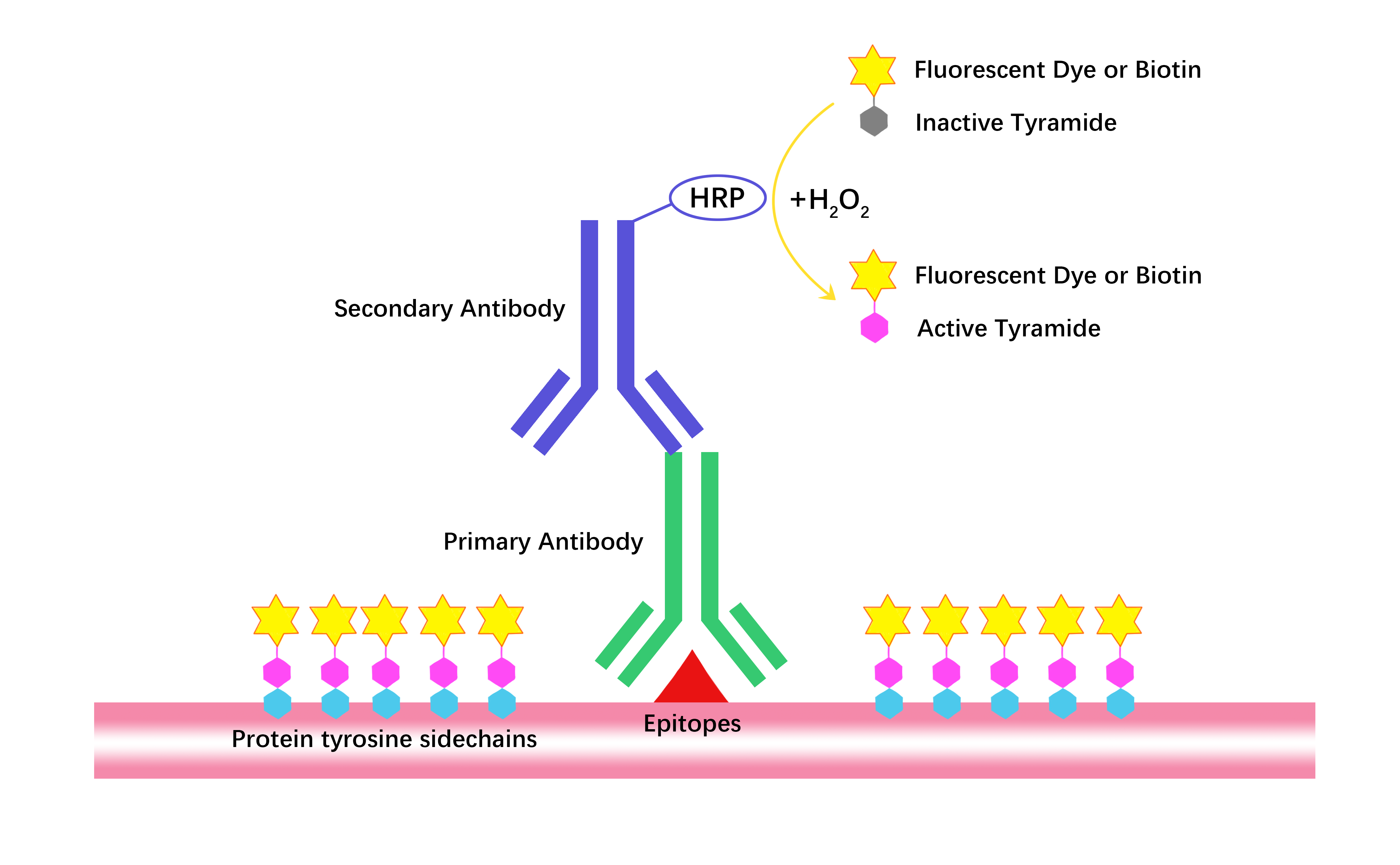
Streptavidin (CAS No.: 9013-20-1) is a non-glycosylated, bacterially derived homotetrameric protein widely utilized in biochemical and molecular biology research for its extraordinarily high affinity toward biotin, forming one of the strongest known non-covalent interactions. Each tetramer binds up to four biotin molecules, enabling efficient and stable bridging of biotinylated biomolecules across a broad range of pH and temperature conditions, which underpins its extensive application in affinity purification, immunodetection, labeling, and assay development platforms. Recombinantly expressed in Escherichia coli, streptavidin is commonly employed in protein, nucleic acid, and small-molecule capture systems, as well as in biosensor technologies and high-throughput screening workflows. Mechanistically, its function is mediated through tight and specific biotin binding rather than classical receptor-ligand signaling, although it has been reported to exert immunomodulatory effects in vitro, including inhibition of IL-2 synthesis and downregulation of CD25 expression in T cells. Due to its robust binding properties and biochemical stability, streptavidin serves as a versatile tool in cell-based assays, imaging, and drug discovery research, where experimental concentrations are typically optimized according to assay format, target molecule density, and detection sensitivity requirements.
| Physical Appearance | A solid (lyophilized from a solution in 1 mM NaHCO?, pH 9.0.) |
| Storage | -20°C |
| M.Wt | 52.8 kDa |
| Cas No. | 9013-20-1 |
| Solubility | Soluble in Water |
| Shipping Condition | Small Molecules with Blue Ice, Modified Nucleotides with Dry Ice. |
| General tips | We do not recommend long-term storage for the solution, please use it up soon. |
Quality Control & MSDS
- View current batch:
-
Purity = 100.00%
- COA (Certificate Of Analysis)
- HPLC (Retest)
- MSDS (Material Safety Data Sheet)
Chemical structure