PEG300
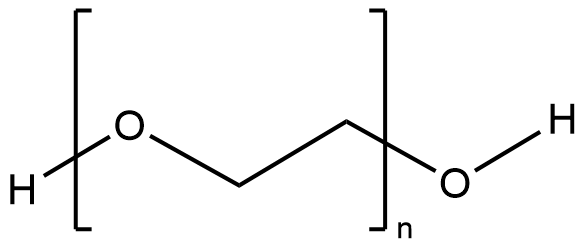
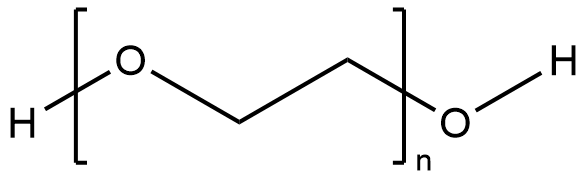
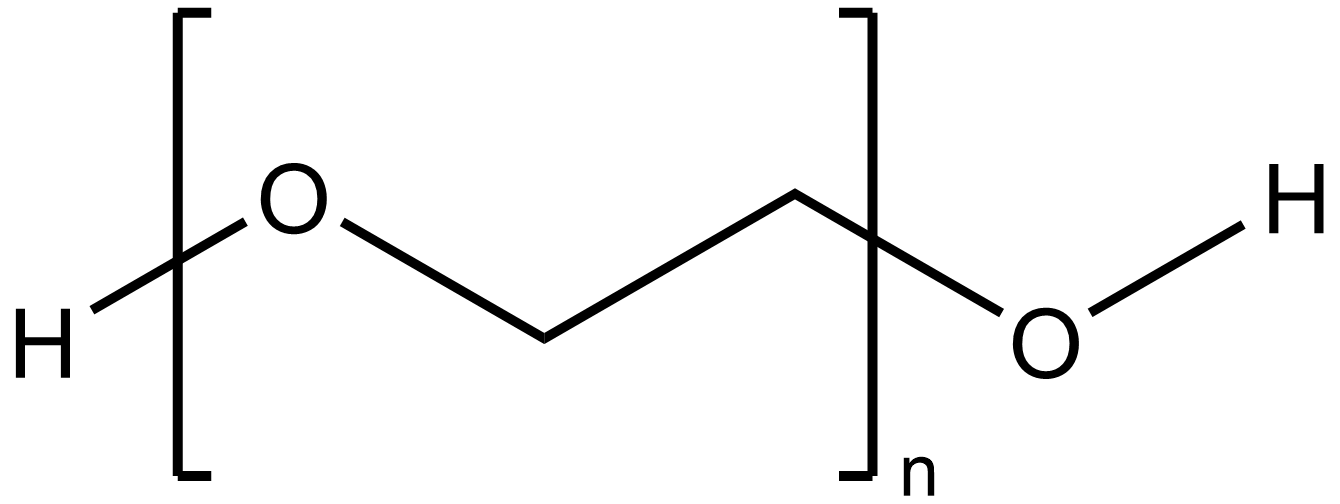
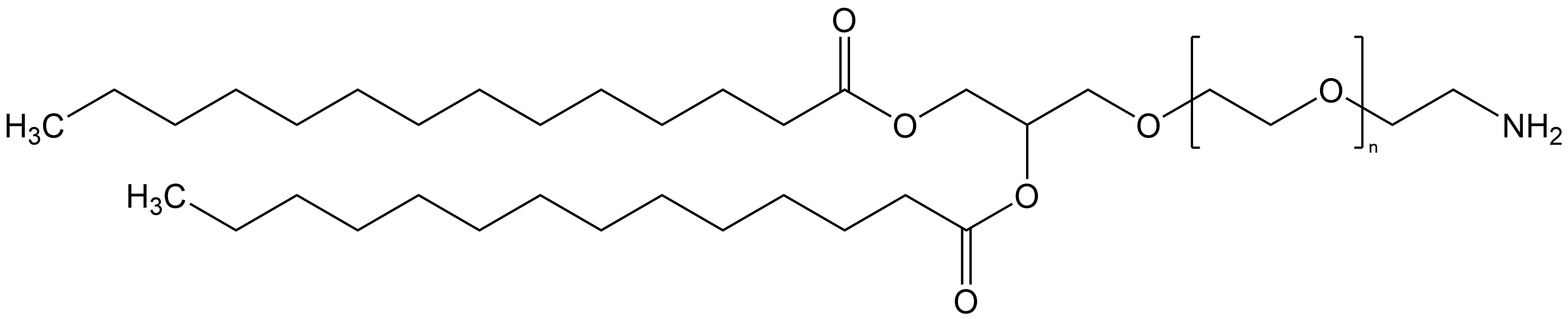
PEG300 (CAS No.: 25322-68-3) is a hydrophilic, neutral polymer composed of repeating ethylene glycol units, widely utilized in biomedical research as a solvent, co-solvent, and formulation excipient due to its favorable biocompatibility and low immunogenicity. As a member of the polyethylene glycol family, it functions primarily as a physicochemical modulator rather than a direct bioactive agent, exerting its effects through non-covalent interactions such as hydrogen bonding with biomolecules, thereby enhancing the aqueous solubility, dispersion, and stability of poorly soluble compounds. In experimental systems, PEG300 is frequently employed to improve the delivery and handling of small molecules, peptides, and nanomaterials, and as a surface-modifying agent to reduce nonspecific protein adsorption and minimize immune recognition in nanoparticle-based platforms, contributing to prolonged circulation behavior in model systems. Although it does not act on defined molecular targets or signaling pathways, its indirect influence on biomolecular interactions can affect the apparent activity and bioavailability of co-administered compounds, typically without intrinsic activity observed in standard in vitro assays across nanomolar to micromolar concentration ranges. PEG300 is broadly applied in cell-based assays, biochemical studies, and preclinical formulation development, where concentrations are selected according to solubility requirements and experimental design considerations.
| Physical Appearance | A liquid |
| Storage | -20°C |
| M.Wt | 300.00 |
| Cas No. | 25322-68-3 |
| Synonyms | Polyethylene glycol 300 |
| Solubility | ≥57 mg/mL in DMSO; ≥55.9 mg/mL in EtOH; ≥55.7 mg/mL in H2O |
| Chemical Name | ethane-1,2-diol |
| Canonical SMILES | [H]OCCO[H] |
| Shipping Condition | Small Molecules with Blue Ice, Modified Nucleotides with Dry Ice. |
| General tips | We do not recommend long-term storage for the solution, please use it up soon. |