


Natural Products
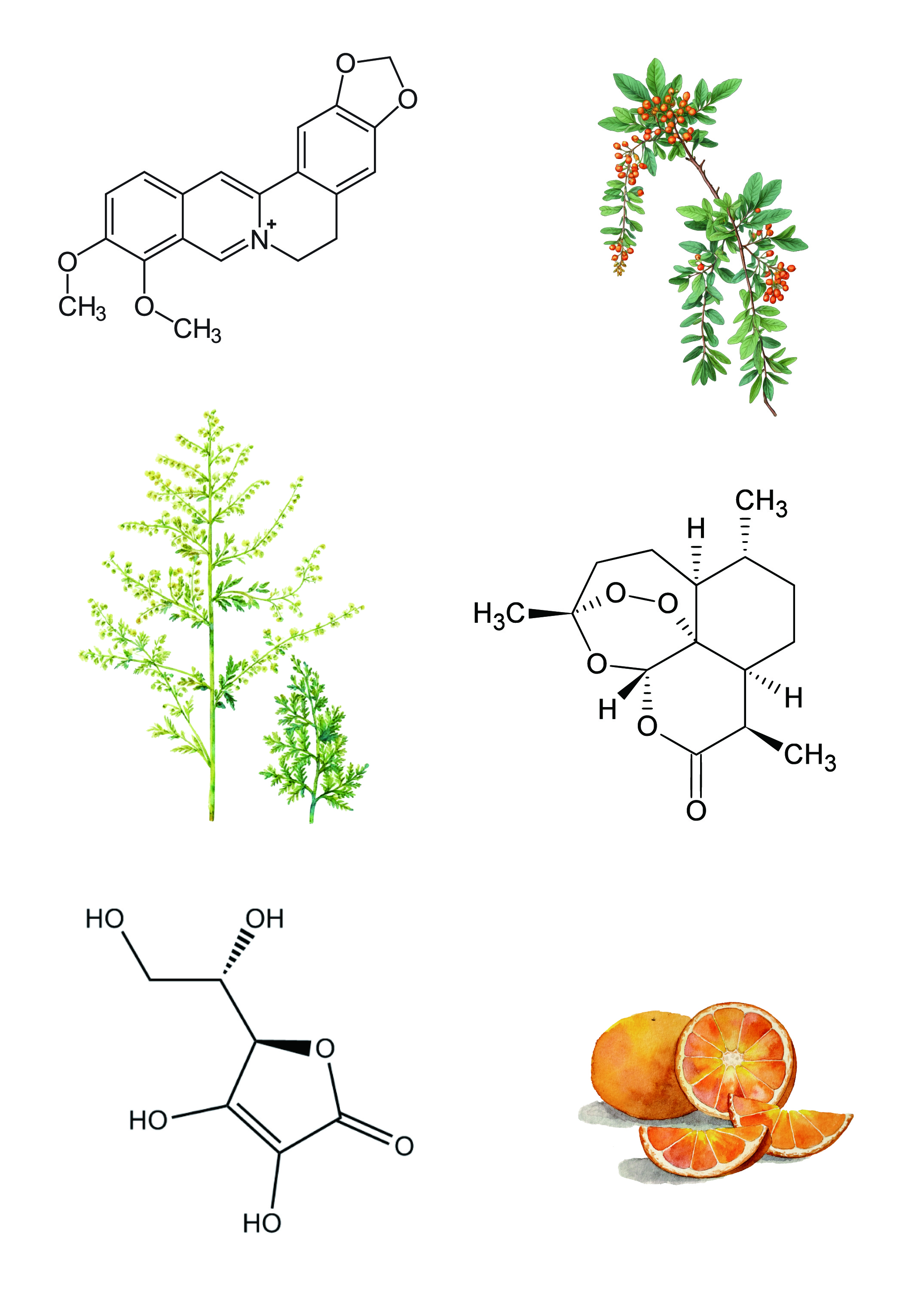
Natural products are compounds produced by living organisms—including animals, plants, and microorganisms—and include both structural components and secondary metabolites. Plants, in particular, are a major source, rich in bioactive constituents like flavonoids and alkaloids, which underpin the pharmacological effects of traditional Chinese medicine. While natural products are primarily obtained through chemical isolation, they can also be prepared by semi-synthetic or total synthesis methods. Their complex structures pose significant challenges for organic chemists.
Natural products represent a core source of lead compounds for innovative drug discovery, providing bioactive templates that facilitate biochemical research, the identification of novel therapeutic targets, the development of new therapies, and the elucidation of underlying mechanisms. In addition, natural products are widely applied in the fields of food, cosmetics, and health supplements, where their antioxidant, anti-inflammatory, and other bioactivities support research into related diseases.
-
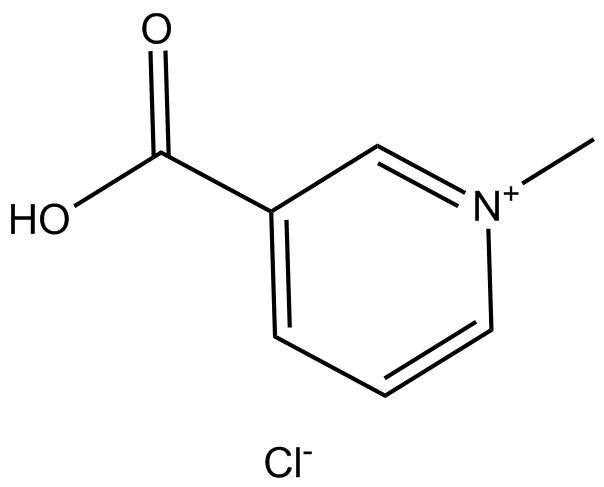 N2577 Trigonelline Hydrochloride
 -
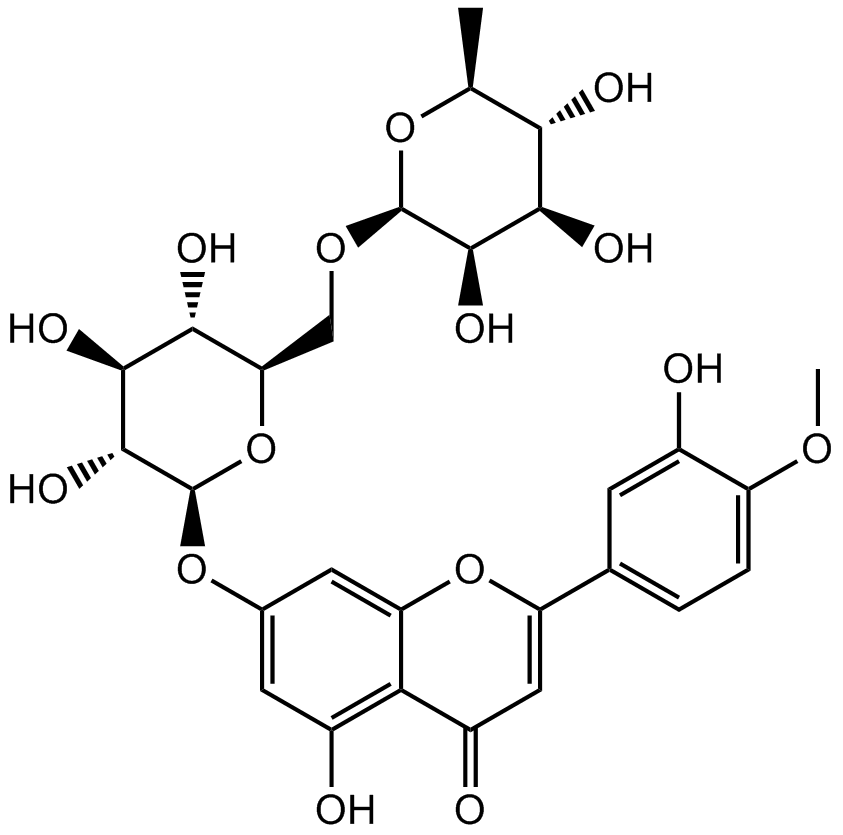 N2535 Diosimin
 -
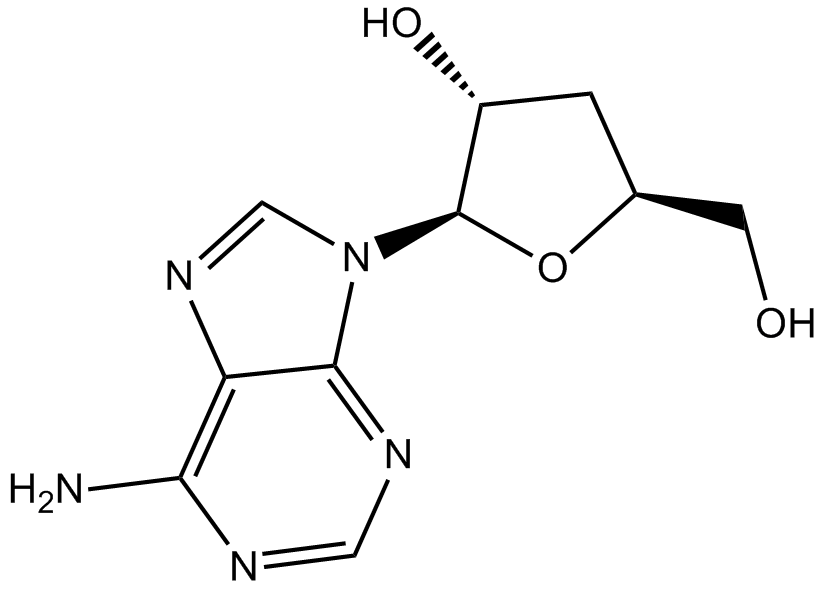 N2808 Cordycepin
 -
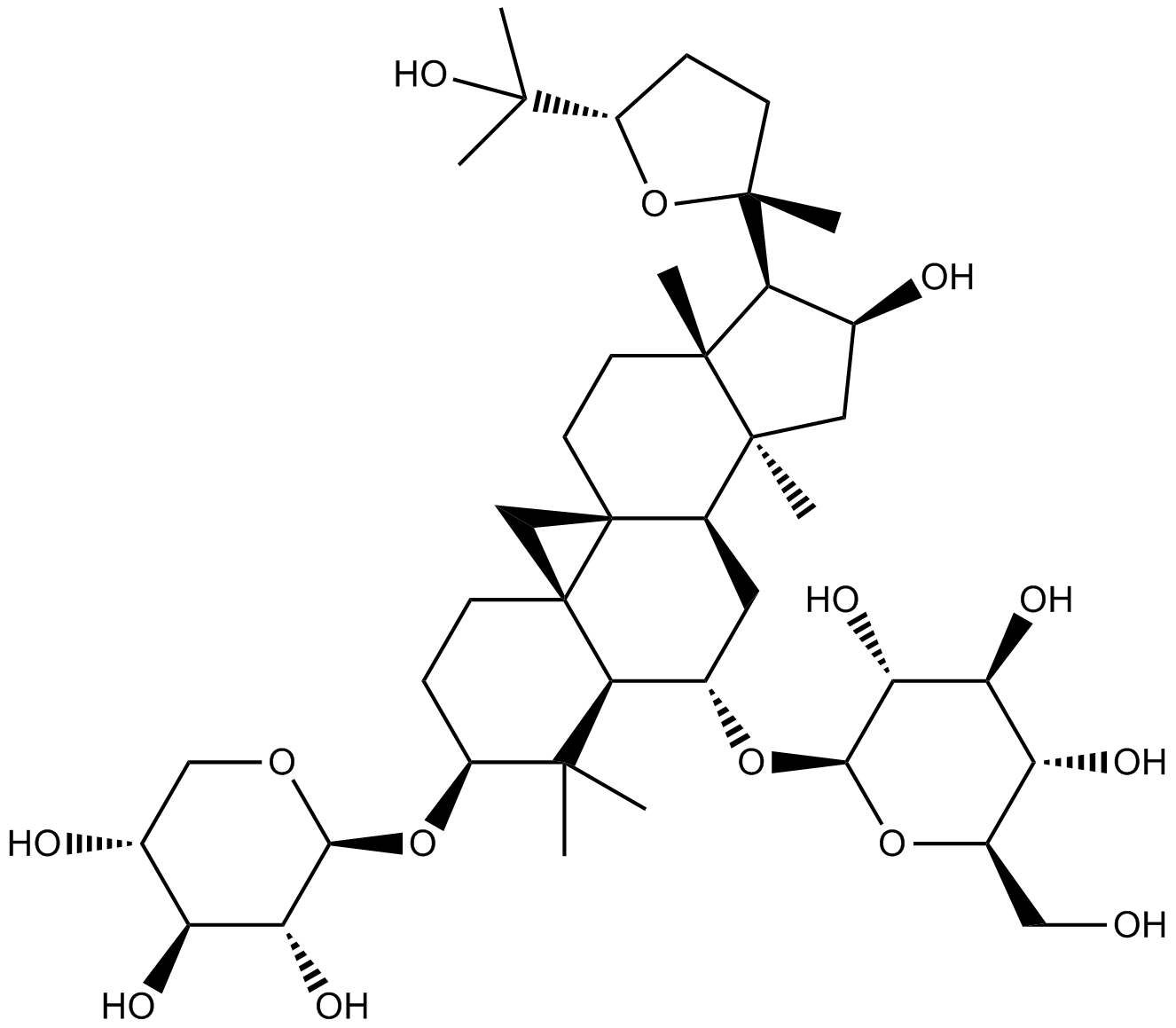 N2113 Astragaloside
 -
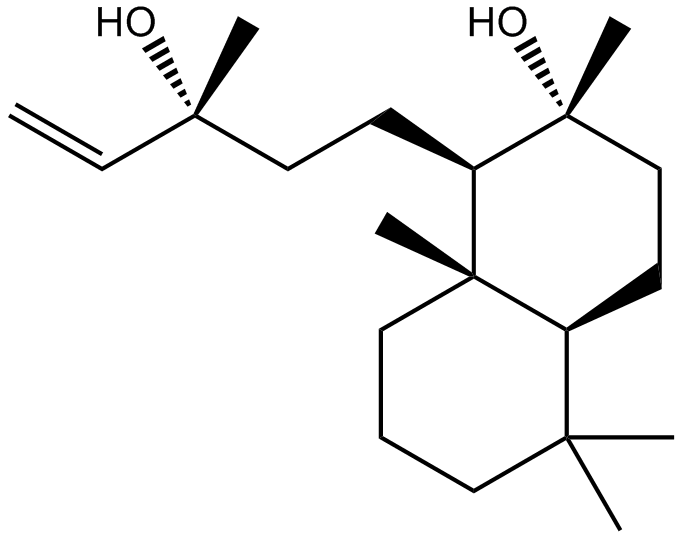 N2558 Sclareol
 -
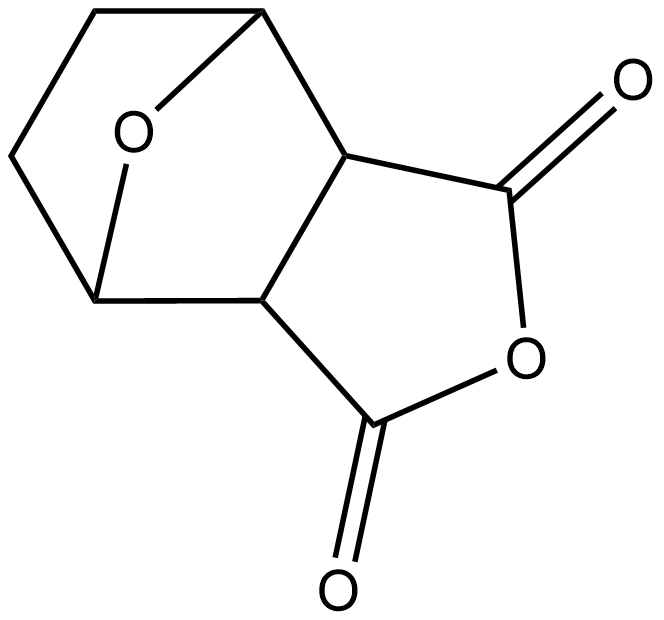 N2662 Norcantharidin
 -
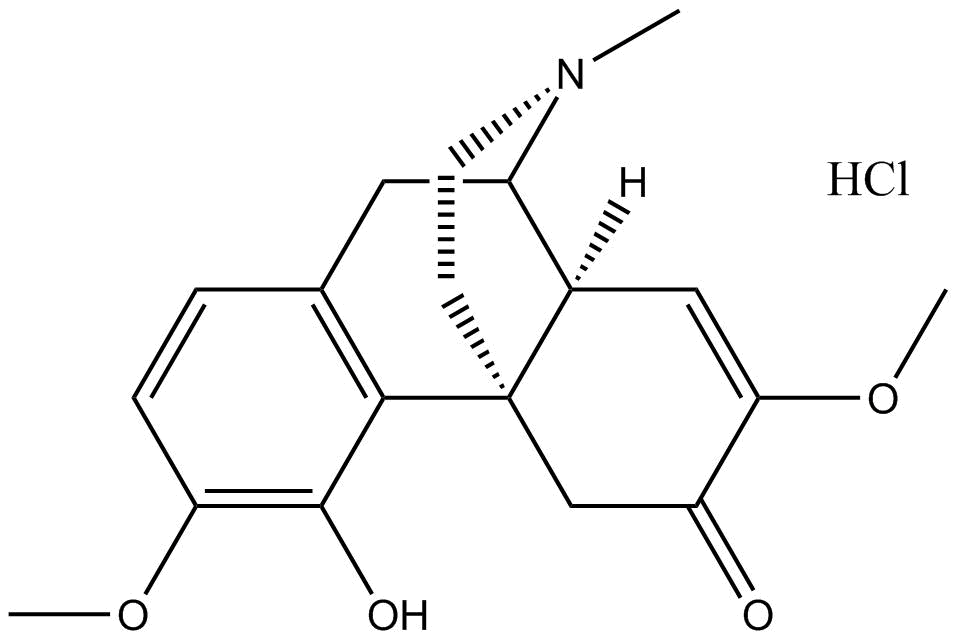 N2189 Sinomenine Hydrochloride
 -
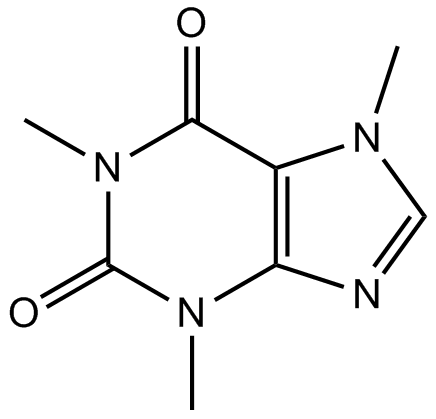 N2379 CaffeineTarget: Adenosine A2A Receptors|Phosphodiesterases (PDEs)|Adenosine A1 ReceptorsSummary: A central nervous system (CNS) stimulant of the methylxanthine class, extracted?from?tea or coffee fruit
 -
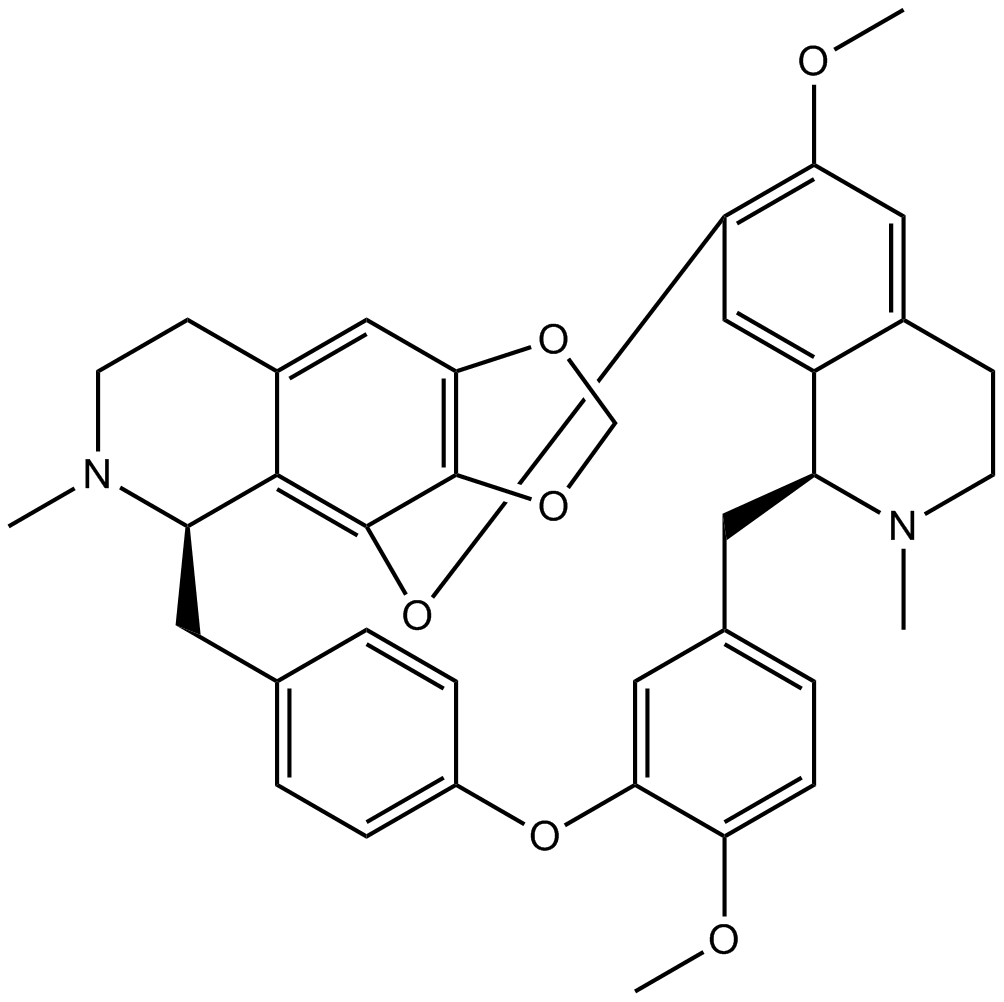 N2771 Cepharanthine4 CitationSummary: antiperoxidant potency
 -
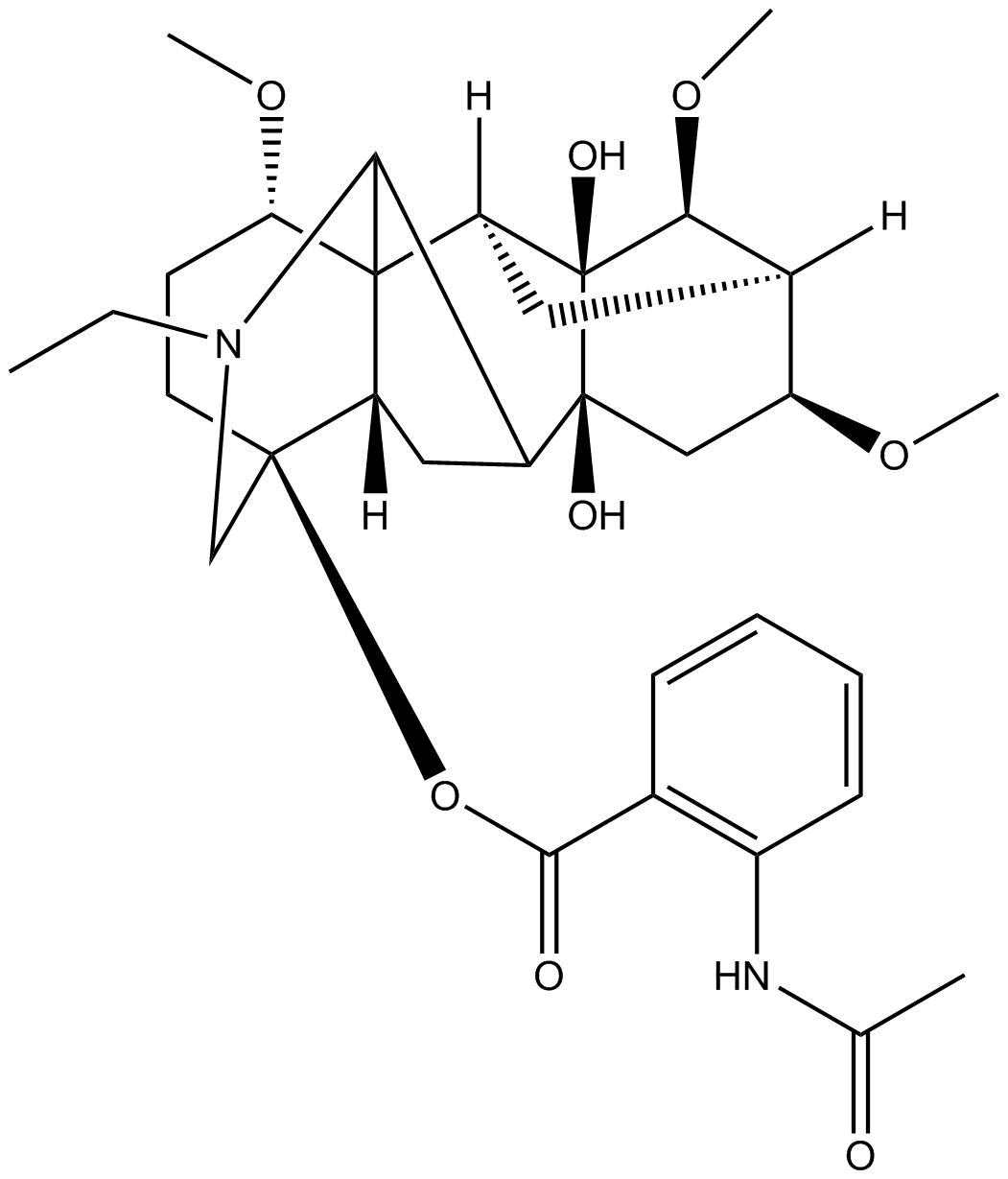 N2258 Lannaconitine