Setting 
My Cart
Toggle Nav
Close
  • Menu
  • Setting

Natural Products

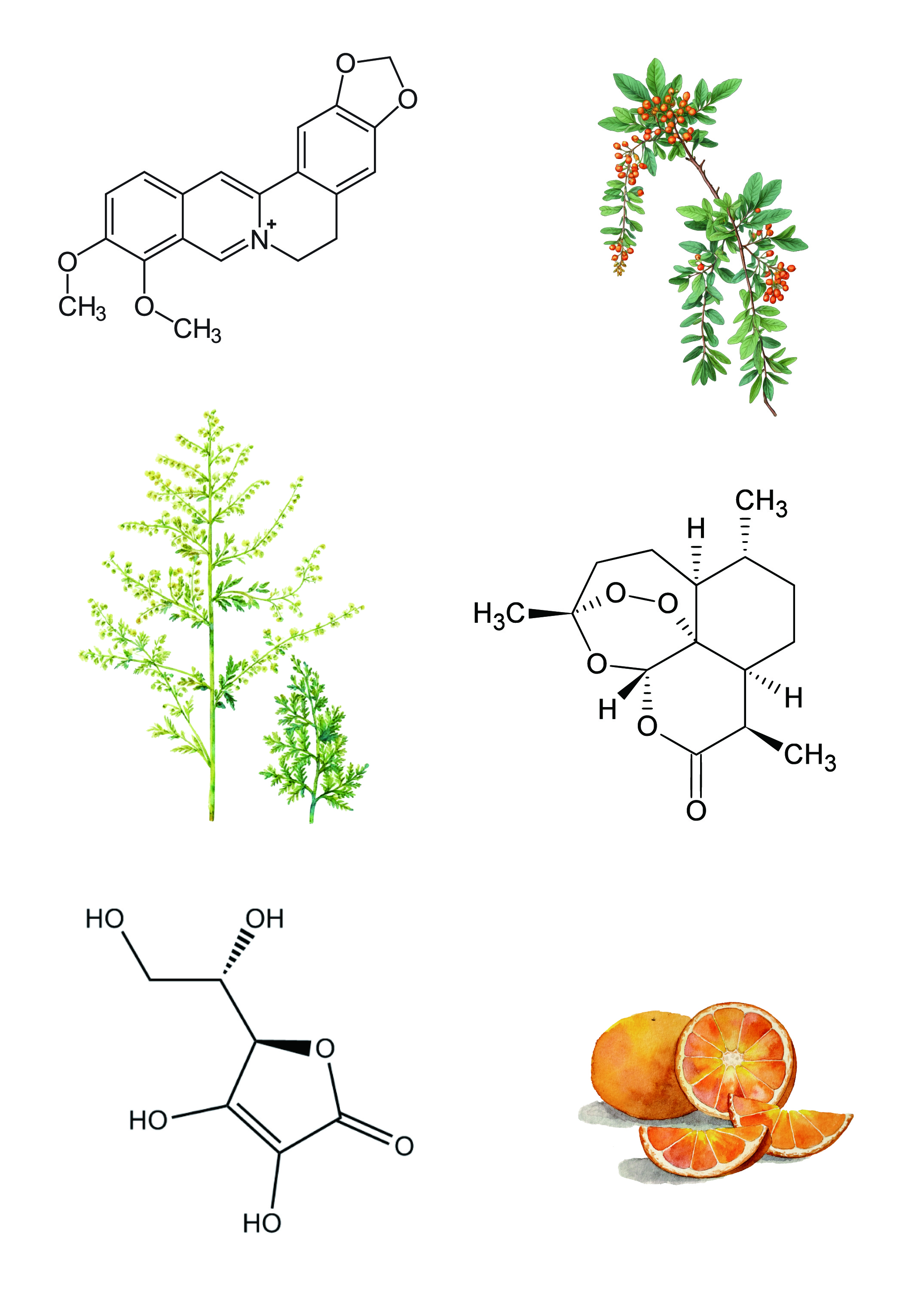
Natural products are compounds produced by living organisms—including animals, plants, and microorganisms—and include both structural components and secondary metabolites. Plants, in particular, are a major source, rich in bioactive constituents like flavonoids and alkaloids, which underpin the pharmacological effects of traditional Chinese medicine. While natural products are primarily obtained through chemical isolation, they can also be prepared by semi-synthetic or total synthesis methods. Their complex structures pose significant challenges for organic chemists.

Natural products represent a core source of lead compounds for innovative drug discovery, providing bioactive templates that facilitate biochemical research, the identification of novel therapeutic targets, the development of new therapies, and the elucidation of underlying mechanisms. In addition, natural products are widely applied in the fields of food, cosmetics, and health supplements, where their antioxidant, anti-inflammatory, and other bioactivities support research into related diseases.
Items 1001-1010 of 1035

Page
per page
  1. Sodium succinate
    N2946 Sodium succinate
    Summary: Sodium succinate is a tricarboxylic acid cycle intermediate and metabolic modulator used to investigate mitochondrial respiration, bioenergetics signaling, and hypoxia-related cellular pathways.
  2. Gentamicin
    N2947 Gentamicin
    Summary: Gentamicin is an aminoglycoside antibiotic that targets bacterial ribosomal protein synthesis and is widely utilized in microbiology, molecular biology, and cell culture contamination-control research.
  3. Potassium D-gluconate
    N2948 Potassium D-gluconate
    Summary: Potassium D-gluconate is a potassium salt of D-gluconic acid used as an ionic strength modifier and potassium source in biochemical and cell culture research.
  4. Benzyl isothiocyanate
    N2949 Benzyl isothiocyanate
    Summary: Benzyl isothiocyanate is a naturally occurring isothiocyanate that modulates phase II detoxification and apoptosis-related signaling, widely utilized in cancer chemoprevention research.
  5. Aleuritic Acid
    N2950 Aleuritic Acid
    Summary: Aleuritic Acid is a trihydroxy long-chain fatty acid intermediate used in lipid metabolism and natural product biosynthesis research within life sciences.
  6. Lanatoside C
    N2951 Lanatoside C
    Summary: Lanatoside C is a cardiac glycoside and Na⁺/K⁺⁺-ATPase modulator used to investigate ion-transport signaling and cell physiology in pharmacological research.
  7. (1R)-(-)-Menthyl acetate
    N2952 (1R)-(-)-Menthyl acetate
    Summary: (1R)-(-)-Menthyl acetate (CAS 2623-23-6) is a monoterpene ester used as an analytical reference standard in flavor, fragrance, and natural products research.
  8. Diphenylamine Hydrochloride
    N2953 Diphenylamine Hydrochloride
    Summary: Diphenylamine Hydrochloride is an aromatic amine derivative used as a redox-reactive reagent for oxidative stress assays and analytical chemistry research applications.
  9. (+)-Longifolene
    N2954 (+)-Longifolene
    Summary: (+)-Longifolene is a tricyclic sesquiterpene hydrocarbon used as an analytical reference standard in natural products chemistry and terpene biosynthesis research.
  10. Sodium Dehydrocholate
    N2955 Sodium Dehydrocholate
    Summary: Sodium Dehydrocholate is a bile salt detergent used to modulate membrane permeability and solubilize biomolecules in biochemical and cell biology research.

Items 1001-1010 of 1035

Page
per page