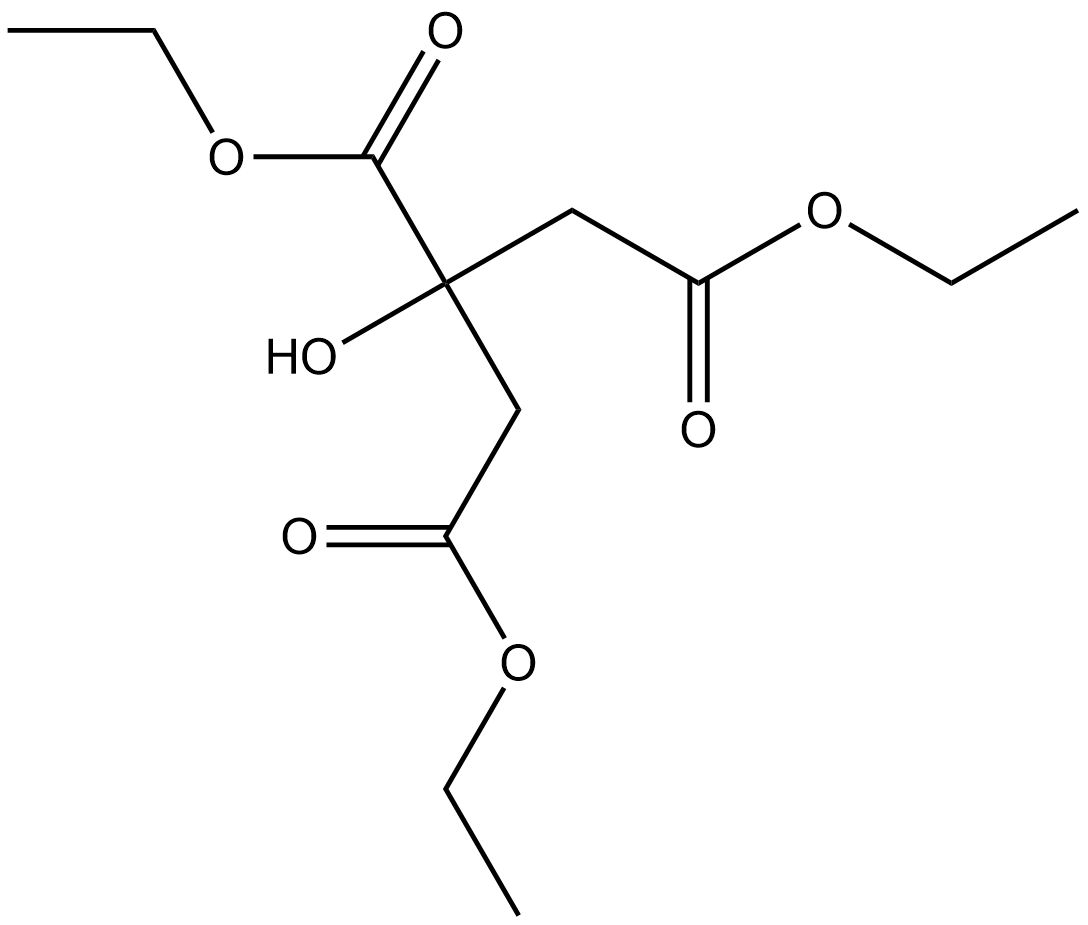
Triethyl citrate
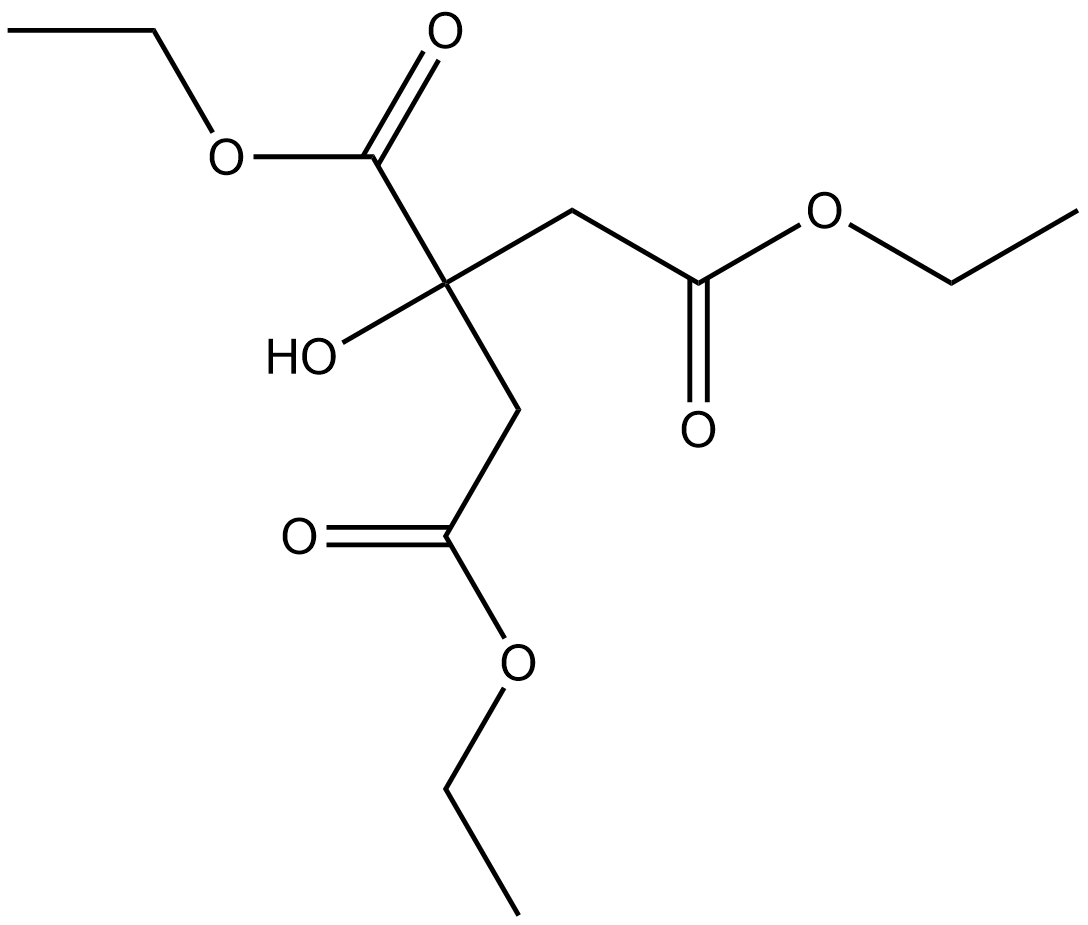
Triethyl citrate (CAS No.: 77-93-0) is a small molecule citrate ester of synthetic and non biologically derived origin that is broadly categorized as an excipient relevant research chemical and plasticizer model compound, and in biomedical research and drug discovery workflows it is primarily studied as a formulation associated material used to investigate solvent compatibility film forming behavior permeability modulation and matrix stabilization in nonclinical systems rather than as a selective bioactive ligand, with current evidence indicating no well validated direct protein target assignment or pathway specific pharmacology and supporting a mechanism profile dominated by physicochemical effects on microenvironmental properties such as viscosity partitioning and material flexibility, while toxicology observations in experimental settings have reported acute adverse responses at sufficiently high exposures including weakness reduced activity motor incoordination agitation urinary effects and irregular labored respiration, consistent with a safety focused research category that emphasizes exposure dependent tolerability evaluation; because robust target based potency datasets such as IC50 EC50 or MIC are not consistently established for this compound in standard receptor or enzyme panels, activity is generally described as lacking defined nanomolar class target engagement and being evaluated at screening relevant micromolar to millimolar concentration windows according to assay context, and it is therefore commonly incorporated into in vitro compatibility studies formulation stress tests and polymer interfacing experiments as well as exploratory animal model tolerability studies where the concentrations or doses used in experiments typically depend on specific experimental designs and research objectives.
| Storage | -20°C for 2 years |
| M.Wt | 276.29 |
| Cas No. | 77-93-0 |
| Formula | C12H20O7 |
| Canonical SMILES | OC(C(OCC)=O)(CC(OCC)=O)CC(OCC)=O |
| Shipping Condition | Small Molecules with Blue Ice, Modified Nucleotides with Dry Ice. |
| General tips | We do not recommend long-term storage for the solution, please use it up soon. |
Quality Control & MSDS
- View current batch:
Chemical structure