


Natural Products
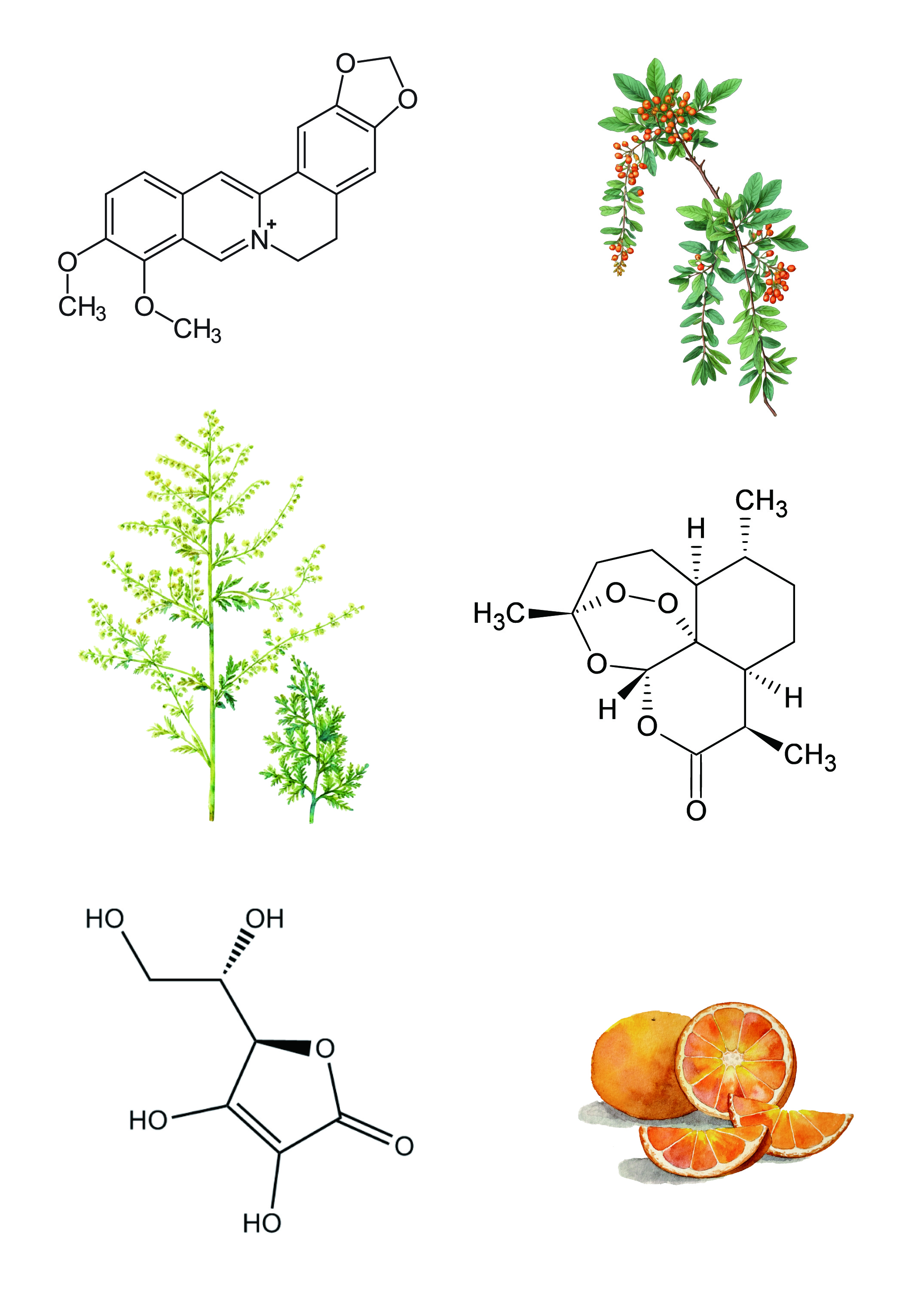
Natural products are compounds produced by living organisms—including animals, plants, and microorganisms—and include both structural components and secondary metabolites. Plants, in particular, are a major source, rich in bioactive constituents like flavonoids and alkaloids, which underpin the pharmacological effects of traditional Chinese medicine. While natural products are primarily obtained through chemical isolation, they can also be prepared by semi-synthetic or total synthesis methods. Their complex structures pose significant challenges for organic chemists.
Natural products represent a core source of lead compounds for innovative drug discovery, providing bioactive templates that facilitate biochemical research, the identification of novel therapeutic targets, the development of new therapies, and the elucidation of underlying mechanisms. In addition, natural products are widely applied in the fields of food, cosmetics, and health supplements, where their antioxidant, anti-inflammatory, and other bioactivities support research into related diseases.
-
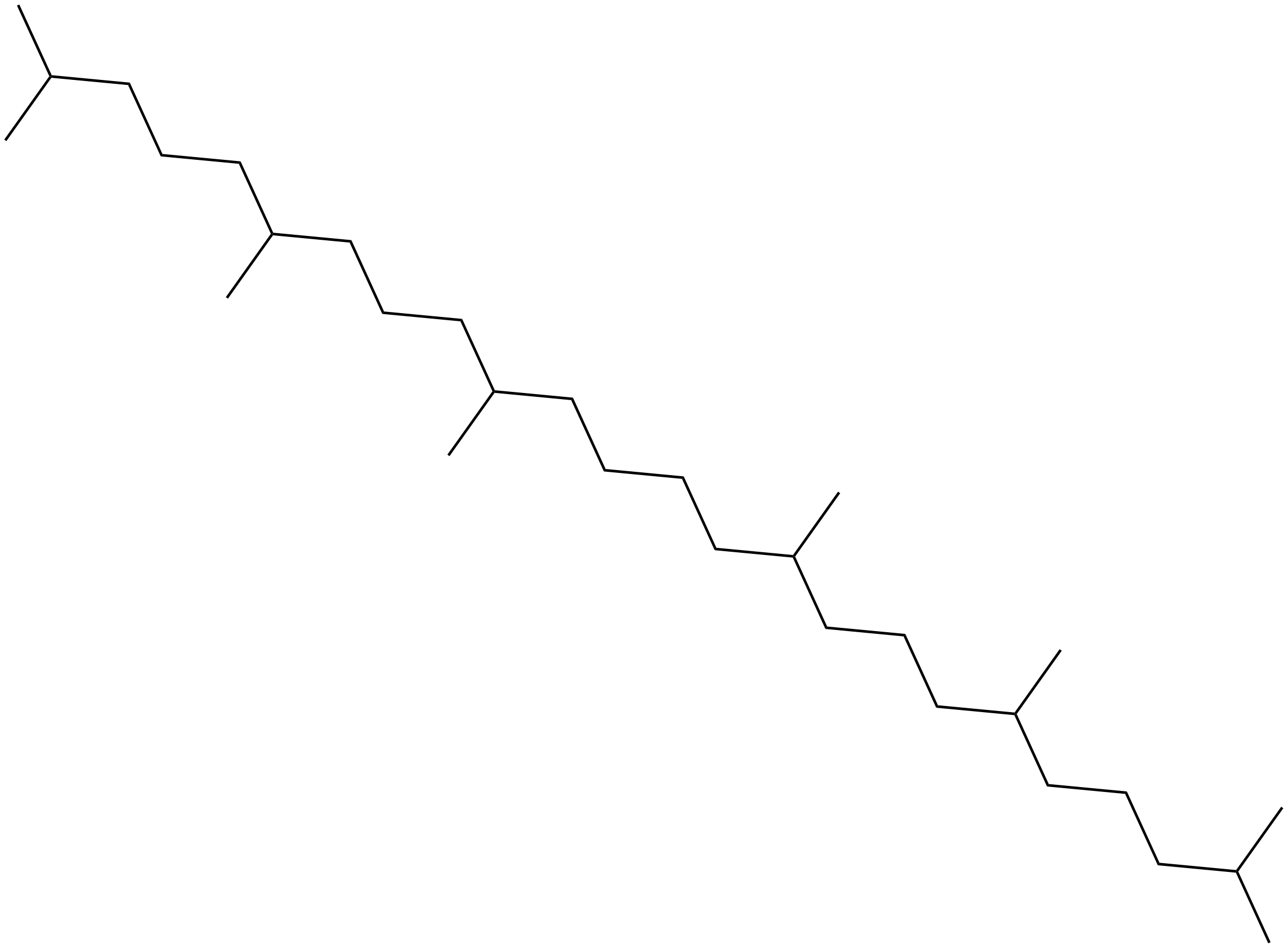 N2931 SqualaneSummary: Squalane is a saturated triterpene hydrocarbon used as a lipid model compound in membrane dynamics, oxidative stability, and cosmetic formulation research.
 -
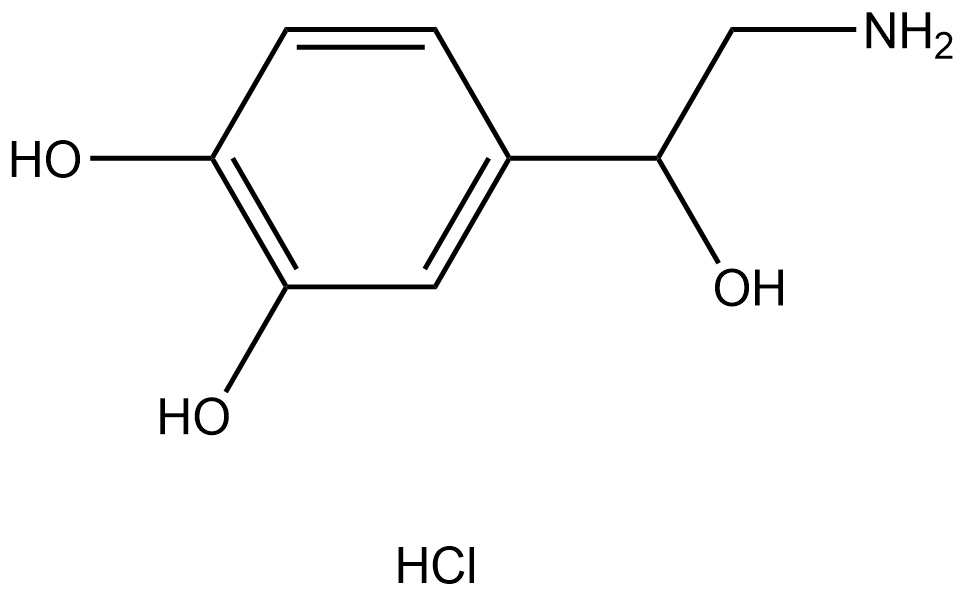 N2932 DL-Norepinephrine hydrochlorideSummary: DL-Norepinephrine hydrochloride is a synthetic catecholamine adrenergic receptor agonist used to investigate sympathetic neurotransmission, receptor pharmacology, and stress-related signaling in neurobiological research.
 -
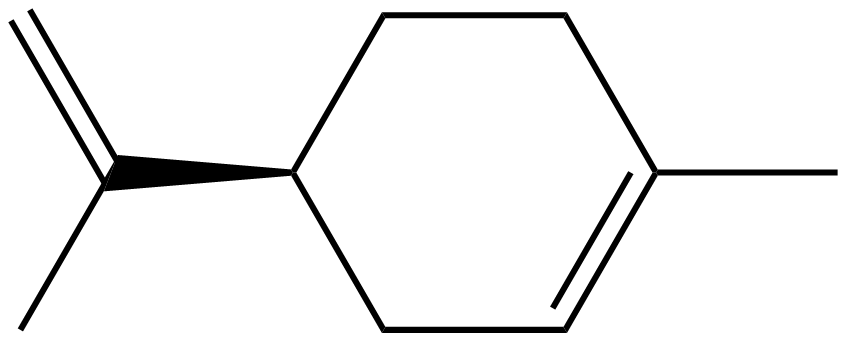 N2933 (S)-(?)-LimoneneSummary: (S)-(?)-Limonene is a monoterpene hydrocarbon that modulates oxidative stress and inflammatory signaling pathways, and is utilized in biochemical, pharmacological, and natural product research.
 -
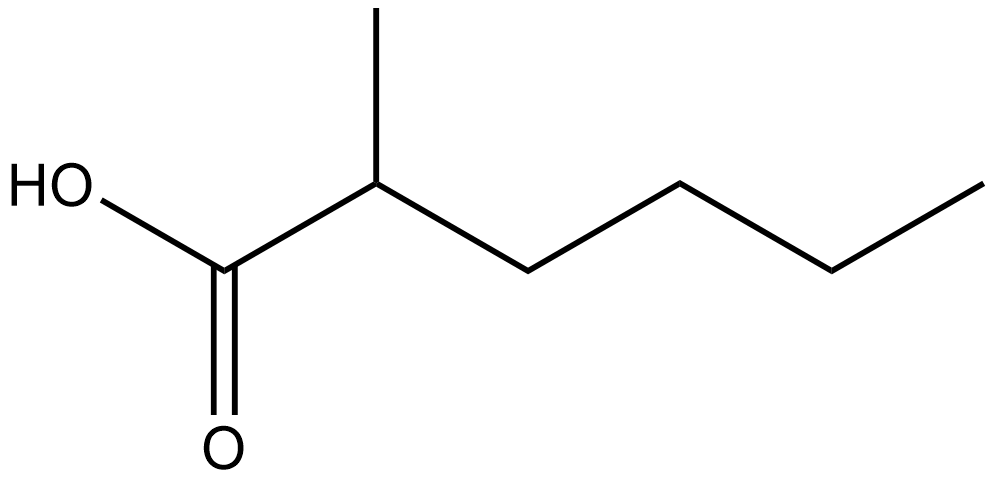 N2934 2-Methylhexanoic acidSummary: 2-Methylhexanoic acid (CAS 4536-23-6) is a branched medium-chain carboxylic acid used as an analytical standard and synthetic intermediate in chemical research.
 -
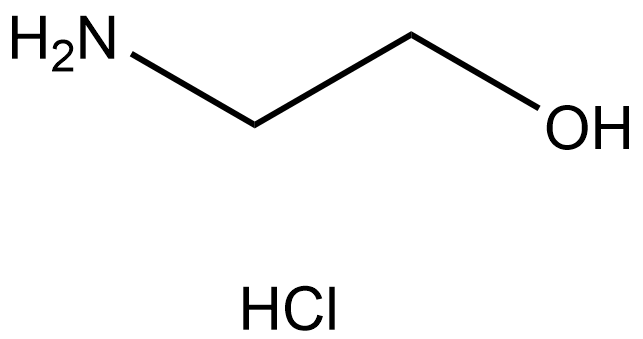 N2935 Ethanolamine hydrochlorideSummary: Ethanolamine hydrochloride is a protonated amino alcohol and phospholipid precursor used to study phosphatidylethanolamine biosynthesis and membrane metabolism in cell biology research.
 -
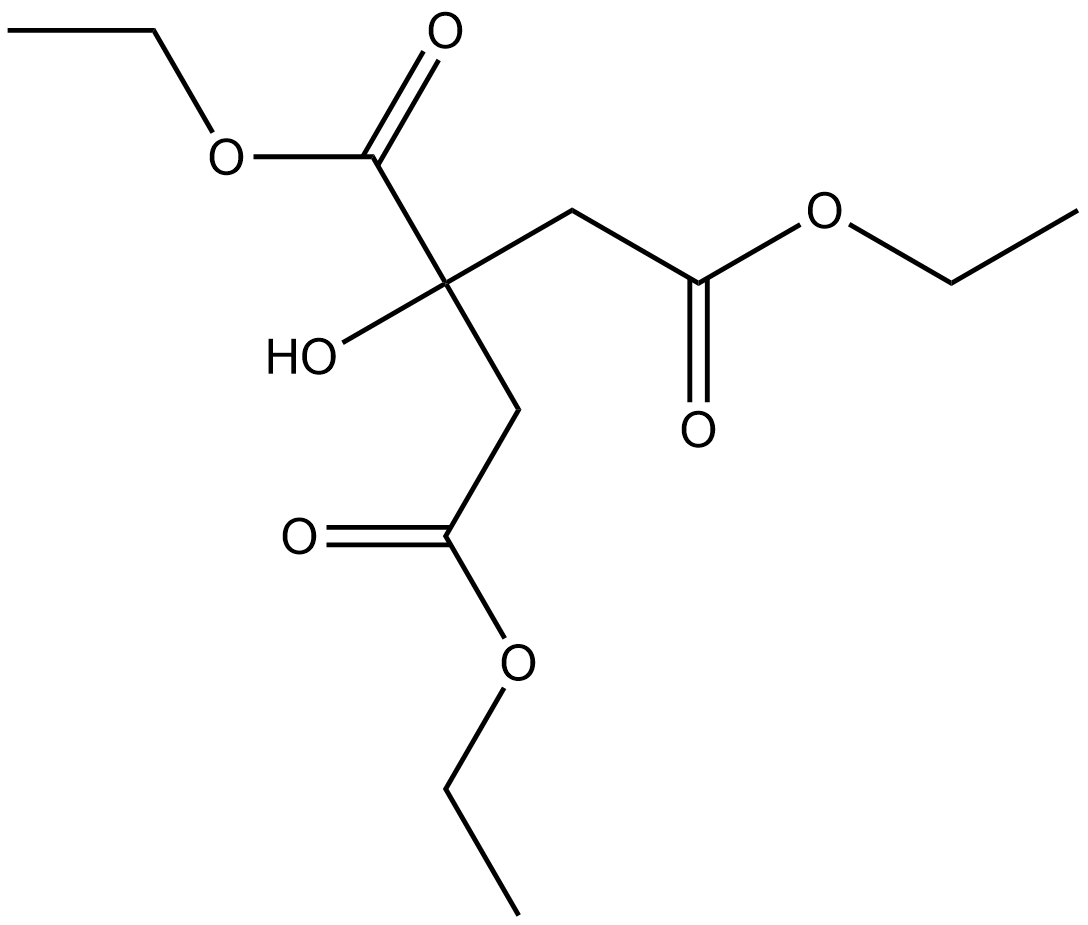 N2936 Triethyl citrateSummary: Triethyl citrate is a biodegradable citrate ester plasticizer used in pharmaceutical formulation and biomaterials research as a solvent modifier and excipient model compound.
 -
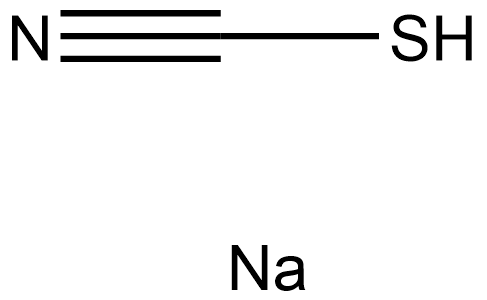 N2937 Sodium ThiocyanateSummary: Sodium thiocyanate is an inorganic chaotropic salt that perturbs hydrogen-bonding networks and is utilized in protein denaturation, enzyme kinetics, and structural biochemistry research.
 -
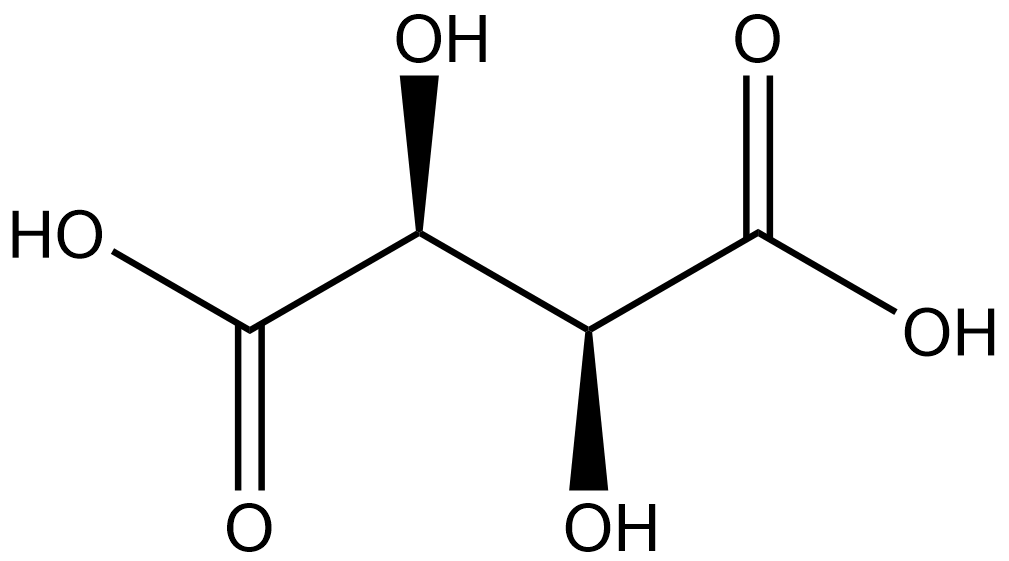 N2938 DL-Tartaric acidSummary: DL-Tartaric acid is a racemic dicarboxylic organic acid used as a chiral building block and pH-modulating reagent in biochemical and analytical research.
 -
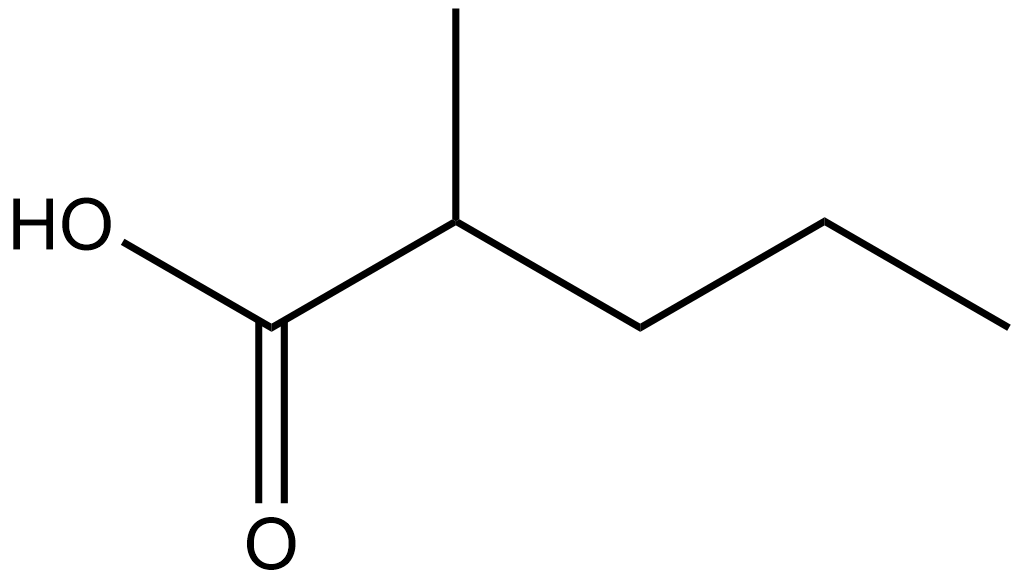 N2939 2-Methylpentanoic acidSummary: 2-Methylpentanoic acid (CAS 97-61-0) is a branched-chain carboxylic acid used as a reference standard in analytical chemistry and metabolic research.
 -
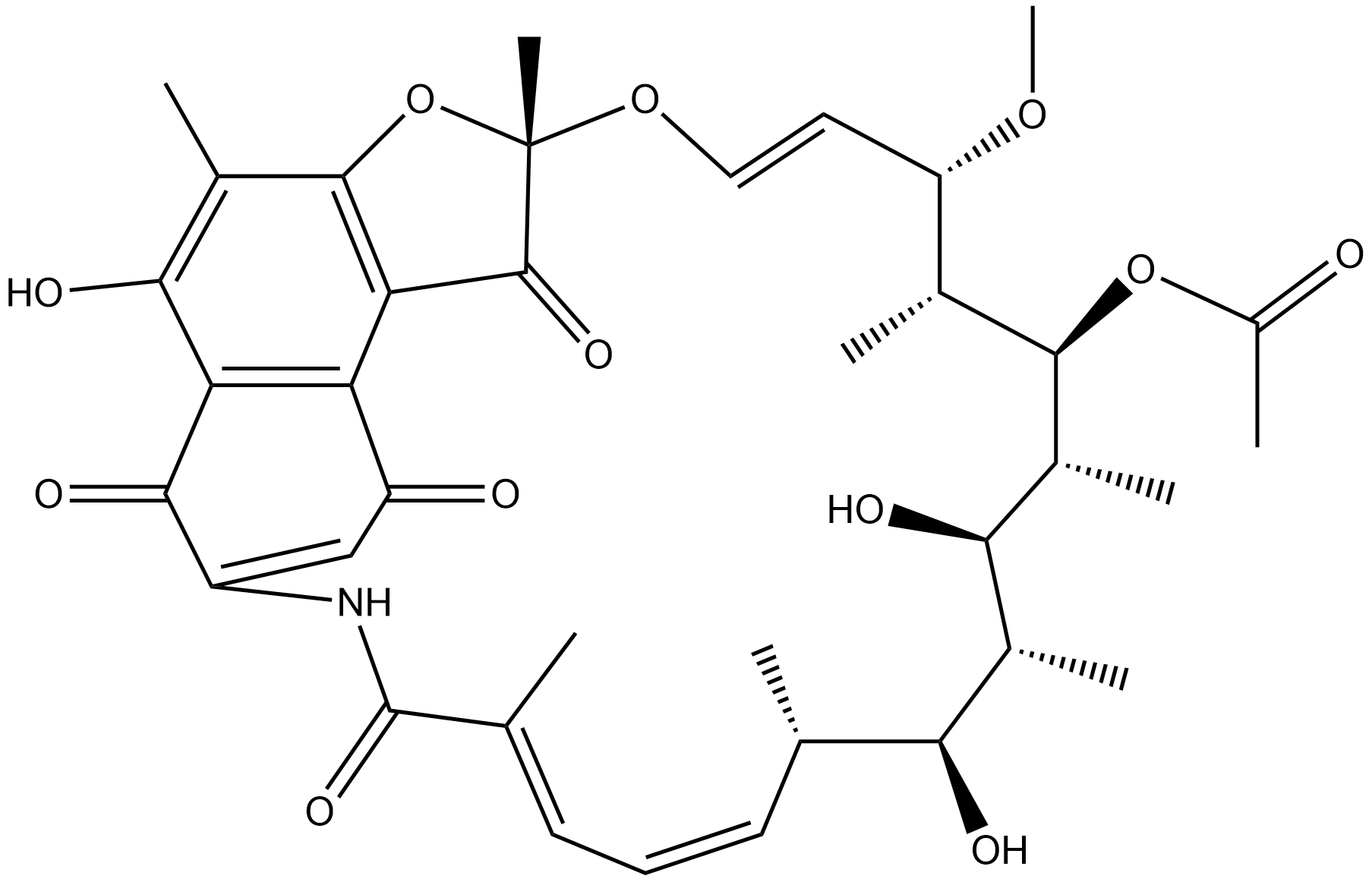 N2940 Rifamycin SSummary: Rifamycin S is an ansamycin antibiotic that inhibits bacterial DNA-dependent RNA polymerase, widely utilized in microbiology and antimicrobial resistance mechanism research.