Dibutyl phthalate
Dibutyl phthalate (CAS No.: 84-74-2) is a synthetic phthalate ester and industrial plasticizer that is broadly classified as an environmental contaminant and toxicology reference compound in biomedical research, with no biological origin and primary use in studies of xenobiotic exposure, endocrine and metabolic disruption, and organ specific injury mechanisms relevant to safety assessment and early stage hazard profiling in drug discovery workflows. Experimental evidence indicates that its activity is predominantly characterized by pathway level perturbation rather than selective high affinity engagement of a single canonical protein target, including disruption of intracellular calcium homeostasis with impaired endoplasmic reticulum to mitochondrial calcium transfer, induction of mitochondrial dysfunction, oxidative stress, lipid peroxidation, inflammatory signaling, and apoptosis related cascades, with reported effects in systems such as cardiac and neural models and in aquatic vertebrate models that support mechanistic investigation of developmental and neurobehavioral toxicity. In vitro studies generally describe concentration dependent responses in the micromolar to high micromolar range, while precise potency metrics such as IC50 or EC50 are assay dependent and not consistently established across standardized platforms, so activity is commonly interpreted through integrated endpoints including viability reduction, reactive oxygen species elevation, altered antioxidant enzyme status, mitochondrial membrane potential changes, and transcriptional modulation of stress response genes. In translationally oriented preclinical research, this compound is frequently applied as a benchmark stressor or co exposure factor in cell based assays and animal studies to evaluate toxicodynamic interactions, biomarker performance, and protective mechanism hypotheses, and the concentrations or doses used in experiments typically depend on specific experimental designs and research objectives.
| Storage | -20°C for 2 years |
| M.Wt | 278.34 |
| Cas No. | 84-74-2 |
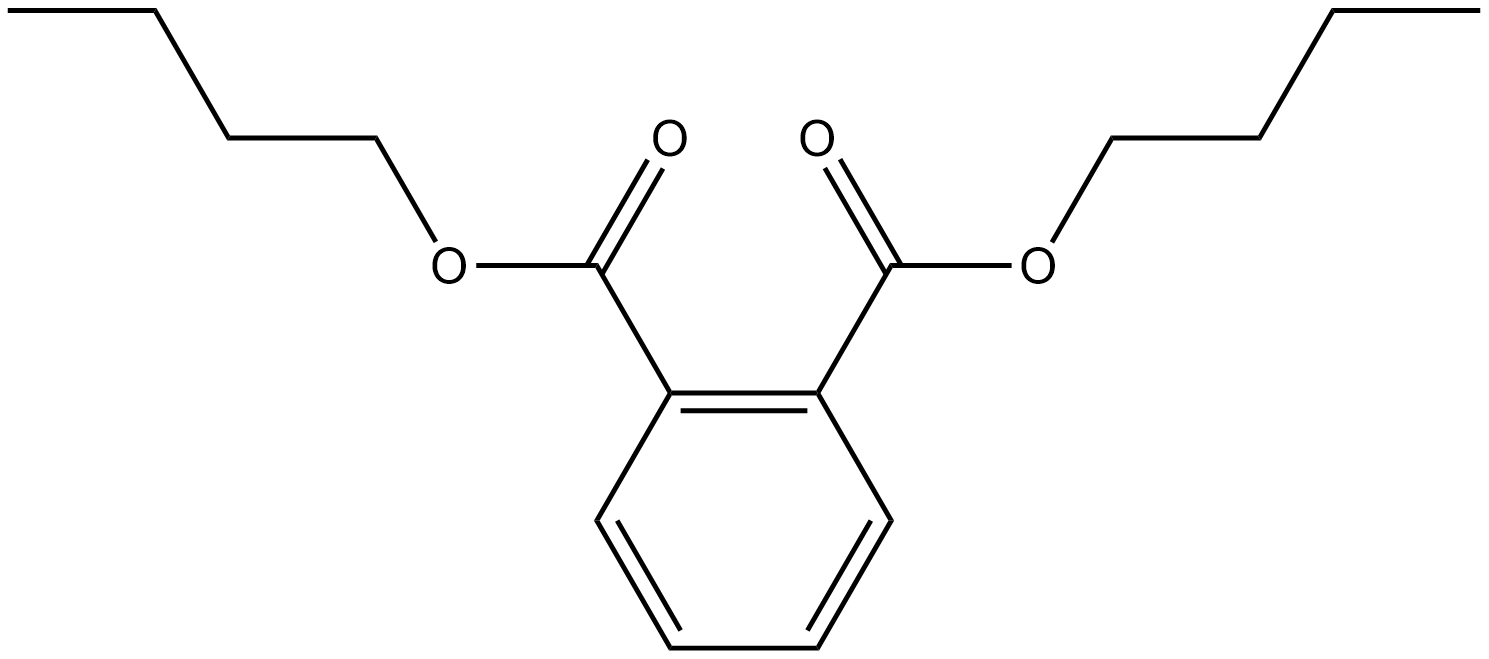
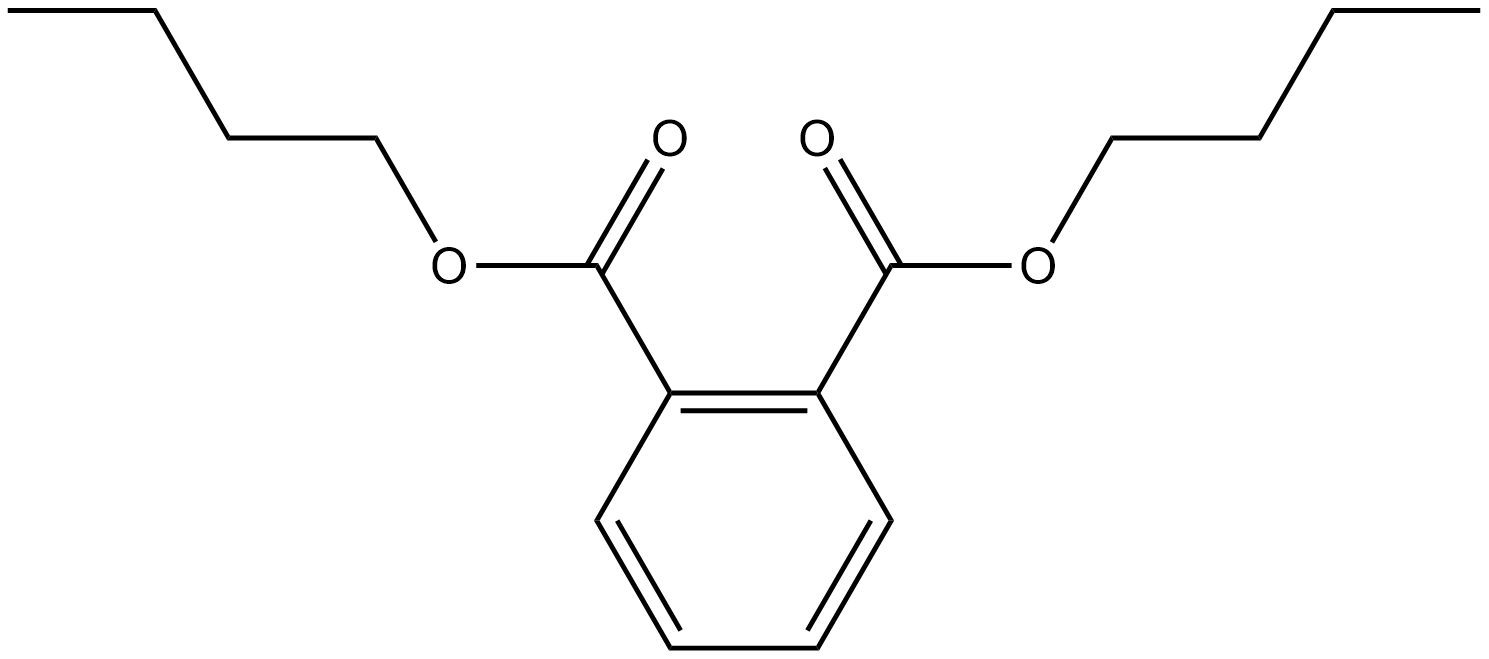
| Formula | C16H22O4 |
| Chemical Name | dibutyl phthalate |
| Canonical SMILES | O=C(OCCCC)C=1C=CC=CC1C(=O)OCCCC |
| Shipping Condition | Small Molecules with Blue Ice, Modified Nucleotides with Dry Ice. |
| General tips | We do not recommend long-term storage for the solution, please use it up soon. |
Quality Control & MSDS
- View current batch:
Chemical structure