


Natural Products
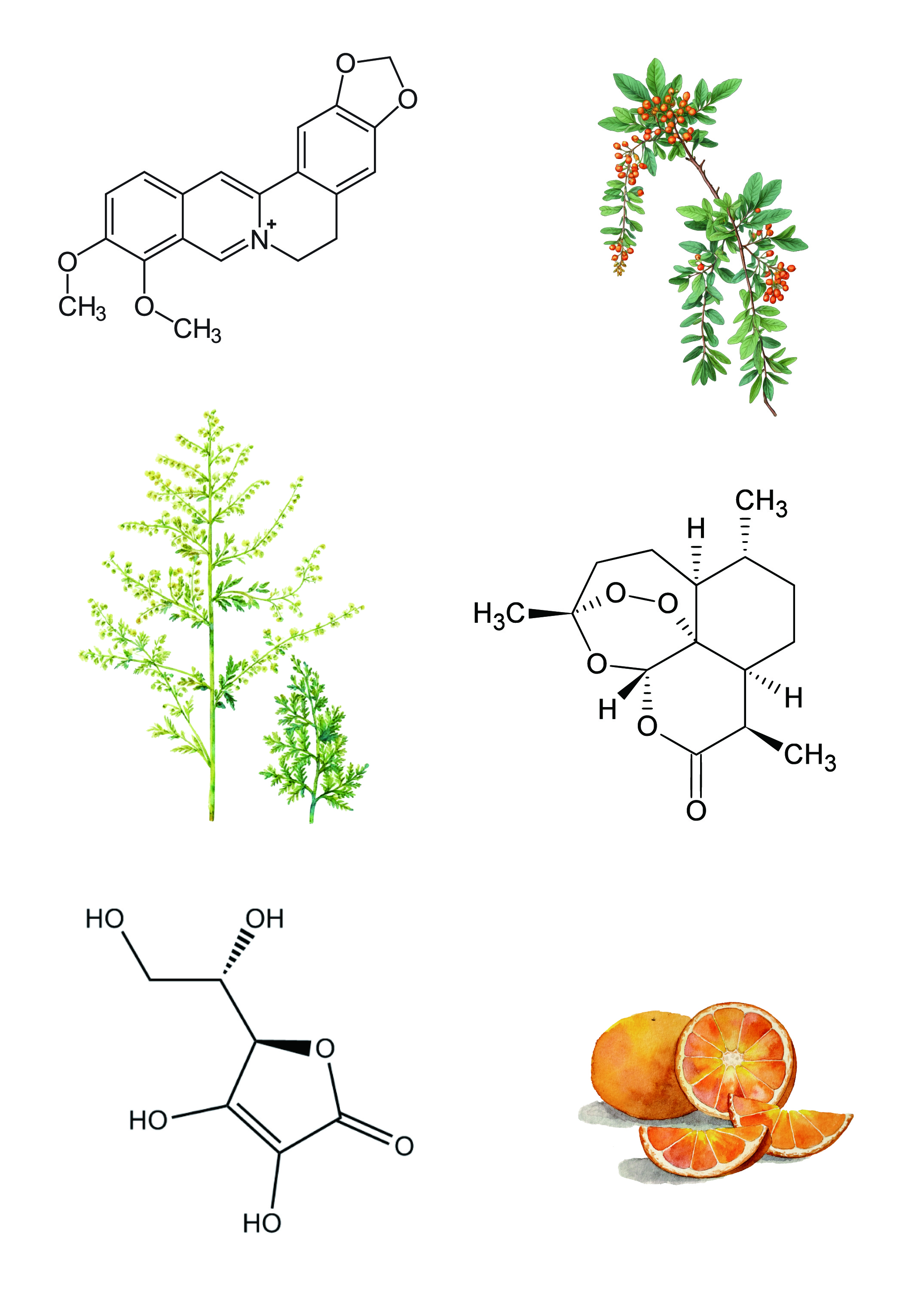
Natural products are compounds produced by living organisms—including animals, plants, and microorganisms—and include both structural components and secondary metabolites. Plants, in particular, are a major source, rich in bioactive constituents like flavonoids and alkaloids, which underpin the pharmacological effects of traditional Chinese medicine. While natural products are primarily obtained through chemical isolation, they can also be prepared by semi-synthetic or total synthesis methods. Their complex structures pose significant challenges for organic chemists.
Natural products represent a core source of lead compounds for innovative drug discovery, providing bioactive templates that facilitate biochemical research, the identification of novel therapeutic targets, the development of new therapies, and the elucidation of underlying mechanisms. In addition, natural products are widely applied in the fields of food, cosmetics, and health supplements, where their antioxidant, anti-inflammatory, and other bioactivities support research into related diseases.
-
 N2964 LunasinSummary: A soybean-derived bioactive peptide, commonly used in basic research experiments related to epigenetic regulation and cancer biology.
 -
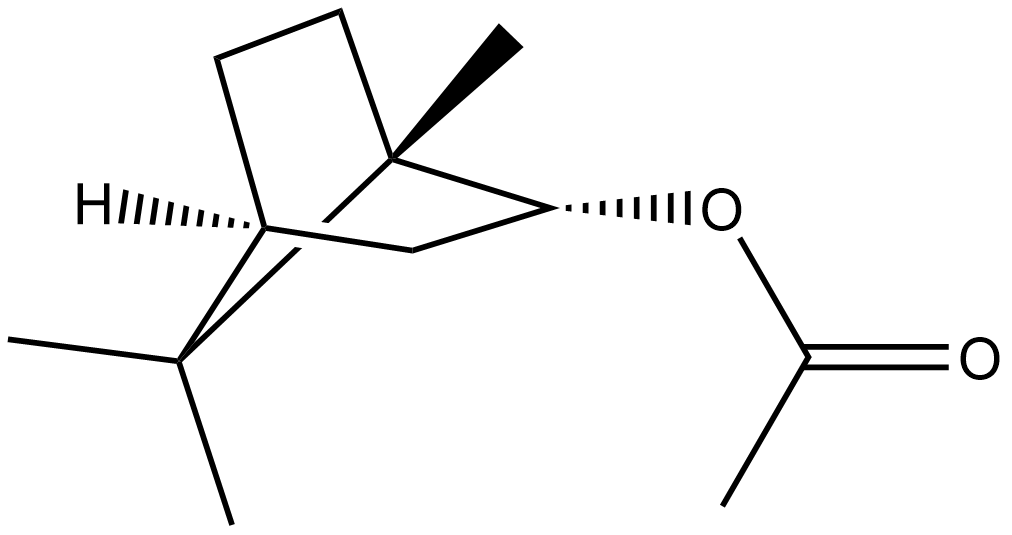 N2912 Bornyl acetateSummary: Bornyl acetate is a bicyclic monoterpene ester used as a reference compound in natural product chemistry, olfactory receptor studies, and phytochemical research.
 -
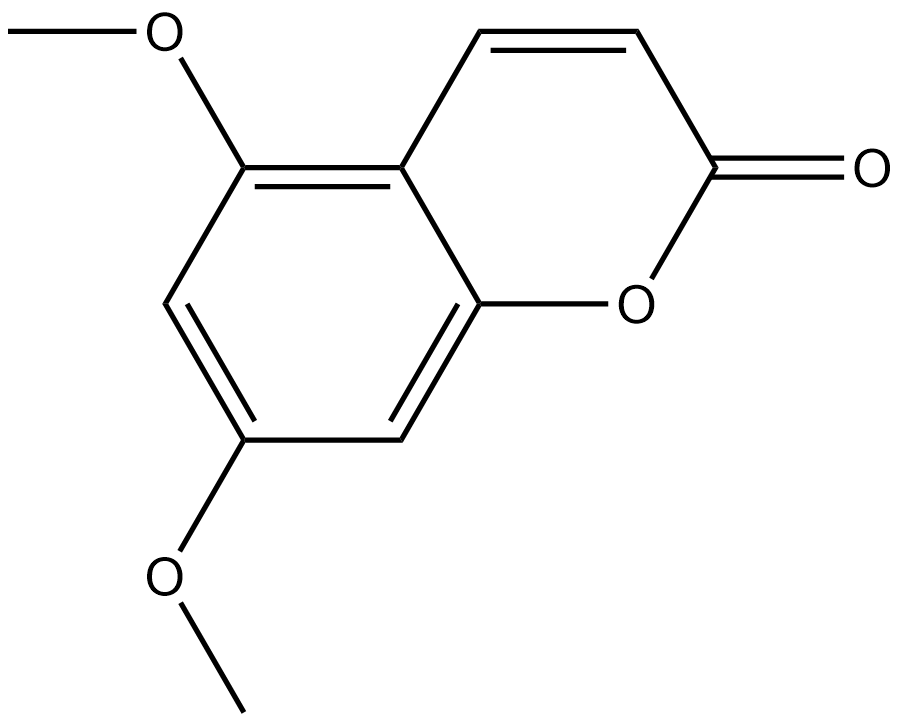 N2913 CitroptenSummary: Citropten is a naturally occurring coumarin derivative that modulates oxidative stress and inflammatory signaling pathways, widely utilized in pharmacology and natural products research.
 -
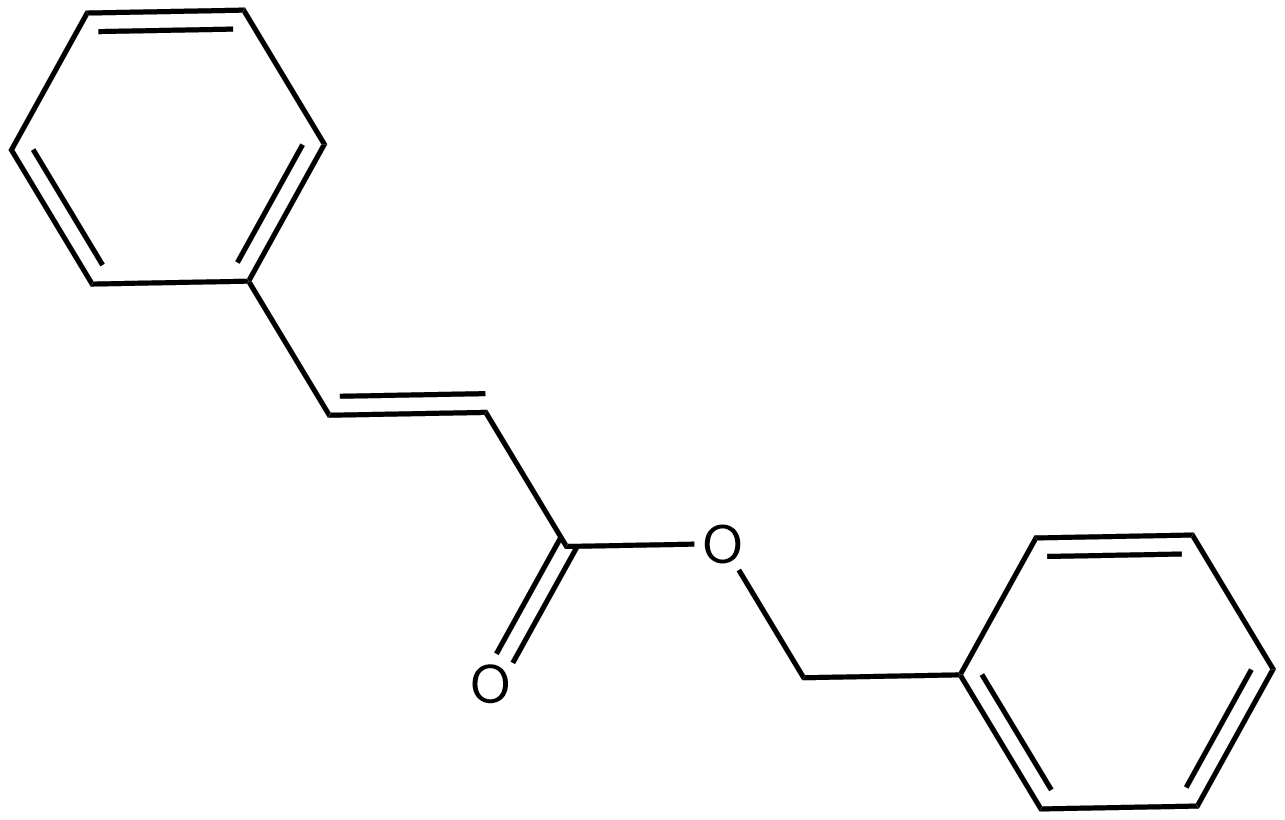 N2914 Benzyl cinnamateSummary: Benzyl cinnamate is an aromatic ester and phenylpropanoid-related compound used as a reference standard in natural products chemistry and formulation research.
 -
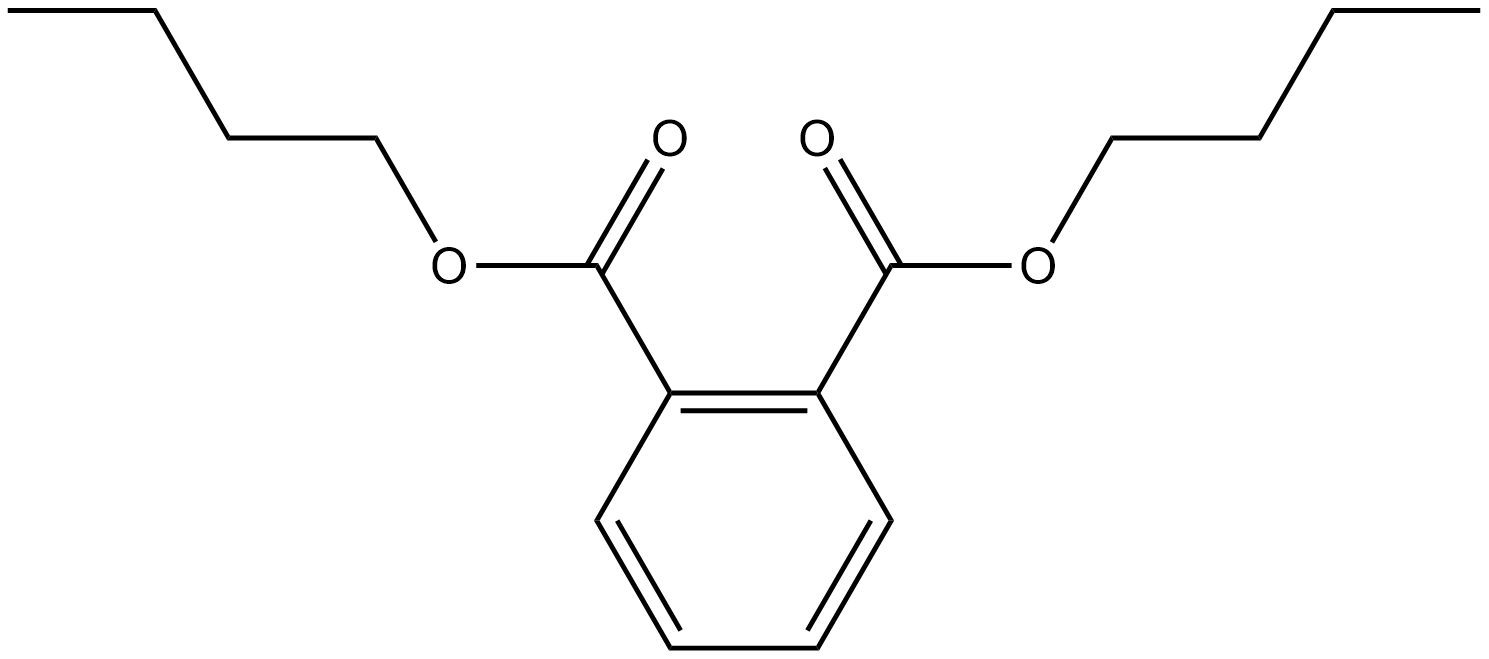 N2915 Dibutyl phthalateSummary: Dibutyl phthalate is a phthalate ester plasticizer used to investigate endocrine-disrupting pathways, toxicokinetics, and environmental exposure mechanisms in toxicology research.
 -
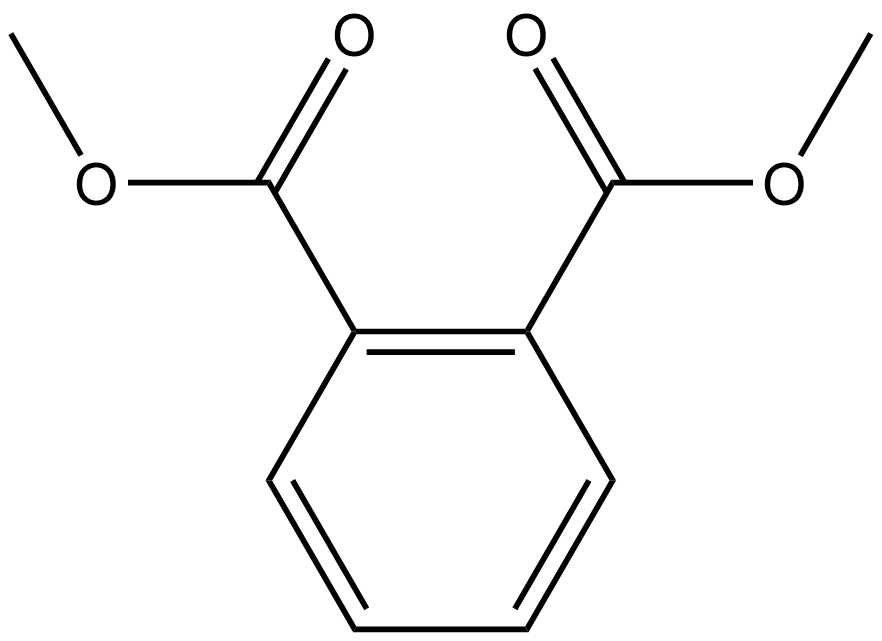 N2916 Dimethyl phthalateSummary: Dimethyl phthalate is a phthalate ester commonly used as a solvent and plasticizer in analytical chemistry, toxicology, and environmental exposure research.
 -
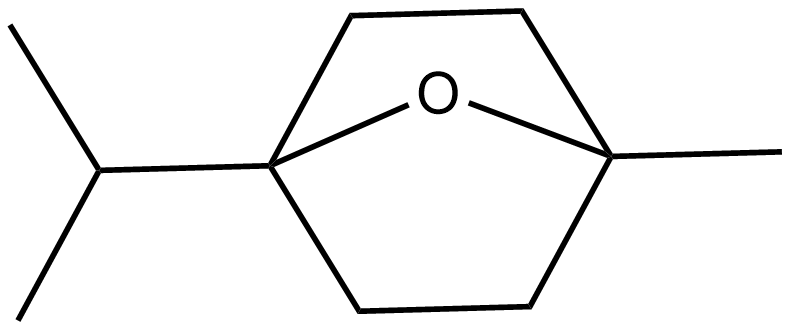 N2917 1,4-CineoleSummary: 1,4-Cineole is a monoterpene oxide investigated for modulating inflammatory and oxidative stress signaling pathways in pharmacology, toxicology, and cellular mechanism research.
 -
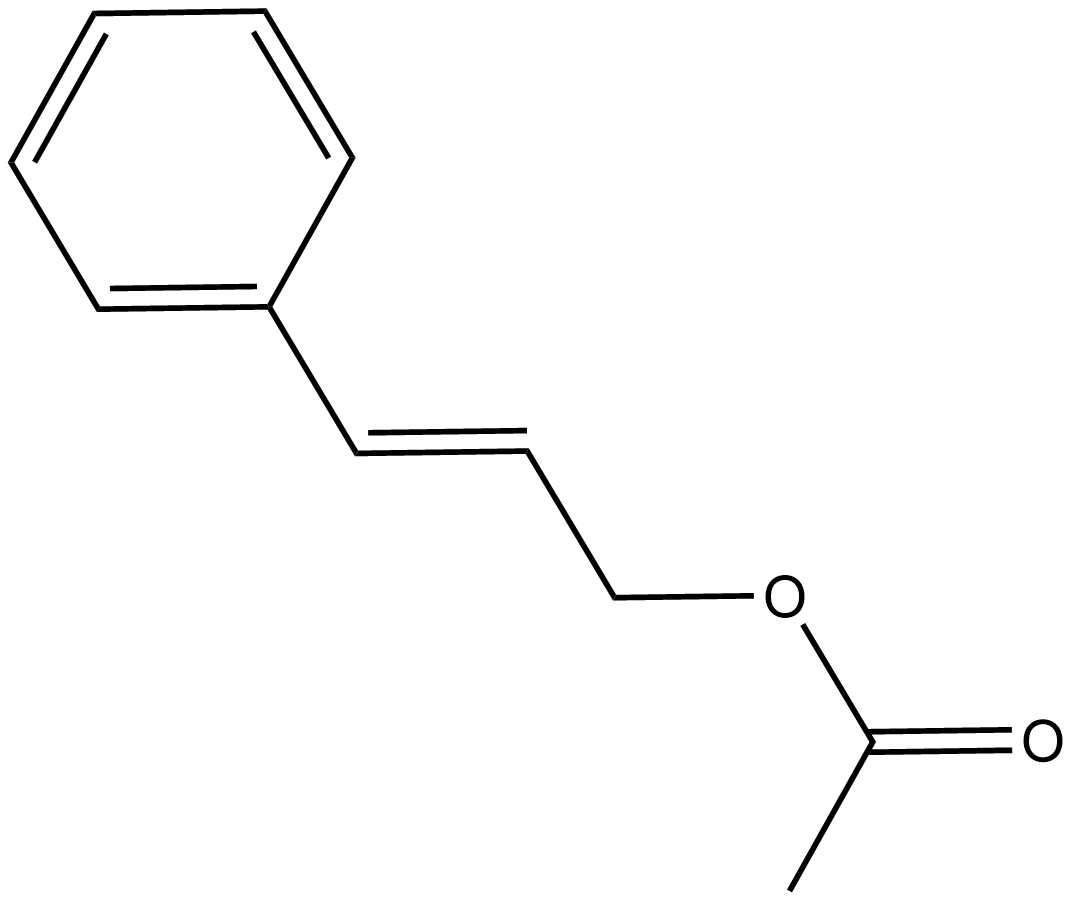 N2918 Cinnamyl acetateSummary: Cinnamyl acetate is an aromatic ester compound used as a reference standard in flavor chemistry, olfactory signaling, and metabolic pathway research.
 -
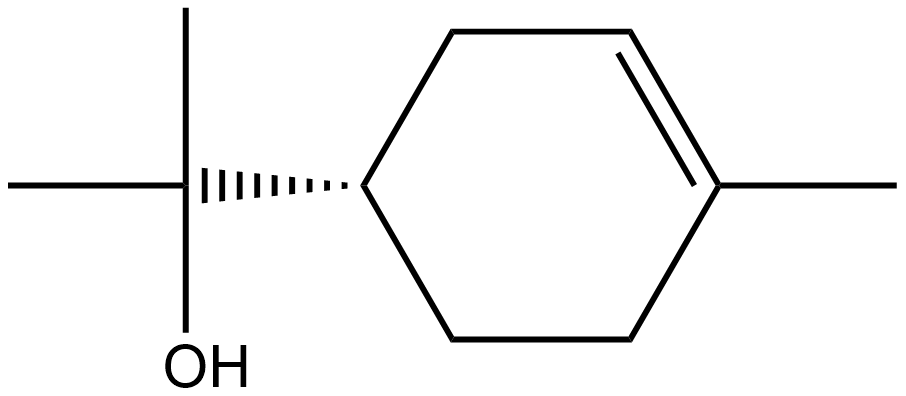 N2919 (-)-(S)-α-terpineolSummary: (-)-(S)-α-terpineol is a chiral monoterpene alcohol used as a volatile bioactive standard in olfactory signaling, phytochemical, and natural products research.
 -
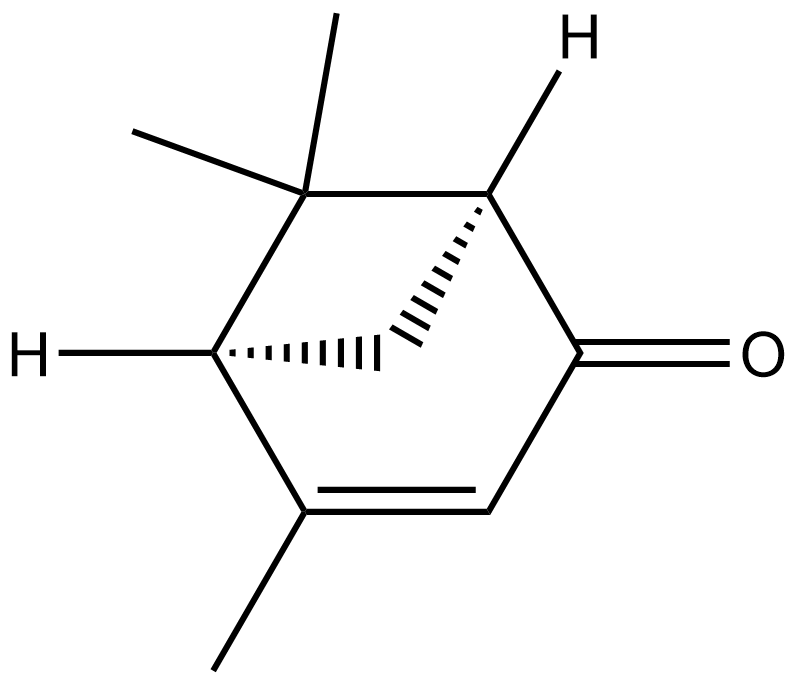 N2920 (-)-VerbenoneSummary: (-)-Verbenone is a bicyclic monoterpene ketone used as a semiochemical probe for investigating insect olfactory signaling and chemical ecology mechanisms.