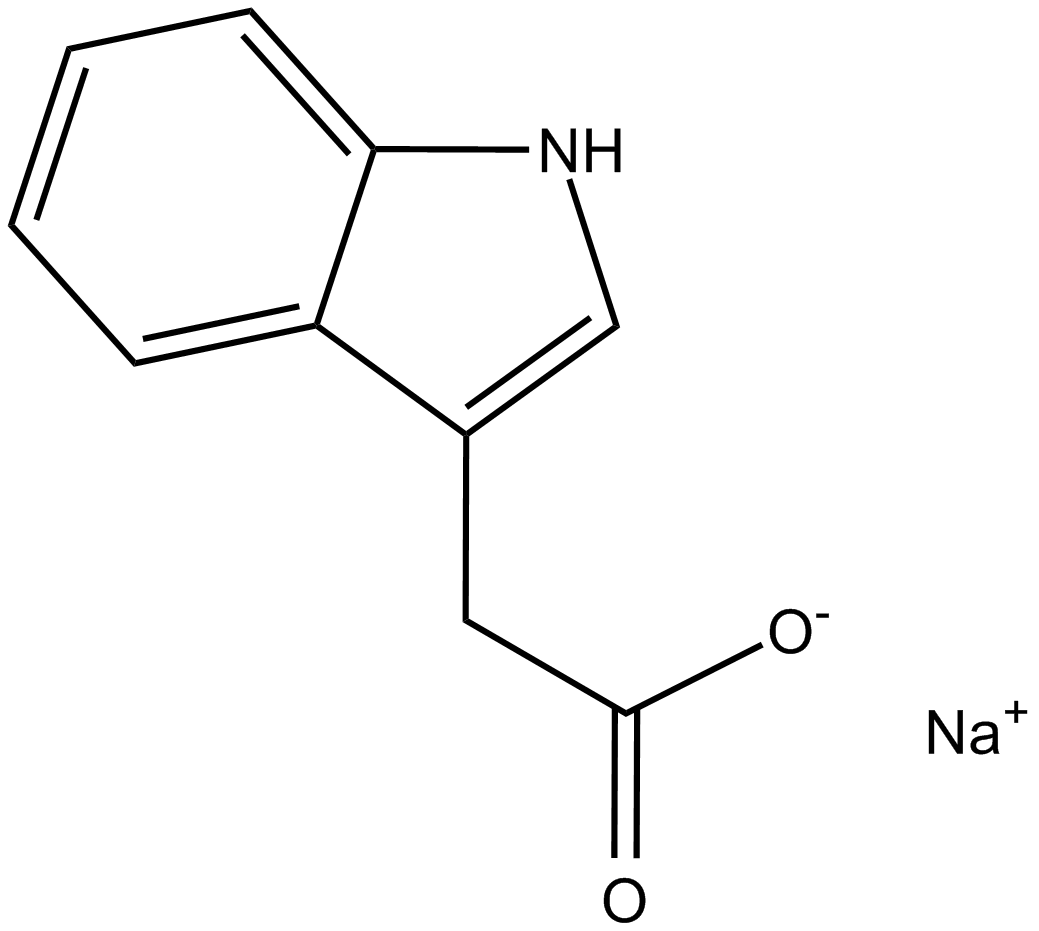
3-Indoleacetic acid
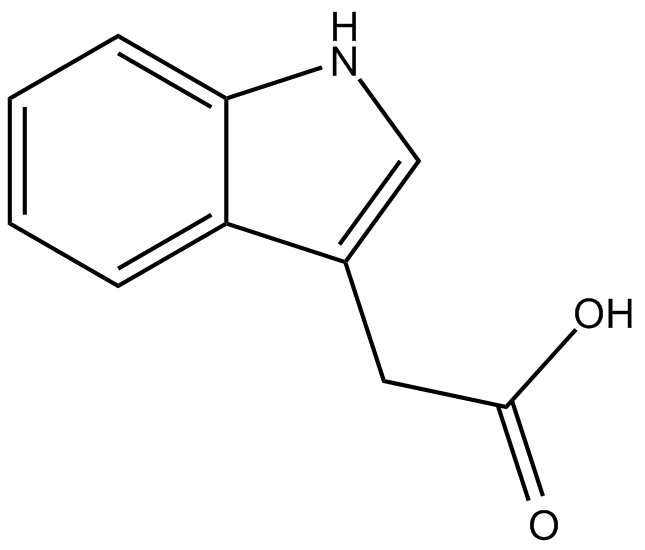
3-Indoleacetic acid (CAS No.: 87-51-4) is a naturally occurring indole-3-acetic acid derivative and the predominant member of the auxin class of plant hormones, widely recognized for its central role in regulating plant growth and developmental processes. As an endogenous signaling molecule in plants, it modulates cell expansion, division, differentiation, morphogenesis, and organogenesis through tightly controlled concentration gradients and interactions with auxin-responsive transcriptional regulators, including the TIR1/AFB receptor family and downstream Aux/IAA and ARF signaling pathways. In research settings, 3-indoleacetic acid is frequently utilized to investigate hormone-mediated signal transduction, gene expression regulation, and cellular plasticity in plant biology, as well as to support chemical biology approaches such as inducible protein degradation systems that exploit auxin-dependent ubiquitination mechanisms in engineered cell models. Its bioactivity is typically observed across nanomolar to micromolar concentration ranges depending on the experimental system, with effective doses varying according to species, tissue type, and assay design. Additionally, this compound is applied in in vitro and in vivo models to study developmental dynamics, stress responses, and cross-talk with other phytohormone pathways, making it a valuable tool in agricultural biotechnology and fundamental life sciences research.
| Physical Appearance | Solid |
| Storage | -20°C |
| M.Wt | 175.19 |
| Cas No. | 87-51-4 |
| Formula | C10H9NO2 |
| Solubility | ≥35mg/mL in DMSO |
| Chemical Name | 2-(1H-indol-3-yl)acetic acid |
| Canonical SMILES | O=C(O)CC1=CNC2=C1C=CC=C2 |
| Shipping Condition | Small Molecules with Blue Ice, Modified Nucleotides with Dry Ice. |
| General tips | We do not recommend long-term storage for the solution, please use it up soon. |