


Natural Products
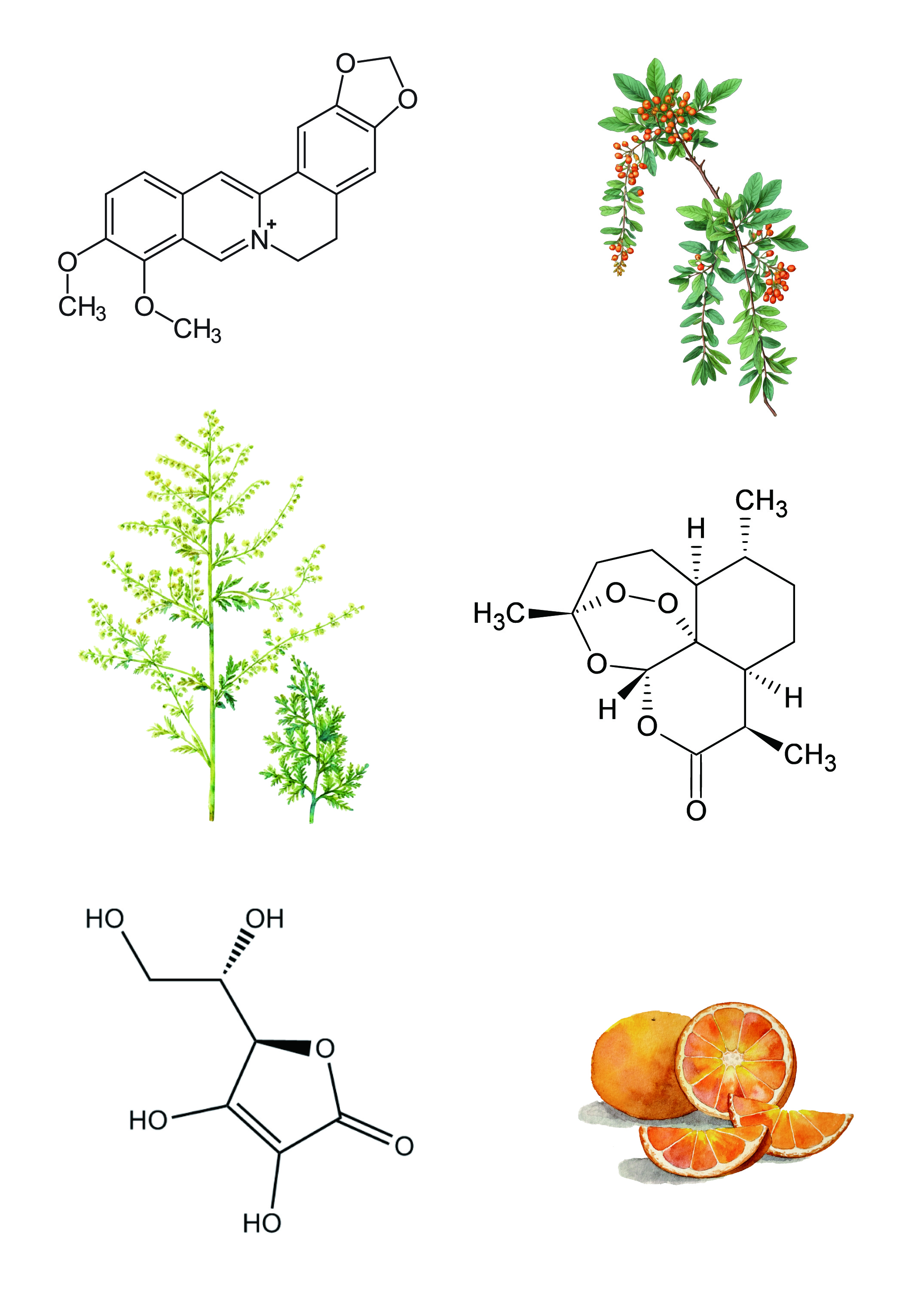
Natural products are compounds produced by living organisms—including animals, plants, and microorganisms—and include both structural components and secondary metabolites. Plants, in particular, are a major source, rich in bioactive constituents like flavonoids and alkaloids, which underpin the pharmacological effects of traditional Chinese medicine. While natural products are primarily obtained through chemical isolation, they can also be prepared by semi-synthetic or total synthesis methods. Their complex structures pose significant challenges for organic chemists.
Natural products represent a core source of lead compounds for innovative drug discovery, providing bioactive templates that facilitate biochemical research, the identification of novel therapeutic targets, the development of new therapies, and the elucidation of underlying mechanisms. In addition, natural products are widely applied in the fields of food, cosmetics, and health supplements, where their antioxidant, anti-inflammatory, and other bioactivities support research into related diseases.
-
 N2921 Methyl linolenateSummary: Methyl linolenate is an omega-3 polyunsaturated fatty acid methyl ester used as a lipid metabolism reference compound in biochemical and analytical research.
 -
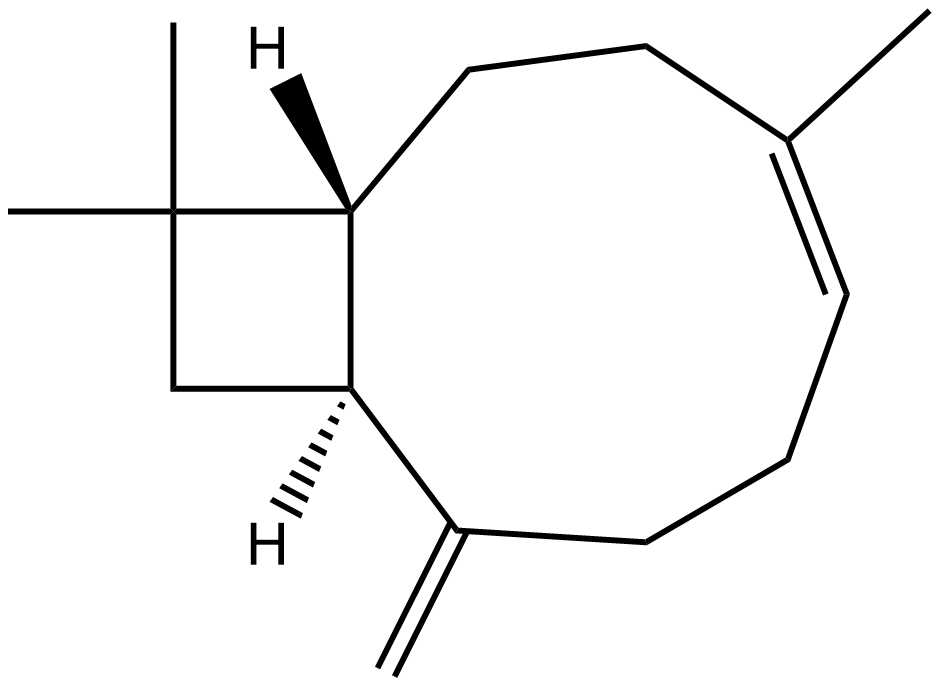 N2922 β-CaryophylleneSummary: β-Caryophyllene is a bicyclic sesquiterpene and selective cannabinoid receptor 2 agonist widely utilized in inflammation, neurobiology, and signaling pathway research.
 -
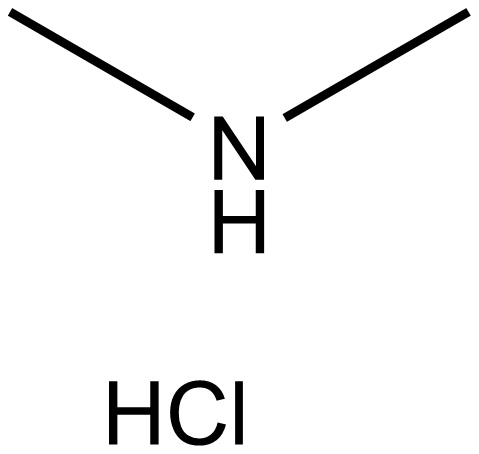 N2923 Dimethylamine hydrochlorideSummary: Dimethylamine hydrochloride is a low-molecular-weight aliphatic amine reagent used as a methylamine source in synthetic chemistry and biochemical method development research.
 -
 N2924 Methyl cinnamateSummary: Methyl cinnamate is a phenylpropanoid ester used as a bioactive small molecule in studies of oxidative stress, inflammation signaling, and antimicrobial mechanisms.
 -
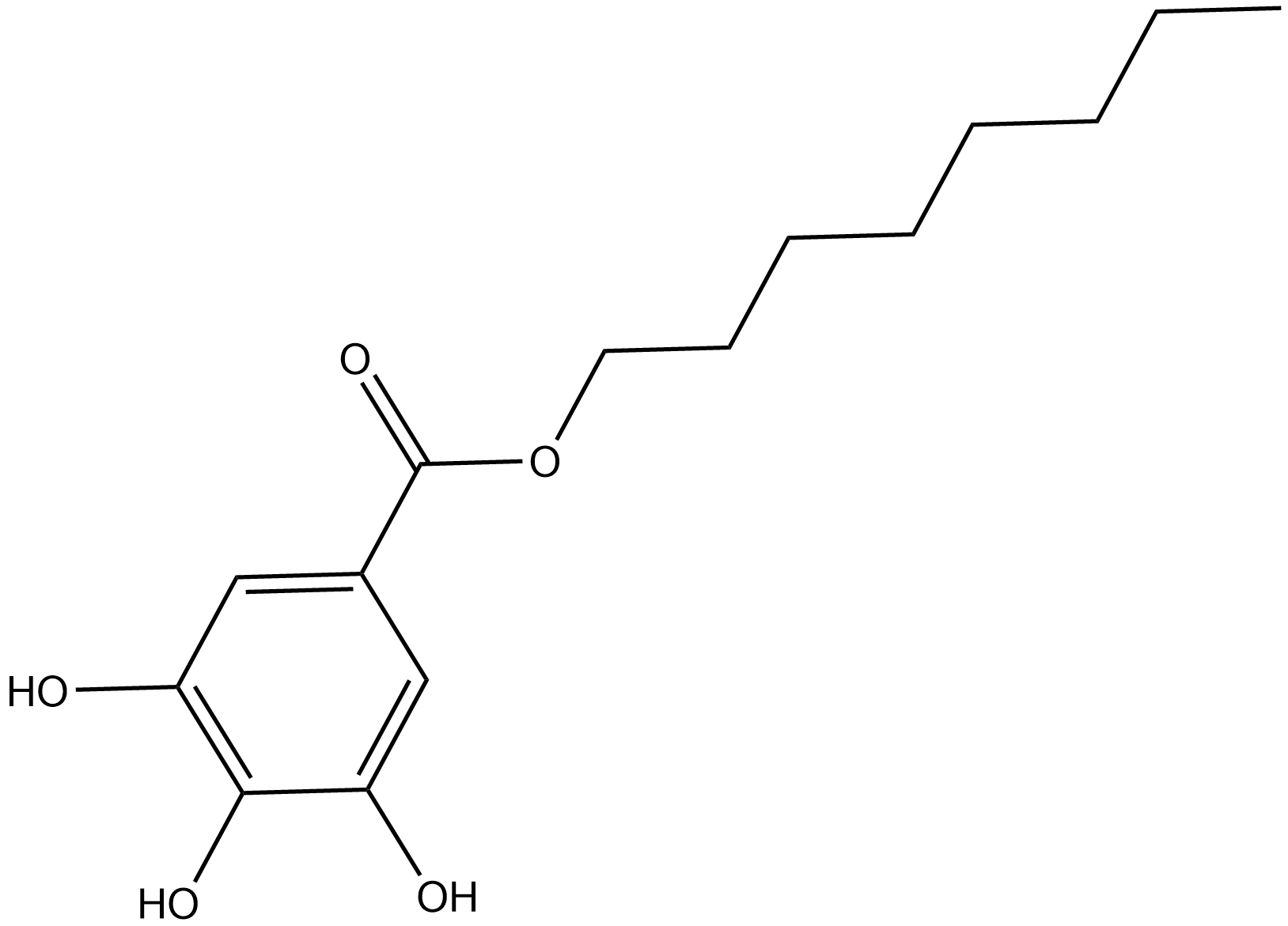 N2925 Octyl gallateSummary: Octyl gallate is a lipophilic phenolic antioxidant and radical scavenger used to investigate oxidative stress mechanisms, lipid peroxidation, and redox-related cellular pathways.
 -
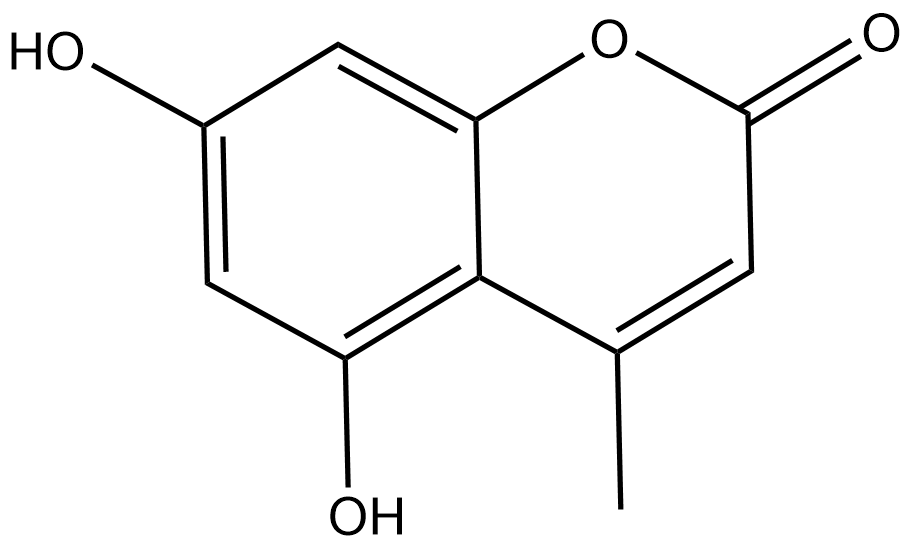 N2926 5,7-Dihydroxy-4-methylcoumarinSummary: 5,7-Dihydroxy-4-methylcoumarin is a hydroxylated coumarin derivative used as a chemical probe for studying oxidative stress pathways and enzyme-mediated metabolism in biochemical research.
 -
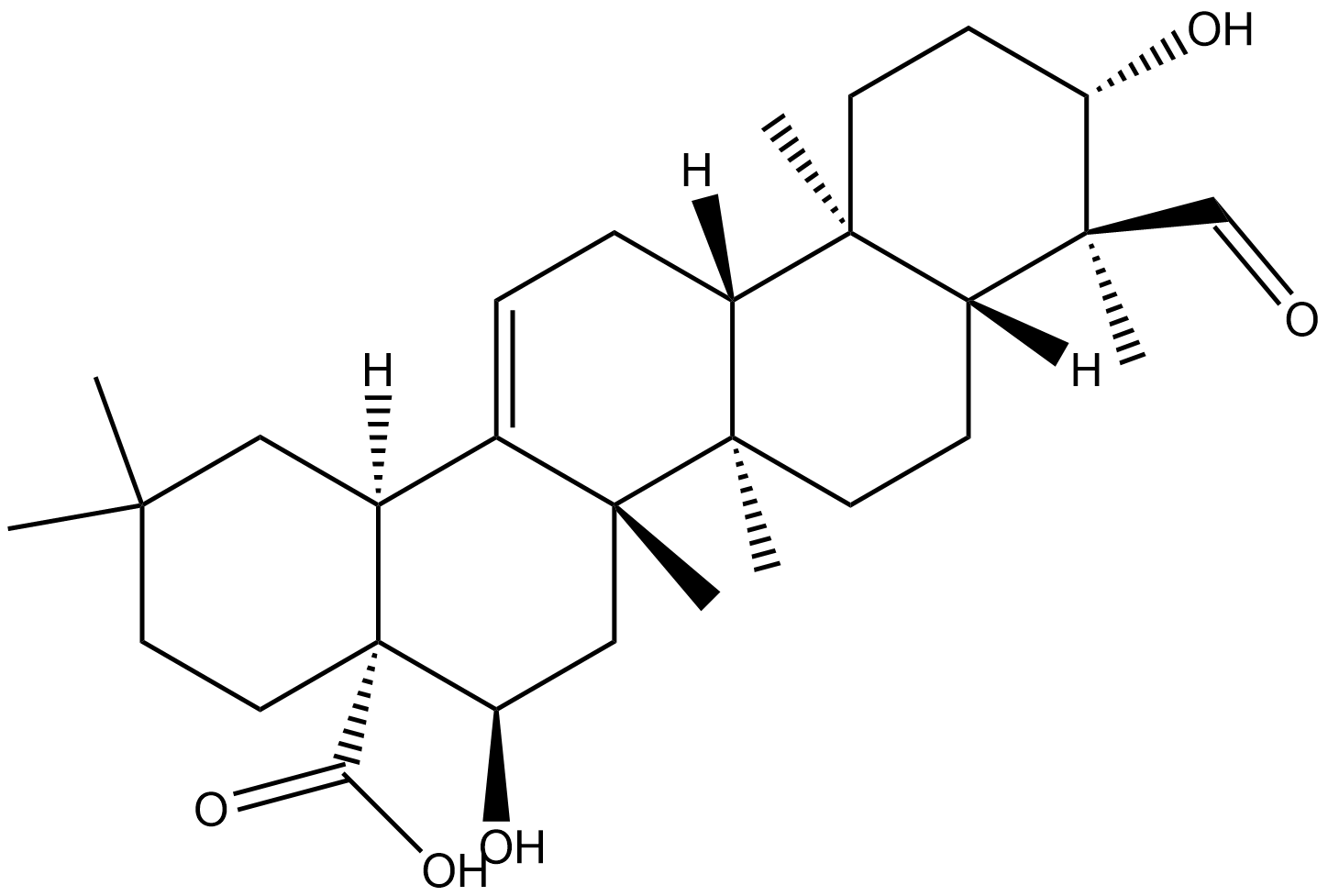 N2927 Quillaic acidSummary: Quillaic acid is a triterpenoid sapogenin from Quillaja saponins used as a reference compound in glycoconjugate, membrane-interaction, and adjuvant-mechanism research.
 -
 N2928 Dracohodin perochlorateSummary: Dracohodin perochlorate is a synthetic small molecule investigated for modulation of cellular signaling pathways and utilized in mechanistic studies of inflammation and oncology biology.
 -
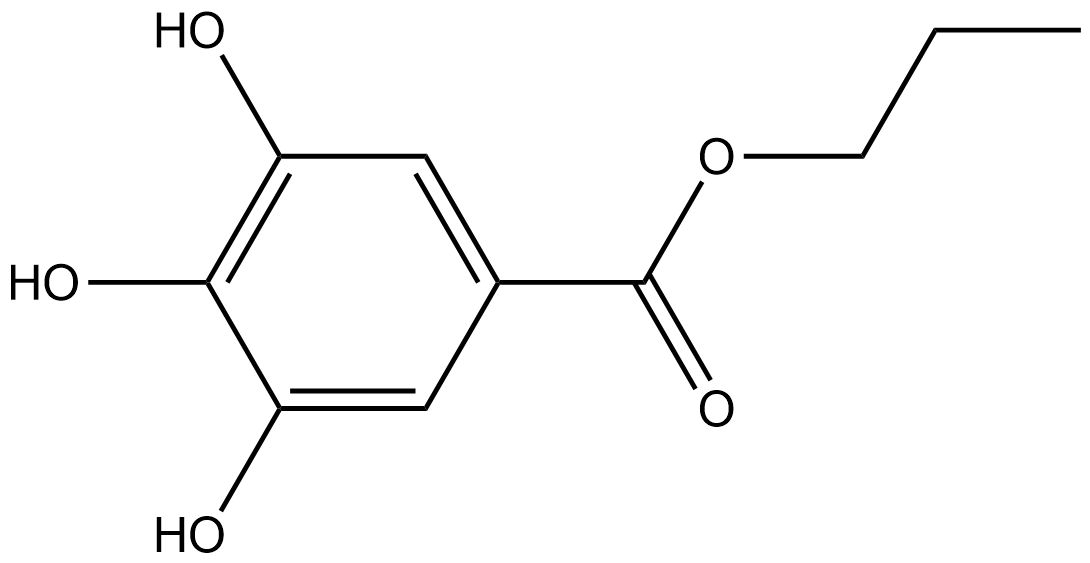 N2929 Propyl gallateSummary: Propyl gallate (CAS 121-79-9) is a phenolic antioxidant that modulates oxidative stress pathways and is widely used in redox biology and cell stress research.
 -
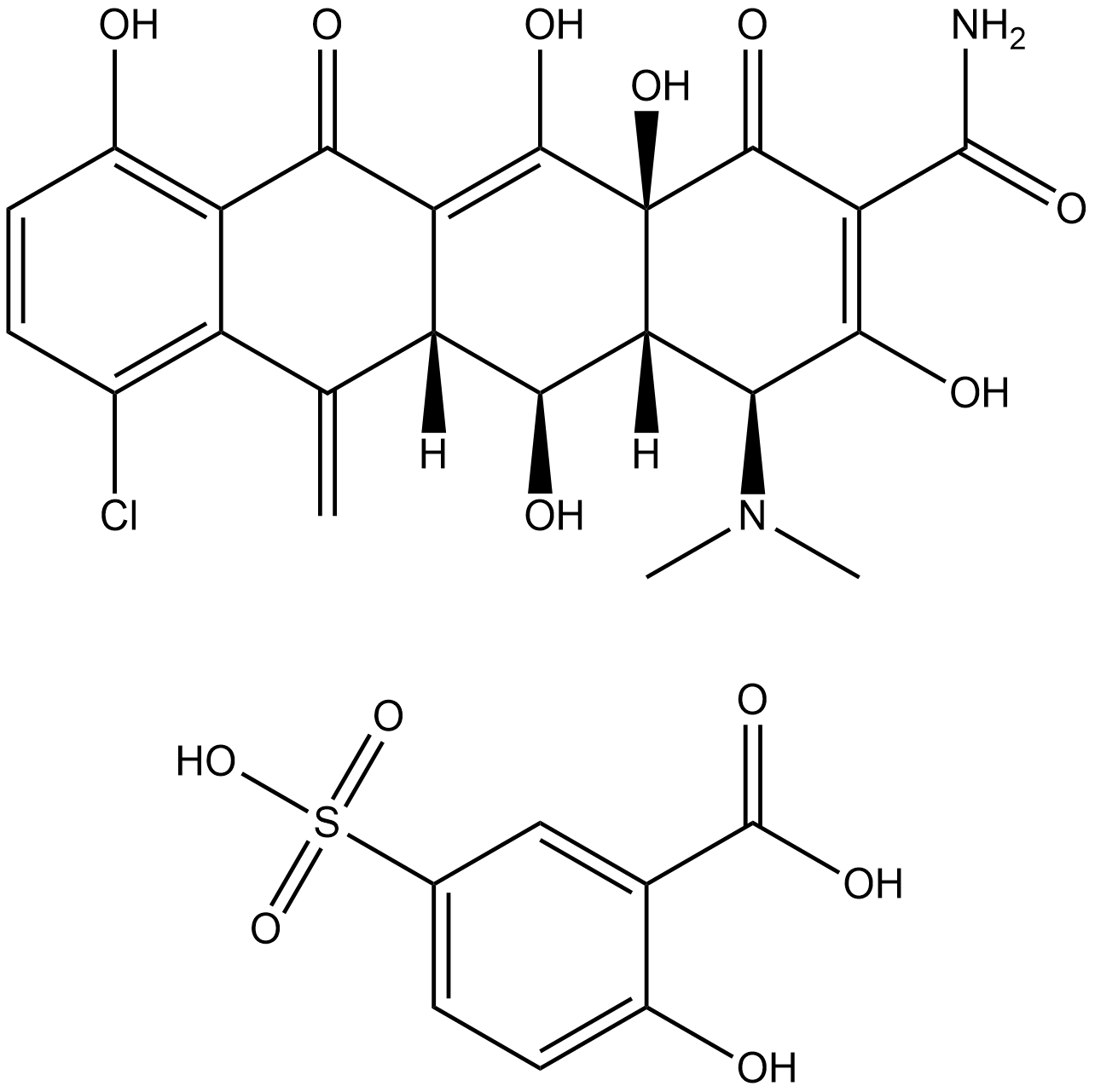 N2930 Meclocycline SulfosalicylateSummary: Meclocycline Sulfosalicylate is a tetracycline-class antibacterial compound that inhibits bacterial protein synthesis via 30S ribosomal subunit binding, widely used in microbiology and resistance research.