L-Lactate Colorimetric Assay Kit
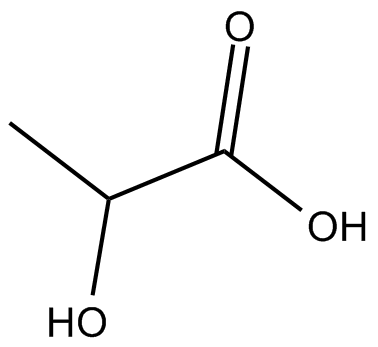
L-Lactate is the predominant form of lactic acid in mammals. It is produced by the brain, skeletal muscle, and erythrocytes, and is primarily metabolized by the liver and kidneys. Blood L-lactate concentration serves as a critical biomarker for evaluating tissue hypoxia, perfusion status, and patient prognosis in critical care settings. Elevated L-lactate levels are commonly observed in life-threatening conditions such as cardiac arrest, sepsis, and mesenteric ischemia. In addition, L-Lactate plays a central role in cellular energy metabolism and tumor metabolic reprogramming, and is widely used in the food industry as an indicator of fermentation quality, freshness, and storage stability.
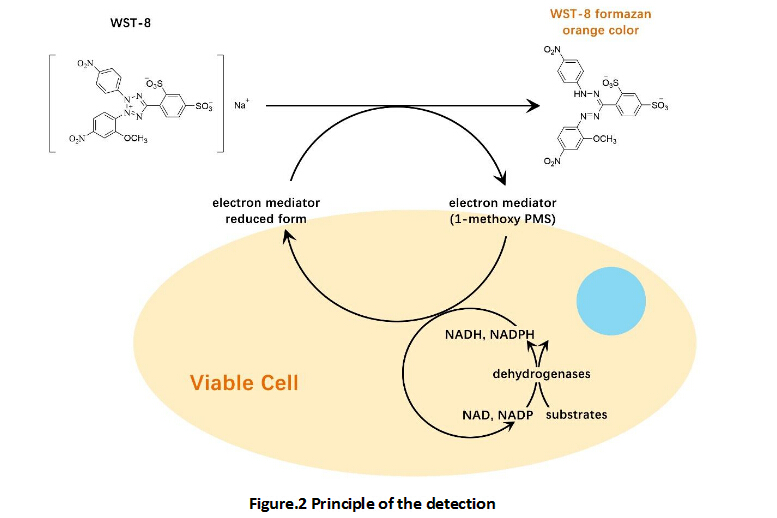
This kit employs the WST-8 chromogenic method, in which L-lactate is oxidized to pyruvate by L-lactate dehydrogenase (L-LDH). The concomitant reduction of NAD+ to NADH drives the electron carrier 1-mPMS to reduce WST-8, generating a water-soluble formazan dye with a maximal absorption peak at 450 nm. The absorbance is directly proportional to the L-lactate concentration in the sample. The kit exhibits high specificity for L-Lactate, with no cross-reactivity toward D-Lactate, and offers high detection sensitivity. Meanwhile, it is suitable for quantitative analysis of diverse samples, including cells, tissues, and plasma.

Figure 1. Typical standard curve and assay data. (A) The reference standard curve. (B) Determination of L-Lactate concentrations in different samples.
|
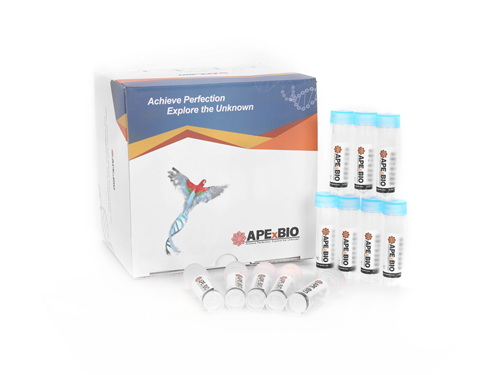
Components |
100 Assays |
Storage |
|
Lactate Lysis Buffer |
20 mL |
-20°C |
|
Lactate Assay Buffer |
20 mL |
-20°C |
|
Enzyme Solution |
200 μL |
-20°C |
|
Substrate |
200 μL |
-20°C |
|
WST-8 |
200 μL |
-20°C away from light |
|
L-Lactate Standard (100 mM) |
20 μL |
-20°C |
|
Shipping: Blue ice Shelf life: 1 year |
||