


Stem Cell
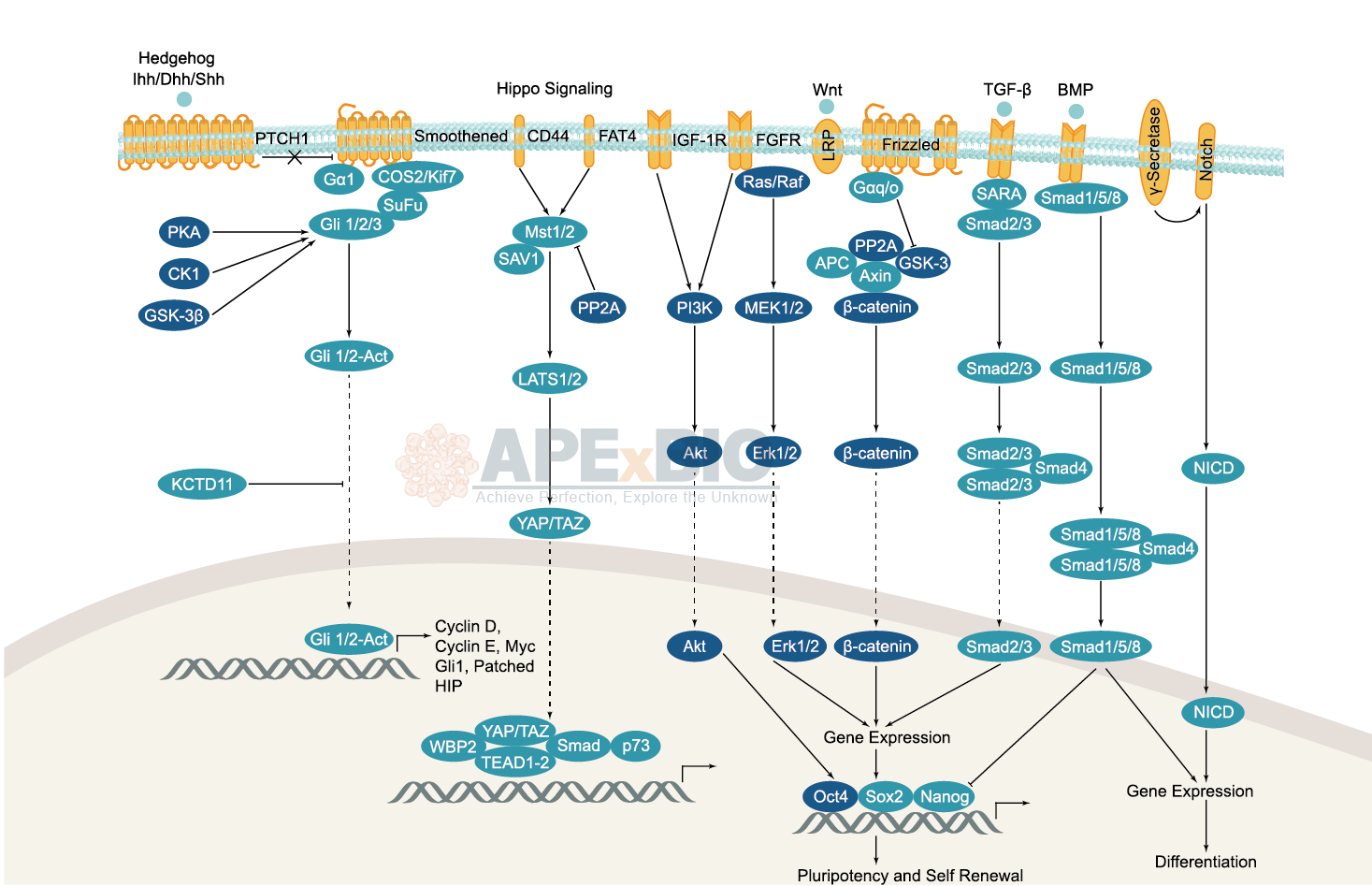
In ESC, BMP/TGF-β signaling pathway plays a key role in maintaining pluripotency and self-renewal. It signals through Smad proteins, and the FGF signaling pathway, which activates the MAPK and Akt pathways. The Wnt signaling pathway also promotes pluripotency. OCT-4, SOX2, and NANOG are three main transcription factors that are expressed and activated by these pathways. Induced pluripotent stem cells (iPSC) are pluripotent cells that can be generated from differentiated cells with forced expression of specific reprogramming factors. Both ESC and iPSC can be induced to develop into distinct cell types that associated with three primary germ layers: ectoderm, mesoderm and endoderm. Signaling pathways that control the development of these cell lineages, including BMP/TGF-β, Notch, Wnt/β-catenin, Hedgehog and Hippo pathways, which regulate cell division, growth and differentiation. Defects in stem cell signaling are related to developmental disorders and cancer.
-
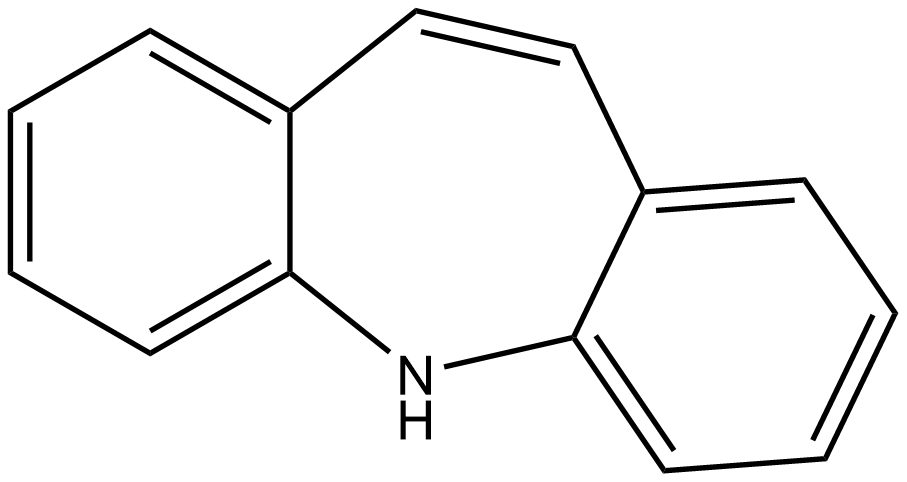 C8848 IminostilbeneSummary: Iminostilbene is a tricyclic dibenzazepine scaffold compound used as a synthetic intermediate and reference standard in neuropharmacology and medicinal chemistry research.
 -
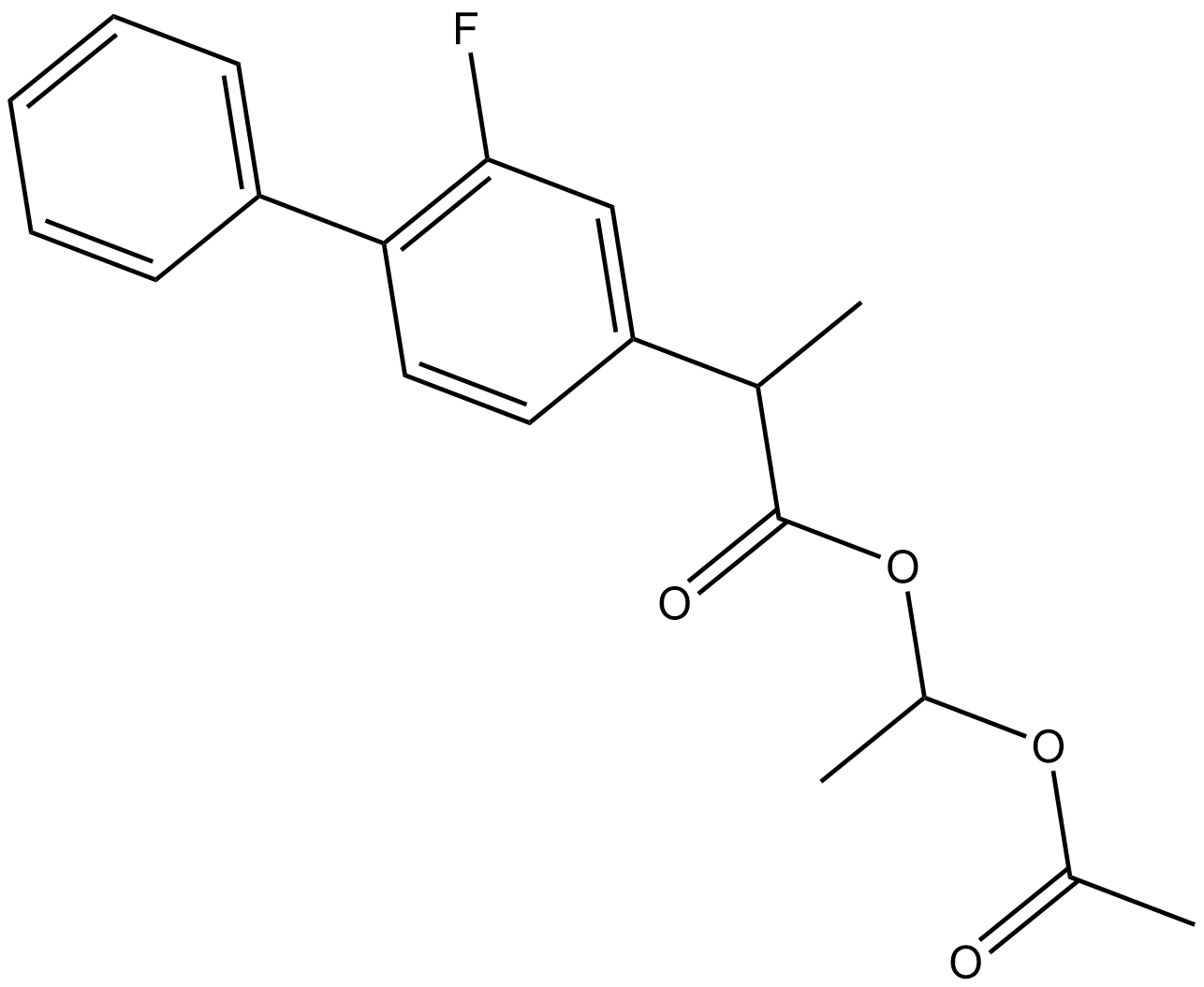 C8908 Flurbiprofen AxetilSummary: Flurbiprofen Axetil is a lipophilic prodrug of the nonselective cyclooxygenase inhibitor flurbiprofen, used to investigate prostaglandin-mediated inflammatory signaling in pharmacology research.
 -
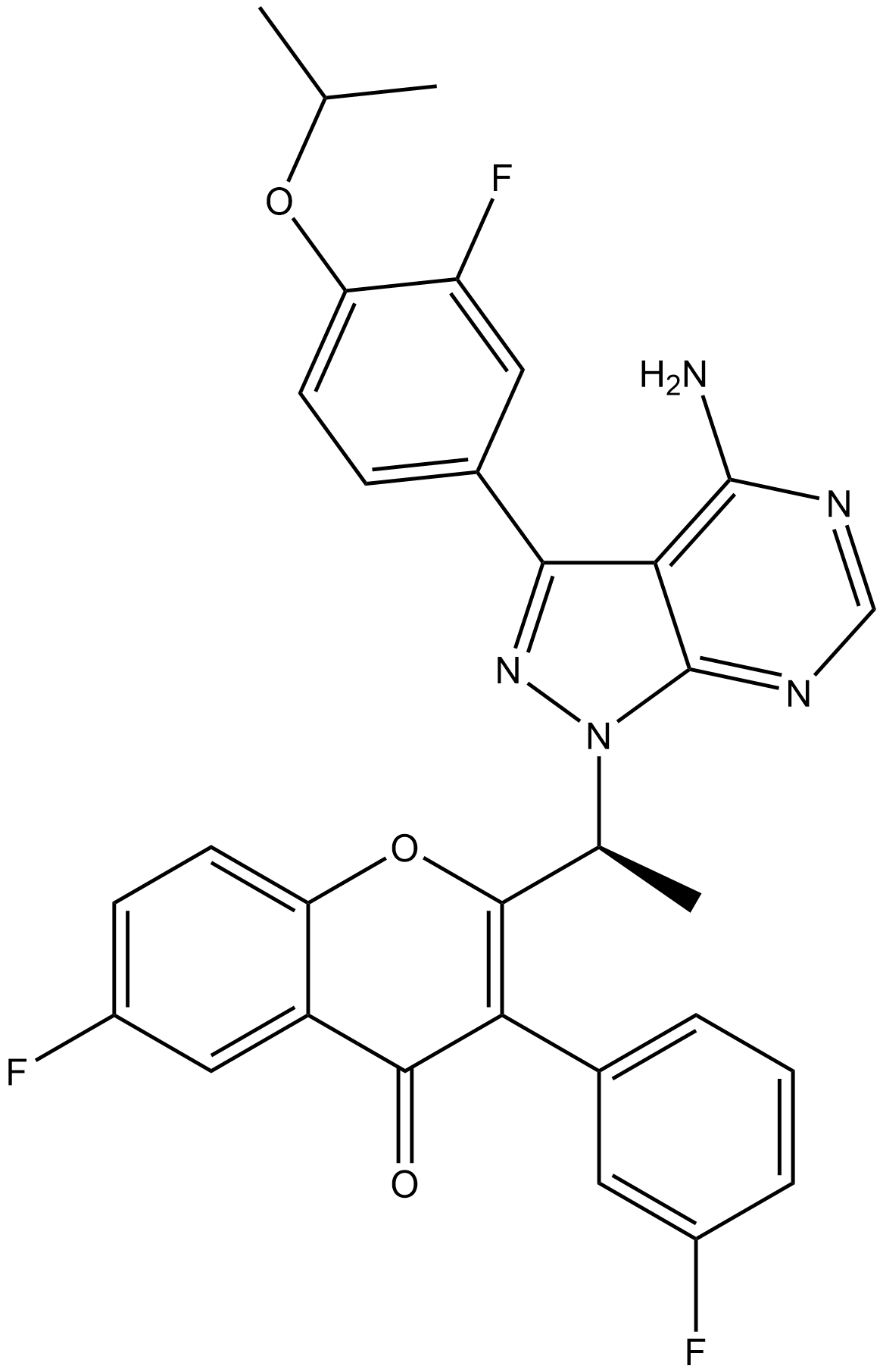 C8916 umbralisib (TGR-1202)Summary: Umbralisib (TGR-1202; CAS 1532533-67-7) is a selective PI3Kδ and casein kinase-1ε inhibitor used in oncology and signal transduction research.
 -
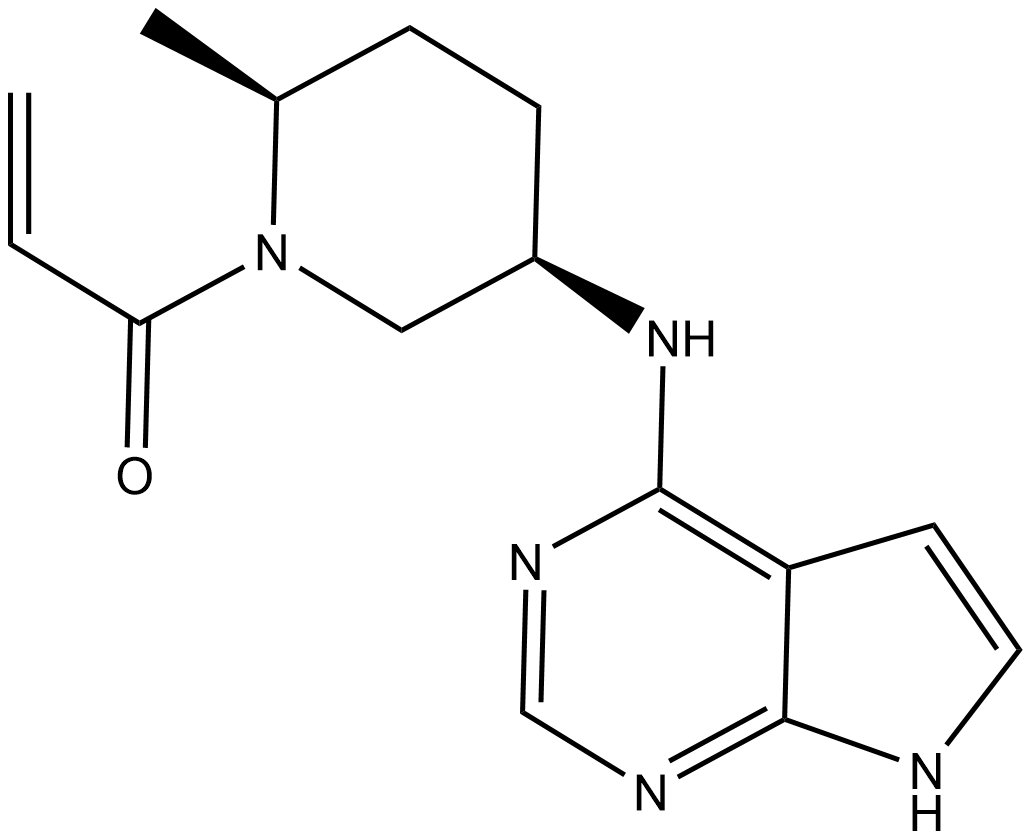 C8918 Ritlecitinib (PF-06651600)Summary: Ritlecitinib (PF-06651600; CAS 1792180-81-4) is a selective covalent JAK3/TEC family kinase inhibitor used to investigate cytokine signaling and immune-cell pathway biology.
 -
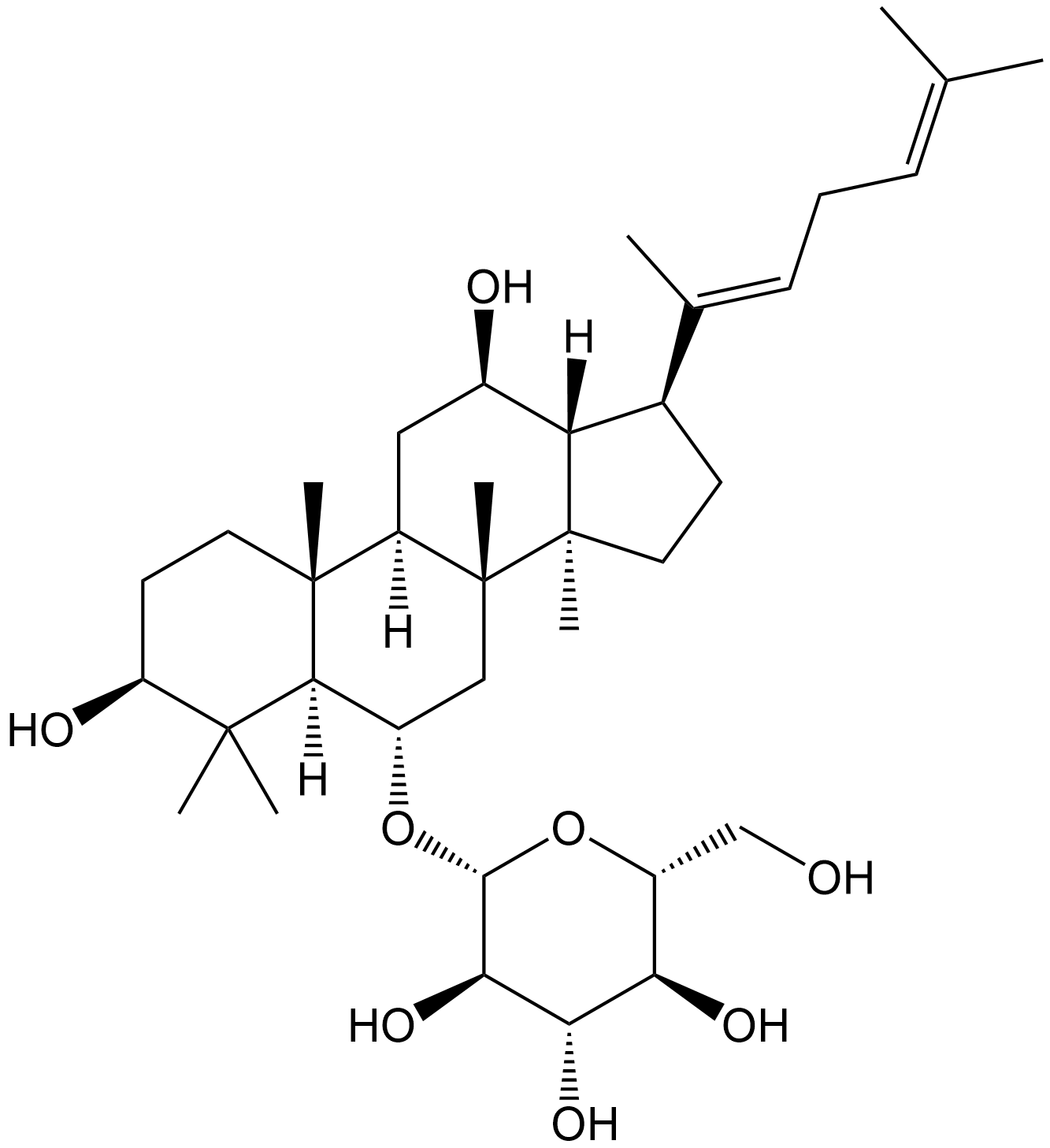 N2900 Ginsenoside Rh4Summary: A rare saponin compound derived from Panax notoginseng.
 -
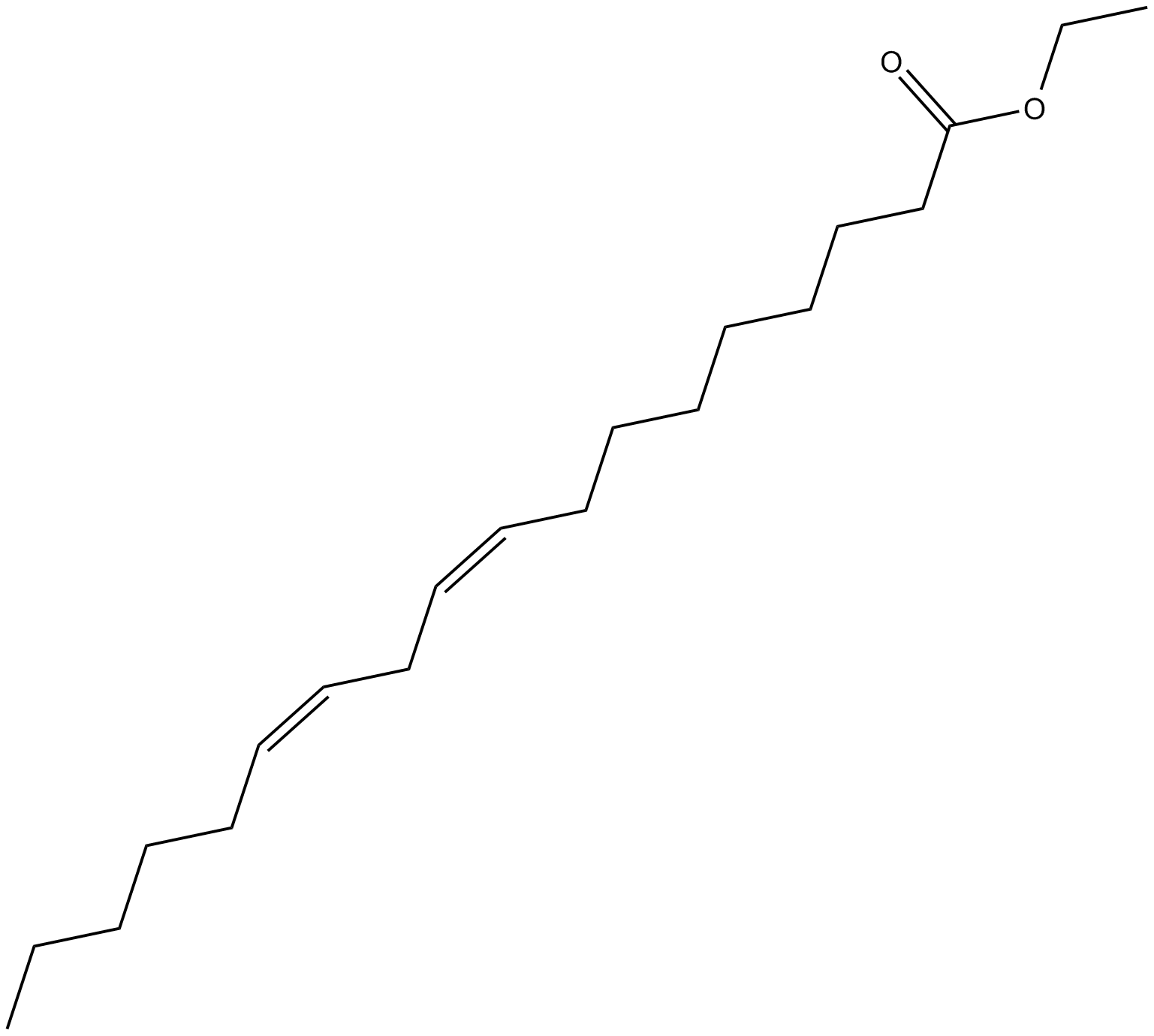 C5089 Linoleic Acid ethyl esterSummary: An unsaturated fatty acid ester compound that can inhibit the Akt/GSK3β/β-catenin signaling pathway and NF-κB activation.
 -
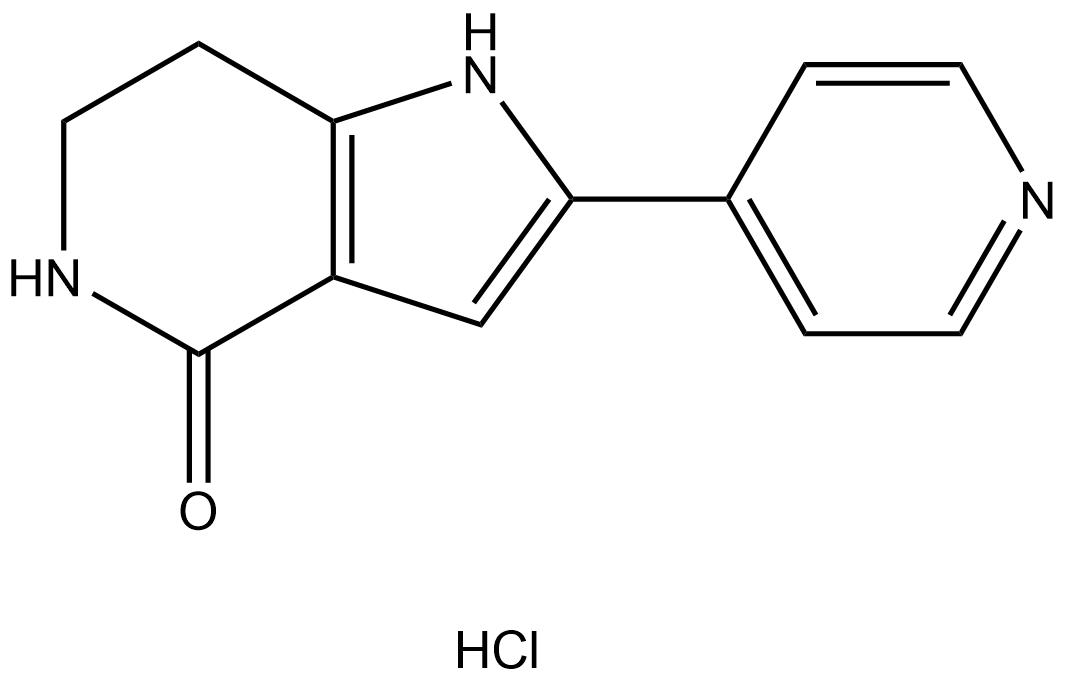 C9057 PHA-767491 HClSummary: An ATP-competitive dual-target DDK/CDK9 inhibitor for cell cycle and transcription research.
 -
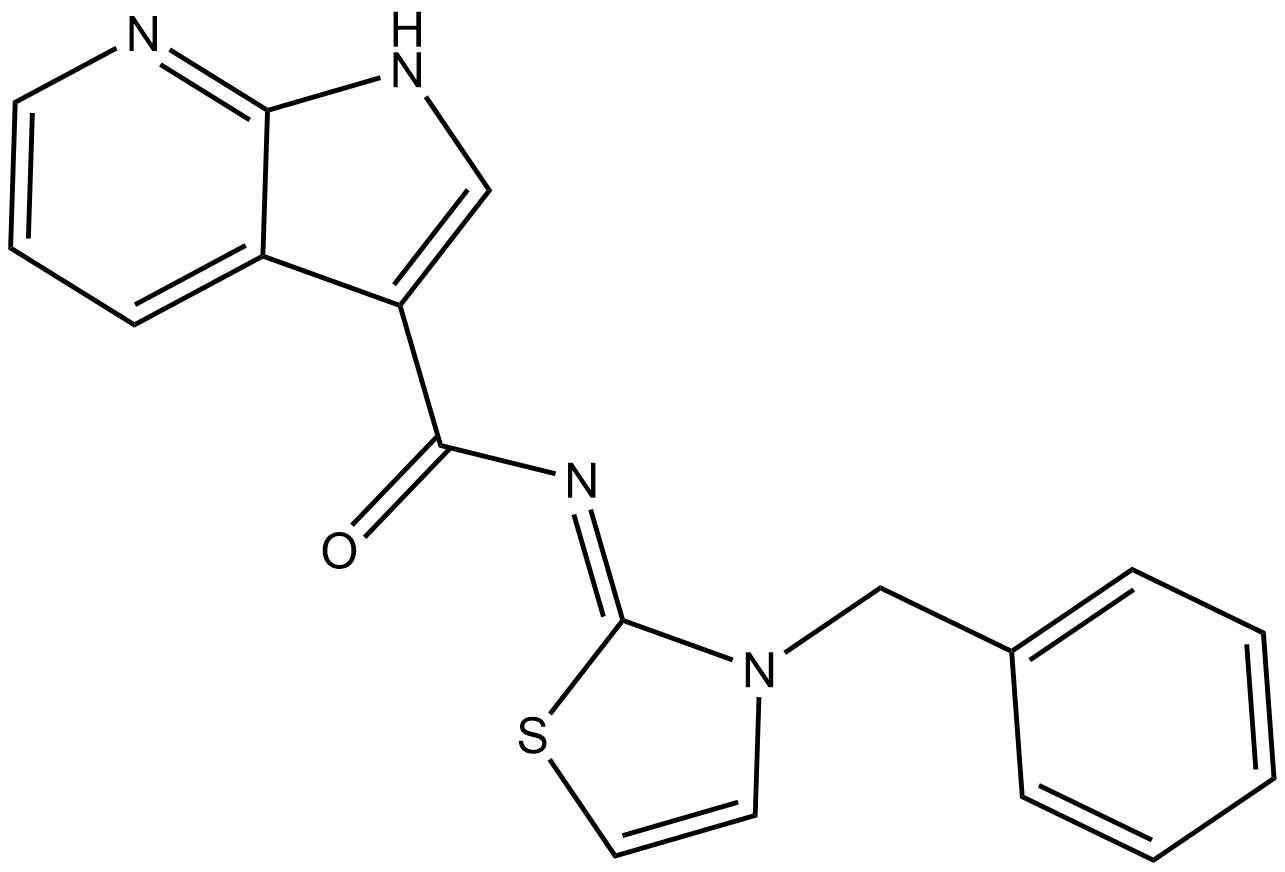 C9063 TRULISummary: An ATP-competitive LATS1/2 kinase inhibitor suitable for Hippo pathway research.
 -
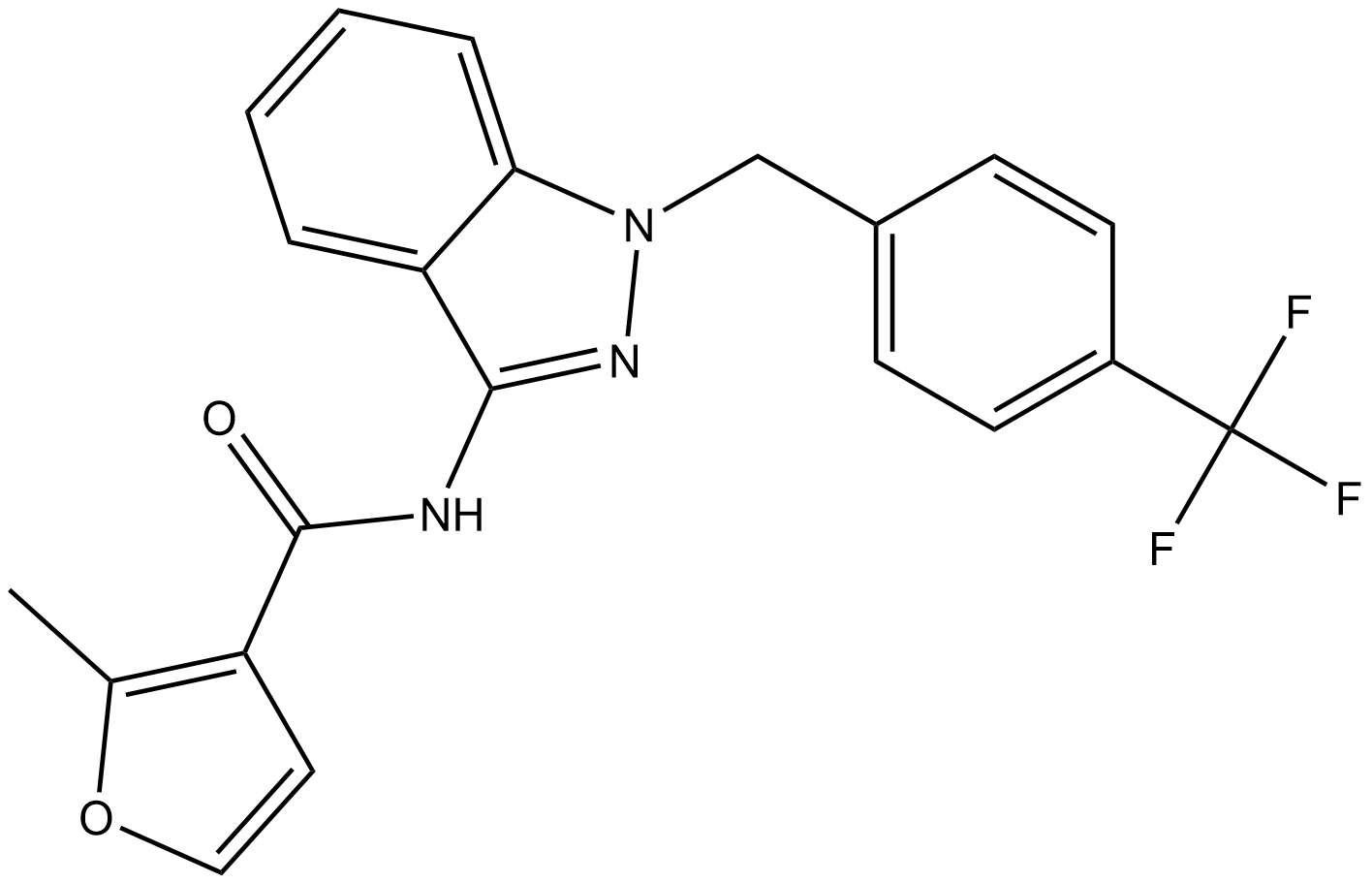 C9105 NP-G2-044Summary: A cytoskeleton-regulating compound targeting fascin, for in vitro migration and invasion studies.
 -
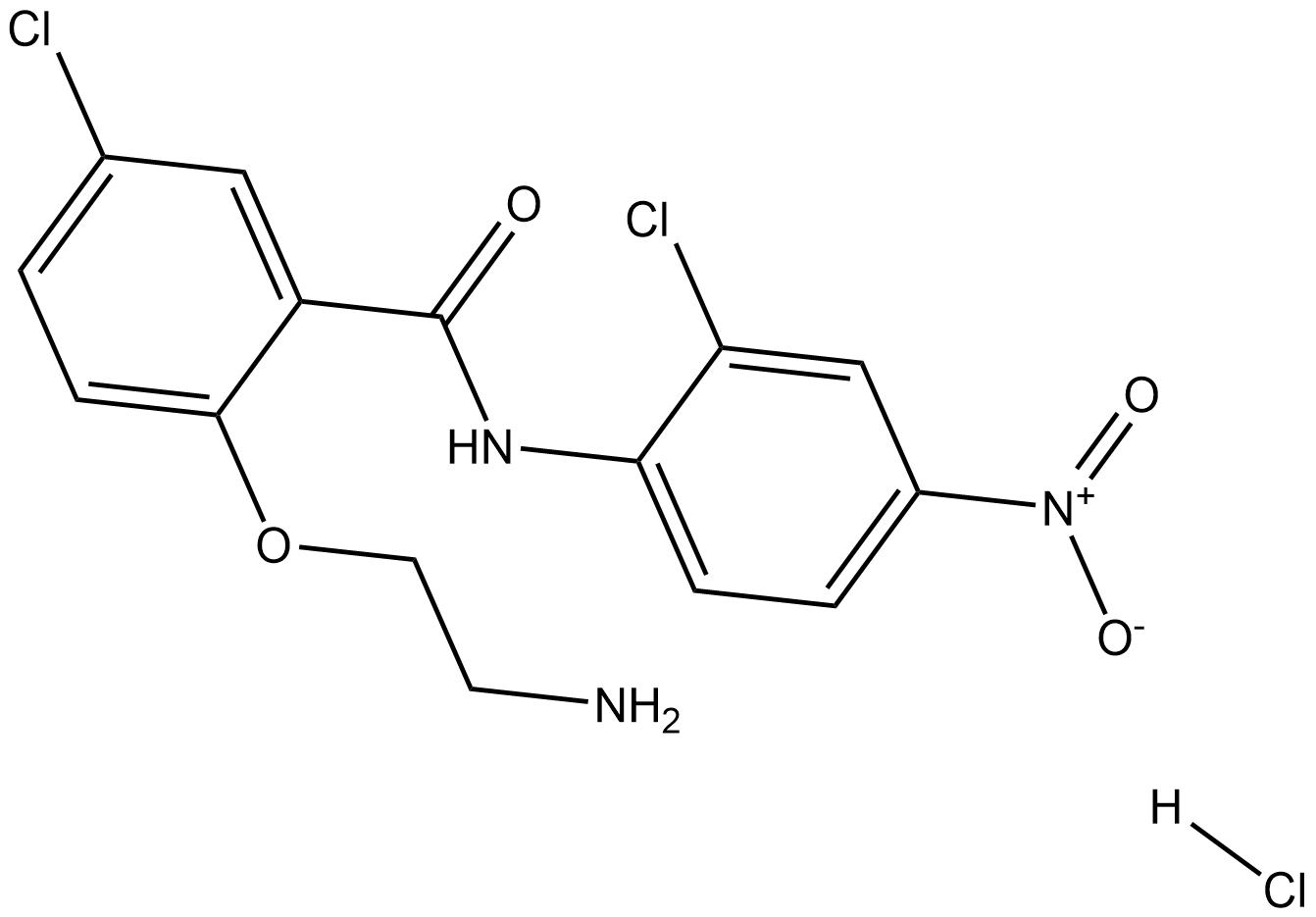 C9110 HJC0152 HClSummary: A STAT3-selective inhibitor chemical probe for tumor signaling research.