


Stem Cell
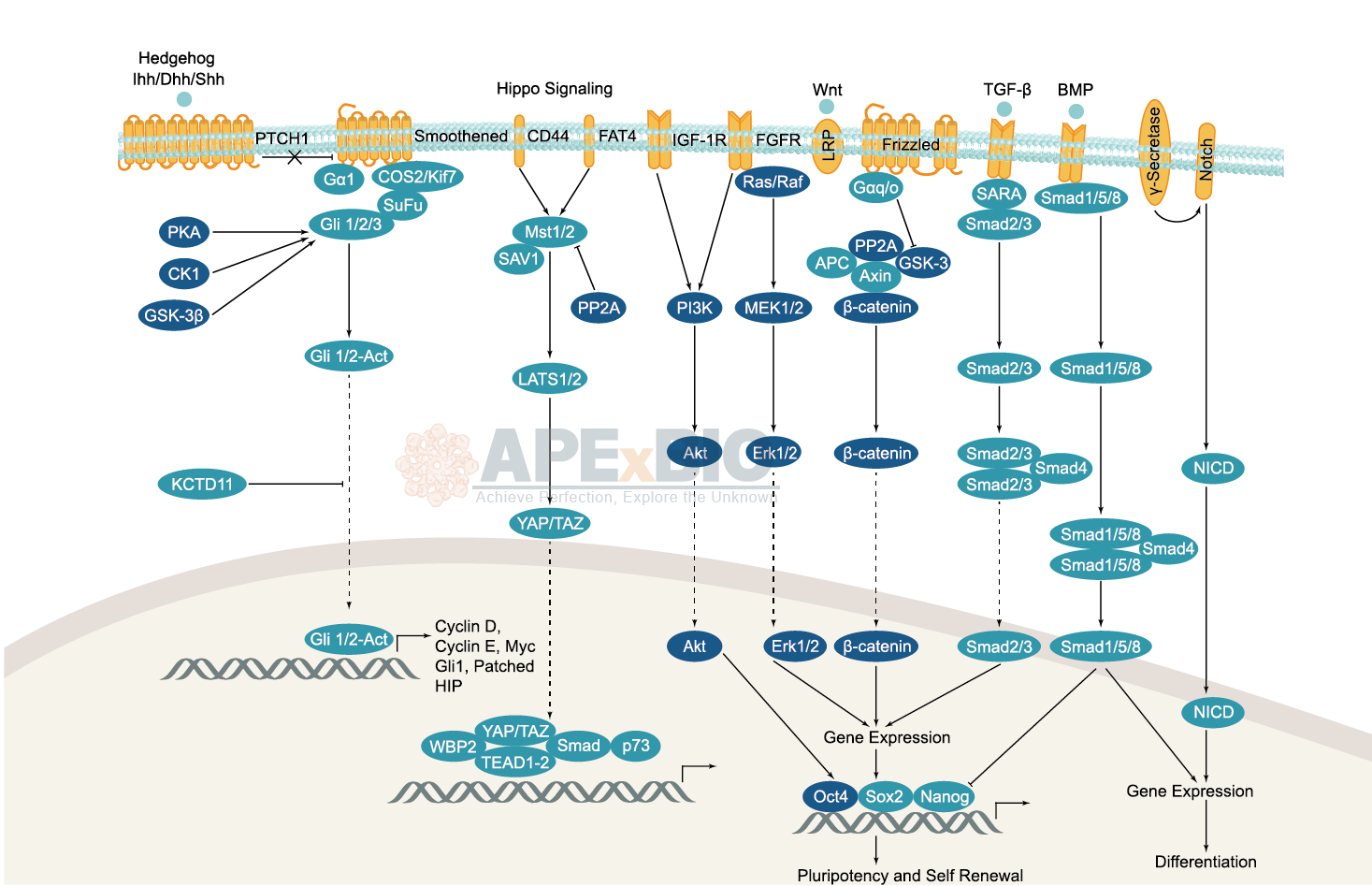
In ESC, BMP/TGF-β signaling pathway plays a key role in maintaining pluripotency and self-renewal. It signals through Smad proteins, and the FGF signaling pathway, which activates the MAPK and Akt pathways. The Wnt signaling pathway also promotes pluripotency. OCT-4, SOX2, and NANOG are three main transcription factors that are expressed and activated by these pathways. Induced pluripotent stem cells (iPSC) are pluripotent cells that can be generated from differentiated cells with forced expression of specific reprogramming factors. Both ESC and iPSC can be induced to develop into distinct cell types that associated with three primary germ layers: ectoderm, mesoderm and endoderm. Signaling pathways that control the development of these cell lineages, including BMP/TGF-β, Notch, Wnt/β-catenin, Hedgehog and Hippo pathways, which regulate cell division, growth and differentiation. Defects in stem cell signaling are related to developmental disorders and cancer.
-
 BA4372 K-756Summary: K-756 is a direct selective inhibitor.
 -
BA4373 OM-153Summary: OM-153 is a potent, orally active inhibitor.
-
BA4375 NesuparibSummary: Nesuparib is a potent inhibitor.
-
BA4387 Tankyrase-IN-2Summary: Tankyrase-IN-2 is a potent and selective inhibitor (values of 10 nM, 7 nM, and 710 nM for TNKS1, TNKS2, respectively).
-
BA4392 G244-LMSummary: G244-LM is a potent and specific inhibitor.
-
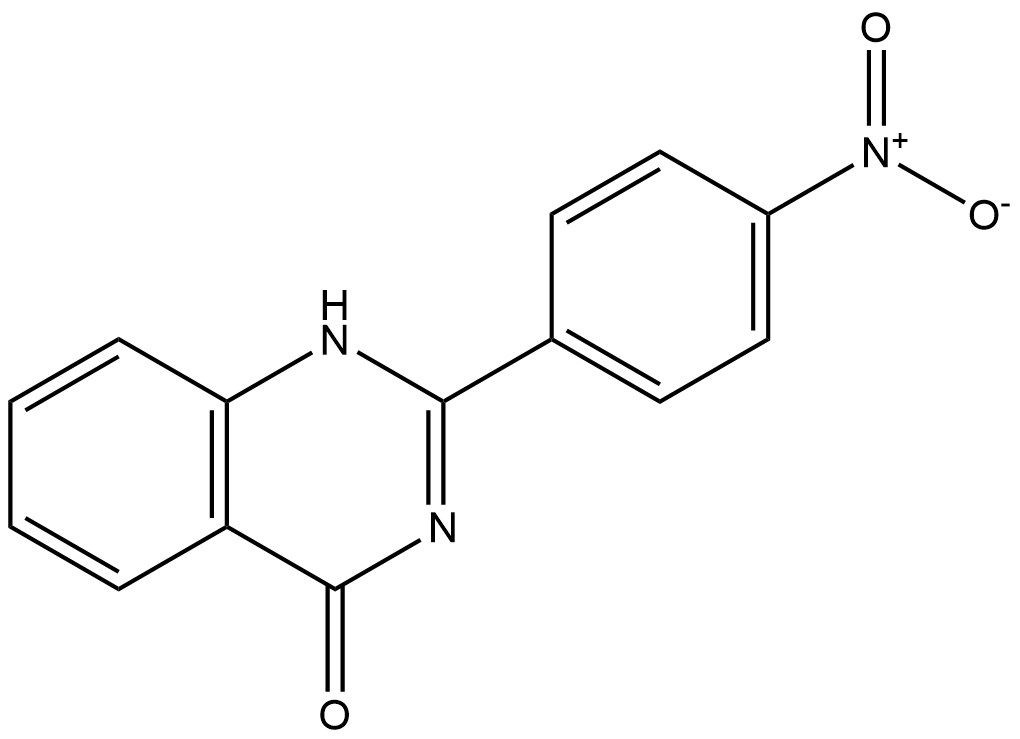 BA4395 TNKS-2-IN-1Summary: TNKS-2-IN-1 is an inhibitor.
 -
BA4637 IMM-H007Summary: IMM-H007 (WS070117) is an orally effective (AMP-activated protein kinase) activator and (transforming growth factor beta 1) antagonist.
-
BA6006 CirsilineolSummary: Cirsilineol is a natural flavonoid compound that selectively inhibits IFN-γ/STAT1/T-bet signaling in intestinal T cells.
-
BA6423 3-DemethylnobiletinSummary: 3'-Demethylnobiletin is a derivative of Nobiletin, 3'-Demethylnobiletin is a polymethoxyflavonoid present in citrus fruits.
-
BA6445 α-AmyrinSummary: α-Amyrin is a pentacyclic triterpenoid with oral activity.