


Stem Cell
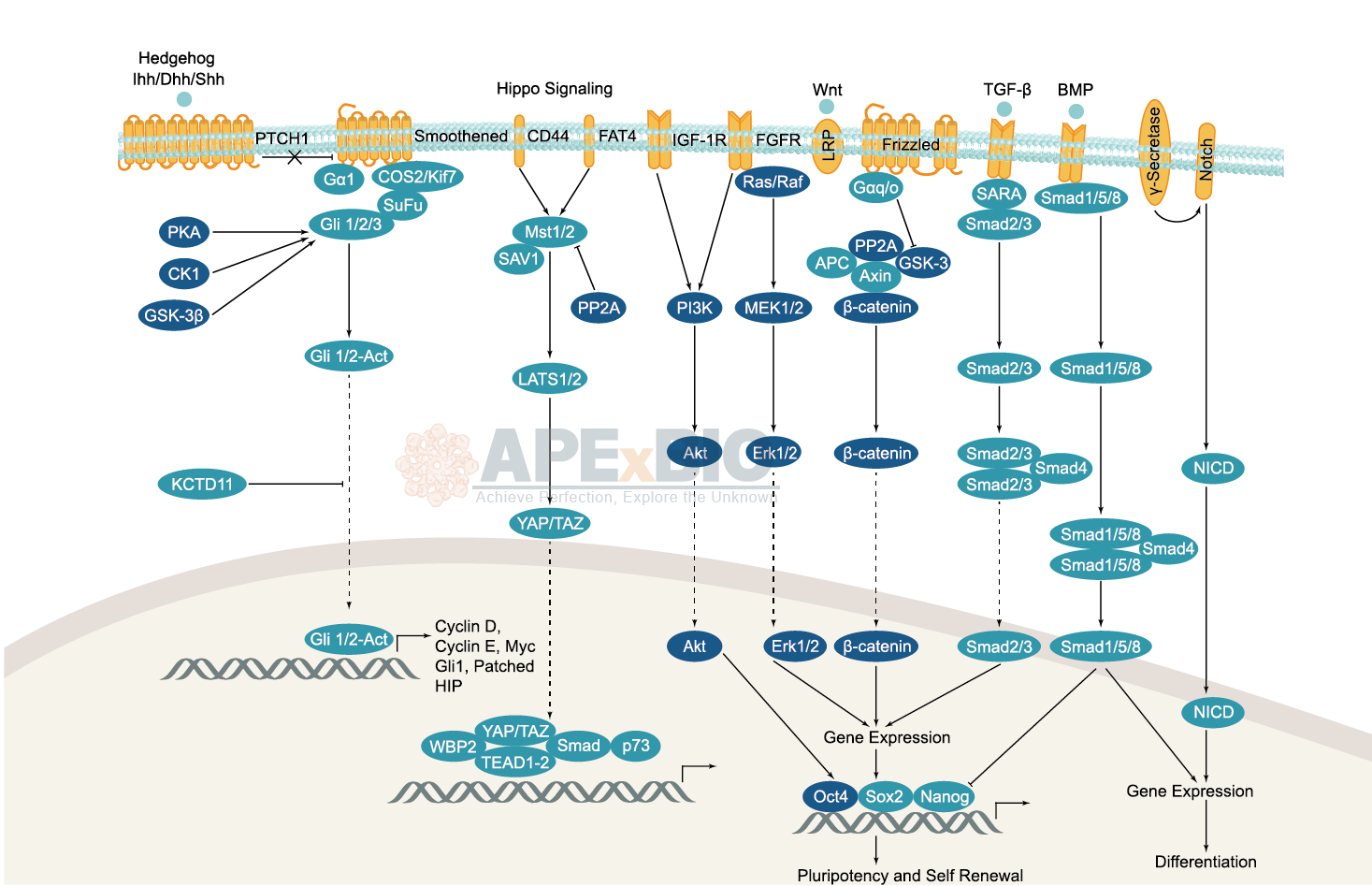
In ESC, BMP/TGF-β signaling pathway plays a key role in maintaining pluripotency and self-renewal. It signals through Smad proteins, and the FGF signaling pathway, which activates the MAPK and Akt pathways. The Wnt signaling pathway also promotes pluripotency. OCT-4, SOX2, and NANOG are three main transcription factors that are expressed and activated by these pathways. Induced pluripotent stem cells (iPSC) are pluripotent cells that can be generated from differentiated cells with forced expression of specific reprogramming factors. Both ESC and iPSC can be induced to develop into distinct cell types that associated with three primary germ layers: ectoderm, mesoderm and endoderm. Signaling pathways that control the development of these cell lineages, including BMP/TGF-β, Notch, Wnt/β-catenin, Hedgehog and Hippo pathways, which regulate cell division, growth and differentiation. Defects in stem cell signaling are related to developmental disorders and cancer.
-
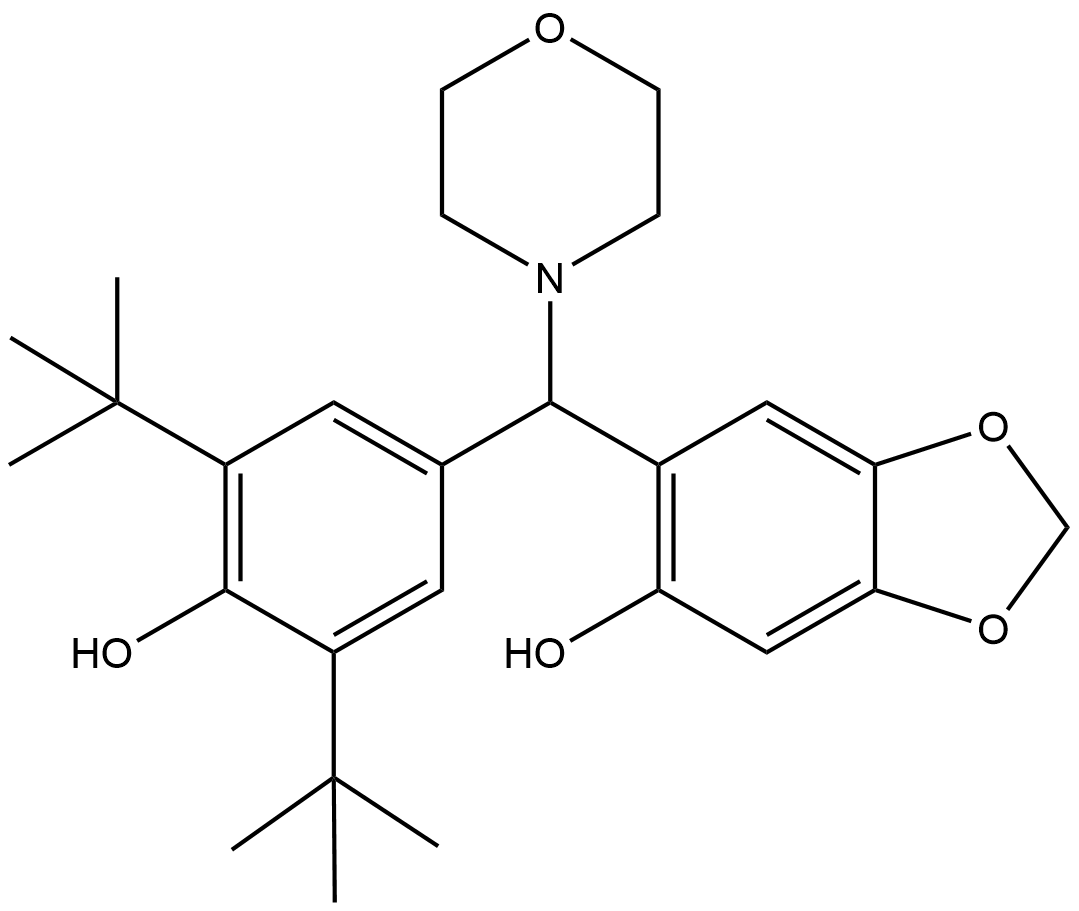 BA2996 UC-514321Summary: A selective TET1 inhibitor
 -
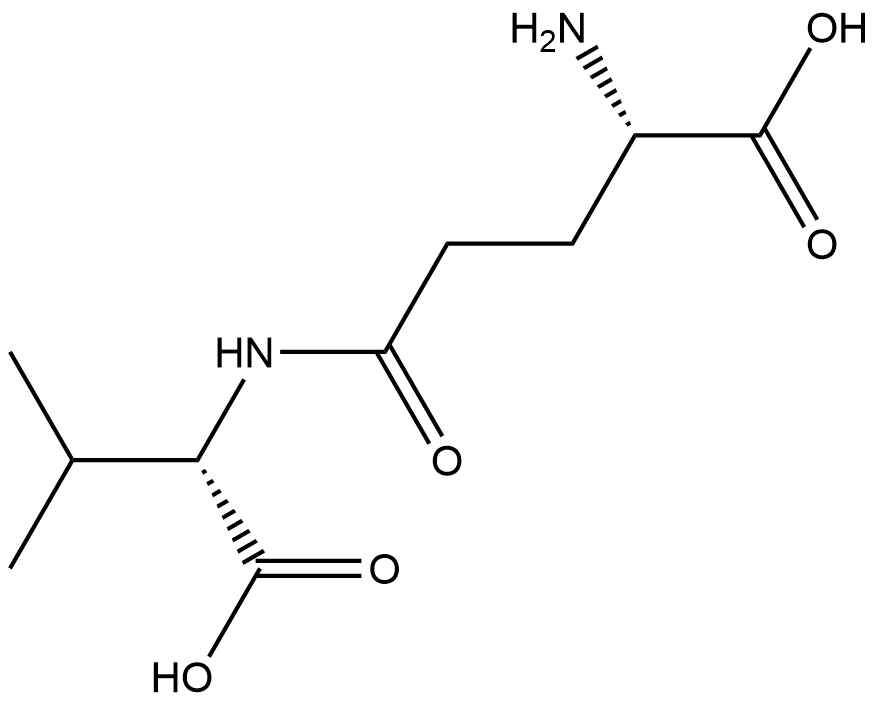 BA3557 γ-GlutamylvalineSummary: Gamma-Glutamylvaline is an activator with anti-inflammatory activity.
 -
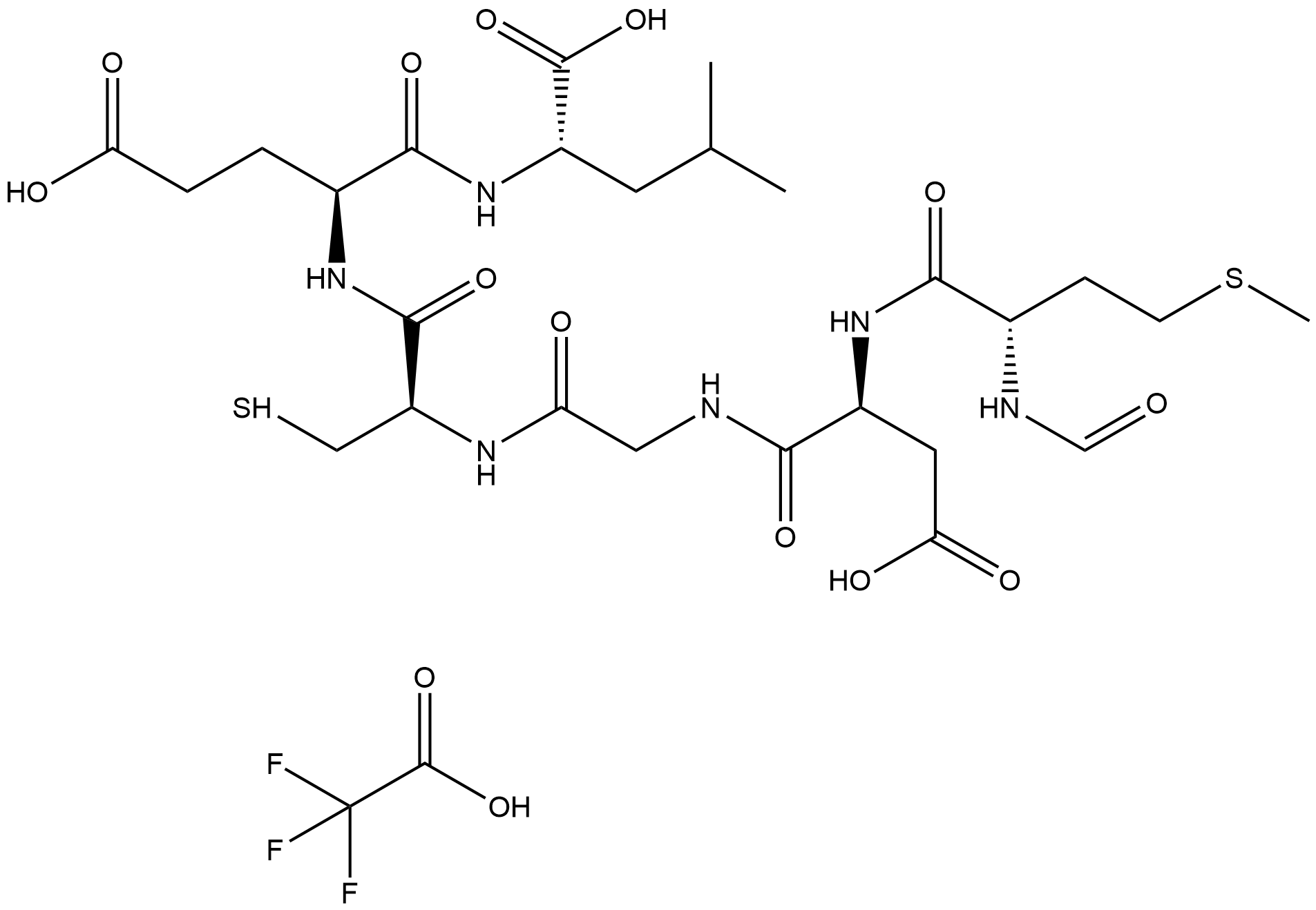 C8662 Foxy-5 TFASummary: A WNT5A-mimicking peptide that acts as a WNT5A agonist/mimetic
 -
 C8695 Super-TDU TFASummary: A YAP inhibitor
 -
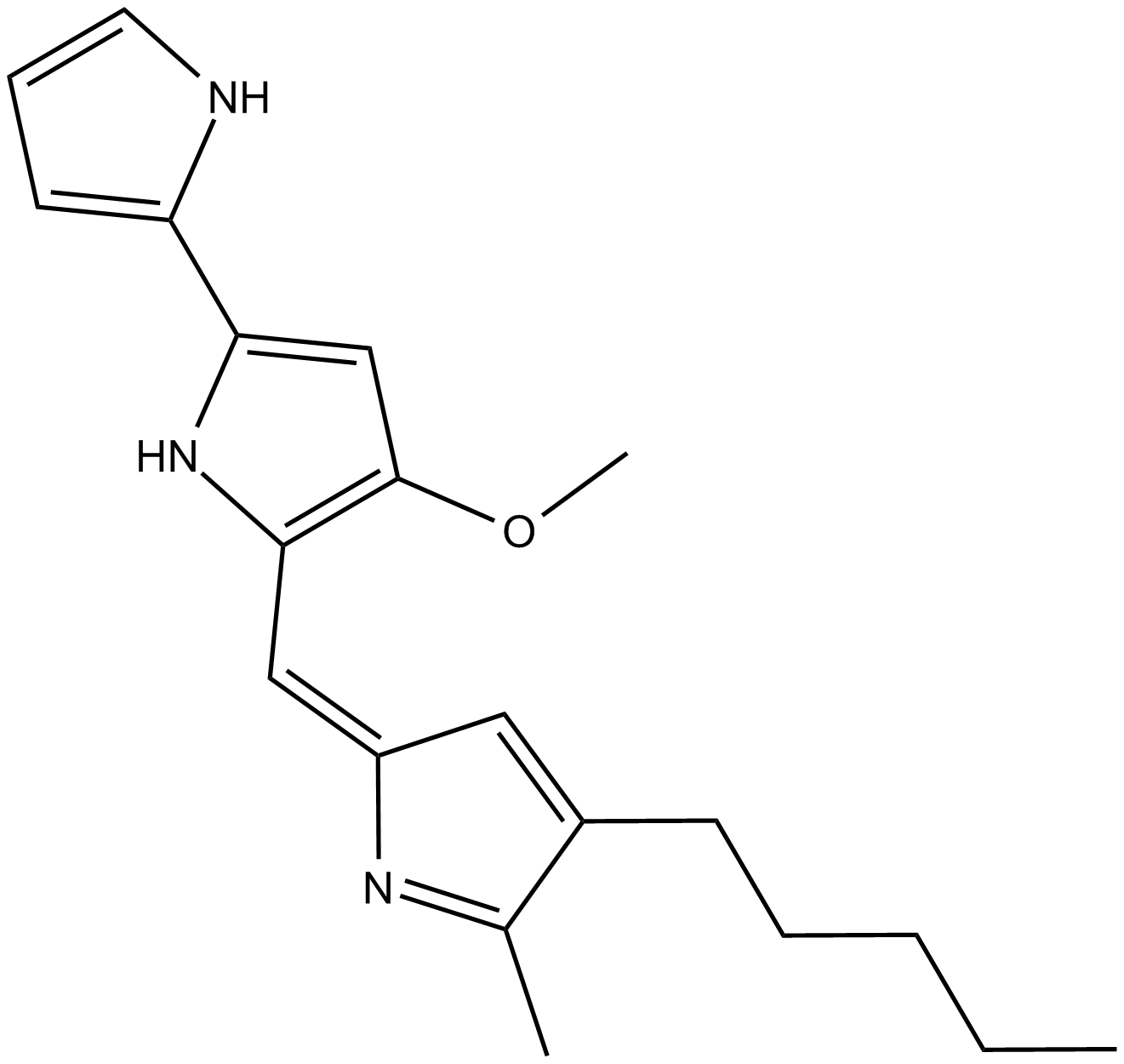 C3112 ProdigiosinSummary: A natural red pigment with antibacterial, antitumor, and immunosuppressive effects.
 -
 BA9149 iCRT-5Summary: iCRT-5 is a regulated transcriptional inhibitor.
 -
C8406 LomedeucitinibSummary: Lomedeucitinib (BMS-986322) acts by targeting receptor tyrosine protein kinases.
-
BA7641 MyricanoneSummary: A compound isolated from the bark of the tree.
-
BA3744 OrobolSummary: Orobol is a major soy isoflavone with a variety of pharmacological activities, including anti-skin aging and anti-obesity effects.
-
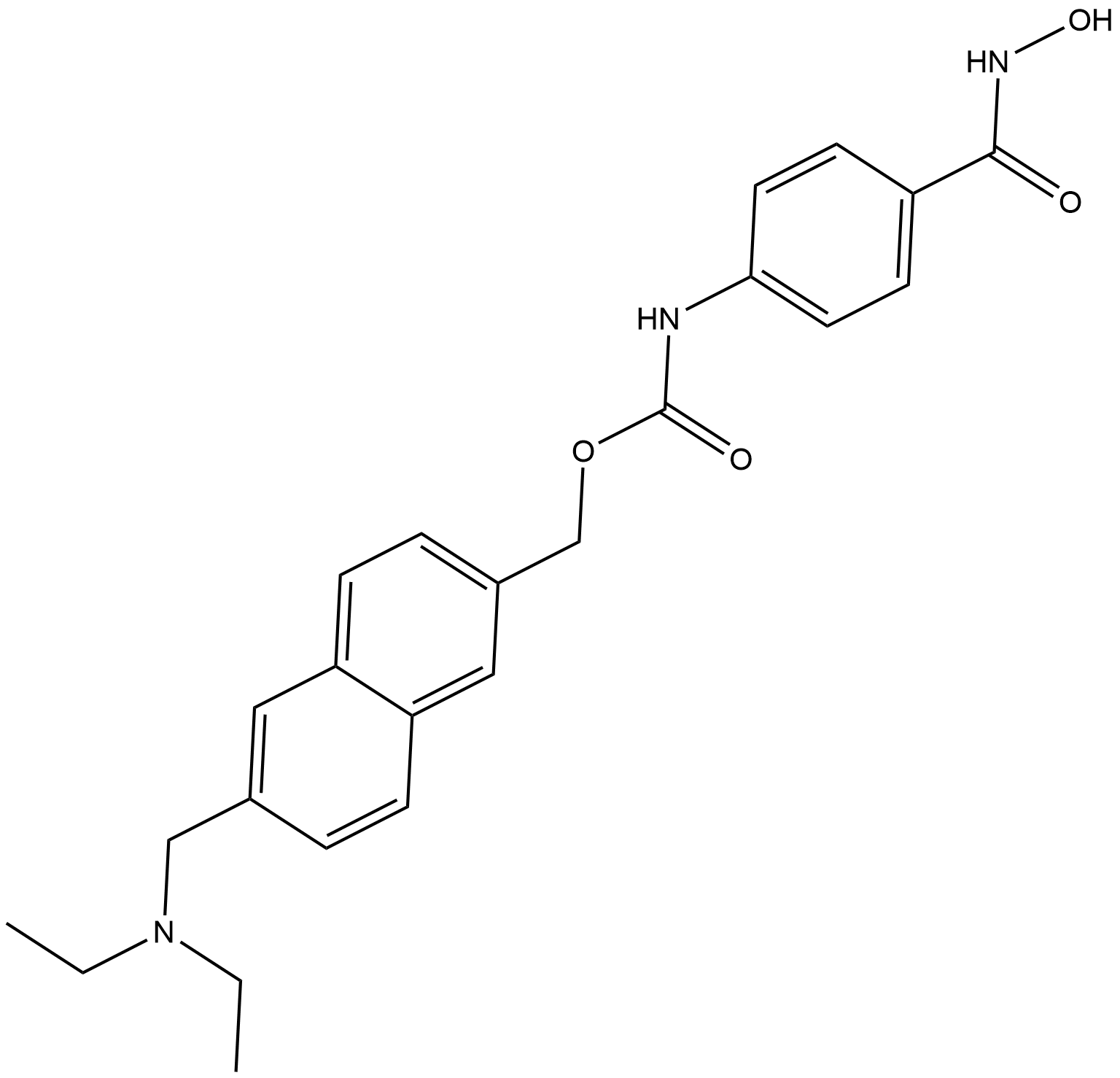 BA4122 GivinostatSummary: Inhibitors.