


Stem Cell
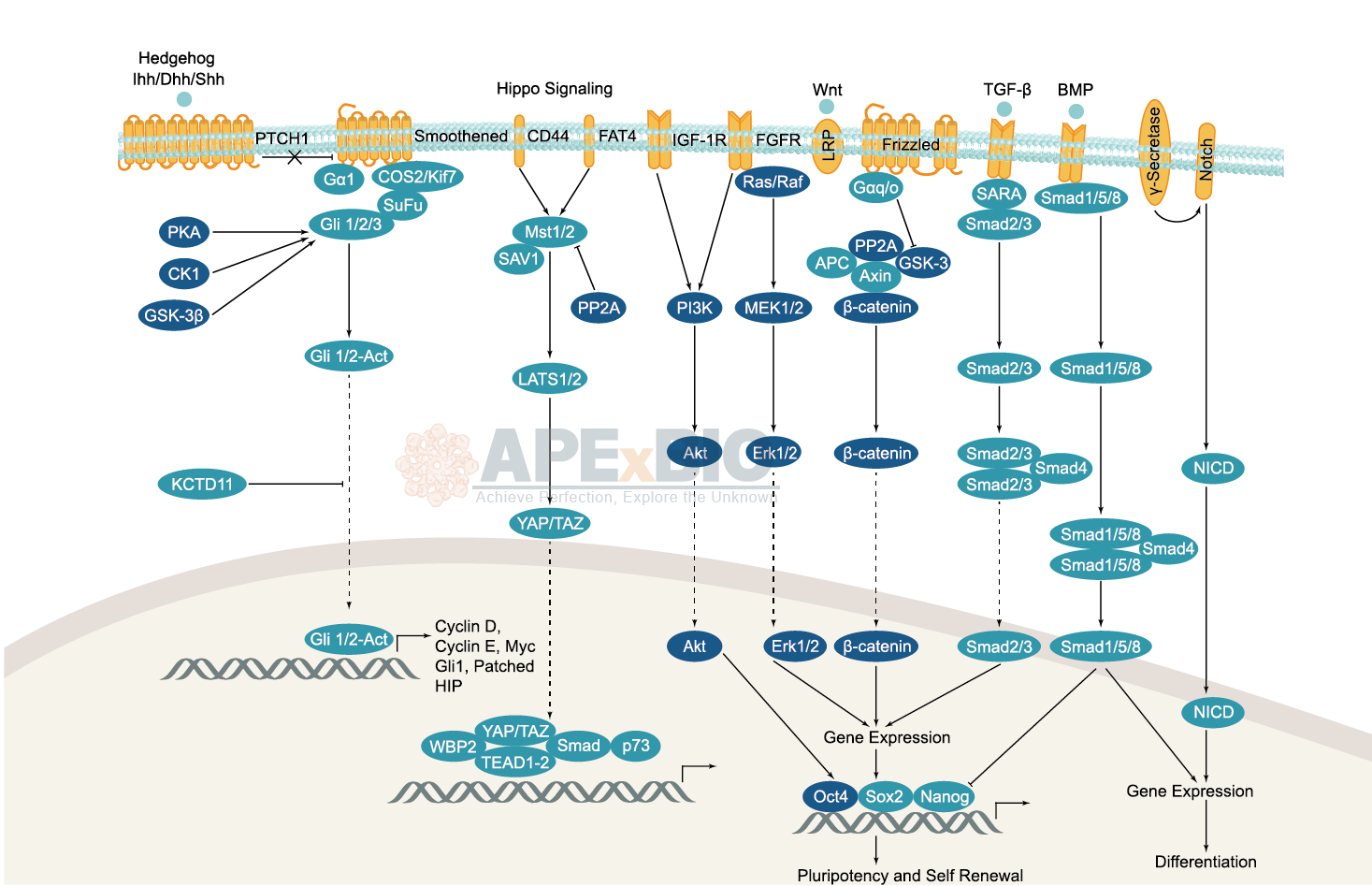
In ESC, BMP/TGF-β signaling pathway plays a key role in maintaining pluripotency and self-renewal. It signals through Smad proteins, and the FGF signaling pathway, which activates the MAPK and Akt pathways. The Wnt signaling pathway also promotes pluripotency. OCT-4, SOX2, and NANOG are three main transcription factors that are expressed and activated by these pathways. Induced pluripotent stem cells (iPSC) are pluripotent cells that can be generated from differentiated cells with forced expression of specific reprogramming factors. Both ESC and iPSC can be induced to develop into distinct cell types that associated with three primary germ layers: ectoderm, mesoderm and endoderm. Signaling pathways that control the development of these cell lineages, including BMP/TGF-β, Notch, Wnt/β-catenin, Hedgehog and Hippo pathways, which regulate cell division, growth and differentiation. Defects in stem cell signaling are related to developmental disorders and cancer.
-
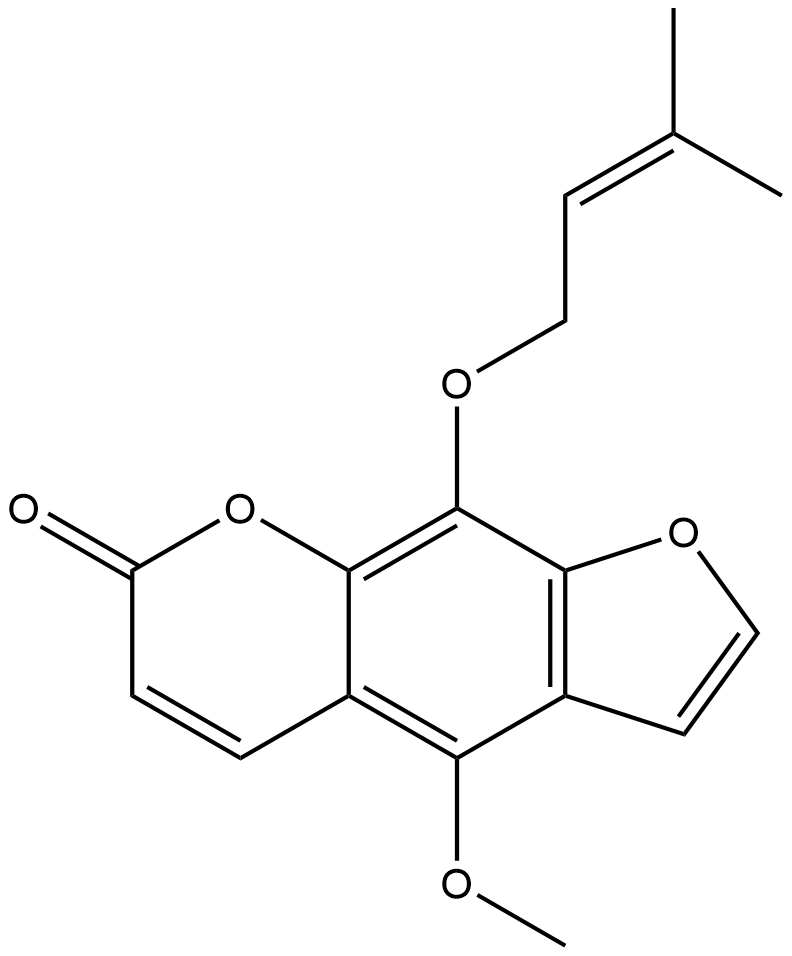 BA8685 PhellopterinSummary: Phellopterin is a natural product.
 -
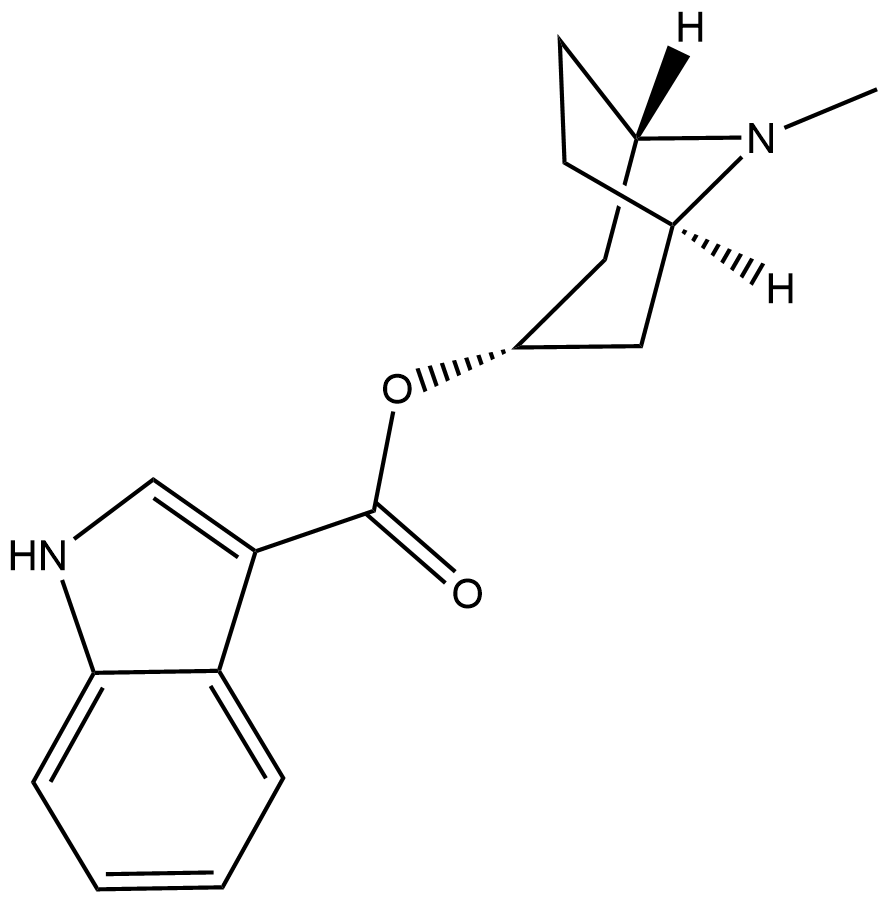 BA5012 TropisetronSummary: Tropisetron (SDZ-ICS-930freebase) is a 5-HT3 receptor antagonist.
 -
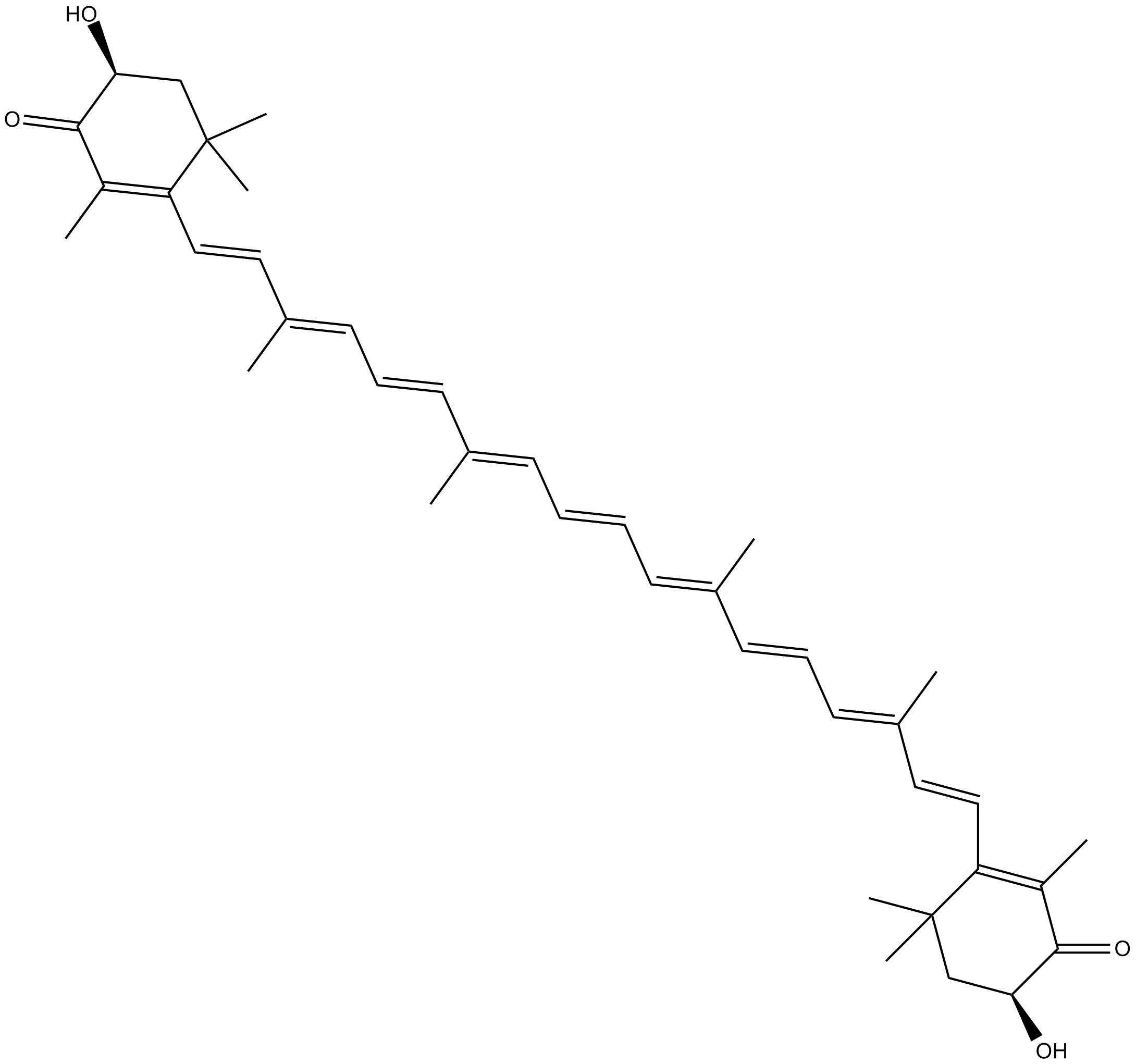 B8611 AstaxanthinSummary: A carotenoid with antioxidant, anti-inflammatory, anticancer, and feed coloring effects.
 -
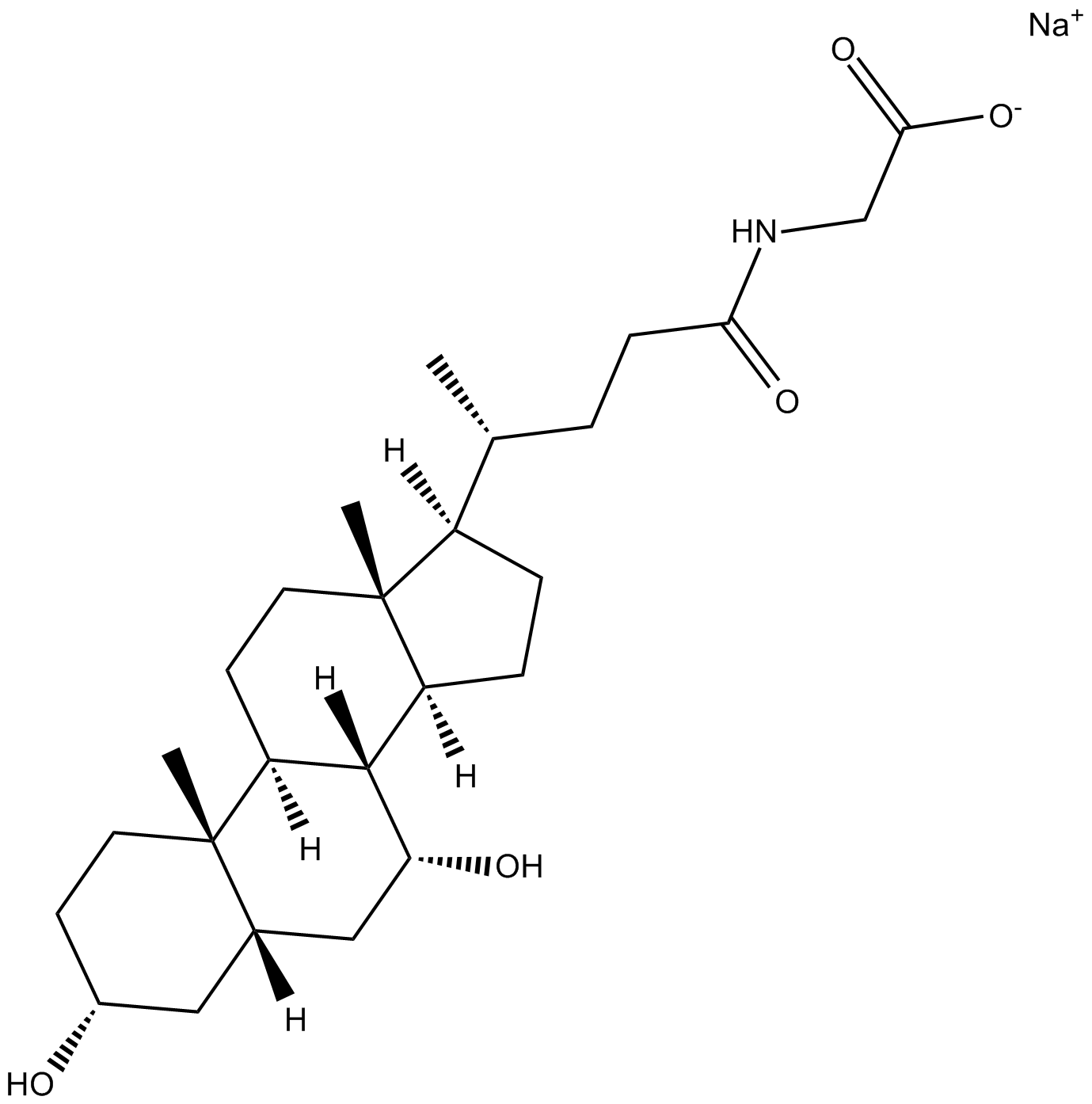 C3359 Glycochenodeoxycholic Acid (sodium salt)Summary: A bile acid metabolism modulator for research on cholestasis, liver cancer, and PSC.
 -
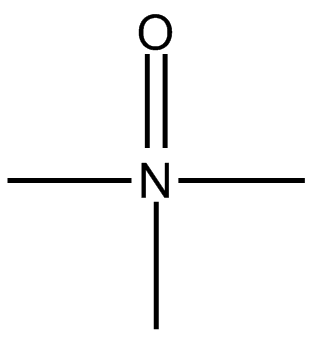 C3481 Trimethylamine N-oxideSummary: Gut microbiota-related metabolites that mediate inflammation and the progression of cardiac fibrosis.
 -
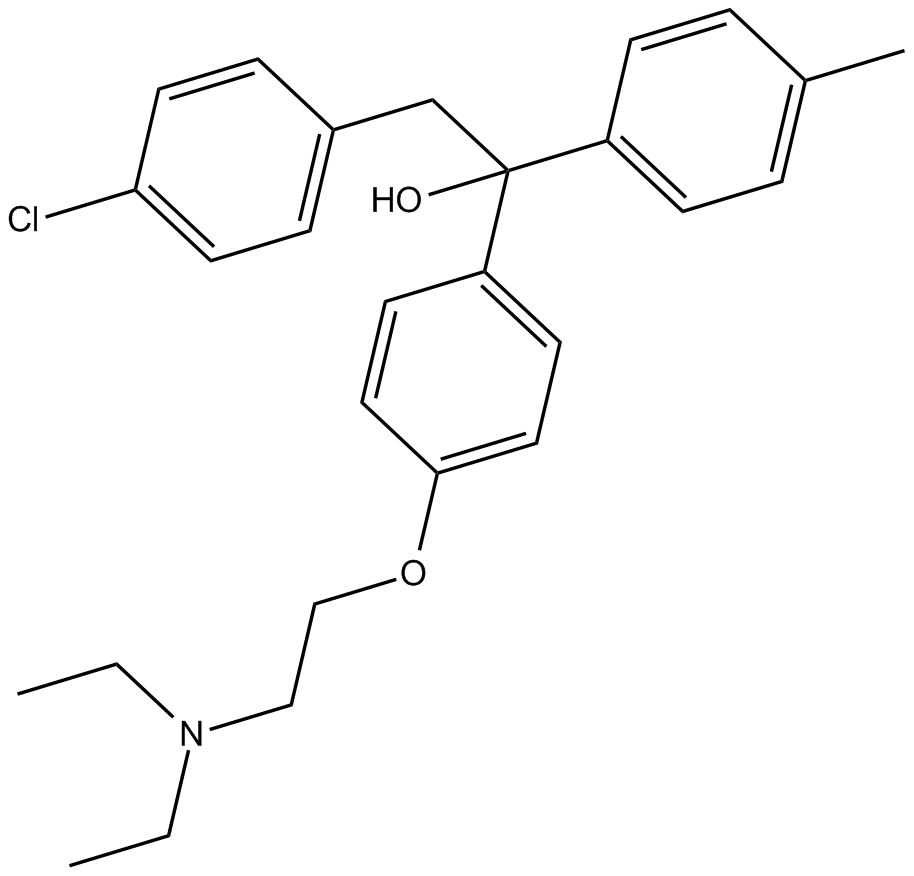 C3804 TriparanolSummary: Downregulates cholesterol synthesis and the Hh signaling pathway by inhibiting 24-DHCR.
 -
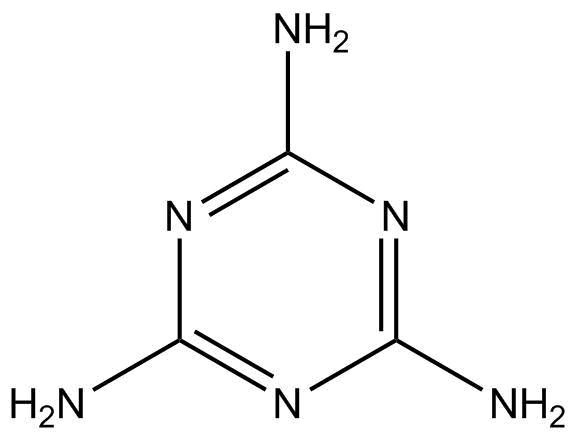 C6225 MelamineSummary: A metabolite of cyproheptadine, used for toxicological mechanism and biotransformation studies.
 -
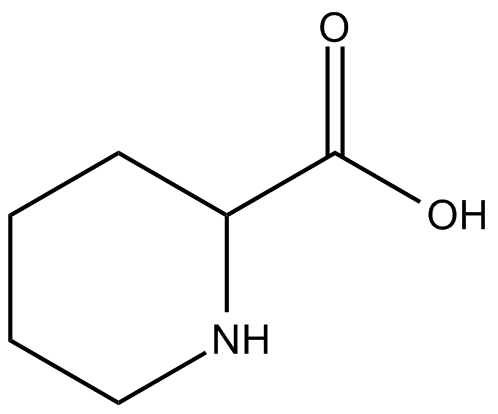 M1059 Pipecolic acidSummary: A lysine metabolite, an important precursor for microbial secondary metabolism, and a ferroptosis inhibitor.
 -
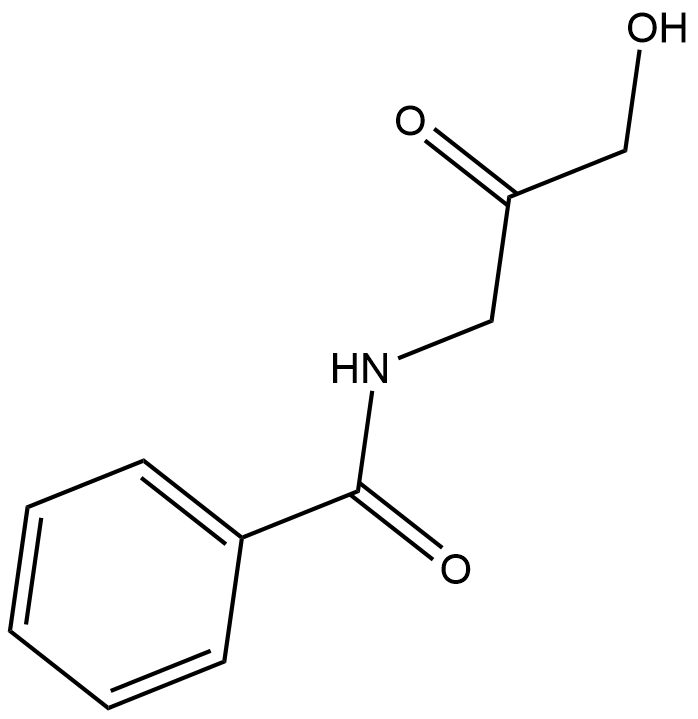 M1191 hippurateSummary: An endogenous urinary metabolism and oxidation probe
 -
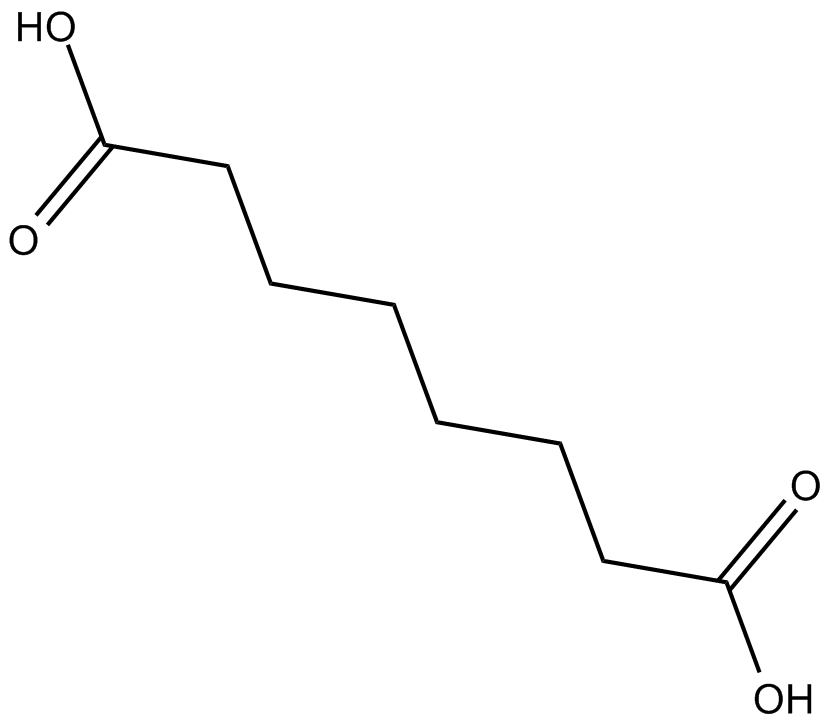 M1327 suberate (octanedioate)Summary: A biomarker associated with abnormalities in fatty acid oxidation and carnitine metabolism.