


Microbiology & Virology
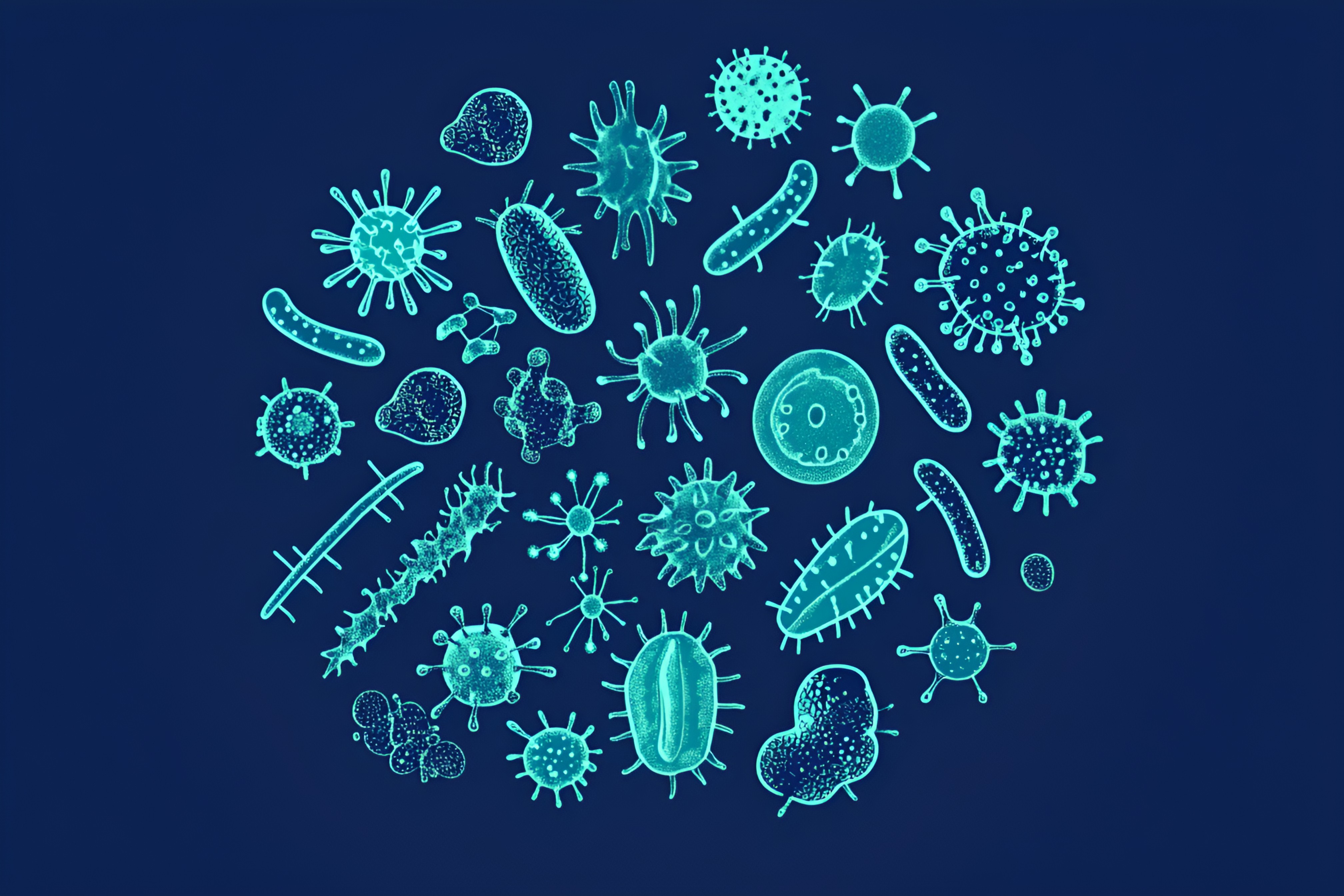
Furthermore, small molecules enable selective modulation of the microbiome, balancing interactions between beneficial and pathogenic microorganisms. Coupled with advances in high-throughput screening technologies, they continue to overcome limitations related to target specificity and drug resistance, thereby serving as a crucial bridge between basic research and clinical anti-infective practice. Collectively, small-molecule compounds offer diversified solutions to global public health challenges.
-
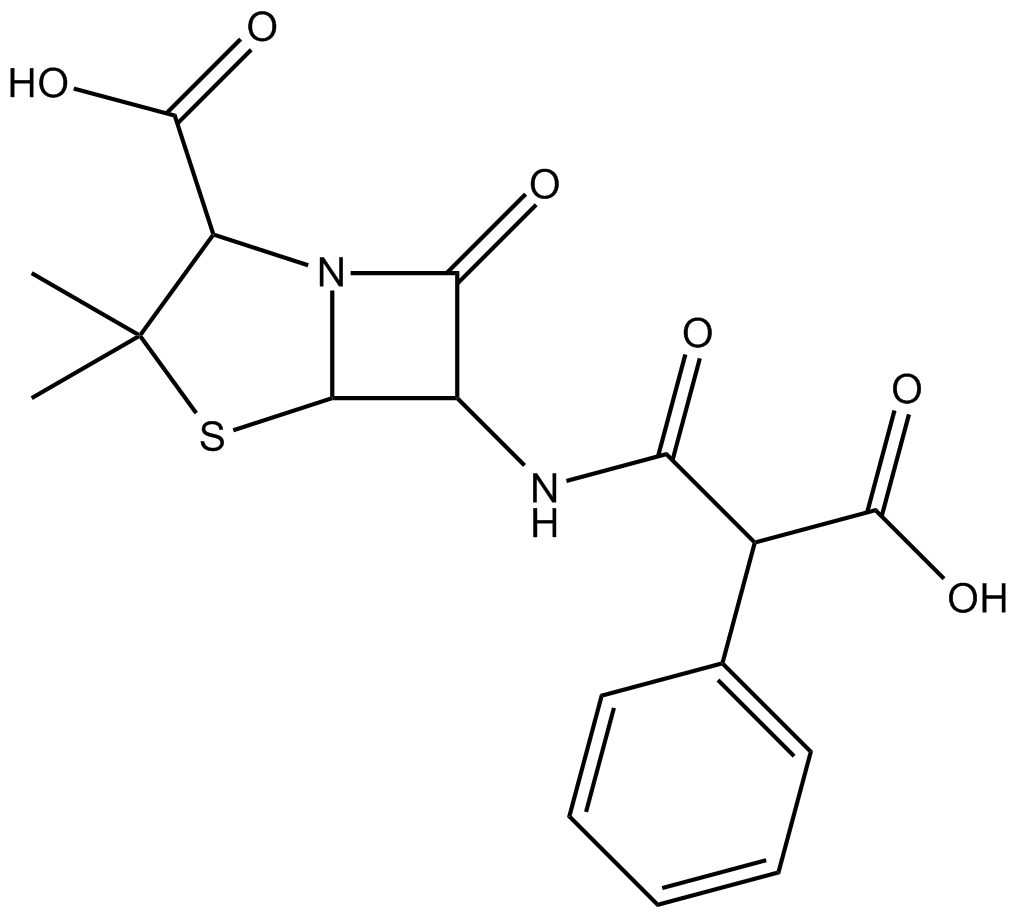 B3412 CarbenicillinSummary: semi-synthetic penicillin antibiotic
 -
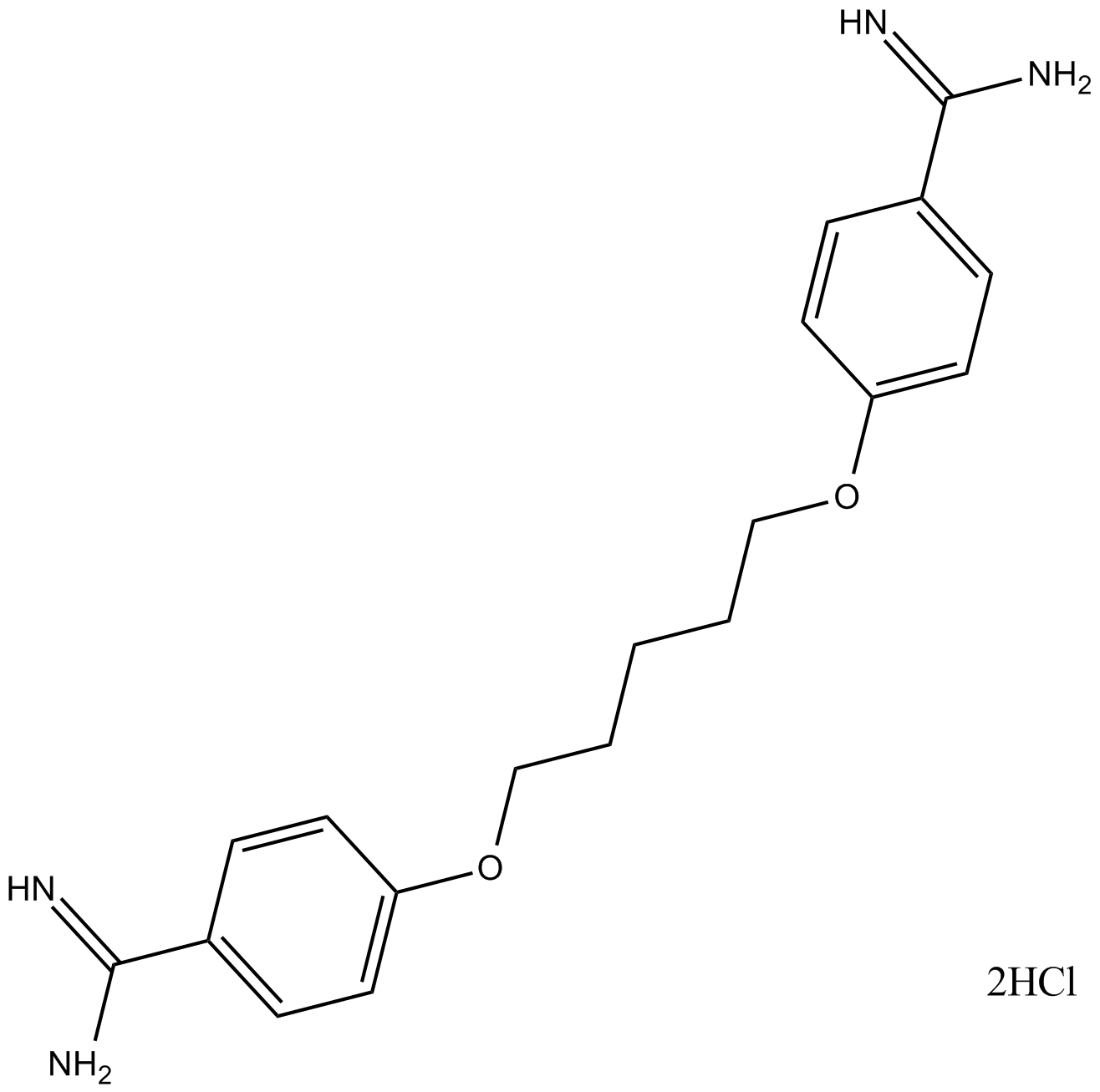 B3416 Pentamidine dihydrochlorideSummary: antimicrobial agent
 -
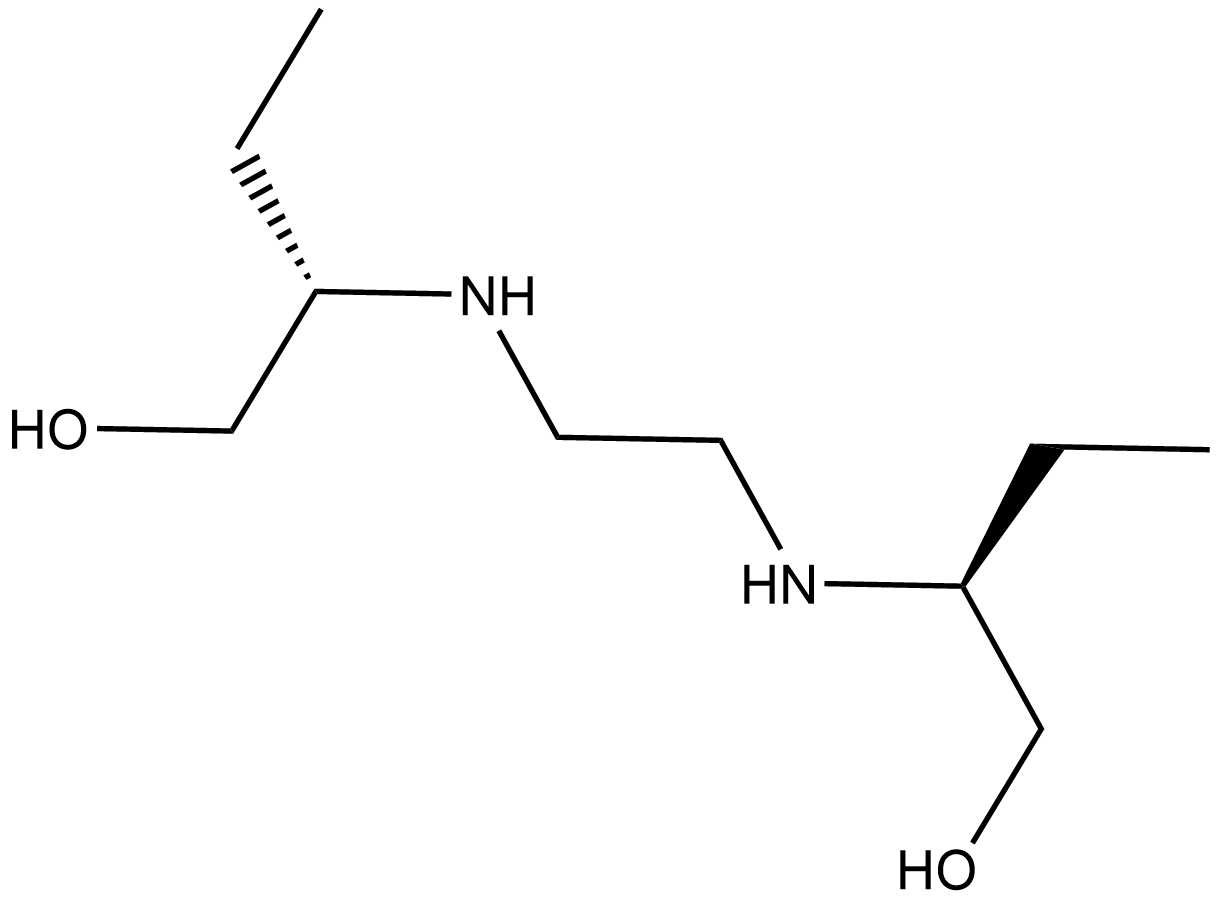 B3418 EthambutolSummary: bacteriostatic antimycobacterial agent
 -
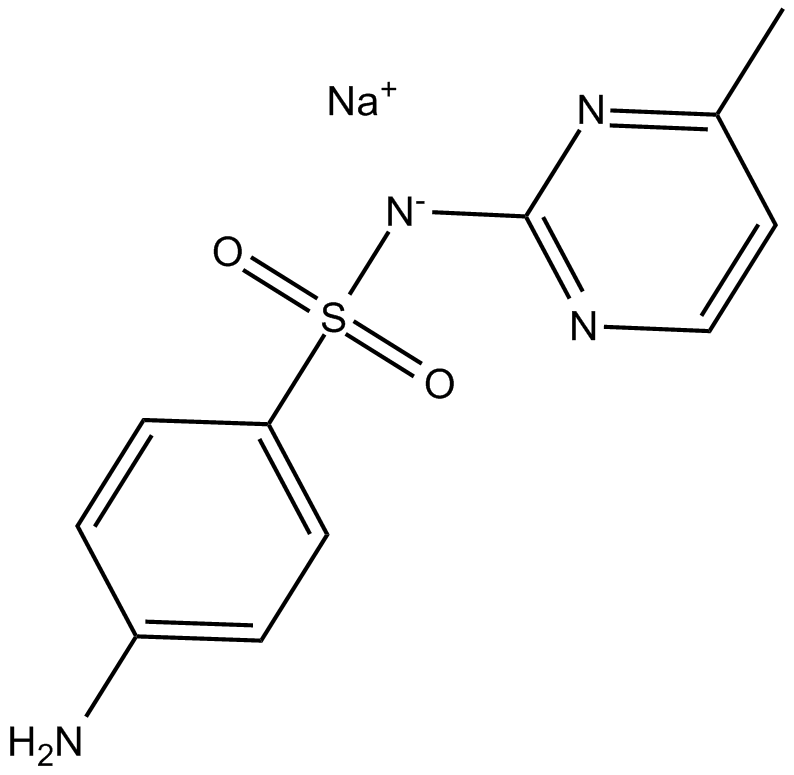 B3430 Sulfamerazine sodium saltSummary: sulfonamide antibacterial
 -
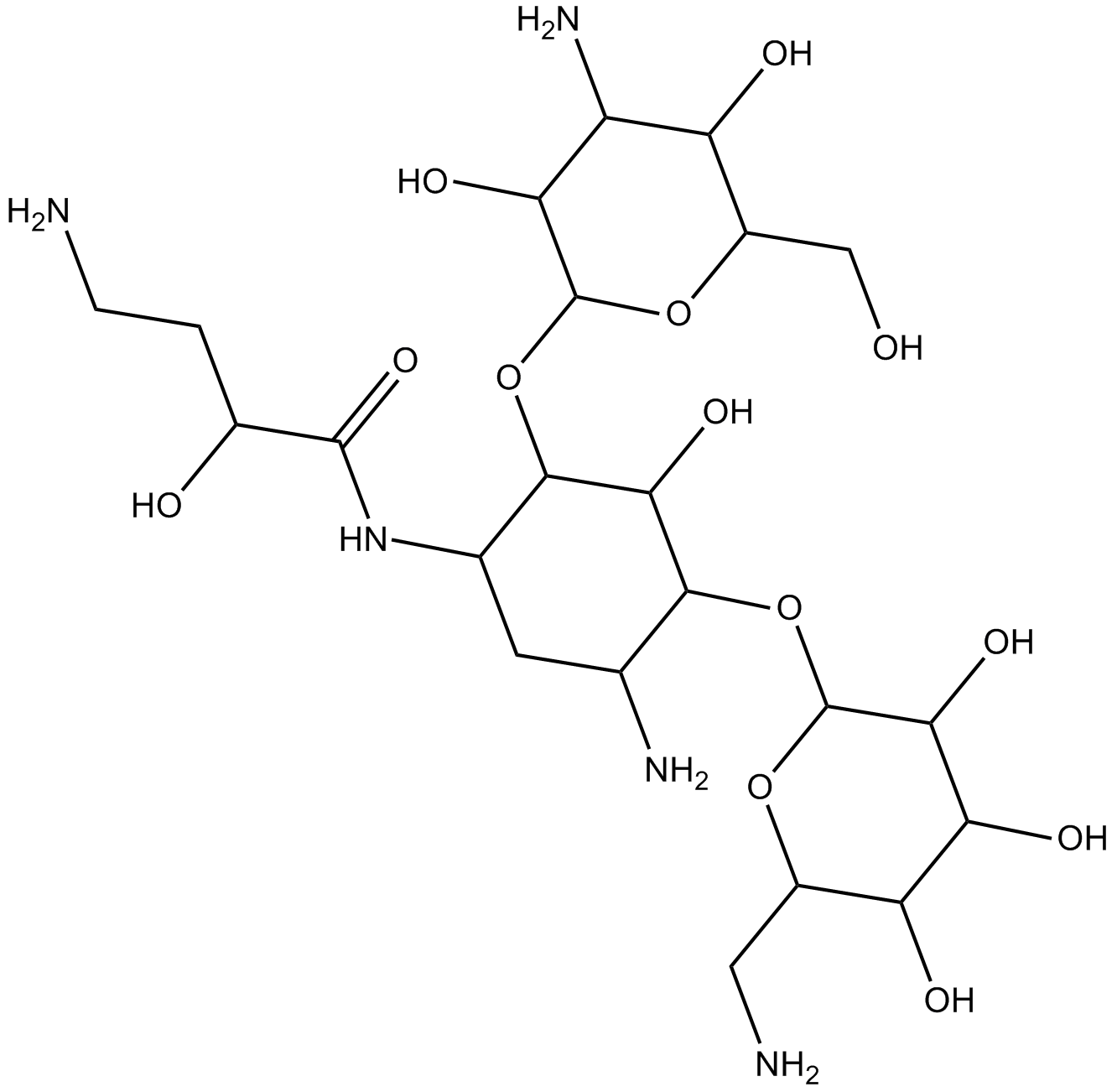 B3431 Amikacin1 CitationSummary: aminoglycoside antibiotic
 -
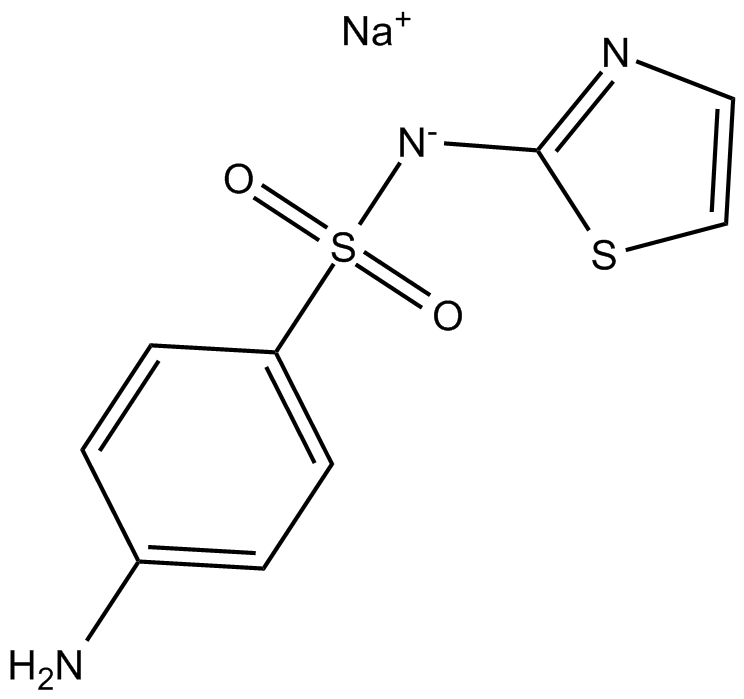 B3432 Sulfathiazole sodiumSummary: short-acting sulfa drug
 -
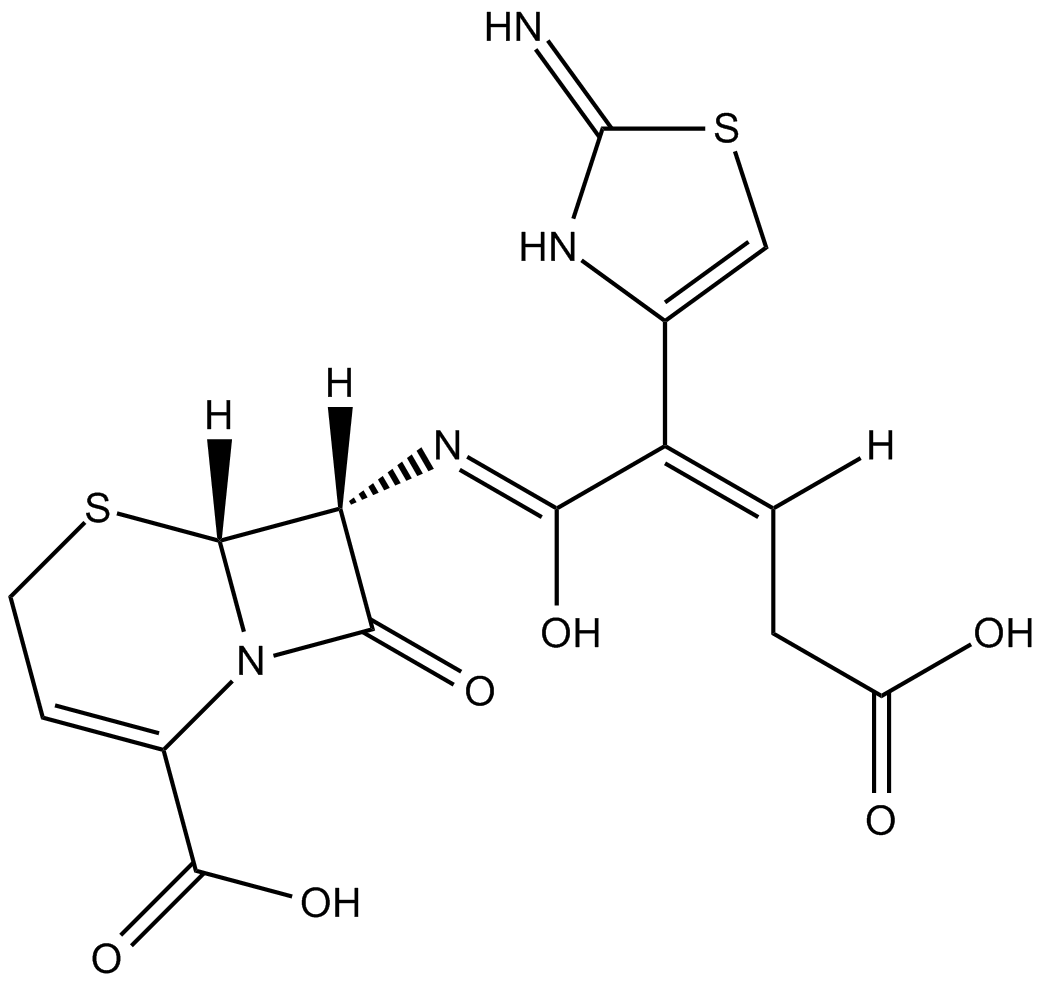 B3442 CeftibutenSummary: third-generation cephalosporin antibiotic
 -
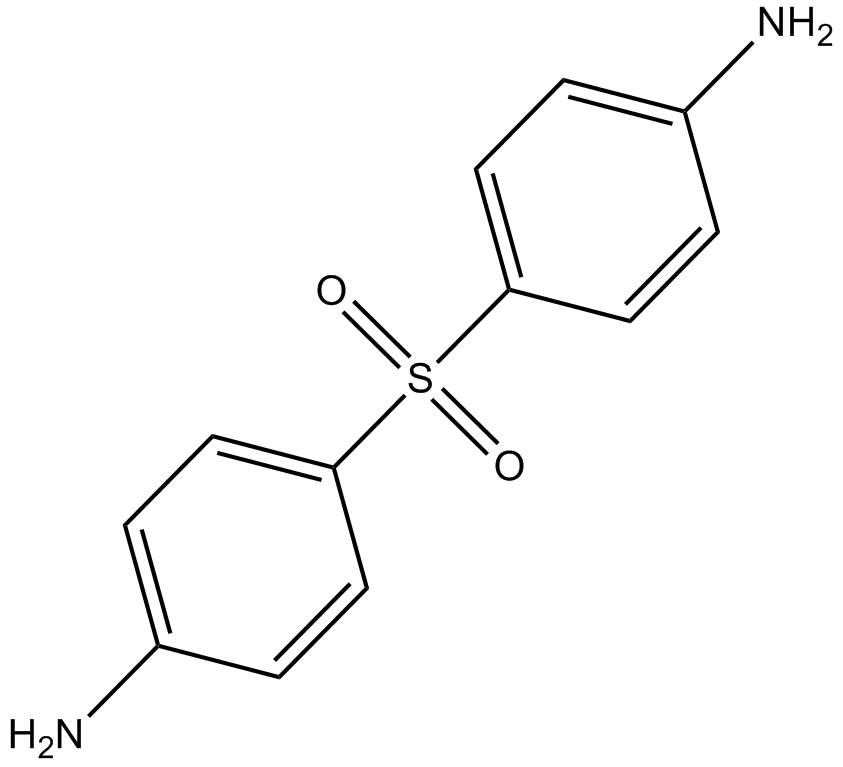 B3448 DapsoneSummary: sulfone antibiotic
 -
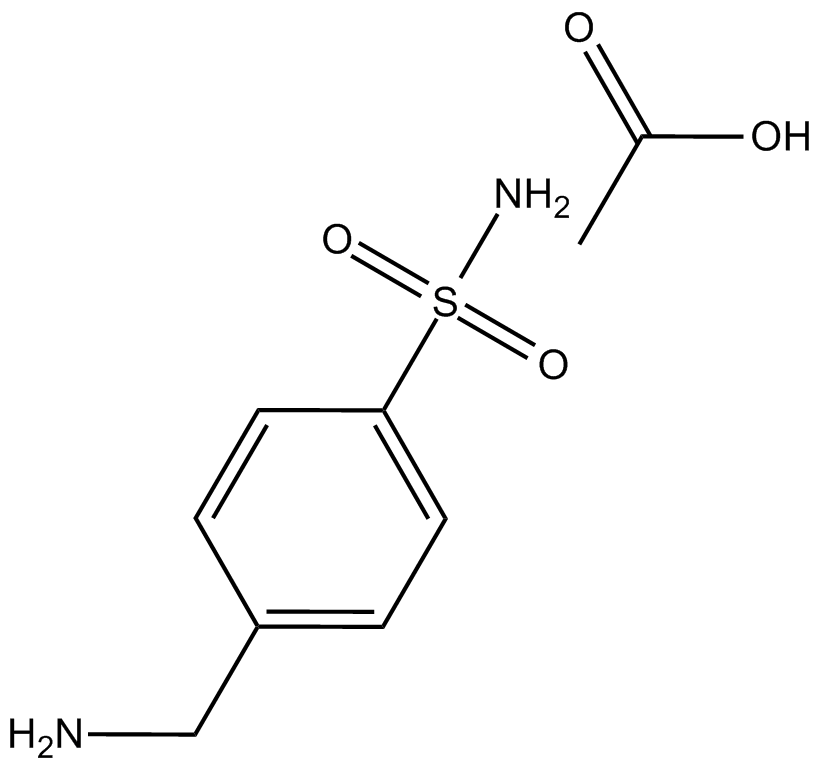 B3480 Mafenide AcetateSummary: sulfonamide-type medication
 -
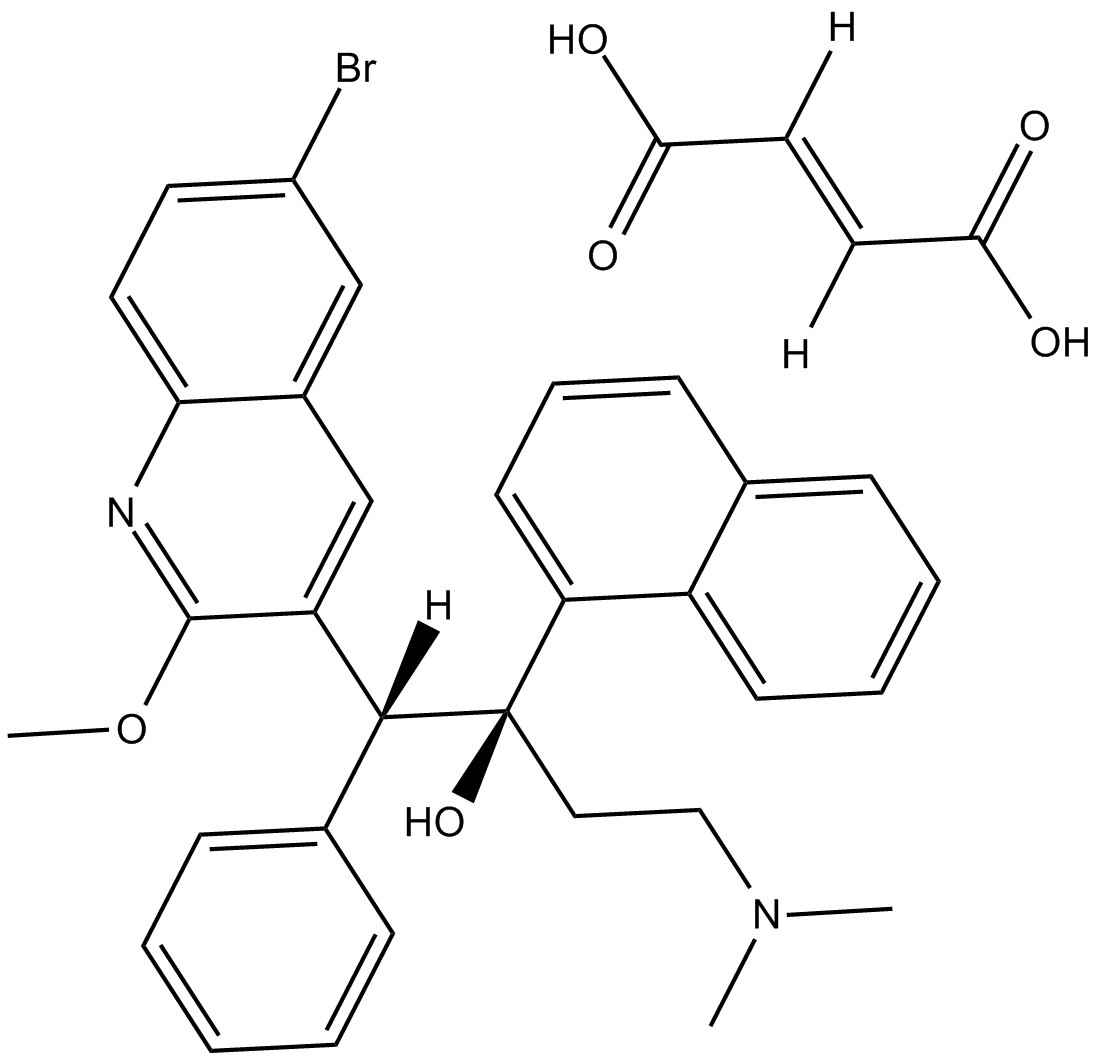 B3491 Bedaquiline fumarateSummary: anti-tuberculosis drug